Beacon Hill Hotel
On one of Beacon Hill's most architecturally intact blocks, the Beacon Hill Hotel occupies a pair of Federal-style row houses on Charles Street, the neighbourhood's primary commercial spine. The property sits squarely in the boutique tier, trading scale for setting, and addresses a traveller who prefers a residential streetscape over a hotel corridor. For Boston context, see our full Boston hotels guide.

Pearl is the En Primeur Club membership app, where members save venues, book tables and use the concierge.
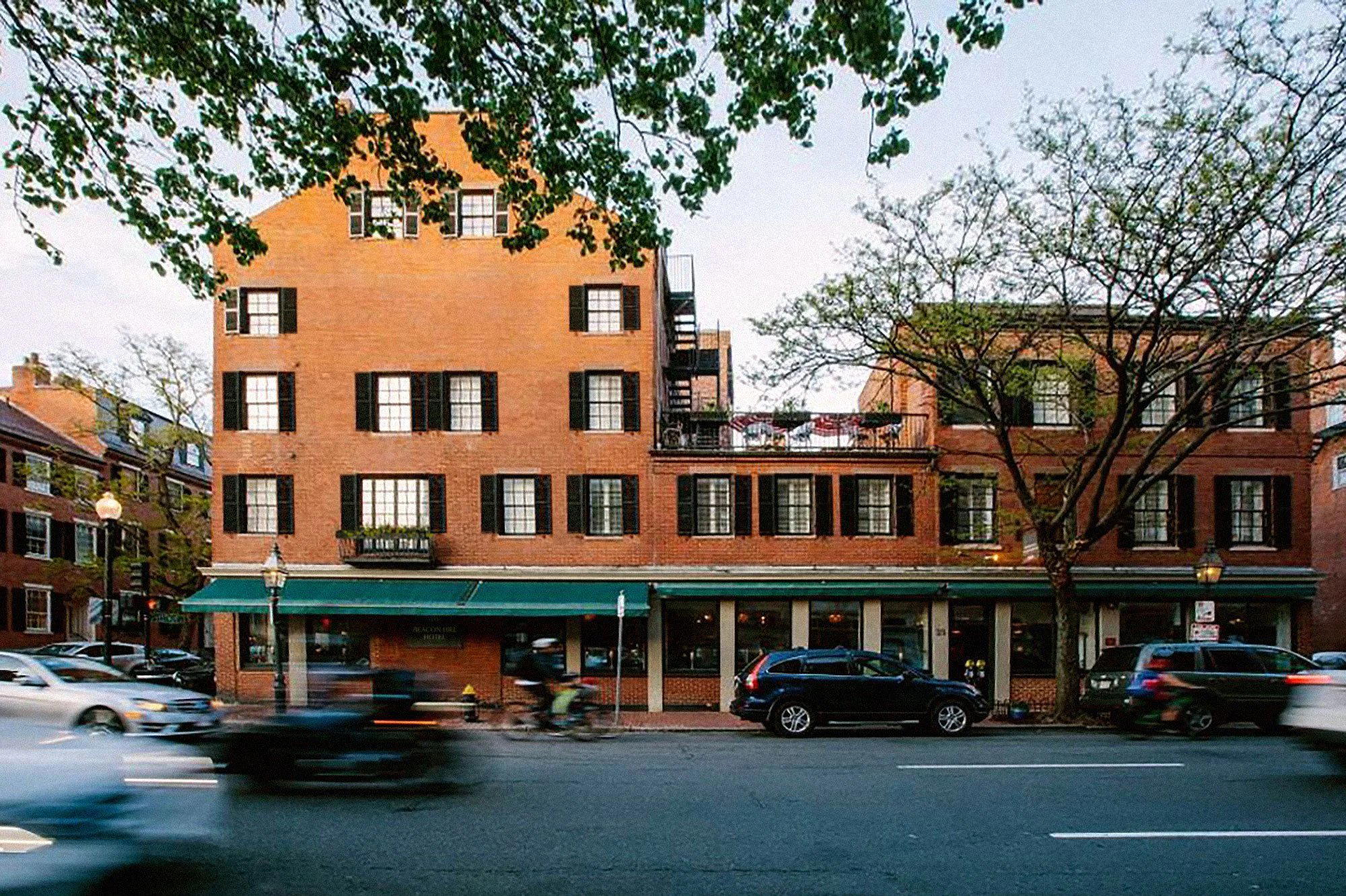
Charles Street and the Architecture of Restraint
Charles Street runs along the western base of Beacon Hill like a seam between two different versions of Boston. To the east, the hill rises through brick rowhouses and gas-lit alleys toward the State House dome. To the west, the Charles River Esplanade opens into parkland. At 25 Charles Street, the Beacon Hill Hotel occupies a position that captures both orientations without requiring guests to choose between them. The building itself is Federal in origin, the architectural vocabulary that shaped this neighbourhood in the late eighteenth and early nineteenth centuries: restrained fenestration, brick facades, the kind of proportional discipline that makes Beacon Hill one of the most coherent historic streetscapes in any American city.
That coherence is not accidental. Beacon Hill is one of the few neighbourhoods in Boston where the architectural fabric has remained largely intact across two centuries. The local historical commission enforces strict guidelines on facades, signage, and alterations, which means any hotel operating here must work within the existing envelope rather than imposing a brand identity on top of it. For travellers who have stayed at larger properties like Raffles Boston or Four Seasons Hotel One Dalton Street, the contrast in scale and urban integration is pronounced. Those towers announce themselves; the Beacon Hill Hotel simply belongs to the street it sits on.
The Boutique Tier in a City of Large Flags
Boston's hotel market clusters heavily at the larger, flagged end. The The Langham Boston, Mandarin Oriental Boston, and Four Seasons Hotel Boston all operate at significant scale, with amenity sets calibrated for corporate travelers and large leisure parties. The boutique segment operates differently. Properties like the Beacon Hill Hotel and The Whitney Hotel Boston compete on neighbourhood character and architectural authenticity rather than square footage or loyalty program integration. That is a deliberate trade-off, and the traveller who makes it correctly tends to find that proximity to the residential fabric of a place offers something that a larger hotel's common areas cannot replicate.
Beacon Hill as a neighbourhood rewards pedestrian movement. The Public Garden is a short walk south. Acorn Street, arguably the most photographed cobblestone alley in New England, sits within a few minutes on foot. The Charles/MGH Red Line station provides direct access to Cambridge and to South Station for Amtrak connections. For a traveller whose priorities are walkability, architectural context, and proximity to the older civic institutions of Boston, the location functions efficiently without requiring a car. Properties at the waterfront, like Battery Wharf Hotel Boston Waterfront, serve a different geography and a different rhythm entirely.
How This Address Reads Against the Broader American Boutique Hotel Canon
The American boutique hotel has diverged sharply in recent years. One branch runs toward design-forward destination resorts: Amangiri in Canyon Point, Post Ranch Inn in Big Sur, Sage Lodge in Pray. These properties use landscape as their primary architectural gesture. The other branch, to which the Beacon Hill Hotel belongs, works within inherited urban fabric. The closest analogues in this register are properties like Troutbeck in Amenia or The Fifth Avenue Hotel in New York City, where the building's existing history sets the terms of the guest experience. In each case, the hotel's identity is partly borrowed from architecture that predates it by a century or more.
Internationally, the model appears in properties like Aman Venice, where a sixteenth-century palazzo frames the entire offer, or Badrutt's Palace Hotel in St. Moritz, where the building carries a historical weight that no contemporary design intervention could replicate. The Beacon Hill Hotel operates at a more modest scale than either, but the underlying logic is the same: let the architecture do the contextual work, and build the hospitality offer around what the building already is rather than what a design team might want it to become.
The Newbury Comparison and What Neighbourhood Type Signals
Boston's other boutique address worth noting in this conversation is The Newbury Boston, which operates on Arlington Street at the edge of Back Bay. That address is architecturally significant in its own right, but it sits at the intersection of the retail corridor and the Public Garden rather than inside a residential neighbourhood. The distinction matters for guests who care about what they are absorbing when they leave the hotel. Beacon Hill is quieter after dark, more residential in character, and more insulated from the conference and convention traffic that moves through Back Bay. Whether that is an advantage depends entirely on what kind of stay the traveller is constructing.
For guests who want to be adjacent to the dining density of the South End or the Back Bay, Beacon Hill sits at a slight remove, but Charles Street itself carries a concentrated run of independent restaurants, wine bars, and specialty food shops that makes the immediate surroundings functional without requiring a taxi. Comparable urban-boutique properties in other American cities, like Hotel Bel-Air in Los Angeles or 1 Hotel San Francisco, each demonstrate how a well-placed boutique address can generate its own micro-ecosystem that reduces dependence on broader city infrastructure.
Planning a Stay
25 Charles Street is accessible from Logan International Airport via the Silver Line to South Station, then the Red Line to Charles/MGH, a journey that takes approximately 35 to 45 minutes depending on connections. For guests arriving by Amtrak at South Station, the same Red Line connection applies. Charles Street sits within walking distance of Massachusetts General Hospital, making the hotel a functional choice for medical travel as well as leisure. Booking directly with the property is advisable for guests with specific room or floor preferences, as the building's row-house footprint means room configurations vary meaningfully by position within the structure. For broader context on Boston's hotel and dining options, see our full Boston restaurants guide.
Quick Comparison
| Venue | Price | Awards |
|---|---|---|
| Beacon Hill HotelThis venue (the venue you are viewing) | $200–300 | Not listed |
| Raffles Boston | Not listed | 2 Michelin Keys · La Liste Top Hotels |
| Four Seasons Hotel One Dalton Street, Boston | $750–1,000 | 1 Michelin Key · Michelin Guide New Hotels New Hotel |
| Four Seasons Hotel Boston | Not listed | 1 Michelin Key · La Liste Top Hotels |
| Fairmont Copley Plaza | Not listed | Forbes Recommended |
| InterContinental Boston | Not listed | Michelin Selected · Forbes Recommended |
Continue exploring
More in Boston
Hotels in Boston
All hotels in Boston →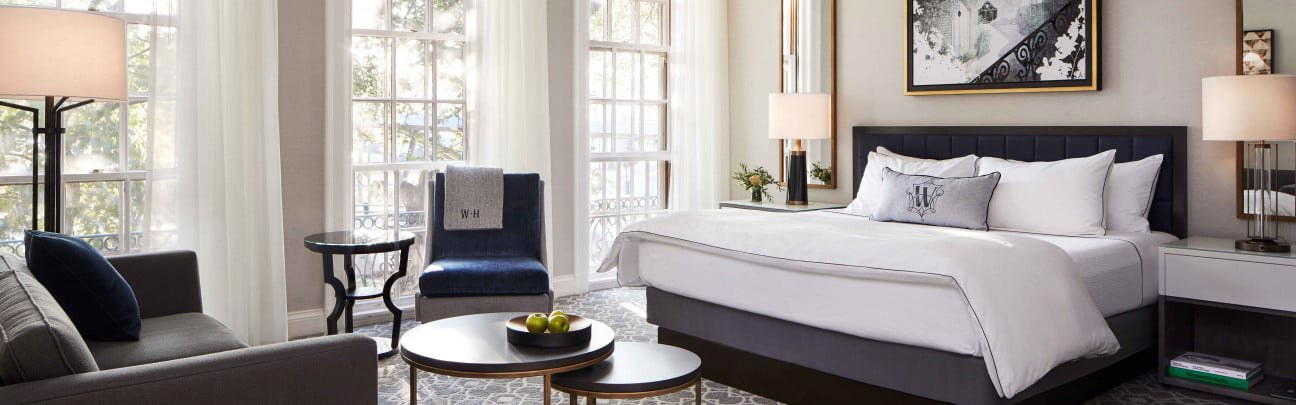
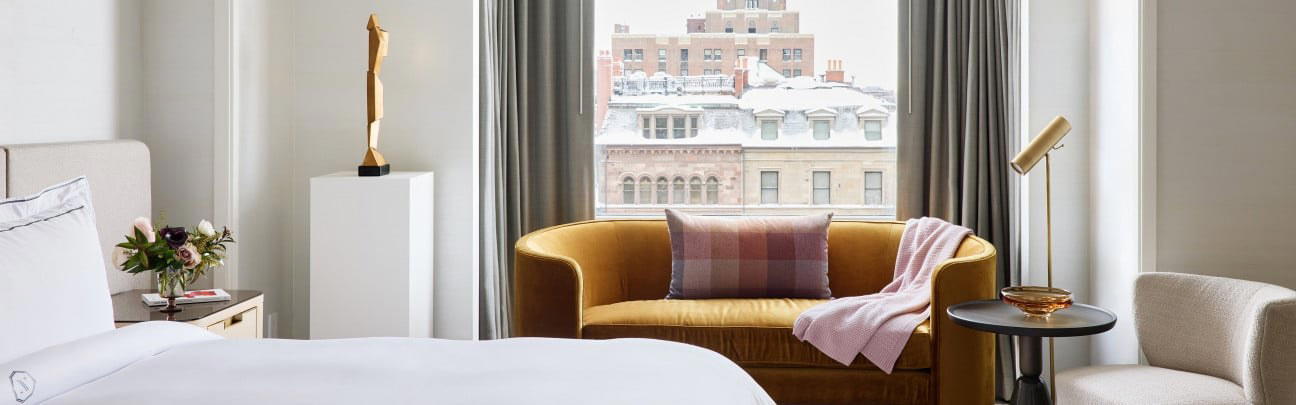
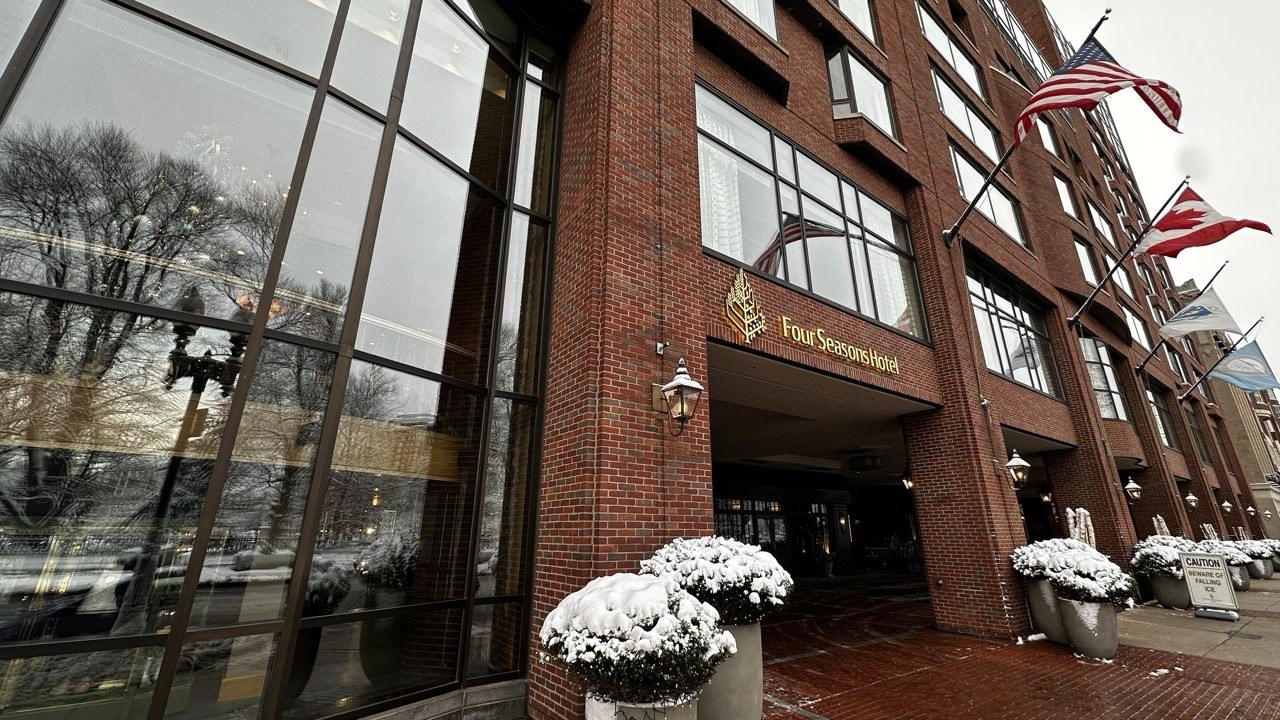
Bars in Boston
All bars in Boston →
Restaurants in Boston
All restaurants in Boston →


Details
- Cozy
- Elegant
- Classic
- Intimate
- Romantic Getaway
- Weekend Escape
- Business Trip
- Historic Building
- Terrace
- Wi Fi
- Room Service
- Concierge
- Street Scene
- Garden
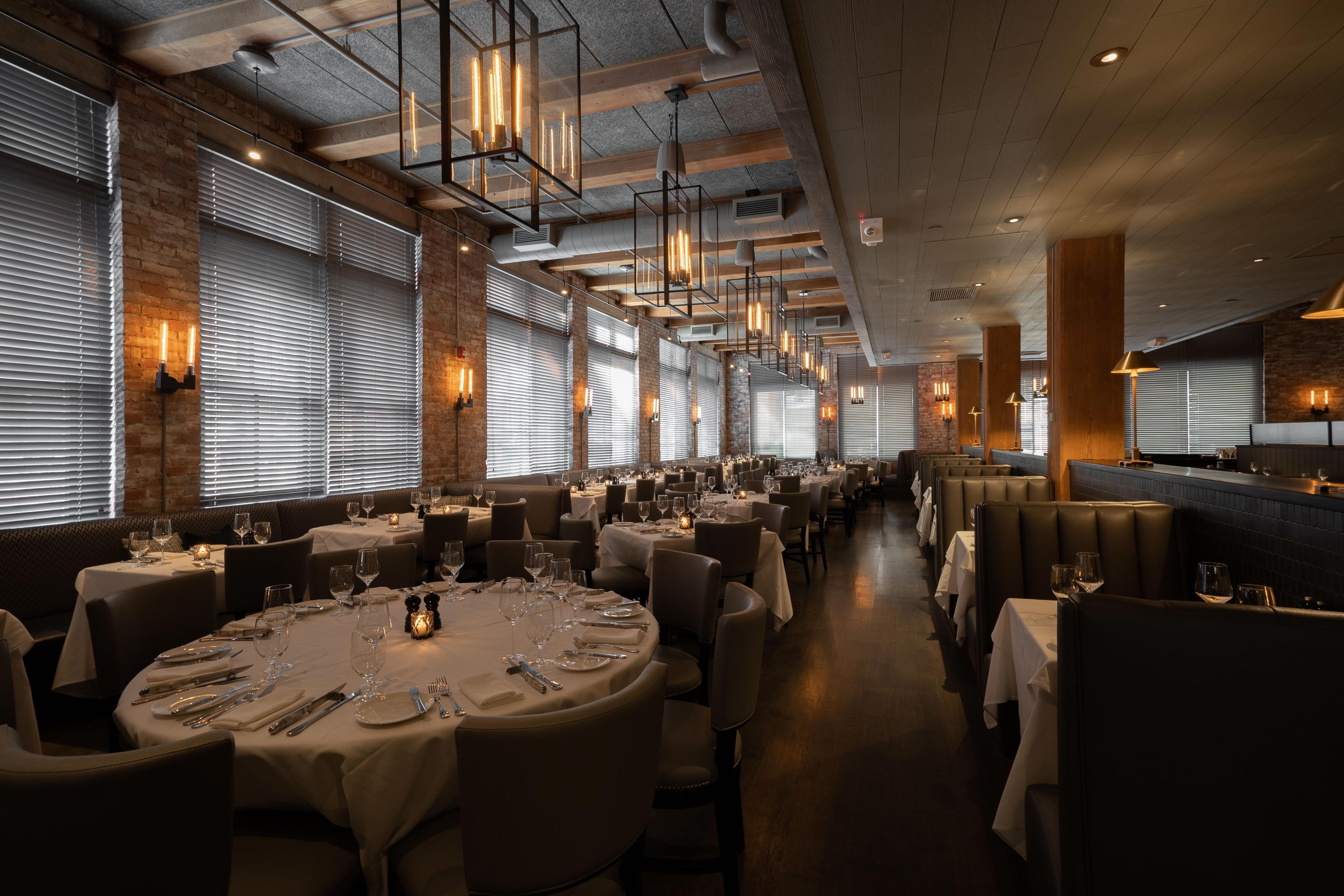
Plush comforts with warm colors, cozy atmosphere enhanced by classic European style lighting and a welcoming wooden fireplace bar.