Longueville Manor




The 5,000-bin wine list, served via Coravin, and a head chef with decades of unbroken tenure at the property make this one of the Channel Islands' most consistent fine-dining addresses.
Pearl is the En Primeur Club membership app — saves, bookings, and concierge access live there. Same editors, same standards.
- Address
- Longueville Rd, Jersey JE2 7WF, Jersey
- Phone
- +44 1534 725501
- Website
- longuevillemanor.com
- Directions
- Get directions
 Saves & bookings on Pearl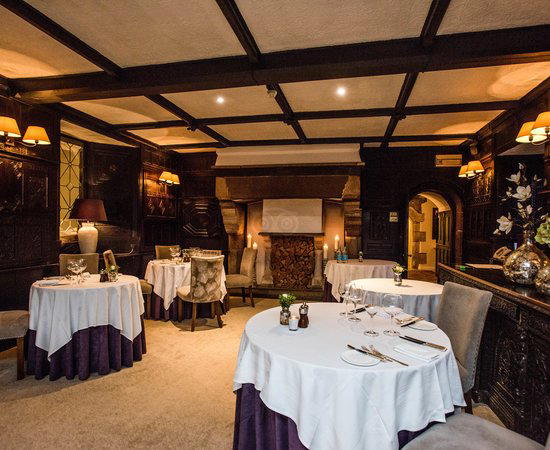
Stone, Oak, and the Weight of Place
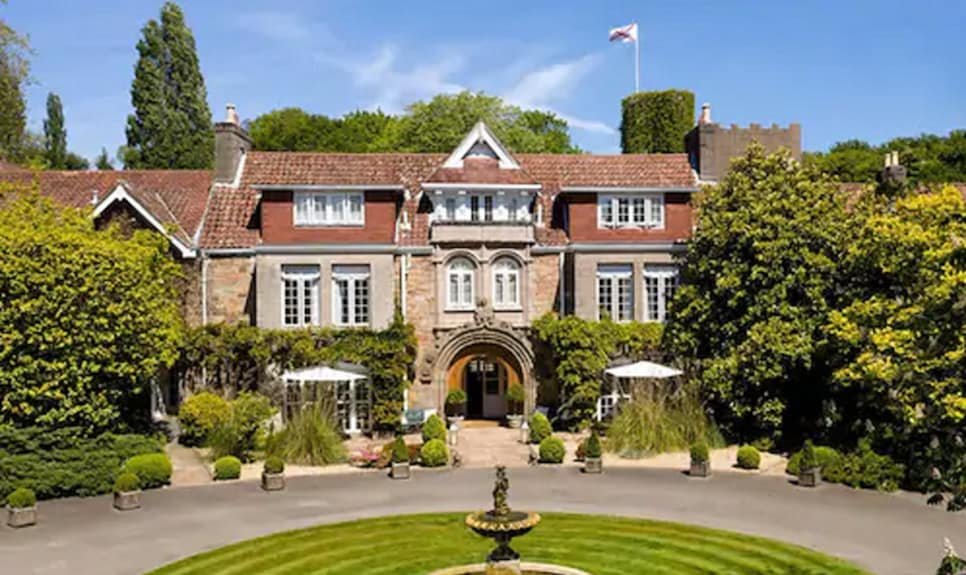
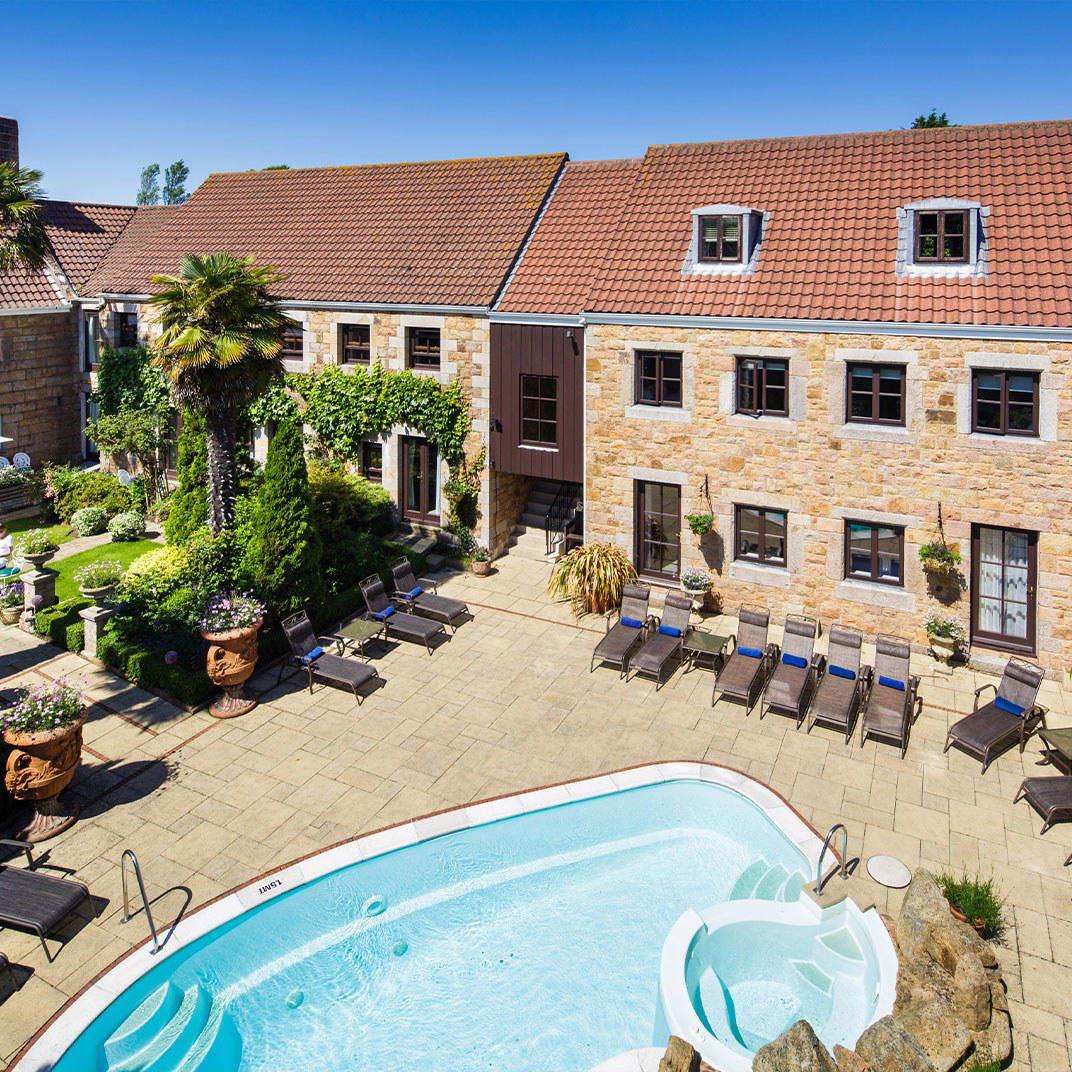
Arriving at Longueville Manor along Longueville Road in Saint Saviour, Jersey, the stone entrance arch sets an immediate register. Sections of the building date to the mid-16th century, and that age reads in the fabric of the place rather than as a decorative flourish. Inside, the 15th-century oak-panelled dining room has the quality of a room that has absorbed several hundred years of use without needing to announce it. For a different mood, the Garden Room runs brighter and lighter, and a terrace extends the options when Jersey's weather cooperates. The physical environment here is not neutral backdrop; it shapes the tempo of an evening in a way that few modern restaurant fitouts can replicate.
What the Kitchen Garden Actually Changes
The sourcing model at Longueville Manor is the structural key to understanding its menus. A working kitchen garden supplies ingredients directly to the kitchen, and daily menus shift accordingly. This is not a branding exercise; it is a practical constraint that keeps the cooking tethered to what the land and season make available. Jersey's agricultural identity, the island is known outside fine dining for Jersey Royal potatoes and dairy, means that local sourcing here carries genuine provenance weight.
Seafood arrives from Jersey waters, a geographical advantage that restaurants on the mainland cannot replicate. Line-caught local sea bass, Jersey crab, and prawns appear on the menu not as premium additions but as standard working ingredients. When crab is paired with watermelon, lime, garden shoots, and Bloody Mary gel, the sourcing is what makes the combination legible: the crab is local and fresh enough to hold its own against aggressive accompaniments. The same logic applies to a dish like line-caught sea bass with spring onion, ginger, and lime leaf, where Jersey Royals and a Champagne sauce provide the geographic anchor. These are not dishes chasing novelty for its own sake; they are constructions in which local materials set the terms.
Beyond seafood and garden produce, the meat sourcing also reaches for specificity. A terrine combining slow-cooked pork, guinea fowl, and ham hock with pata negra, pickled vegetables, and golden raisins demonstrates a kitchen that moves between island and continental European sources with equal confidence. Creedy Carver duck, a named West Country breed, appears alongside glazed fig, butternut squash, and pomegranate, signalling that provenance decisions extend across the entire menu rather than concentrating only on the headline Jersey ingredients.
Decades of Tenure as Editorial Evidence
Continuity of leadership at a fine-dining kitchen is rarer than it should be. The head chef at Longueville Manor has been cooking at the property since the early 1990s, a tenure measured in decades rather than the industry-average two to three years. This matters for sourcing-led cooking in a way that goes beyond biography: a chef who has spent that long in one place develops supplier relationships, seasonal rhythms, and a reading of what the kitchen garden and local waters reliably produce that cannot be replicated by a succession of shorter tenures. The menu at Longueville bears the hallmarks of that accumulation, absorbing techniques and ideas from broader contemporary cooking while discarding what the kitchen clearly judges to be unnecessary complication.
The Wine Cellar as a Separate Argument
A 5,000-bin wine list at a hotel restaurant in a British Crown Dependency is not what the format typically promises. The list at the restaurant has been assembled with enough range and care that asking to see the cellar is genuinely worth doing rather than a pro forma tourist gesture. The sommelier operates with a Coravin device, which allows premium bottles to be poured by the glass without opening the full bottle, a practical tool that makes serious wine accessible to solo diners or tables that want to move across different wines at different price points. This is the kind of detail that separates a wine program that takes itself seriously from one that has simply accumulated bottles over time.
The British fine-dining properties where wine lists command comparable attention tend to sit at ££££ pricing, venues like The Ledbury in London or Midsummer House in Cambridge. Longueville operates at £££, which makes the depth of its wine program an outlier relative to its price tier and worth factoring into how visitors assess value.
Recognition and Peer Context
The Michelin Plate signals cooking that meets the guide's quality threshold without yet reaching star level; it places Longueville in a large cohort of serious British hotel restaurants that operate consistently at high quality. For those building a wider picture of serious British modern-cuisine dining, addresses worth reading alongside Longueville include Moor Hall in Aughton, hide and fox in Saltwood, and Hand and Flowers in Marlow.
Planning a Visit
The restaurant is a family-run restaurant and hotel. Families are accommodated, making it one of the relatively few fine-dining hotel properties in this tier where bringing children is not a logistical awkwardness. The address is Longueville Road, Saint Saviour, Jersey JE2 7WF, reachable by air or ferry to Jersey followed by a short drive. Reservations are recommended.
For broader modern-cuisine reference points, Frantzén in Stockholm, FZN by Björn Frantzén in Dubai, Opheem in Birmingham, and L'Enclume in Cartmel represent different points on the contemporary spectrum, from kitchen-garden-driven tasting menus to globally referenced modern cooking. The Fat Duck in Bray sits at the technical and theatrical end of modern British dining, a useful point of contrast with Longueville's more measured approach to the same broad tradition.
Side-by-Side Snapshot
Comparable venues nearby, for context on price, style, and recognition.
| Venue | Cuisine | Price | Awards | Notes |
|---|---|---|---|---|
| Longueville ManorThis venue — the venue you are viewing | Modern British Fine Dining | $$$$ | Michelin Plate | Not listed |
| Mark Jordan at the Beach | Modern British Seafood Bistro | $$$ | Not listed | St Peter |
| Oyster Box | Seafood Brasserie | $$$ | Michelin Plate | St Brelade's Bay |
| Tassili | Modern European Fine Dining | $$$$ | Michelin Plate | St Helier |
| Awabi | Modern Pan-Asian Izakaya | $$$ | Michelin Plate | St Helier |
| Samphire | Modern British Fine Dining | $$$ | Michelin Plate | St Helier |
Recognition history
Dated appearances from independent guides and award organizations, with the underlying list record or original source where available.
AA Rosettes 3 Rosettes
AA Rosettes
Michelin Plate
Michelin
Relais Chateaux Award
Relais Chateaux
Michelin Plate
Michelin
Relais Chateaux Award
Relais Chateaux
The Good Food Guide GFG Very Good
The Good Food Guide
Continue exploring
More in St Saviour
Restaurants in St Saviour
Browse all →
Bars in St Saviour
Browse all →
At a Glance
- Elegant
- Sophisticated
- Classic
- Intimate
- Cozy
- Special Occasion
- Date Night
- Celebration
- Hotel Restaurant
- Garden
- Wine Cellar
- Historic Building
- Terrace
- Extensive Wine List
- Sommelier Led
- Local Sourcing
- Garden
Characterful oak-panelled dining rooms with cosy, clubby atmosphere, silver service, and relaxing peaceful setting.