Le Palace sits inside the Paris hotel conversation with little public detail in the available record, which changes how a serious traveller should assess it. The smarter reading is comparative: measure it against the city’s palace-grade wellness hotels, private-suite retreats, and spa-led addresses before treating the name as a confirmed luxury signal.

Pearl is the En Primeur Club membership app — saves, bookings, and concierge access live there. Same editors, same standards.
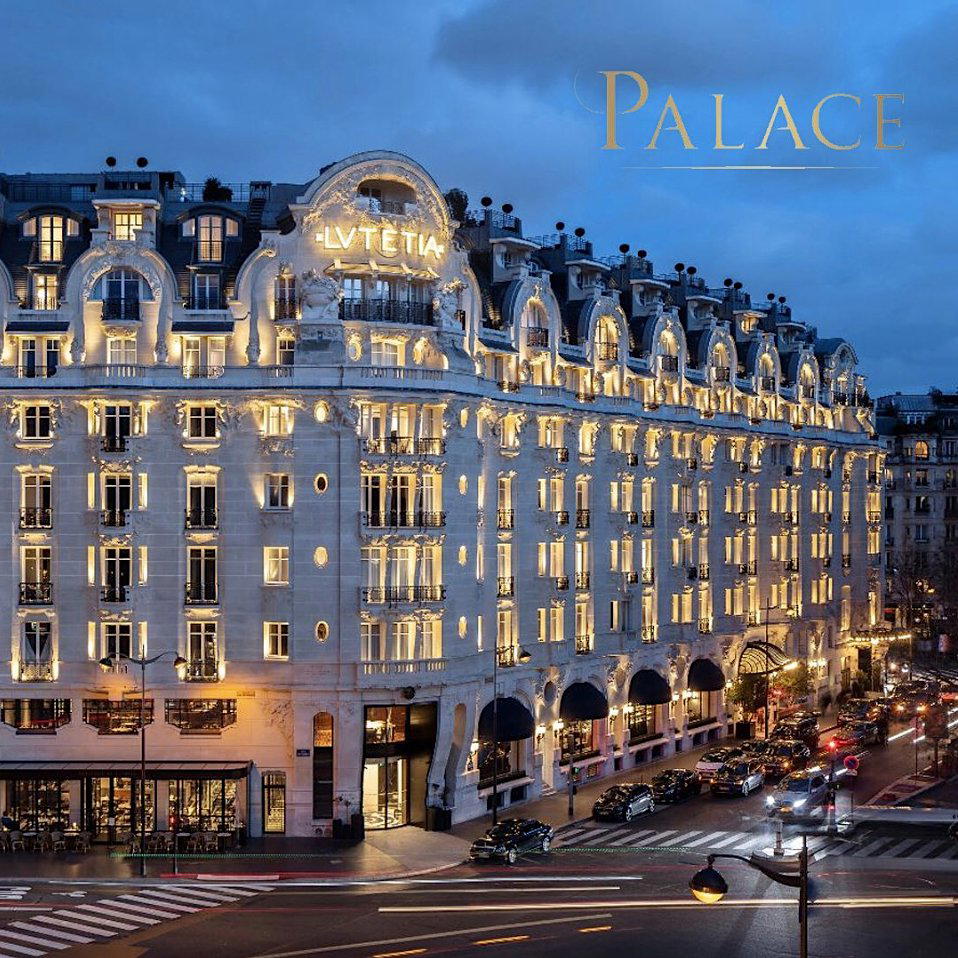
First impressions: Paris luxury has become quieter, slower, and more body-conscious
Approaching a serious Paris hotel is rarely only about the façade. In the current high-luxury tier, the first read is often spatial: how much room the lobby gives to silence, how quickly the city noise falls away, whether the property feels designed for recovery rather than display. In a city where hotel names carry heavy cultural baggage, that absence is not a minor footnote. It is the starting point for a more careful assessment.
Paris has trained travellers to read luxury through grand staircases, old-world service rituals, couture-adjacent neighbourhoods, and restaurant reputations. The newer question is different: can the hotel make the city feel less extractive? After long-haul arrivals, museum schedules, late dinners, and rail transfers, the premium guest increasingly values sleep quality, privacy, spa access, and a rhythm that does not turn every hour into theatre. Le Palace enters that conversation as a name to place against better-documented peers.
The retreat mindset in Paris
Paris is not a natural resort city. Its luxury hotels have had to build retreat conditions inside dense urban fabric, often between traffic corridors, heritage buildings, fashion districts, embassies, and department-store gravity. The strongest hotel experiences in the city now work by contradiction: they sit close to the action but create a pocket of lowered tempo. That is why wellness has moved from amenity status to sorting mechanism. A spa, gym, pool, recovery suite, private garden, or low-key breakfast room can determine whether a hotel reads as a base for performance or a place to regain balance.
The better-known Paris cohort sets a high benchmark. Cheval Blanc Paris sits on the Seine with a contemporary luxury vocabulary and a major wellness proposition. La Réserve Paris occupies a more residential register, where scale and privacy shape the retreat effect. Le Bristol Paris belongs to the grand-hotel tradition but has long understood gardens, pool culture, and family comfort as part of the luxury equation. Against that field, any less-documented hotel called Le Palace needs evaluation through evidence, not assumption.
What can be verified about Le Palace
No hotel group, star rating, public awards, style note, room inventory, spa facilities, fitness facilities, restaurant format, bar program, chef name, or operating hours are available. That does not make the hotel irrelevant. It means the editorial work has to separate what is known from what the Paris luxury market might tempt a writer to infer.
The confirmed record is narrow. Paris has several properties whose reputations are supported by formal palace distinction, Michelin-linked dining, published spa programming, established ownership groups, and visible critical recognition. A careful traveller should treat the name as a prompt for further verification, especially if the trip depends on wellness facilities, private transport coordination, accessibility needs, or a firm restaurant plan on arrival night.
How Paris palace culture sets the benchmark
The word “palace” carries specific weight in France because the country has an official Palace hotel distinction for properties that exceed the five-star classification. In Paris, the established luxury conversation includes hotels with formal recognition, long operating histories, and heavily documented service ecosystems. The category is not only about chandeliers and linen; it is about consistency under pressure.
For travellers comparing Paris hotels, the comparable set is unusually transparent. Hotel Plaza Athénée anchors the Avenue Montaigne fashion axis. Hôtel de Crillon brings Place de la Concorde formality into the discussion. Four Seasons George V represents the international grand-luxury model with a deep food-and-beverage reputation. Le Meurice brings the Rue de Rivoli and Tuileries axis into play. These references matter because they show how much documentation serious Paris luxury hotels usually carry in public view.
Atmosphere: what the name suggests, and what the record does not prove
What is the atmosphere like at Le Palace? If the reader is using only the confirmed record, the honest answer is that the atmosphere cannot be described with precision. There is no verified interior style, room count, restaurant concept, spa note, bar description, garden, pool, view, or neighbourhood address in the supplied data. In Paris, that restraint is necessary. The city has too many properties whose names suggest grandeur, and too many travel pages that convert a name into mood without evidence.
If the aim is a retreat-led Paris stay, atmosphere should be judged through practical proof: documented spa facilities, treatment menus, gym hours, room soundproofing, in-room dining depth, breakfast setting, and the ease of moving between hotel and neighbourhood without friction. Those details are available for many established addresses and absent here.
Wellness as the serious filter
Wellness in Paris hotels has split into several models. One model is the full urban spa, with pool, treatment rooms, fitness coaching, beauty partnerships, and enough square footage to function as a retreat within the building. Another is the discreet recovery model: fewer facilities, but better sleep, larger rooms, controlled light, and service that keeps the guest’s schedule from becoming chaotic. A third is the medical or longevity-adjacent model, increasingly visible in European luxury travel, though less common in central Paris than in Alpine, coastal, or countryside hotels.
Because Le Palace has no verified wellness data in the record, it cannot be assigned to any of those models from the record. That is the central planning point. A traveller whose Paris trip depends on spa time should compare against properties with published wellness programs rather than assume parity. For a broader French wellness circuit, the contrast becomes clearer: Royal Champagne Hotel & Spa in Champillon ties recovery to vineyard country; La Réserve Ramatuelle - Hôtel, Spa and Villas in Ramatuelle frames retreat through Mediterranean space; Hôtel & Spa du Castellet in Le Castellet makes spa part of a destination format rather than a city add-on.
Where dining fits into the hotel decision
Paris hotel dining has become a separate reason to book, not just a convenience. Palace hotels compete with independent restaurants on chef credentials, cellar depth, breakfast theatre, pastry, room-service competence, and the ability to absorb a late arrival without making the guest compromise. That means dining cannot be used as a confirmed reason to select the property.
For travellers building a food-led stay, the smarter approach is to separate hotel choice from restaurant planning until more data is confirmed. The city has enough dining density that a hotel without verified restaurant information can still work if its location and transport are clear, but those location details are also absent from the record. Use the Paris restaurants guide to build meals independently, then test whether the hotel’s location supports those plans. For aperitifs, nightcaps, or cocktail-led evenings, the Paris bars guide is the cleaner planning layer.
The Paris comparison set: grand hotels, private houses, and edge-of-city retreats
Paris luxury is not one category. The city’s grand hotels cluster around ceremonial addresses and major monuments. Smaller luxury houses lean into residential privacy. Design-led properties use contemporary art, fashion adjacency, or food culture to create a sharper point of view. Then there is the edge-of-city retreat model, where Versailles, forest access, or private grounds shift the stay away from central Paris intensity.
That last category matters for a wellness-minded traveller. Airelles Château de Versailles - Le Grand Contrôle changes the rhythm completely by placing the stay in a heritage setting outside the ordinary city-hotel loop. Within Paris proper, the comparison is more granular: Seine-facing contemporary luxury, Right Bank formality, Left Bank discretion, or mansion-style seclusion. Le Palace cannot be confidently mapped to one of these subtypes without address and facilities data, so the comparison should remain conditional rather than decorative.
How far ahead to plan
How far ahead should a traveller plan for the hotel? Paris compression is real during fashion weeks, major art fairs, school holidays, May and June travel, September returns, and year-end festive dates. Without a confirmed direct channel in the record, the risk is not only room availability; it is the inability to verify what is actually included.
For wellness-led stays, advance planning matters even more. Spa treatments, personal training, early check-in requests, quiet-room preferences, interconnecting rooms, and airport transfers are the details that separate a restorative stay from a tiring one. Since none of those services are documented here, travellers should not leave verification to arrival day. If the stay is part of a larger France itinerary, the planning burden increases: pairing Paris with Domaine Les Crayères in Reims, La Bastide de Gordes in Gordes, or Villa La Coste in Le Puy-Sainte-Réparade requires a clearer sequence of rail, car, and rest days.
What is the standout thing about Le Palace?
It is the gap between a powerful name and a thin public record in the supplied data. In Paris, that gap deserves attention because luxury vocabulary can outrun proof. A hotel page with no confirmed address, price range, star rating, awards, spa details, dining details, or booking channel should be handled differently from a fully documented palace-grade property.
The hotel requires confirmation before comparison. The editorial stance is clear: do not evaluate it by name alone.
Beyond Paris: when a retreat should leave the city
A wellness-first France trip may not need to keep every night in Paris. The capital is dense, stimulating, and efficient, but the deeper retreat formats often sit elsewhere. Hotel Du Cap-Eden-Roc in Cap d'Antibes belongs to the Riviera resort tradition, where sea air and long property rhythms change the day. The Maybourne Riviera in Roquebrune-Cap-Martin offers a coastal counterpoint to the Paris hotel circuit. Four Seasons Megeve in Megève shifts the recovery logic toward mountain air, skiing seasons, and Alpine pacing.
International comparisons sharpen the point.ifferent urban luxury idiom, where design and neighbourhood energy carry the stay. Hôtel de Paris Monte-Carlo in Monte Carlo folds hotel life into casino, sea, and principality theatre. Badrutt's Palace Hotel in St. Moritz sits in the grand Alpine resort tradition. These comparisons show why Paris wellness must be judged on evidence: the city has to work harder to create retreat conditions than destinations built around space, altitude, or coast.
Planning Le Palace with a wider Paris itinerary
Paris is easiest when the day’s geography is disciplined: Left Bank museum mornings, Right Bank shopping, Marais galleries, eastern dining, or western luxury retail. A hotel without confirmed location cannot yet be matched to those patterns. That is why the broader EP Club Paris pages are useful planning tools: Our full Paris hotels guide gives the accommodation comparison, Our full Paris experiences guide helps structure cultural time, and Our full Paris wineries guide is useful for wine-led planning in and around the city.
For a stay built around rest, leave space between restaurant reservations and cultural bookings. Paris rewards ambition, but it punishes over-scheduling. The better hotel decision is not always the grander name; it is the property whose location, room conditions, wellness access, and service channels fit the actual trip.
How It Compares
Comparable venues nearby, for context on price, style, and recognition.
| Venue | Cuisine | Price | Notes |
|---|---|---|---|
| Le PalaceThis venue — the venue you are viewing | Historic Parisian theatre repurposed as an well-known nightlife venue, with a strong cultural legacy tied to fashion, music, and avant-garde performance. | Not listed | Not listed |
| Generator Paris | Design-led urban hostel with emphasis on lively social spaces. | $ | 10th Arrondissement |
| Jules & Jim | Contemporary boutique in historic Marais building with raw, durable materials and art focus | $$$ | Le Marais |
| Hôtel Particulier | Historic private mansion revived as an intimate family-run hotel with lush gardens. | $$$$ | Montmartre |
| Banke Opéra Paris – A Radisson Collection Hotel | Luxury lifestyle heritage hotel in a converted early-20th-century bank building near Opéra Garnier. | $$$$ | 9th arrondissement (Opéra/La Fayette) |
| Mama Shelter Paris West | Boutique design hotel chain emphasizing practicality, comfort, and distinctive style at accessible prices. | $$ | 15th arrondissement |
Continue exploring
More in Paris
Hotels in Paris
Browse all →
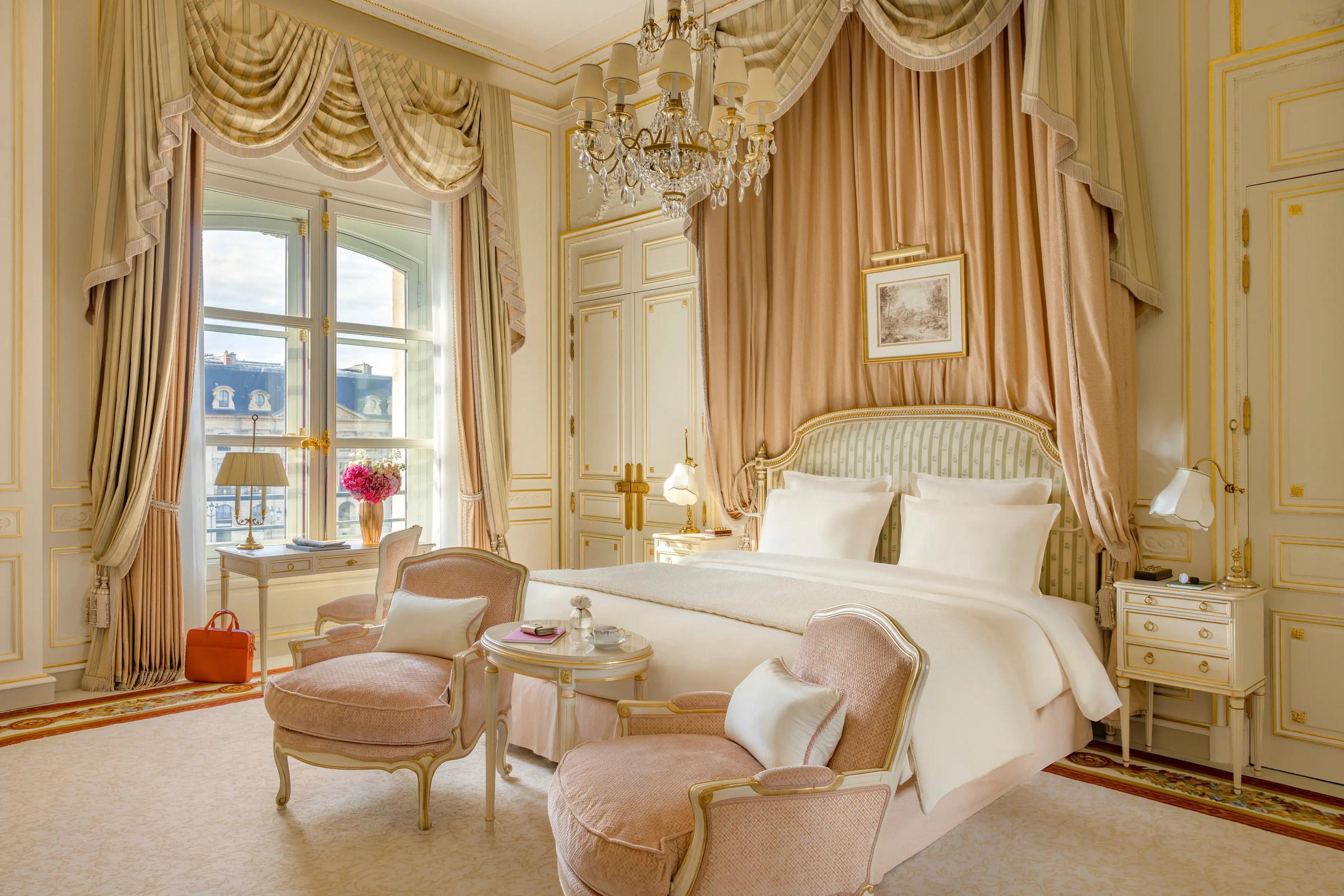
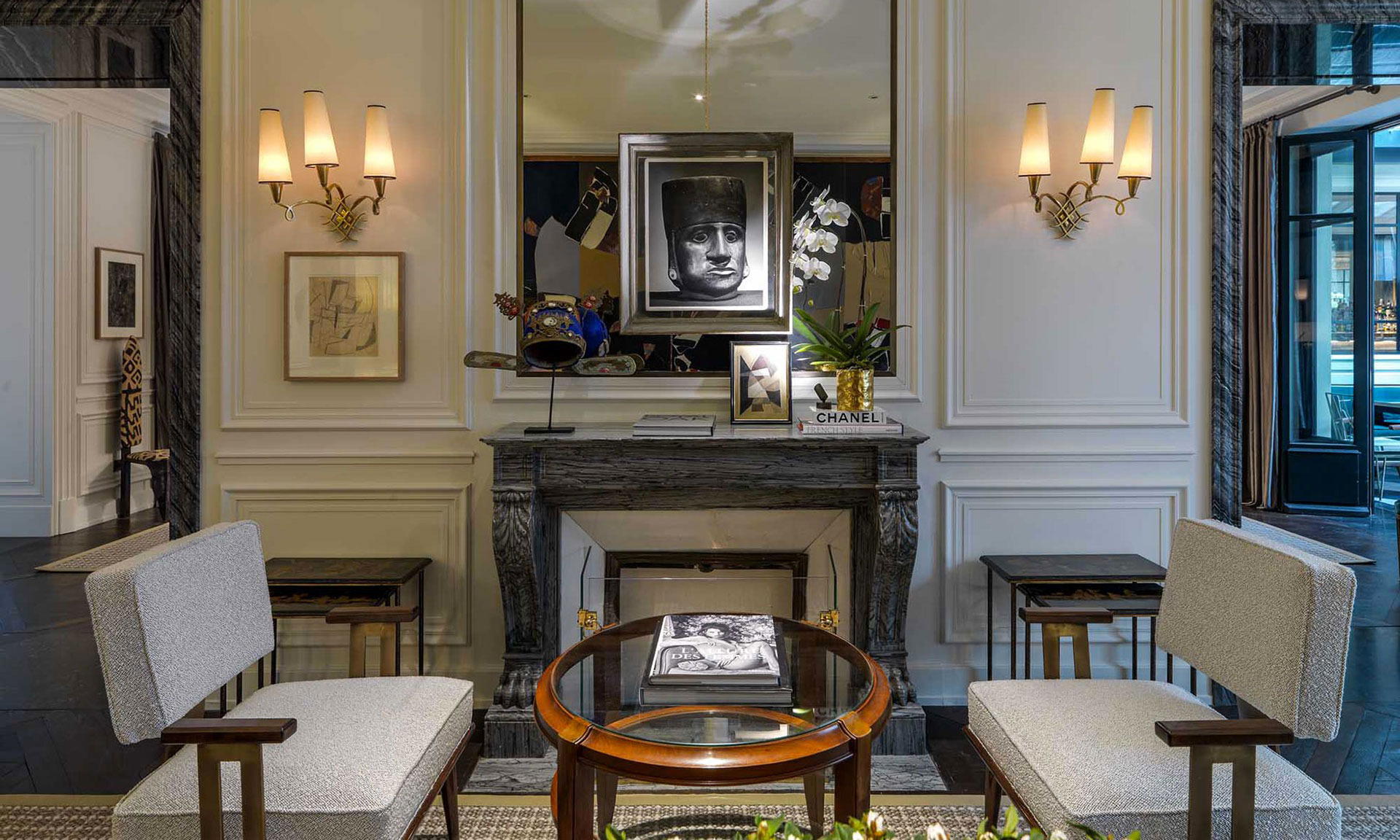
Bars in Paris
Browse all →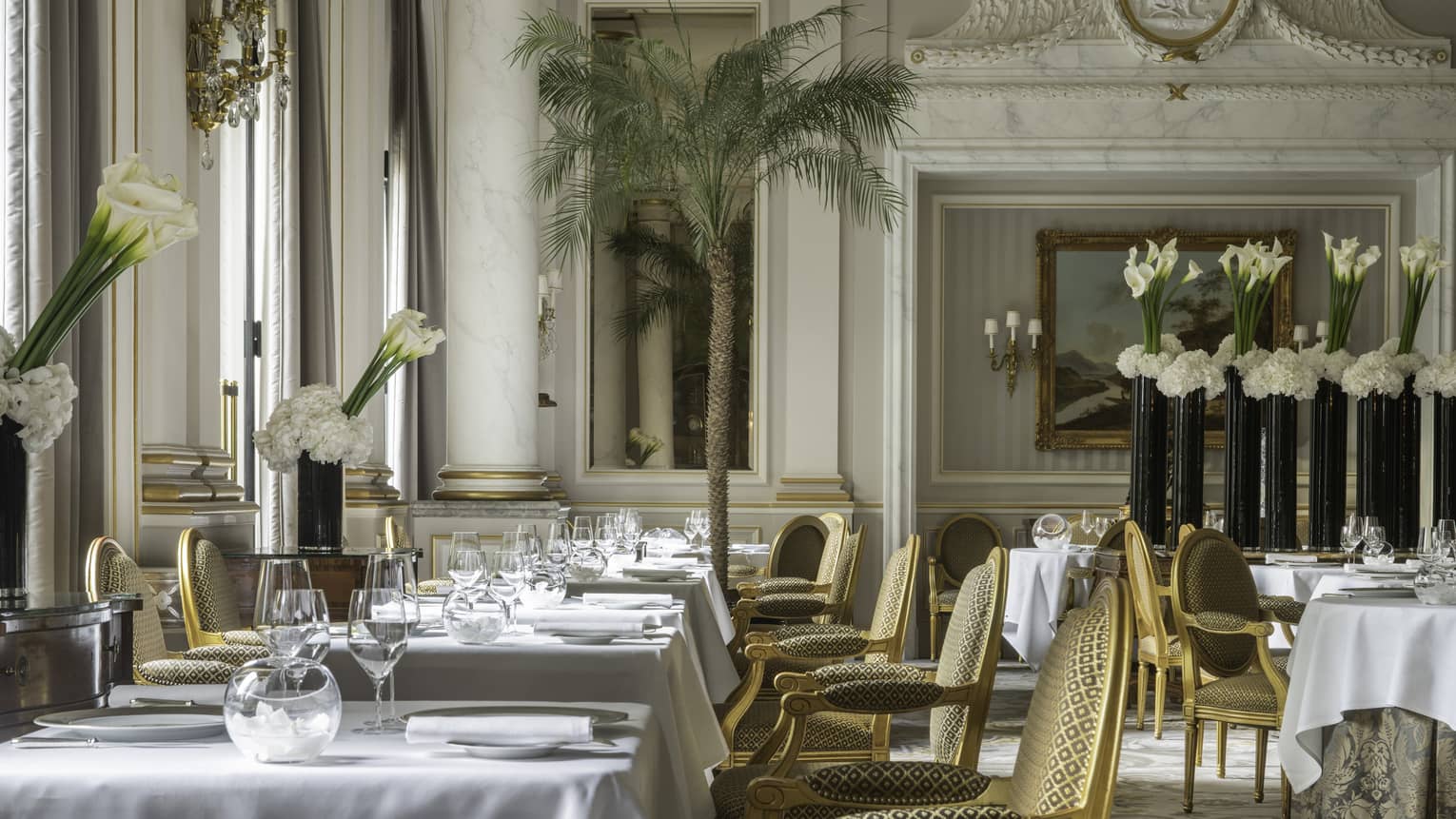
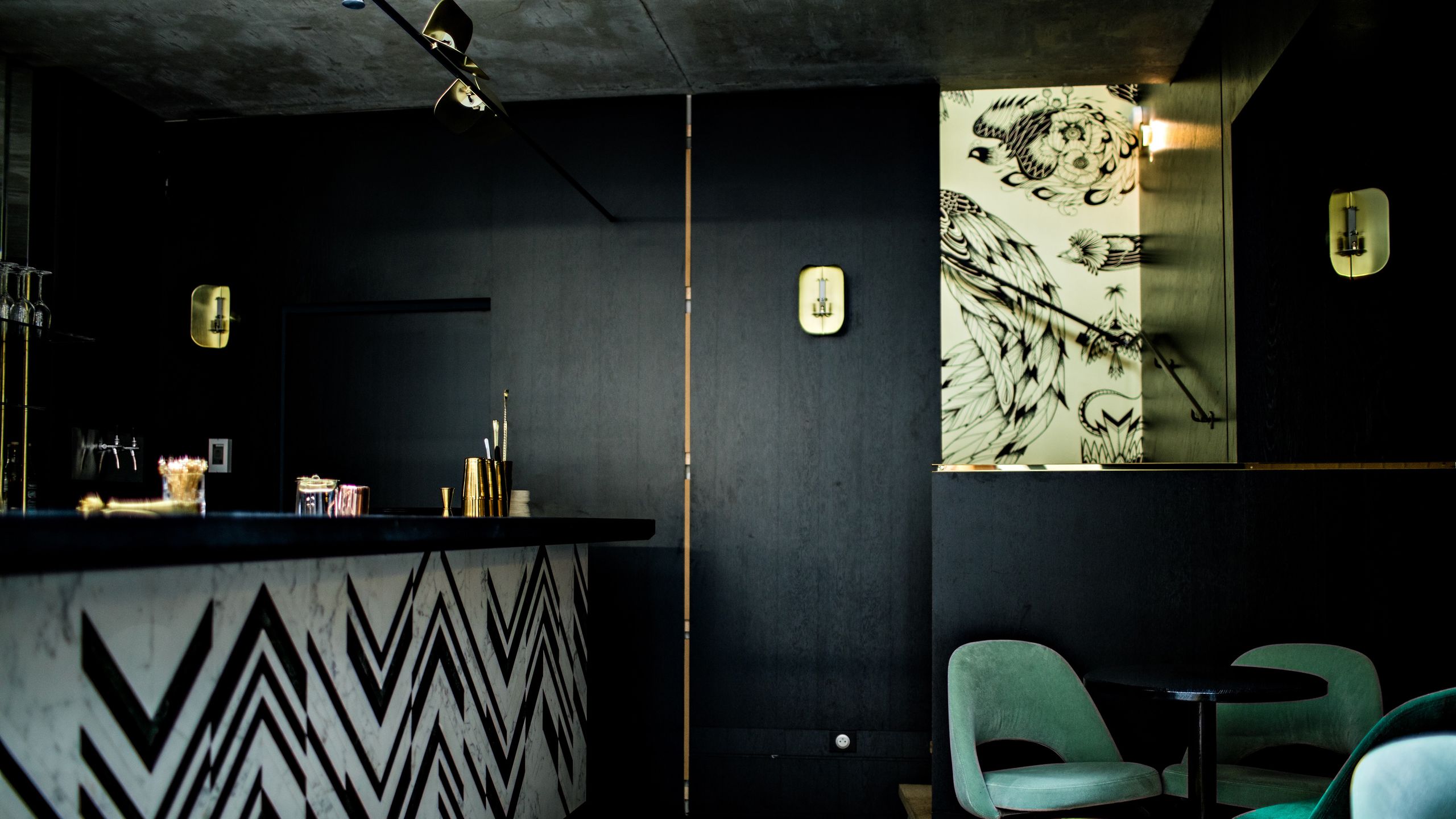
Restaurants in Paris
Browse all →



At a Glance
- Well Known
- Lively
- Energetic
- Bohemian
- Whimsical
- Classic
- Celebration
- Group Retreat
- Weekend Escape
- Historic Building
- Design Destination
- Terrace
Inside a restored 1930s rococo theatre with dramatic lighting, laser shows, and disco balls, the atmosphere is immersive, theatrical, and high-energy, blending historic ornament with club-style sound and light for a decadent nightlife feel.