Generator Paris occupies a converted early-20th-century building on Place du Colonel Fabien in the 10th arrondissement, operating at the budget-to-mid tier of Paris accommodation where social design and shared-space programming matter more than room count. The property draws a repeat circuit of younger independent travellers and city-hopping Europeans who treat the common areas as seriously as the bedroom.

Pearl is the En Primeur Club membership app, where members save venues, book tables and use the concierge.
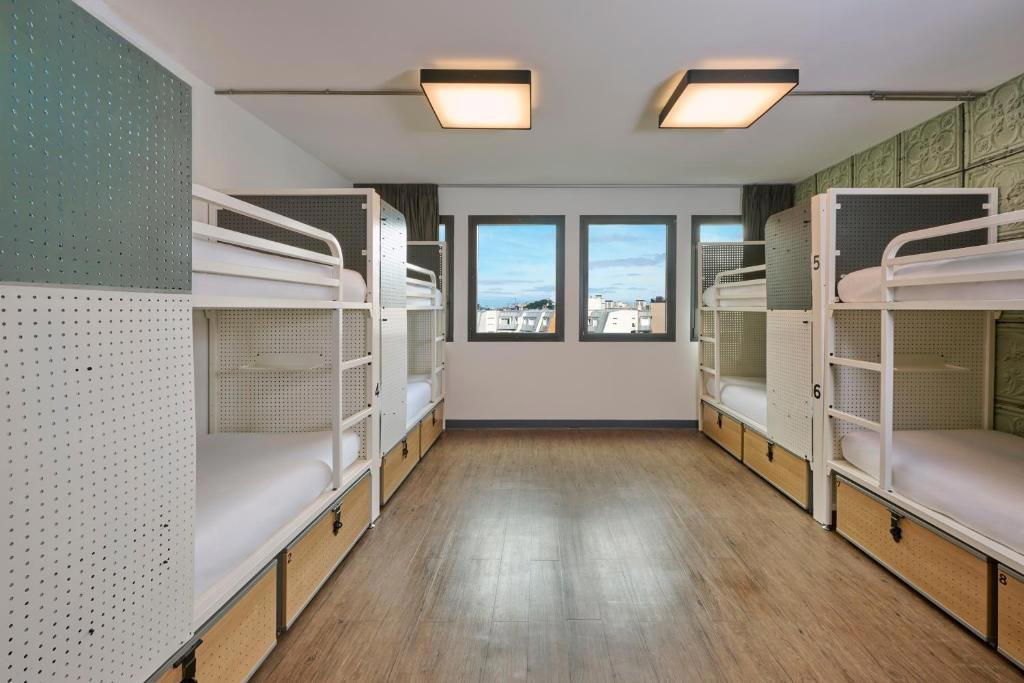
The 10th's Social Architecture
Place du Colonel Fabien sits at the edge of two Paris rhythms: the canal-side energy of the 10th arrondissement to the west and the quieter residential streets climbing toward Belleville to the east. The address is not the Marais, not Saint-Germain, not anywhere that features in the standard luxury circuit that runs from Cheval Blanc Paris through to Hotel Plaza Athénée and Le Bristol Paris. That distance is precisely the point. Generator Paris operates in a category defined less by thread count or sommelier access and more by the quality of its common spaces and the density of social interaction they produce.
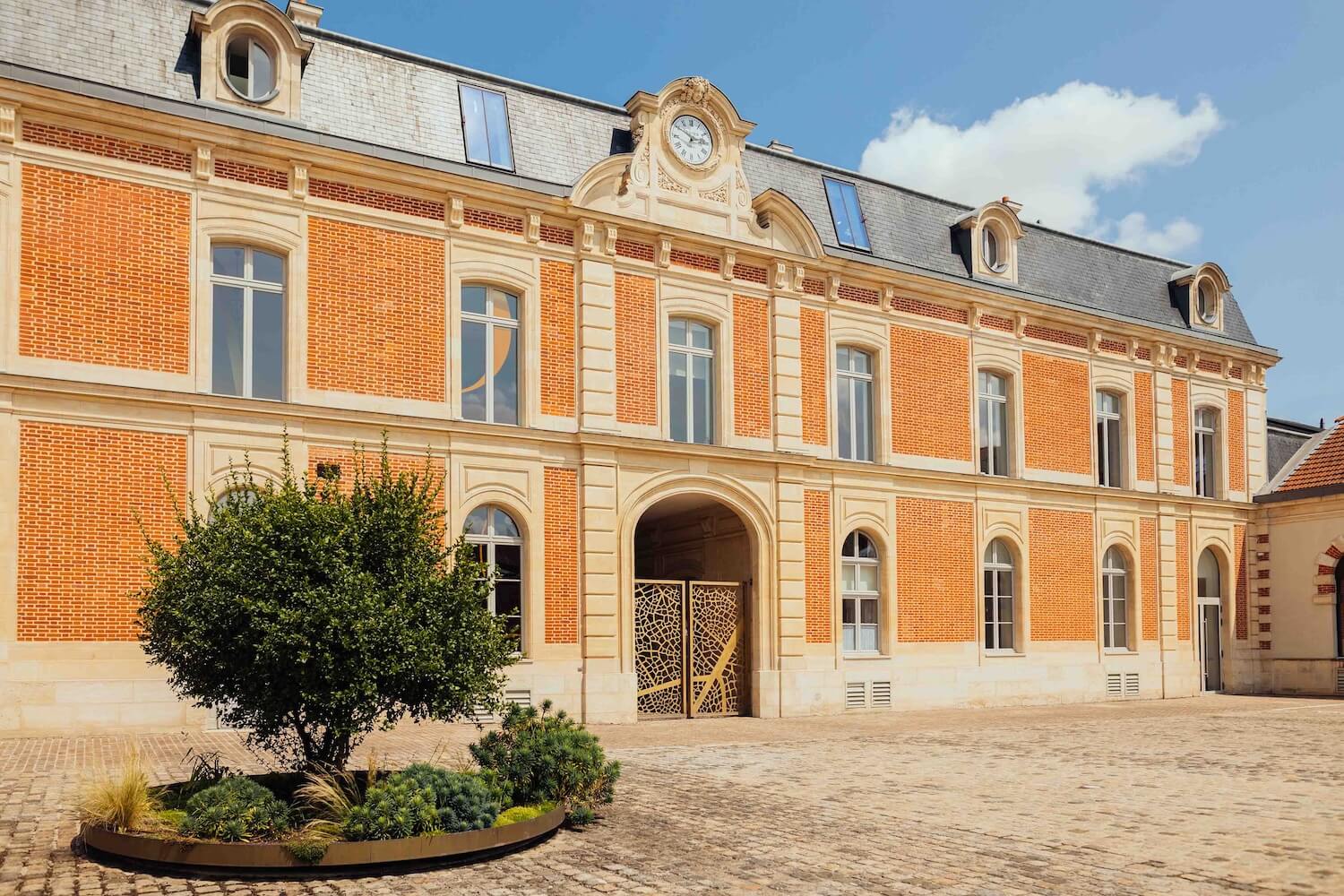
The building itself is a converted structure from the early twentieth century, its bones giving the interiors a scale that purpose-built hostels rarely achieve. High ceilings and generous circulation areas allow the design team room to work with the kind of layered furniture arrangements and zone-by-zone lighting that make a lobby feel like somewhere people actually choose to spend time rather than pass through. For a property in the budget-to-mid accommodation tier, that spatial generosity is the primary competitive differentiator.
What Regulars Actually Come Back For
The hostel-to-hotel spectrum in Paris has sorted itself into two distinct groups over the past decade. At one end sit the legacy budget properties: functional, formulaic, indifferent to social programming. At the other end, a smaller group of design-led operators has treated the common area as a genuine hospitality product, investing in bar programming, event calendars, and flexible seating that keeps guests on-site rather than driving them immediately toward the nearest café. Generator belongs firmly in the second group, and the regulars who return to this property across multiple Paris visits tend to cite the lounge and bar environment ahead of the rooms themselves.
This pattern holds across the Generator network, which operates properties in cities including Rome, Copenhagen, Amsterdam, and Lisbon. The brand's proposition is consistent enough that frequent travellers to European capitals often use it as a calibration point: a known quantity for social infrastructure in an unfamiliar neighbourhood. In Paris specifically, the 10th arrondissement location gives regulars access to the Canal Saint-Martin restaurant corridor and the Oberkampf bar cluster without paying the accommodation premium attached to more central or more fashionable postal codes. For the traveller who treats the room as a sleeping facility and the city as the actual venue, this is a rational calculation.
The shared dorm and private room split that defines the hostel category still applies here, and that mix shapes the social dynamic of the common areas in ways that distinguish Generator Paris from, say, the design-hotel tier occupied by properties like La Réserve Paris or Hôtel de Crillon. The clientele skews younger and internationally diverse, which generates a specific kind of lobby atmosphere: multilingual, transient in the leading sense, with the low-friction sociability that comes when everyone is a stranger to the city and open to conversation. For solo travellers in particular, this is a material advantage over a private hotel room.
The Neighbourhood as Infrastructure
The 10th arrondissement is one of the few Paris districts where the dining and drinking scene has shifted meaningfully in the past decade without tipping into the self-consciousness that tends to follow press attention. The Canal Saint-Martin area specifically has accumulated a concentration of natural wine bars, small-plate restaurants, and coffee-serious cafés that functions as a genuine local circuit rather than a tourist corridor. Travellers staying at Generator Paris are positioned to access this without a Metro journey, which matters when the evening plan involves moving between multiple venues.
Broader Paris accommodation market, meanwhile, has stratified sharply. Properties at the Four Seasons George V, Le Meurice, and Airelles Château de Versailles - Le Grand Contrôle tier operate in a bracket where the hotel itself is a destination. Generator Paris operates from a different logic entirely: the property is a base, the city is the destination, and the value proposition is access plus social infrastructure at a price point that preserves budget for the actual Paris experience. These are not competing arguments; they are different travel philosophies pointing toward different choices.
For readers who do want a luxury Paris anchor, the options across the city are well-documented. Cheval Blanc Paris on the Seine, Hotel Plaza Athénée on Avenue Montaigne, and Le Bristol Paris in the 8th each represent distinct versions of the Parisian grand hotel. La Réserve Paris and Hôtel de Crillon offer smaller-scale luxury with different character. Our full Paris restaurants guide covers the dining terrain across these neighbourhoods in detail. Generator Paris does not compete in that bracket, but understanding where it sits relative to these properties clarifies what it is offering and for whom.
Planning a Stay
Generator Paris takes its place among a wider Generator European network that includes properties in cities such as Rome, Lisbon, Copenhagen, and Amsterdam, so travellers familiar with the brand elsewhere will find the Paris property legible from arrival. The 10th arrondissement address is served by the Colonel Fabien Métro station on Line 2, connecting directly to major interchange points across the city. Booking typically runs through the Generator website or major OTA platforms, with pricing varying seasonally and by room type, from dormitory beds to private rooms. The price gap between Generator and the mid-range Paris hotel tier tends to be meaningful enough that regulars in this category plan their accommodation choice as a deliberate budget decision, not a default. For extended France itineraries, the broader luxury landscape beyond Paris includes properties such as Les Sources de Caudalie in Bordeaux, Domaine Les Crayères in Reims, Royal Champagne Hotel & Spa in Champillon, Baumanière Les Baux-de-Provence in Les Baux, and La Bastide de Gordes in Gordes, among others, for travellers mixing city and regional stays.
Recognition Snapshot
| Venue | Price | Awards |
|---|---|---|
| Generator ParisThis venue (the venue you are viewing) | $1–100 | Not listed |
| Cheval Blanc Paris | $2,500+ | 3 Michelin Keys · World's 50 Best #20 |
| Le Meurice | $1,000–1,500 | 3 Michelin Keys · La Liste Top Hotels |
| Shangri-La Paris | $1,000–1,500 | 1 Michelin Key · La Liste Top Hotels |
| The Peninsula Paris | $1,000–1,500 | 2 Michelin Keys · La Liste Top Hotels |
| Soho House Paris | $300–500 | 1 Michelin Key · Vogue 2026 Vogue Best Hotels in Paris |
Continue exploring
More in Paris
Hotels in Paris
All hotels in Paris →
Bars in Paris
All bars in Paris →
Restaurants in Paris
All restaurants in Paris →

Details
- Trendy
- Lively
- Modern
- Industrial
- Weekend Escape
- Rooftop Pool
- Terrace
- Panoramic View
- Wi Fi
- Air Conditioning
- Restaurant
- Bar
- Laundry Service
- Skyline
- Elevator
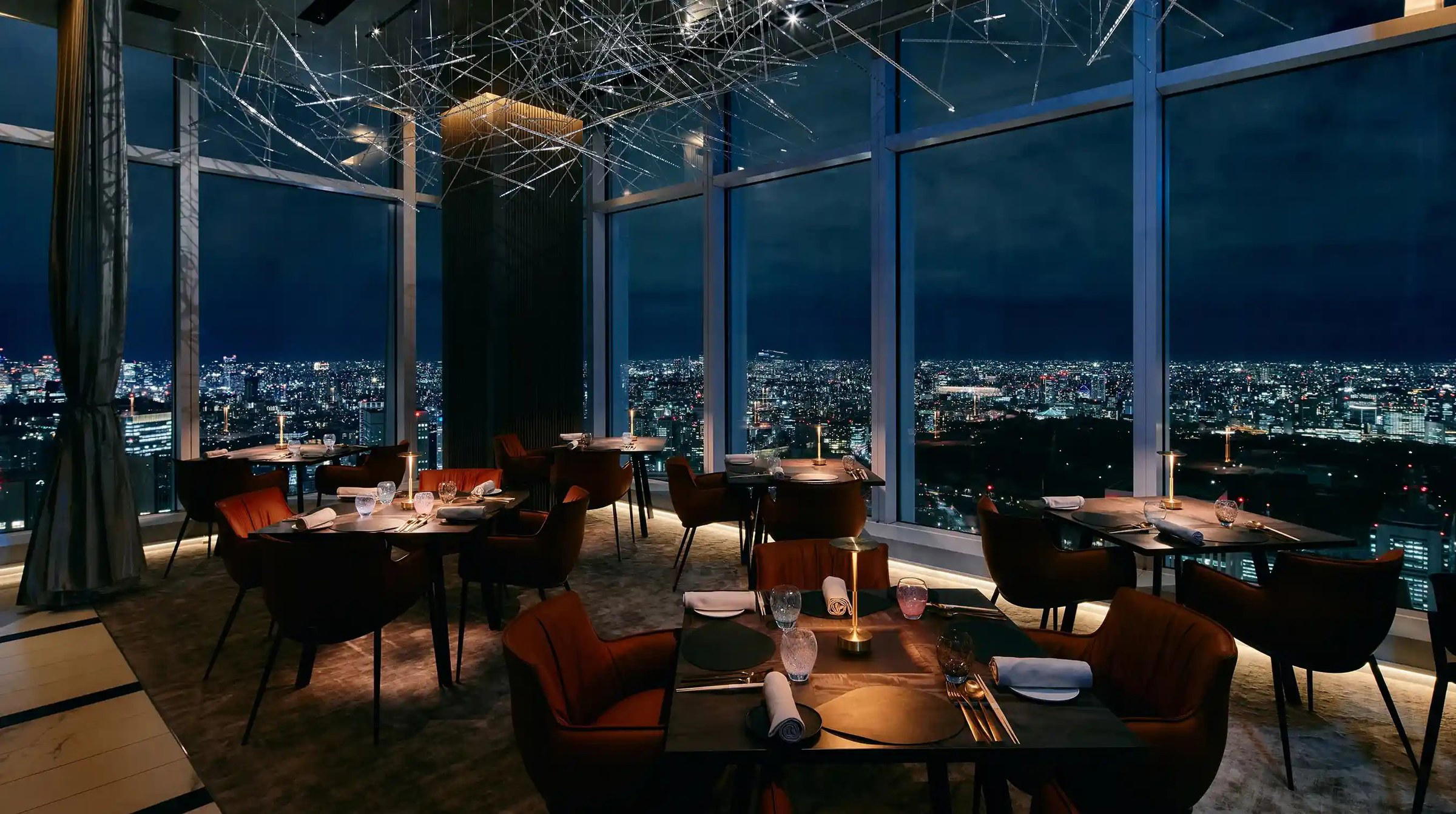
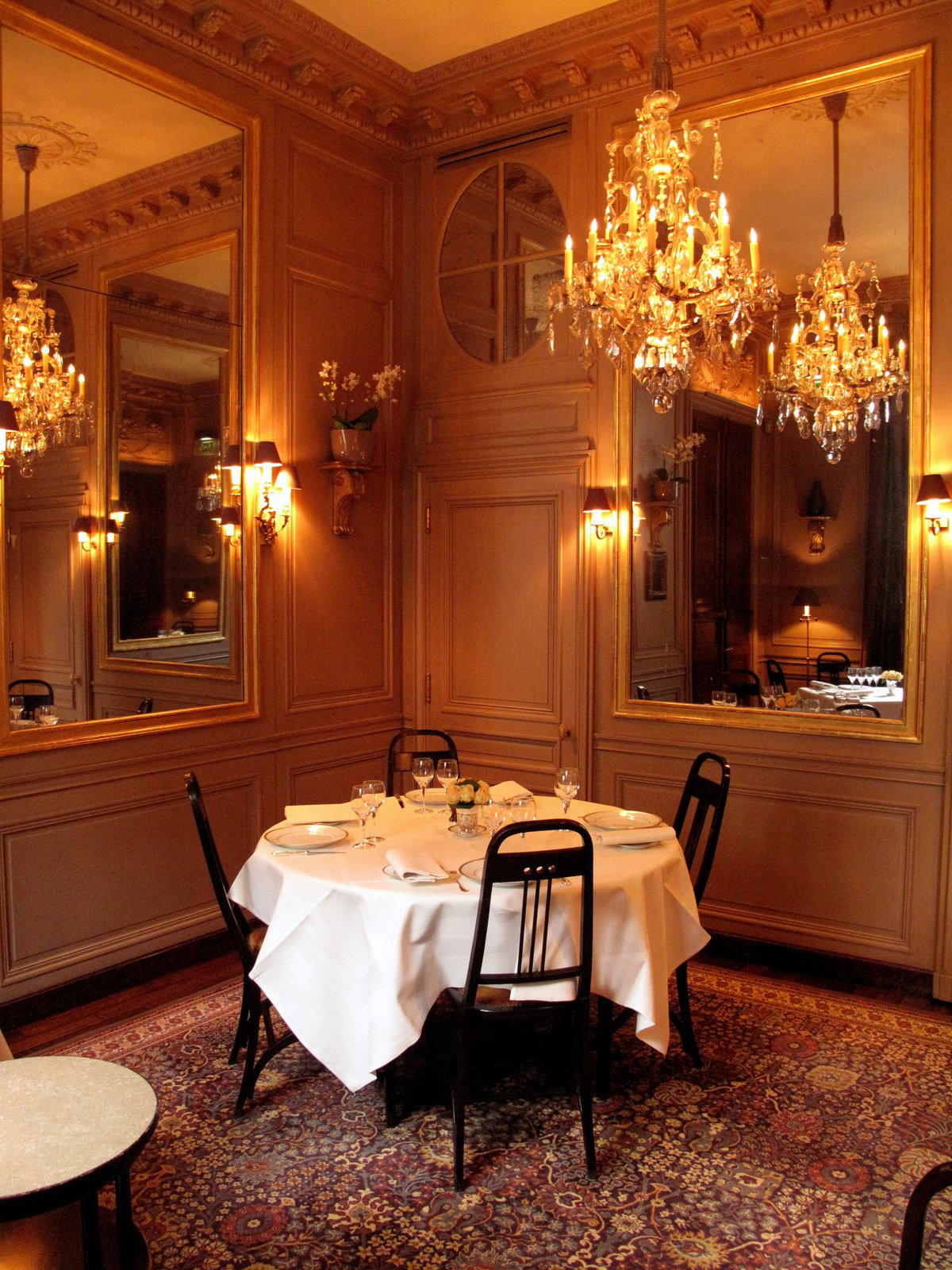
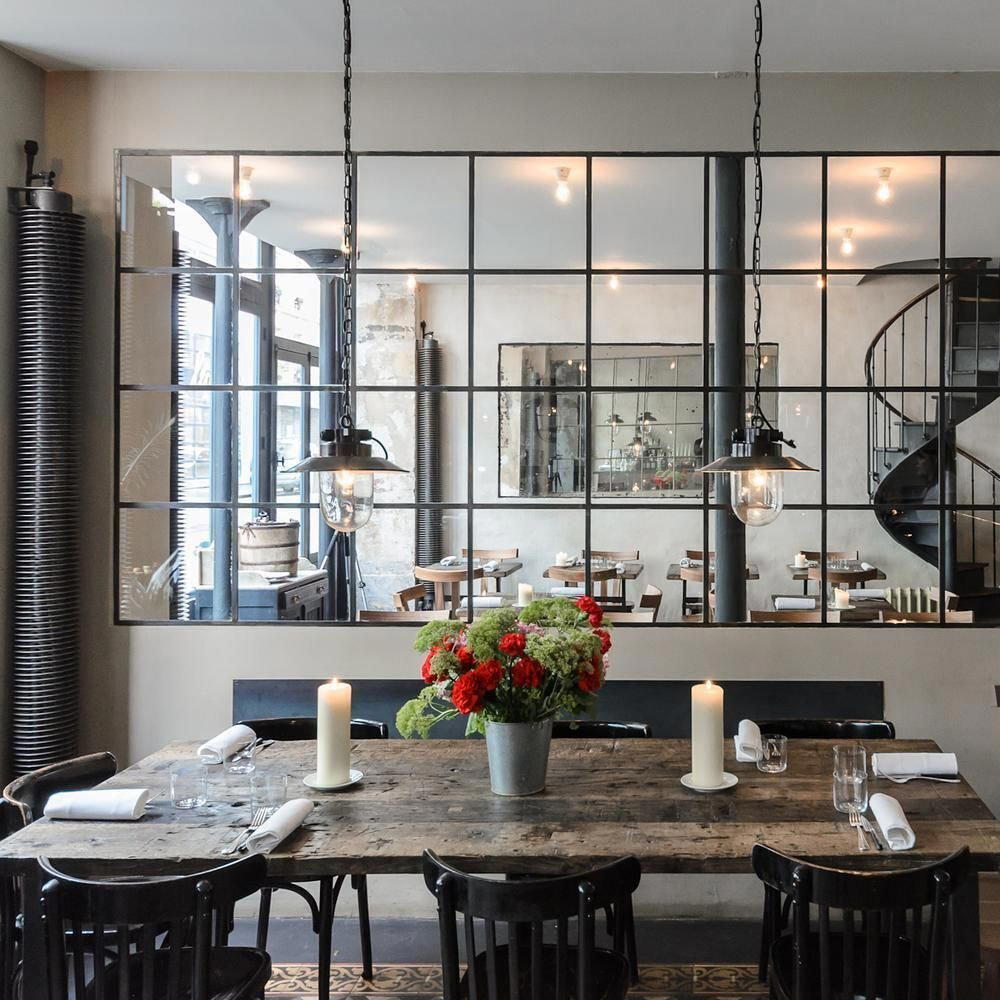
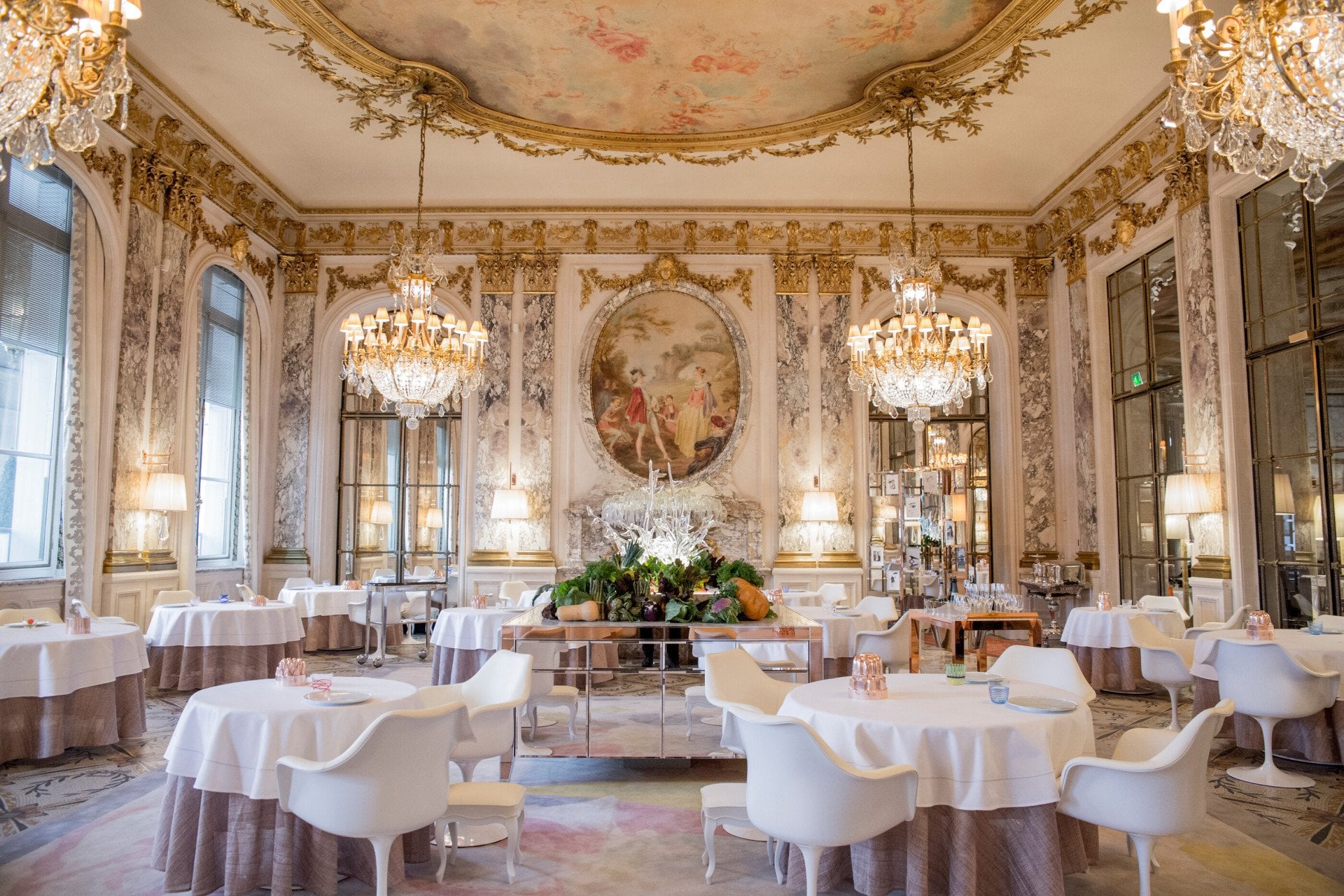
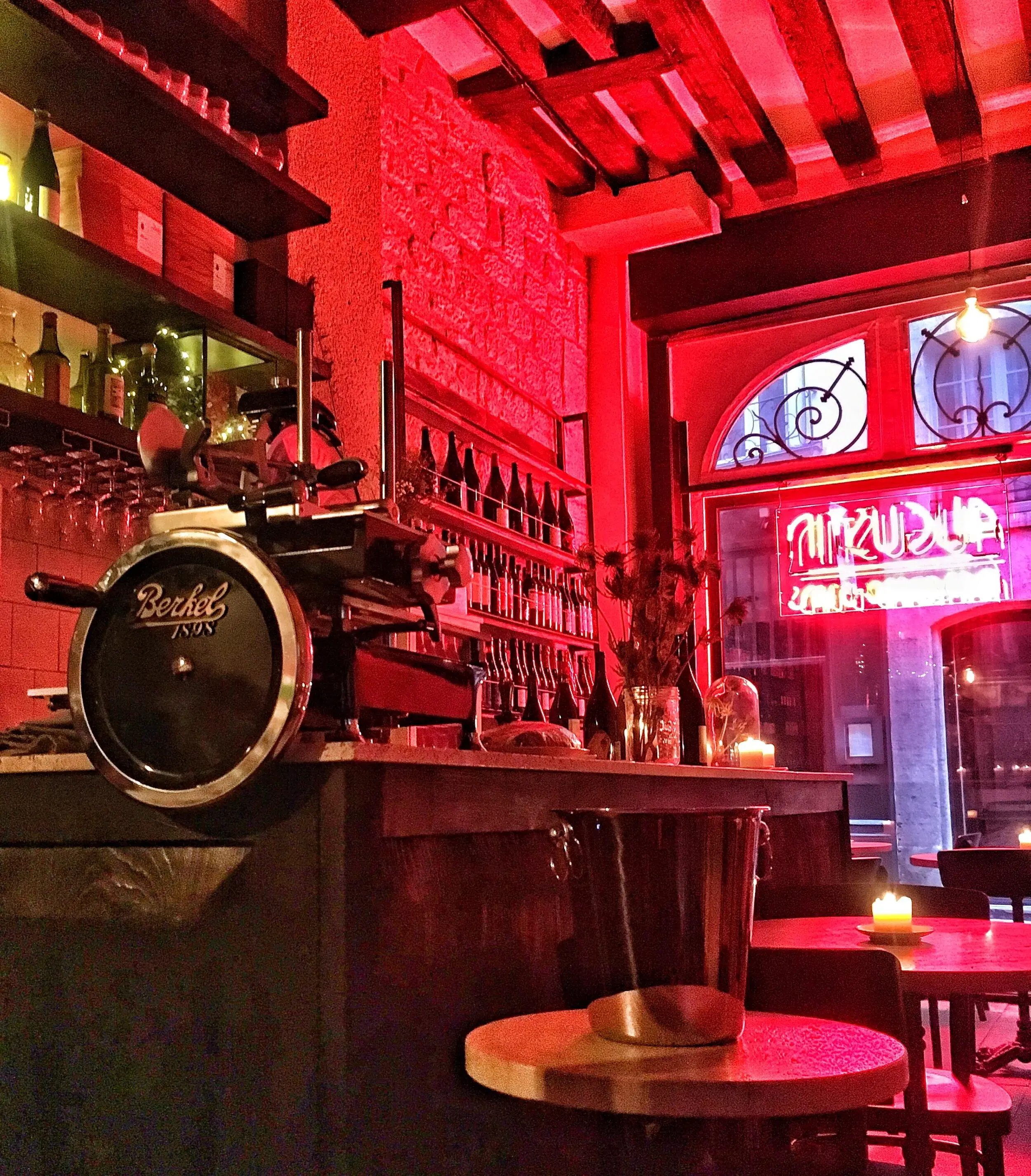
Hip and exciting mix of industrial concrete with warm materials, vintage flea market finds, and lively social spaces including a bar and Moroccan-inspired lounge.