
On a quiet cobbled street in Montmartre, Hôtel Particulier occupies a 19th-century hôtel particulier that once served as a private mansion. With only five suites, each designed by a different contemporary artist, the property operates at the furthest edge of the small-luxury-hotel format Paris has quietly developed alongside its grand palace tier.
Pearl is the En Primeur Club membership app — saves, bookings, and concierge access live there. Same editors, same standards.
- Address
- 23 Av. Junot, 75018 Paris, France
- Phone
- +33 1 53 41 81 40
- Website
- hotelparticulier.com
- Directions
- Get directions
 Saves & bookings on Pearl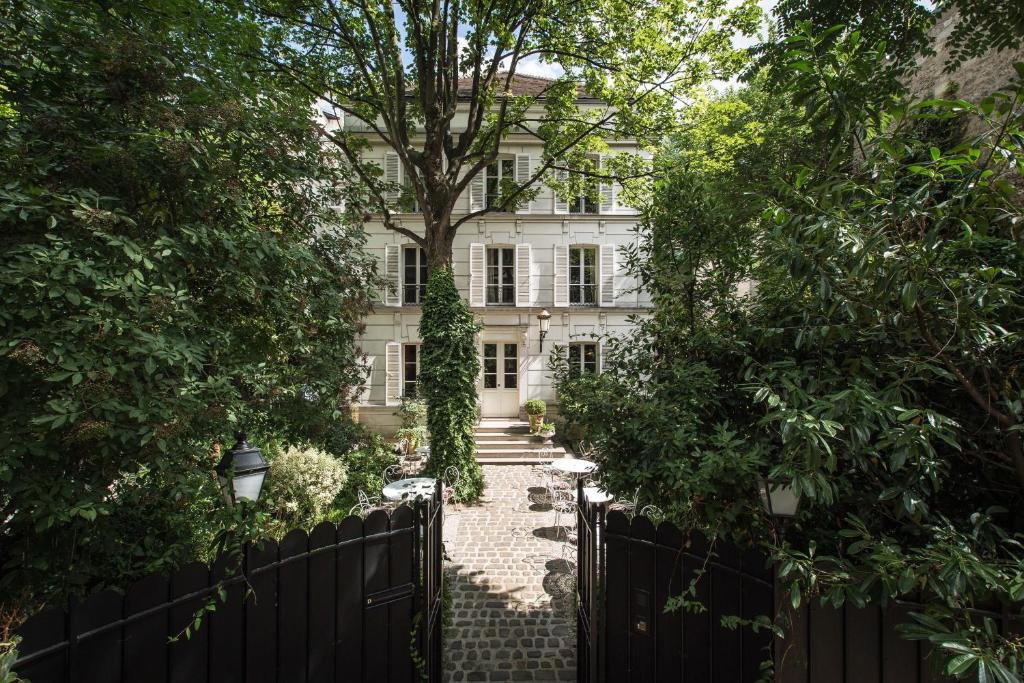
Avenue Junot and the Architecture of Montmartre Privacy
Avenue Junot is one of the few streets in the 18th arrondissement that still feels genuinely residential rather than touristic. The boulevard curves away from the main Montmartre climb, lined with early-20th-century villas and private gardens behind stone walls. At number 23, a discreet entrance leads into a 19th-century mansion that operated for most of its history as exactly what its name suggests: a privately held townhouse, sealed from the street. The building's Haussmann-era bones, including a central courtyard garden, ivy-draped stone facades, and a proportioned sequence of salons, remain structurally intact. That continuity with the original domestic architecture is not incidental; it defines the character of the stay. Paris has developed a split at the premium end of its hotel market between the grande dame palaces clustered around the 8th arrondissement, properties like Le Meurice, Le Bristol Paris, and Four Seasons George V, and a smaller tier of design-led properties that occupy historic residential buildings and operate with far fewer keys. Hôtel Particulier belongs squarely in that second category.
Five Suites, Five Commissions
The property runs on a format that has become a distinct reference point in the Parisian small-hotel scene: a five-suite house in which each room was conceived by a different contemporary artist or designer rather than by a single interior firm. This approach, which treats the building as a venue for commissioned work rather than a branded aesthetic exercise, places Hôtel Particulier in the same conceptual bracket as a handful of European properties that have made art-hotel programming a structural rather than decorative decision. The result is a set of rooms that share an address but not a visual vocabulary. Guests choosing between suites are, in practical terms, selecting between artistic sensibilities, which means the booking decision requires more attention than it would at a conventionally decorated hotel. Among Paris's design-led small hotels, the five-suite ceiling is a deliberate constraint; it keeps the house closer to its original residential scale than any expansion would allow. Comparable intimate-format properties in the French luxury tier include La Réserve Paris, though that property operates at a larger scale and a different address type.
The Courtyard Garden in Season
The building's interior courtyard garden is the detail most often cited by guests as the reason to visit in spring or early summer. By April, the planted borders are in leaf and the outdoor seating area becomes a functional extension of the bar and lounge, a transition that converts what is already a quiet property into something that feels considerably removed from the pace of central Paris. The garden is small by country-house standards but generous for a Montmartre townhouse, and its enclosure by the building's stone wings means ambient street noise from even a busy Saturday evening on the Butte de Montmartre is largely absorbed before it reaches the courtyard. This seasonal shift is worth factoring into timing: the property operates year-round, but the garden-facing suites and the courtyard bar carry a different weight between March and October than they do in winter months, when the interior salons become the primary common spaces. Visitors planning around the garden dynamic should look at late April through June, when Paris benefits from longer evening light without the concentrated August tourist density.
Where Montmartre Sits in the Paris Hotel Map
Staying in the 18th arrondissement rather than the 1st, 6th, or 8th involves a deliberate trade-off that most guests at Hôtel Particulier have already made before booking. The palace-tier properties, from Cheval Blanc Paris to Hôtel de Crillon to Hotel Plaza Athénée, are clustered in districts where proximity to luxury retail, fine-dining corridors, and major cultural institutions is built into the address. Montmartre offers something different: a neighbourhood that still functions as an actual working residential quarter, with local markets, independent ateliers, and a topography that keeps bus tourism concentrated on the Sacré-Coeur approach rather than distributed across the side streets. Avenue Junot in particular has historically attracted artists, architects, and writers precisely because it sits at the edge of the Butte's tourist radius without losing access to central Paris via metro. For guests at Hôtel Particulier, the Lamarck-Caulaincourt or Abbesses metro stations connect the neighbourhood to the Marais, the river, and the main gallery district within fifteen to twenty minutes. The distance is a feature, not a compromise, for the type of traveller the property draws. See our full Paris restaurants guide for neighbourhood-by-neighbourhood dining coverage.
Heritage Context: What the Building Carries
The term the hotel in French urban history refers to a specific building typology: a freestanding urban mansion, typically built for a wealthy family, set back from the street and organised around a central courtyard. Paris retains hundreds of these structures across its arrondissements, but most have been subdivided into apartments, repurposed as government offices, or absorbed into institutional use. The ones that survive as single-occupancy hospitality properties carry an architectural legibility that purpose-built hotels, however well designed, cannot replicate. At 23 Avenue Junot, the sequence from street gate to courtyard to interior rooms follows the spatial logic of the original domestic programme, with salons opening onto garden views rather than corridors, and proportions calibrated to private entertaining rather than hotel efficiency. This is the same quality that distinguishes properties like Aman Venice, which occupies a converted palazzo, from new-build luxury hotels of equivalent price: the building itself carries a historical argument that the design commission is asked to respond to, rather than ignore. France's regional equivalent would include châteaux conversions like Domaine Les Crayères in Reims or estate properties like Villa La Coste in Le Puy-Sainte-Réparade, though both operate at larger scale and with different programme ambitions.
Planning Your Stay
The hotel is reached at 23 Avenue Junot in the 18th arrondissement, a short walk from the Lamarck-Caulaincourt metro exit. With only five suites, availability is limited and the property runs at high occupancy through spring and autumn; booking several weeks ahead is advisable for weekend stays and essential during major Paris event periods such as Fashion Week and the spring museum season. Guests seeking the courtyard garden experience should confirm seasonal availability at the time of booking, as outdoor programming varies by month. Wine-country options include Les Sources de Caudalie in Bordeaux and Royal Champagne Hotel & Spa in Champillon. Further afield along the Mediterranean, Airelles Saint-Tropez Château de la Messardière, La Réserve Ramatuelle, and Hôtel & Spa du Castellet cover the southern coast. For Versailles, Airelles Château de Versailles - Le Grand Contrôle is the obvious reference point at the palace estate itself.
Peers Worth Knowing
Comparable venues nearby, for context on price, style, and recognition.
| Venue | Cuisine | Price | Notes |
|---|---|---|---|
| Hôtel ParticulierThis venue — the venue you are viewing | Historic private mansion revived as an intimate family-run hotel with lush gardens. | $$$$ | Not listed |
| Jules & Jim | Contemporary boutique in historic Marais building with raw, durable materials and art focus | $$$ | Le Marais |
| Le Roch Hotel & Spa | Hotel | $$$$ | 1st arrondissement |
| The Hoxton, Paris | Boutique design hotel in a restored 18th-century rococo townhouse with courtyards and Parisian charm. | $$$ | 2nd arrondissement |
| Mama Shelter Paris West | Boutique design hotel chain emphasizing practicality, comfort, and distinctive style at accessible prices. | $$ | 15th arrondissement |
| Banke Opéra Paris – A Radisson Collection Hotel | Luxury lifestyle heritage hotel in a converted early-20th-century bank building near Opéra Garnier. | $$$$ | 9th arrondissement (Opéra/La Fayette) |
Recognition history
Dated appearances from independent guides and award organizations, with the underlying list record or original source where available.
Mr & Mrs Smith Smith Seal of Approval
Mr & Mrs Smith
Michelin Selected
Michelin
Continue exploring
More in Paris
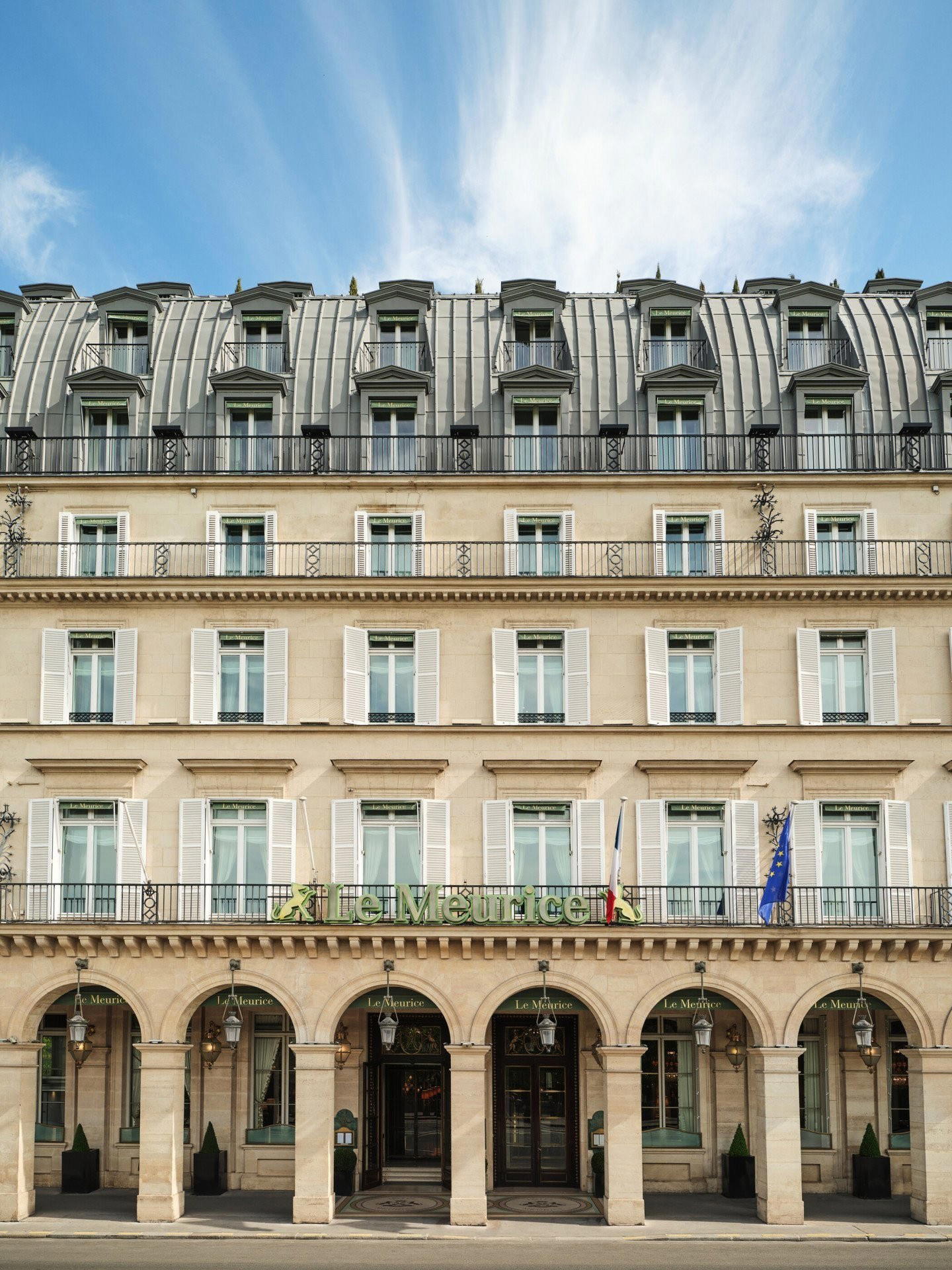
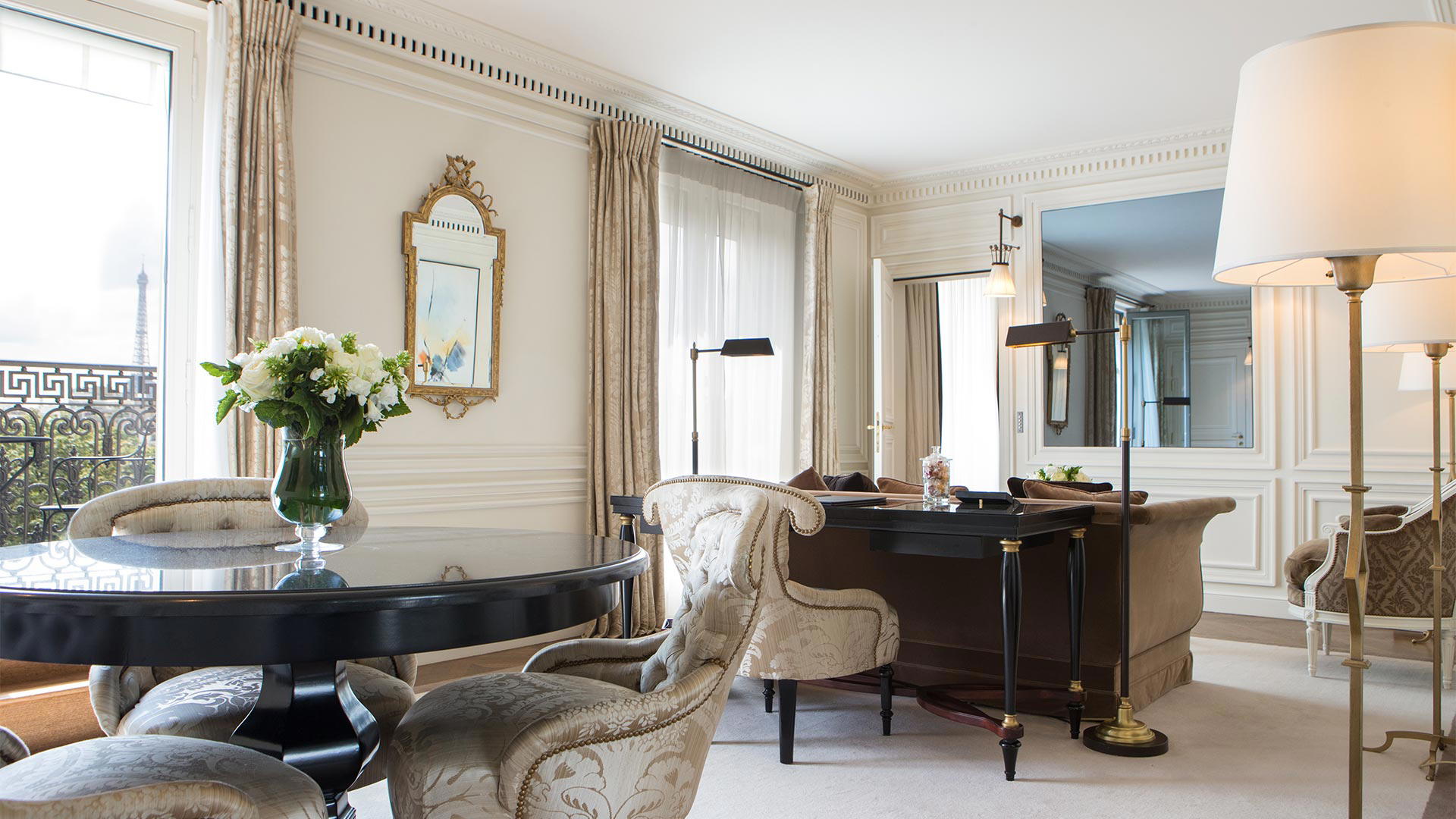
Hotels in Paris
Browse all →
Bars in Paris
Browse all →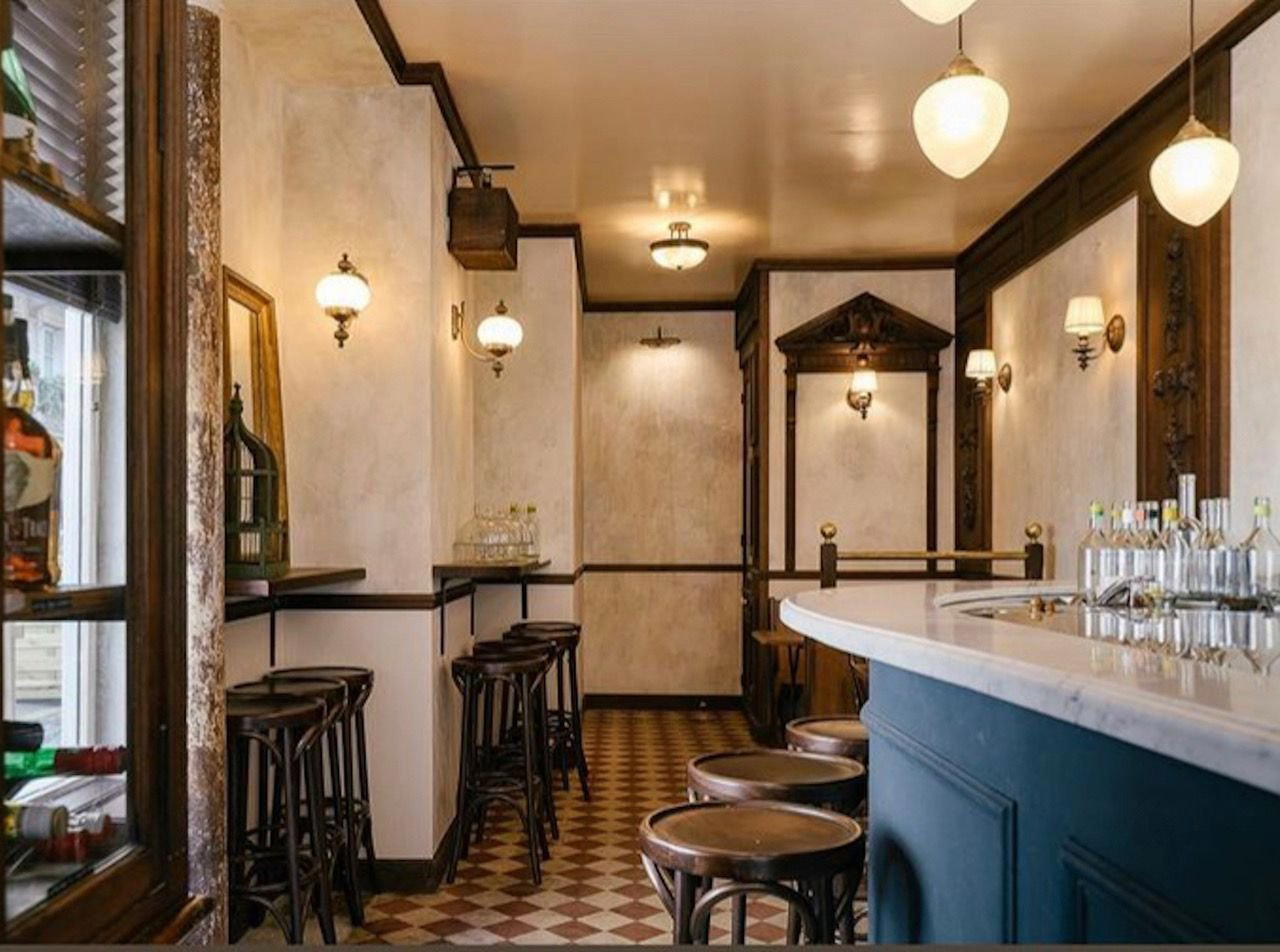
Restaurants in Paris
Browse all →
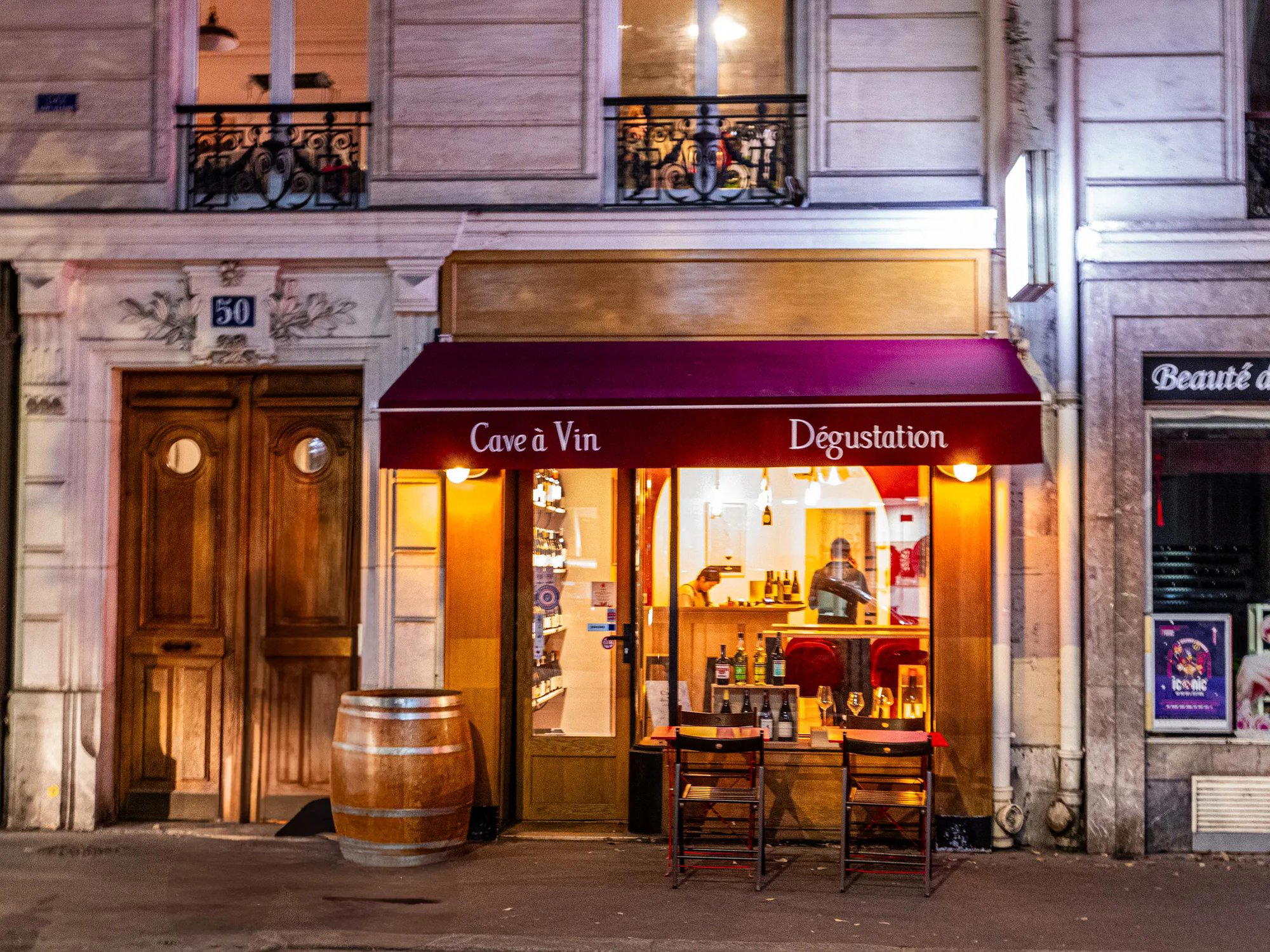
Wineries in Paris
Browse all →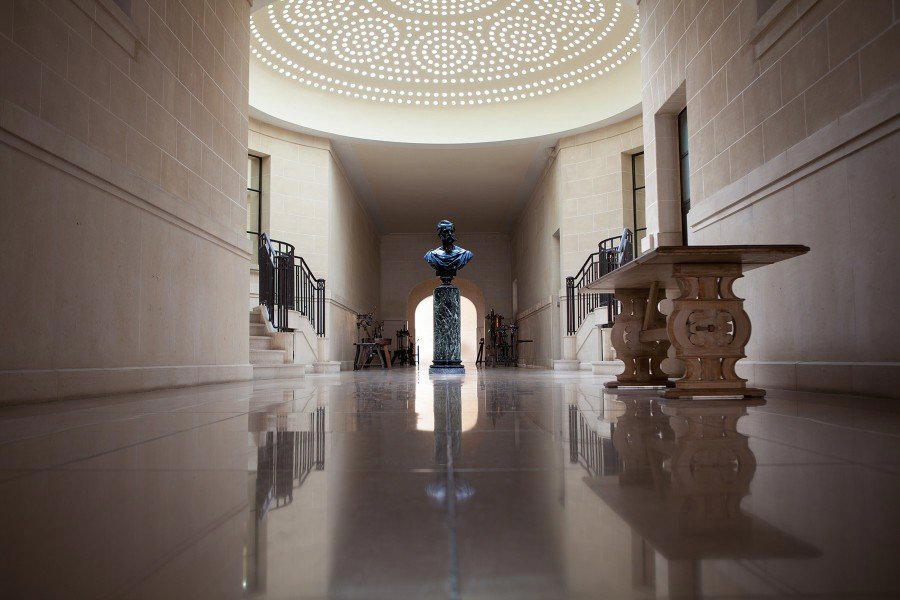
At a Glance
- Romantic
- Elegant
- Intimate
- Sophisticated
- Whimsical
- Romantic Getaway
- Honeymoon
- Weekend Escape
- Garden
- Terrace
- Historic Building
- Wi Fi
- Room Service
- Concierge
- Bar
- Restaurant
- Garden
- Wi Fi
- Room Service
- Concierge
- Bar
- Restaurant
Whimsical and refined with lush gardens, tiered outdoor dining, and distinct room themes blending nostalgic Parisian charm with modern minimalism and natural light.