



2 Michelin Stars · Falstaff Restaurant - 95 Falstaff Points · Relais Chateaux Award
Our verdict
Housed within Le Relais Bernard Loiseau in Saulieu, La Côte d'Or carries one of Burgundy's most consequential dining pedigrees. Chef Louis-Philippe Vigilant continues the house's classical tradition while adding his own ingredient-led perspective, and desserts by Lucie Vigilant anchor a menu that honours the Morvan's terroir. A handful of Bernard Loiseau's signature dishes remain on the card for those who come to trace the lineage.

Pearl is the En Primeur Club membership app — saves, bookings, and concierge access live there. Same editors, same standards.
- Address
- Le Relais Bernard Loiseau, 2 avenue Bernard-Loiseau
- Phone
- +33 3 80 90 53 53
- Website
- bernard-loiseau.com
- Directions
- Get directions
The menu
What to order
- Jambonnettes de grenouilles with garlic purée and parsley juice
- Rose des sables with pure chocolate ice cream
- Saint-Honoré with chiboust cream
Where the Morvan's Larder Meets Decades of Accumulated Craft
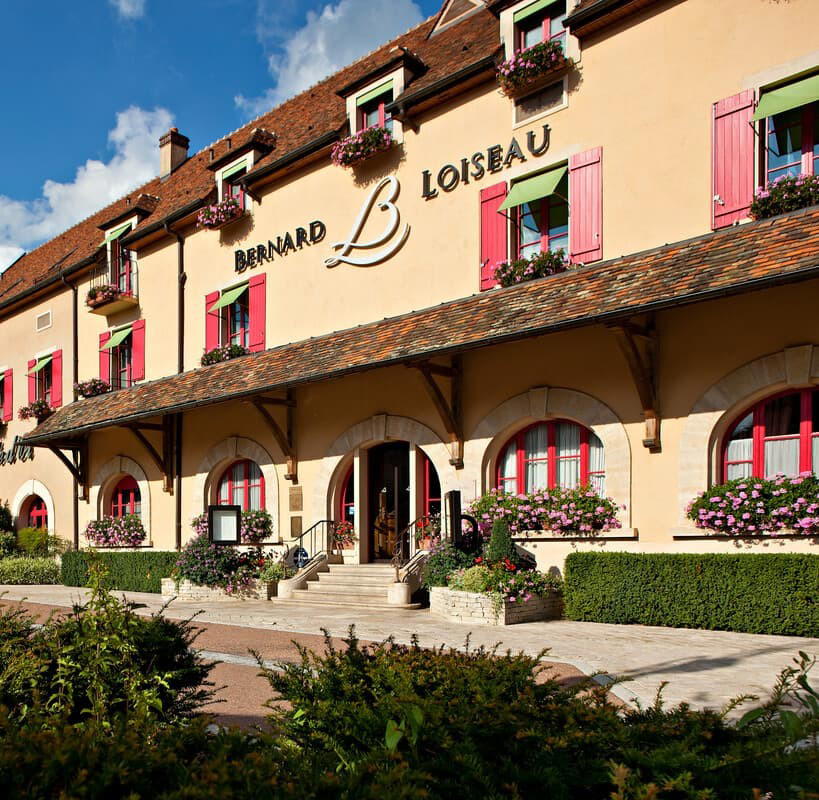
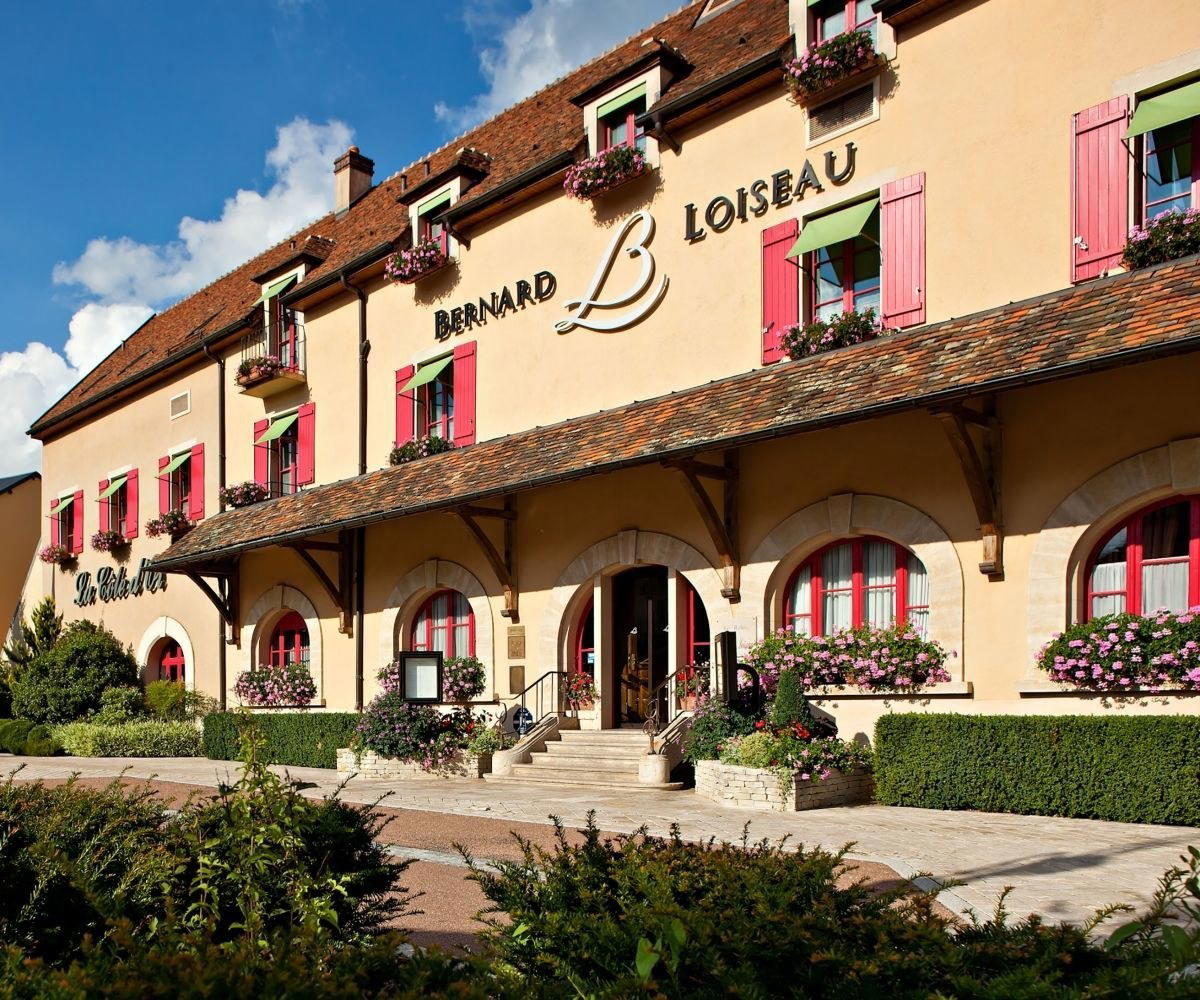
Saulieu sits along the old Route Nationale 6, the road that once carried Parisians south toward the Mediterranean and, in doing so, deposited generations of hungry travellers at the door of what was then simply called La Côte d'Or. Today the building operates as Le Relais Bernard Loiseau, and the dining room within it carries an address — 2 avenue Bernard-Loiseau — that functions as much as a memorial as a street number. Arriving here, even for the first time, produces a specific kind of recognition: this is a place that has been taken seriously for a very long time, and that seriousness has settled into the stone and the service.
France's tradition of destination restaurants tied to provincial landscapes rather than capital prestige is long and specific. Auberge de l'Ill in Alsace, Bras in the Aubrac, Troisgros in the Loire: each of these houses built its identity around a particular piece of French geography, sourcing ingredients from the immediate environment and asking guests to travel to the food rather than the other way around. La Côte d'Or belongs to that tradition. The Morvan, the granite plateau at the heart of Burgundy, is the larder that gives the kitchen its logic.
Ingredients as Argument
The Morvan is not a region that announces itself through a single prestige product in the way that Périgord does with truffle or Bresse does with poultry. Its case is made through accumulation: freshwater fish from clean rivers, wild herbs from forested hillsides, the particular character of dairy produced on upland pastures. The kitchen at La Côte d'Or has always understood that working with this geography means building dishes that let those raw materials make their own point rather than burying them under technical elaboration.
Chef Louis-Philippe Vigilant operates within that inherited logic while adding a contemporary reading. The framing of his approach, classical bases, first-class ingredients, personal recipes, is not marketing language but a description of how French haute cuisine at this level actually functions when it is working well. The classical foundations provide structure; the ingredient sourcing provides argument; the personal layer provides the reason to return. What distinguishes the strongest kitchens in the French provinces from their Parisian counterparts is often precisely this: proximity to the source material, which removes the need for compensation through technique.
For those who want to test that lineage directly, Bernard Loiseau's frog's legs with garlic purée and parsley juice remain on the menu. The dish is worth examining as a piece of cooking philosophy as much as a plate of food: Loiseau's signature technique involved using water rather than cream to extract flavour, producing sauces of clarity and intensity rather than richness. Ordering it now is a way of reading the kitchen's continuity, of understanding what the current team chose to preserve and why.
The Dessert Programme as a Second Voice
At most houses at this level, pastry is a department rather than a distinct creative voice. The dessert work at La Côte d'Or, which is the responsibility of Lucie Vigilant, operates with enough identity to register as something more than support. The orange-flavoured 'roses des sables' with pure chocolate ice cream and the last-minute Saint Honoré made with chiboust cream are dishes that carry their own logic, not attempts to mirror or echo the savoury menu. The Saint Honoré, a preparation that requires precise timing and cannot be assembled in advance, signals a commitment to service-side execution that affects how the entire meal is paced.
At comparable houses, Flocons de Sel in Megève, Assiette Champenoise in Reims, the pastry programme is similarly treated as a full creative department. The pattern reflects a broader shift in how serious kitchens allocate creative investment: the end of the meal is no longer an afterthought but a final statement of what the house believes about ingredients, season, and craft.
The Weight of Two Names
Running a kitchen inside a building that carries the name of Alexandre Dumaine and Bernard Loiseau is not a neutral position. Dumaine defined the house through the middle decades of the twentieth century, drawing the kind of sustained critical recognition that made Saulieu a pilgrimage point for serious eaters across Europe. Loiseau, who took on the property in 1975 and built it to three Michelin stars, added a personal mythology that became inseparable from French culinary culture of the 1980s and 1990s. Houses like Paul Bocuse - L'Auberge du Pont de Collonges and Mirazur carry different kinds of institutional weight; La Côte d'Or's is specifically about depth of succession, about a kitchen that has been consequential across multiple eras.
Louis-Philippe Vigilant's position is therefore not simply to cook well but to manage a conversation with that history. The menu's structure, contemporary dishes alongside preserved Loiseau classics, is a deliberate editorial choice, one that allows guests to locate themselves in the timeline of the house. The approach is more complex than pure preservation or pure reinvention, which is arguably the right response to an inheritance of this kind. You can find more context on how this house sits within Saulieu's dining scene in our full Saulieu restaurants guide.
Planning Your Visit
La Côte d'Or operates within the full hospitality context of Le Relais Bernard Loiseau, which means that for those travelling from Paris or Lyon, staying on-site is the logical choice: Saulieu is not a town with multiple hotel options at this level, and the experience of the table is amplified by arriving the previous evening and leaving the following morning. The Saulieu hotels guide covers the accommodation landscape in more detail. Reservations should be secured well in advance, particularly for weekend dates: the combination of the house's reputation and its limited provincial location means that demand routinely exceeds available covers. For broader planning across Saulieu, including bars, wineries, and experiences, the relevant guides are available for bars, wineries, and experiences.
For guests who want to experience the house's food at a different register, Bistrot Loiseau du Morvan in Saulieu offers the same ingredient-led approach in a more accessible format. The two addresses should be understood as complementary rather than competing: different entry points into the same philosophy of regional sourcing and classical technique that has defined this corner of Burgundy for generations.
Frequently asked questions
Is La Côte d'Or good for families?
La Côte d'Or operates at the formal end of the French dining register. The pacing and service style are calibrated for adults focused on a structured, multi-course experience, and the house sits within Le Relais Bernard Loiseau in Saulieu, which functions as a destination property rather than a casual stop. Families with older teenagers who are comfortable at a formal table will find it manageable; younger children would find the format a poor fit.
What is the atmosphere like at La Côte d'Or?
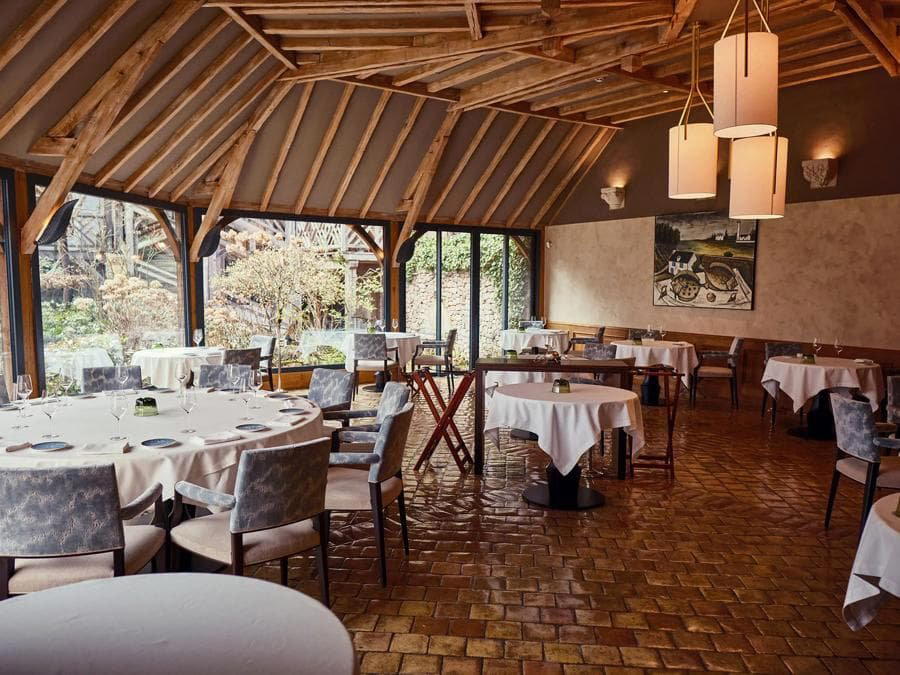
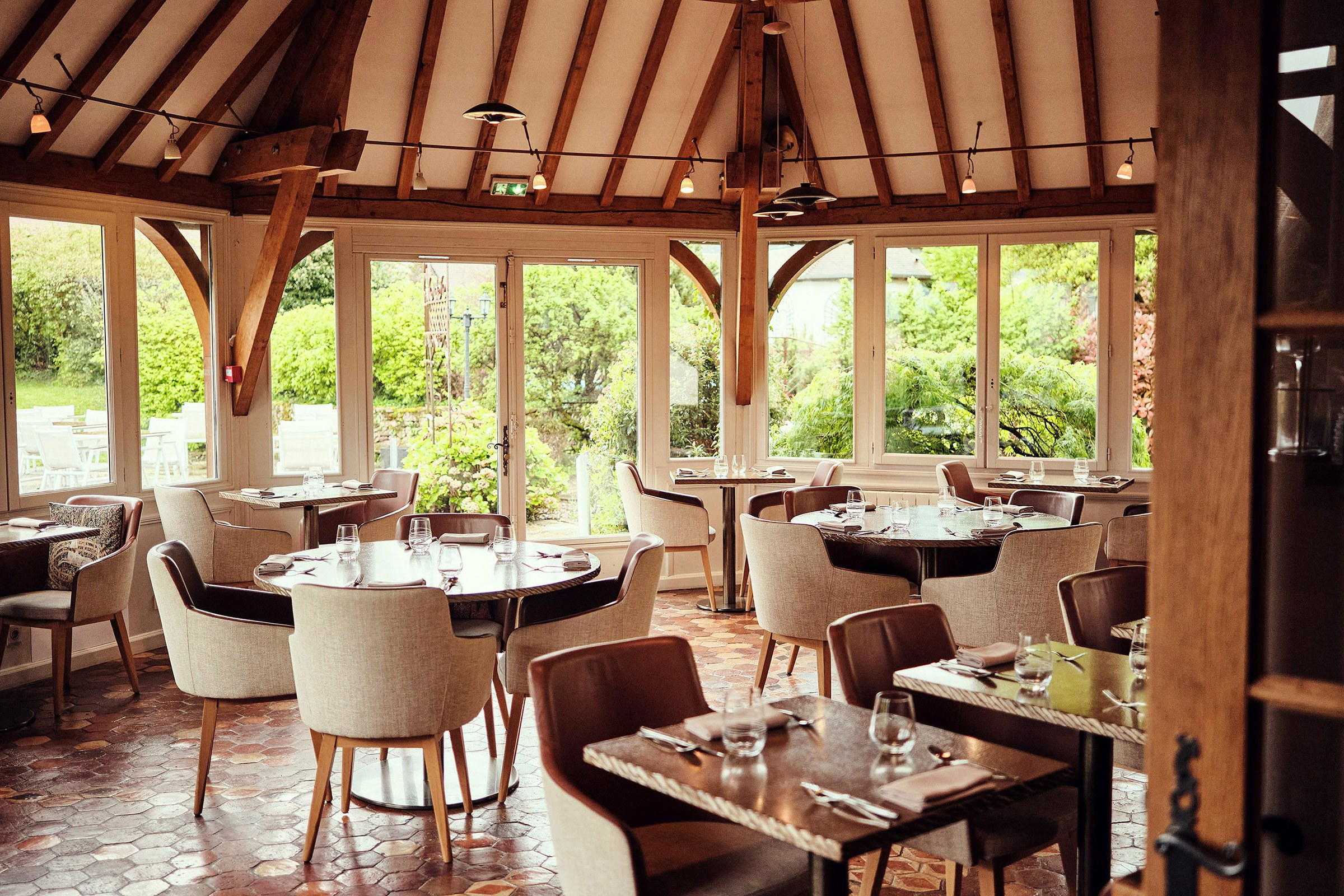
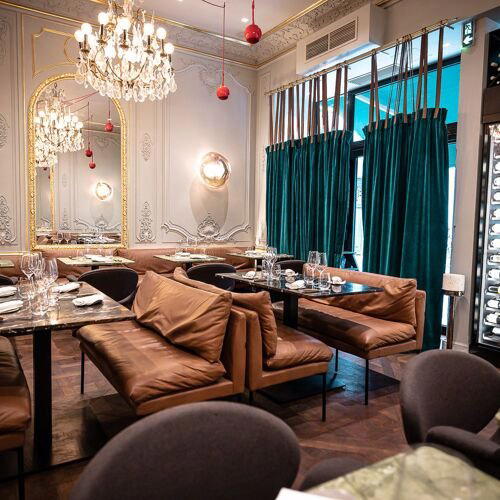
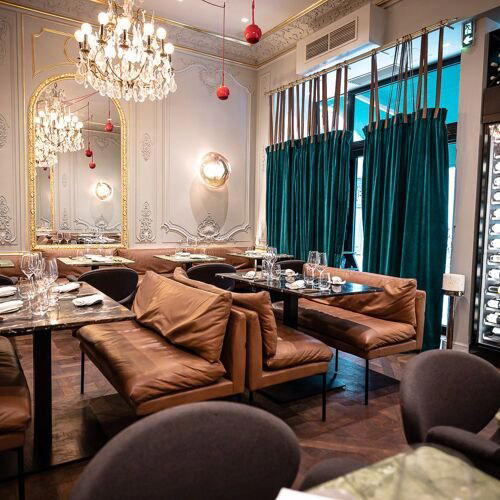
The dining room carries the weight of a French provincial house that has been at the centre of its region's culinary life for generations, with Alexandre Dumaine and Bernard Loiseau both having defined what serious cooking meant here across successive decades. Chef Louis-Philippe Vigilant now leads the kitchen, running contemporary plates alongside Loiseau's preserved classics, which gives the room a dual register: historically grounded but not frozen in time. Expect formal service and a destination-dining tempo.
Has La Côte d'Or won any awards?
La Côte d'Or has received recognition including: This iconic institution of the Morvan region, which has seen so many generations of chefs and fine food lovers pass through its doors, has embarked on a new chapter. In the wake of its auspicious débuts with Alexandre Dumaine and Bernard Lo….
What's the must-try dish at La Côte d'Or?
Bernard Loiseau's frog's legs with garlic purée and parsley juice is the single most historically significant dish on the menu, still available for guests who want to trace the house's culinary lineage directly. On the dessert side, Lucie Vigilant's orange-flavoured roses des sables with pure chocolate ice cream and a last-minute Saint Honoré made with chiboust cream represent the pastry programme's current signature. Ordering at least one dish from each era gives the fullest account of what La Côte d'Or is doing.
Where is La Côte d'Or in Saulieu?
La Côte d'Or is located at Le Relais Bernard Loiseau, 2 avenue Bernard-Loiseau, Saulieu.
Can I walk in to La Côte d'Or?
La Côte d'Or draws a destination dining audience to Saulieu, a small town in the Morvan that visitors arrive in specifically to eat here, which means covers are limited and the house is not structured around casual drop-in traffic. Advance booking is the only reliable approach. Arriving without a reservation risks finding no availability.
What's La Côte d'Or best at?
The house's particular strength is continuity under pressure: chef Louis-Philippe Vigilant runs his own contemporary cooking, grounded in classical technique and first-class Morvan ingredients, while keeping Loiseau's most historically significant dishes intact on the same menu. The dessert programme, led by Lucie Vigilant, functions as a distinct creative voice rather than a finishing formality, with the roses des sables and live-assembled Saint Honoré as its clearest expressions. Few houses at this level manage the dual responsibility of preservation and forward movement as explicitly.
Side-by-Side Snapshot
| Venue | Cuisine | Price | Awards |
|---|---|---|---|
| La Côte d'OrThis venue — the venue you are viewing | Modern French Fine Dining | $200–300 | 2 Michelin Stars · Falstaff Restaurant - 95 Falstaff Points |
| Alléno Paris au Pavillon Ledoyen | Creative | Not listed | Michelin 3 Star |
| Kei | Contemporary French, Modern Cuisine | Not listed | Michelin 3 Star |
| L'Ambroisie | French, Classic Cuisine | Not listed | Michelin 3 Star |
| Le Cinq - Four Seasons Hôtel George V | French, Modern Cuisine | Not listed | Michelin 3 Star |
| Mirazur | Modern French, Creative | Not listed | Michelin 3 Star |
Recognition history
Dated appearances from independent guides and award organizations, with the underlying list record or original source where available.
Michelin 2 Stars
Michelin
Falstaff Restaurant - 95 Falstaff Points
Falstaff
Opinionated About Dining Classical in Europe Ranked #94
Opinionated About Dining
Relais Chateaux Award
Relais Chateaux
Details
- Elegant
- Classic
- Sophisticated
- Well Known
- Special Occasion
- Date Night
- Business Dinner
- Historic Building
- Hotel Restaurant
- Private Dining
- Terrace
- Extensive Wine List
- Sommelier Led
- Local Sourcing
- Garden
- A La Carte
- Vegetarian Friendly
- Gluten Free Options
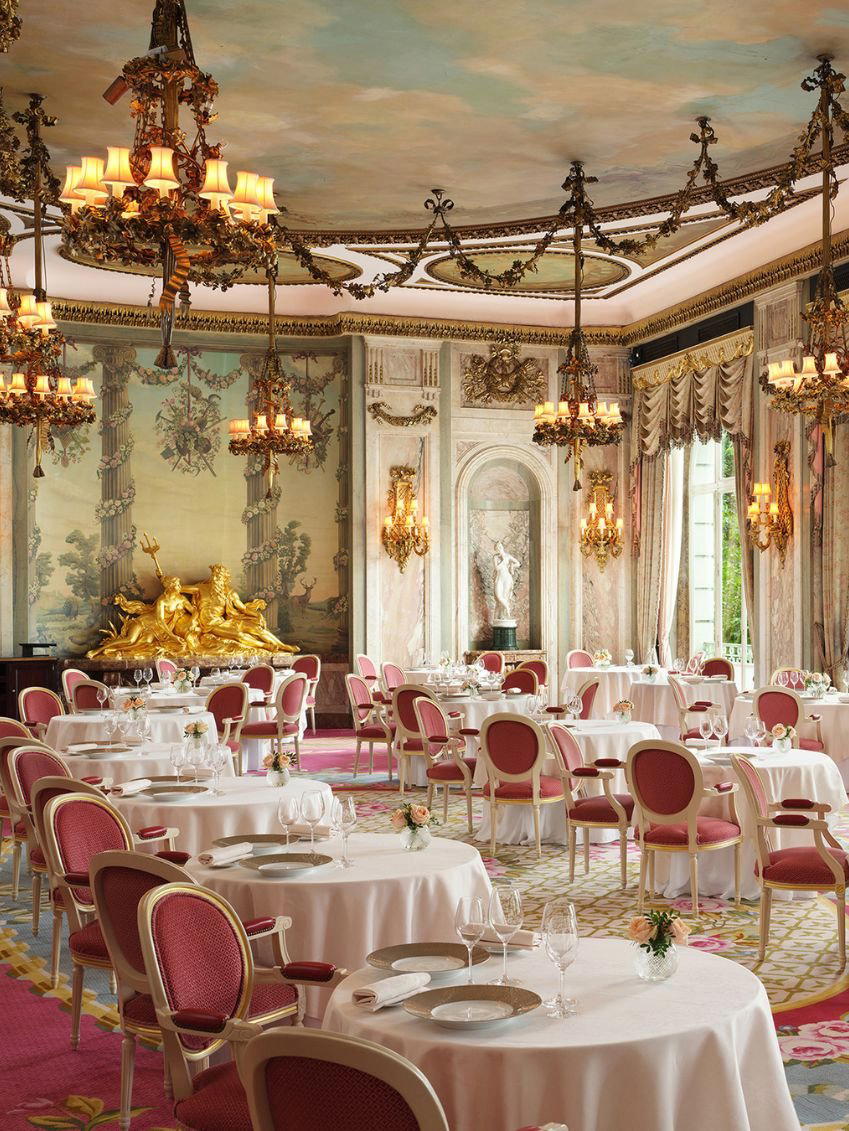
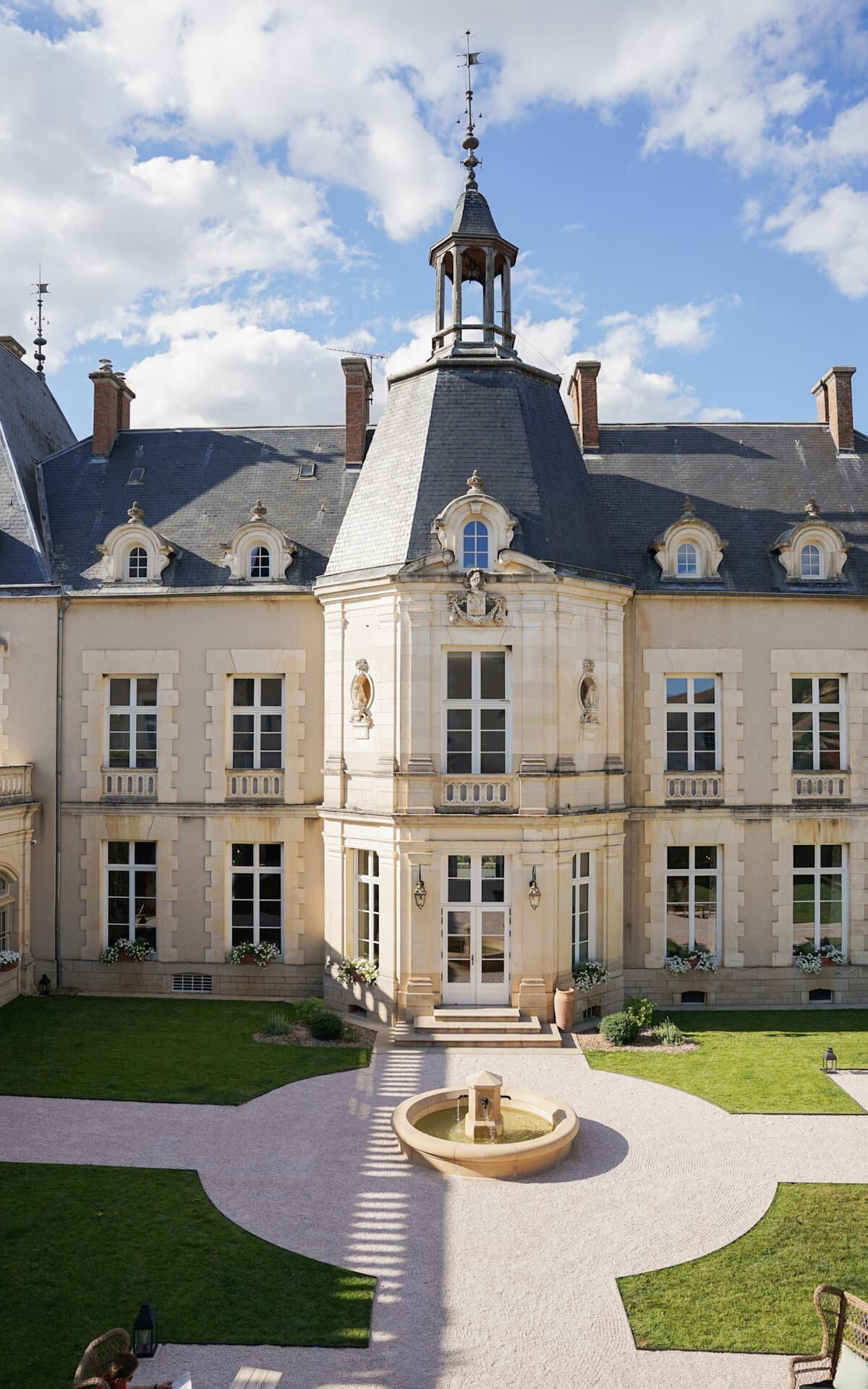
Elegant dining salons with period woodwork, moldings, parquet floors, and floor-to-ceiling windows offering verdant garden views; refined, historic atmosphere.