Le Bouclier d'Or Hotel & Spa
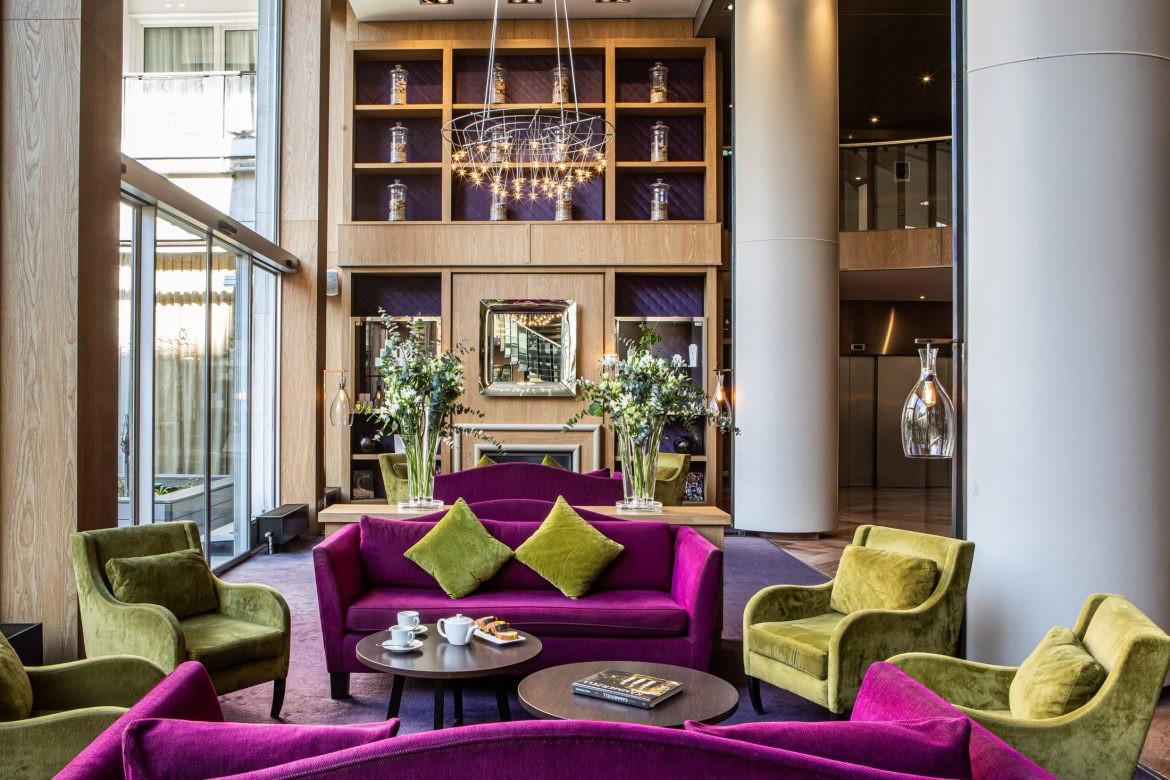
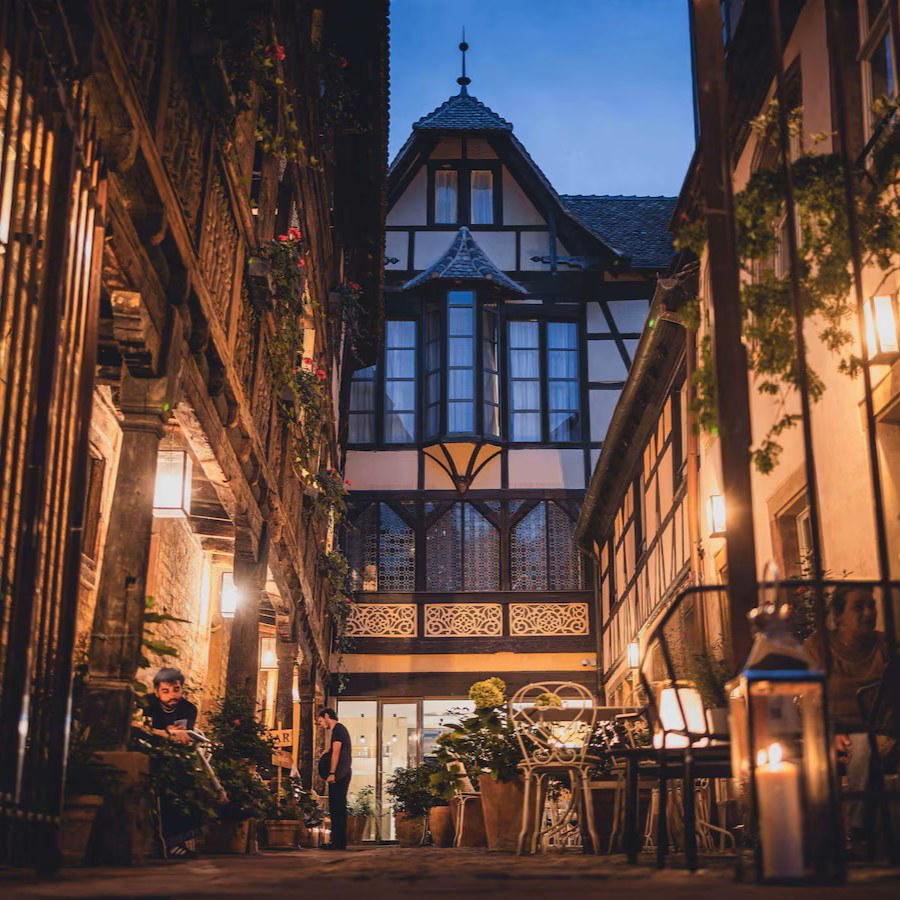
Le Bouclier d'Or Hotel & Spa occupies a historic address on Rue du Bouclier in central Strasbourg, where Alsatian architectural character meets contemporary spa hospitality. The property sits within the city's medieval core, placing guests within walking distance of the Grande Île's UNESCO-listed streetscape. For travellers who want proximity to both the cathedral quarter and the Petite France district, the location is difficult to argue with.
 Discover on Pearl
Pearl is the En Primeur Club membership app — saves, bookings, and concierge access live there. Same editors, same standards.
- Address
- 1 Rue du Bouclier, 67000 Strasbourg, France
- Phone
- +33 3 88 13 73 55
- Website
- lebouclierdor.com
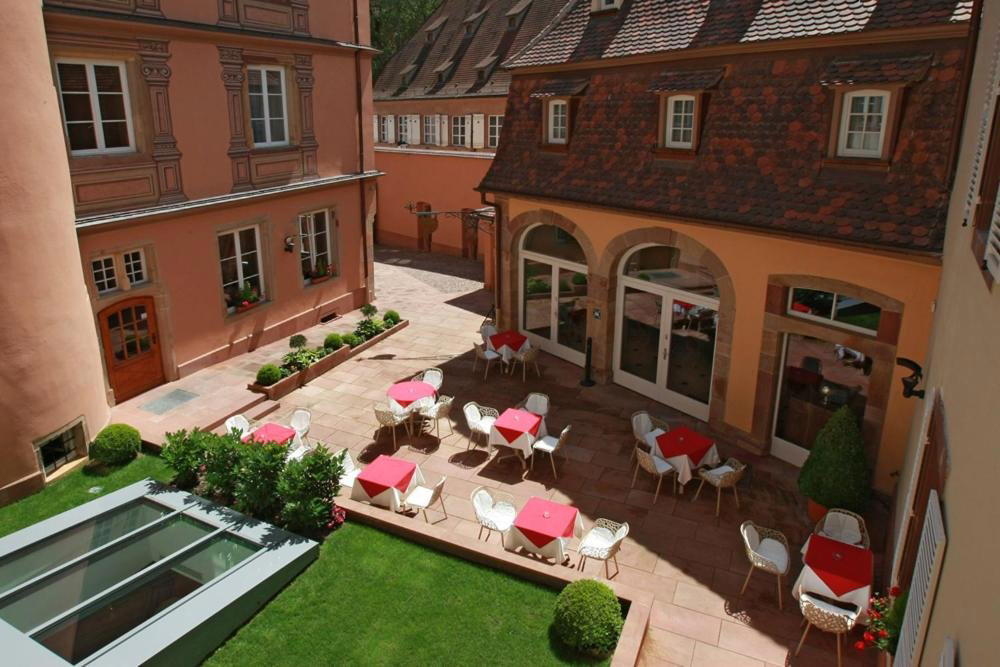
Stone, Timber, and the Weight of Strasbourg's Streetscape
Strasbourg's Grande Île operates under a particular architectural logic. The island district, inscribed on the UNESCO World Heritage List since 1988, imposes on its hotels a relationship with history that properties in less regulated cities never have to negotiate. Medieval stone facades, timber-framed volumes, and the dominant vertical of the cathedral are not backdrop here, they are constraint and context simultaneously. Hotels that occupy buildings within this perimeter either embrace that inherited weight or spend considerable effort pretending it isn't there. Le Bouclier d'Or Hotel & Spa is a 4-star hotel in Strasbourg at 1 Rue du Bouclier, with a Google rating of 4.6 from 576 reviews and in-house spa facilities. The address itself signals a commitment to the fabric of the old city rather than a retreat from it.
Rue du Bouclier sits close enough to the cathedral to feel embedded in Strasbourg's historic core, yet the street retains a neighbourhood scale that the main tourist corridors around Place Kléber do not. That positioning matters. Strasbourg's premium hotel offerings have historically clustered around the Grande Île's more obvious anchor points, with properties like the Sofitel Strasbourg - Grande Île and Maison Rouge occupying the city's central commercial zone. Le Bouclier d'Or's slightly tighter address offers a quieter entry point into the same walkable geography.
The Alsatian Hotel and Its Architectural Inheritance
Across Alsace, the relationship between hospitality and architecture is longer and more loaded than in most French regions. The half-timbered building type that dominates Strasbourg's streetscape is not purely decorative: it reflects a centuries-old building tradition shaped by proximity to the Rhine, access to timber from the Vosges, and successive periods of French and German governance that left their mark on construction standards and ornamentation alike. Hotels operating within these structures carry the visible record of that history in their walls, rooflines, and interior volumes. The question for any property working with this inheritance is how to layer contemporary comfort, climate control, spa infrastructure, modern bed sizing, without erasing the architectural specificity that makes the location meaningful.
This is a challenge that several of Strasbourg's more characterful properties have addressed in different ways. Les Haras, occupying a converted 18th-century national stud farm, and Maison Kammerzell, one of the most photographed Gothic-Renaissance buildings in the city, both represent attempts to activate heritage structures for contemporary guests. The Régent Petite France, meanwhile, works with a converted glacière building in the tanners' quarter. Each approach reflects a different set of trade-offs between preservation fidelity, spatial comfort, and programming ambition. Le Bouclier d'Or's inclusion of spa facilities within a historic city-centre structure places it in a growing category of Alsatian properties attempting to add wellness infrastructure without the square footage that resort settings make easier to justify.
Spa Integration in a Historic City Context
The addition of spa facilities to heritage city hotels has become a recurring conversation in French regional hospitality over the past decade. In cities where building footprints are fixed by medieval plot sizes and planning restrictions govern exterior changes, spa development requires creative use of basement volumes, interior courtyards, and mezzanine spaces. The result, when handled well, is a kind of compressed luxury: smaller treatment rooms and more intimate circulation than a resort spa would offer, but a sense of enclosure and architectural texture that purpose-built wellness centres rarely achieve. Properties like Domaine Les Crayères in Reims and Royal Champagne Hotel & Spa in Champillon have demonstrated how spa programming can anchor a historic French property's appeal beyond its room offering alone. Le Bouclier d'Or's spa designation points to a similar intent: positioning the hotel as a stay in its own right rather than purely a base for cathedral visits and Christmas market itineraries.
Strasbourg's hospitality market has historically been subject to pronounced seasonal demand, the city's Marché de Noël draws visitors from across Europe between late November and December, compressing occupancy into a short window. Hotels that develop year-round programming through spa, dining, or cultural partnerships distribute that demand more evenly and sustain rate structures outside the peak weeks. The spa element at Le Bouclier d'Or reads partly as a response to that structural dynamic in the local market.
Placing the Property in France's Broader Hotel Conversation
At the level of French premium hospitality, Strasbourg occupies a distinct position. It lacks the coastal settings that give properties like Hotel Du Cap-Eden-Roc in Cap d'Antibes or La Réserve Ramatuelle their visual logic, and it operates without the vineyard context that anchors properties like Les Sources de Caudalie in Bordeaux or Villa La Coste in Le Puy-Sainte-Réparade. Its proposition is urban and historical: the city itself is the amenity. Within that frame, hotels succeed by locating guests inside the architectural narrative of the Grande Île rather than adjacent to it. For travellers who have worked through the international circuit, Cheval Blanc Paris for capital luxury, Aman Venice for palazzo scale, Strasbourg offers a different register entirely: a city where the premium is architectural density and medieval specificity rather than acreage or height.
Planning Your Stay
Le Bouclier d'Or Hotel & Spa is located at 1 Rue du Bouclier in central Strasbourg, within walking distance of the cathedral, the covered bridges of Petite France, and the main commercial streets of the Grande Île. Given the hotel's central position on the UNESCO island, it functions well as a standalone city stay, the concentration of Alsatian architectural heritage within a few blocks of the address means that the most significant sights require no transport.
Side-by-Side Snapshot
Comparable venues nearby, for context on price, style, and recognition.
| Venue | Cuisine | Price | Awards | Notes |
|---|---|---|---|---|
| Le Bouclier d'Or Hotel & SpaThis venue — the venue you are viewing | Historic 16th-century boutique hotel blending Alsatian heritage with modern luxury. | $$$$ | 4-Star | |
| Régent Petite France | Luxury boutique hotel in a historic building with modern amenities, positioned as a refined retreat in Strasbourg's most charming district. | $$$$ | 5-Star | Centre |
| Maison Rouge | Timeless Art Deco luxury blending tradition and modern comfort | $$$$ | 5-Star | Centre |
| Maison Kammerzell | Historic Renaissance half-timbered house transformed into boutique hotel. | $$$ | 3-Star | Centre |
| Léonor | Contemporary luxury boutique hotel housed in a restored heritage building that functions as a semi-urban lifestyle hub open to both guests and locals. | $$$ | 4-Star | Centre |
| Cour du Corbeau - MGallery | Historic Renaissance boutique hotel blending 16th-century architecture with contemporary luxury and Alsatian cultural heritage. | $$$ | 4-Star | Bourse-Esplanade-Krutenau |
Continue exploring
More in Strasbourg
Hotels in Strasbourg
Browse all →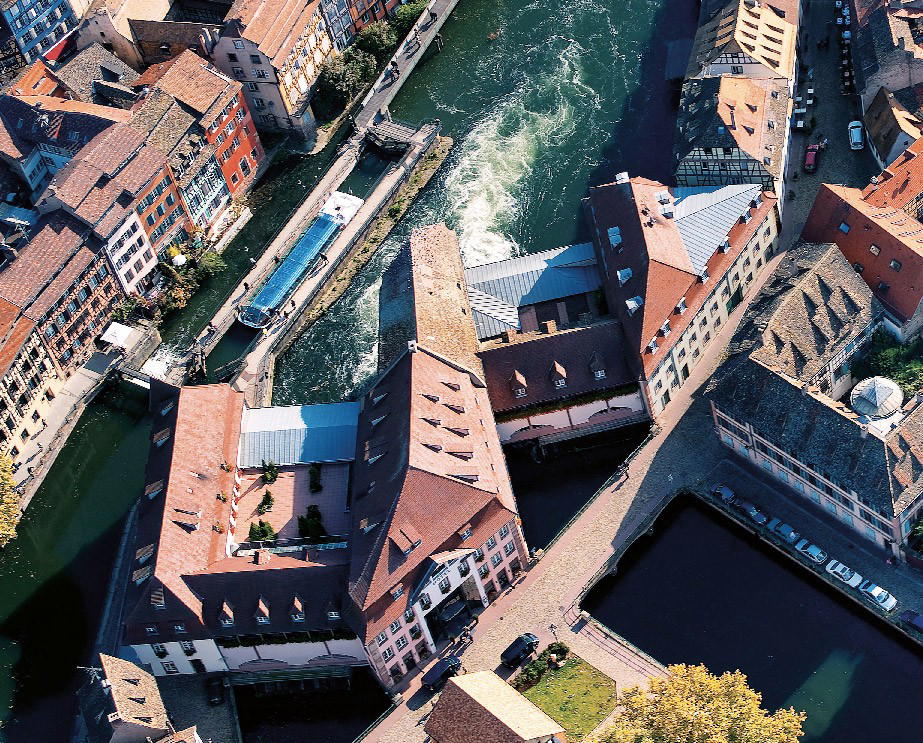
Bars in Strasbourg
Browse all →
Restaurants in Strasbourg
Browse all →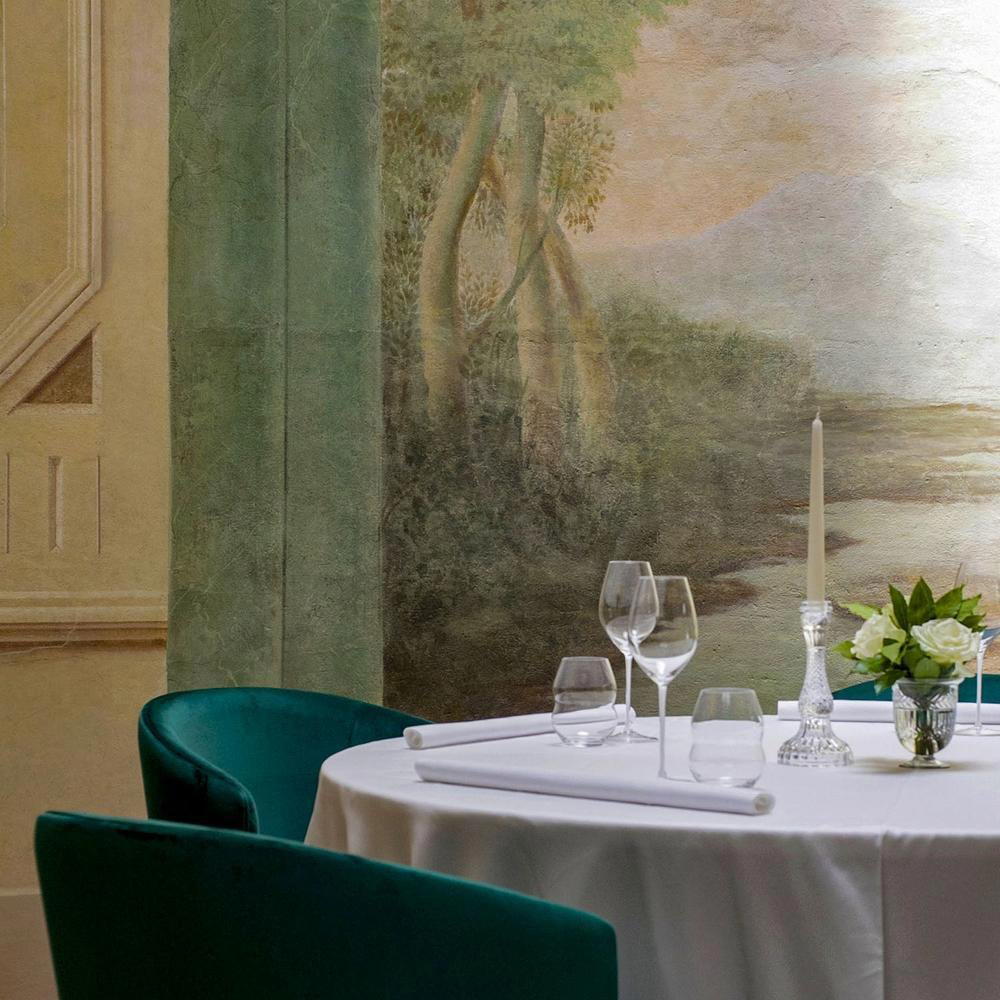


At a Glance
- Romantic
- Elegant
- Classic
- Cozy
- Sophisticated
- Romantic Getaway
- Wellness Retreat
- Anniversary
- Weekend Escape
- Historic Building
- Destination Spa
- Terrace
- Wifi
- Spa
- Sauna
- Hammam
- Room Service
- Concierge
- Massage
- Street Scene
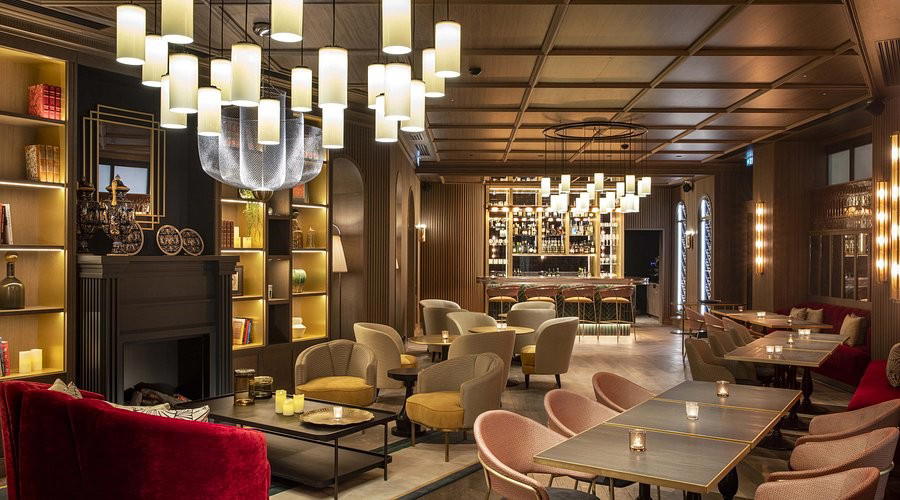
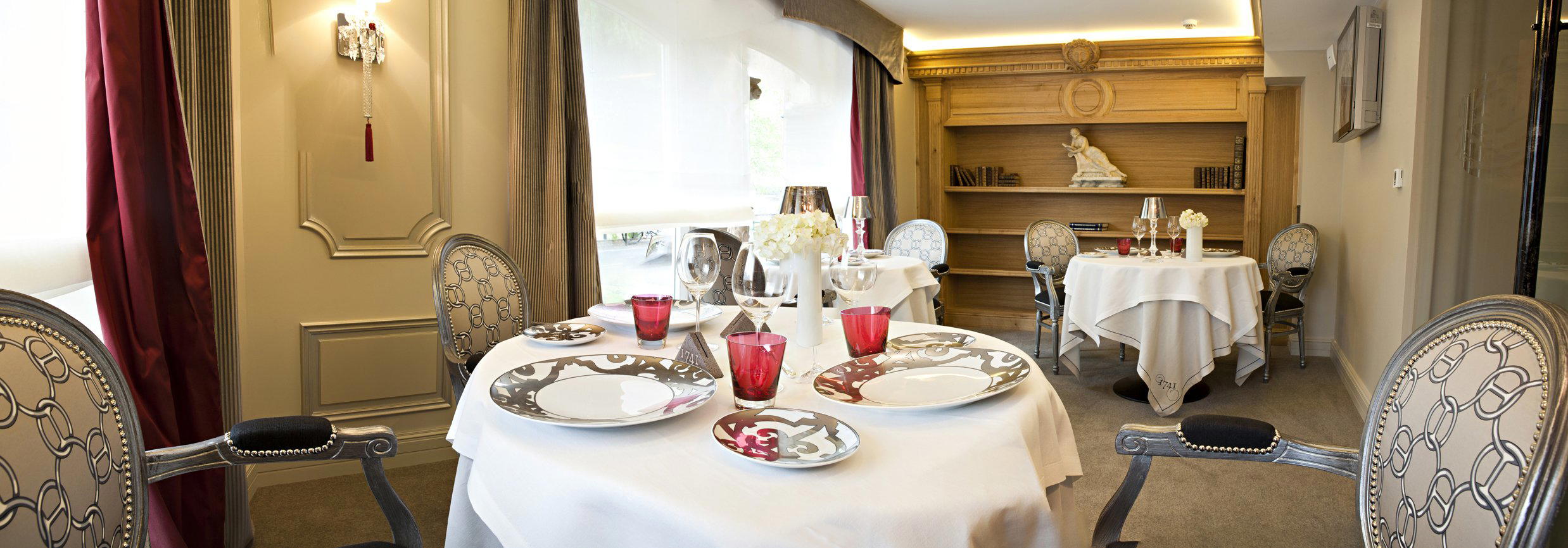
Elegant Old World atmosphere with antique furniture, period artwork, chandeliers, and rich drapes creating a cozy, historic charm.