
World Travel Awards
Paraguay's 2025 World Travel Awards winner for Leading Boutique Hotel, La Misión sits within Asunción's small but growing tier of design-led accommodation. The property positions itself against international boutique standards rather than the city's larger business hotels, making it the reference point for travellers who want the capital on their own terms.

Pearl is the En Primeur Club membership app, where members save venues, book tables and use the concierge.
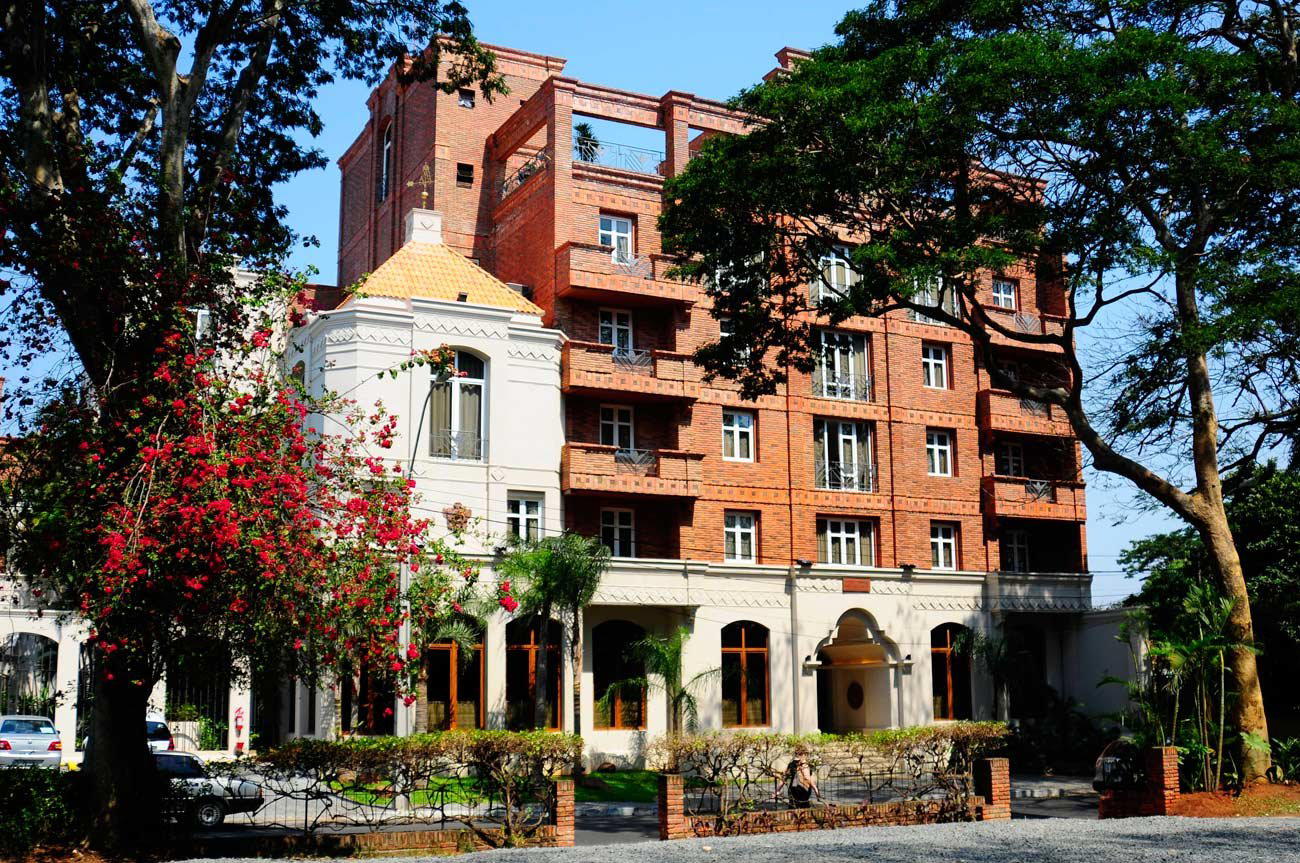
Asunción's Boutique Tier, and Where La Misión Sits Within It
Asunción has never built the kind of luxury hotel density you find in Buenos Aires or São Paulo, and that relative scarcity shapes how its better properties are read. The city's accommodation market has long been dominated by mid-range business hotels and a handful of internationally affiliated chains, which means the small cluster of design-led boutique properties operates in a different register entirely. La Misión Hotel Boutique belongs to that smaller, more considered cohort, and its 2025 World Travel Awards recognition as Paraguay's Leading Boutique Hotel places it at the top of a category that remains genuinely underserved in this part of South America. For context on what else the capital offers, our full Asunción restaurants and hotels guide maps the broader scene.
The distinction between a boutique property and a smaller chain hotel is rarely about size alone. It tends to hinge on spatial coherence: whether the physical environment reads as intentional rather than assembled. In cities where boutique culture is still establishing itself, the properties that earn regional recognition tend to be those that treat their architecture and interiors as an editorial position rather than a backdrop. La Misión operates within that logic, and its World Travel Awards win signals that its design approach has been measured against regional competition and found to lead the field.
The Physical Environment as Argument
Boutique hotels in colonial-era Latin American cities face a recurring tension: the inherited architectural vocabulary of the continent, courtyards, thick masonry walls, covered walkways, ceramic tile, carries enormous aesthetic authority, but it can easily become costume rather than structure. The properties that handle this well use the colonial register as a material logic rather than a decorative one, letting the weight and proportion of the spaces do the work that furnishings are often asked to perform elsewhere.
In Asunción, where Spanish colonial and Guaraní influences have produced a built environment with its own specific character, the question for any design-led property is how to be in dialogue with that context without merely quoting it. The boutique category in this city is small enough that a single property can define the standard against which others are measured, which is the position La Misión now occupies following its 2025 award. That kind of recognition, awarded on a category-specific basis rather than as a general hospitality prize, carries more precise signal than broader rankings.
Guests approaching a property in this tier typically encounter spaces that prioritise proportion and light management over furniture-led drama. Common areas in well-executed Latin American boutiques tend to use courtyard logic: a controlled threshold between exterior heat and interior cool, with water features and planting that regulate both temperature and acoustic character. Whether La Misión uses this spatial grammar or departs from it in favour of something more contemporary is part of what defines its specific identity within the boutique tier.
Paraguay in the Regional Boutique Context
To understand what La Misión's award means in practice, it helps to place Paraguay's hospitality market alongside its neighbours. In terms of comparable boutique options elsewhere in the country, Villa María in San Bernardino offers a lakeside alternative for those combining Asunción with the Cordillera region, while Howard Johnson in Ciudad del Este anchors the eastern commercial corridor with a different format entirely. These properties serve distinct traveller profiles, which means La Misión's position in the capital is not particularly contested from within the domestic market.
The more relevant comparison set is regional: the design-led boutique tier across South America has matured considerably over the past decade, with properties in Montevideo, Cartagena, and Lima establishing internationally recognised benchmarks. Winning Paraguay's category in this environment requires performing against a standard that is increasingly set by international travellers with reference points well outside the country. The World Travel Awards framework, which covers over 170 countries and draws on a global voter base of travel industry professionals, provides that external calibration.
For travellers with experience at properties like Hotel Esencia in Tulum or One&Only; Mandarina in Riviera Nayarit, the boutique expectation is already high. La Misión operates in a market where those expectations are less commonly catered to, which gives it a structural advantage in standing out while also creating the pressure to deliver on the design and service coherence that internationally mobile guests bring as a baseline.
How La Misión Compares to the Global Boutique Field
Category leadership at a national level does not automatically translate to the same tier as, say, Castello di Reschio in Lisciano Niccone or Casa Maria Luigia in Modena, both of which operate at the intersection of architectural heritage and culinary ambition that defines the most demanding segment of the global boutique market. Nor does it place a property in the same conversation as Amangiri in Canyon Point or Aman Venice, where site specificity and controlled capacity create a different kind of scarcity value.
What the World Travel Awards recognition does confirm is that within its own market, La Misión has achieved the kind of consistency and design coherence that a competitive evaluation process rewards. For travellers whose reference points include Cheval Blanc Paris, La Réserve Paris, or Le Bristol Paris, the gap in scale and resource is real and should be acknowledged honestly. For those whose interest is in the specific character of Asunción, its pace, its particular blend of Spanish and Guaraní cultural registers, its position as one of South America's least-visited capitals, La Misión offers an entry point calibrated to that experience rather than working against it.
Planning Your Stay
Asunción's travel infrastructure means most international arrivals come through Silvio Pettirossi International Airport, approximately 15 kilometres northeast of the city centre. The capital sits within the subtropical climate zone, with November through March delivering high humidity and frequent afternoon storms; the drier, cooler months from May to August tend to suit most visitors better for extended stays. Booking ahead is advisable given the limited supply of boutique-category rooms in the city, and direct contact through the property's official channels is the recommended approach for confirming availability and understanding current room configuration. Travellers combining Asunción with broader Paraguay itineraries should factor in day trips to the Jesuit Missions in the south, which provide the direct historical context that the name La Misión itself references. For those extending beyond Paraguay, the boutique hotel field widens considerably: Mandarin Oriental Bangkok, Bvlgari Hotel Tokyo, Hotel Bel-Air in Los Angeles, and Badrutt's Palace Hotel in St. Moritz each represent the upper register of their respective markets, providing a broader frame for what award-recognised hospitality looks like across different scales and contexts. Closer to home, Hotel Sacher Wien, Hotel Plaza Athénée, Hôtel de Paris Monte-Carlo, Hotel Du Cap-Eden-Roc, HOTEL THE MITSUI KYOTO, Aman New York, The Fifth Avenue Hotel in New York City, and Mandarin Oriental Ritz, Madrid collectively illustrate the range of what category leadership means at different price points and in different urban contexts. Cipriani, A Belmond Hotel, Venice and HOTEL THE MITSUI KYOTO in particular demonstrate how heritage architecture and contemporary service can be held in productive tension, which is the same challenge La Misión faces in its own, more intimate context.
Recognition history
Dated appearances from independent guides and award organizations, with the underlying list record or original source where available.
World Travel Awards
World Travel Awards
Continue exploring
More in Asunción
Hotels in Asunción
All hotels in Asunción →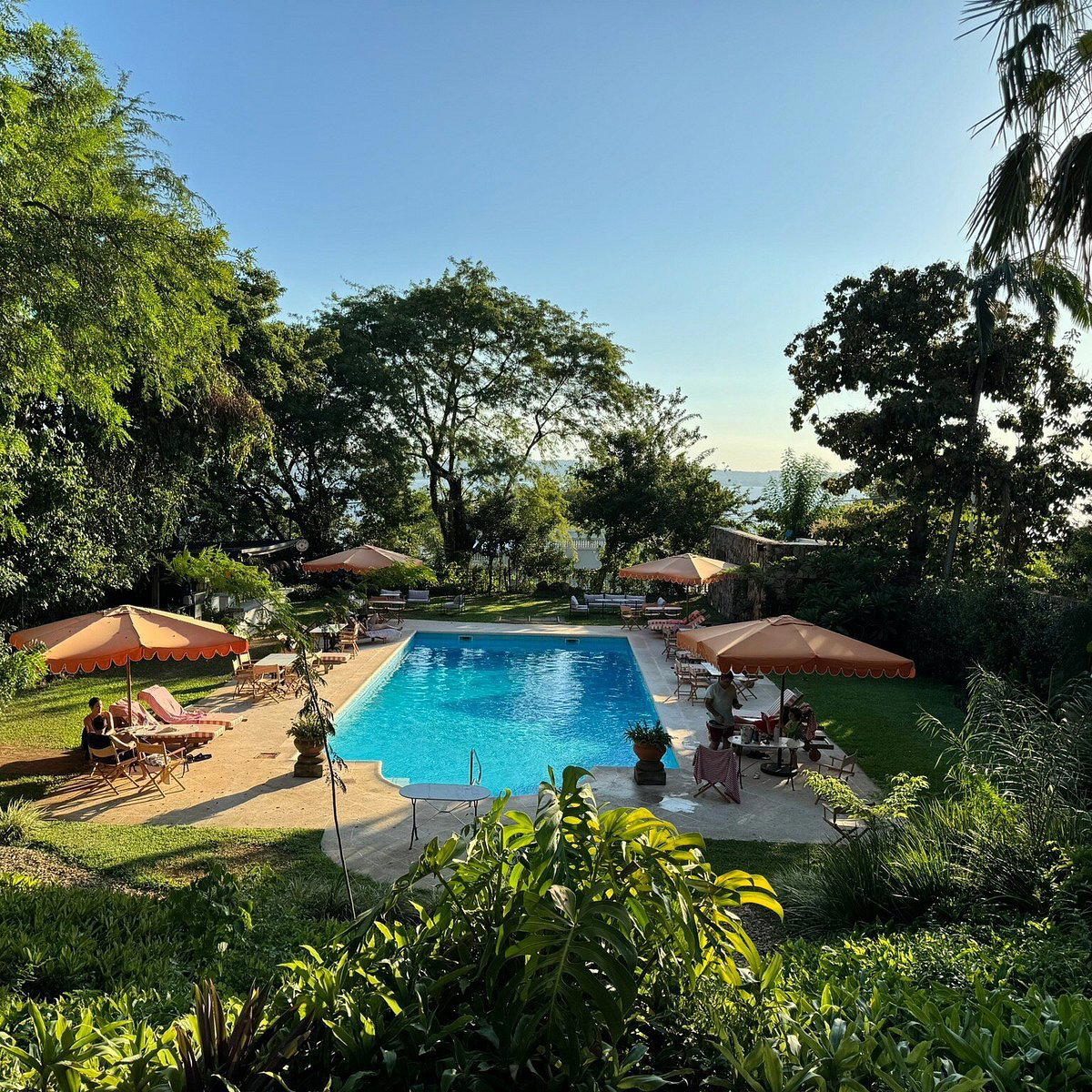
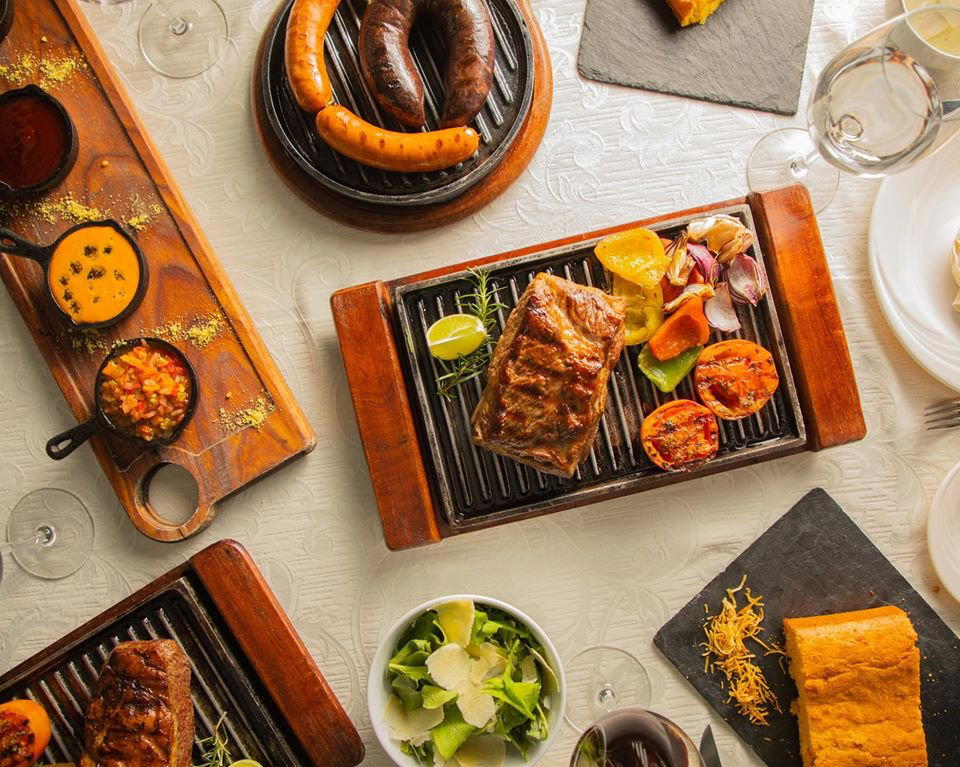
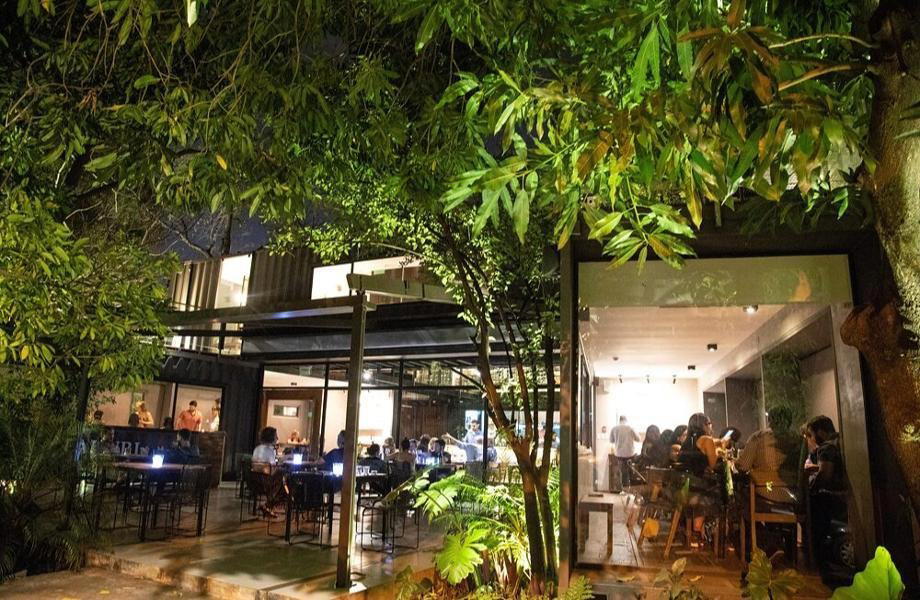

Details
- Elegant
- Cozy
- Sophisticated
- Intimate
- Romantic Getaway
- Business Trip
- Wedding
- Anniversary
- Rooftop Pool
- Terrace
- Historic Building
- Wi Fi
- Pool
- Spa
- Fitness Center
- Room Service
- Concierge
- Restaurant
- Skyline
- Wheelchair Accessible
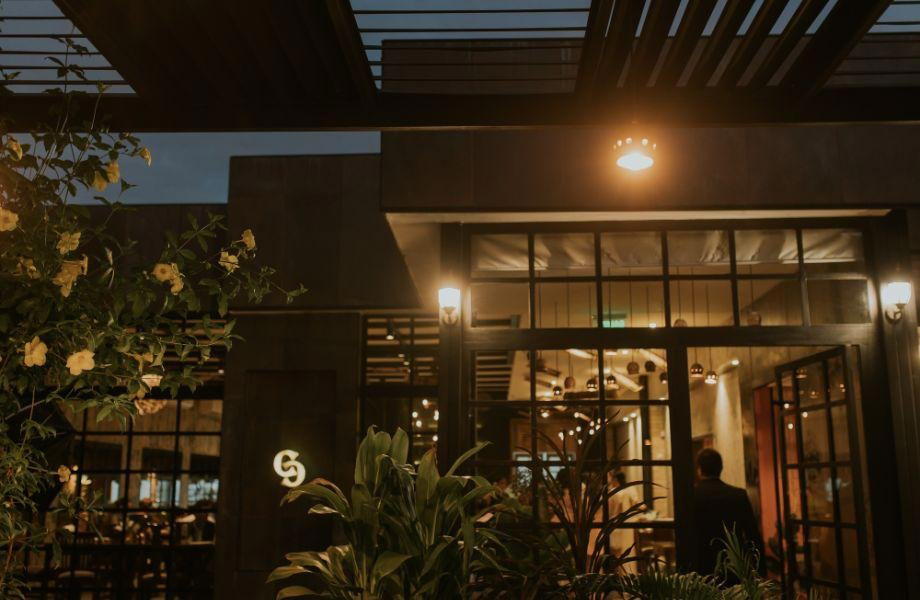
Relaxed old-world charm with beautiful public areas, colonial-Guarni decor, and serene rooftop terrace atmosphere.