La Guardia Hotel


Michelin Selected · Mr & Mrs Smith Seal of Approval
Carrying a 2025 Michelin Selected distinction, La Guardia Hotel occupies a measured position on Giglio Island — one of Tuscany's least-developed island retreats.

Pearl is the En Primeur Club membership app — saves, bookings, and concierge access live there. Same editors, same standards.
- Address
- Via Thaon de Revel, 45, 58012 Giglio Porto GR, Italy
- Phone
- +39 0564 808077
- Website
- laguardiahotel.it
- Directions
- Get directions
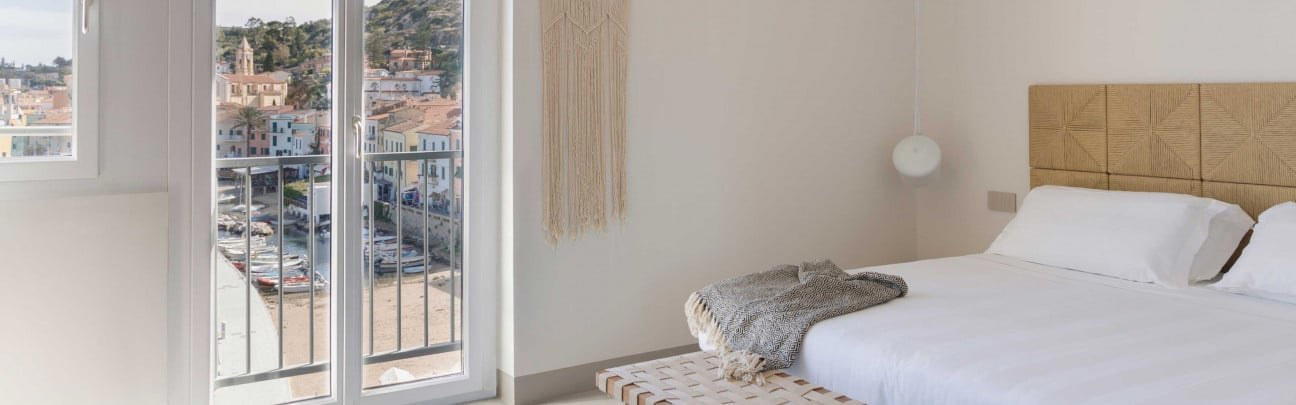
An Island That Resists the Resort Formula
Giglio Island sits roughly 14 kilometres off the Argentario promontory in southern Tuscany, and its resistance to large-scale development is not accidental. The island's protected status under Italian environmental regulation has kept the accommodation stock small, the built environment largely intact, and the population — a few hundred permanent residents — oriented toward fishing and small-scale tourism rather than hospitality at volume. Staying on Giglio is a fundamentally different proposition from staying at, say, Borgo Egnazia in Savelletri di Fasano or Four Seasons Hotel Firenze. The island does not produce that kind of hospitality, and La Guardia does not attempt to replicate it.
What the Michelin Selection Signals Here
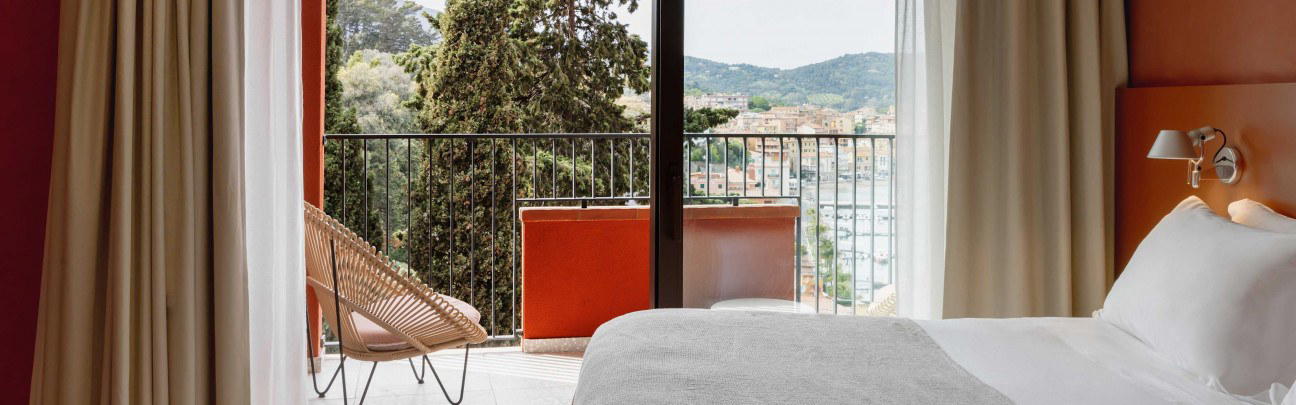
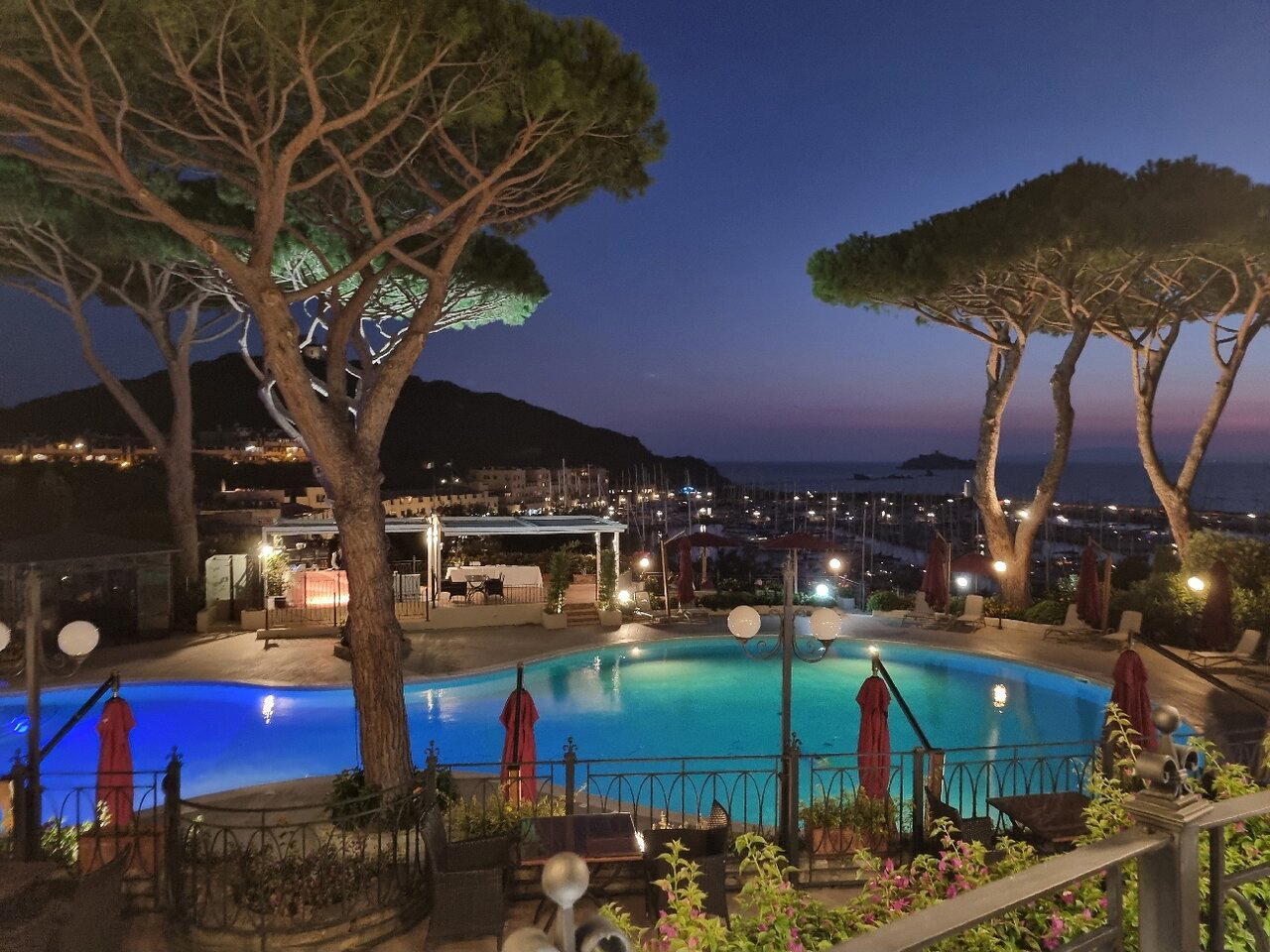
La Guardia Hotel's inclusion in the Michelin Selected Hotels 2025 list is a meaningful data point on an island where formal accommodation recognition is rare. Michelin's hotel selection process evaluates comfort, character, and quality of welcome rather than facilities at scale, criteria that suit the Giglio context precisely. The distinction places La Guardia inside a peer group that includes small Italian properties chosen for doing something specific well, rather than for approximating international luxury standards. For comparison, properties earning Michelin recognition in similarly remote or island contexts across Italy, Therasia Resort in Lipari being one point of reference, typically hold their position through a combination of setting specificity and restrained, considered hospitality rather than scale or amenity breadth. Browse our full Giglio Island restaurants guide for further context on what the island offers beyond accommodation. The buildings step up from the waterfront in the layered, dense manner common to Tyrrhenian island settlements, stuccoed facades in ochre, terracotta, and sun-bleached white, balconies that project over narrow lanes, and a working harbour that has not been aestheticised for tourism. The editorial angle here matters: the design identity of a property in this kind of setting is defined as much by what surrounds it as by what has been done within it. Islands like Giglio produce a type of hospitality architecture that operates by addition and adaptation, rooms inserted into existing structures, terraces carved from slope rather than purpose-built, rather than by the ground-up design statements associated with properties like Il Sereno in Torno or Aman Venice.
How La Guardia Fits the Italian Island Accommodation Pattern
Across Italy's smaller islands, Giglio, Ponza, Capraia, and Pantelleria among them, the accommodation offer tends to bifurcate between family-run small hotels with long local histories and newer design-led interventions aimed at a more international clientele. La Guardia sits in the former tradition. Properties of this type tend to carry decades of local knowledge, a guest profile that returns season after season, and a hospitality rhythm shaped by the island's own pace rather than by international brand standards. This is a different proposition from the precision-designed cliff-side experience at Borgo Santandrea on the Amalfi Coast or the curated rural immersion at Rosewood Castiglion Del Bosco in Montalcino. The comparison is not unfavourable to La Guardia, it simply describes a different register of travel, one in which the island itself, rather than the property, does most of the editorial work. For travellers drawn to that exchange, Castel Fragsburg in Merano and Corte della Maestà in Civita di Bagnoregio operate on a related logic, place as the primary experience, property as a considered but secondary frame. Toremar and Maregiglio operate the crossing, with departures that increase significantly during the summer months of July and August, the period when the island's population expands and accommodation fills well in advance. Booking La Guardia for summer travel should be treated as a lead-time exercise; the island's limited accommodation stock means the window for securing preferred dates narrows earlier than on the mainland.
The Broader Italian Island Hospitality Context
Italy's islands occupy a specific position in European travel: they offer physical separation from the mainland, compressed ecosystems of food and culture, and, on the smaller examples, a near-total absence of the anonymous tourism infrastructure that characterises larger resort destinations. Giglio's grant of natural reserve status to parts of the island and the strict limits on construction have preserved a texture of place that visitors to JK Place Capri or Il San Pietro di Positano would recognise as a quality in shorter supply on the better-known islands. The accommodation on Giglio reflects that scarcity: fewer properties, smaller scale, and a guest who has typically sought the island out rather than arrived at it by default. La Guardia's Michelin selection in 2025 is one data point confirming that the island's accommodation has a foothold in formal quality recognition, even if the property operates far from the scale of Passalacqua in Moltrasio or Bulgari Hotel Roma.
Comparison Snapshot
Comparable venues nearby, for context on price, style, and recognition.
| Venue | Cuisine | Price | Awards | Notes |
|---|---|---|---|---|
| La Guardia HotelThis venue — the venue you are viewing | Design-forward barefoot luxury retreat honoring mid-century origins with Mediterranean spirit. | $300–500 | Michelin Selected · Mr & Mrs Smith Seal of Approval | Not listed |
| The Glam Boutique Hotel & Apt | Modern boutique hotel blending classical elements with contemporary furnishings. | $100–200 | Michelin Selected | Vicenza |
| SINA Maria Luigia | Historic palace with traditional and contemporary rooms | $100–200 | Michelin Selected | Parma City Centre |
| Hotel Viminale | Refined historic hotel blending timeless elegance with contemporary design. | $200–300 | Michelin Selected | Monti |
| Villa Svetoni Wine Resort | Historic Tuscan estate reimagined as luxury wine resort; blends 18th-century architectural heritage with contemporary hospitality and wellness focus. | $100–200 | Michelin Selected | Montepulciano |
| Dimora Cala del Pozzo | Contemporary classic Italian country retreat preserving authentic rural farmhouse identity with refined modern comfort. | $200–300 | Michelin Selected | Contrada Pozzo Vecchio |
Recognition history
Dated appearances from independent guides and award organizations, with the underlying list record or original source where available.
Michelin Selected
Michelin
Mr & Mrs Smith Seal of Approval
Mr & Mrs Smith
Continue exploring
More in Giglio Island
Hotels in Giglio Island
Browse all →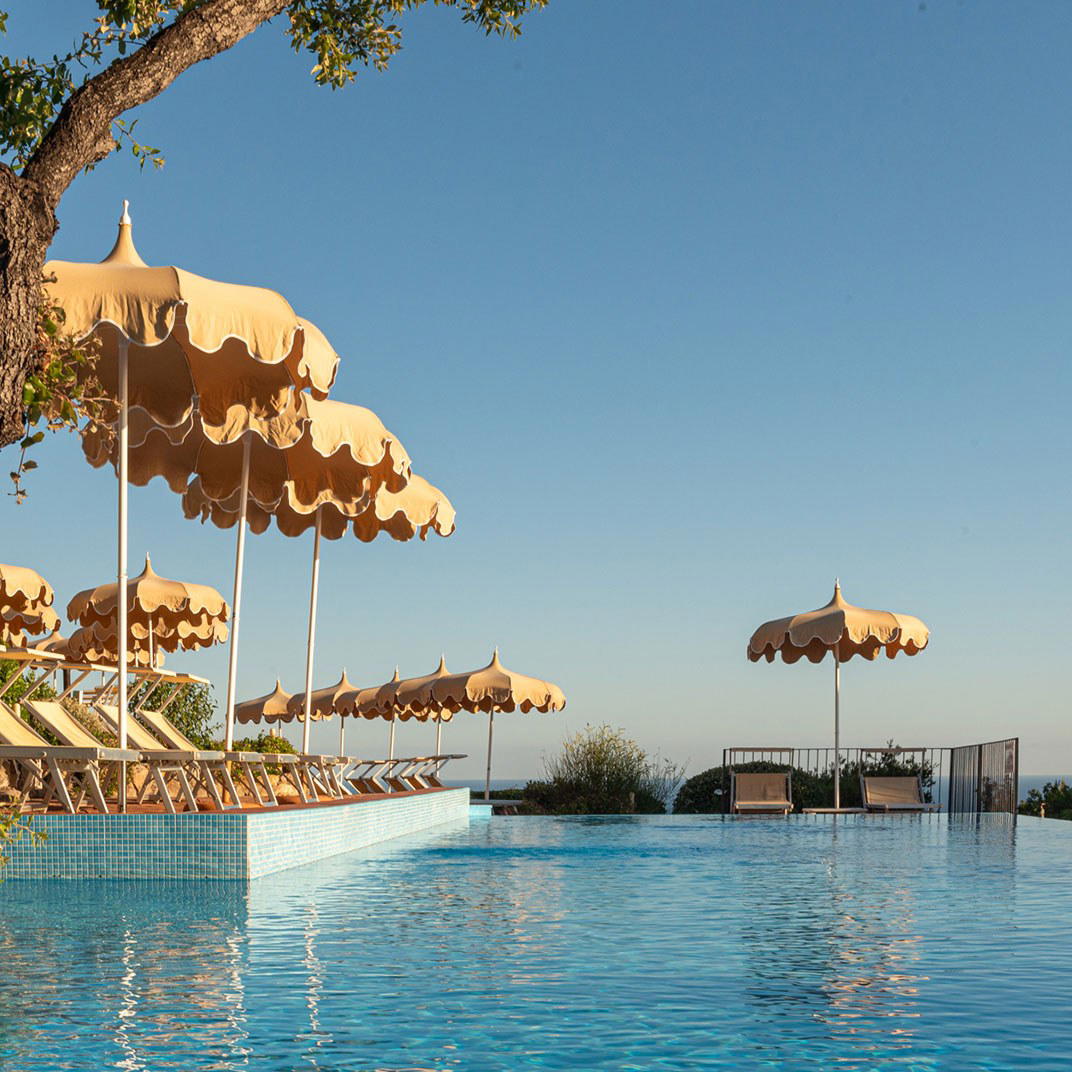
Bars in Giglio Island
Browse all →
Restaurants in Giglio Island
Browse all →

Details
- Quiet
- Scenic
- Minimalist
- Elegant
- Romantic Getaway
- Weekend Escape
- Beachfront
- Panoramic View
- Terrace
- Wi Fi
- Room Service
- Concierge
- Restaurant
- Garden
- Bar
- Massage
- Waterfront
- Wheelchair Accessible
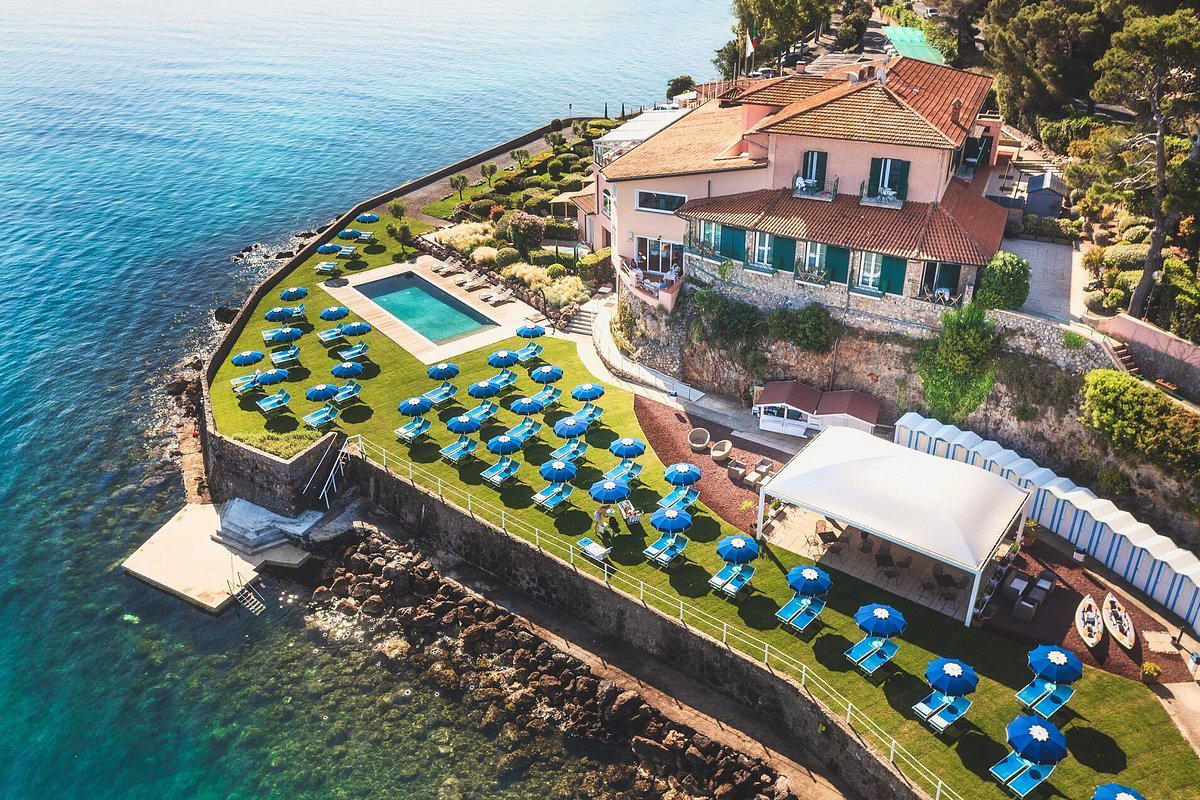
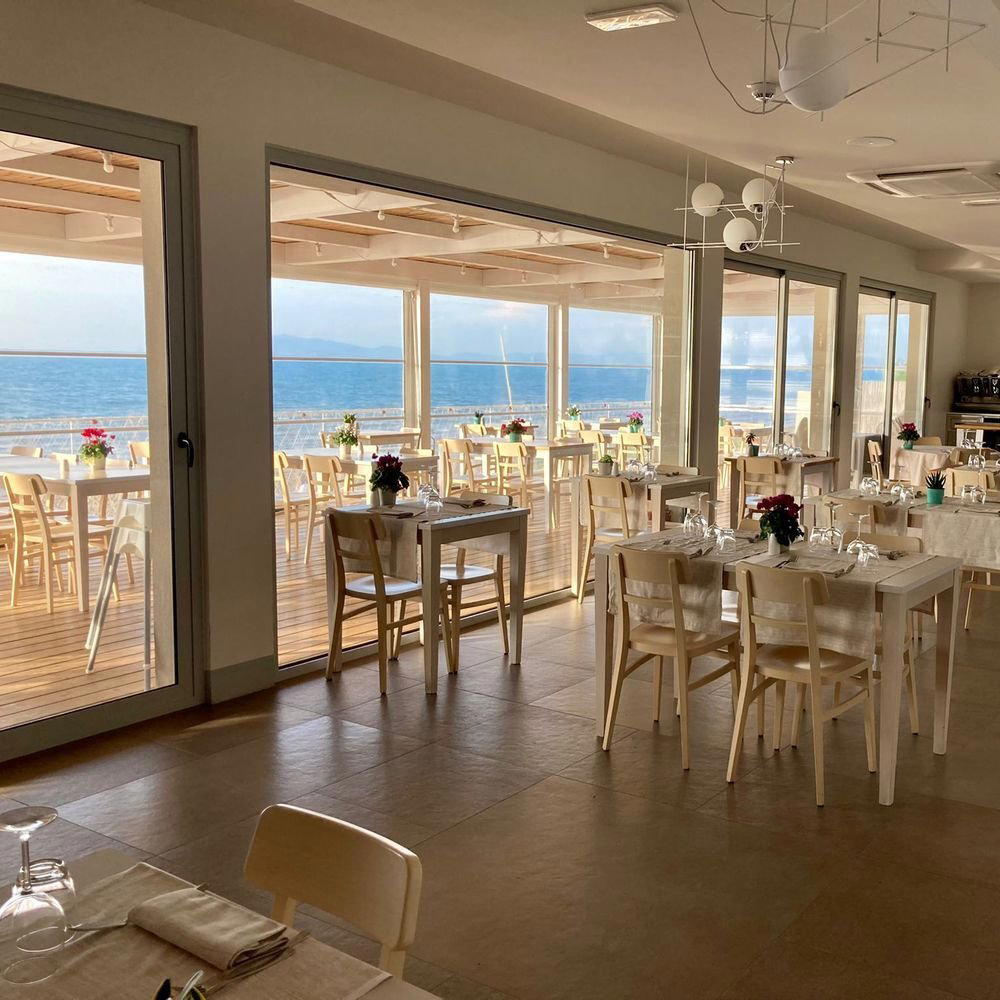
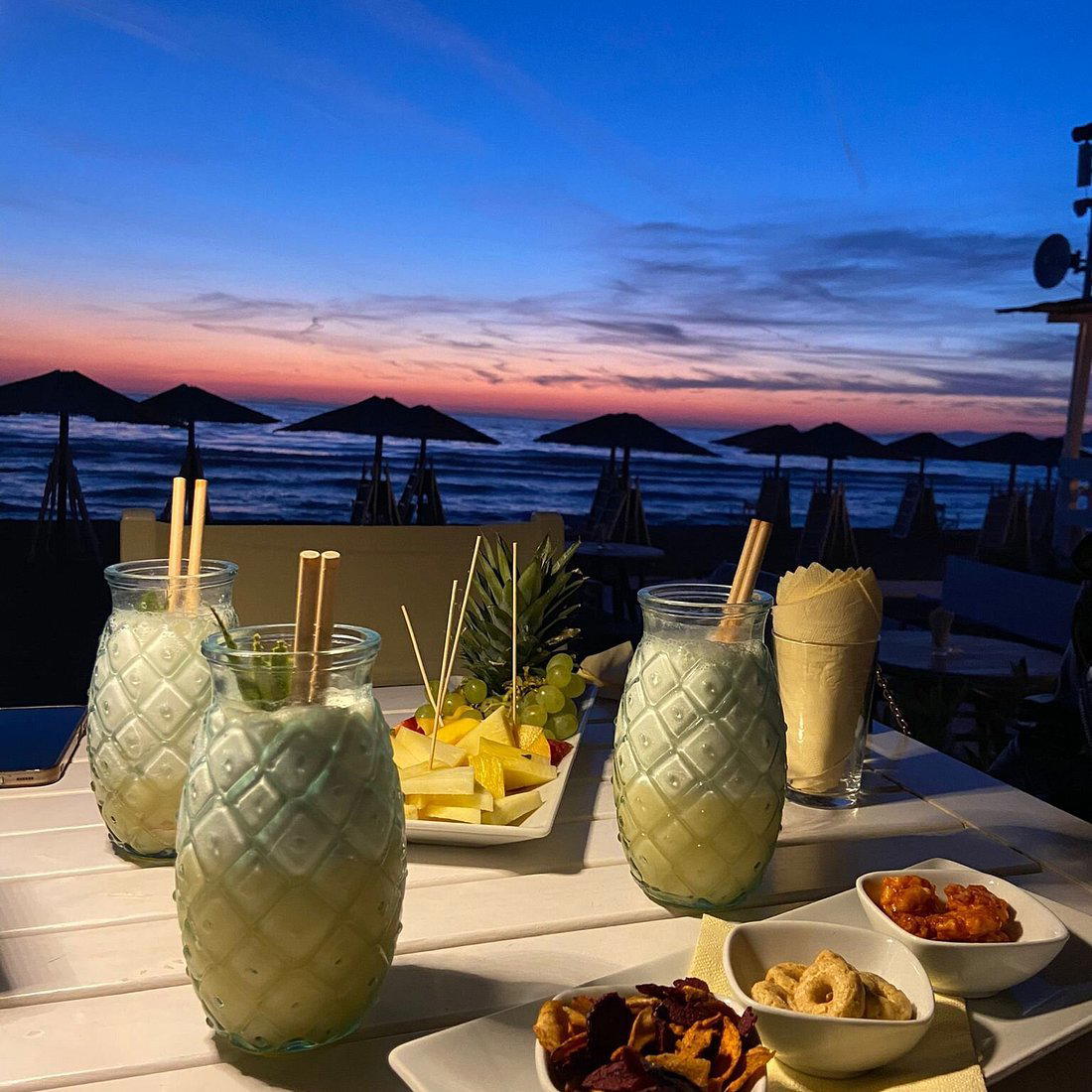
Calming neutral tones, minimalist aesthetic with natural materials, flowing lines, and rustic accents creating a serene coastal retreat.