La Roqqa


1 Michelin Key · Mr & Mrs Smith Seal of Approval · Small Luxury Hotels of the World Member
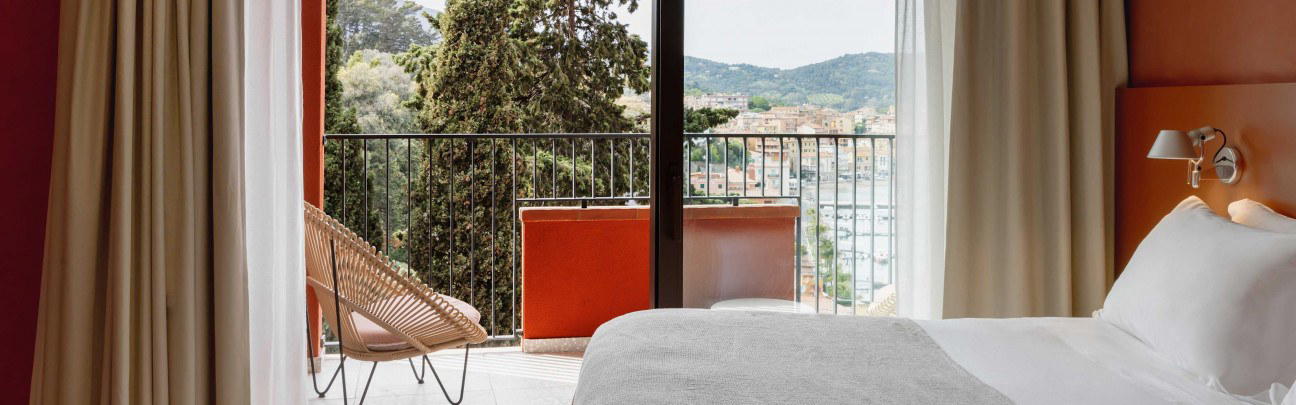
La Roqqa brings a sharp design sensibility to Porto Ercole, a small port town on Tuscany's Monte Argentario coast. Fifty rooms in saturated colour and tactile Italian materials sit above the harbour, with the rooftop Scirocco restaurant functioning as the property's social centre. The Spanish-era defensive structures surrounding the building are not backdrop, they are the point.

Pearl is the En Primeur Club membership app, where members save venues, book tables and use the concierge.
Fortress Walls and Saturated Colour: La Roqqa in Context
Porto Ercole spent decades as a quiet harbour town overshadowed by Porto Santo Stefano across the causeway. Boats came and went, the fish market did steady business, and a handful of villas on the hillside kept the area in the orbit of a certain kind of Italian summer, discreet, unhurried, known mainly to those who already knew. The arrival of La Roqqa shifts the register. Named after the Italian word for fortress, the property sits on Via Panoramica above the harbour, enclosed by the Spanish-era defensive walls that define Porto Ercole's skyline from the water. This is not incidental context: the fortifications are load-bearing to the hotel's identity, framing it as a piece of architecture in conversation with four centuries of military engineering rather than a freestanding lifestyle object.
That conversation between old stone and vivid contemporary design is where La Roqqa earns its position. Across Italy's coast and interior, boutique hotels have largely divided into two camps: restored stone farmhouses that lean hard on patina and provenance, and sleek modernist interventions that treat the landscape as neutral background. La Roqqa occupies a third position, its façade in saturated colour, its interiors built on tactile Italian craft, but always with the Spanish bastions in the eyeline. Among comparable Tuscan coastal properties, that framing is a deliberate differentiator.
The Architecture of the Stay
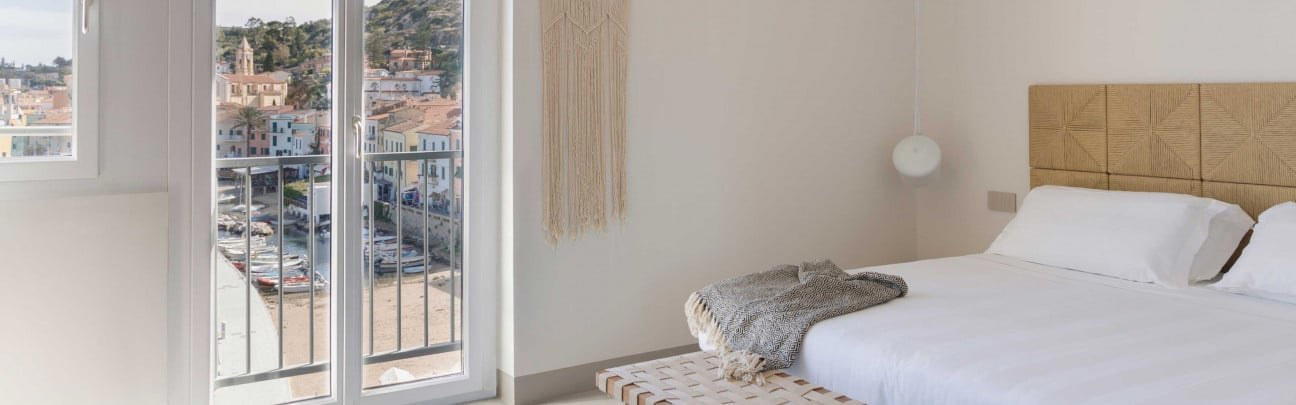
The fifty rooms at La Roqqa are designed around sunlight and material texture rather than square footage. Terrazzo accents, Ortigia products, and Italian-made furnishings throughout indicate a sourcing philosophy consistent with the wave of Italian boutique hospitality that has moved decisively away from international supply chains, a pattern visible at properties like Rosewood Castiglion Del Bosco in Montalcino and Borgo San Felice Resort in Castelnuovo Berardenga, where local material identity is central to the offer rather than decorative. At La Roqqa, the rooms read calm against the visual energy of the property's exterior and common spaces, sun-filled but composed, colourful by detail rather than by volume.
The design logic here aligns La Roqqa with a cohort of smaller Italian properties, Castelfalfi in Montaione, EALA My Lakeside Dream in Limone sul Garda, where the accommodation itself carries a curatorial weight. Fifty rooms is a scale that allows genuine attention to each space without tipping into the ultra-boutique exclusivity of a ten-key property. It is large enough to have a real social atmosphere, small enough to avoid the anonymity of a resort.
Scirocco and the Rooftop as Social Infrastructure
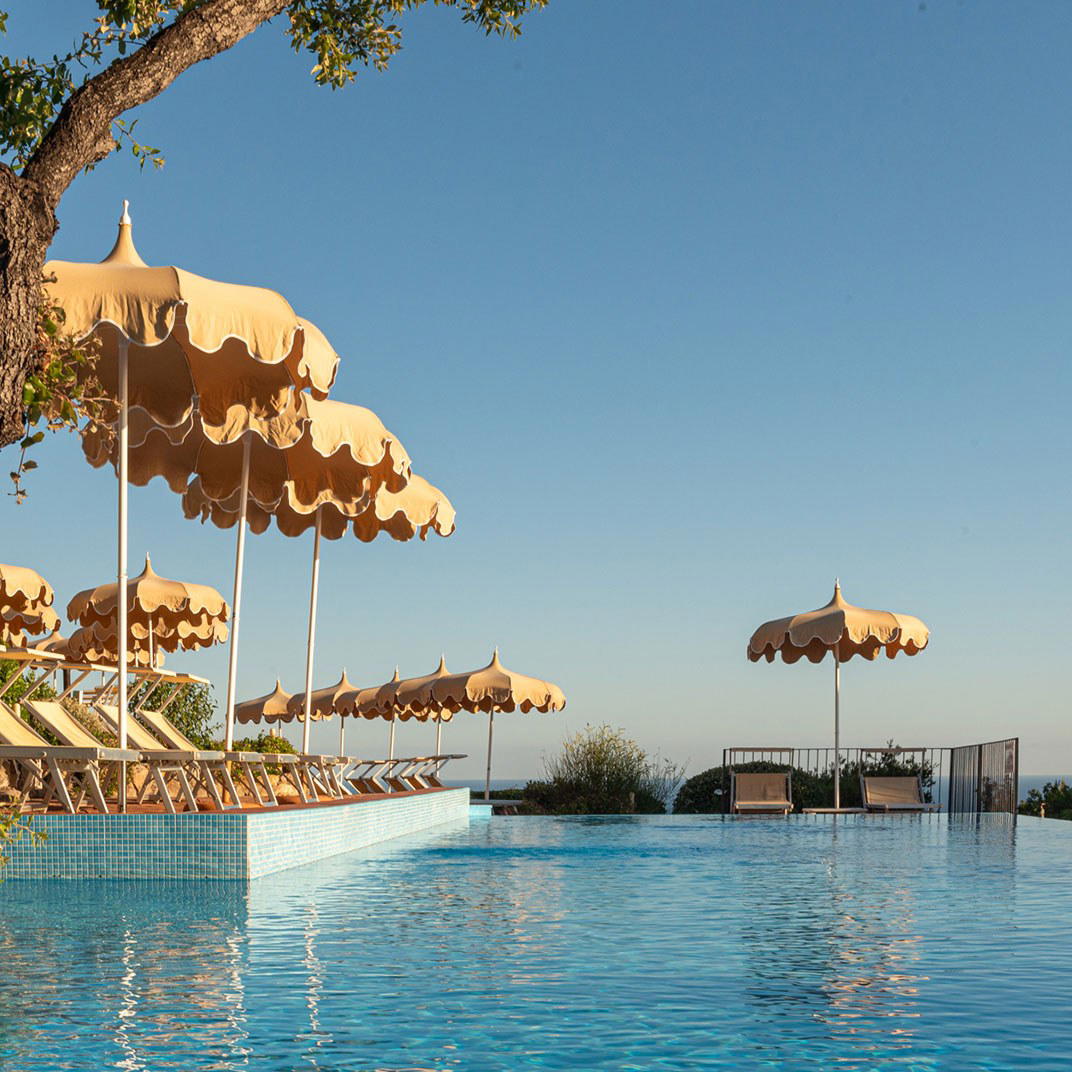
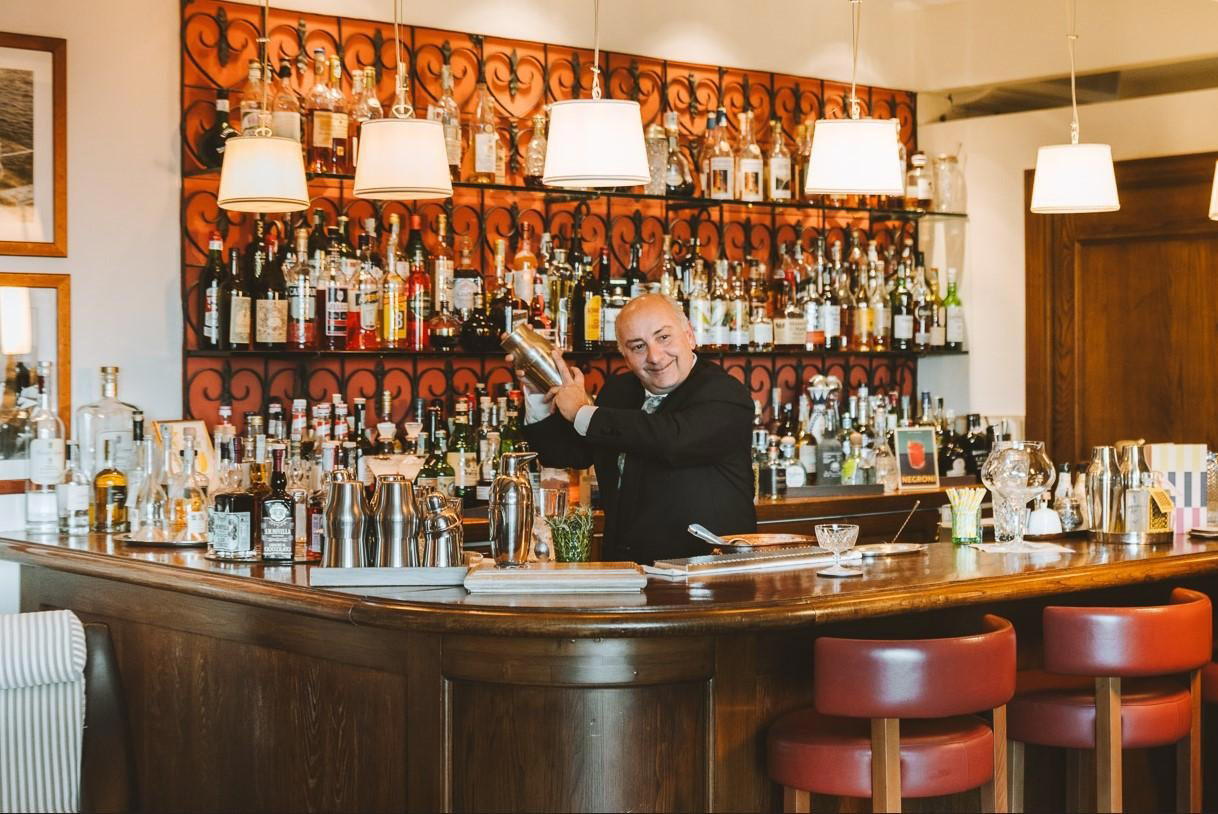
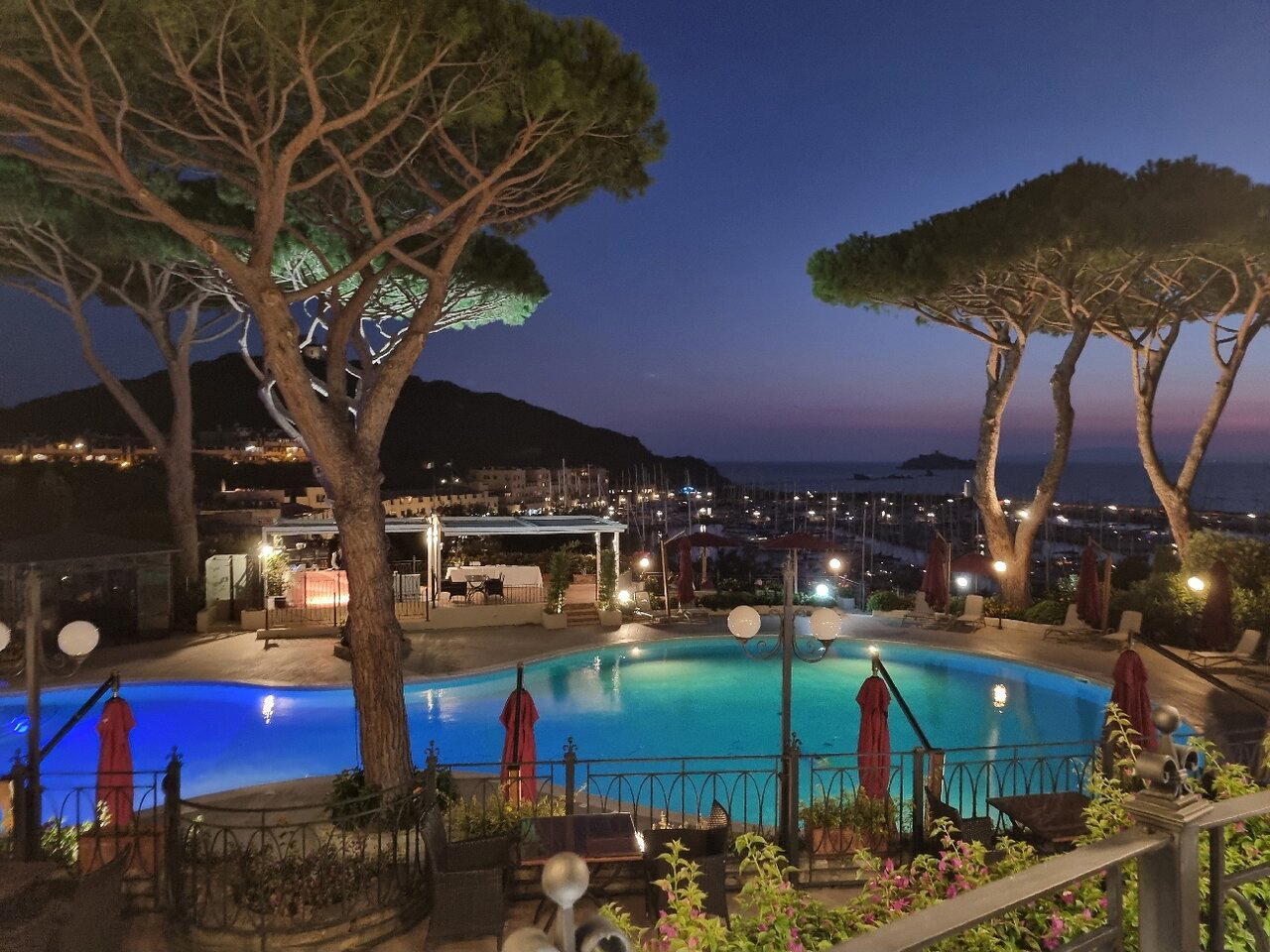
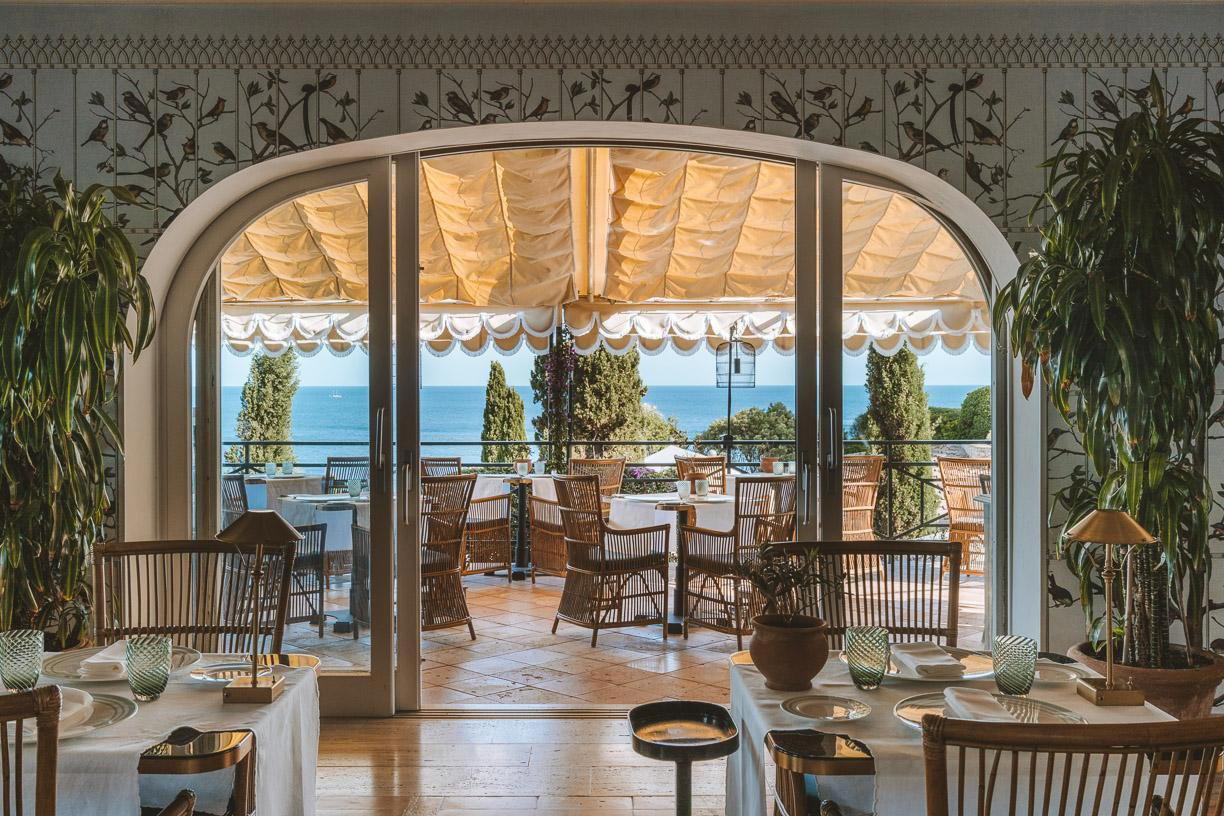
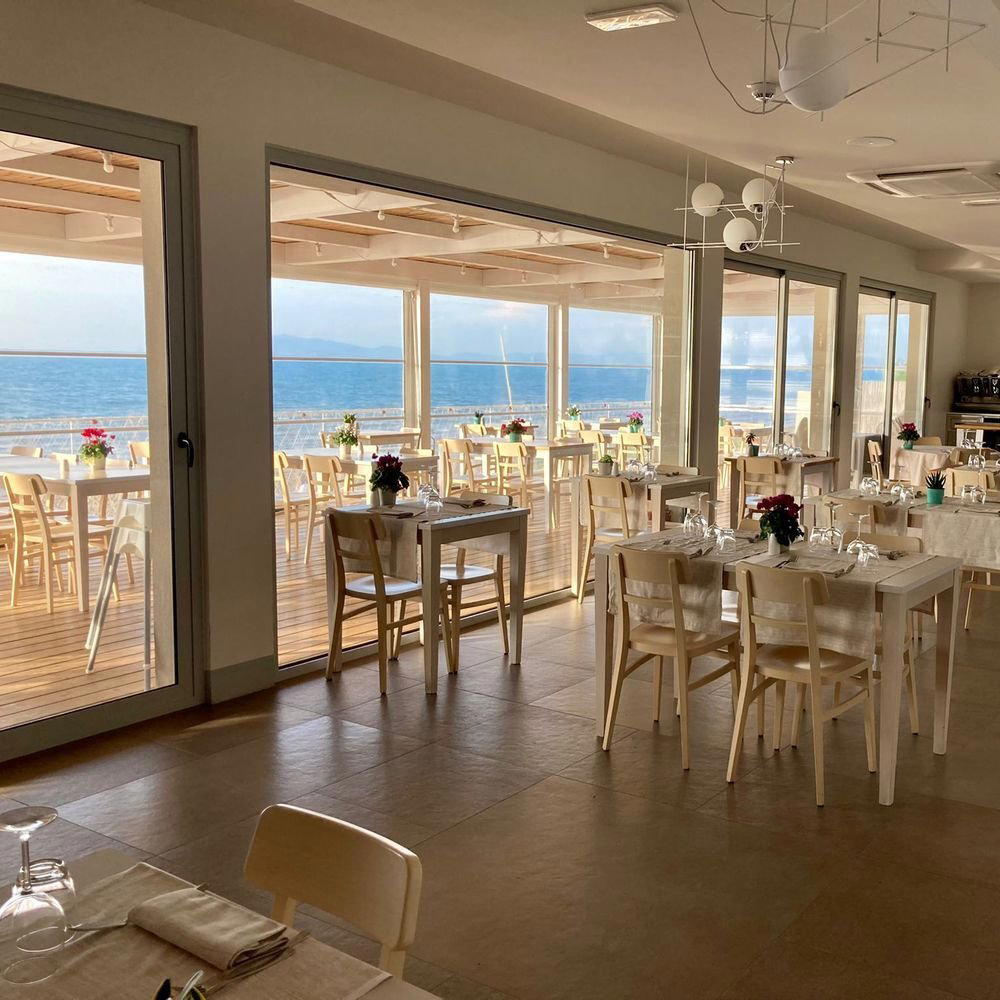
Rooftop at La Roqqa functions as the property's centre of gravity. Scirocco, the restaurant positioned there, draws both hotel guests and visitors from Porto Ercole itself, a dynamic that the better coastal properties in Italy actively cultivate, since a restaurant that pulls local clientele creates an authenticity that an in-house-only dining room cannot replicate. The menu centres on seafood, appropriate for a harbour town where the catch moves directly from the boats below to the kitchen. Sunset cocktails with views across the bay place Scirocco in the territory of the destination bar as much as the destination restaurant, a dual function that few rooftop spaces manage without sacrificing one role for the other.
Argentario coast has limited dining infrastructure at this level. Porto Ercole's long-established luxury anchor has been Il Pellicano, whose reputation extends across European coastal hospitality. Scirocco operates in a different register, less formal, more visually contemporary, oriented toward the social function of the sunset hour rather than the ceremonial dinner. The two coexist on the same stretch of coast without direct competition, serving different moments in a guest's stay or season.
Porto Ercole as a Place to Understand
Monte Argentario remains one of the less trafficked areas of the Tuscan coast relative to its quality of landscape. The peninsula connects to the mainland by three narrow causeways, a geography that has historically limited mass tourism and preserved the scale of its port towns. Porto Ercole sits on the eastern side, with a working harbour and the Spanish fortification system, built under Philip II, intact around the historic centre. The walls that surround La Roqqa are not decorative heritage: they are a functioning piece of sixteenth-century military urban planning, and approaching the hotel from Via Panoramica makes that clear in a way that no interior design choice could replicate.
For travellers moving through Tuscany with an interest in less-documented territory, the Argentario coast sits between the established circuits of Siena and the Maremma wine country. It reads differently from the interior hill towns: sea light, fishing infrastructure, and a social rhythm tied to the harbour rather than the piazza. Our full Porto Ercole restaurants guide covers the town's dining in wider detail, including options beyond the hotel perimeter.
For Tuscany more broadly, the regional boutique hotel spectrum runs from historic estates like Castello di Reschio in Lisciano Niccone to Corte della Maestà in Civita di Bagnoregio, with each property staking out a distinct position relative to landscape, history, and design approach. La Roqqa's position on the coast, inside a fortress, with a saturated contemporary aesthetic, does not overlap with any of these, it occupies a specific coordinate that the region has not previously had covered at this level.
Planning a Stay
La Roqqa sits at Via Panoramica 7, Porto Ercole, in the province of Grosseto. The property carries fifty rooms, and the Argentario coast's compressed peak season, July and August, means advance planning is warranted for midsummer dates. Reaching Porto Ercole by car from Rome takes approximately two hours along the Via Aurelia; by rail, the closest station is Orbetello-Monte Argentario, with onward connections by road. The wider Italian luxury coastal circuit, for those building a longer itinerary, includes Borgo Santandrea on the Amalfi Coast, Il San Pietro di Positano in Positano, and JK Place Capri in Capri for those continuing south. For city anchors before or after, Four Seasons Hotel Firenze in Florence, Bulgari Hotel Roma in Rome, and Portrait Milano in Milan each represent comparable design investment in the urban context. Lake alternatives include Grand Hotel Tremezzo in Tremezzo and Passalacqua in Moltrasio. Further afield in northern Italy, Forestis Dolomites in Plose and Castel Fragsburg in Merano cover the alpine end of the design-led boutique spectrum. For those whose itinerary extends beyond Italy entirely, Aman Venice in Venice, Casa Maria Luigia in Modena, and Borgo Egnazia in Savelletri di Fasano each represent a different axis of the country's premium hospitality offer.
Quick Comparison
Comparable venues nearby, for context on price, style, and recognition.
| Venue | Cuisine | Price | Awards | Notes |
|---|---|---|---|---|
| La RoqqaThis venue (the venue you are viewing) | Sustainable design boutique hotel | Not listed | 1 Michelin Key · Mr & Mrs Smith Seal of Approval | Not listed |
| Il Pellicano | Cliffside Tuscan resort blending main building with garden cottages, offering sea-view terraces and boutique luxury. | $750–1,000 | 1 Michelin Key · World's 50 Best #26 | Porto Ercole |
| Precise Tale Poggio Alla Sala | Historic residence blending Tuscan heritage with contemporary luxury | Not listed | 1 Michelin Key · Mr & Mrs Smith Seal of Approval | Montepulciano outskirts |
| Borgo dei Conti Resort | Restored medieval castle and village estate | $200–300 | 1 Michelin Key · Relais Chateaux Award | Monte Petriolo |
| Villa Petriolo | Historic Tuscan estate with modern luxury | $200–300 | 1 Michelin Key · Michelin Guide New Hotels New Hotel | Cerreto Guidi |
| Casa Newton | Rural residence blending traditional Tuscan features with bespoke mid-century furnishings. | $300–500 | 1 Michelin Key · Mr & Mrs Smith Seal of Approval | Val d'Orcia |
Recognition history
Dated appearances from independent guides and award organizations, with the underlying list record or original source where available.
Michelin 1 Key
Michelin
Mr & Mrs Smith Seal of Approval
Mr & Mrs Smith
Small Luxury Hotels of the World Member
Small Luxury Hotels of the World
Full recognition history (4 entries)
Michelin 1 Key
Michelin
Continue exploring
More in Porto Ercole
Hotels in Porto Ercole
All hotels in Porto Ercole →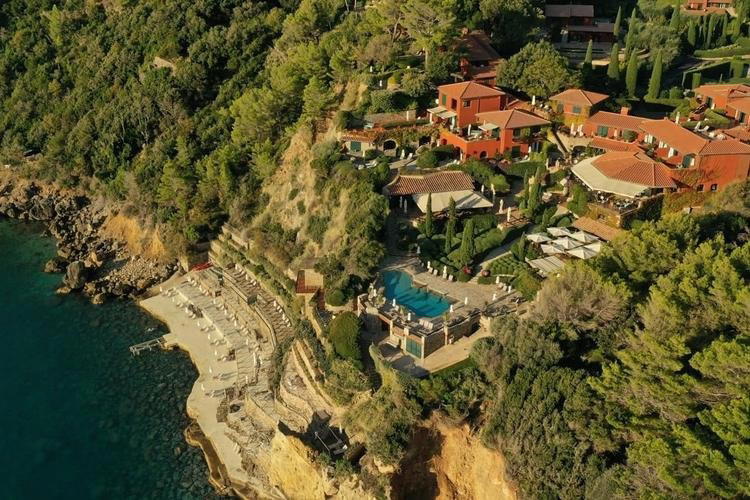
Bars in Porto Ercole
All bars in Porto Ercole →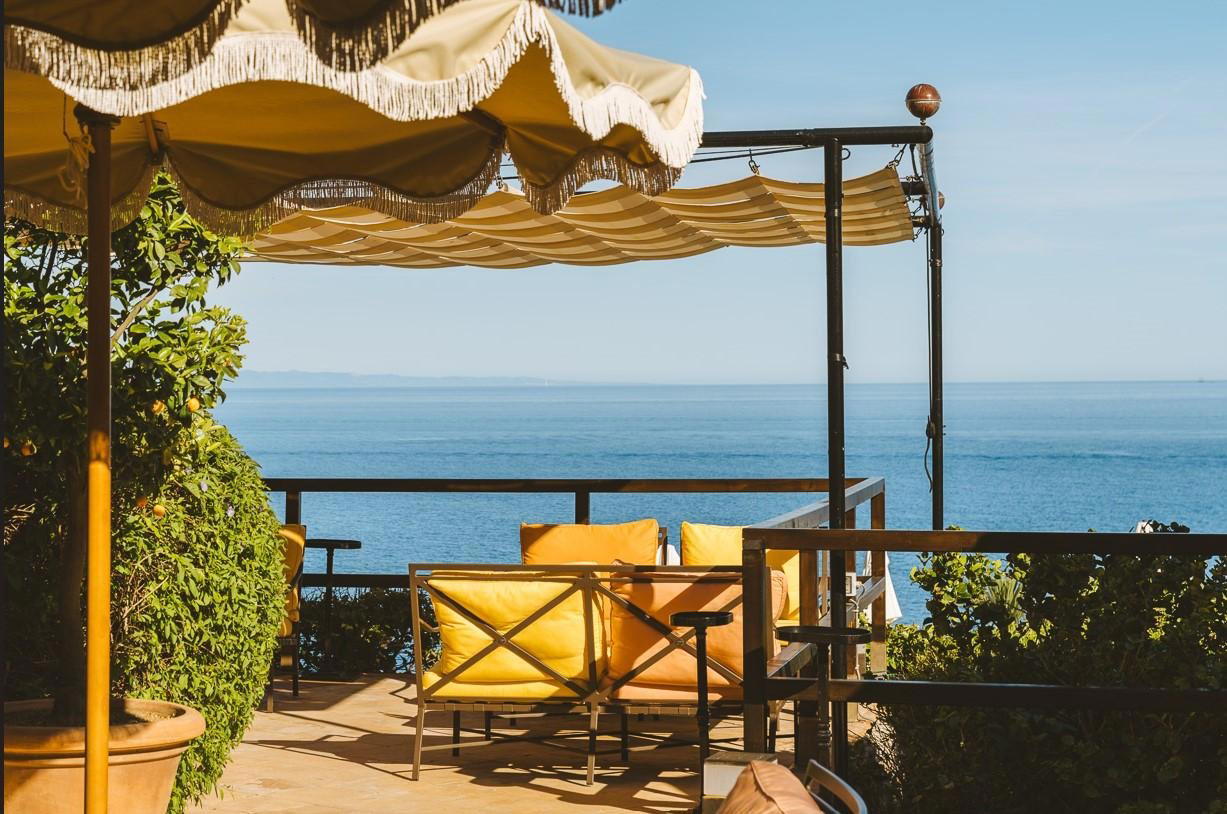

Details
- Elegant
- Sophisticated
- Scenic
- Modern
- Romantic
- Romantic Getaway
- Honeymoon
- Weekend Escape
- Beachfront
- Rooftop Pool
- Panoramic View
- Wi Fi
- Pool
- Spa
- Fitness Center
- Room Service
- Concierge
- Valet Parking
- Beach Access
- Waterfront
- Elevator
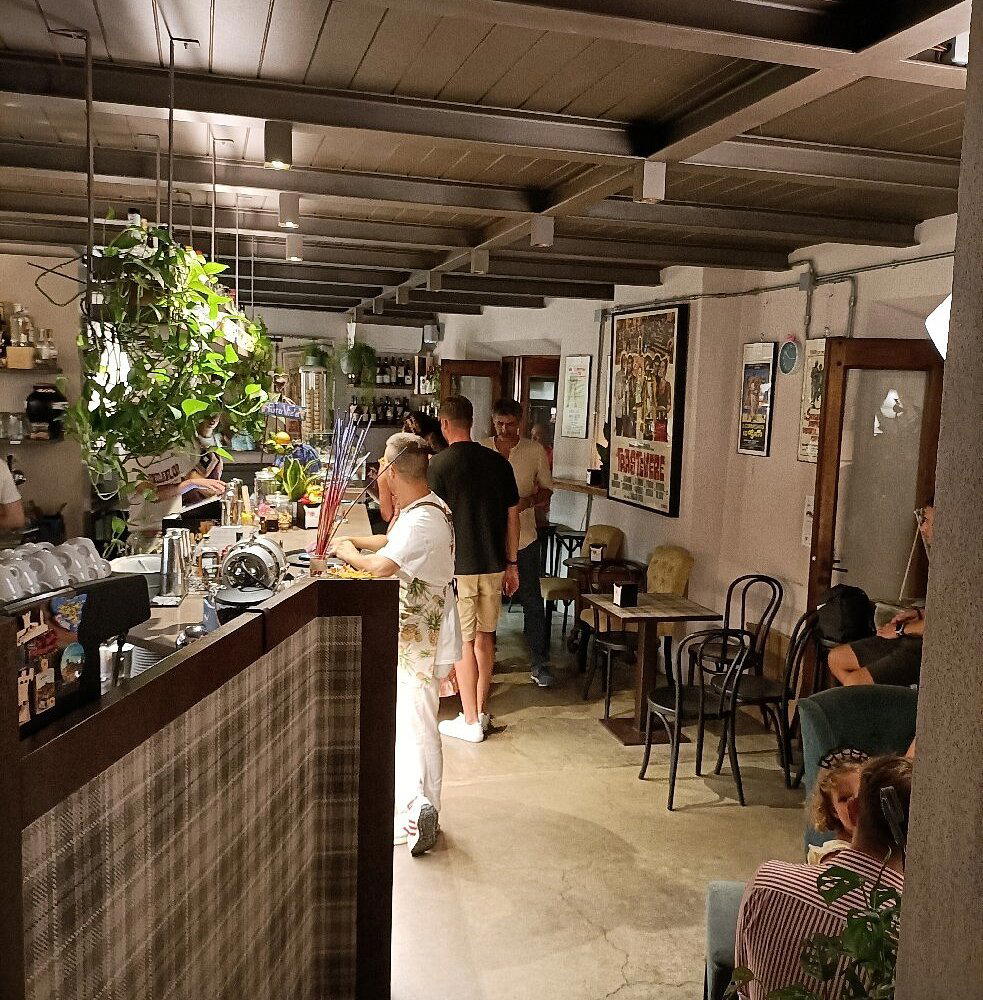
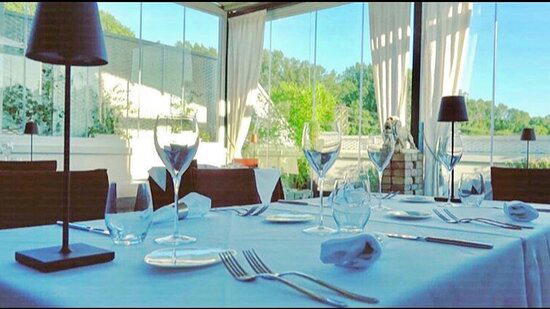
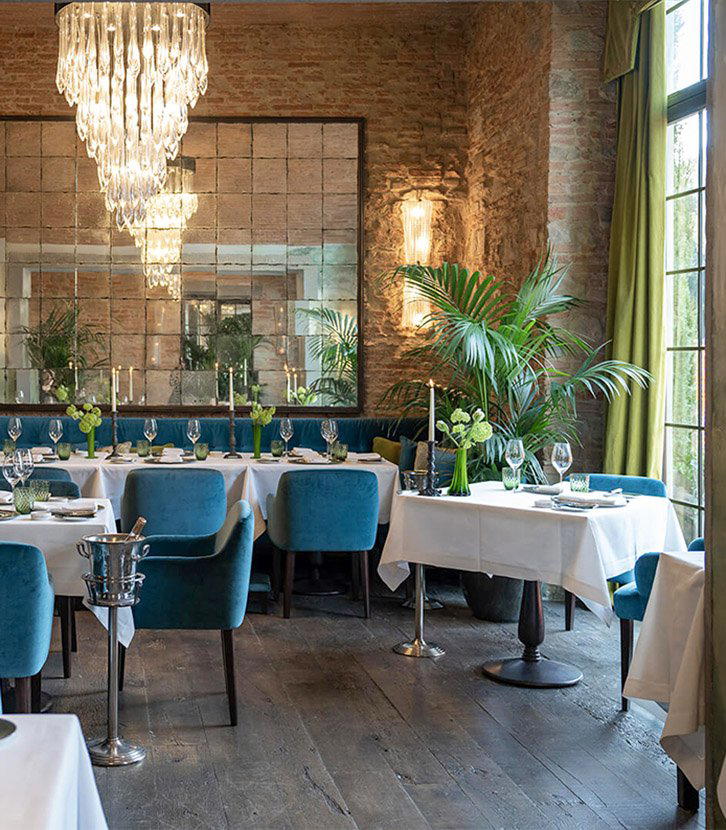
Sun-filled rooms with sculptural modern design, saturated colors, and a relaxed yet glamorous seaside atmosphere; rooftop terrace buzzes with sunset cocktails and harbor vistas.