Gregans Castle Hotel


A 250-year-old manor house on the edge of the Burren, Ireland's limestone karst national park, Gregans Castle Hotel has operated as a country house hotel since the 1940s. Its 20 rooms range from traditional bedrooms to contemporary suites, and the dining room draws on Burren beef, lamb, and Atlantic seafood. The property sits roughly an hour from Shannon Airport and closes seasonally between December and mid-February.
Pearl is the En Primeur Club membership app — saves, bookings, and concierge access live there. Same editors, same standards.
- Address
- Gragan East, Co. Clare, H91 CF60
- Phone
- +353 65 707 7005
- Website
- gregans.ie
- Directions
- Get directions
 Saves & bookings on Pearl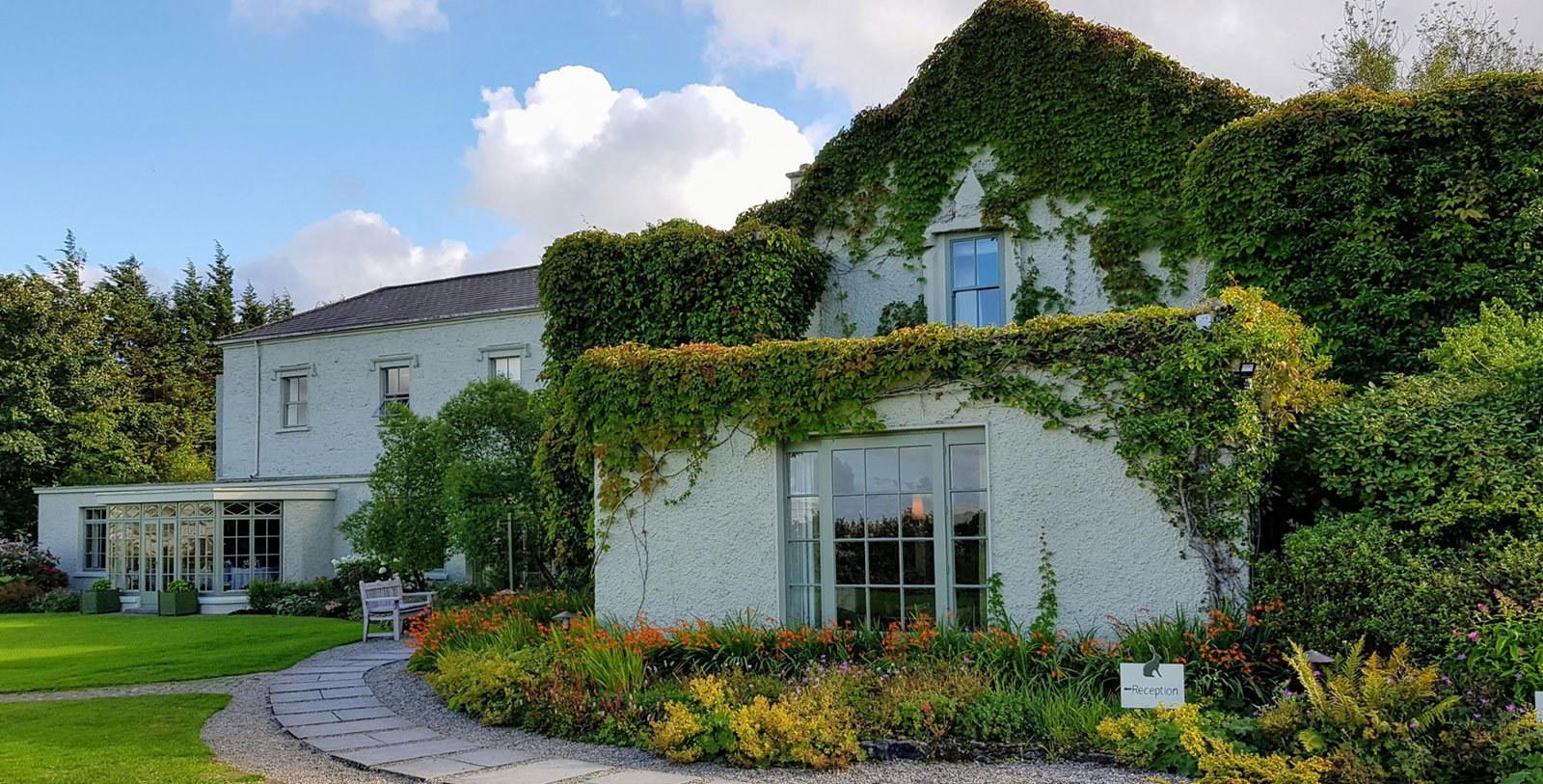
A Manor House Shaped by Its Terrain
The approach to Gregans Castle Hotel sets the register before you reach the door. The Burren, County Clare's limestone plateau, stretches in every direction: grey, ancient, and largely treeless, with glacially smoothed pavements interrupted by fissures called grykes where rare alpine and Mediterranean plants grow side by side. This is Ireland's smallest national park, and it exerts a particular pressure on anything built within it. A hotel here either submits to the landscape or fights it. Gregans has, for roughly eight decades, chosen submission, and the property is better for it.
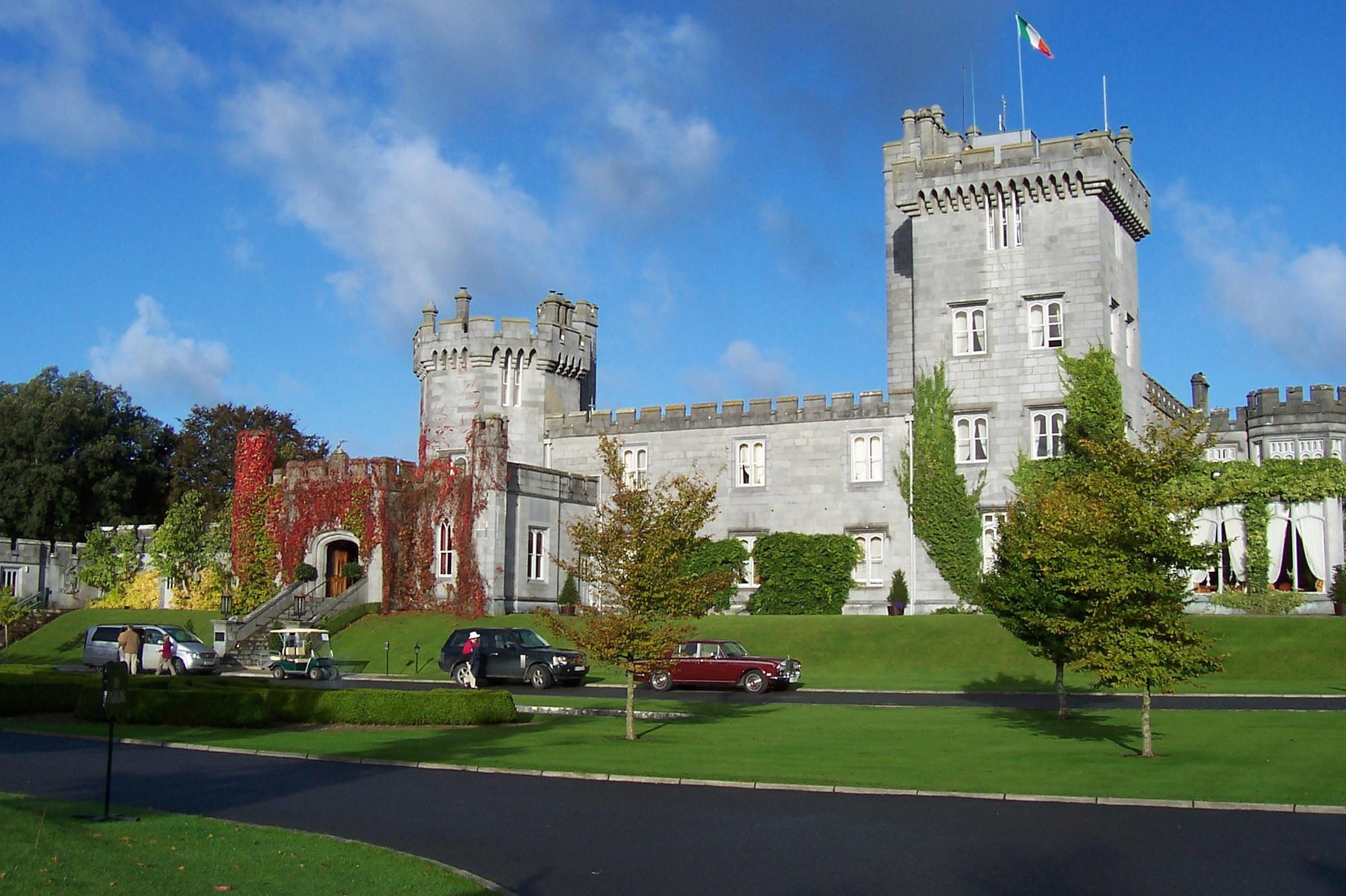
Despite the name, there is no castle. What stands at Gragan East is an 18th-century manor house, closer in character to the Anglo-Irish country houses of Laois or Tipperary than to any fortified structure. The building's proportions are domestic rather than defensive: long, low, symmetrical, with gardens that ease the transition between cultivated ground and open Burren. The name likely derives from the townland rather than any architectural feature, and the distinction matters because it frames the correct expectation. This is a place built for living in, not looking at from a distance.
The Architecture of Restraint
Country house hotels in Ireland divide broadly into two camps. Properties like Ashford Castle in Cong or Adare Manor in Adare operate at a baronial scale, with formal reception halls, extensive leisure facilities, and a self-contained resort logic. Gregans belongs to a smaller, quieter category: the house that prioritises interior atmosphere over amenity count, where the drawing room and the library do the work that a spa might do elsewhere. With just 20 rooms and a guest count calibrated to match, the property functions closer to a private house than a conventional hotel operation.
The interiors reflect a philosophy of careful accumulation rather than designed coherence. The oldest rooms carry traditional furnishings that read as period-appropriate rather than decorative pastiche; the newer suites lean toward a restrained contemporary aesthetic without announcing the shift too loudly. Neither mode overwhelms the other. What connects them is the quality of the silence and the consistency of the views: Galway Bay is visible from multiple aspects of the property, and the Burren's grey expanse frames every window that doesn't face the garden. For comparable exercises in architectural restraint within the Irish country house category, Ballymaloe House Hotel in Shanagarry and Liss Ard Estate in Skibbereen occupy a similar register, though each with its own regional character.
The Communal Rooms as the Point
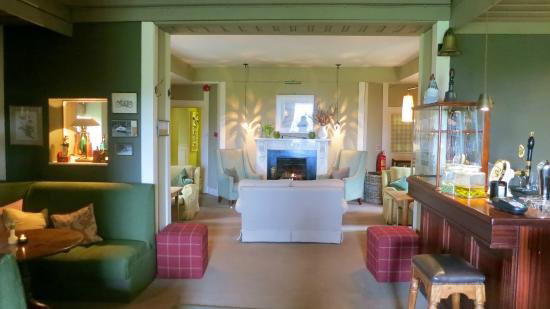
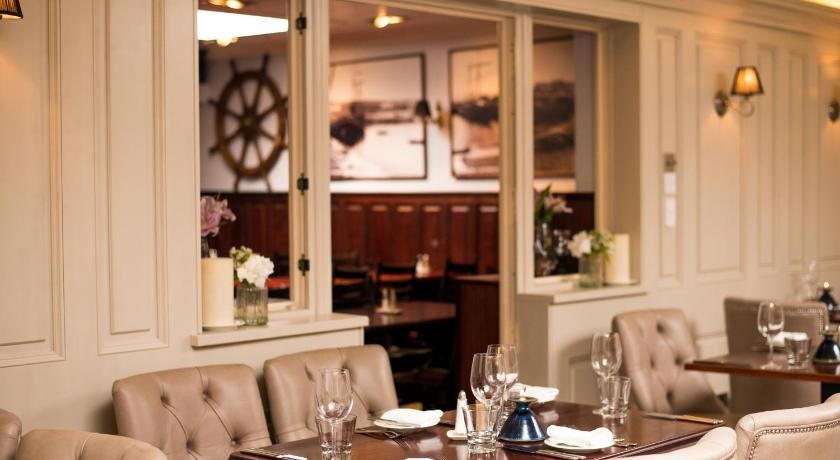
Gregans runs on a model that predates the contemporary wellness hotel: the idea that evenings at a country house are fundamentally social, organised around shared spaces rather than private suites. The Corkscrew Bar and the drawing rooms function as the property's gravitational centre once the light fades over the Burren. This is the old-fashioned country house rhythm, familiar from a certain strand of mid-century fiction, and it works here because the spaces are genuinely suited to it: deep sofas, bookshelves with actual books, and a bar that operates without televisions or background music engineered to prevent conversation.
The library is part of the proposition too. The Burren's literary associations are well documented: both C. S. Lewis and J. R. R. Tolkien are linked to the landscape as an imaginative source, and the hotel sits directly within that terrain. Whether or not the connection translates into anything for individual guests, the physical reality of the Burren at dusk, with its strange flat light and rock formations, is sufficiently otherworldly to make the association feel earned rather than promotional.
The Dining Room and Its Source Material
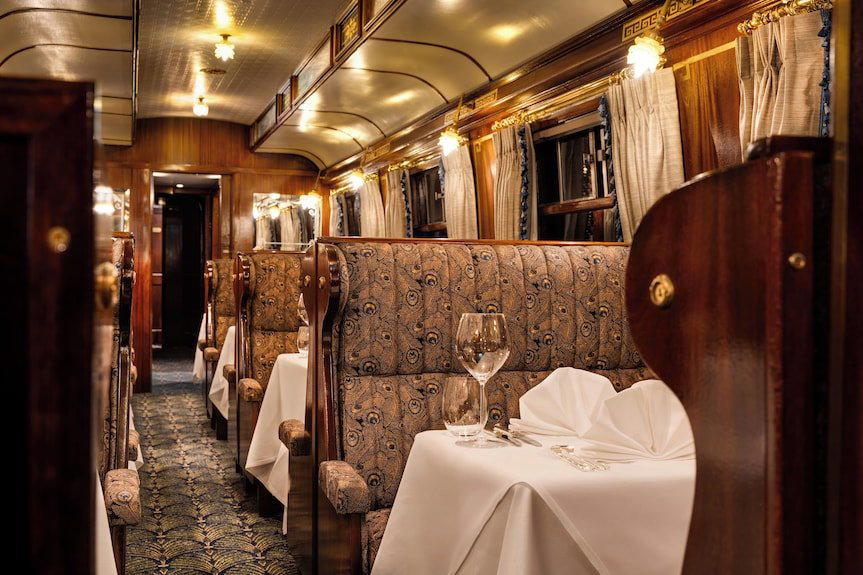
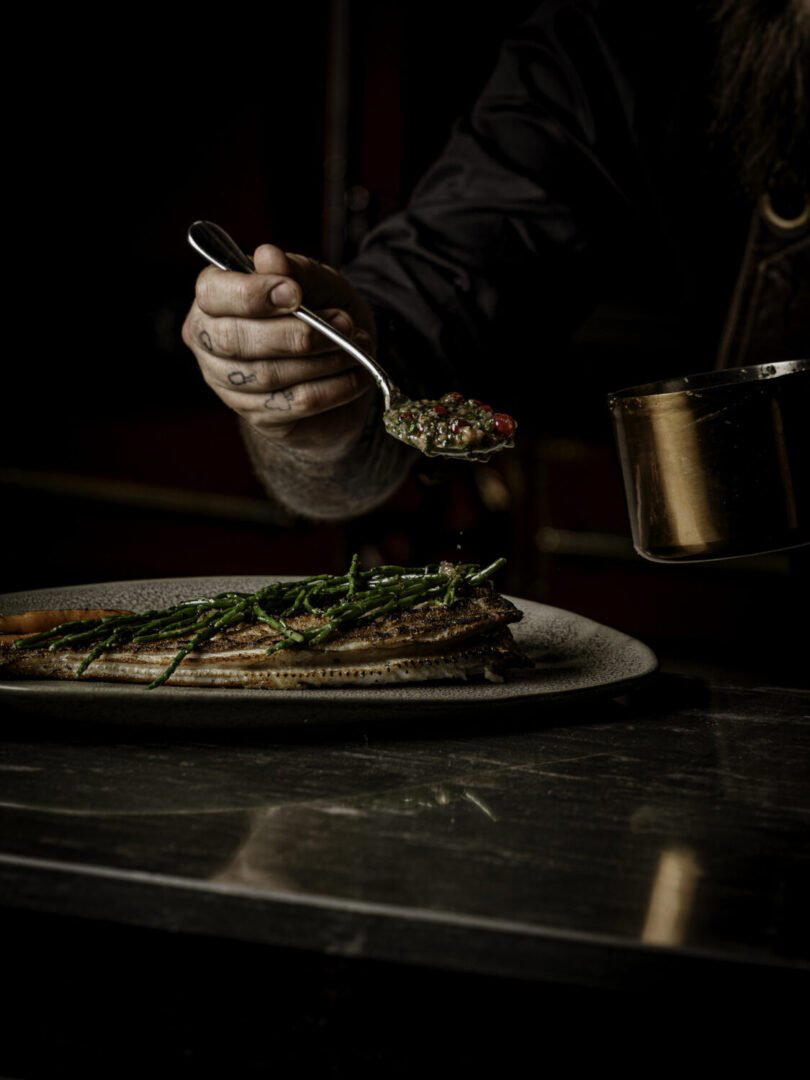
Irish country house dining has moved substantially in the past two decades, away from the silver-service formality of an earlier era and toward a closer relationship with local producers. Gregans positions its dining room within that shift. The kitchen draws on organic Burren beef and lamb, and Atlantic seafood from the Clare and Galway coastlines. The menu describes itself as modern Irish and European, which in practice means that the regional sourcing is visible on the plate without the cooking becoming demonstratively local in a way that alienates guests who haven't come specifically for that narrative.
The dining room faces the garden and, beyond it, the Burren. The format is table service rather than communal, which distinguishes it from the family-style approach at properties like Ballymaloe House Hotel while sharing that property's commitment to named, traceable produce. For guests interested in the broader Clare and west of Ireland food scene, our full Ballyvaughan restaurants guide maps the area's eating options beyond the hotel itself.
Getting There and When to Go
Gregans operates as a seasonal property, open from mid-February through the end of November. The closure from December through mid-February is worth building around rather than against: the hotel's peak season runs through the summer months when the Burren's wildflowers are at their most concentrated and walking conditions are most reliable, but late spring and early autumn offer the combination of manageable crowds and better light for the landscape. Shannon International Airport sits approximately an hour's drive south, making it the most practical arrival point. Galway City is roughly 45 minutes north, useful for guests who want to combine the Burren with an urban stop. Dublin is approximately two and a half hours by road, which places the hotel within range of a long weekend from the capital without requiring a flight.
The property does not position itself as an activity resort: golf access exists in the surrounding area, and the Burren's walking trails are extensive, but Gregans makes no effort to programme its guests' days in the manner of larger estate hotels like Ballyfin Demesne in Ballyfin or Dromoland Castle in Newmarket On Fergus. The expectation is that the landscape and the house are sufficient, which is either the property's defining quality or its limitation, depending on what a guest is looking for.
Where Gregans Sits in the Irish Country House Hierarchy
The Irish country house hotel category has expanded and stratified considerably since the 1940s. At the top of the market, properties like Ballyfin in Laois and Ashford Castle compete on a global luxury tier, with room counts kept deliberately low and pricing that reflects international demand. Further down the scale, Ballynahinch Castle in Recess, Castle Leslie Estate in Glaslough, and Kilronan Castle Estate and Spa each occupy distinct regional niches while competing for broadly the same guest. Gregans fits into this landscape as a property where the setting carries most of the argument: the Burren is doing work that no interior renovation or amenity package could replicate, and the hotel has been sensible enough to build around that fact rather than try to obscure it. Other notable Irish properties in the EP Club index include Parknasilla Resort and Spa in Kerry, Glenlo Abbey Hotel and Estate in Galway, Cliff House Hotel in Ardmore, Lough Eske Castle in Donegal, Cashel Palace in Cashel, and Kilkea Castle in Castledermot, each offering a distinct architectural and regional proposition for guests building an Ireland itinerary.
How Gregans Castle Hotel Ballyvaughan compares with similar nearby venues.
| Venue | Awards |
|---|---|
| Gregans Castle Hotel | Michelin 1 Key |
Recognition history
Dated appearances from independent guides and award organizations, with the underlying list record or original source where available.
Michelin 1 Key
Michelin
Small Luxury Hotels of the World Member
Small Luxury Hotels of the World
Continue exploring
More in Ballyvaughan
Hotels in Ballyvaughan
Browse all →
Bars in Ballyvaughan
Browse all →
At a Glance
- Romantic
- Quiet
- Elegant
- Classic
- Scenic
- Cozy
- Sophisticated
- Romantic Getaway
- Anniversary
- Weekend Escape
- Historic Building
- Garden
- Panoramic View
- Wi Fi
- Room Service
- Concierge
- Laundry Service
- Garden
- Waterfront
- Wi Fi
- Room Service
- Concierge
- Laundry Service
Cozy atmosphere with open fires, candles, drawing rooms, libraries, and peat-burning fireplaces creating a warm, elegant, and relaxing country house feel.
Know Before You Go
- Getting there
- Gragan East, Co. Clare, H91 CF60