Dromoland Castle





Dromoland Castle in County Clare traces its ownership to the O'Brien clan, Gaelic Irish royalty from the tenth century, making it one of a very small number of Irish castle hotels with that depth of lineage. The present Gothic revival structure dates to the nineteenth century and sits eight miles from Shannon Airport, with 75 rooms across a wooded lakeside estate. It holds the World Luxury Hotel Award for Global Winner in the Luxury Historical Hotel category.
Pearl is the En Primeur Club membership app — saves, bookings, and concierge access live there. Same editors, same standards.
- Address
- Dromoland, Newmarket on Fergus, Co. Clare, V95 ATD3
- Phone
- +353 61 368 144
- Website
- dromoland.ie
- Directions
- Get directions
 Saves & bookings on Pearl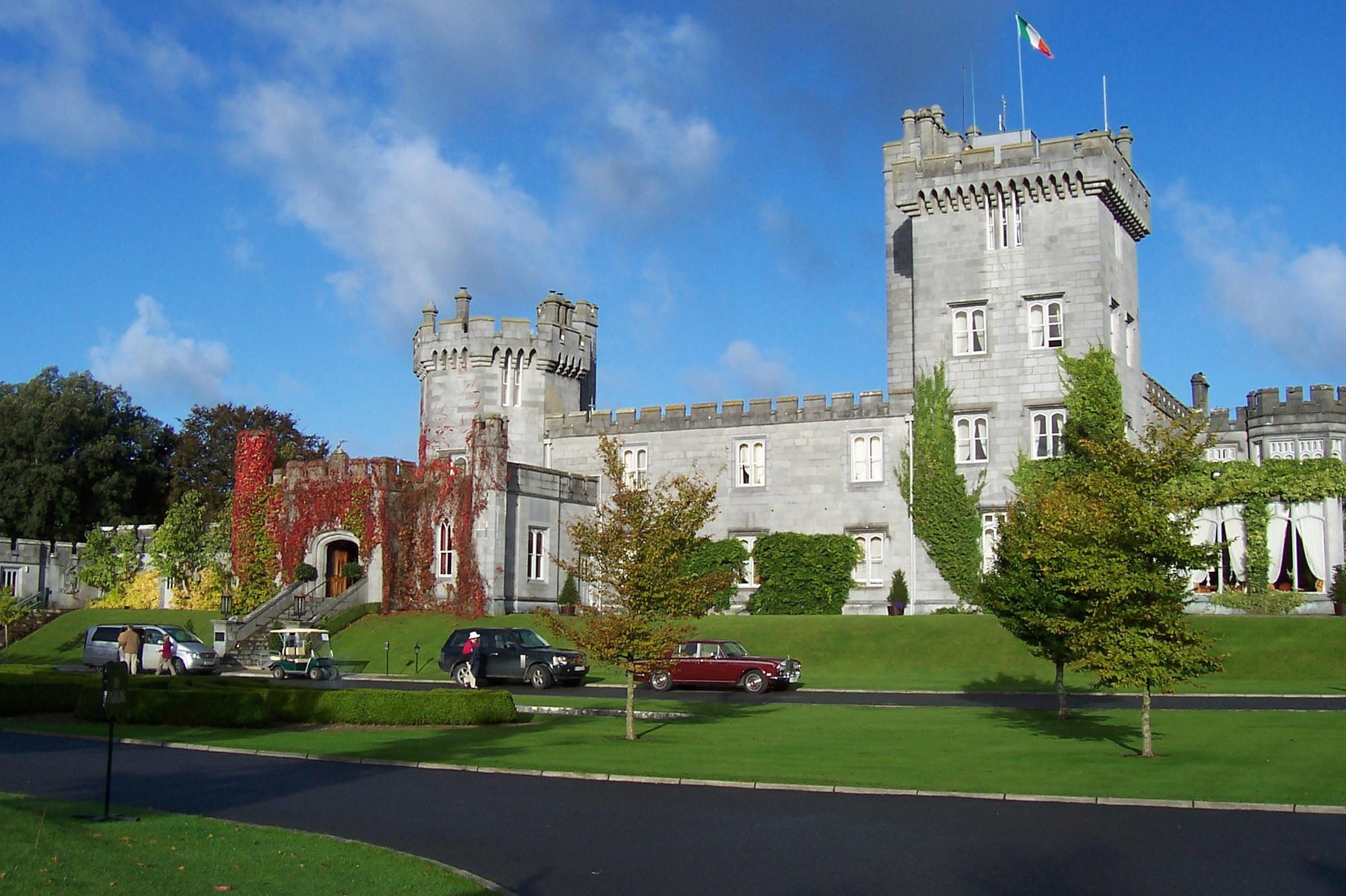
A Castle Built Before the Hotel Industry Existed
The Irish castle hotel occupies a peculiar category in European hospitality. Unlike converted French chateaux or Scottish baronials that changed hands through commerce, the small cohort of Irish properties with genuine Gaelic lineage carries a different weight. Dromoland Castle, on a wooded estate in County Clare, belongs to that narrow group. The O'Brien family, direct descendants of Brian Boru who died at Clontarf in 1014, held this land for centuries before the present structure was raised. When the nineteenth-century rebuild gave the property its current Gothic revival form, cut stone and a formal lakeside aspect, the family was working on a site already layered with history. That backstory is not decorative: it is the architectural and cultural argument for why Dromoland sits in a different peer tier from most European castle conversions. For comparable depth of heritage in an Irish context, Ashford Castle in Cong and Ballyfin Demesne in Ballyfin are the most frequently cited comparisons, though each carries its own distinct architectural identity.
What the Gothic Revival Structure Actually Delivers
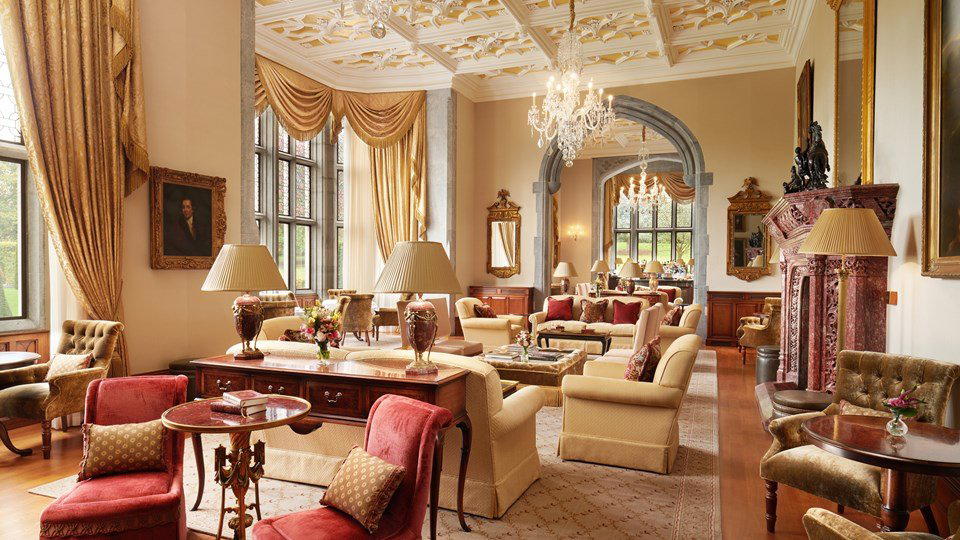
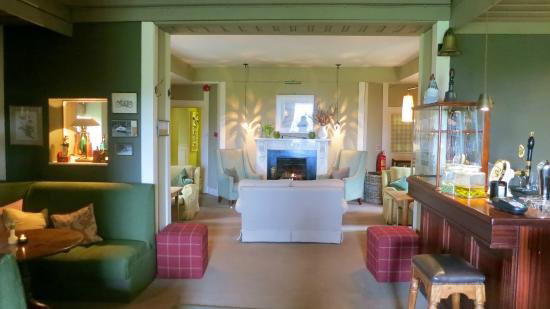
The 1962 conversion into a hotel made a decision that defines the guest experience to this day: the principal rooms were not subdivided. Where many castle conversions sacrifice spatial drama to maximise room count, Dromoland's main reception spaces retain the proportions of their original function. The gallery, the drawing room, the cocktail bar that formerly served as the castle library — each reads as a room with a purpose rather than a corridor dressed up with period furniture. The cocktail bar retains its candlelit evening atmosphere with Irish ballads, a programming choice that sits closer to house concert than background noise.
75 guest rooms vary in configuration and period character, each carrying individual decorative treatment rather than the standardised fit-out that large-scale castle conversions often default to. The tension between period decoration and functional modernity — satellite television alongside oil portraits, contemporary bathroom fittings inside nineteenth-century stone walls, is one that every property in this category has to resolve. At Dromoland, the reported approach leans toward comfort over curatorial purity, which places it in a different position from more design-rigorous properties like Ballyfin in Laois, where restoration discipline is the main editorial argument. Guests considering which Irish castle experience to prioritise should factor in that difference in emphasis.
The Estate as the Actual Offering
Ireland's west coast castle hotels compete partly on what their grounds allow. Dromoland's estate includes an eighteen-hole golf course, fishing on the castle lake, shooting, tennis, boating, cycling, and walking routes through wooded parkland. The grounds extend to lush parkland with views across the Shannon river, which gives the property a landscape depth that urban or coastal hotel conversions cannot replicate. These activities are bookable through the hotel in advance, which matters for guests arriving directly from Shannon Airport, approximately twenty minutes by road, who want time on the water or the course without logistical gaps.
The broader County Clare position also works in Dromoland's favour. The Burren, a UNESCO Global Geopark, sits within reach. The Cliffs of Moher are accessible from the same base. Limerick and Galway, both within reasonable driving distance, extend the cultural range for multi-day stays. For guests using Dromoland as a base for the Wild Atlantic Way rather than as a destination in isolation, the airport proximity and motorway connections are operationally significant. This is a logistical advantage that other west-coast Irish properties, including Ballynahinch Castle in Recess or Gregans Castle Hotel in Ballyvaughan, do not share in the same form.
Two Dining Registers Under One Roof
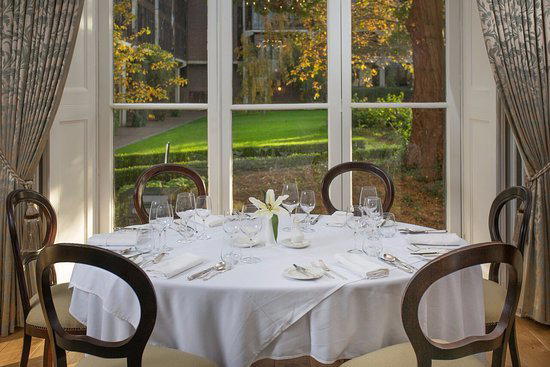
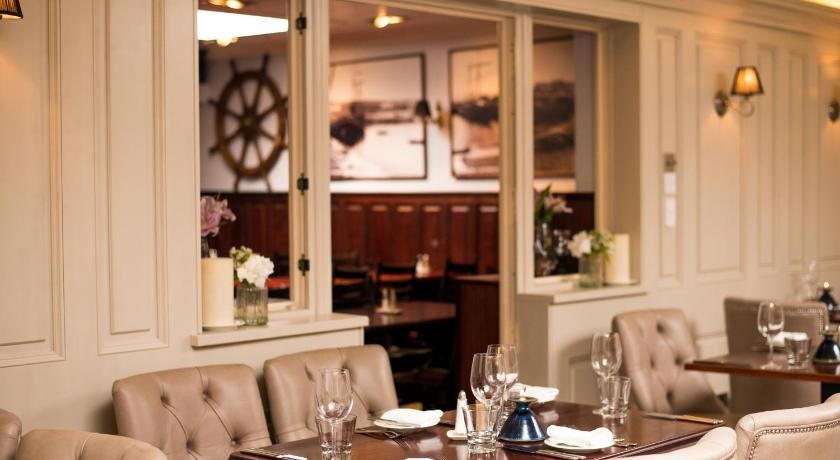
Castle hotel dining tends to consolidate around one formal room and one fallback option. Dromoland runs two distinct operations: the Earl of Thomond, positioned as the signature fine dining experience with a six-course dinner format and a wine list selected to match that register, and the Fig Tree Restaurant, open from noon to 10pm for less formal service. The former occupies the formal evening occasion, the latter covers the rest. Room service is available around the clock. The Earl of Thomond has held recognition for its cuisine, and the kitchen's sourcing focus on local producers and artisans places it within the broader Irish fine dining movement that has made County Clare and County Galway a more serious culinary address over the past two decades. Afternoon tea in the drawing room completes the classic country house format. For a full picture of dining options across the area, our full Newmarket on Fergus restaurants guide covers the surrounding territory.
Where Dromoland Sits in the Irish Castle Tier
The Irish luxury castle hotel market has a defined upper tier: properties where the building itself is the primary credential and where price, service, and estate scope justify rates that sit well above the general Irish luxury market. Dromoland holds the World Luxury Hotel Award as Global Winner in the Luxury Historical Hotel category and Country Winner in the Luxury Castle Hotel category. Kilkea Castle in Castledermot and Kilronan Castle Estate and Spa in Ballyfarnon occupy lower price points and offer fewer estate amenities. Rate information at Dromoland is available on request rather than displayed publicly, which is standard practice at this tier of the Irish market.
Guests who have stayed at Lough Eske Castle in Donegal or Glenlo Abbey Hotel and Estate in Galway will find Dromoland operating at a larger scale and with a more comprehensive estate program. Those considering it alongside international castle and historic hotel alternatives might also look at Aman Venice for a different register of historic conversion, or at Parknasilla Resort and Spa in Kerry for a west-coast Irish alternative with a strong spa and coastal emphasis rather than a castle heritage argument.
Planning Your Stay
Shannon Airport sits approximately twenty minutes from the castle by road, and the property connects directly to major motorways, making arrival logistics more contained than at comparable rural Irish properties. Rooms are priced on request, so prospective guests should contact the property directly for availability and rates. Given the castle's international profile and award recognition, peak season dates in summer and around key Irish holidays book well in advance. Guests combining Dromoland with a broader Irish itinerary might consider pairing it with Ballymaloe House Hotel in Shanagarry for a farm-to-table contrast, or with Cashel Palace in Cashel for a historic town-based alternative before or after the estate experience. Those approaching from Dublin might factor in Number 31 in Dublin or Carton House in Maynooth as staging points, with the drive from Dublin to Dromoland running approximately three hours.
How Dromoland Castle compares with similar nearby venues.
| Venue | Awards |
|---|---|
| Dromoland Castle | Michelin 1 Key |
Recognition history
Dated appearances from independent guides and award organizations, with the underlying list record or original source where available.
Travel + Leisure T+L 500 Hotels
Travel + Leisure
Virtuoso Luxury Hotel Partner
Virtuoso
Michelin 1 Key
Michelin
Preferred Hotels Preferred Residences
Preferred Hotels
World Luxury Hotel Awards WLHA Global Winner
World Luxury Hotel Awards
World Luxury Hotel Awards WLHA Country Winner
World Luxury Hotel Awards
Continue exploring
More in Newmarket On Fergus
Hotels in Newmarket On Fergus
Browse all →
Bars in Newmarket On Fergus
Browse all →
Restaurants in Newmarket On Fergus
Browse all →
At a Glance
- Elegant
- Classic
- Ornate
- Sophisticated
- Romantic
- Honeymoon
- Romantic Getaway
- Anniversary
- Family Vacation
- Destination Wedding
- Golf Course
- Historic Building
- Spa
- Pool
- Fitness Center
- Room Service
- Concierge
- Wi Fi
- Golf Course
- Tennis
- Garden
- Spa
- Pool
- Fitness Center
- Room Service
- Concierge
- Wi Fi
- Golf Course
- Tennis
Ornate baronial interiors with sparkling chandeliers, antique furniture, panelled corridors, and open log fires creating a warm, elegant, and timeless atmosphere.
Know Before You Go
- Getting there
- Dromoland, Newmarket on Fergus, Co. Clare, V95 ATD3