The Galleon Bistro
Our verdict
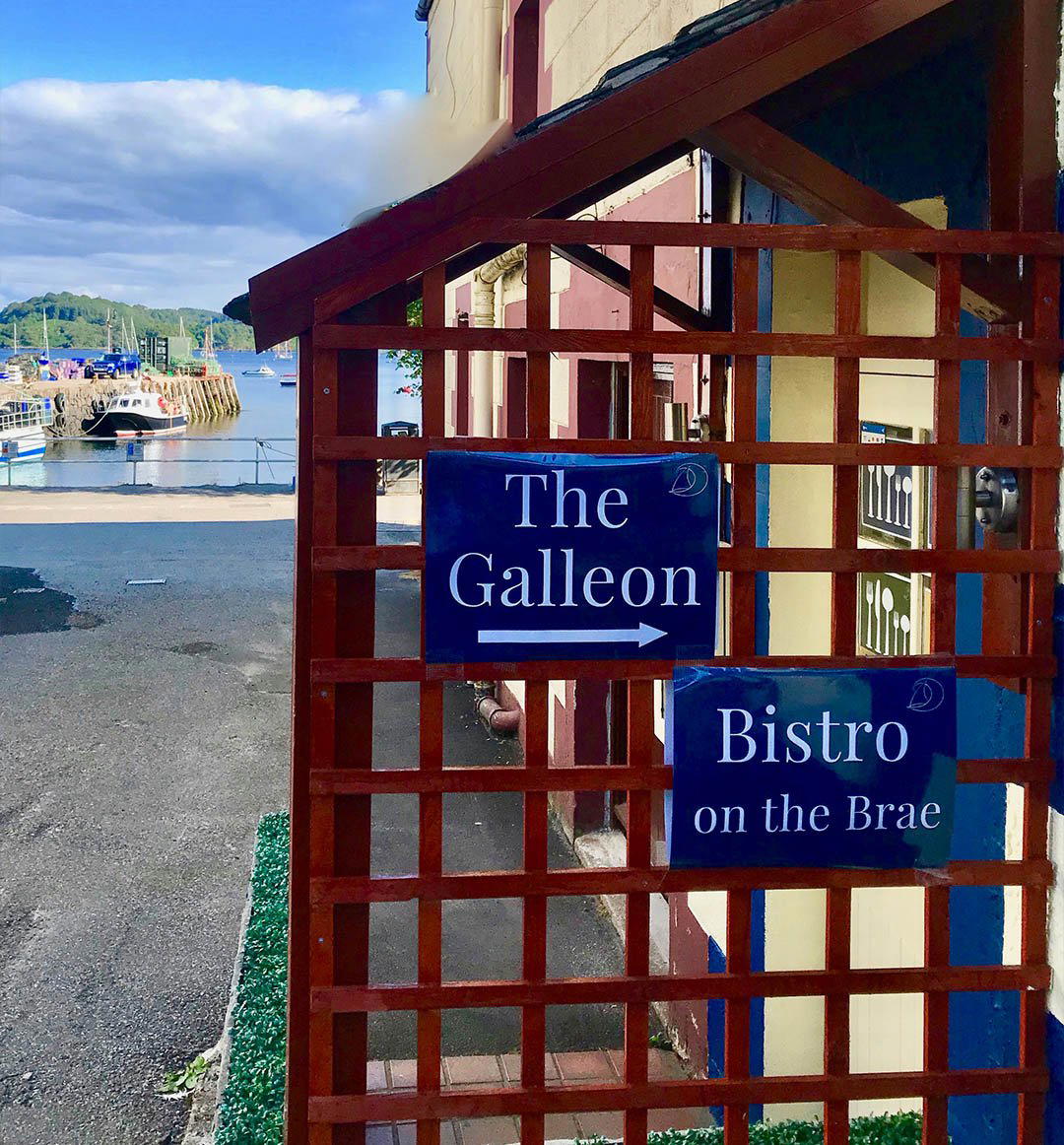
The Galleon Bistro sits on Post Office Brae in Tobermory, the colourful harbour town that anchors Isle of Mull's visitor circuit. In a part of Scotland where the land and sea dictate what ends up on the plate, bistro-format cooking draws on the island's immediate larder: shellfish hauled from nearby waters, produce shaped by Atlantic weather. A straightforward option for those exploring Mull's growing dining scene.

Pearl is the En Primeur Club membership app, where members save venues, book tables and use the concierge.
The menu
What to order
- Crab crumpet
- West Highland beef cheek
- Scallops
- Langoustines
Tobermory's Harbour Table: Eating on the Edge of the Atlantic
Post Office Brae rises steeply from Tobermory's painted harbourfront, and on a clear morning the view down to the bay, fishing boats sitting low in the water, the Mull hills behind, frames what eating on this island is actually about. The Galleon Bistro occupies that slope, close enough to the water that the connection between what arrives at the table and where it came from is not a marketing claim but a geographic fact. On the Inner Hebrides, sourcing is less a philosophy than a constraint: the ferry schedule, the weather, and the fishing grounds together determine the menu more than any chef's ambition does.
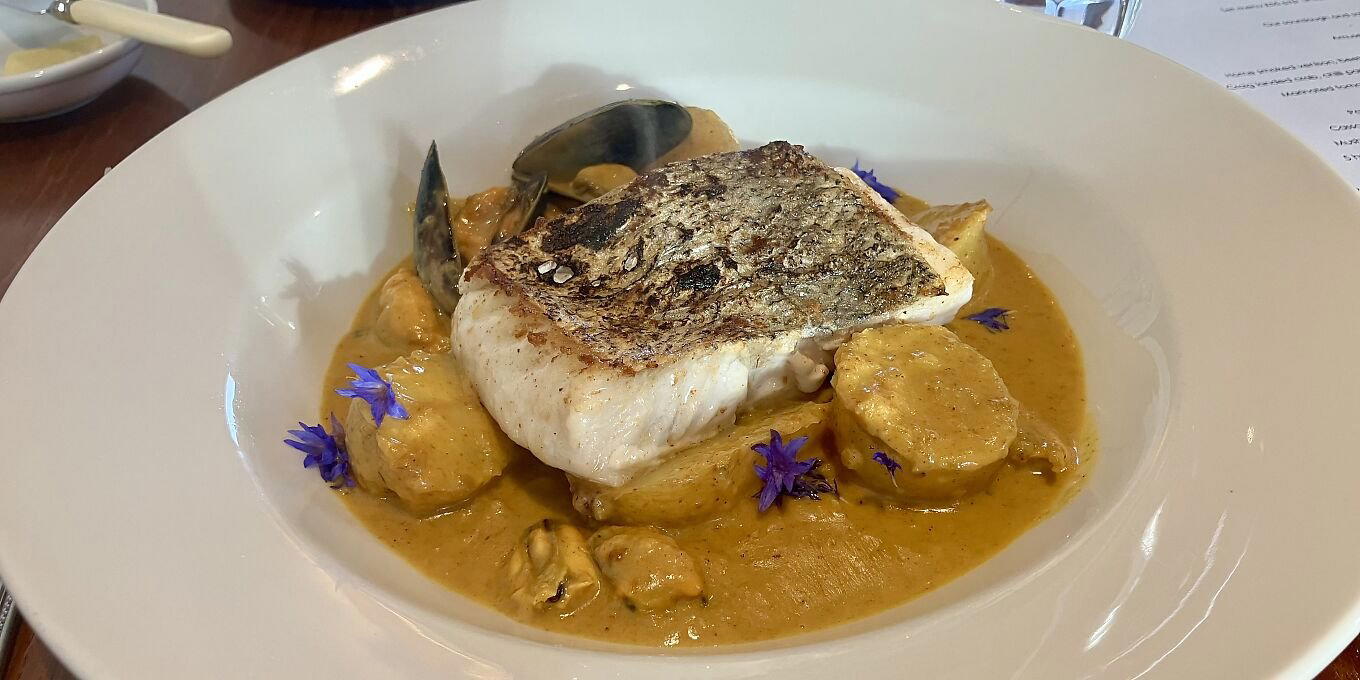
That constraint, for a certain kind of traveller, is the point. Scotland's island dining has developed a distinct character precisely because its kitchens cannot rely on a daily mainland supply chain. What comes off the boats at Tobermory pier, what's grown in crofters' plots, what the surrounding waters yield, these are the parameters inside which island bistros like The Galleon operate. Mull's waters are among the most productive in the British Isles for shellfish: langoustines, crab, scallops, and mussels are harvested within sight of the town. The ingredient story here begins before the kitchen does.
The Island Larder and Why It Matters
To understand what eating in Tobermory means, it helps to situate it inside Scotland's broader seafood geography. The Inner Hebrides sit at the junction of the Firth of Lorne and the Sound of Mull, waters cold enough and clean enough to produce shellfish that travel to restaurant kitchens as far as London and Tokyo. The irony, and it's a consistent one across British fishing communities, is that the most prized catch often leaves. Eating it at source, in a harbour town like Tobermory, means eating it before that journey begins.
Island bistros occupy a specific tier in this ecology. They are not the destination restaurants that draw visitors from other countries, the kind of kitchen represented by L'Enclume in Cartmel or Moor Hall in Aughton, where sourcing is one component of a technically elaborate tasting programme. Nor are they the grand country houses, like Le Manoir aux Quat'Saisons in Oxford or Gidleigh Park in Chagford, where sourcing is woven into a wider luxury proposition. The island bistro format is something simpler and, in its way, more direct: good local ingredients, cooked without excessive intervention, served in rooms that make no claim to formality.
On Mull, that format has sharpened in recent years as the island's profile has grown. The question visitors now ask is not whether the seafood is fresh, it always is, but which room to eat it in. The Galleon, positioned in Tobermory itself, sits within walking distance of the ferry terminal and the main harbourfront, making it a practical anchor for day visitors and those staying in the town.
Tobermory and Its Dining Context
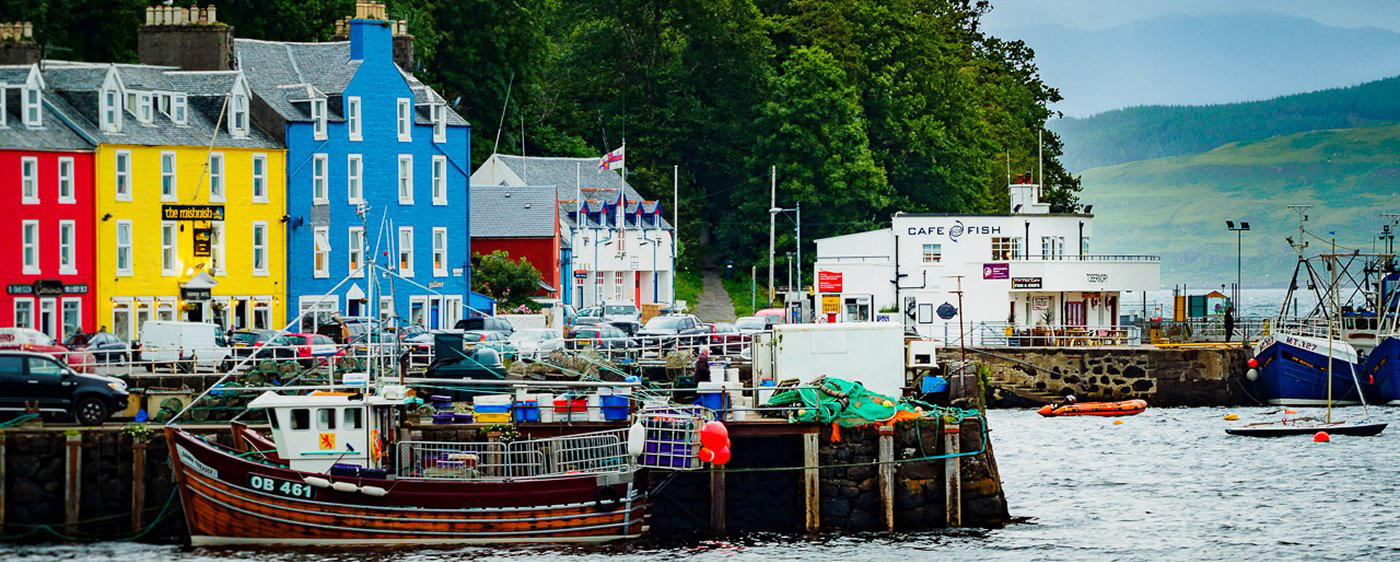
Tobermory is the only substantial settlement on Mull, and its harbourfront, the row of brightly painted buildings that has become one of the most photographed streetscapes in Scotland, concentrates most of the island's eating options. That concentration means visitors can compare formats within a short walk. Café Fish operates from the pier building itself, with a direct focus on Hebridean seafood and a view straight onto the water. Ar Bòrd represents the island's more considered, produce-forward direction. Croft 3 extends the options further along the island's food scene.
The Galleon occupies its own position within this cluster: a bistro format on Post Office Brae, slightly above the waterline, where the harbour setting remains present without the immediate pier-side context. For those building an itinerary around Mull's food options, our full Isle of Mull restaurants guide maps the full picture across the island.
Mull's dining scene differs structurally from the award-circuit restaurants that define British fine dining nationally. Places like CORE by Clare Smyth in London, Waterside Inn in Bray, Restaurant Andrew Fairlie in Auchterarder, or Midsummer House in Cambridge operate within Michelin's formal recognition framework. Island bistros exist in a different register, where the editorial measure is proximity to source rather than technical ambition. That said, the best of them, including those drawing comparisons to hide and fox in Saltwood or Hand and Flowers in Marlow for their grounded, ingredient-led approach, demonstrate that restraint is its own form of skill.
Getting There and Planning Your Visit
Tobermory is reached via ferry from Kilchoan on the Ardnamurchan peninsula, or more commonly by crossing from Oban to Craignure and driving the 21 miles north to the town. The Craignure crossing runs multiple times daily with Caledonian MacBrayne, though services operate on a timetable sensitive to weather, especially in winter months. Visitors combining a Mull trip with broader Scottish itineraries sometimes approach via the west coast rail line to Oban, which connects to the ferry terminal on foot. The island's single-track road network means journey times between Craignure and Tobermory run to roughly 40 minutes in standard conditions. As with all Hebridean travel, seasonal timing shapes the experience: summer brings longer daylight and calmer crossings, while shoulder season offers the island at a quieter register. Booking ahead for any Tobermory restaurant in peak July and August is the practical baseline, as the town's capacity fills across accommodation and dining simultaneously.
Frequently asked questions
Does The Galleon Bistro work for a family meal?
Tobermory is a small harbour town rather than a late-night dining destination, which tends to attract a mixed-age crowd across its restaurants. The Galleon Bistro's position on Post Office Brae, above the famous painted harbourfront, puts it close to the activity that makes Tobermory appealing to families visiting Mull. That said, specific family policies, high chair availability, and children's menu details are best confirmed directly with the venue before visiting.
How would you describe the vibe at The Galleon Bistro?
Post Office Brae climbs steeply from Tobermory's waterfront, giving the bistro a setting with harbour views rather than the bustle of the quayside itself. Tobermory is the only substantial settlement on Mull, so the town's dining rooms tend to serve a compact local community alongside seasonal visitors arriving by ferry from Oban or Kilchoan. The atmosphere reflects that dual rhythm: unhurried, oriented around the island rather than performing for tourists.
Is The Galleon Bistro a good base for eating on Mull during a multi-day visit to the island?
Tobermory, addressed at Post Office Brae PA75 6NT, is the most practical dining hub on Mull given its status as the island's only substantial settlement with a concentration of restaurants and shops. Visitors crossing from Oban to Craignure typically drive the 21 miles north to Tobermory as their first stop, making The Galleon Bistro a logical early or late meal in the itinerary. For multi-day stays on Mull, Tobermory's harbourfront restaurants collectively offer more variety than anywhere else on the island.
What dish is The Galleon Bistro famous for?
What is well established is the context: the Inner Hebrides sit at the confluence of the Atlantic and Scottish sea lochs, making the surrounding waters among the most productive for shellfish and west-coast fish in the UK. Any kitchen operating in Tobermory has direct access to that larder, which typically shapes what appears on the menu.
Where is The Galleon Bistro in Isle of Mull?
The Galleon Bistro is located at Post Office Brae, Tobermory, Isle of Mull PA75 6NT, United Kingdom, Isle of Mull.
How It Stacks Up
Comparable venues nearby, for context on price, style, and recognition.
| Venue | Cuisine | Price | Awards | Notes |
|---|---|---|---|---|
| The Galleon BistroThis venue (the venue you are viewing) | Modern British Bistro with Local Seafood | $50–100 | Not listed | Not listed |
| Ar Bòrd | Modern Scottish Local Produce | $50–100 | Not listed | Dervaig |
| Croft 3 | Modern Scottish Croft Dining | Not listed | Not listed | Fanmore |
| Café Fish | Fresh Local Seafood | $50–100 | The Good Food Guide GFG Good | Tobermory |
| Bread Street Kitchen & Bar | Modern British restaurant & bar by Gordon Ramsay | $50–100 | Not listed | City of London |
| The Mustard Seed Restaurant | Modern Scottish with Highland Influences | $30–50 | Not listed | Inverness |
Continue exploring
More in Isle of Mull
Restaurants in Isle of Mull
All restaurants in Isle of Mull →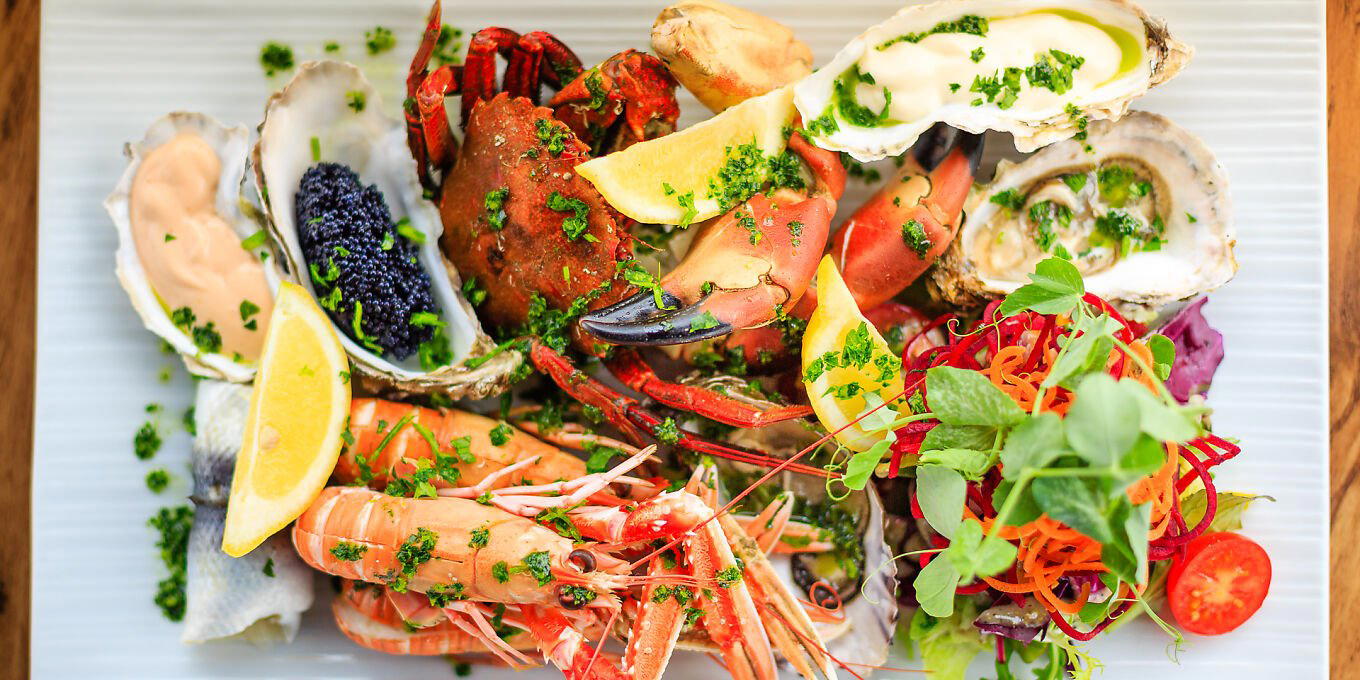
Hotels in Isle of Mull
Browse all →
Details
- Cozy
- Relaxed
- Date Night
- Family
- Special Occasion
- Waterfront
- Extensive Wine List
- Local Sourcing
- Waterfront
- A La Carte
- Wine
- Cocktails
- Vegetarian Friendly
- Gluten Free Options
Current opening hours
- Monday
- Closed
- Tuesday
- 6–10 PM
- Wednesday
- 6–10 PM
- Thursday
- 6–10 PM
- Friday
- 6–10 PM
- Saturday
- 6–10 PM
- Sunday
- Closed
Hours can change for holidays and private events. Hours as of .
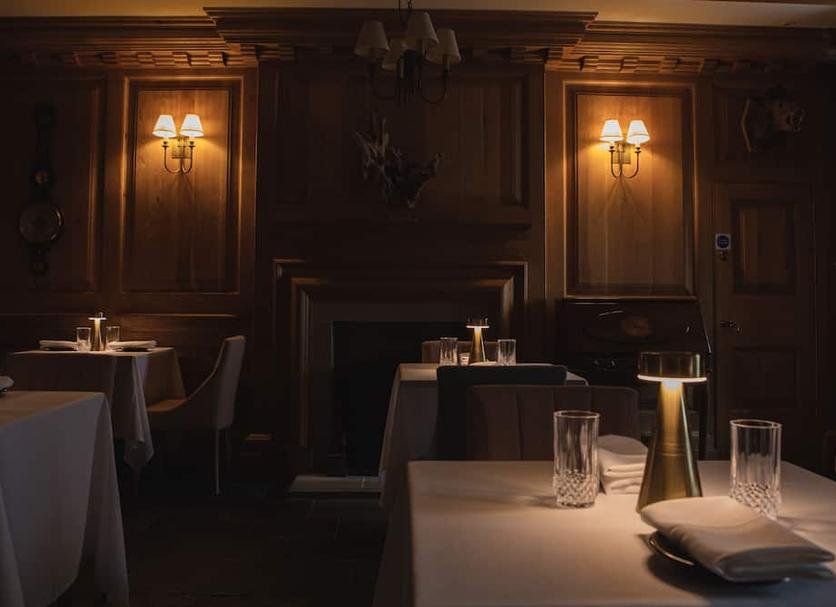
Relaxed and inviting with a quiet, welcoming atmosphere that makes diners feel at home.