Kinloch Lodge

The Good Food Guide GFG Good
Our verdict
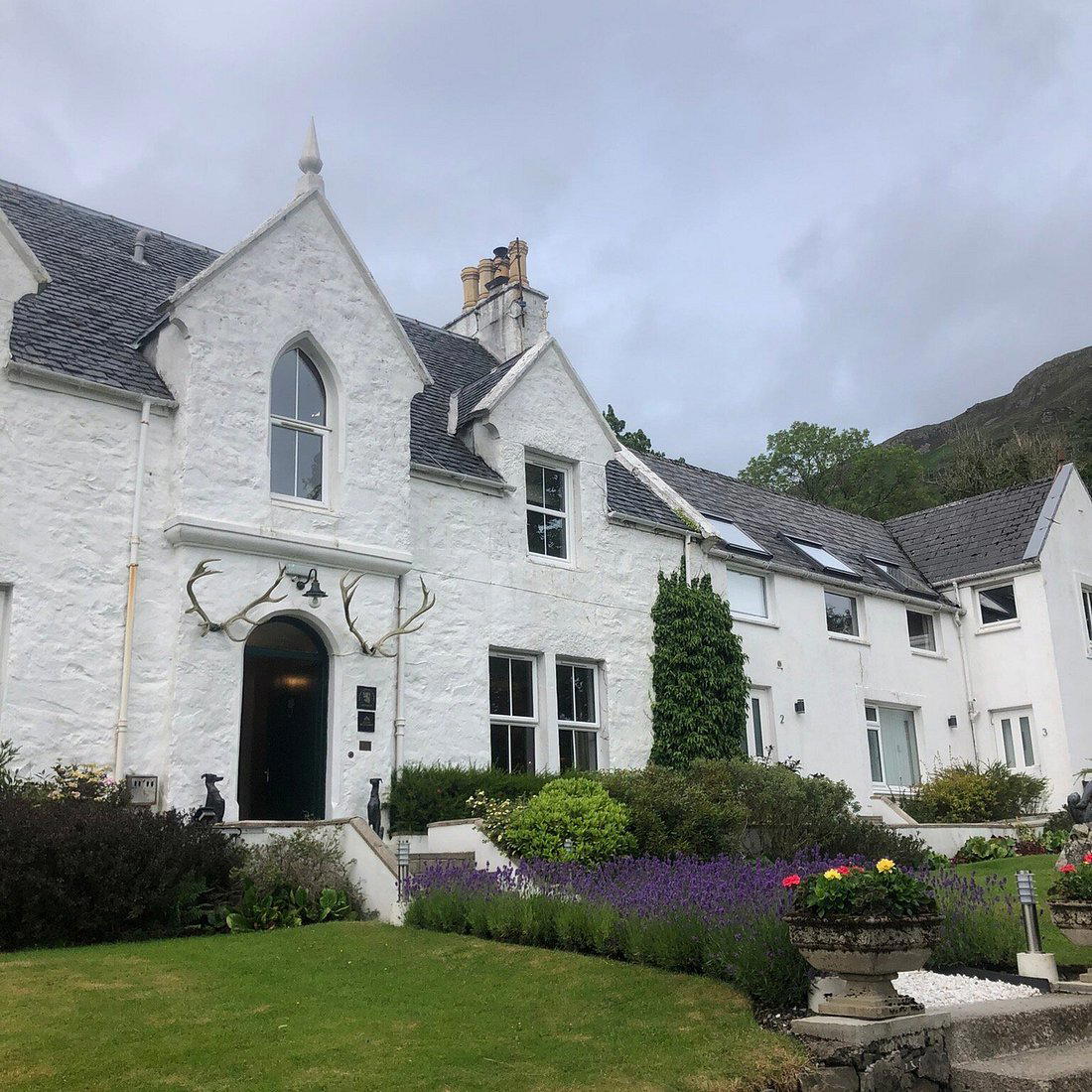
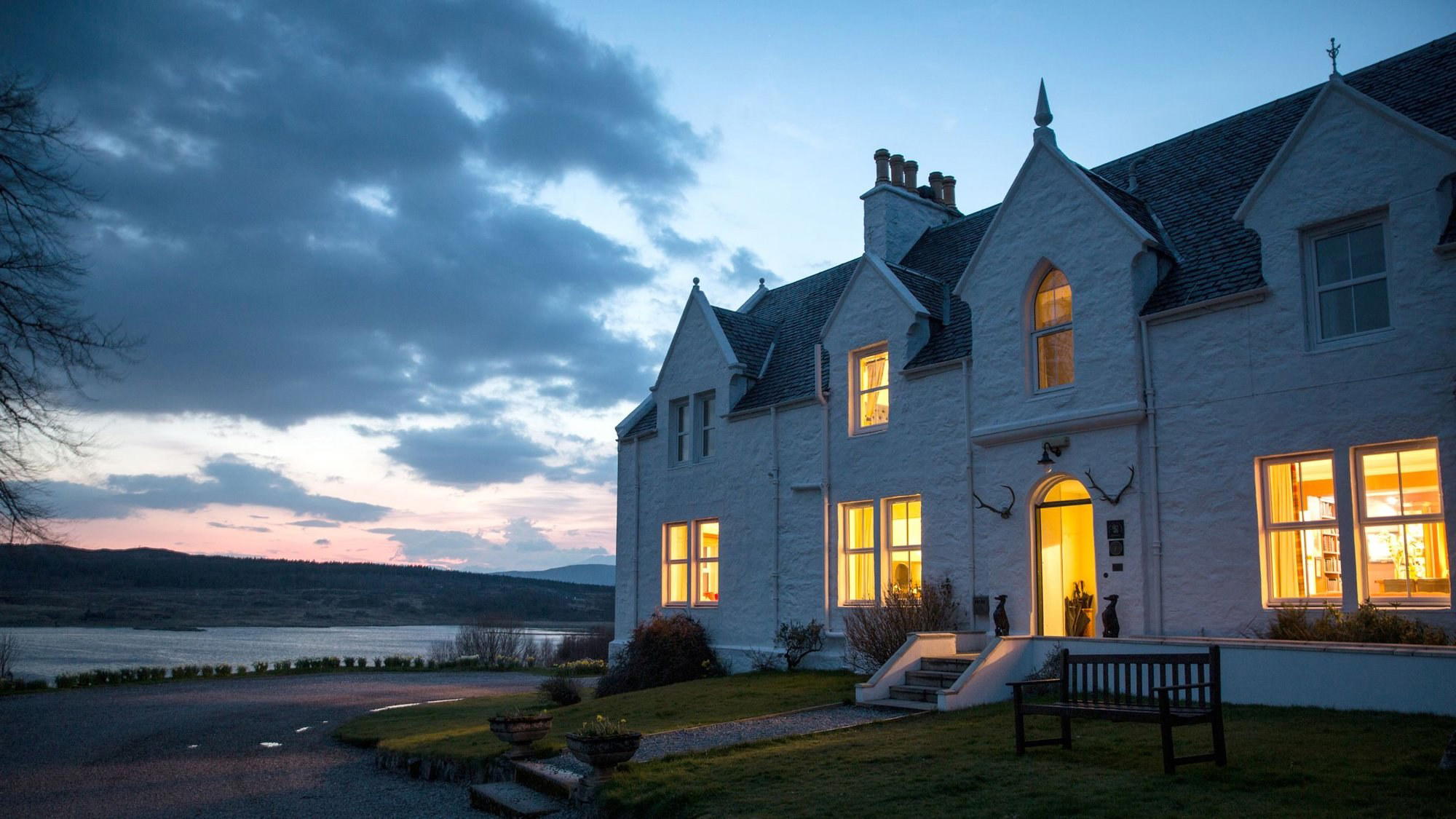
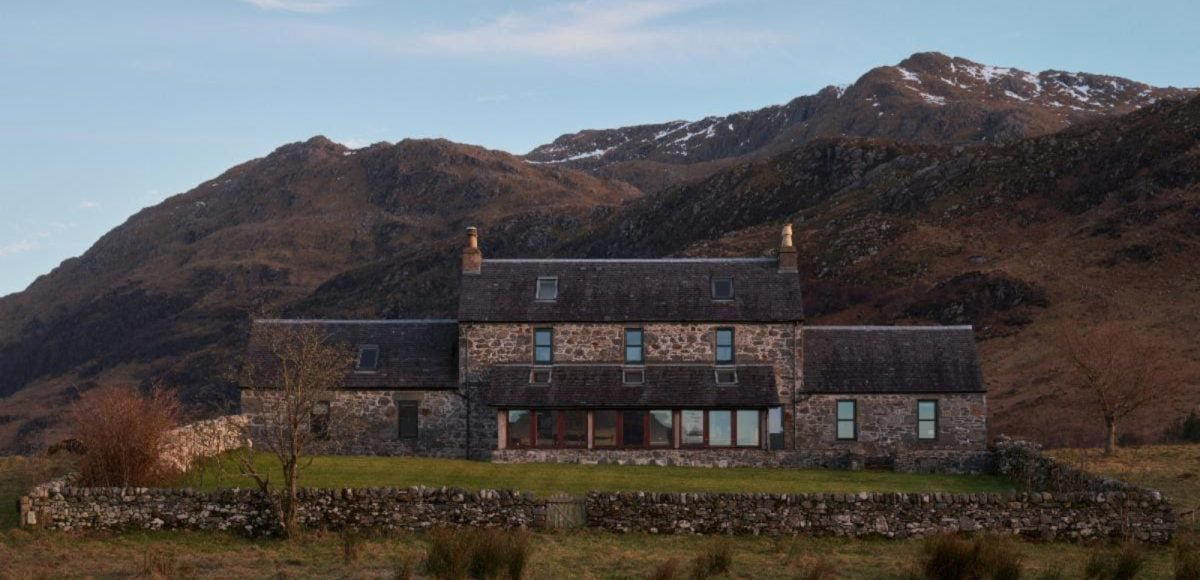
A 17th-century hunting lodge on the shores of Loch Na Dal, Kinloch Lodge has anchored Scottish hospitality on the Isle of Skye for half a century. Chef Jordan Webb's daily-changing dinner menu draws on Skye roe deer, Portree mackerel, and Perthshire strawberries to make a case for the Highlands as serious ingredient country. The whisky bar, with more than 120 Scottish expressions, seals the argument.

Pearl is the En Primeur Club membership app, where members save venues, book tables and use the concierge.
The menu
What to order
- Highland beef fillet with summer truffle cottage pie
- Seared monkfish with pak choi in miso corn broth
- Venison pie
- Sesame toast langoustines
Where the Larder Defines the Menu
The Isle of Skye sits far enough from mainland supply chains that ingredient sourcing is less a philosophy than a practical reality. Restaurants here either work with what the land and sea provide, or they compromise on freshness at every turn. At Kinloch Lodge, a 17th-century former hunting lodge on the shores of Loch Na Dal in Sleat, the surrounding terrain reads directly on the plate: Skye roe deer from the hillside, langoustines from the surrounding waters, mackerel landed at Portree, brambles foraged from the local ground. This is not the kind of farm-to-table positioning that urban restaurants use as a marketing frame.
Chef Jordan Webb translates that reality into a daily-changing, three-course dinner menu that treats regional specificity as a given rather than a selling point. The approach places Kinloch Lodge in a small cohort of British country-house dining rooms where the menu is genuinely governed by what arrives each morning rather than what was printed last season. For a comparison of how that model plays out in other parts of the country, see how L'Enclume in Cartmel or Moor Hall in Aughton handle hyper-local sourcing in their respective regions.
The Dining Room and Its Register
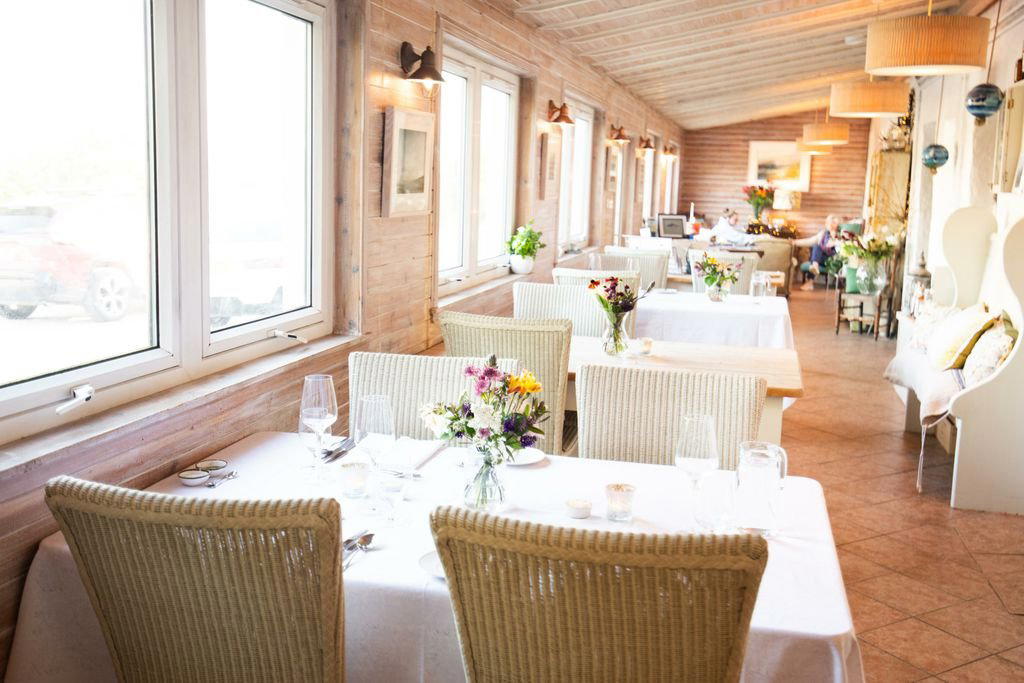
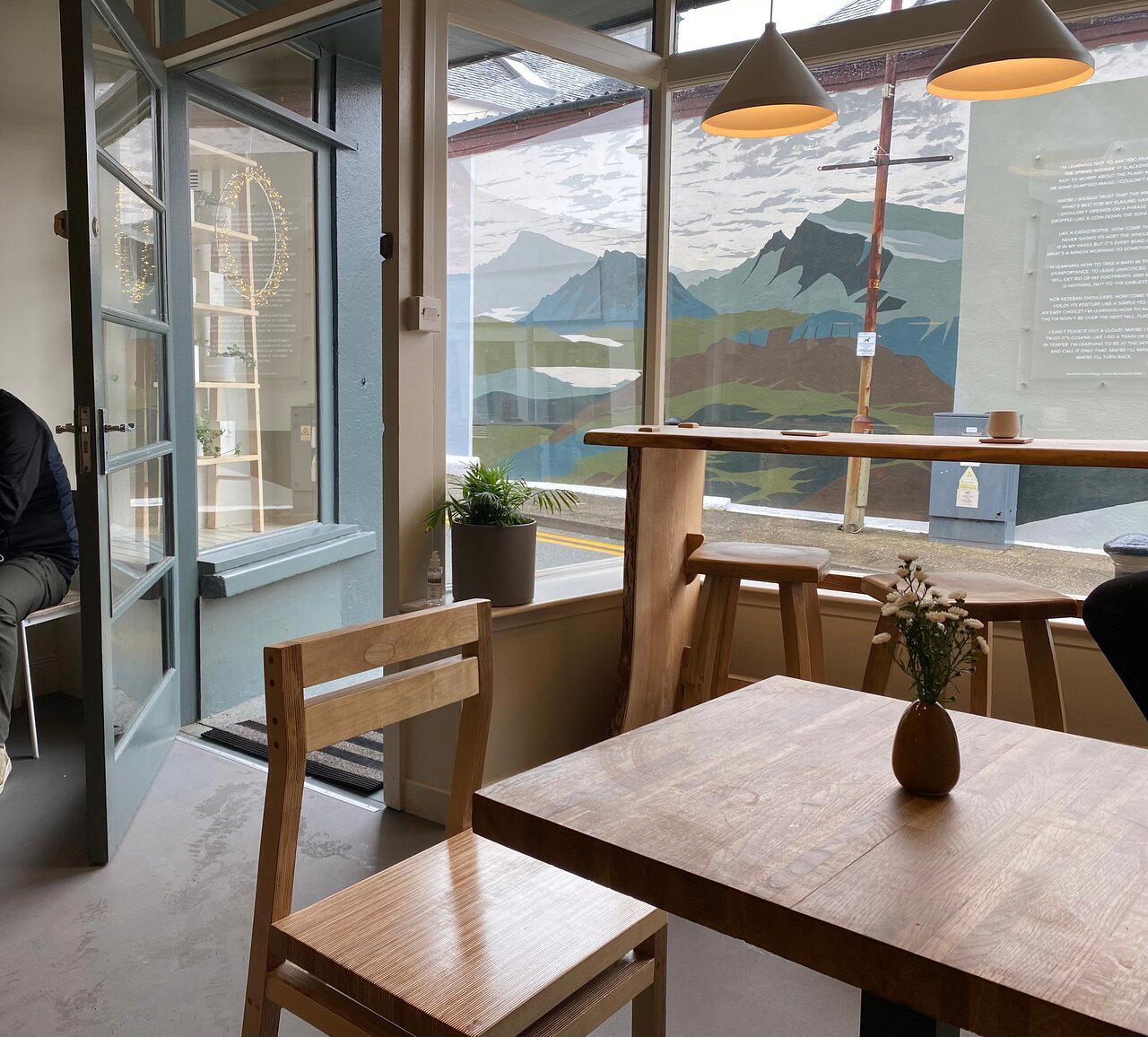
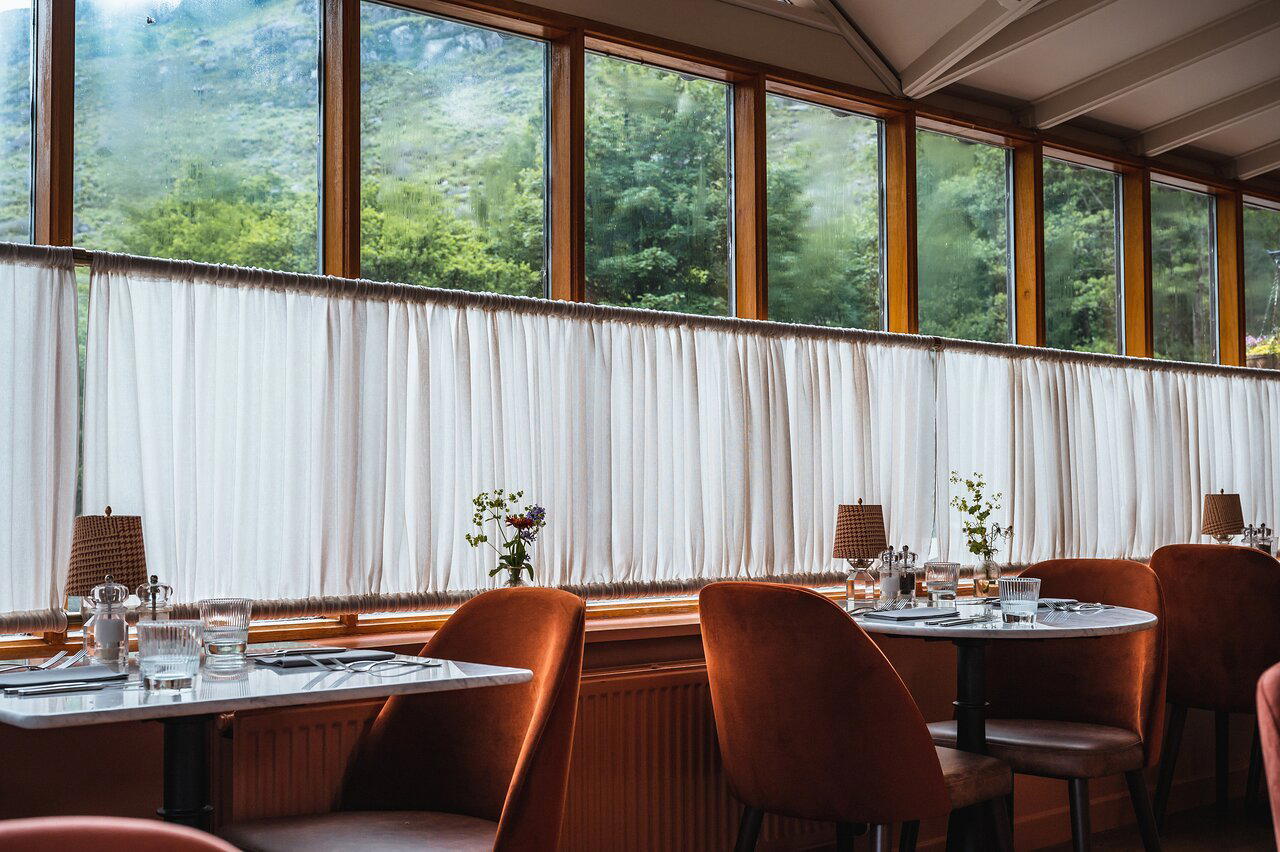
The physical environment at Kinloch Lodge does a lot of the framing before the food arrives. Sage-green, wood-panelled walls carry gilt-framed ancestral portraits, the room belonging to a house that has been in the Macdonald family since the 17th century. Soft jazz runs in the background at a volume that permits conversation without effort. The overall register is domestic rather than ceremonial: family chatter, a welcoming floor presence from Isabella Macdonald, who now runs the property her mother Lady Claire Macdonald established as a hotel over fifty years ago. The formality is selective. The dining room feels lived-in because it is.
That combination of Highland provenance and family continuity puts Kinloch Lodge in a different category from the destination fine-dining model represented by places like Gidleigh Park in Chagford or Le Manoir aux Quat' Saisons in Great Milton. Both of those properties deliver a polished, formal country-house experience. Kinloch Lodge operates with more warmth and less ceremony, the grandeur belonging to the landscape outside rather than the service choreography inside.
Dinner: Contemporary Scottish, Rooted in the Region
The dinner menu illustrates the sourcing argument in concrete terms. Cured Portree mackerel with scallop mousse, langoustine mayo, and pickled vegetable salad pulls from both land and sea within a short radius of the kitchen. Main courses have included Skye roe deer with turnip, leek, and locally foraged bramble jus, and ribeye and sweetbread of rose veal with pot-roast cauliflower, walnut crumble, and Blue Murder cheese, a handcrafted cheese made in Tain on the mainland. Desserts close the circle with Scottish produce: Perthshire strawberries appear when the season allows.
What the menu communicates, collectively, is a version of contemporary Scottish cooking that is neither retro nor aggressively modernist. The technique is confident enough to present sweetbread alongside ribeye, or to build a starter around scallop mousse and pickled vegetables, but it does not pursue novelty for its own sake. The ingredient, not the method, carries the weight. That is a distinct editorial position in a British fine-dining scene that has, over the past decade, tilted heavily toward technical showmanship. Compare the approach to what Restaurant Andrew Fairlie in Auchterarder does with Scottish produce under a Michelin framework, or how hide and fox in Saltwood handles local sourcing in a coastal English context.
Sunday Lunch: A Different Mode Entirely
Sunday lunch at Kinloch Lodge operates on a separate logic from the dinner menu. Where dinner is precise and contemporary, Sunday lunch is emphatically old-school: shoulder of Beauly lamb, aged sirloin of Highland beef, haunch of venison. The format is a meat-led roast of the kind that has defined British Sunday eating for generations, and it makes no apology for that. Puddings follow the same generous instinct: a crème fraîche and yoghurt panna cotta with pepper meringue and raspberry sorbet is built for sharing rather than for individual presentation.
The dual format is worth noting for planning purposes. Guests staying at the hotel across a weekend have access to two meaningfully different dining experiences within the same room, which is not the case at every country-house property. For readers weighing options across Scottish dining, the Sunday lunch alone is a reason to time a visit accordingly.
The Whisky Bar and Wine List
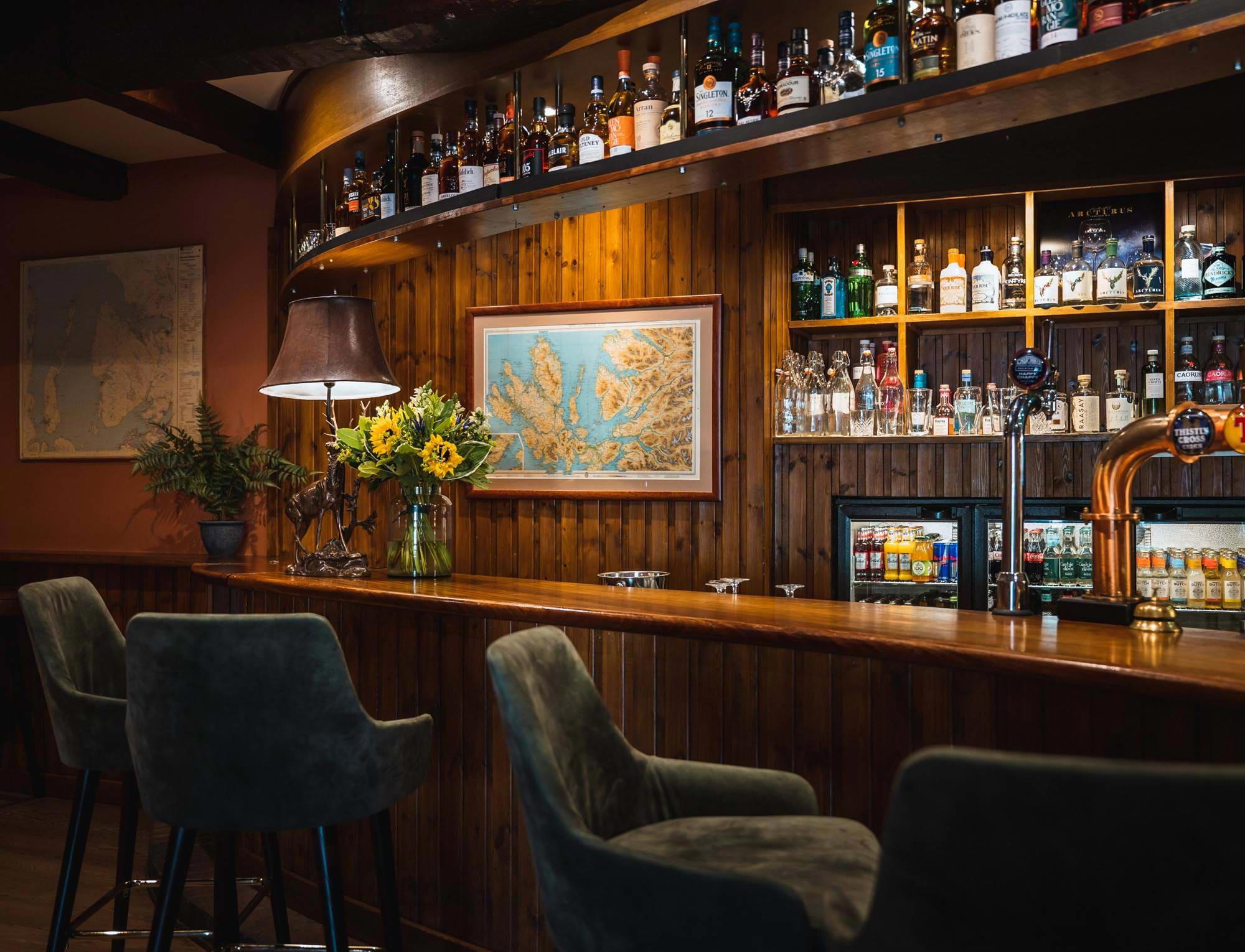
Scotland's other great ingredient argument sits behind the bar. The whisky selection at Kinloch Lodge runs to more than 120 expressions, all Scottish, covering a range of distilleries and ages. For a property positioned in the heart of the Highlands on an island with its own distilling culture, this is the expected extension of the kitchen's regional logic rather than a separate amenity.
The wine list is extensive and includes a smattering of biodynamic labels. By-the-glass options have included a stone-fruit and citrus Albariño and a spicy Périgord Merlot, giving the list some range across styles and regions. Neither the wine program nor the whisky collection tries to compete with the specialist programs at places like The Ledbury in London or Midsummer House in Cambridge, but they do not need to. The context here is a Highland lodge dining room, and the selections are calibrated for that setting.
Planning a Visit
Kinloch Lodge sits on the A851 in Sleat on the Isle of Skye, a peninsula that requires deliberate travel: the journey from Inverness runs approximately two hours by road, and access to the island is via the Skye Bridge at Kyle of Lochalsh or seasonal ferry. The remoteness is structural to the experience. Guests who make the trip are committing to the island for at least a night, and staying at the lodge itself keeps both dinner and Sunday lunch accessible without the logistics of a further drive. The hotel format means advance planning is sensible, particularly for weekend visits when Sunday lunch draws both guests and outside diners. For more options in the area, see our full Sleat restaurants guide, our full Sleat hotels guide, our full Sleat bars guide, our full Sleat wineries guide, and our full Sleat experiences guide.
Frequently asked questions
Is Kinloch Lodge suitable for children?
The Sunday lunch format, with its generous sharing portions and straightforward roast structure, suits families more naturally than the contemporary three-course dinner menu. The dining room carries a relaxed family atmosphere, with Isabella Macdonald personally managing the floor. The setting on Loch Na Dal also gives children open outdoor space before or after eating.
What's the overall feel of Kinloch Lodge?
The atmosphere is that of a working family home that happens to feed paying guests rather than a formal hotel dining room. Sage-green panelling, gilt-framed ancestral portraits, and soft jazz set the register, while Isabella Macdonald circulating the room keeps it grounded and personal. It reads as comfortable and historic without tipping into museum-piece stiffness.
Does Kinloch Lodge serve locally foraged and regional Scottish ingredients at dinner?
Regional sourcing is the structural basis of Chef Jordan Webb's dinner menus, not an occasional garnish. Dishes have included Skye roe deer with locally foraged bramble jus, langoustine from the surrounding waters, and Blue Murder cheese handcrafted in Tain. Desserts extend the same logic, drawing on Perthshire strawberries when in season, and the menu changes daily to reflect what is available from the Sleat peninsula and broader Highlands supply network.
What do regulars order at Kinloch Lodge?
On Sunday lunchtimes, the roast cuts draw the strongest following: shoulder of Beauly lamb, aged sirloin of Highland beef, and haunch of venison are the anchors of a menu that changes with seasonal availability. At dinner, the Skye roe deer with foraged bramble jus and the cured Portree mackerel starter are representative of Chef Jordan Webb's regional-sourcing approach. The whisky bar, running to more than 120 Scottish expressions, is a consistent post-dinner draw in its own right.
What part of town is Kinloch Lodge in?
Kinloch Lodge is located at A851, Sleat, Isle of Skye IV43 8QY, United Kingdom, Sleat.
How hard is it to get a table at Kinloch Lodge?
Kinloch Lodge functions as a hotel restaurant on the Sleat peninsula, meaning non-residents are competing for a finite number of dinner covers in a dining room that prioritises guests staying on property. Sunday lunch, given its reputation for generously portioned roasts, is likely the harder sitting to secure at short notice, particularly in peak summer months. Booking ahead is advisable for either service.
What has Kinloch Lodge built its reputation on?
The foundation is approximately fifty years of operation as a hotel established by Lady Claire Macdonald, widely regarded as a defining figure in Scottish cookery, with the property now run by her daughter Isabella. Chef Jordan Webb's daily-changing dinner menus, built around regional suppliers including Portree fishermen and local game estates, extend that legacy into contemporary territory. The 17th-century hunting lodge setting on the shores of Loch Na Dal provides a physical context that few Scottish dining rooms can match.
At-a-Glance Comparison
Comparable venues nearby, for context on price, style, and recognition.
| Venue | Cuisine | Price | Awards | Notes |
|---|---|---|---|---|
| Kinloch LodgeThis venue (the venue you are viewing) | Modern Scottish Fine Dining | $50–100 | The Good Food Guide GFG Good | Not listed |
| Whiteleys Kitchen | Hyper-seasonal modern British | $100–150 | Not listed | Bayswater |
| Tamburrini & Wishart, Cameron House Loch Lomond | Modern Scottish Fine Dining | Not listed | Not listed | Loch Lomond |
| BEAR by Carlo Scotto | Foraged British tasting menu chef’s counter | $50–100 | Not listed | Old Town |
| Cycene at Blue Mountain School | Modern British Fine Dining with Eastern Asian Influences | $200–300 | 1 Michelin Star | Shoreditch |
| Knockinaam Lodge | Modern Scottish Fine Dining | Not listed | AA Rosettes 3 Rosettes · AA Hospitality Awards AA Wine Award — Scotland | Portpatrick |
Recognition history
Dated appearances from independent guides and award organizations, with the underlying list record or original source where available.
The Good Food Guide GFG Good
The Good Food Guide
Continue exploring
More in Sleat
Kinloch Lodge
The wine
- Wine program
- Deep wine list
- Extensive wine list
- Sommelier-led
Details
- Romantic
- Elegant
- Scenic
- Intimate
- Classic
- Sophisticated
- Date Night
- Celebration
- Special Occasion
- Business Dinner
- Hotel Restaurant
- Waterfront
- Garden
- Panoramic View
- Historic Building
- Private Dining
- Extensive Wine List
- Sommelier Led
- Local Sourcing
- Farm To Table
- Waterfront
- Garden
- Mountain
- Set Menu
- Tasting Menu
- A La Carte
- Wine
- Champagne
- Whisky
- Vegetarian Friendly
- Gluten Free Options
- Allergy Accommodating
Refined and intimate with cosy log fires in drawing rooms, stylish decorated dining rooms with views over gardens and loch, antique furnishings evoking a private country shooting lodge atmosphere.