InterContinental Mark Hopkins San Francisco by IHG
Perched atop Nob Hill at 999 California Street, the InterContinental Mark Hopkins San Francisco occupies one of the city's most historically charged addresses. The hotel's Top of the Mark bar has drawn guests since 1939, and the building itself traces its roots to a Gilded Age mansion. For travelers weighing landmark hotels against the city's newer luxury options, this is the address that set the standard.

Pearl is the En Primeur Club membership app — saves, bookings, and concierge access live there. Same editors, same standards.
- Address
- 999 California St, San Francisco, CA 94108
- Phone
- (415) 392-3434
- Website
- ihg.com
- Directions
- Get directions
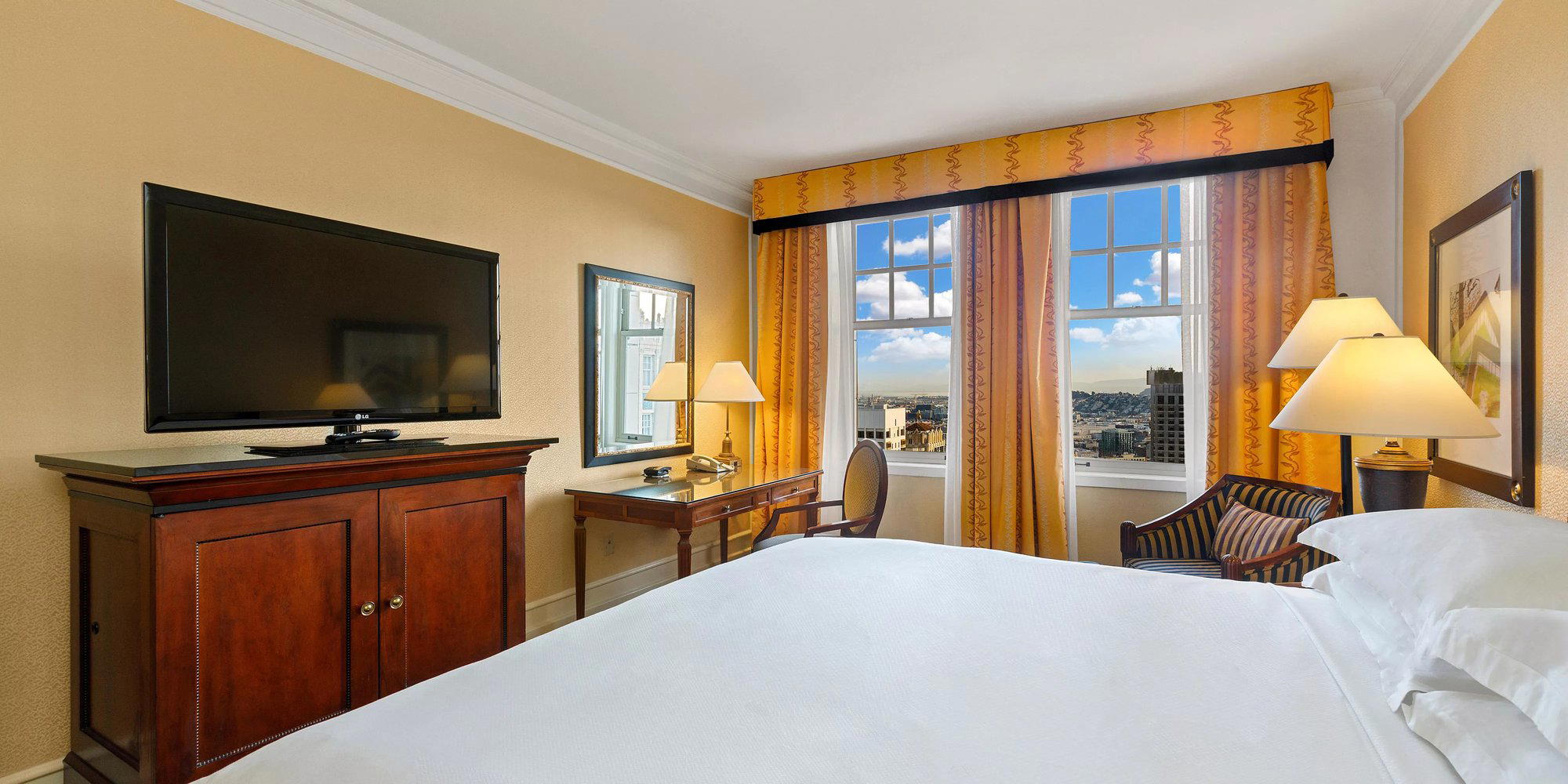
Nob Hill's Most Storied Address
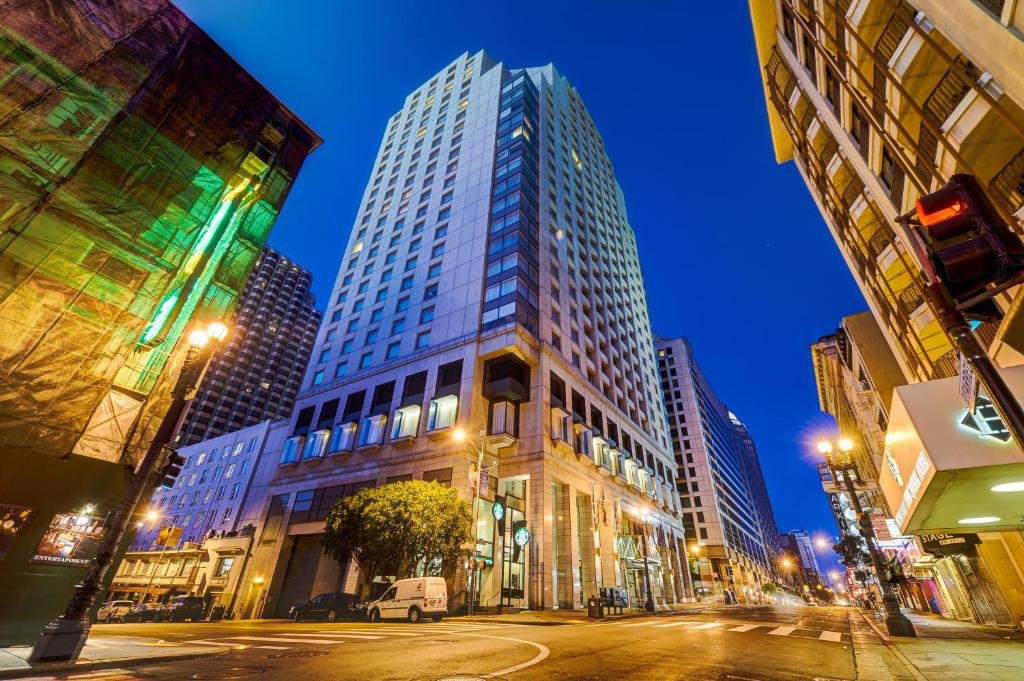
San Francisco's premium hotel tier divides, broadly, between two camps: the newer, design-forward properties clustered around the Embarcadero waterfront, and the older, institutionally significant hotels that occupy the hilltops. The InterContinental Mark Hopkins at 999 California Street belongs firmly to the second group, and among that cohort it holds a particular position. The building sits at the summit of Nob Hill, at the intersection of California and Mason streets, where the cable car lines cross and the city spreads in every compass direction. Approaching from the Powell-Hyde line, the building's 1926 Spanish Gothic facade reads as a vertical landmark before you register the detail of its arched windows and ornamented cornice. There is no subtlety to the arrival sequence; the point is the height, the panorama, and the accumulated weight of a century's worth of guests.
A Building That Predates the Hotel
The site's significance predates the hotel itself. Mark Hopkins, one of the Central Pacific Railroad's founding partners, began constructing a mansion here in the 1870s. The original structure burned in the 1906 earthquake and fire that leveled much of the hilltop. What stands today was completed in 1926 to designs that evoke the Collegiate Gothic vocabulary popular in American institutional architecture of that era. The hotel opened that year and has operated continuously since, making it one of the longer-running luxury hotel addresses in California. That continuity matters: the public spaces carry the proportions of an earlier era of hotel-making, when grand lobbies and ceremonial staircases were architectural arguments for the seriousness of a property. Hotels built to this scale and with this level of finish were not speculative ventures; they were civic statements.
Among Nob Hill's historic cluster, the Mark Hopkins sits alongside the Fairmont San Francisco, which occupies the block directly across California Street. The two properties have been in de facto dialogue since the 1920s, serving overlapping but distinct clienteles. Where the Fairmont leans into banquet-scale event infrastructure, the Mark Hopkins has historically positioned around the residential and diplomatic visitor. The difference in atmosphere is legible from the lobbies: one is built for procession, the other for lingering.
Best of the Mark and the Wartime Mythology
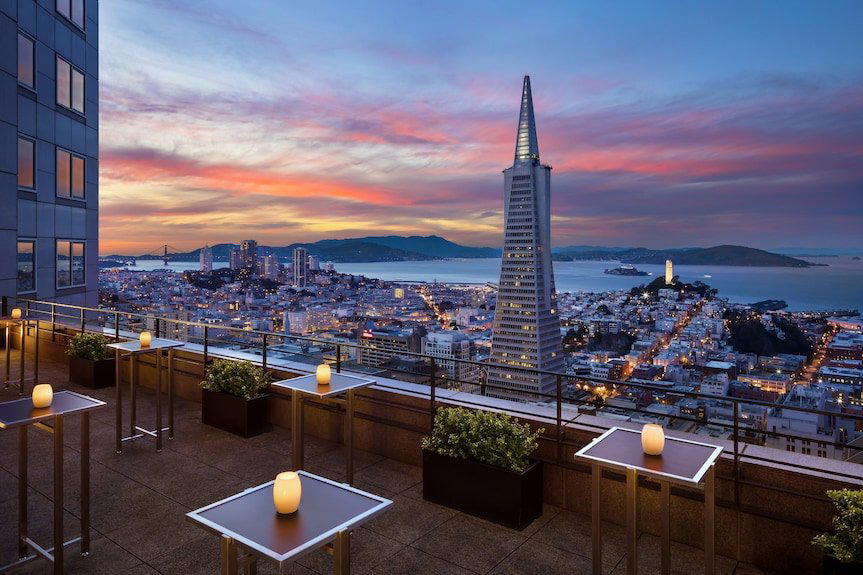
No single element of the hotel has generated more durable cultural presence than Best of the Mark, the rooftop bar that has operated since 1939. San Francisco's bar culture has cycled through considerable transformation in the decades since, moving from hotel-bar formality through the cocktail-revival period and into the current moment of program-driven operations. Best of the Mark has sat somewhat apart from those shifts, drawing its authority not from menu innovation but from the room itself: 360-degree views from the nineteenth floor, with the bay, the bridges, and the peninsula grid visible on a clear day.
The bar's wartime mythology is extensively documented. During World War II, it became a gathering point for military personnel shipping out from the Pacific ports, and the northwest corner window acquired the informal name "Weepers' Corner" for the partners and families who watched troop ships leave the bay. That narrative has been repeated in enough credible historical accounts that it functions as a verified cultural artifact rather than hotel-marketing embellishment. For a certain tier of traveler, particularly those with personal or family connections to that period, the room carries a weight that no amount of contemporary design intervention could replicate or substitute.
Where It Sits in San Francisco's Current Luxury Field
San Francisco's premium hotel offering has expanded considerably since the Mark Hopkins was built, and the competitive set has diversified. The Four Seasons Hotel San Francisco at Embarcadero and the Four Seasons Hotel San Francisco both operate in the city with the full-service infrastructure that brand deploys globally. The 1 Hotel San Francisco represents the more recent design-and-sustainability positioning that has gained traction with a younger, environmentally conscious luxury traveler. The The Battery operates on a membership model that serves an entirely different use case. The Hotel Drisco, also on the residential western side of the city, offers a smaller and quieter alternative in Pacific Heights.
Against that field, the Mark Hopkins competes primarily on location authority and historical resonance. Nob Hill's California Street corridor remains one of the few addresses in San Francisco where the built environment, the views, and the transit infrastructure (the cable cars are a functional commute tool, not merely a tourist attraction) combine to produce a genuine sense of place. That specificity is worth something to travelers for whom geography and history inform the lodging decision. Properties that opened last decade in the South of Market or Mission Bay neighborhoods offer design quality and amenity depth, but they cannot offer Nob Hill.
Travelers comparing the Mark Hopkins to its Nob Hill neighbor will find meaningful differences in scale and service orientation. Those weighing it against the broader San Francisco luxury tier should consider what role the hotel will play in the trip: as a base for walking the hilltop neighborhoods and using the cable car network, the address is operationally efficient in ways that waterfront properties are not. As a comparison point further afield, the kind of history-driven hotel positioning that the Mark Hopkins represents has parallels at properties like Badrutt's Palace Hotel in St. Moritz or Raffles Boston, where the building's continuity across generations is itself the primary credential.
For travelers whose itineraries extend beyond the city, Auberge du Soleil in Napa, SingleThread Farm Inn in Healdsburg, and Post Ranch Inn in Big Sur represent the regional options for extending a California stay with properties that also draw their authority from place and longevity rather than brand recency. See our full San Francisco restaurants guide for dining options within walking distance of the hotel.
Other American properties in this heritage-anchor category worth knowing: The Fifth Avenue Hotel in New York City, Hotel Bel-Air in Los Angeles, and Troutbeck in Amenia each operate in a similar register: address and history doing heavy lifting alongside the physical product.
Planning a Stay
The hotel is accessible directly from the California Street cable car line, which connects Nob Hill to the Financial District and the Ferry Building. For arrival by car or rideshare, California and Mason streets provide direct access. The cable car commute to Union Square runs under ten minutes. Nob Hill restaurants and the Grace Cathedral grounds are within a short walk of the hotel entrance, making the location practical for guests who prefer to explore on foot. Seasonal demand in San Francisco concentrates around summer (June through August), when the city draws the highest visitor volumes despite the characteristic afternoon fog, and around major conference periods in the fall.
Similar Picks
| Venue | Price | Awards |
|---|---|---|
| InterContinental Mark Hopkins San Francisco by IHGThis venue — the venue you are viewing | $300–500 | Not listed |
| Four Seasons Hotel San Francisco at Embarcadero | Not listed | 2 Michelin Keys · La Liste Top Hotels |
| Four Seasons Hotel Silicon Valley at East Palo Alto | $500–750 | Star Wine List · Forbes 4-Star |
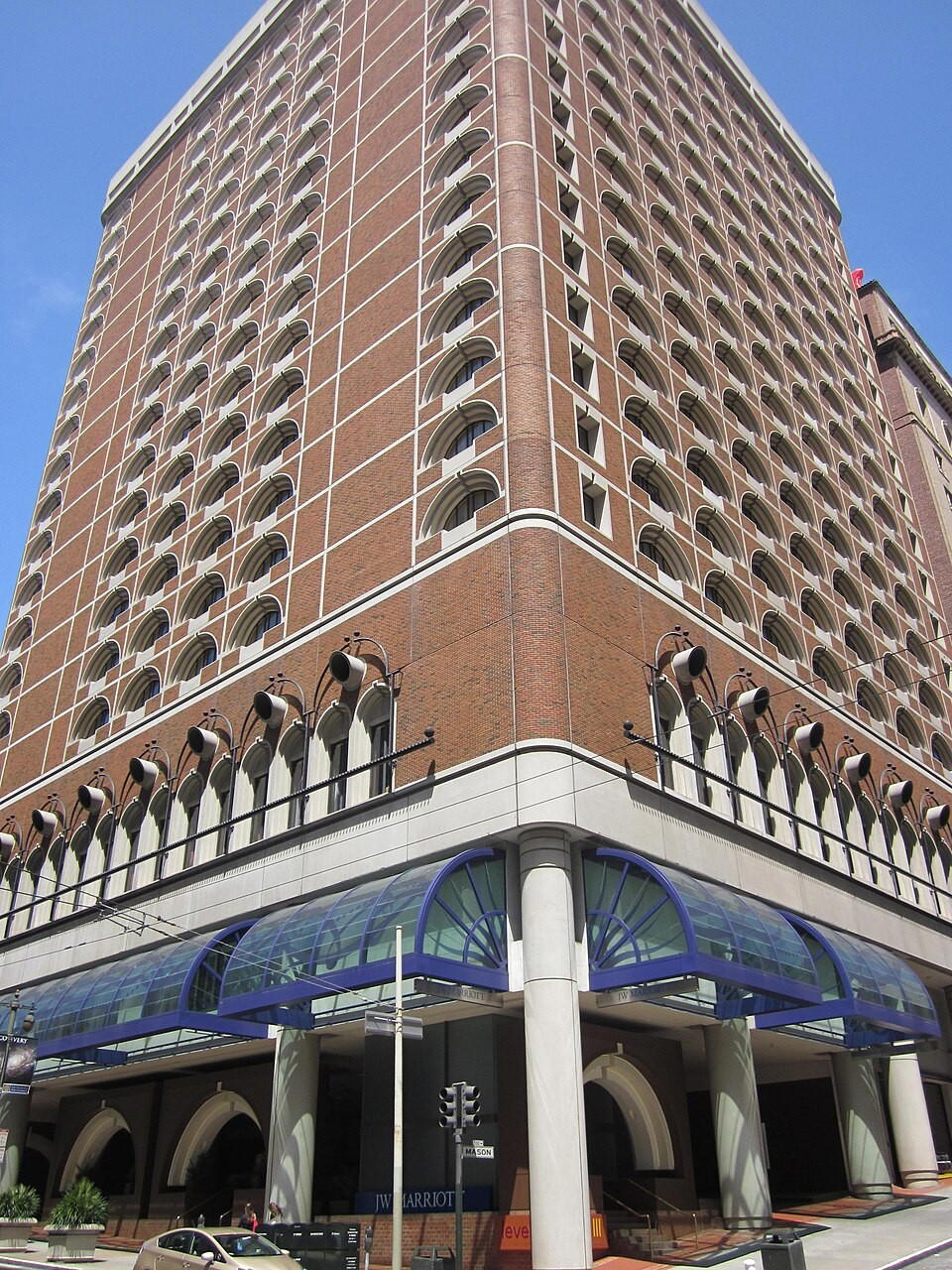
| JW Marriott San Francisco Union Square | Not listed | Forbes Recommended · Preferred Hotels Member |
| Palace Hotel, a Luxury Collection Hotel, San Francisco | Not listed | Michelin Selected · Forbes Recommended |
| Taj Campton Place | $300–500 | Michelin Selected · Virtuoso Luxury Hotel Partner |
Continue exploring
More in San Francisco
Hotels in San Francisco
Browse all →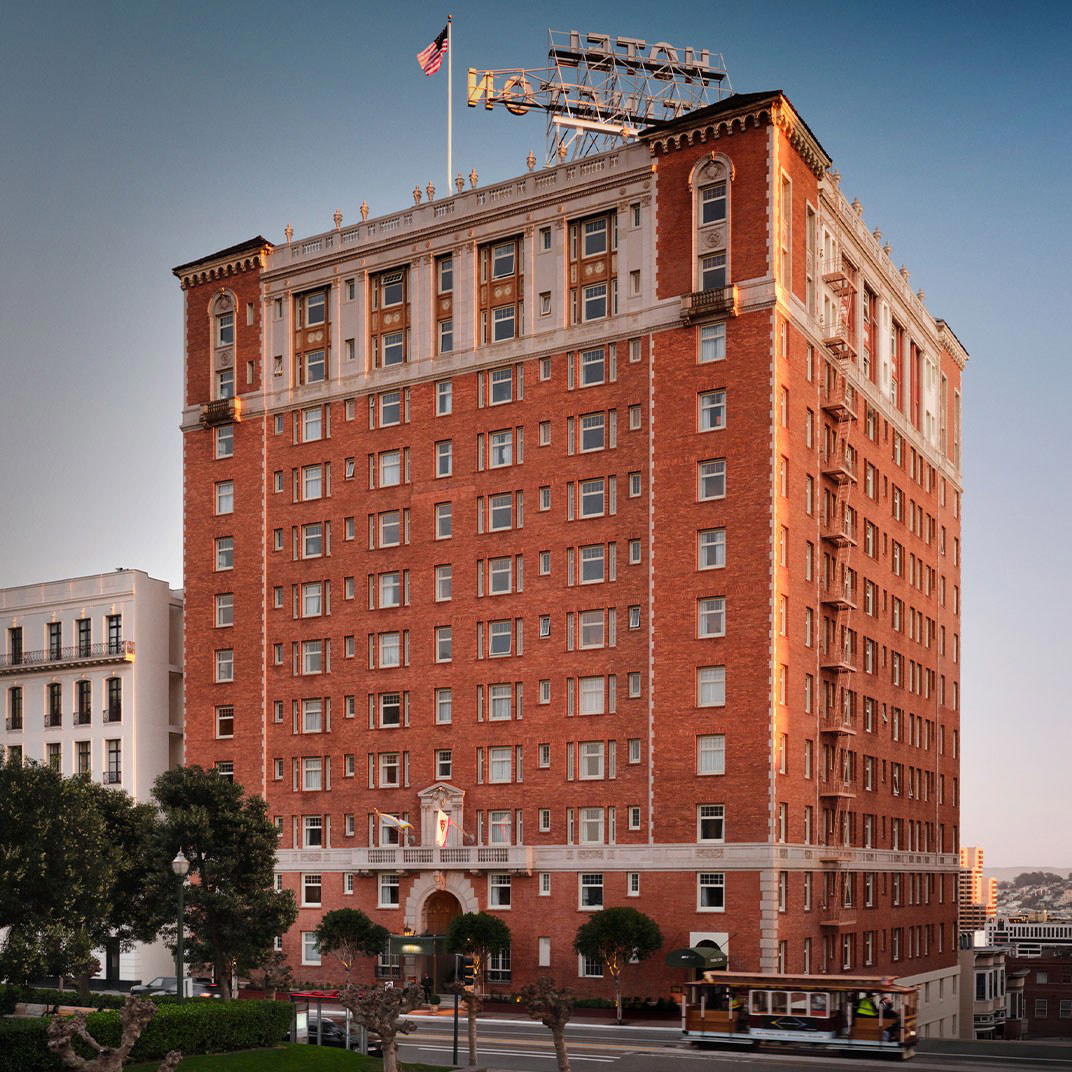
Bars in San Francisco
Browse all →
Restaurants in San Francisco
Browse all →
Details
- Classic
- Elegant
- Well Known
- Sophisticated
- Ornate
- Business Trip
- Romantic Getaway
- Anniversary
- Celebration
- Historic Building
- Panoramic View
- Terrace
- Wi Fi
- Fitness Center
- Room Service
- Concierge
- Business Center
- Valet Parking
- Skyline
- Elevator
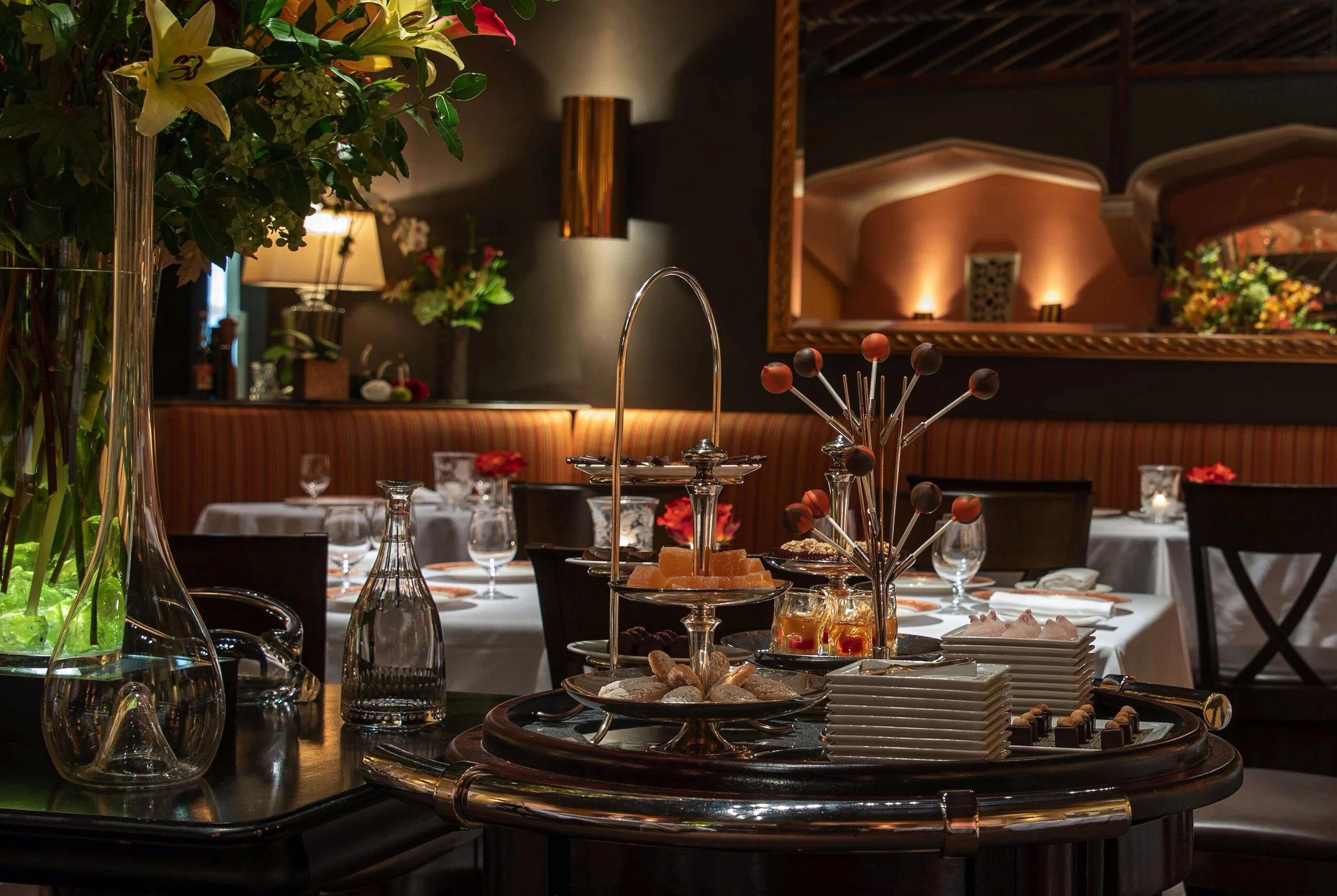
Grand historic atmosphere with Renaissance Revival architecture, lavish lobbies, rich wood tones, and a sense of old-world luxury paired with modern comforts.