Omni San Francisco Hotel
Positioned on California Street in San Francisco's Financial District, the Omni San Francisco Hotel occupies a 1926 landmark building that places guests at the center of the city's commercial and cultural core. The property sits within walking distance of the Embarcadero, Chinatown, and the city's main transit corridors, making it a practical anchor for both business and leisure stays.
Pearl is the En Primeur Club membership app — saves, bookings, and concierge access live there. Same editors, same standards.
- Address
- 500 California St, San Francisco, CA 94104
- Phone
- +1 415 677 9494
- Website
- omnihotels.com
- Directions
- Get directions
 Saves & bookings on Pearl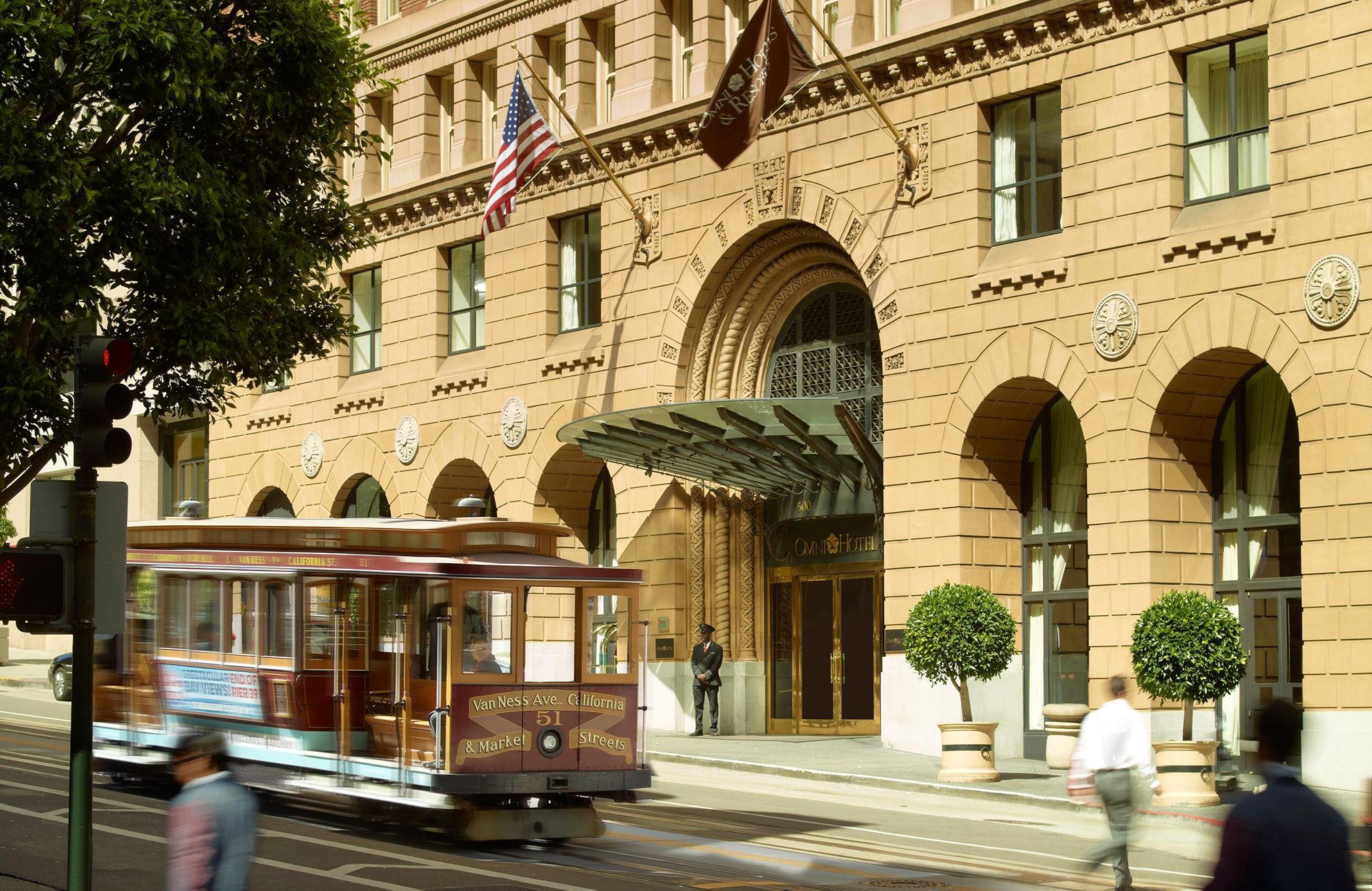
California Street and the Financial District Hotel Tier
San Francisco's Financial District has long operated as a two-tier hotel market. The upper bracket is held by the Four Seasons properties and a handful of independents with deep renovation histories and loyalty-program use. Below that sits a secondary tier of full-service hotels in historic buildings, where the architecture does significant work and the room product tends to be more uneven. The Omni San Francisco Hotel, at 500 California St, occupies this second bracket: a 1926 structure with a lobby that reads period-correct in ways that newer builds cannot replicate, and a location that puts the cable car turnaround, the Embarcadero waterfront, and the edges of Chinatown all within a reasonable walk.
The comparison set for this property is not the Four Seasons Hotel San Francisco at Embarcadero or the Four Seasons Hotel San Francisco, which operate in a different price and expectation tier. The Omni competes more directly with full-service historic properties like the Fairmont San Francisco on Nob Hill, where building pedigree and central location are the primary selling points. The difference is neighbourhood character: the Fairmont sits above the city on a hill with cable car adjacency and panoramic positioning, while the Omni is embedded in the flatlands of the Financial District, closer to the working pulse of the city than to its postcard version.
What the Room Experience Actually Delivers
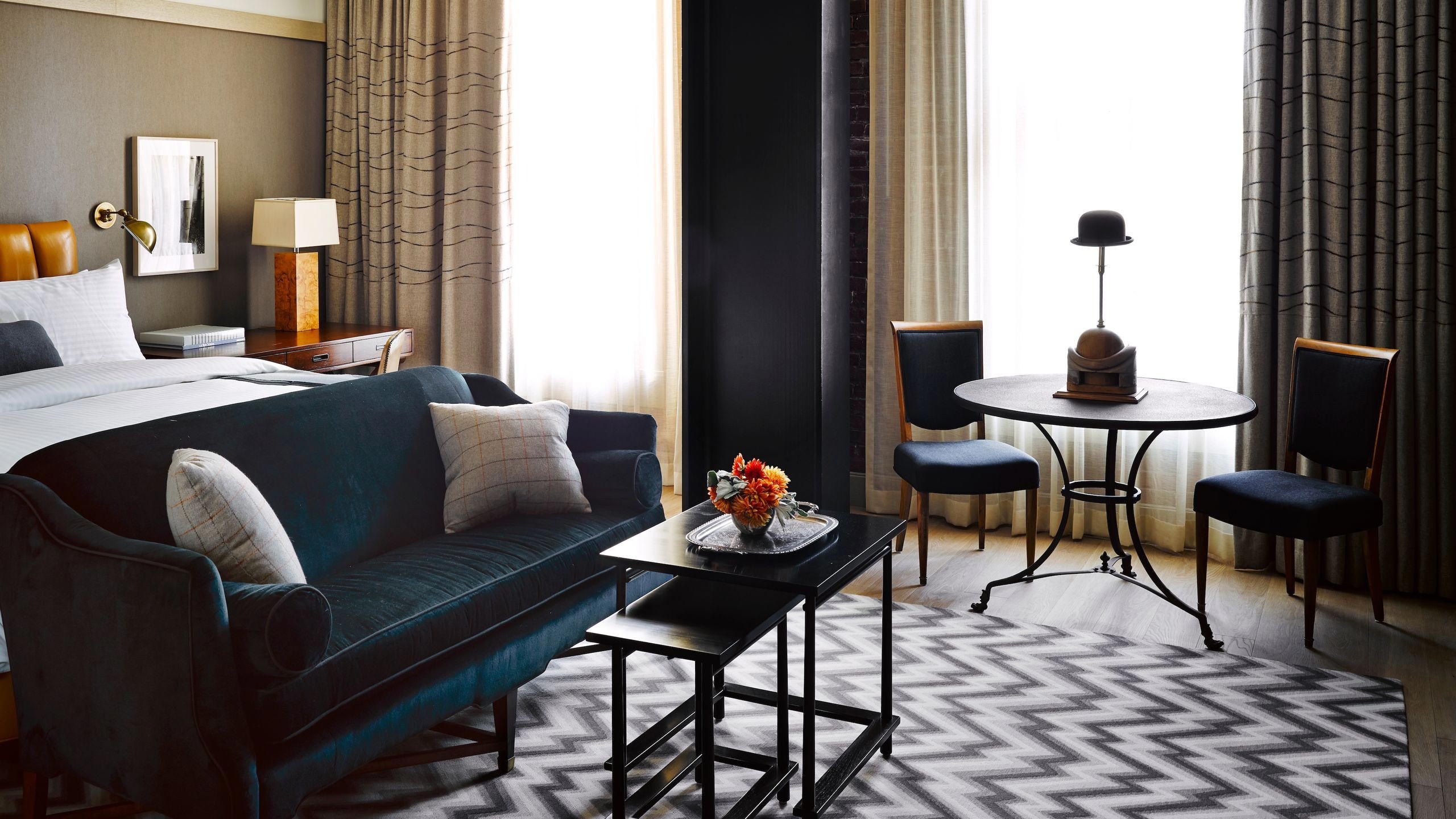
Historic-building hotels in American cities tend to present a specific challenge: the bones are often good, the common areas photograph well, and the guest rooms carry the weight of original floor plates that were not designed for the dimensions of a modern hotel stay. Room configurations in buildings of this era typically favor narrower footprints and higher ceilings, which produces a particular vertical quality that contemporary builds rarely achieve, but can complicate the layout of bathrooms and storage.
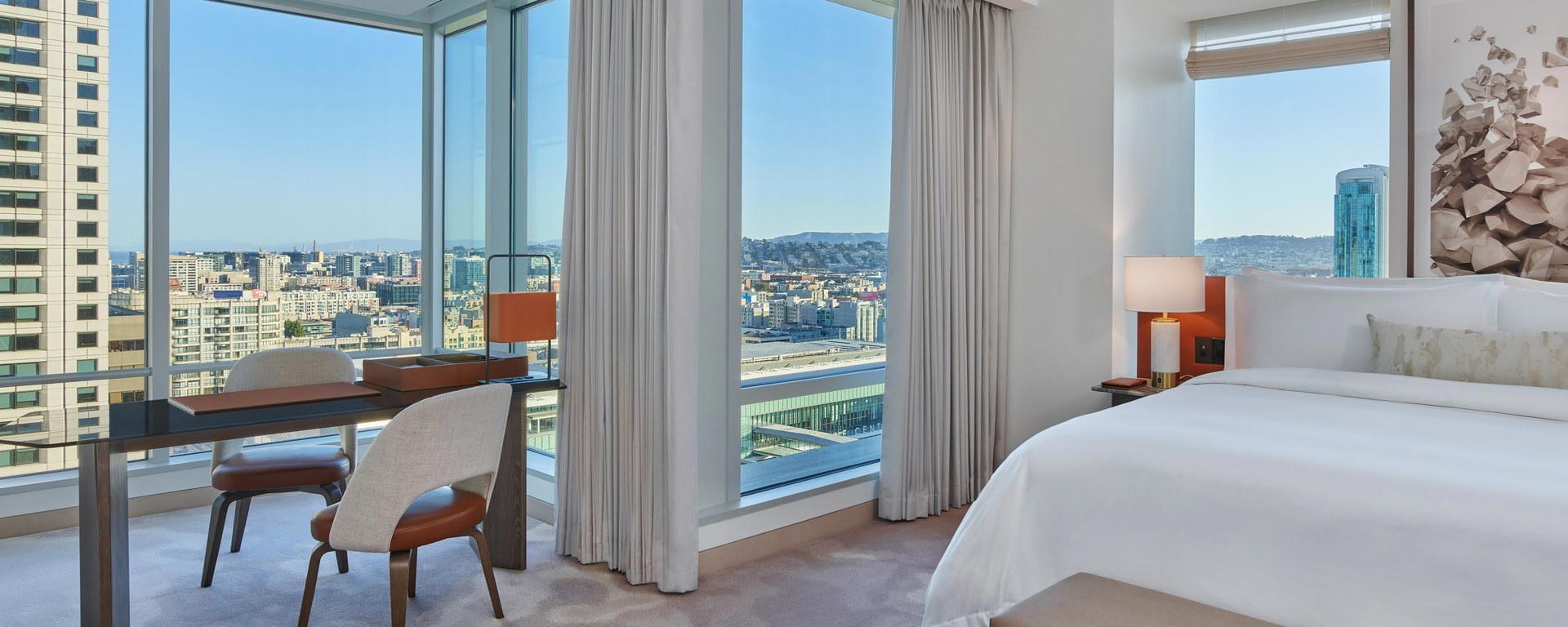
For guests orienting their stay around the room itself rather than using it purely as a base, the key question at any property of this type is which room category absorbs the renovation investment. In historic properties, corner rooms and higher floors tend to benefit most from upgrade cycles, both in terms of light and in the reconfiguration options that corner plates allow. The downtown San Francisco market has a comparatively compressed weekend leisure segment and a more sustained midweek business demand, which means room-rate differentials between weekday and weekend stays are often more pronounced here than in leisure-oriented districts.
Travelers who prioritize room scale and design investment as primary criteria have alternatives in San Francisco that are worth weighing. The Hotel Drisco in Pacific Heights operates at a smaller key count with a more residential character, and the The Battery offers a members-club format that produces a different kind of in-room experience. The 1 Hotel San Francisco and Hotel Adagio, Autograph Collection represent design-forward alternatives with different neighbourhood positioning. For stays where the room product itself is the primary variable, these comparisons are worth making before committing to a Financial District address.
Location as the Actual Argument
The Omni's address at 500 California St is, in practical terms, the property's clearest advantage. California Street is a working corridor in the Financial District, which means the surrounding infrastructure, transit access, and proximity to the Embarcadero are all genuine assets rather than aspirational marketing. The Powell-Hyde and Powell-Mason cable car lines are reachable on foot, and the city's main BART corridor runs beneath Market Street, a short walk south. For guests arriving at SFO, BART provides a direct connection to the Financial District without requiring a taxi or rideshare, which at peak periods represents a meaningful time saving.
The Embarcadero waterfront and the Ferry Building, which functions as both a transit hub and one of the city's better food markets, are within reasonable walking distance. Chinatown's Grant Avenue edge begins a few blocks north. For guests building an itinerary around San Francisco's dining scene, the Financial District location provides direct access to a wide range of the city's restaurant neighborhoods without requiring a car.
Positioning Against the Broader Market
Within the American full-service hotel market, the Omni brand occupies a position that is recognizably consistent across its urban properties: historic or architecturally significant buildings in downtown addresses, operated with a national infrastructure that supports loyalty programs and corporate travel. This is a different value proposition from the design independents, from the ultra-luxury tier represented by properties like Aman New York in New York City or Raffles Boston in Boston, and from the resort-anchored experiences offered by properties like Post Ranch Inn in Big Sur or Auberge du Soleil in Napa. The Omni San Francisco is a city-center full-service hotel with a heritage building, not a design statement or a luxury resort, and guests who approach it with those expectations tend to find it the coherent.
Travelers with a strong preference for property-as-destination might find more to engage with at Amangiri in Canyon Point, Kona Village, A Rosewood Resort in Kailua Kona, or Little Palm Island Resort & Spa in Little Torch Key. The Omni model is built for a different traveler: one whose destination is San Francisco itself, and who needs a well-located, full-service base from which to operate.
Planning Your Stay
The Financial District's demand pattern, driven substantially by conference and corporate travel, means that midweek occupancy tends to run high during business periods, and advance booking is advisable. Guests planning to use the property primarily as a base for exploring the city should factor in the cable car access point on California Street, which provides a direct route up to Nob Hill and across to Fisherman's Wharf without requiring additional transit planning. The Embarcadero BART station provides one direct connection from SFO for those arriving by rail.
Fast Comparison
Comparable venues nearby, for context on price, style, and recognition.
| Venue | Cuisine | Price | Awards | Notes |
|---|---|---|---|---|
| Omni San Francisco HotelThis venue — the venue you are viewing | Historic luxury urban hotel blending Renaissance Revival architecture with modern amenities. | $$$$ | 4-Star | Not listed |
| The Jay, Autograph Collection | Contemporary luxury boutique in a renovated brutalist landmark | $$$$ | 4-Star | Financial District |
| Axiom Hotel | Tech-savvy boutique in historic building with post-modern makeover. | $$$ | 4-Star | Union Square |
| Harbor Court Hotel | Historic waterfront boutique with contemporary renovation | $$$ | 4-Star | Embarcadero |
| Kimpton Alton Hotel - Fisherman's Wharf | Retro-chic boutique with bohemian-modernist hybrid style | $$$ | 4-Star | Fisherman's Wharf |
| W San Francisco | Modern luxury with lively, free-spirited design. | $$$$ | 4-Star | SoMa |
Continue exploring
More in San Francisco
Hotels in San Francisco
Browse all →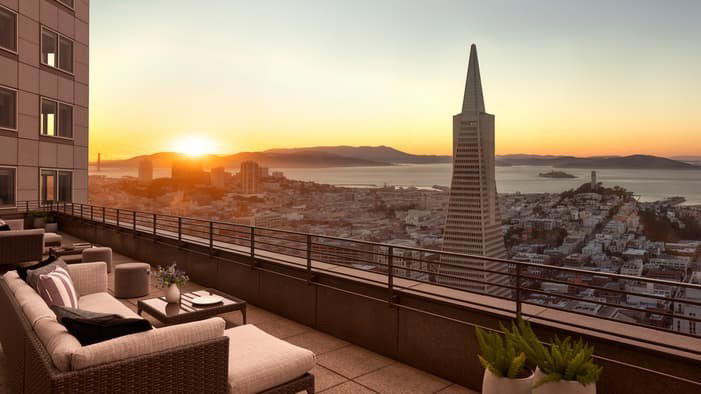
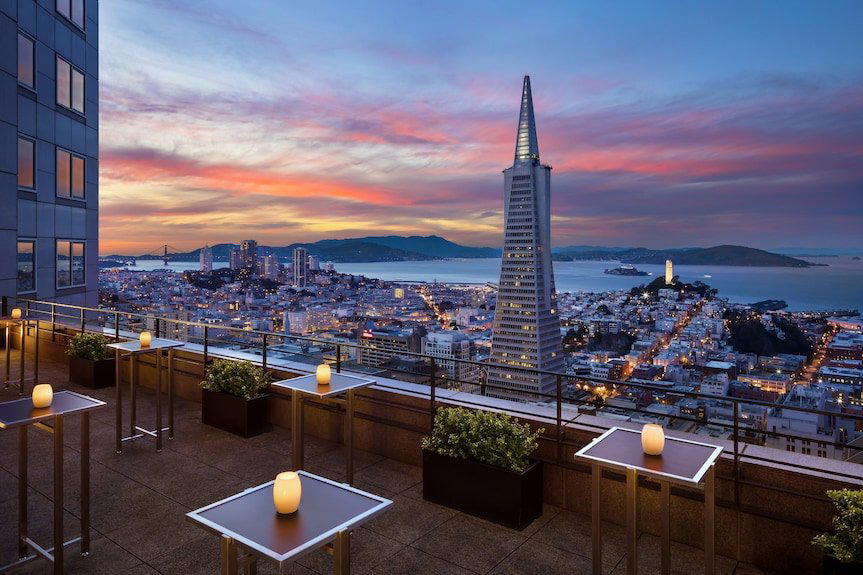
Bars in San Francisco
Browse all →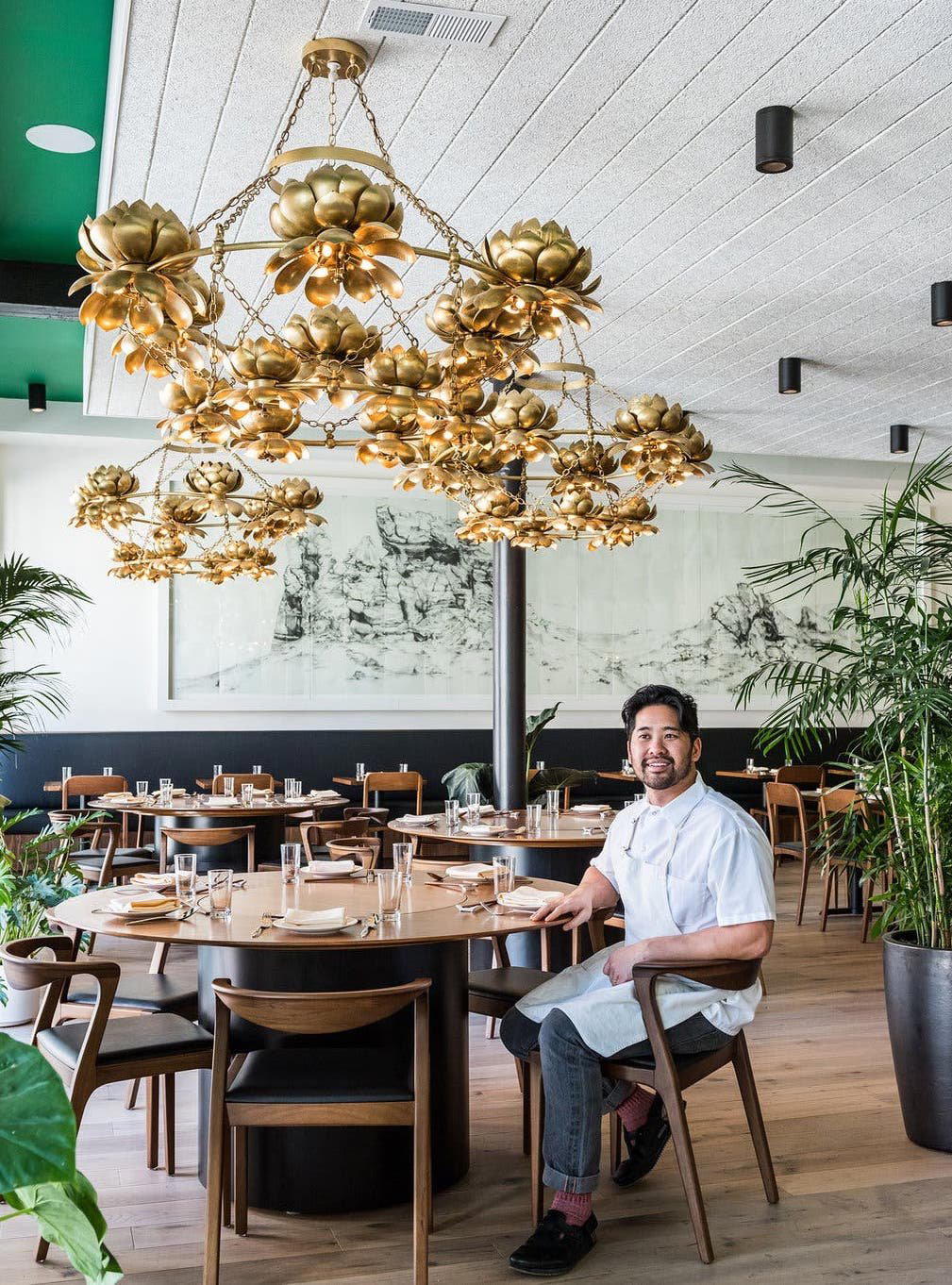
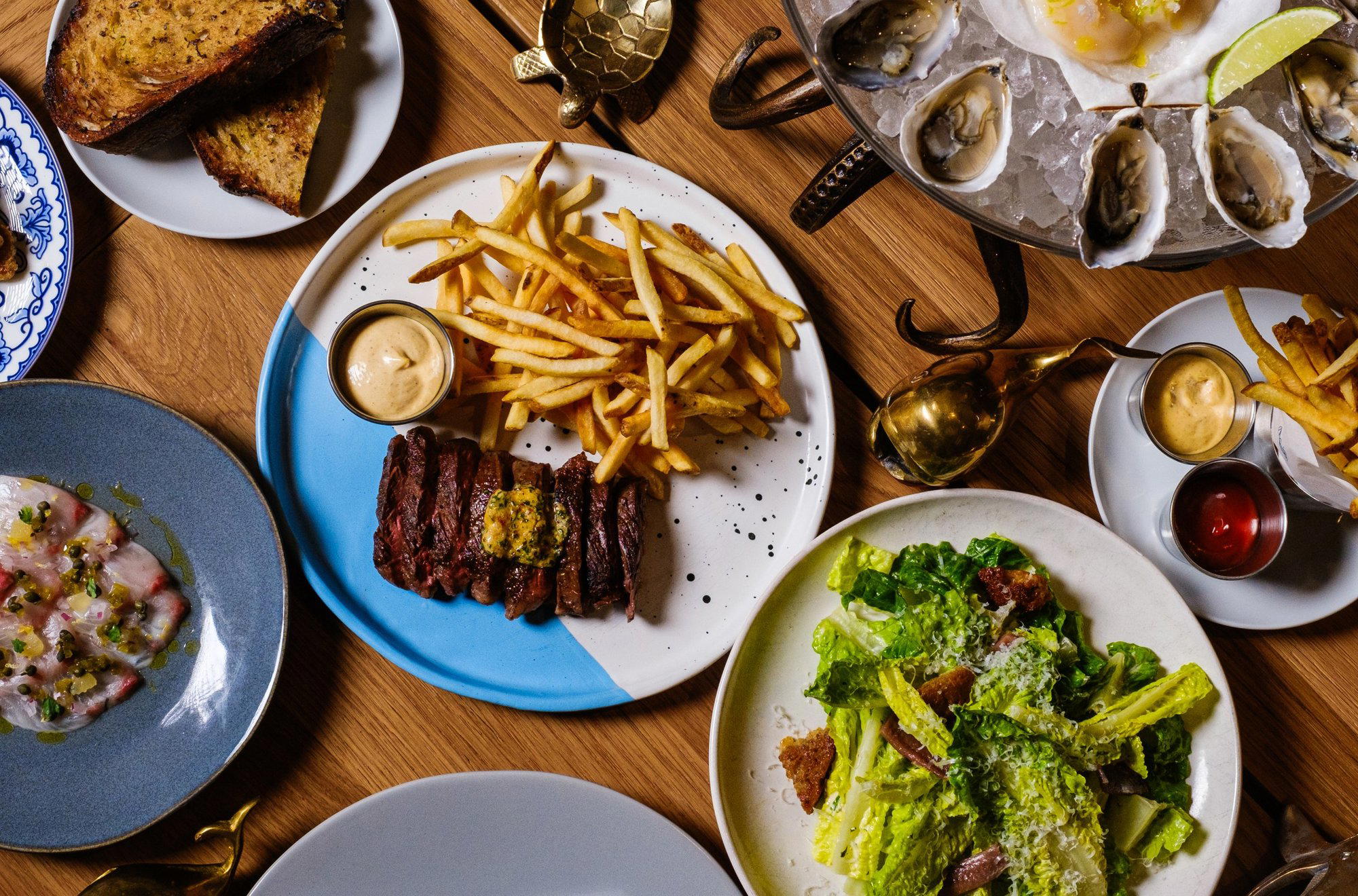
Restaurants in San Francisco
Browse all →
At a Glance
- Classic
- Elegant
- Sophisticated
- Business Trip
- Romantic Getaway
- Family Vacation
- Historic Building
- Terrace
- Wi Fi
- Fitness Center
- Room Service
- Concierge
- Business Center
- Valet Parking
- Street Scene
- Skyline
- Wi Fi
- Fitness Center
- Room Service
- Concierge
- Business Center
- Valet Parking
Grand lobby with Italian marble, rich fabrics, and crystal chandeliers creates a classic, elegant atmosphere blending historic grandeur with modern comfort.