Huvafen Fushi Maldives

Huvafen Fushi occupies a private island in North Male Atoll, roughly 30 minutes by speedboat from Velana International Airport. Against the North Male Atoll comparable set, it holds a distinct position through two features that few Maldivian properties can match: an underwater spa and an underground wine cellar. Dining takes place on sand, with the lagoon as the only view that matters.
Pearl is the En Primeur Club membership app — saves, bookings, and concierge access live there. Same editors, same standards.
- Address
- Nakachchafushi North Malé Atoll, 08390
- Phone
- +960 664-4222
- Website
- huvafenfushi.com
- Directions
- Get directions
 Saves & bookings on Pearl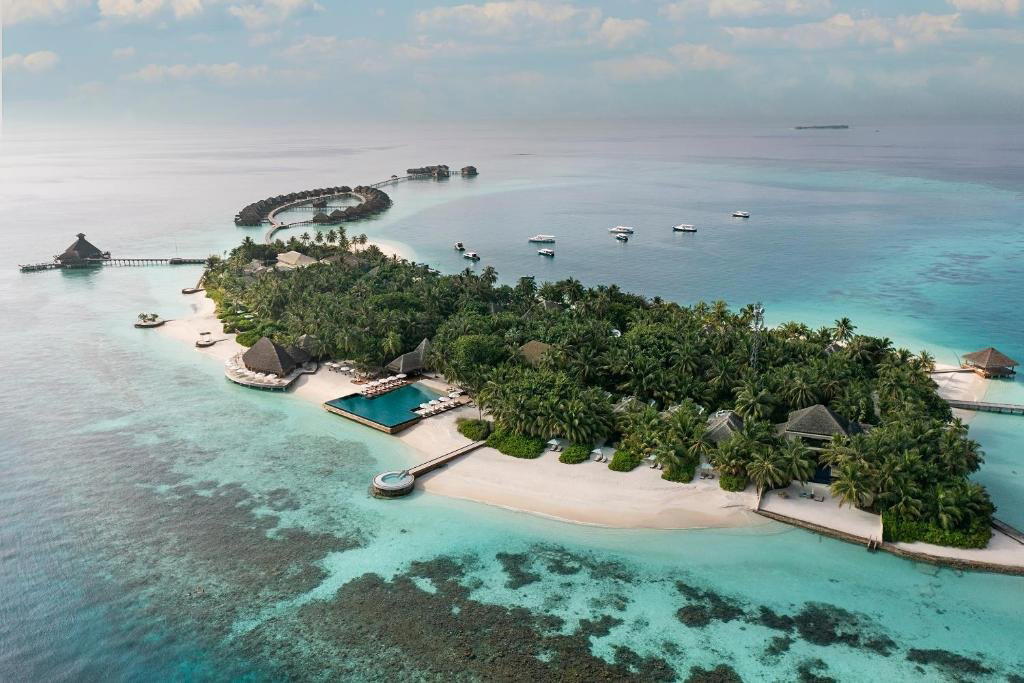
What the Address Actually Delivers
North Male Atoll concentrates a significant portion of the Maldives' most-referenced luxury properties within speedboat range of Velana International Airport. Banyan Tree Vabbinfaru, Four Seasons Resort Maldives at Kuda Huraa, One&Only Reethi Rah, Taj Coral Reef Resort & Spa Maldives, and The Ritz-Carlton Maldives, Fari Islands all operate in this corridor, competing for the same set of travellers who want atoll seclusion without a domestic flight or seaplane connection. Huvafen Fushi sits on Nakachchafushi island within that competitive cluster, accessible in around 30 minutes by speedboat from the airport. That transfer time is not incidental, it shapes the guest profile. Travellers willing to spend longer in transit often choose further atolls for a sense of greater remove; those who want immediate arrival with minimal disruption to their schedule cluster around North Male, and Huvafen Fushi competes directly for that group.
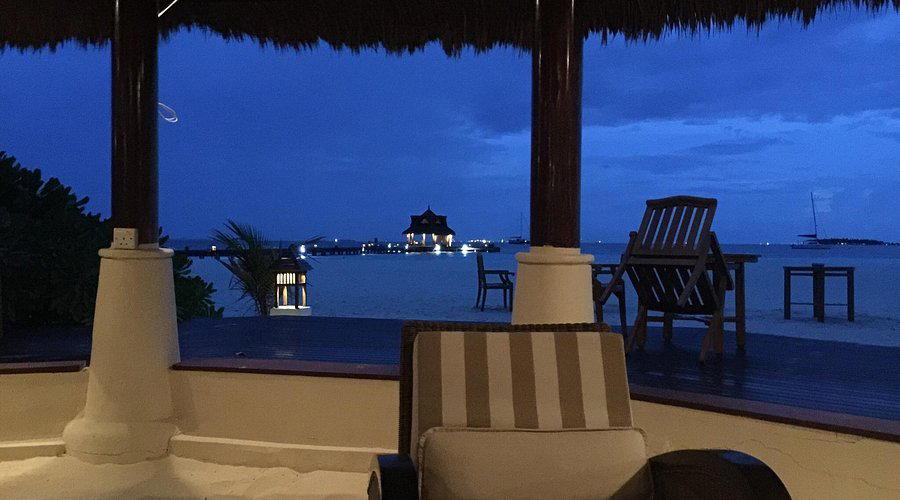
The island itself is small enough that ocean is always visible. There is no interior of the resort that feels distant from the water; the lagoon and the sea horizon form the constant backdrop regardless of where you are on the property. That geographic fact is the organizing principle of the entire experience here, from the placement of dining to the location of the spa.
Two Features That Define the Property's Position
Within the North Male Atoll tier, Huvafen Fushi occupies a specific niche defined by two infrastructure decisions that date to the property's early years and have remained central to its identity. The first is its underwater spa, which the property has long cited as the first of its kind in the Maldives. Spa treatments conducted below the waterline, with coral and marine life visible through the glass, represent a format that other properties in the atoll have not replicated at the same level. The second is an underground wine cellar, a feature that positions the property toward guests who treat the wine list as a serious part of their stay rather than an afterthought. In a category where many Maldivian resorts treat beverage programming as a secondary consideration, a dedicated underground cellar signals a different set of priorities.
Together, these two features account for a meaningful share of the property's competitive differentiation. Properties like Grand Park Kodhipparu, Maldives and Jumeirah Maldives Olhahali Island compete in the same atoll but with different anchor experiences. Huvafen Fushi's particular combination of spa format and wine programming places it in a narrower bracket, appealing to guests whose priorities extend beyond overwater bungalow aesthetics alone. For broader context on the North Male Atoll dining and hospitality scene, our full North Male Atoll guide covers the range of properties operating in this corridor.
Dining With Sand Underfoot
The dining format at Huvafen Fushi follows an approach common to the higher end of Maldivian resort hospitality: meals take place with the immediate physical environment as a primary element of the experience. Sand underfoot, the lagoon at close range, and open sky overhead are structural features of how the property frames its food and beverage offering rather than decorative additions. This is a different proposition from rooftop or glass-enclosed dining at urban properties, the environment is doing active work in the experience, not simply providing a backdrop.
This positions Huvafen Fushi within a broader pattern in Maldivian luxury where the setting is often the point of the meal. Across atolls, properties like Soneva Fushi in Eydhafushi, Soneva Jani in Noonu Atoll, and Soneva Secret in Haa Dhaalu Atoll have each developed their own approach to this format, typically emphasizing open-air or treehouse-style arrangements. Huvafen Fushi's version keeps the lagoon close and the format grounded rather than refined, which produces a different sensory register.
How It Sits Against the Wider Maldives Field
Maldives luxury has stratified considerably over the past decade. At the upper end of the market, properties compete on a combination of villa design, transfer exclusivity, underwater infrastructure, and food and beverage programming depth. Niyama Private Islands Maldives in Kudahuvadhoo, Amilla Maldives in Baa Atoll, and Patina Maldives, Fari Islands each represent a version of this stratified offer with different emphasis. Further into design-led or value-led territory, properties like Angsana Velavaru in Velavaru, Baglioni Maldives Luxury All-Inclusive in Dhaalu Atoll, and Coco Bodu Hithi in Bodu Hithi occupy different rungs.
Huvafen Fushi's position in that field is defined less by scale, the island is not the largest private island property in the archipelago, and more by the specificity of its infrastructure. The underwater spa format and the wine cellar require genuine capital investment and operational commitment; they are not features that appear across the category at the same level. Properties such as COMO Cocoa Island, Maldives in Makunufushi, COMO Maalifushi in Guraidhoo, and Conrad Maldives Rangali Island in South Ari Atoll have their own anchor features, but the specific pairing of underwater wellness and serious wine storage distinguishes Huvafen Fushi's brief within the broader category. Constance Halaveli Maldives in Alifu Alifu Atoll similarly competes on infrastructure quality, though with a different competitive emphasis. For guests comparing urban luxury before or after a Maldives leg, reference points like Aman New York, The Fifth Avenue Hotel in New York City, or Aman Venice illustrate how island-format luxury requires a fundamentally different decision framework.
Planning a Stay
The speedboat transfer from Velana International Airport takes approximately 30 minutes, making Huvafen Fushi among the more accessible private island properties in the Maldives without a seaplane connection. That accessibility is a practical consideration for guests with tight connections or late-night arrivals, as seaplane transfers operate only during daylight hours and are weather-dependent. The property address is Nakachchafushi, North Male Atoll.
A Lean Comparison
Comparable venues nearby, for context on price, style, and recognition.
| Venue | Price | Notes |
|---|---|---|
| Huvafen Fushi MaldivesThis venue — the venue you are viewing | $$$$ | Not listed |
| Banyan Tree Vabbinfaru | $$$$ | Vabbinfaru Island, barefoot luxury beachfront villa resort |
| Taj Coral Reef Resort & Spa Maldives | $$$$ | North Male Atoll, Luxurious beach and overwater resort with modern Taj elegance |
| One&Only Reethi Rah, Maldives | $$$$ | North Male Atoll, All-villa luxury resort with heritage-inspired architecture emphasizing space, privacy, and tropical integration. |
| Four Seasons Resort Maldives at Kuda Huraa | $$$$ | North Male Atoll, Luxury island resort blending Maldivian village charm with contemporary five-star amenities, featuring overwater villas and a dedicated wellness island. |
| Jumeirah Maldives Olhahali Island | $$$$ | North Male Atoll, Contemporary Mediterranean luxury all-villa island resort |
Recognition history
Dated appearances from independent guides and award organizations, with the underlying list record or original source where available.
Mr & Mrs Smith Smith Seal of Approval
Mr & Mrs Smith
Small Luxury Hotels of the World Member
Small Luxury Hotels of the World
Continue exploring
More in North Male Atoll
Hotels in North Male Atoll
Browse all →
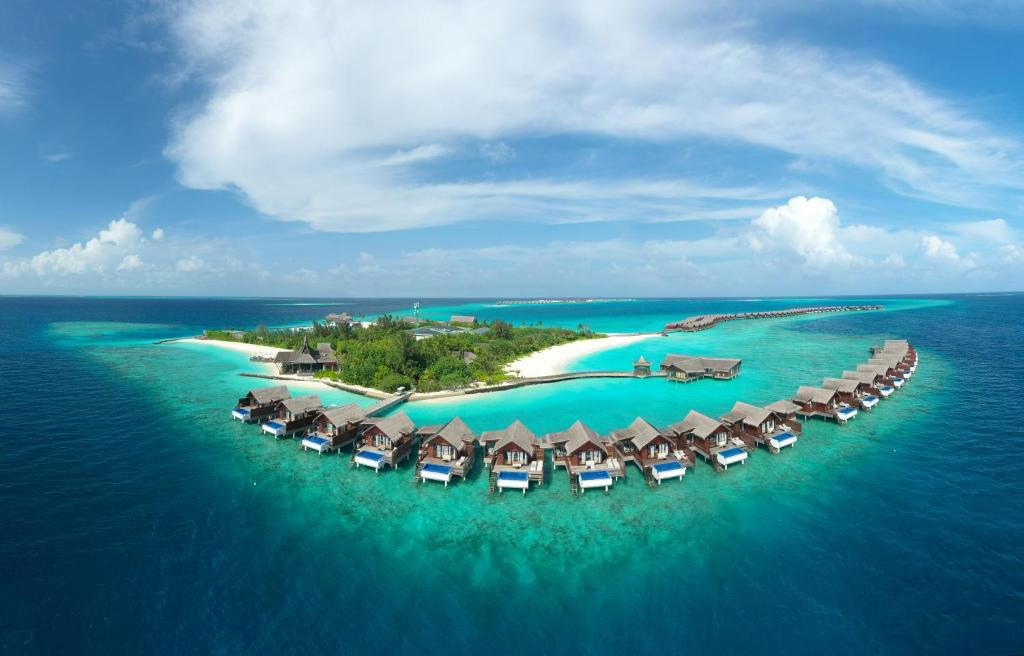
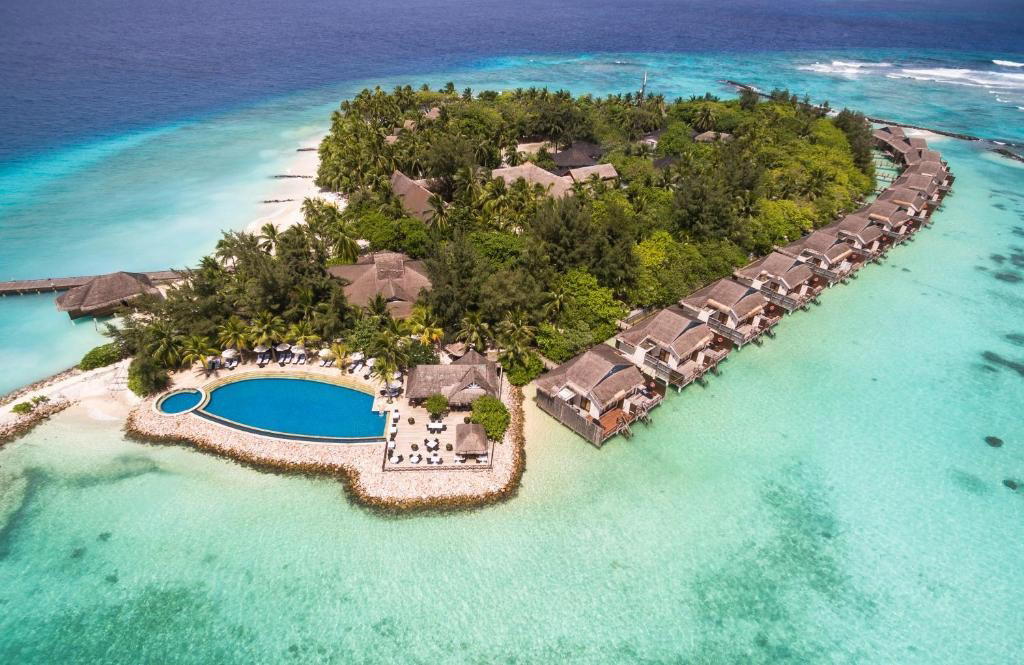
Bars in North Male Atoll
Browse all →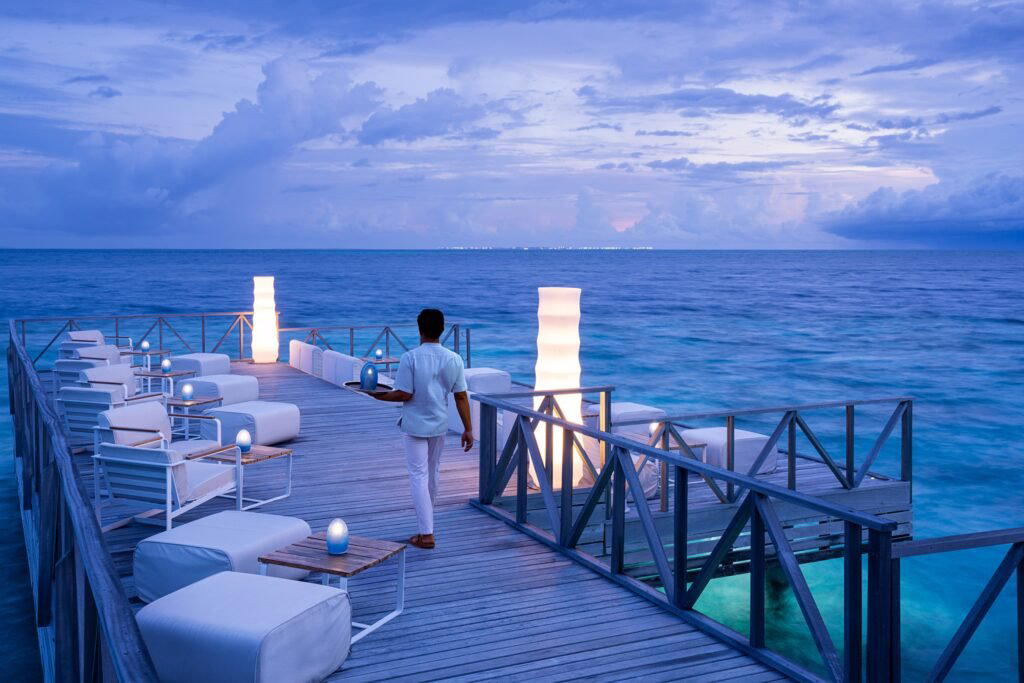
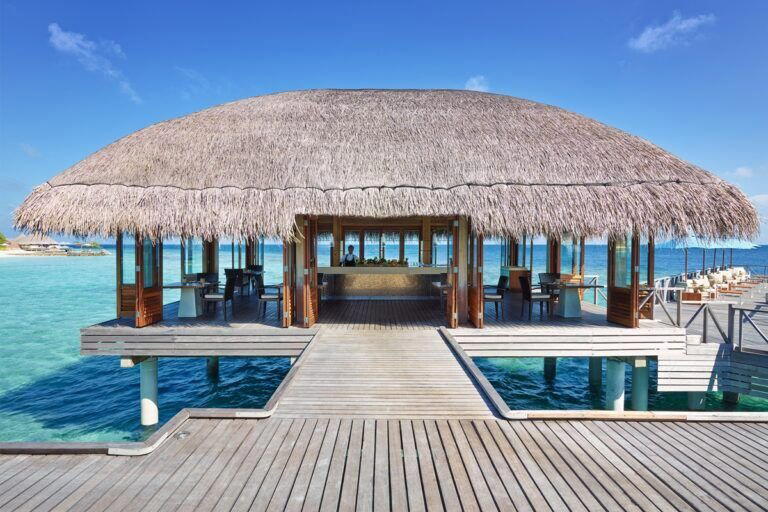
Restaurants in North Male Atoll
Browse all →
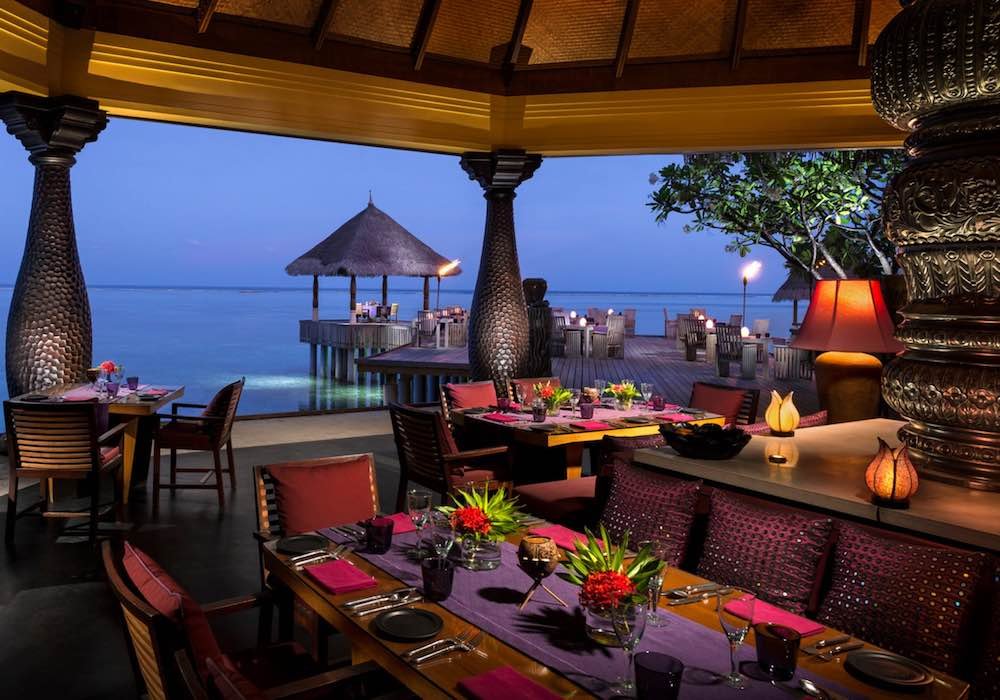
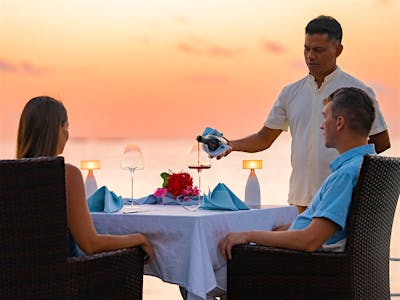
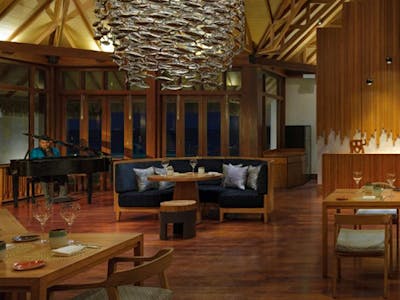
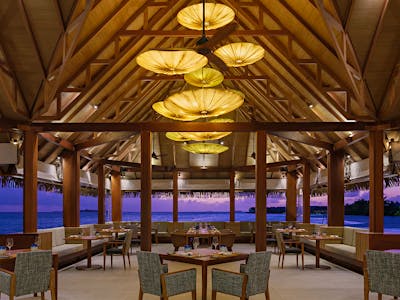
At a Glance
- Romantic
- Elegant
- Sophisticated
- Modern
- Intimate
- Ornate
- Honeymoon
- Romantic Getaway
- Wellness Retreat
- Anniversary
- Beachfront
- Infinity Pool
- Private Villa
- Destination Spa
- Panoramic View
- Wi Fi
- Pool
- Spa
- Fitness Center
- Room Service
- Concierge
- Business Center
- Beach Access
- Waterfront
- Wi Fi
- Pool
- Spa
- Fitness Center
- Room Service
- Concierge
- Business Center
- Beach Access
Tranquil and luxurious with serene ocean surroundings, modern minimalist design, and peaceful atmosphere praised in guest reviews.