
The 2025 World Travel Awards winner for Maldives' Leading Boutique Resort, Fushifaru Maldives sits in Lhaviyani Atoll as a counterpoint to the archipelago's larger, brand-heavy properties. Its low-key scale and design-led approach place it in a smaller comparable set defined by architectural restraint and house-reef access, rather than volume or spectacle.
Pearl is the En Primeur Club membership app — saves, bookings, and concierge access live there. Same editors, same standards.
- Address
- Lhaviyani Atoll, Fushifaru 07086, Maldives
- Website
- fushifaru.com
- Directions
- Get directions
 Saves & bookings on Pearl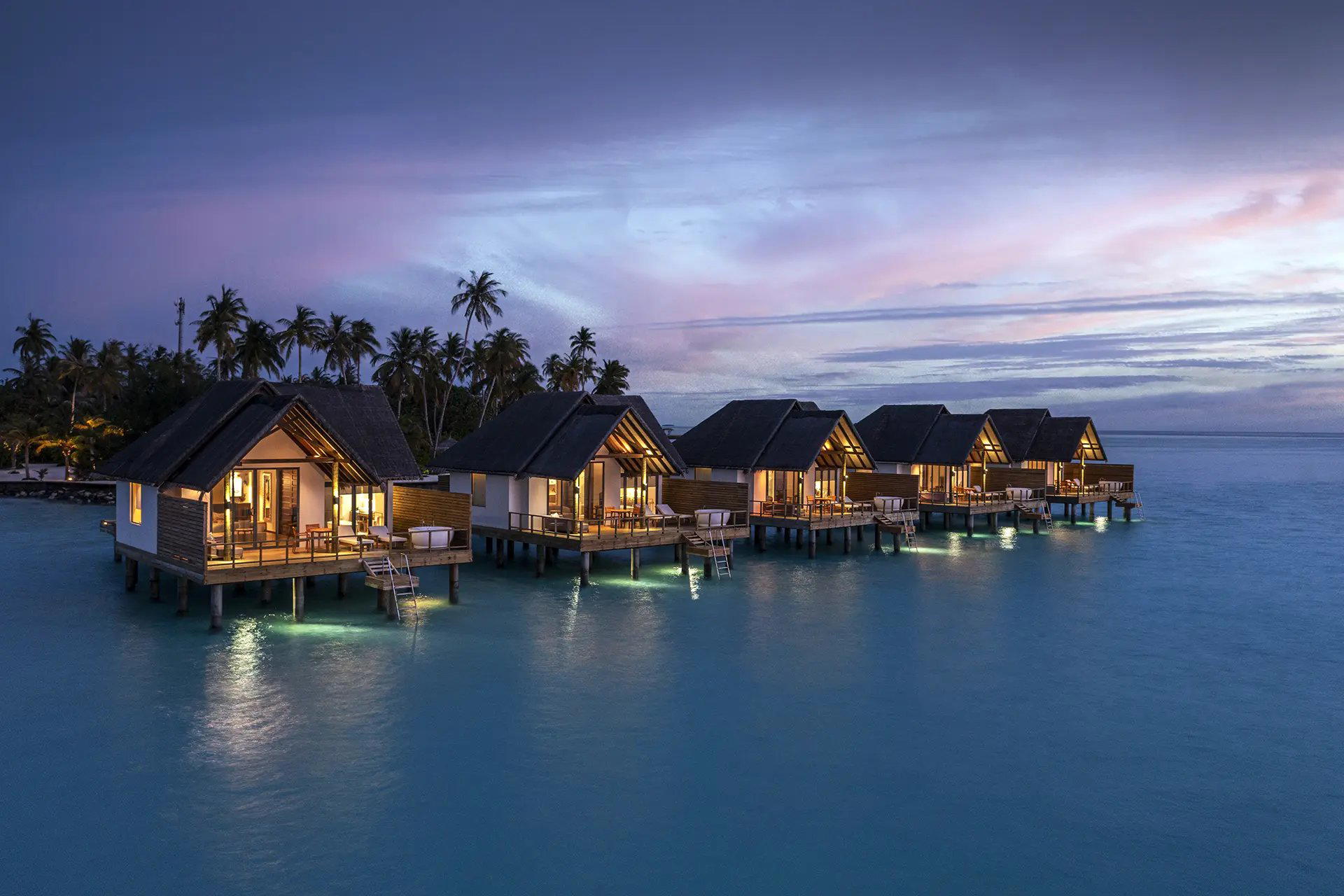
What Boutique Means in Lhaviyani Atoll
The Maldives luxury market divides more sharply than it appears from the outside. On one side sit the large-format, brand-managed mega-resorts with hundreds of villas, celebrity chef restaurants, and the kind of infrastructure that begins to feel like a small town. On the other side sits a tighter cohort of boutique properties where architectural identity, reef quality, and the texture of daily life on the island matter more than headline amenities. Fushifaru Maldives belongs firmly in the second category, and its 2025 World Travel Awards win for Maldives' Leading Boutique Resort confirms the position it now holds in that narrower competitive set.
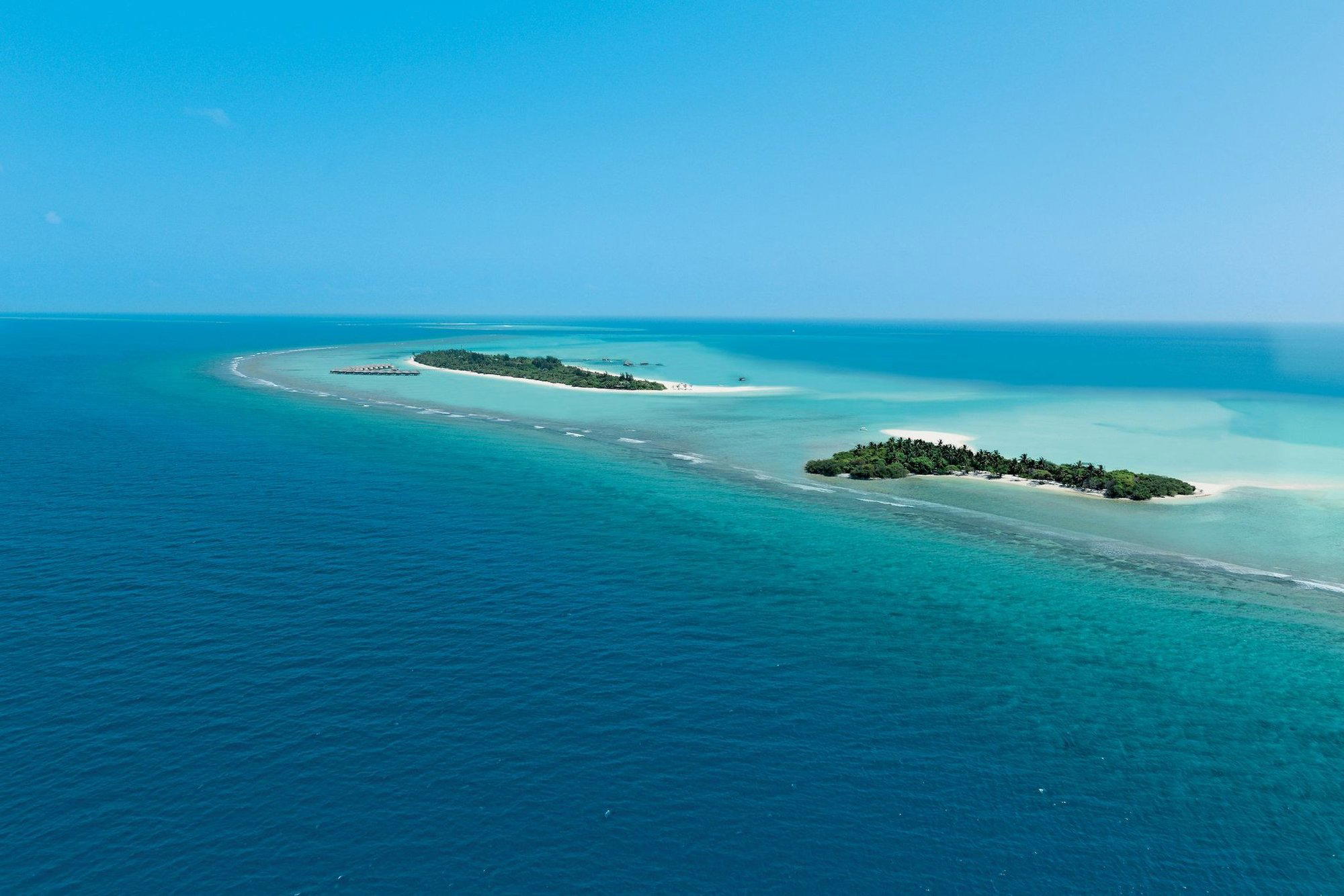
Lhaviyani Atoll, in the north of the Maldives chain, operates at a different frequency from the atolls clustered around Male. The seaplane transfer from Velana International Airport takes about 35 to 40 minutes, which places Fushifaru in the mid-range of Maldivian travel logistics: far enough to feel remote, close enough that the journey does not become the dominant memory of the trip. That positioning matters for the kind of guest the atoll attracts, experienced Indian Ocean travellers who have already done the accessible atolls and are looking for something with less resort-circuit traffic.
Architecture as Argument
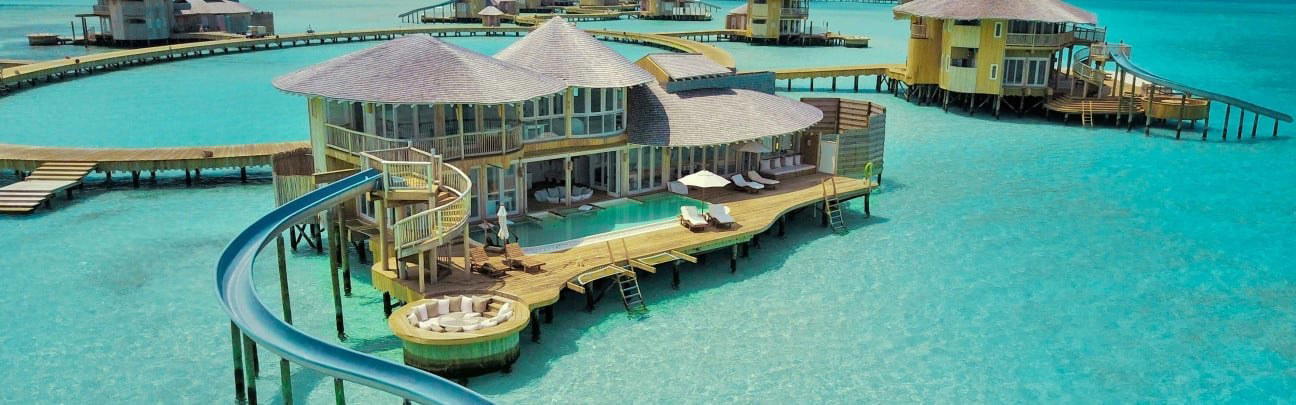
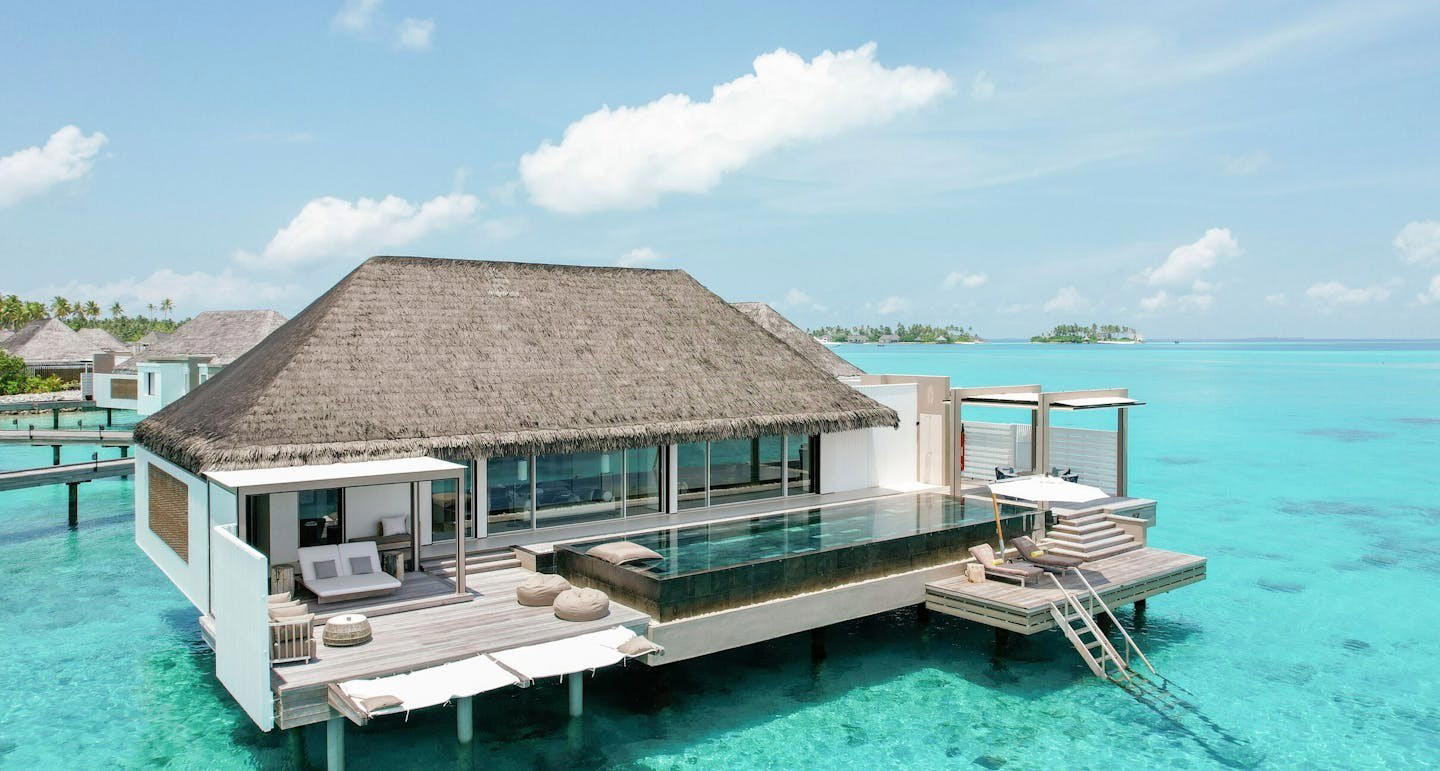
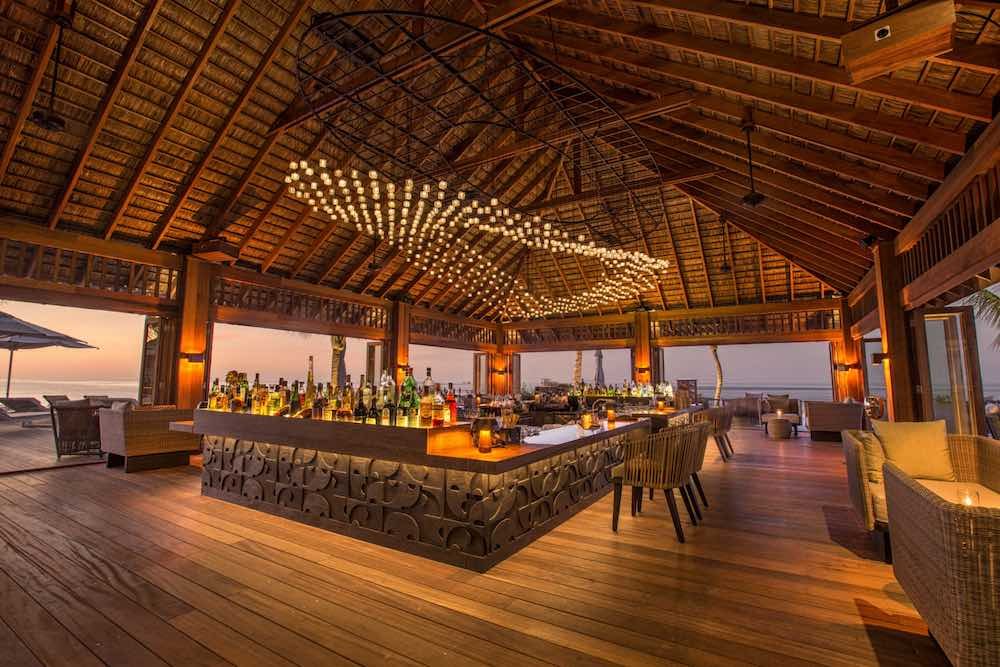
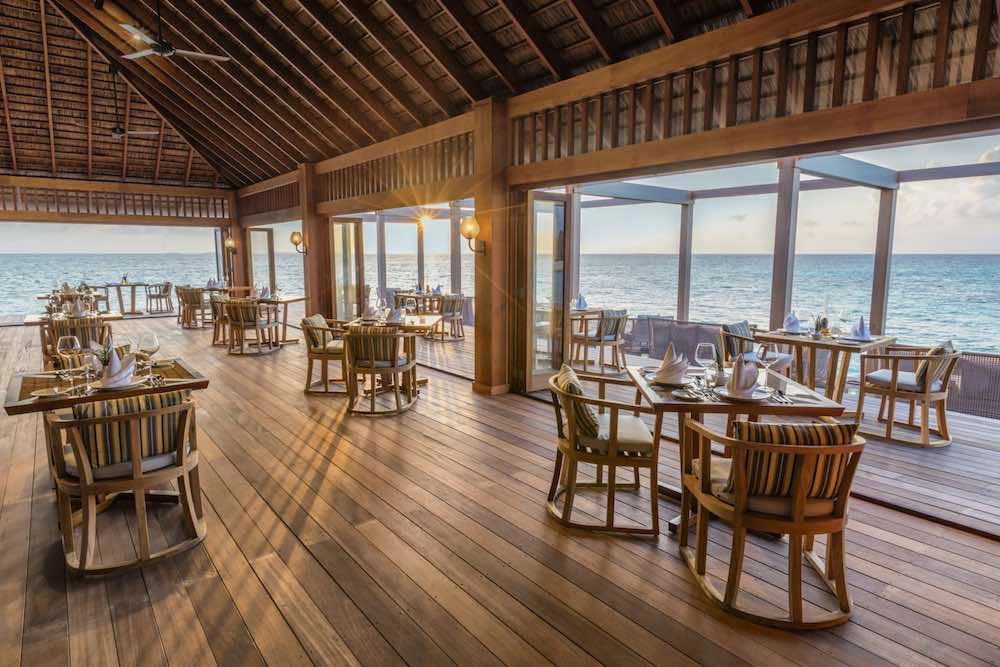
In the Maldives boutique tier, design is a primary differentiator. Properties in this segment compete less on branded restaurant programming or spa space and more on how the physical environment feels to inhabit across five or seven nights. The architecture at Fushifaru takes its cues from vernacular Maldivian building traditions: natural materials, structures that sit close to the water rather than imposing above it, and a palette calibrated to the surrounding reef rather than imported against it.
Overwater villas in the Maldives have become something close to a default expectation at the premium tier, but the quality of the overwater experience varies considerably across the market. The distinction between properties that feel genuinely connected to the lagoon below and those that simply suspend a luxury room above it is architectural, not just aesthetic. At Fushifaru, the villa positioning relative to the house reef and the atoll's central lagoon gives direct, unobstructed water access that is harder to achieve on larger islands where villa density and boat traffic compromise the quietude. This is the kind of detail that does not register in brochure photography but defines the lived experience of the stay.
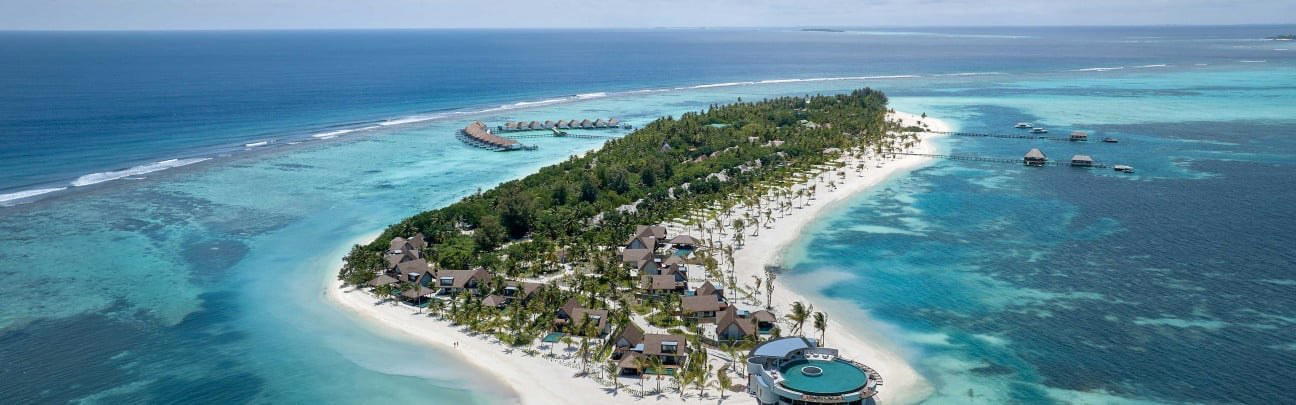
The island's scale reinforces the architectural logic. Boutique resort design only holds together when the physical footprint is small enough that the interiors and the natural environment remain in conversation. Once a property crosses a certain villa count, the island starts to feel managed rather than inhabited, and the design vocabulary can lose coherence. Fushifaru operates below that threshold, which helps the architectural restraint read as intentional rather than incidental.
Where Fushifaru Sits Against Its Peers
The Lhaviyani Atoll comparable set includes Hurawalhi Island Resort, a property that occupies a similar price band and atoll location but leans into an adults-only positioning with a different design register. Across the broader Maldivian market, Fushifaru competes with properties like Gili Lankanfushi Maldives and Coco Bodu Hithi in the sustainably-minded boutique bracket, and with Banyan Tree Vabbinfaru in the design-led, smaller-scale segment. Each of those properties has its own architectural identity and atoll character, and the choice between them is genuinely editorial rather than simply a matter of budget.
Further up the scale, properties like Soneva Fushi and Soneva Jani represent a different version of design-led luxury, one with significantly higher price points, larger villas, and a more maximalist take on barefoot-luxury architecture. Soneva Secret in Haa Dhaalu Atoll takes that model to an ultra-exclusive extreme. Fushifaru's positioning is deliberately more accessible within the boutique tier, which gives it relevance for a broader range of premium travellers without compromising the intimacy that defines the category.
Properties in the larger-format segment, such as Conrad Maldives Rangali Island, Baglioni Maldives Luxury All-Inclusive, and JW Marriott Maldives Kaafu Atoll, compete on a different axis entirely, one defined by programming breadth, multiple dining venues, and branded recognition. Fushifaru's World Travel Awards recognition specifically in the boutique category signals that it is not trying to win on that axis, and that clarity of positioning is commercially intelligent in a market where differentiation is harder than it looks.
The House Reef and Underwater Context
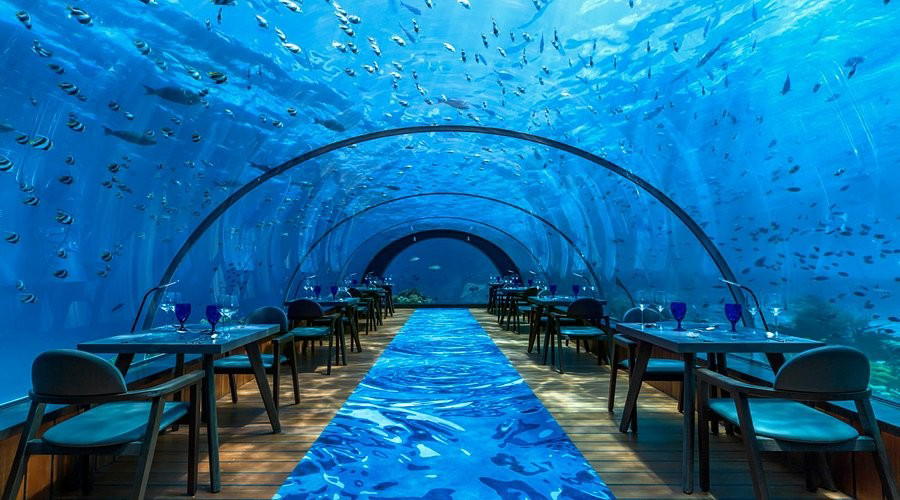
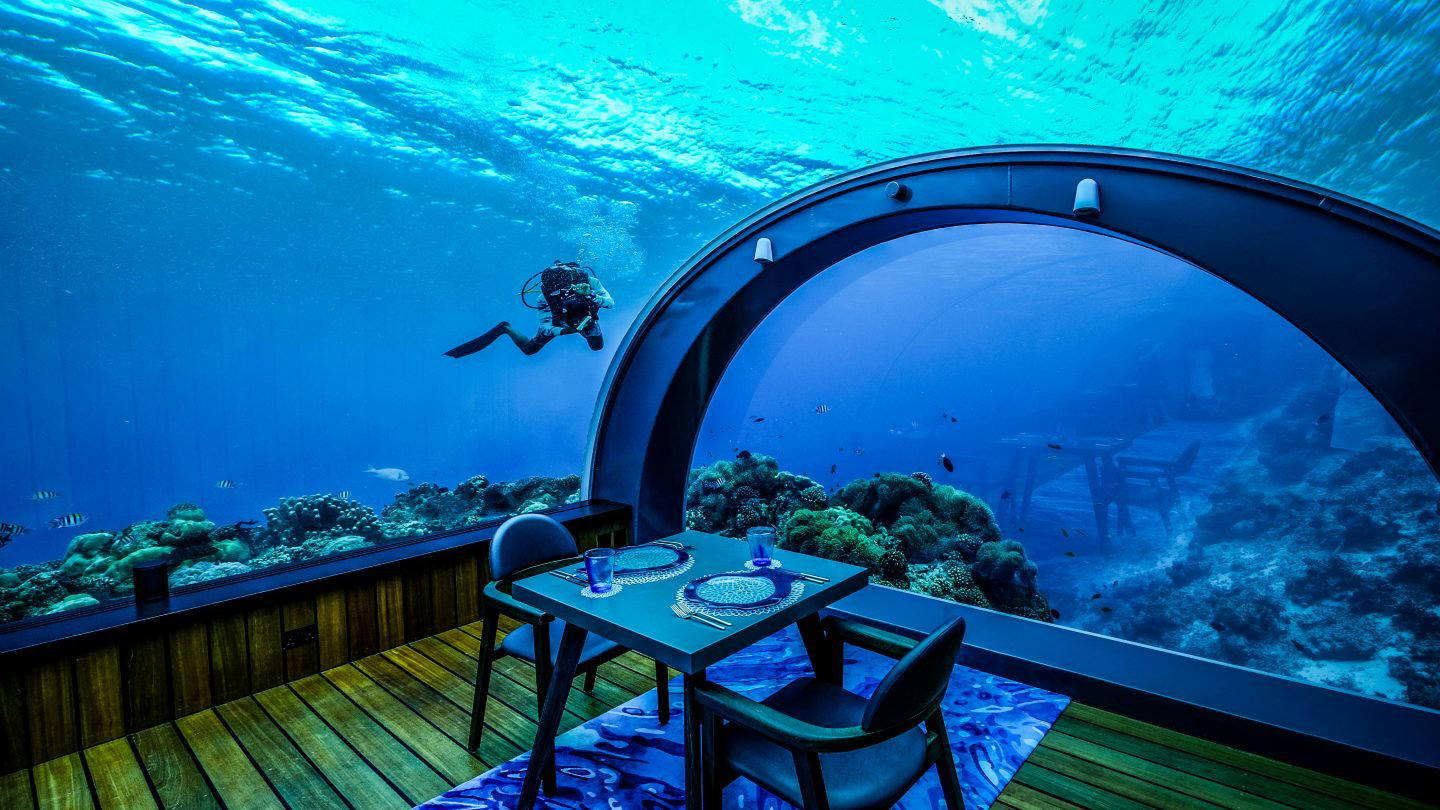
Lhaviyani Atoll has a reef system with consistent visibility and a strong profile for pelagic sightings. In atoll selection, the quality of the immediate house reef is often more determinative of daily satisfaction than the room category chosen. Guests who prioritise in-water time, snorkelling from the beach steps or shallow diving within swimming distance of the villas, will find Lhaviyani's northern atoll position favourable for both clarity and marine diversity, particularly in the November to April dry season when conditions are most reliable.
This matters architecturally as much as ecologically. Boutique properties in the Maldives that have meaningful house reef access can design their waterfront accordingly: villa decks oriented for sunrise snorkelling, steps that enter the reef at its most productive edge, lighting that does not disrupt the marine environment at night. Larger properties, by contrast, often have so much shoreline to manage that reef access becomes one amenity among many rather than the organising logic of the guest experience.
Planning Your Stay
Fushifaru Maldives is reached by seaplane from Velana International Airport, with flights operating during daylight hours only, a standard Maldivian constraint that affects arrival and departure scheduling and is worth factoring into connecting flight plans. The November to April window represents the dry season in Lhaviyani Atoll, with predictable weather and sea conditions. The shoulder months of May and October can offer lower occupancy and more relaxed pricing, but with higher humidity and occasional rougher days on the water.
For context on the broader Maldivian boutique market, the EP Club profiles on Amilla Maldives, Niyama Private Islands Maldives, COMO Maalifushi, and COMO Cocoa Island provide useful comparison points across atoll positions and design philosophies. Properties at the more accessible end of the Maldivian spectrum, including Angsana Velavaru, Mercure Maldives Kooddoo Resort, and Cora Cora Maldives, illustrate how wide the category spans in both price and experience format.
For those considering the Maldives alongside other Indian Ocean or international luxury stays, EP Club also covers Huvafen Fushi, Constance Halaveli Maldives, JA Manafaru, and Naladhu Private Island Maldives, as well as urban luxury benchmarks such as Aman New York, The Fifth Avenue Hotel, and Aman Venice, for readers building a broader travel plan.
A Quick Peer Check
Comparable venues nearby, for context on price, style, and recognition.
| Venue | Cuisine | Price | Awards | Notes |
|---|---|---|---|---|
| Fushifaru MaldivesThis venue — the venue you are viewing | Boutique luxury resort with personalized island host butler service | $$$$ | 5-Star | Not listed |
| Angsana Velavaru | Luxury beachfront and overwater resort with private pool villas | $$$$ | 5-Star | Velavaru |
| Patina Maldives, Fari Islands | Contemporary biophilic luxury resort | $$$$ | 5-Star | Fari Islands |
| Finolhu, A Seaside Collection Resort | Eco-certified luxury beach and overwater resort | $$$$ | 5-Star | Baa Atoll |
| Heritance Aarah | Sustainable luxury resort blending modern comfort with traditional Maldivian architecture on a private island. | $$$$ | 5-Star | Raa Atoll |
| COMO Maalifushi | Barefoot chic luxury resort with eco-friendly understated elegance. | $$$$ | 5-Star | Thaa Atoll |
Recognition history
Dated appearances from independent guides and award organizations, with the underlying list record or original source where available.
World Travel Awards
World Travel Awards
At a Glance
- Romantic
- Quiet
- Elegant
- Intimate
- Scenic
- Sophisticated
- Ornate
- Honeymoon
- Romantic Getaway
- Family Vacation
- Wellness Retreat
- Anniversary
- Beachfront
- Private Villa
- Infinity Pool
- Panoramic View
- Private Dining
- Wi Fi
- Pool
- Spa
- Fitness Center
- Room Service
- Concierge
- Kids Club
- Beach Access
- Private Beach
- Outdoor Pool
- Indoor Pool
- Waterfront
- Wi Fi
- Pool
- Spa
- Fitness Center
- Room Service
- Concierge
- Kids Club
- Beach Access
- Private Beach
- Outdoor Pool
- Indoor Pool
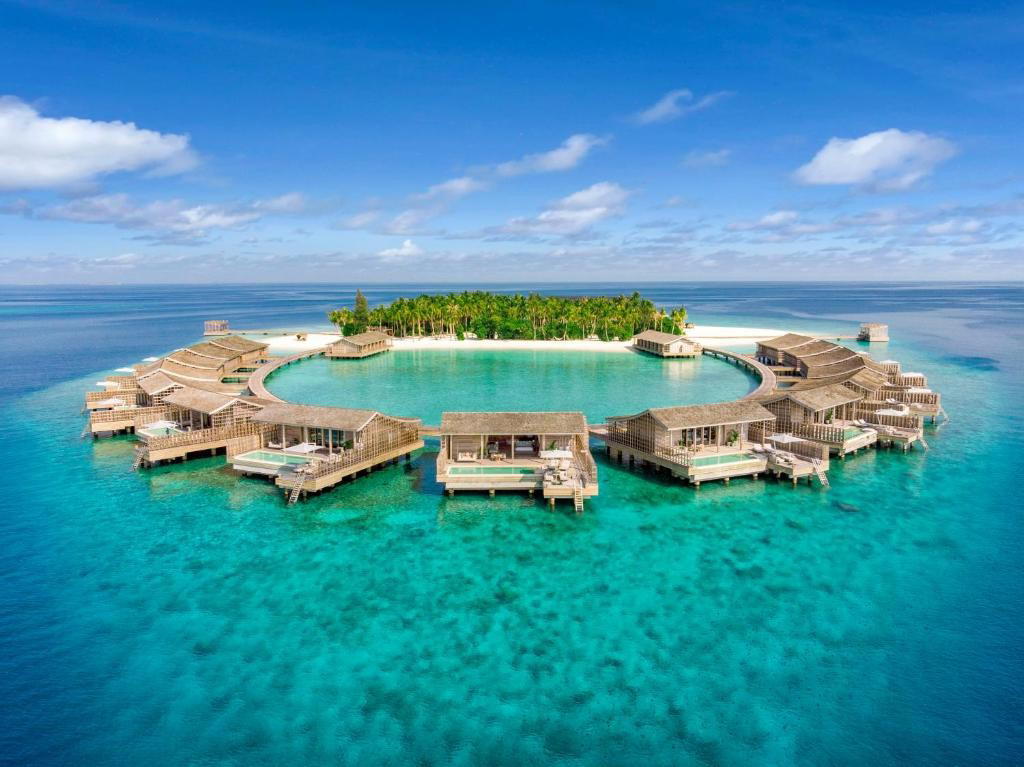
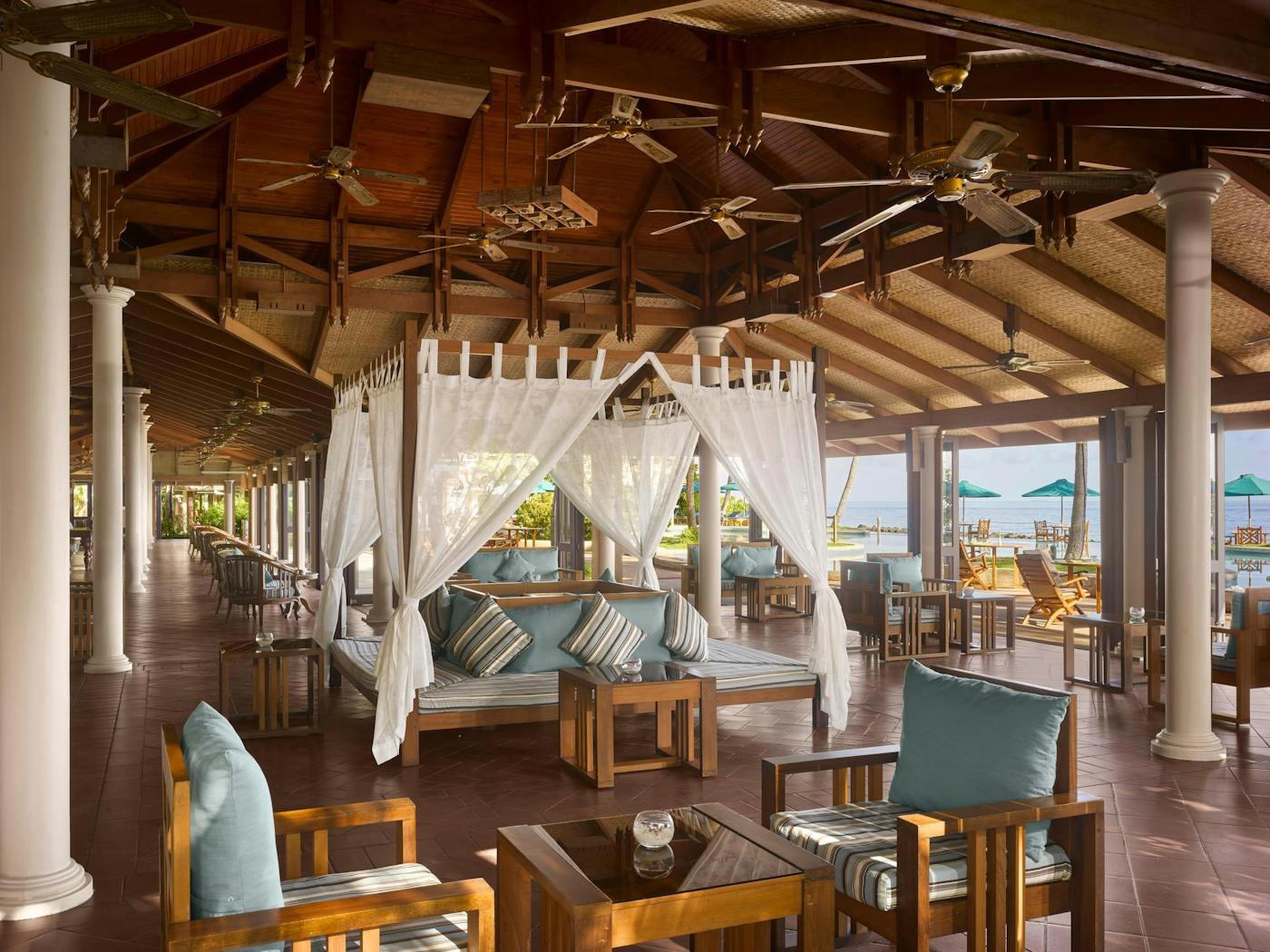
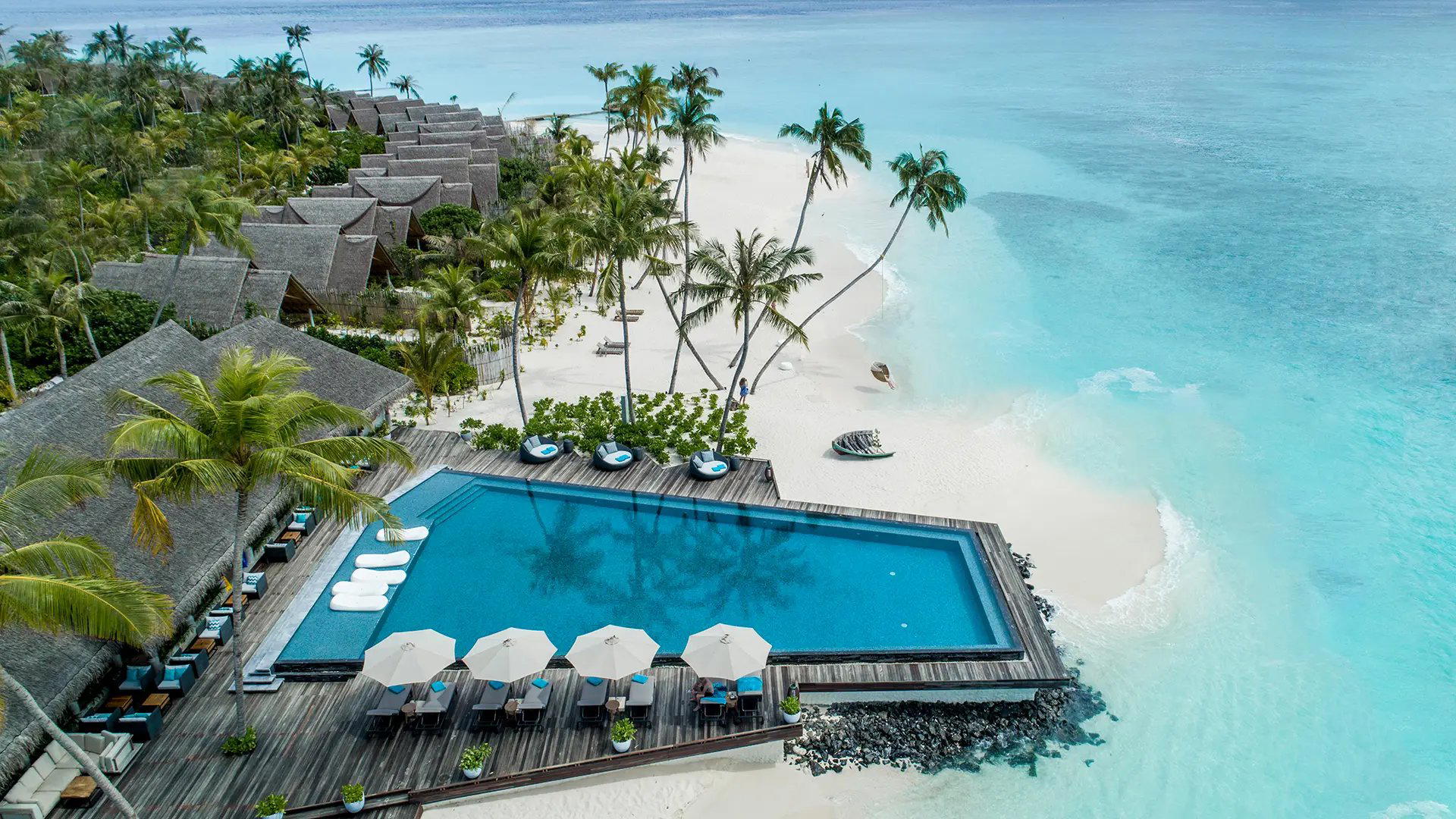
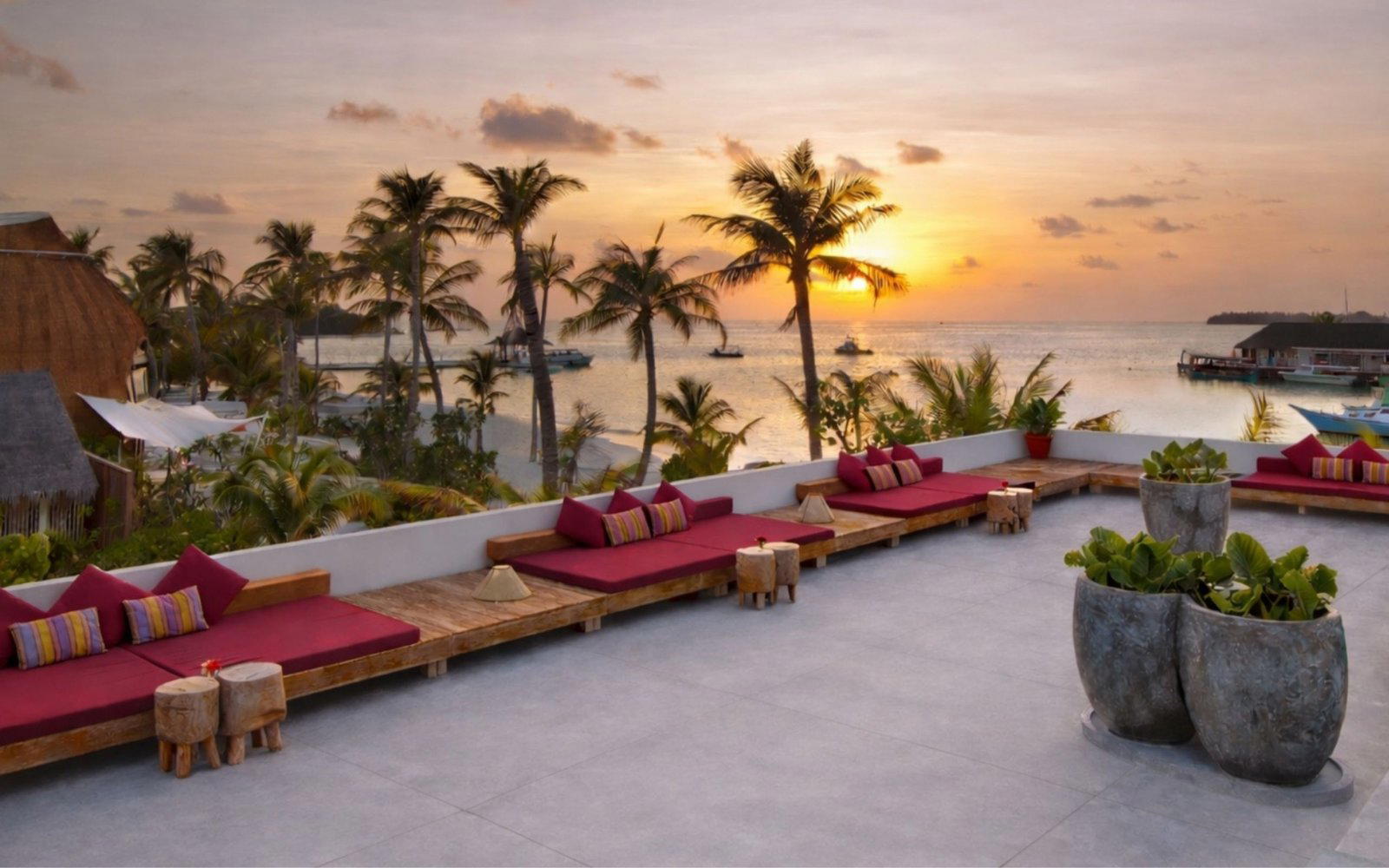
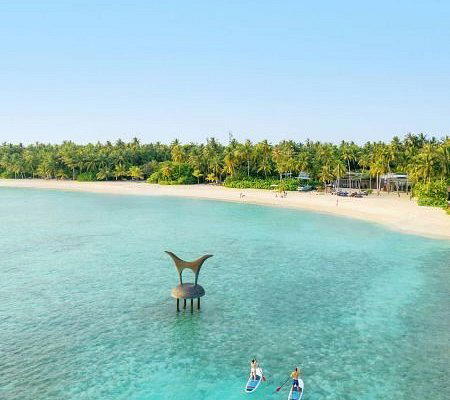
Tranquil and relaxing with natural lighting, pristine white sandy beaches, crystal-clear turquoise waters, and an intimate uncrowded atmosphere fostering peace and privacy as described in guest reviews.