Niyama Private Islands Maldives

Spread across two private islands in Dhaalu Atoll, Niyama Private Islands Maldives earned 92.5 points in the La Liste Top Hotels 2026 ranking, placing it among a select tier of Indian Ocean properties where the dining programme carries as much weight as the accommodation. The resort's multi-island format separates it from single-island competitors and gives its food and beverage offering unusual structural breadth.
Pearl is the En Primeur Club membership app — saves, bookings, and concierge access live there. Same editors, same standards.
- Address
- Olhuveli, Kudahuvadhoo 13080
- Phone
- +960 676-2828
- Website
- niyama.com
- Directions
- Get directions
 Saves & bookings on Pearl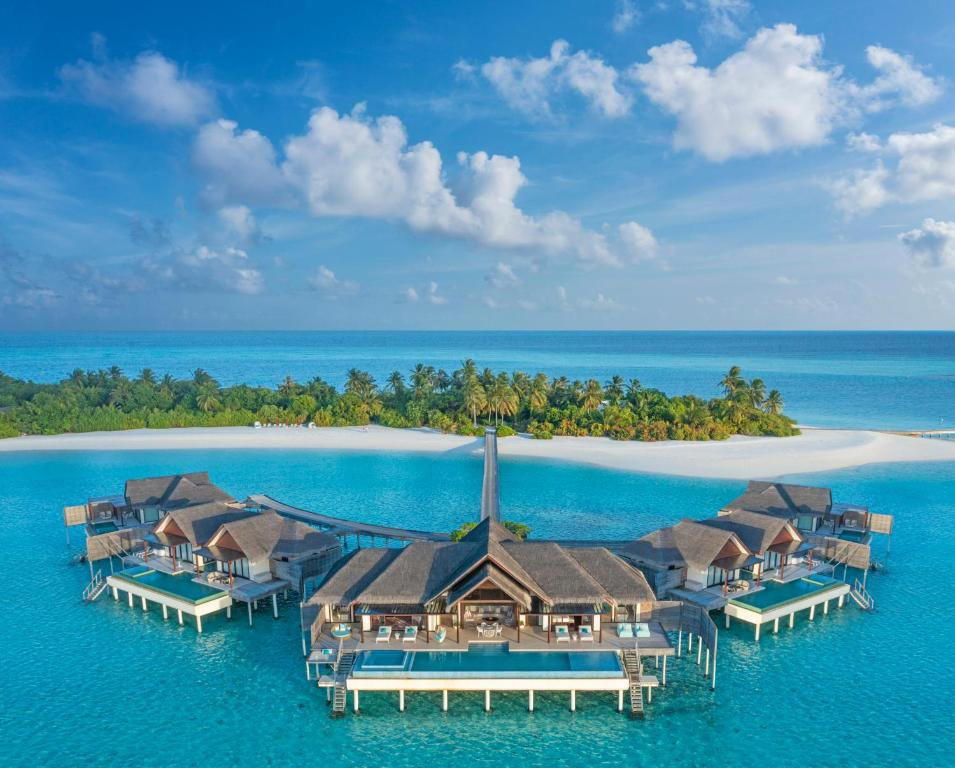
Two Islands, One Competitive Set
Niyama Private Islands Maldives is a 5-star hotel in Dhaalu Atoll, Maldives, with 134 rooms and a smart casual dress code. Dhaalu Atoll sits in the central Maldives, reachable by domestic flight from Velana International Airport to Kudahuvadhoo, followed by a short speedboat transfer. That geography places Niyama Private Islands Maldives in a different travel tier from the atolls accessible by seaplane alone: guests arrive via scheduled domestic aviation rather than a bespoke charter, which affects both accessibility and the resort's positioning within its peer group. The atoll's relative remoteness has historically kept its property count low, and Niyama Private Islands Maldives in Kudahuvadhoo and Baglioni Maldives Luxury All-Inclusive together represent the atoll's premium residential options.
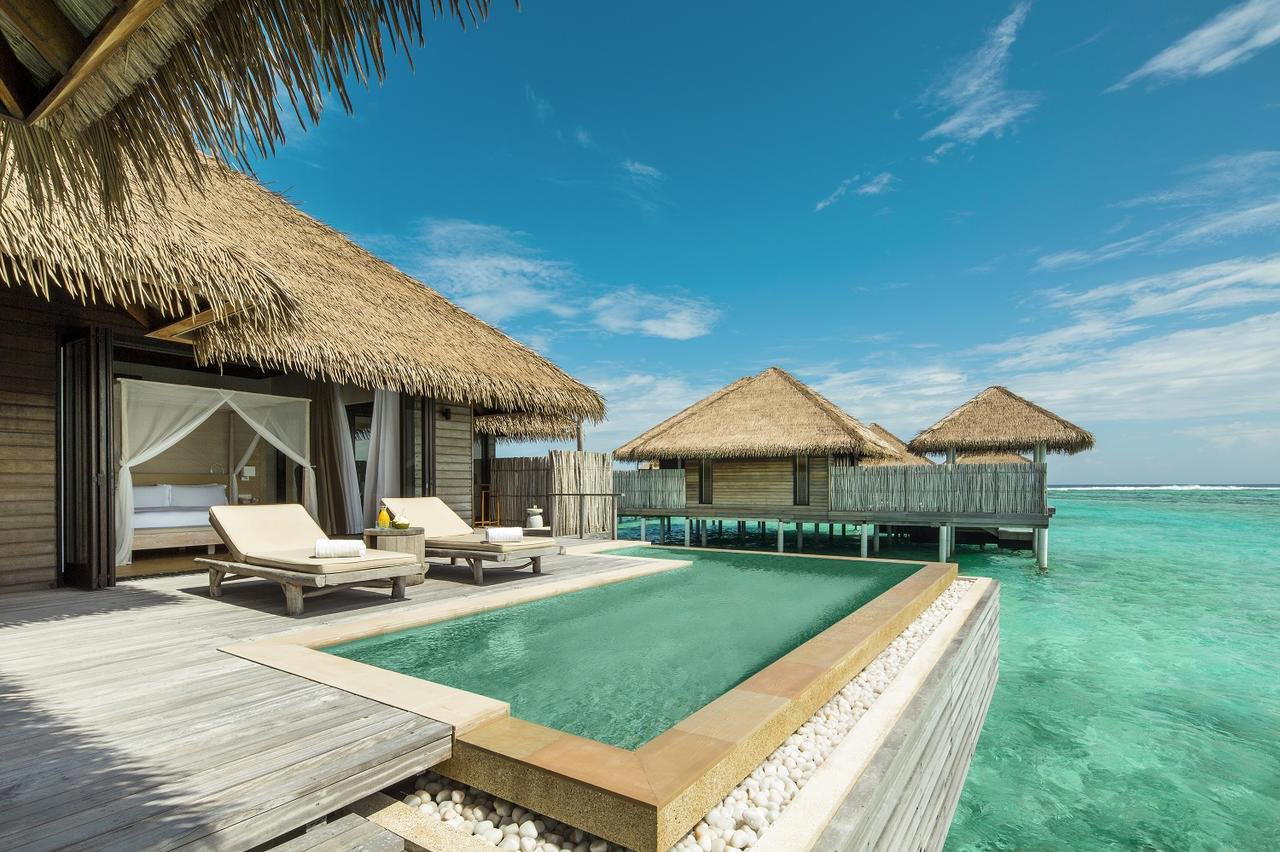
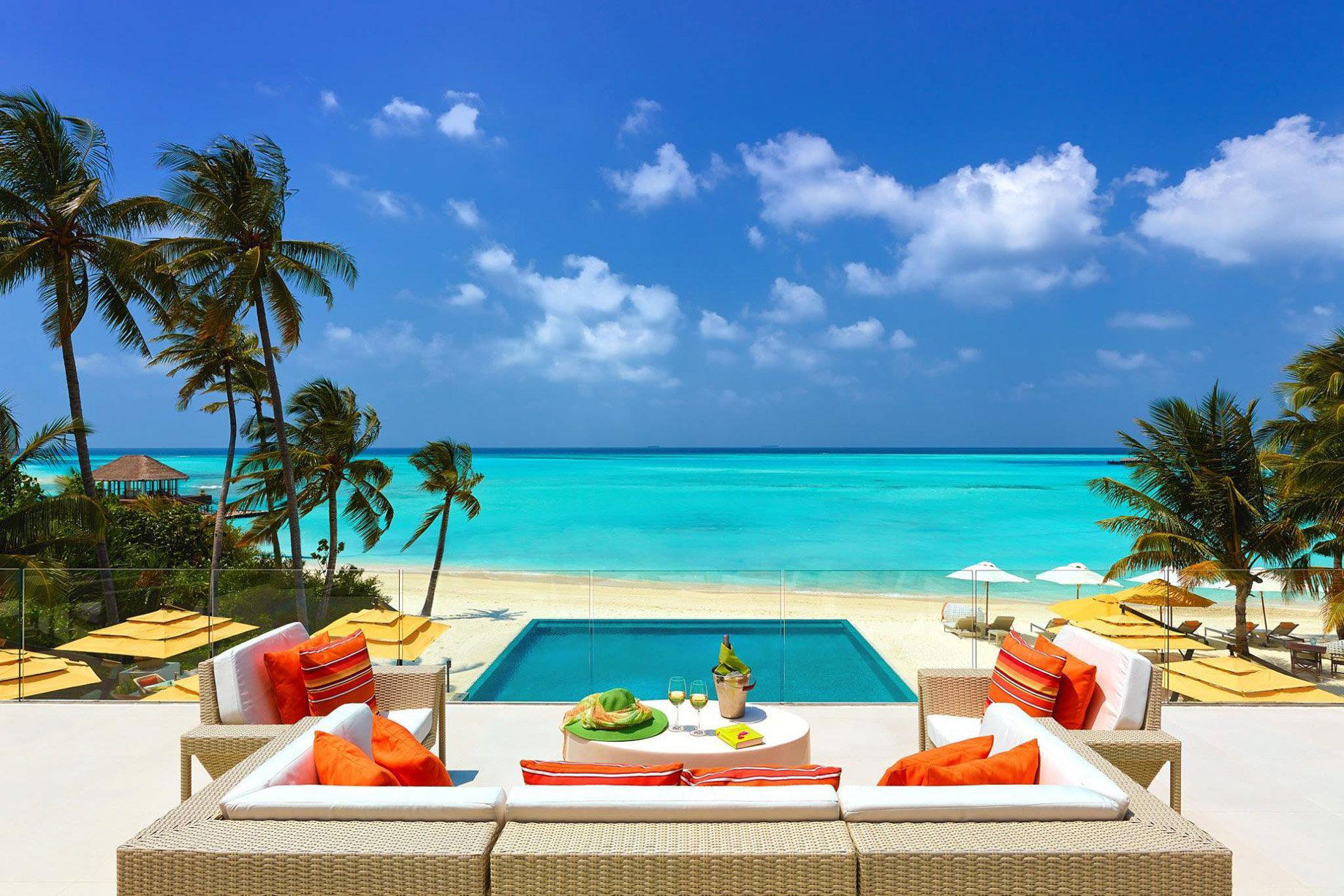
The two-island structure is the defining architectural fact here. Play Island and Chill Island serve different guest moods, one oriented toward activity and energy, the other toward stillness, and this split gives the property a food and beverage footprint that single-island resorts in the same price bracket cannot replicate. Where a comparable property might run two or three outlets, the dual-island format supports multiple distinct dining venues across different physical settings, each competing for the guest's attention on a given evening.
The Dining Programme as the Central Proposition
In the upper tier of Maldives resort dining, the question is whether the culinary programme has a legible identity and whether individual outlets feel considered rather than generic. These are the metrics that separate properties like Soneva Fushi in Eydhafushi from resorts that simply execute international hotel-group menus.
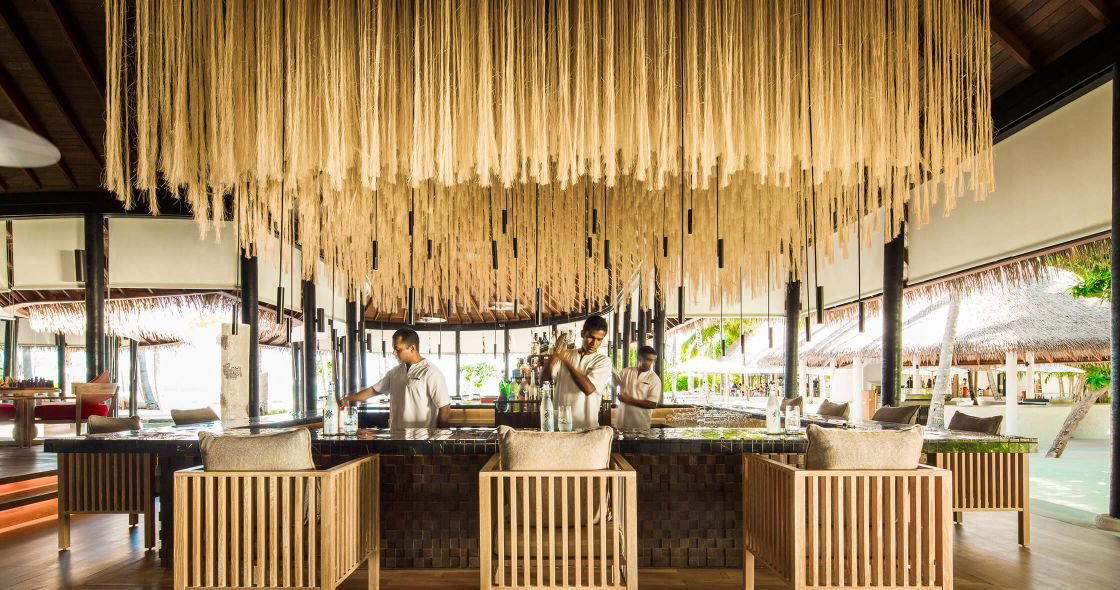
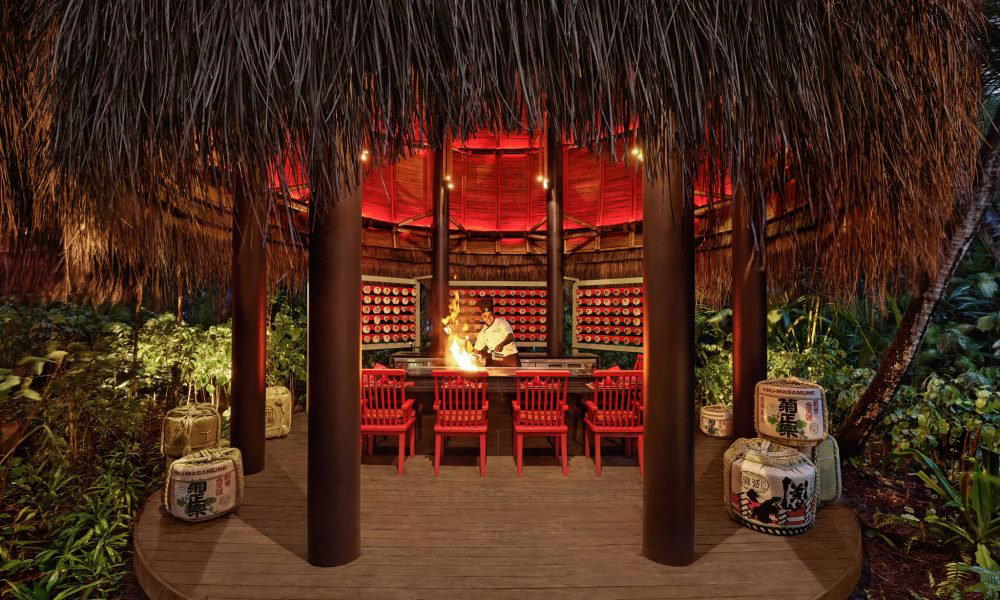
Niyama's dining landscape covers multiple cuisine formats distributed across the two islands, which means that the decision of where to eat is itself a logistical and atmospheric choice rather than a default. Overwater settings, beach access, and interior environments each carry different moods, and the resort's format encourages guests to move between them over the course of a stay rather than anchoring to a single restaurant. This is a meaningful distinction from properties like The St. Regis Maldives Vommuli Resort, where the brand's formal dining conventions set a different register.
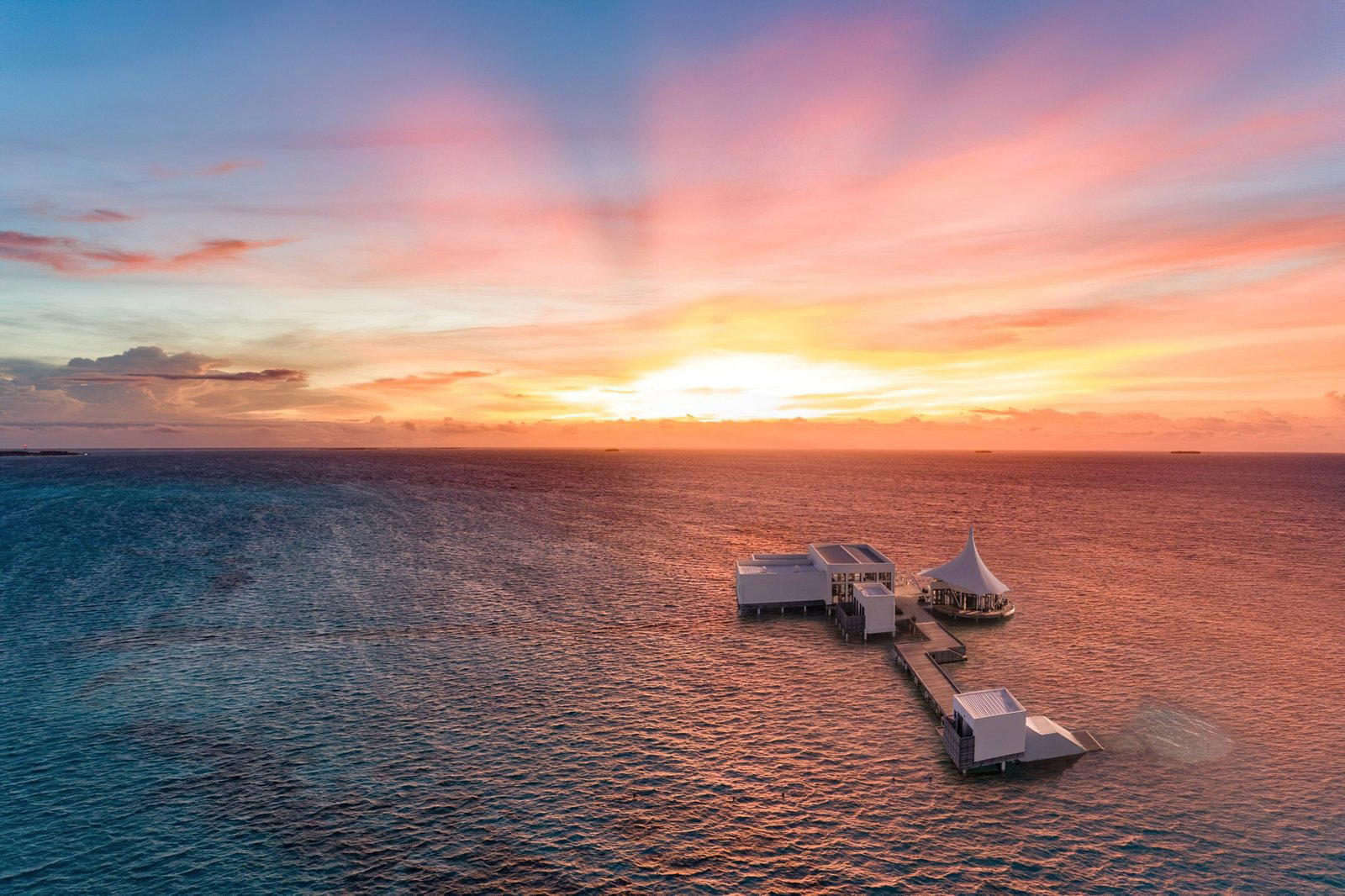
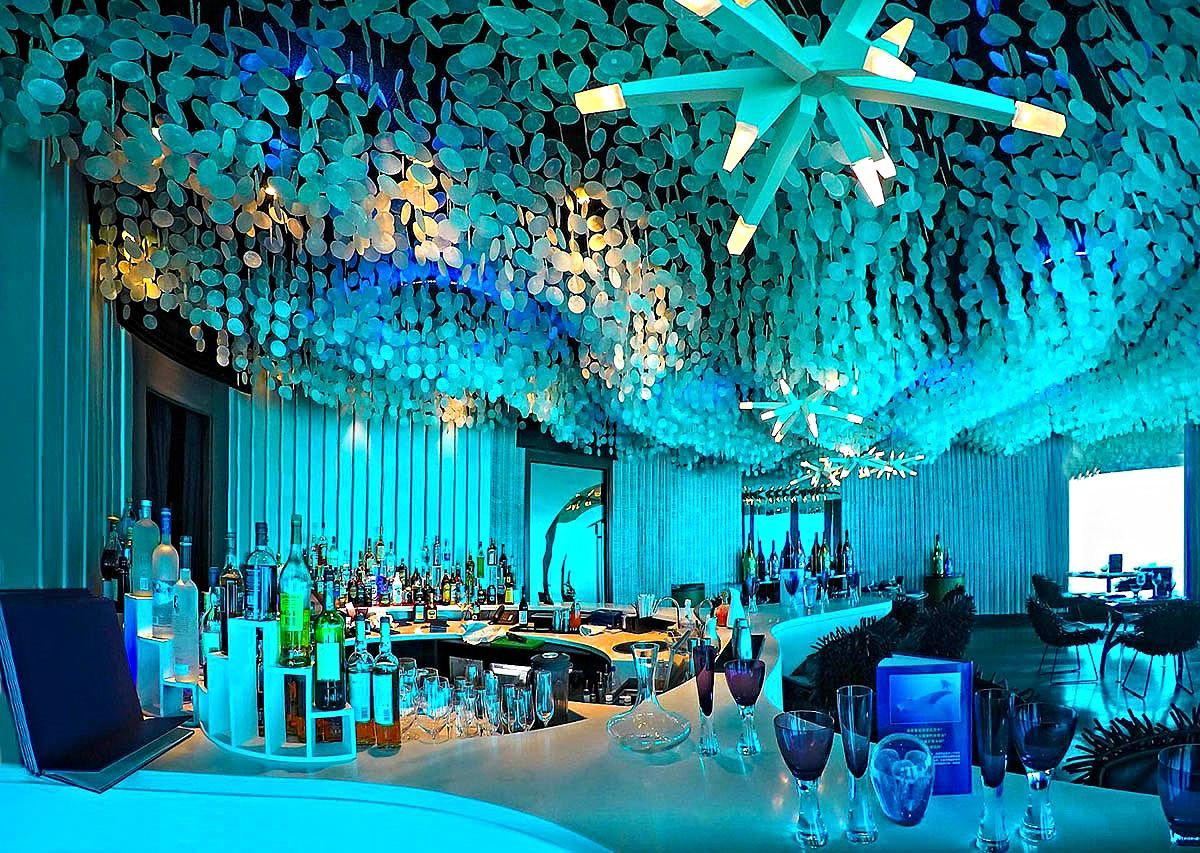
Among the more discussed outlets is Edge, an overwater restaurant that uses a format increasingly common at upper-tier Indian Ocean properties: a tasting-menu or à la carte structure positioned above the waterline, with the horizon as the primary design element. This approach to dining architecture has become a signal of premium positioning in the Maldives market, used by properties ranging from Hurawalhi Island Resort in Lhaviyani Atoll to COMO Maalifushi in Guraidhoo. What differentiates individual executions is format discipline: how the kitchen manages the gap between ambition and delivery when the location itself already commands attention.
La Liste Recognition and What It Implies
The 92.5-point score in the La Liste Top Hotels 2026 ranking is especially concrete external credential available for Niyama. La Liste's methodology draws on aggregated critical opinion across multiple sources and markets, making it a different signal than a single magazine award. A score above 90 places a property in the leading cohort of its category globally, which, in Indian Ocean hotel terms, means it competes on paper with properties like Soneva Jani in Noonu Atoll and Gili Lankanfushi Maldives in Lankanfushi Island, both of which have their own critical recognition in the same regional conversation.
What La Liste scores do not directly capture is the dining programme's internal coherence, but the methodology does incorporate hospitality quality, which in a resort context is inseparable from food and beverage execution. For a property whose main competitive argument rests on experiential breadth rather than a single signature attraction, a high aggregated score suggests the dining outlets are performing at a level consistent with the accommodation tier rather than lagging behind it.
Placing Niyama in the Maldives comparable set
The Maldives luxury market has stratified sharply over the past decade. At the leading sit properties with extended legacy or distinctive design signatures. Below that, a dense middle tier of well-operated resorts competes primarily on accommodation quality, package structure, and value perception. Niyama occupies a position between these two cohorts: it carries verified critical recognition, a physical format that distinguishes it from single-island competitors, and a dining programme with enough breadth to anchor a multi-night stay without repetition.
Properties in the first cohort, like Soneva Secret in Haa Dhaalu Atoll or Amilla Maldives in Baa Atoll, have built culinary identities over years and through deliberate investment in chef talent and concept development. Properties in the second cohort, from Angsana Velavaru in Velavaru to Fushifaru Maldives in Fushifaru, deliver reliable execution within more standardised frameworks. Niyama's two-island format gives it structural tools that neither cohort can easily replicate in the same atoll.
For travellers cross-shopping within Dhaalu Atoll specifically, the alternative is Baglioni Maldives Luxury All-Inclusive, which operates on an all-inclusive model. Other regional comparisons worth considering include Coco Bodu Hithi in Bodu Hithi, Constance Halaveli Maldives in Alifu Alifu Atoll, and Huvafen Fushi in Male, each of which pursues a distinct dining identity within broadly similar accommodation price ranges.
Planning a Stay
Access is via Velana International Airport in Malé, connecting to Kudahuvadhoo Domestic Airport on a flight of approximately 40 minutes, then a speedboat to the resort. Booking windows at this tier of Maldives property tend to tighten significantly for peak season travel between November and April, when demand from European and Asian markets converges. Direct booking through the resort is standard practice. The dual-island format means that villa type matters more than at single-island properties: accommodation on Play Island sits in a different experiential register from Chill Island, and the choice shapes access to specific dining venues. For context on how other properties in the region handle similar multi-venue dining questions, the collections at COMO Cocoa Island, Maldives in Makunufushi, Banyan Tree Vabbinfaru in North Male Atoll, Cora Cora Maldives in Raa Atoll, JW Marriott Maldives Kaafu Atoll Island Resort in Kaafu Atoll, JA Manafaru in Haa Alifu Atoll, and Conrad Maldives Rangali Island in South Ari Atoll each offer instructive reference points.
Budget and Context
Comparable venues nearby, for context on price, style, and recognition.
| Venue | Price | Awards | Notes |
|---|---|---|---|
| Niyama Private Islands MaldivesThis venue — the venue you are viewing | $$$$ | 5-Star | Not listed |
| Baglioni Maldives Luxury All-Inclusive | $$$$ | 5-Star | Maagau Island, Mediterranean resort architecture |
| The St. Regis Maldives Vommuli Resort | $$$$ | 5-Star | Vommuli, Luxury island resort with beachfront and overwater villas |
| Villa Haven Resort Maldives | $$$$ | 5-Star | South Ari Atoll, Luxury beachfront villa resort with private pools and family-oriented design |
| Niyama Private Islands Maldives | $$$$ | 5-Star | Dhaalu Atoll, Modern luxury resort with contemporary design and traditional Maldivian elements; chic, understated refinement rather than ostentatious opulence. |
| Angsana Velavaru | $$$$ | 5-Star | Velavaru, Luxury beachfront and overwater resort with private pool villas |
Recognition history
Dated appearances from independent guides and award organizations, with the underlying list record or original source where available.
La Liste Top Hotels
La Liste
Continue exploring
More in Dhaalu Atoll
Hotels in Dhaalu Atoll
Browse all →
Bars in Dhaalu Atoll
Browse all →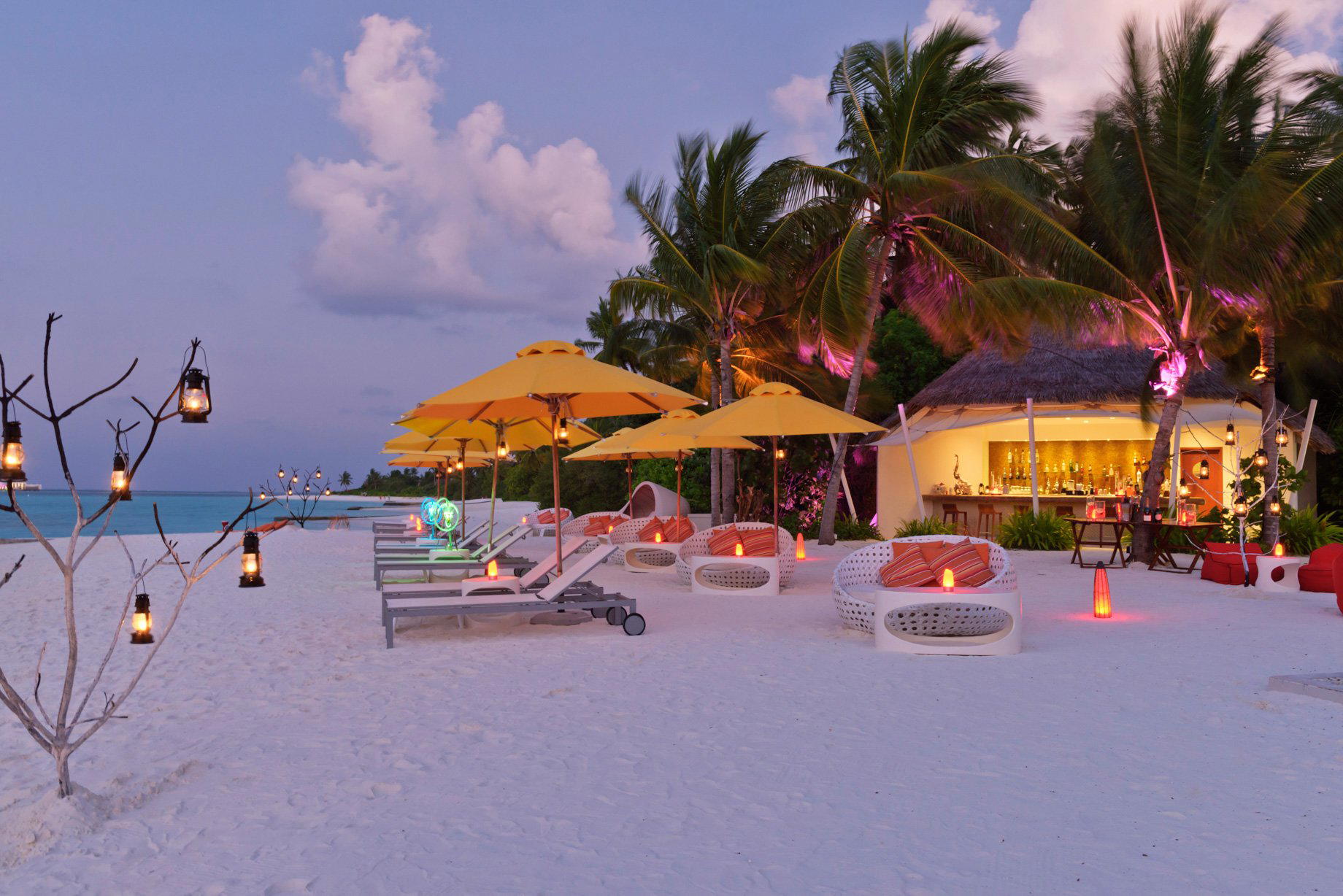
Restaurants in Dhaalu Atoll
Browse all →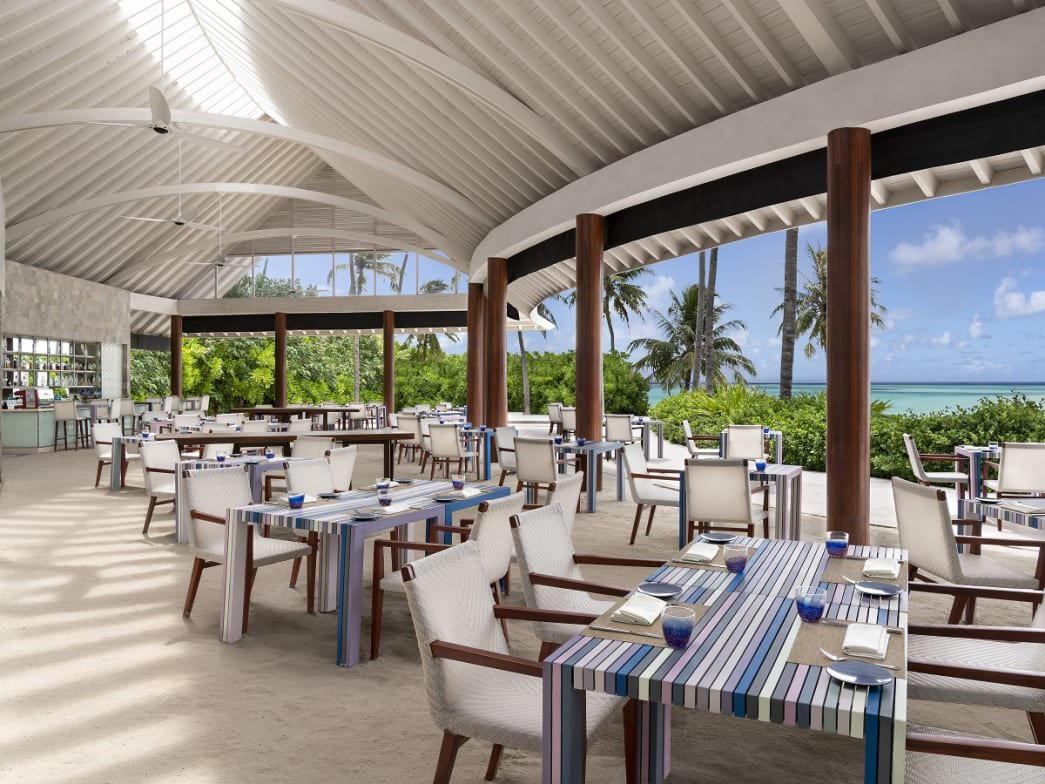
At a Glance
- Romantic
- Elegant
- Ornate
- Scenic
- Sophisticated
- Honeymoon
- Romantic Getaway
- Family Vacation
- Wellness Retreat
- Beachfront
- Private Villa
- Infinity Pool
- Panoramic View
- Private Dining
- Pool
- Spa
- Wi Fi
- Room Service
- Concierge
- Kids Club
- Beach Access
- Fitness Center
- Waterfront
- Pool
- Spa
- Wi Fi
- Room Service
- Concierge
- Kids Club
- Beach Access
- Fitness Center
Luxurious and serene with private villas offering sunset and ocean views, enhanced by internationally prominent service and playful yet sophisticated atmosphere.