COMO Cocoa Island, Maldives


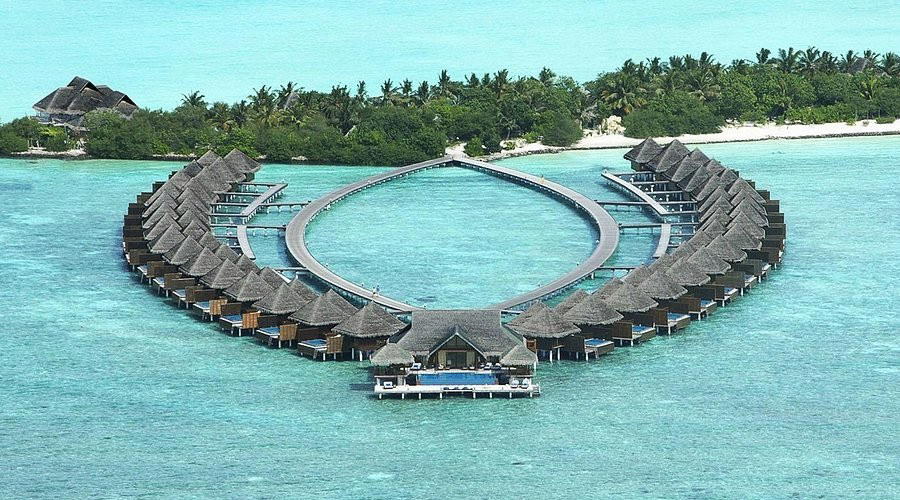
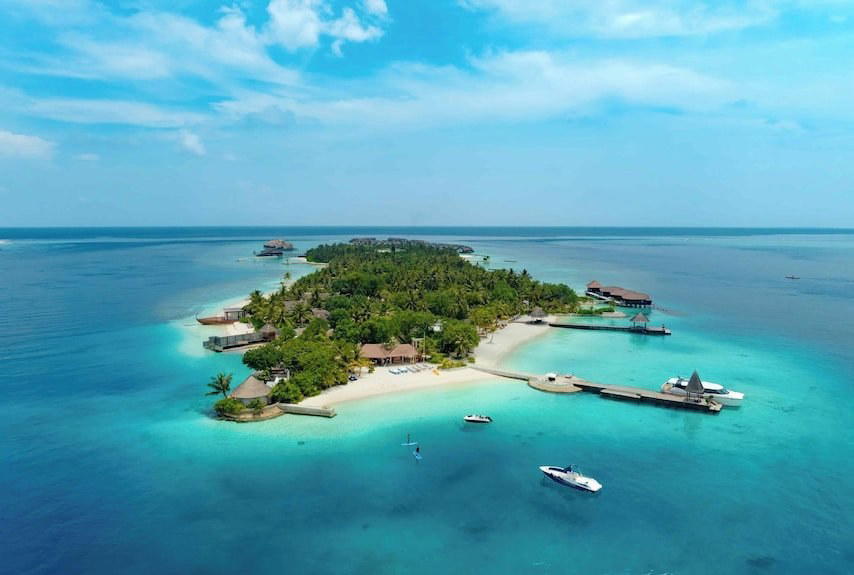
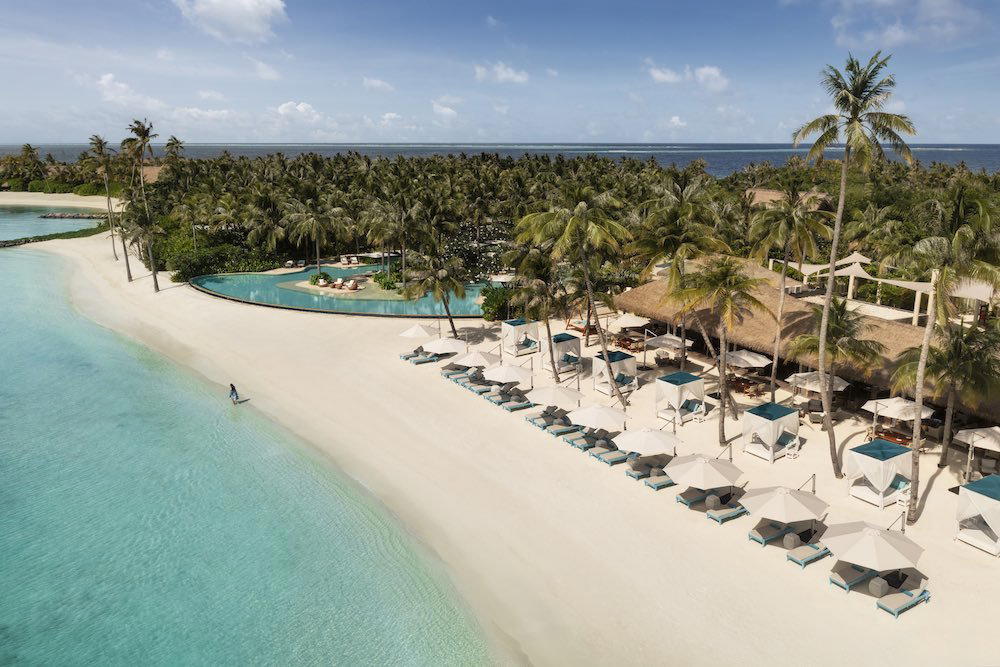
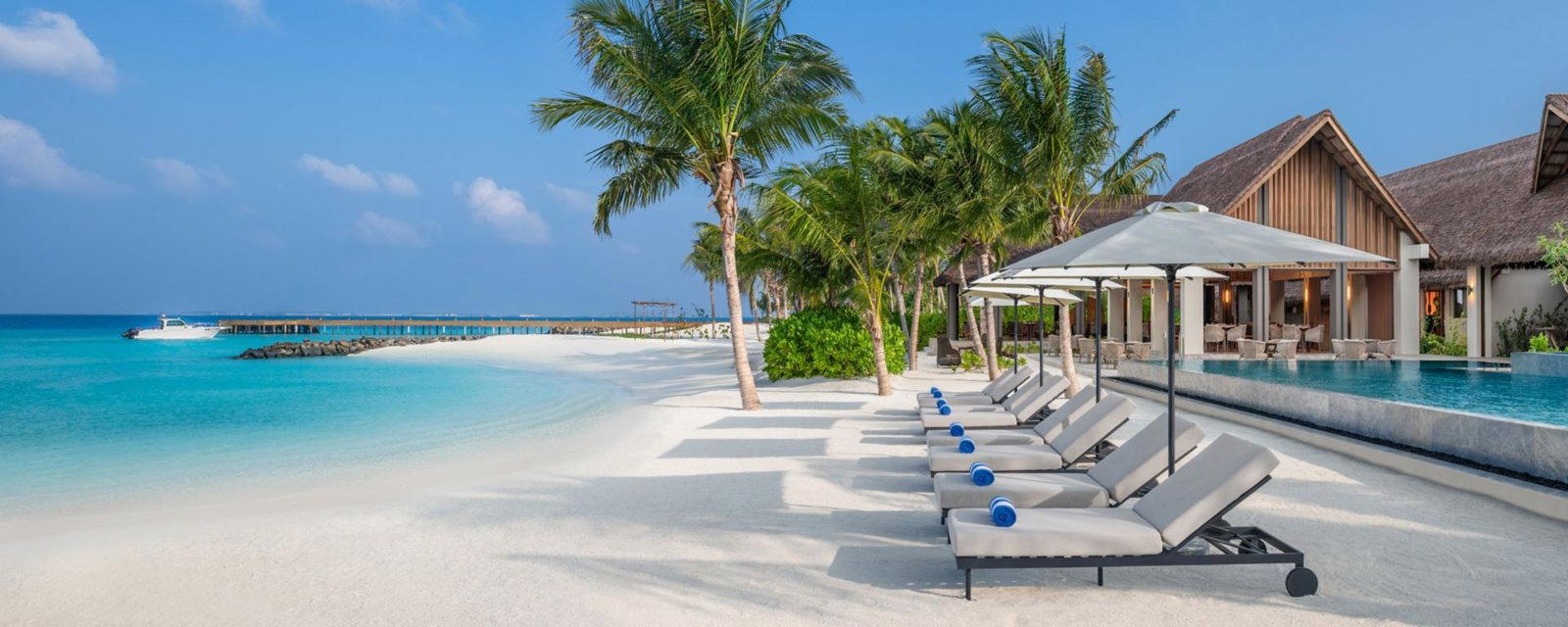
COMO Cocoa Island occupies Makunufushi, a private island in South Malé Atoll, where overwater villas shaped after traditional dhow sailing vessels sit directly above a working coral reef. The 2025 World Travel Awards named it the Indian Ocean's Leading Boutique Resort, placing it in a distinct tier defined by limited scale and design specificity rather than resort sprawl.
Pearl is the En Primeur Club membership app — saves, bookings, and concierge access live there. Same editors, same standards.
- Address
- Makunufushi South Malé Atoll, 20109, Maldives
- Phone
- +960 664-1818
- Website
- comohotels.com
- Directions
- Get directions
 Saves & bookings on Pearl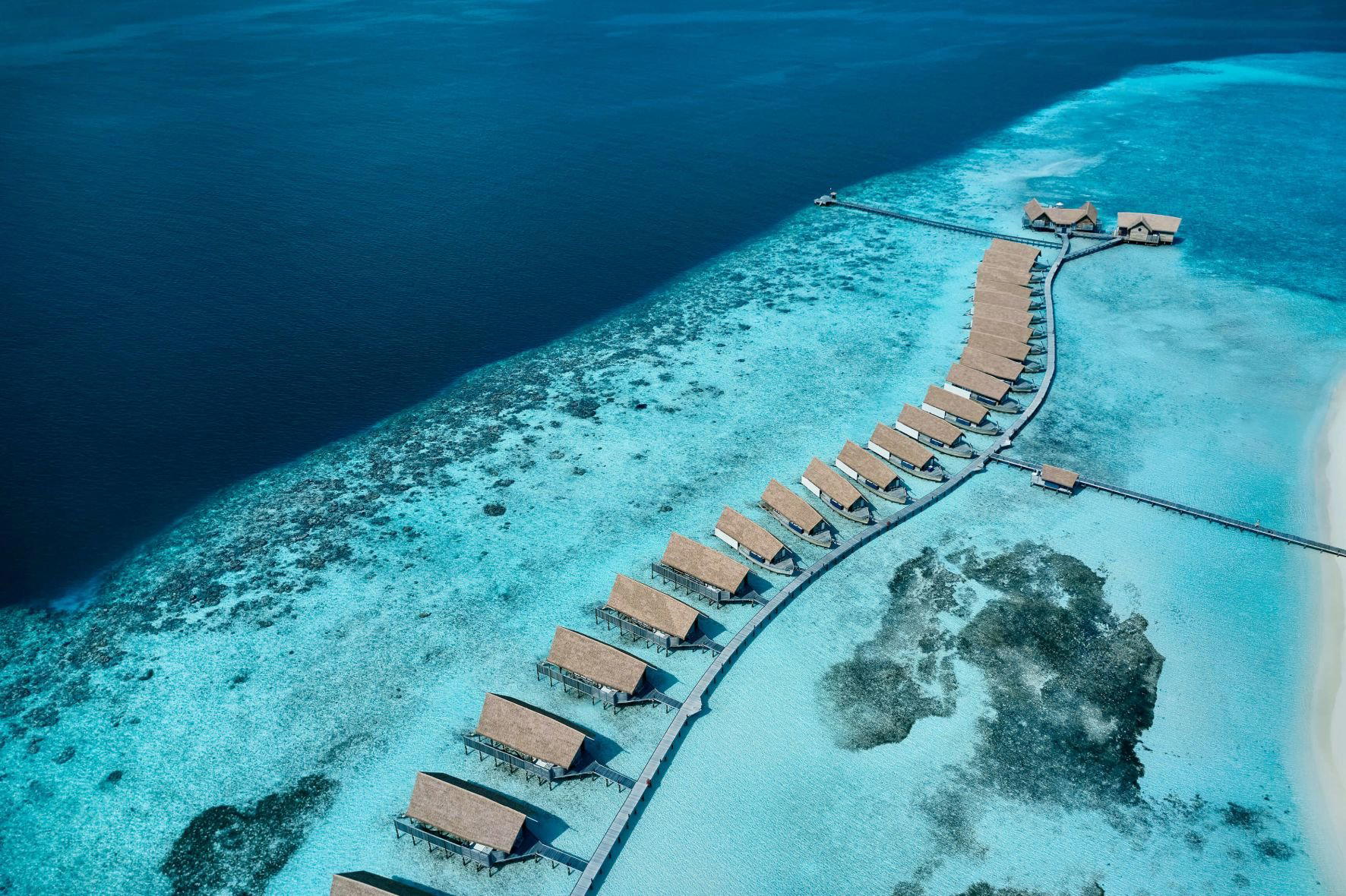
An Island Built on a Reef, Not Around One
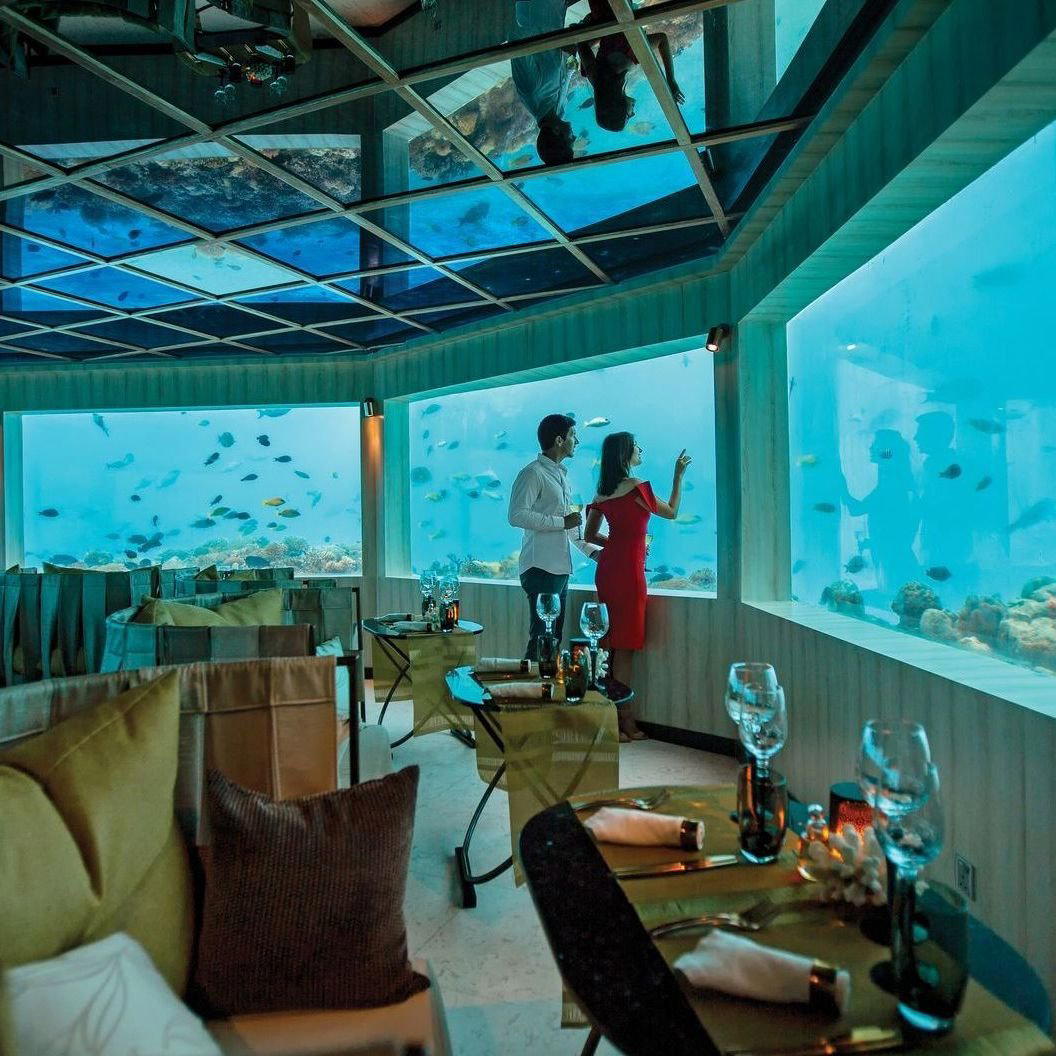
Most Maldivian resorts treat the surrounding reef as a backdrop. At COMO Cocoa Island, on Makunufushi in South Malé Atoll, the reef is the architecture. The overwater villas are positioned above living coral, so the transition from room to ocean requires nothing more than descending a short ladder. That proximity is not incidental; it shapes the entire spatial logic of the property.
The Maldives luxury market has fragmented in recent years between properties that compete on sheer volume of amenity and a smaller cohort that competes on spatial discipline and design coherence. COMO Cocoa Island belongs firmly to the second group. Where resorts like Soneva Fushi in Eydhafushi or Soneva Jani in Noonu Atoll pursue a different kind of scale, Cocoa Island's identity is rooted in restraint: fewer keys, a singular design language, and a focus on the reef rather than on elaborate on-land programming. That positioning earned it the 2025 World Travel Awards title of Indian Ocean's Leading Boutique Resort.
The Dhow Hull as Design Logic
The defining architectural move at COMO Cocoa Island is the replication of the dhow, the traditional wooden sailing vessel common across the Indian Ocean, as the formal template for each overwater villa. The villas reproduce the elongated hull form, curved roof profiles, and low-slung silhouette of the dhow at residential scale. This is not a decorative gesture. The form dictates the interior proportions, the direction of the primary view, and the relationship between the sleeping area and the water beneath. Where many overwater properties use the category as a platform for contemporary minimalism that could be transplanted to any ocean, the dhow reference here is specific to the Indian Ocean's maritime tradition and gives the property a legible architectural identity.
Regional luxury hotel design has increasingly divided between international-brand modernism, which tends toward neutral palettes and transferable aesthetics, and locally-rooted design vocabularies that draw from specific craft or building traditions. COMO Cocoa Island sits in the latter camp, alongside properties like Gili Lankanfushi Maldives on Lankanfushi Island, which similarly grounds its aesthetic in local material references. The distinction matters for travellers choosing between properties: the dhow-derived architecture at Cocoa Island means the visual experience is consistent from arrival to departure, rather than a branded lobby that gives way to generic room finishes.
South Malé Atoll: Placement and Access
Makunufushi sits in South Malé Atoll, which places it within a relatively accessible reach of Velana International Airport compared to atolls that require domestic flights. The speedboat transfer is the standard access route, making Cocoa Island a logical choice for guests who want to minimise travel time from Male without sacrificing the sense of genuine isolation that defines the Maldivian proposition. This differentiates it from properties such as JA Manafaru in Haa Alifu Atoll or Cora Cora Maldives in Raa Atoll, where the distance requires a domestic flight connection and adds a full leg to the journey.
That proximity is both a practical and strategic advantage. South Malé Atoll has historically attracted properties that want to offer a genuine private-island experience without the logistical overhead of remote-atoll operations. Naladhu Private Island Maldives operates in the same atoll and targets a comparable guest looking for small-scale privacy at close reach. The reef quality in this part of the Maldives remains strong enough to support serious diving and snorkelling programs, which means the atoll's relative convenience does not come at the cost of the marine environment that justifies a Maldives trip in the first place.
The Boutique Tier: What the Award Signals
The World Travel Awards classification of Indian Ocean's Leading Boutique Resort for 2025 places COMO Cocoa Island in a competitive set that is explicitly defined by scale and format rather than total amenity count. Boutique recognition in this context typically signals a property with a limited key count, a design-led identity, and a guest experience that depends on staff-to-guest ratios rather than facility breadth. That is a different value proposition from the model pursued by properties like Conrad Maldives Rangali Island in South Ari Atoll or Baglioni Maldives Luxury All-Inclusive in Dhaalu Atoll, both of which compete on scale and comprehensive programming.
Within the COMO Hotels portfolio, Cocoa Island occupies a specific position. COMO Maalifushi in Guraidhoo represents the brand's other Maldives presence and targets a slightly different guest profile, one drawn more toward surf access and a different atoll character. Cocoa Island's boutique designation and reef-direct positioning make it the more design-concentrated of the two, with the dhow architecture serving as the clearest point of differentiation within the brand's own range.
Choosing Between Cocoa Island and the Wider Field
The Maldives market is dense with credentialled properties, and the choice between them often comes down to specific priorities rather than a simple quality hierarchy. For guests whose primary interest is marine access at close proximity to a living reef, with a design experience that references the region's own nautical history, Cocoa Island's format addresses those interests directly. Guests who prioritise extensive dining variety, on-land spa scale, or comprehensive children's programming will find other properties, including Niyama Private Islands Maldives in Kudahuvadhoo or Amilla Maldives in Baa Atoll, better configured for those requirements.
Properties like Huvafen Fushi in Male, Banyan Tree Vabbinfaru in North Male Atoll, and Fushifaru Maldives each occupy adjacent positions in the luxury-boutique tier and are worth comparing directly before booking. Constance Halaveli Maldives in Alifu Alifu Atoll and Hurawalhi Island Resort in Lhaviyani Atoll both offer strong reef credentials but at different scales and atoll locations. For a broader look at what's available in this part of the Indian Ocean, our full Makunufushi guide maps the options with comparable context.
Planning a Stay
The peak season in the Maldives runs broadly from November through April, when the northeast monsoon keeps skies clear and seas calm across South Malé Atoll. Visibility for diving and snorkelling is generally at its leading during this window, which aligns with the reef-direct proposition that defines Cocoa Island's offer. The shoulder months of May and early October can bring competitive rates with acceptable conditions, though the southwest monsoon from May through October can affect surface conditions on some days. Given the boutique key count and the property's standing award recognition, advance booking is advisable at any point in the calendar, and particularly so for the November-to-April window when demand from European and Asian markets peaks simultaneously. Also of interest for broader Maldives context: Angsana Velavaru in Velavaru, Coco Bodu Hithi in Bodu Hithi, JW Marriott Maldives Kaafu Atoll Island Resort, and Mercure Maldives Kooddoo Resort each represent different price and format positions worth considering depending on your brief.
Comparison Snapshot
Comparable venues nearby, for context on price, style, and recognition.
| Venue | Cuisine | Price | Awards | Notes |
|---|---|---|---|---|
| COMO Cocoa Island, MaldivesThis venue — the venue you are viewing | Understated luxury overwater resort inspired by traditional Maldivian dhoni fishing boats with Keralan boathouse architecture. | $$$$ | 5-Star | Not listed |
| Heritance Aarah | Sustainable luxury resort blending modern comfort with traditional Maldivian architecture on a private island. | $$$$ | 5-Star | Raa Atoll |
| COMO Maalifushi | Laid-back boutique resort reflecting Maldivian culture with spacious land and over-water villas. | $$$$ | 5-Star | Thaa Atoll |
| Baros Maldives | Exclusive private island luxury resort | $$$$ | 5-Star | Baros Island, North Malé Atoll |
| Seaside Finolhu Baa Atoll Maldives | Contemporary Maldivian resort with rustic natural materials and modern architecture. | $$$$ | 5-Star | Kanufushi Island |
| Villa Haven Resort Maldives | Luxury beachfront villa resort with private pools and family-oriented design | $$$$ | 5-Star | South Ari Atoll |
Recognition history
Dated appearances from independent guides and award organizations, with the underlying list record or original source where available.
Michelin Selected
Michelin
World Travel Awards
World Travel Awards
Continue exploring
More in Makunufushi
Hotels in Makunufushi
Browse all →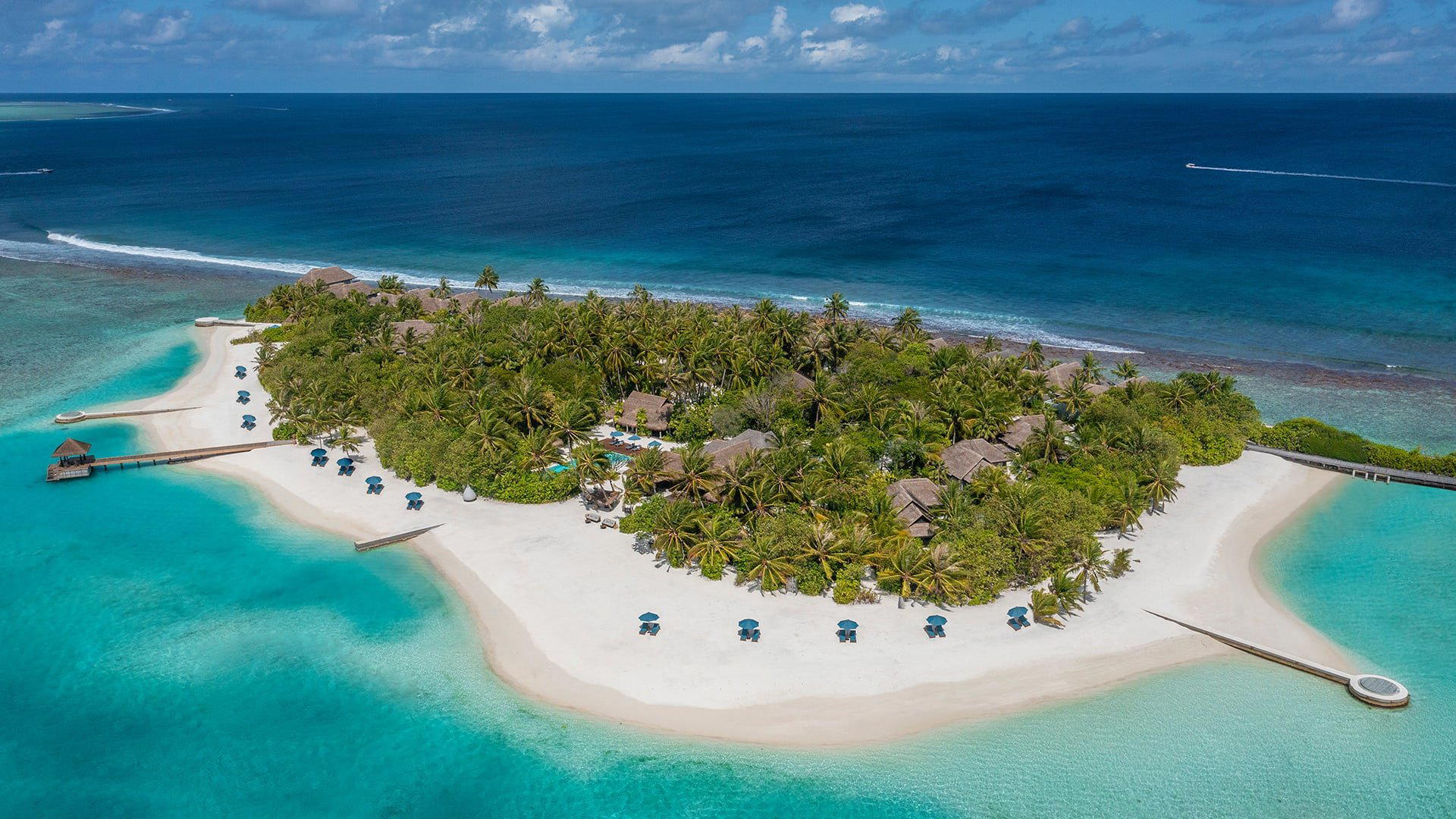
Bars in Makunufushi
Browse all →
At a Glance
- Romantic
- Quiet
- Elegant
- Intimate
- Scenic
- Minimalist
- Honeymoon
- Romantic Getaway
- Wellness Retreat
- Anniversary
- Celebration
- Destination Wedding
- Beachfront
- Private Villa
- Butler Service
- Destination Spa
- Waterfront
- Panoramic View
- Private Dining
- Infinity Pool
- Wi Fi
- Pool
- Spa
- Fitness Center
- Room Service
- Concierge
- Beach Access
- Waterfront
- Wi Fi
- Pool
- Spa
- Fitness Center
- Room Service
- Concierge
- Beach Access
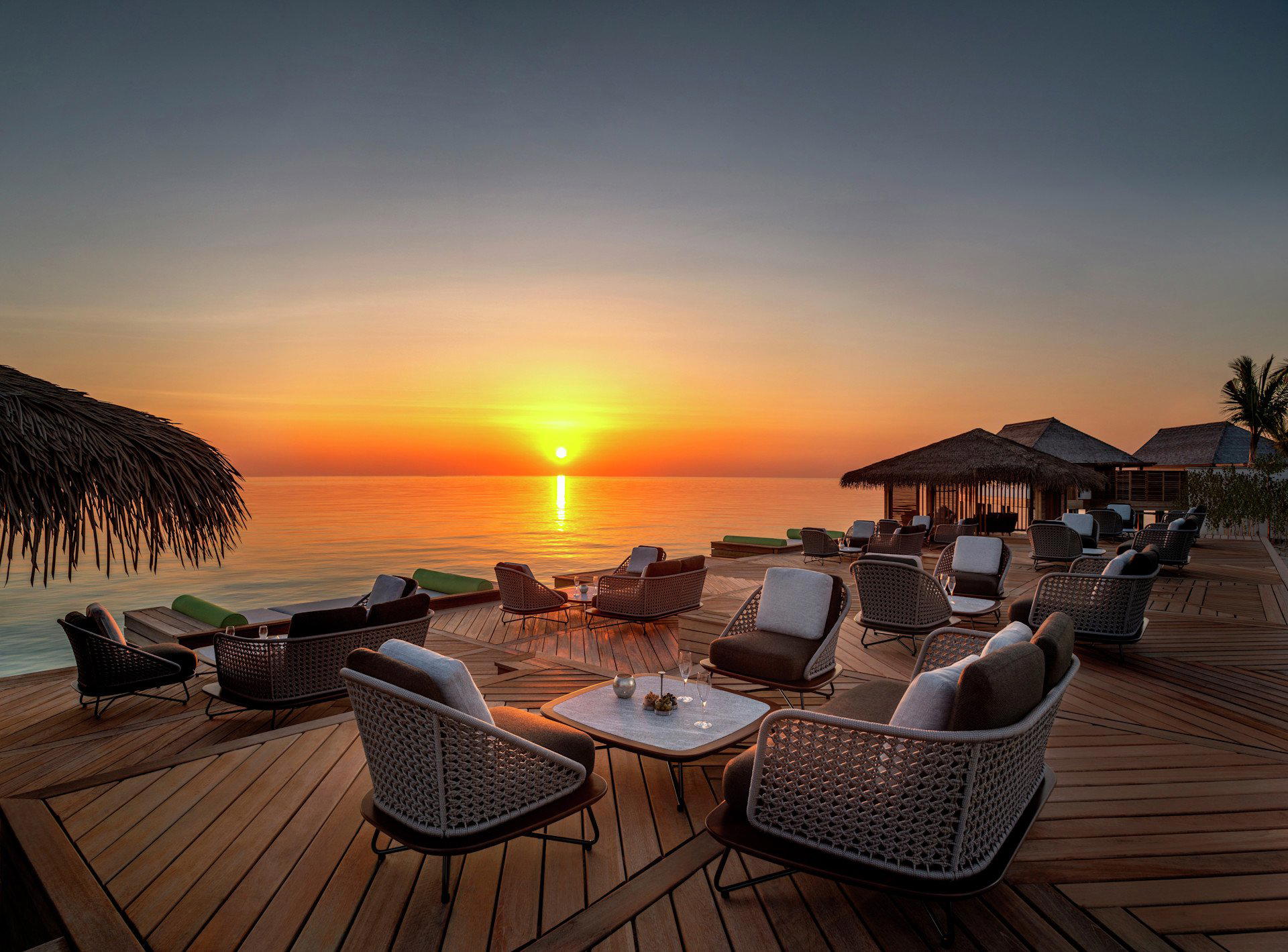
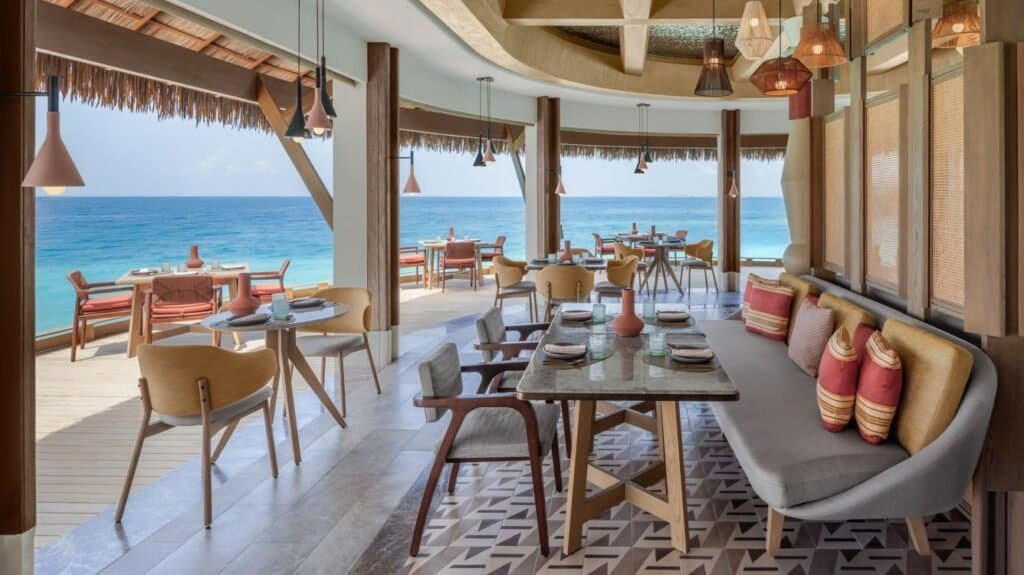
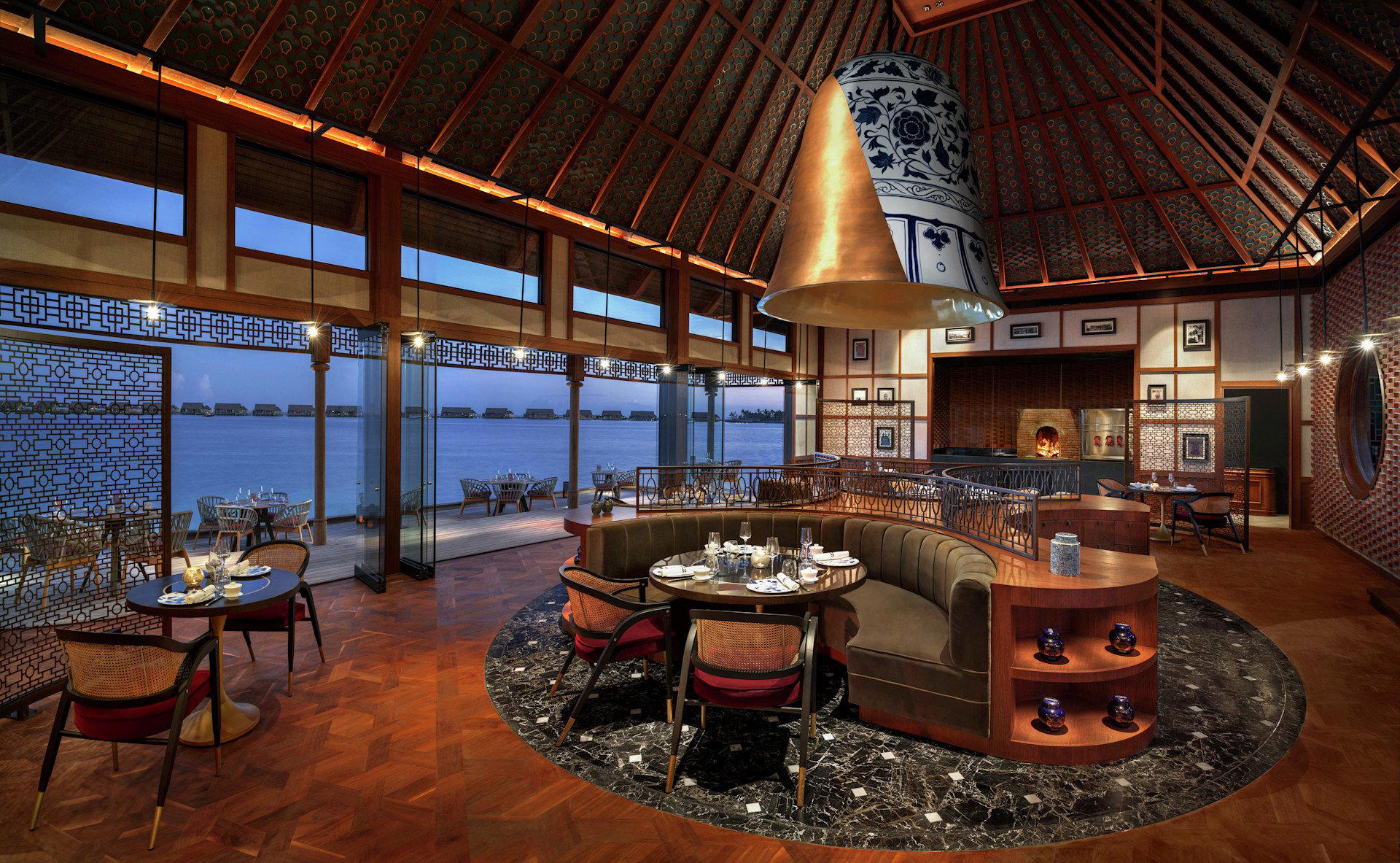
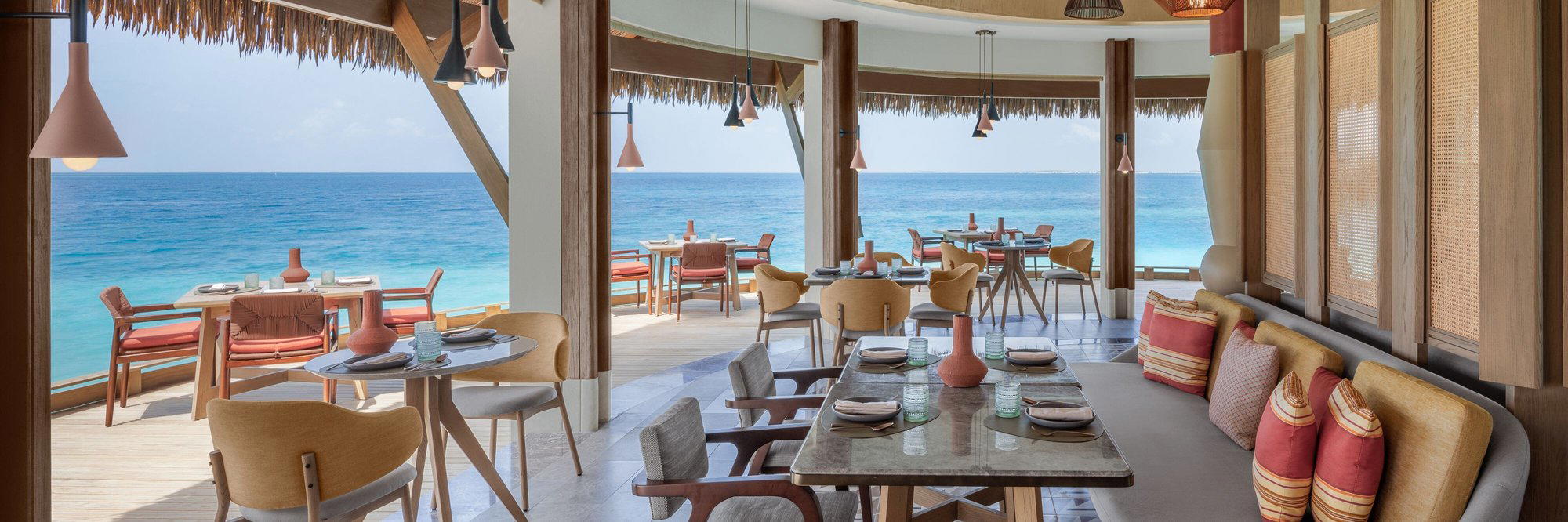
Serene and tranquil with soft natural light, high thatched ceilings, white-on-white interiors, teak flooring, and gentle ambient music creating a barefoot luxury atmosphere of complete relaxation.