Arcotel Tabakfabrik belongs to Linz’s industrial-culture story rather than the Alpine resort tradition that dominates much of Austrian hospitality. With public data on ratings, pricing, awards and booking details not supplied, the stronger editorial read is architectural: a city hotel framed by the Tabakfabrik district, where brick, production history and creative reuse shape the stay more than resort spectacle.
Pearl is the En Primeur Club membership app — saves, bookings, and concierge access live there. Same editors, same standards.
- Address
- Untere Donaulände/Gruberstraße, 4020 Linz, Austria
- Phone
- +43 732 286020
- Website
- tabakfabrik.arcotel.com
- Directions
- Get directions
 Saves & bookings on Pearl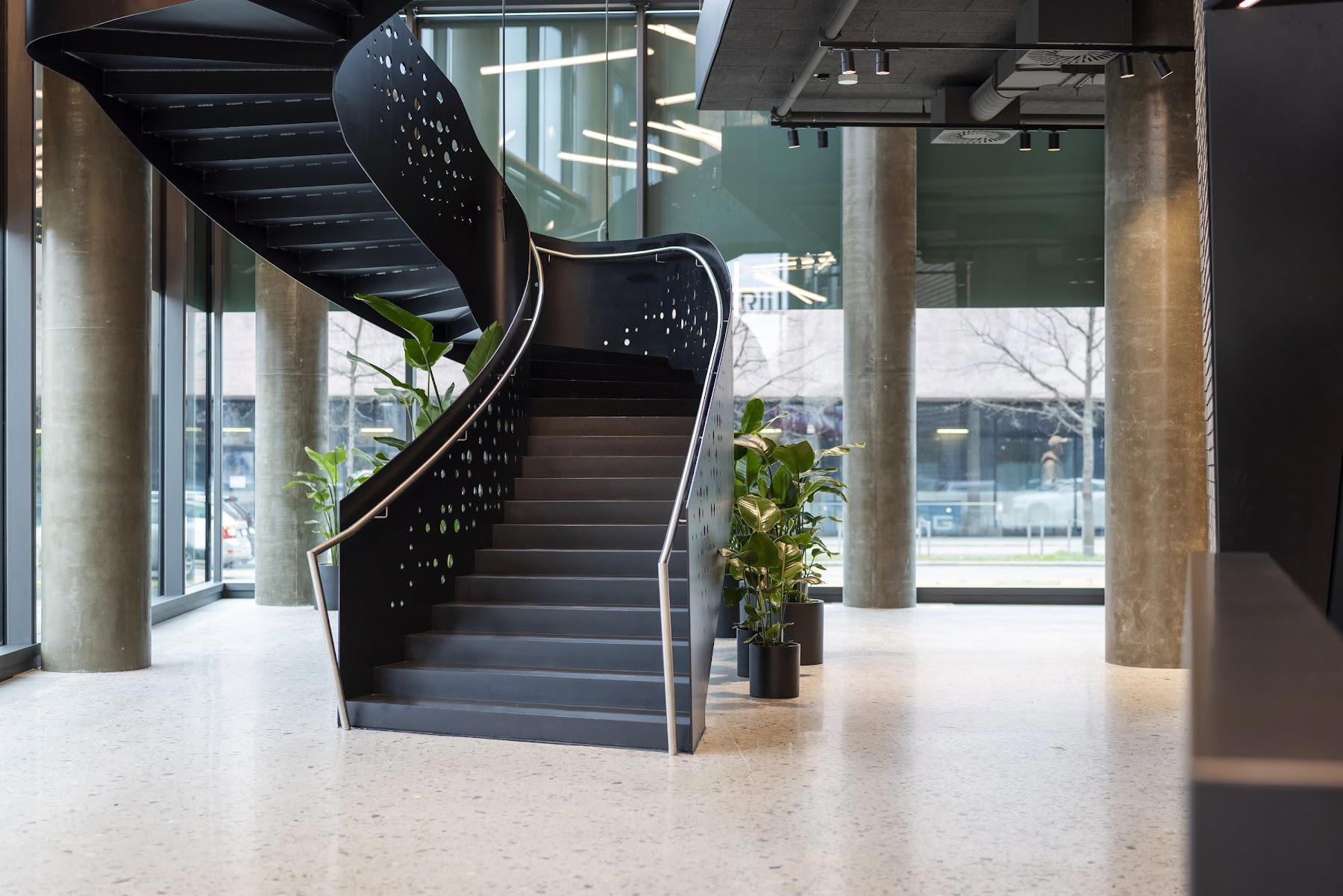
Industrial Linz, read through a hotel address
Approaching the Tabakfabrik district means entering a different Austrian visual language from the gilt salons of Vienna or the lake-palace grammar of Salzburg. Linz has long worked with heavier materials: river infrastructure, factory massing, postwar reconstruction and cultural buildings that do not try to look Alpine. In that setting, Arcotel Tabakfabrik is less a conventional hotel story than a useful marker for how the city presents itself now. The interest lies in the physical context: a former tobacco factory complex associated with industrial production, later folded into Linz’s creative and cultural life.
That distinction matters because Austria’s premium hotel conversation is often pulled toward two familiar poles. One is imperial heritage, visible in properties such as Hotel Sacher Wien in Vienna and Schloss Mönchstein in Salzburg. The other is mountain leisure, represented across Tyrol, Vorarlberg and Carinthia by addresses including Hotel Almhof Schneider in Lech, Grand Tirolia Kitzbühel in Kitzbühel and Hotel Schloss Seefels in Techelsberg. Linz does not compete by imitating either. Its sharper hospitality argument comes from adaptive reuse, media culture and proximity to working urban fabric.
Arcotel Tabakfabrik is a 4-star hotel in Linz, Austria, with 189 rooms and a recommended reservation policy. That absence should shape expectations. This is not a page built around claims of service rank, suite inventory or restaurant credentials. The sounder reading is civic and architectural: the hotel belongs to a city where industrial heritage has become a cultural asset rather than something hidden behind polished resort language.
The design argument: factory mass before hotel theatre
Hotels placed in former industrial districts carry a specific burden. They need to acknowledge scale without turning production history into decorative cliché. In Linz, the Tabakfabrik complex supplies the wider frame: large volumes, repetitive structure, an urban campus feeling and a history tied to manufacture rather than aristocratic leisure. A hotel in this orbit reads differently from a countryside spa or a grand city palace because the guest is not being asked to escape the city. The point is to stay inside its contemporary working character.
Linz has credible cultural footing for that position. The city is part of the UNESCO Creative Cities Network as a City of Media Arts, and its international reputation has been shaped by the Ars Electronica ecosystem as much as by classical old-town tourism. That matters for hotel choice. A traveller coming for design, technology, contemporary culture or the Danube’s post-industrial corridor will often get a more accurate sense of Linz from the Tabakfabrik side of town than from a generic central address polished into neutrality.
Within Austria, this places Arcotel Tabakfabrik in a comparable set closer to urban conversion hotels than to wellness resorts. The comparison is useful. Naturhotel Waldklause in Längenfeld, Alpen-Wellness Resort Hochfirst in Obergurgl, Aktiv & Wellnesshotel Bergfried in Tux and LEADING Hotel Hochgurgl in Hochgurgl sell altitude, spa rhythm and mountain seasonality. A Linz factory-district hotel sells a different kind of place intelligence: shorter stays, cultural programming nearby, industrial architecture and a city that rewards walking between old commerce, riverfront and new creative zones.
What the location says about the city
Linz is often misunderstood by travellers who pass through Austria on a Vienna-Salzburg-Innsbruck axis. The city’s strength is not postcard uniformity. It is the friction between heavy industry, Danube geography, media art, student life and a compact historic core. That friction gives its better hospitality addresses a practical edge. They do not need to stage a fantasy of Austria; they need to make the city legible.
The Tabakfabrik area helps with that legibility because it sits within a broader European pattern: former production complexes being reused for offices, cultural venues, events, studios, education and hospitality. In cities from Hamburg to Turin, these districts have become indicators of how seriously a city treats its industrial past. Linz has a credible claim here because the industrial layer is not peripheral to its identity. It is central to how the city looks and works.
For a reader deciding between Austrian hotel styles, this distinction is practical. A stay in Rosewood Schloss Fuschl in Hof bei Salzburg or Falkensteiner Schlosshotel Velden in Velden am Wörthersee is oriented around landscape, water and controlled retreat. A stay connected to the Tabakfabrik district is oriented around urban texture. The decision is not about luxury rank alone; it is about which version of Austria the trip needs.
Food, drink and the wider Linz circuit
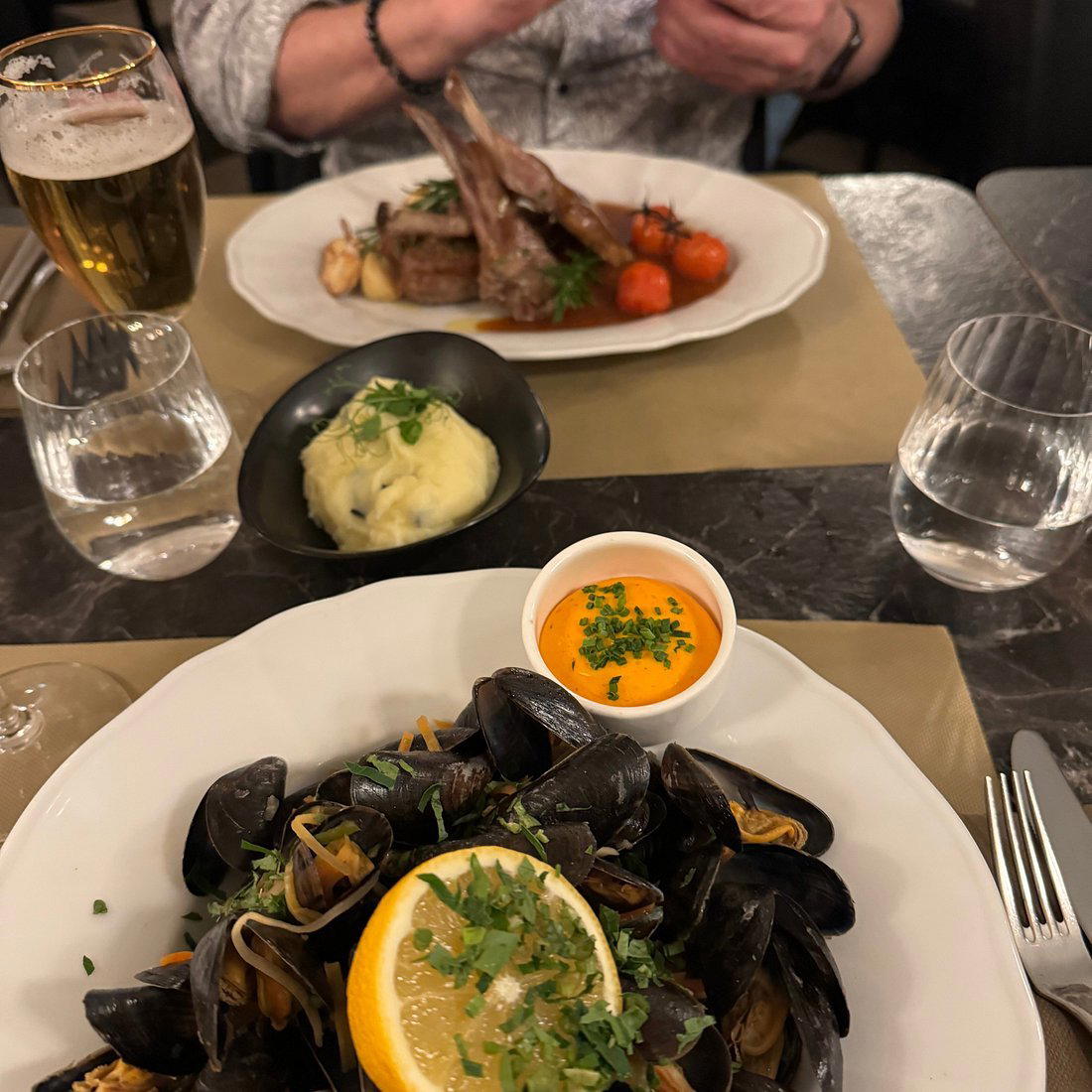
Linz is not Vienna in miniature, and that is useful. Its eating and drinking scene has a more local tempo, with cafés, casual restaurants, bakeries, beer-led addresses and contemporary rooms serving residents as much as visitors. For planning around the hotel, the smarter move is to read the city by category rather than assume the property itself is the whole evening.
EP Club’s city guides are built for that kind of cross-reading. That spread matters because Linz rewards a mixed itinerary: design and media art by day, informal Austrian cooking or contemporary restaurants by night, and short walks between river, old town and industrial reuse zones.
Travellers comparing Linz with Austria’s resort regions should adjust the dining expectation accordingly. A hotel such as Family Nature Resort Moar Gut in Grossarl or Sportresidenz Zillertal in Uderns often concentrates meals, wellness and daily rhythm on property. In Linz, the stronger itinerary usually spreads across the city. That is a benefit for travellers who prefer urban movement to all-inclusive containment.
How it compares across Austria
Austria’s hotel map is unusually varied for a country of its size. Vienna carries diplomatic hotels, coffeehouse ceremony and imperial room sets. Salzburg and lake country work with castles, music heritage and water views. Tyrol and Vorarlberg draw on ski infrastructure, wood-heavy design and wellness culture. Graz and Linz bring a more urban, design-conscious register, often less dependent on grand-hotel ritual. Arcotel Tabakfabrik fits that last category: its relevance comes from the district’s industrial-cultural meaning more than from resort codes.
That makes comparison sharper. Hotel Das Weitzer in Graz belongs to another Austrian city where design, food and urban rhythm matter more than alpine escapism. Hotel Kontor in Hall in Tirol offers a smaller historic-town counterpoint. Nidum Hotel in Seefeld In Tirol and Bergblick in Grän bring the reader back to the mountain-design conversation. The Linz option sits apart because the design cue is not chalet craft, palace restoration or lakeside ceremony, but the reuse of industrial urban fabric.
International comparisons also clarify the category. The restored-city-hotel conversation around The Fifth Avenue Hotel in New York City, the palace tradition represented by Hôtel de Paris Monte-Carlo in Monte Carlo and the alpine grand-hotel model of Badrutt's Palace Hotel in St. Moritz show three different forms of hospitality status. Linz’s Tabakfabrik context offers a fourth: civic reuse, where the value lies in being close to the city’s contemporary production of culture.
Planning notes: what is known, what is not
The available record for Arcotel Tabakfabrik is sparse, so planning should be handled with care. No opening hours, booking method, price range, dress code, awards, chef name, cuisine type or seat count is supplied in the record. That does not make the venue less relevant editorially, but it limits the claims that can be made responsibly.
Seasonality in Linz is less about ski calendars and more about culture, university rhythm, conferences, river weather and events. Spring and autumn tend to suit city walking and architecture-led itineraries; winter brings a different Danube atmosphere and a stronger indoor cultural focus. During major cultural programming or business periods, hotel demand can tighten even in cities that do not look crowded on a leisure map. For this property category, timing matters because the surrounding district may be more or less active depending on events and weekday patterns.
The practical takeaway is simple: choose this address if the trip is about contemporary Linz, industrial architecture and a city stay with cultural edges. Choose Austria’s castle, lake or mountain hotels if the trip needs ceremony, seclusion or spa-led pacing. That is not a hierarchy. It is a question of fit.
How It Compares
Comparable venues nearby, for context on price, style, and recognition.
| Venue | Cuisine | Price | Awards | Notes |
|---|---|---|---|---|
| Arcotel TabakfabrikThis venue — the venue you are viewing | Urban industrial-chic high-rise hotel integrated into the Quadrill Tower at the redeveloped Tabakfabrik creative campus, mixing Austria’s industrial heritage with contemporary architecture and event-focused facilities. | $$$ | 4-Star | Not listed |
| Ritzenhof Hotel & Spa am See | Modern alpine lakeside retreat | $$$ | 4-Star | Saalfelden am Steinernen Meer |
| Valavier Aktivresort | Contemporary alpine resort blending modern design with traditional hospitality | $$$ | 4-Star | Brandnertal |
| Austria Trend Hotel Schloss Wilhelminenberg | Historic castle hotel blending modern comfort with imperial heritage | $$$ | 4-Star | Dornbach |
| Hotel Das Weitzer | Contemporary classic grand hotel with family-run heritage. | $$$ | 4-Star | Gries |
| Hotel Kontor | Chic boutique hotel in a protected historic trading house with 4-star furnishings. | $$$ | 4-Star | Old Town |


At a Glance
- Modern
- Industrial
- Trendy
- Sophisticated
- Elegant
- Scenic
- Business Trip
- Weekend Escape
- Group Retreat
- Romantic Getaway
- Celebration
- Panoramic View
- Waterfront
- Terrace
- Design Destination
- Historic Building
- Wi Fi
- Fitness Center
- Room Service
- Business Center
- Valet Parking
- Meeting Rooms
- Restaurant
- Bar
- Laundry Service
- Skyline
- Waterfront
- Wi Fi
- Fitness Center
- Room Service
- Business Center
- Valet Parking
- Meeting Rooms
- Restaurant
- Bar
- Laundry Service
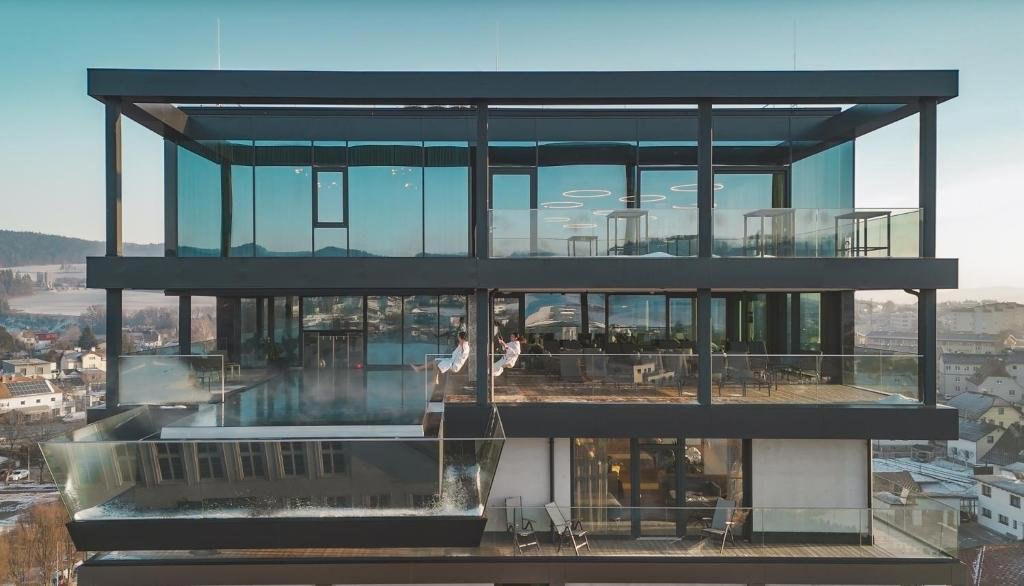
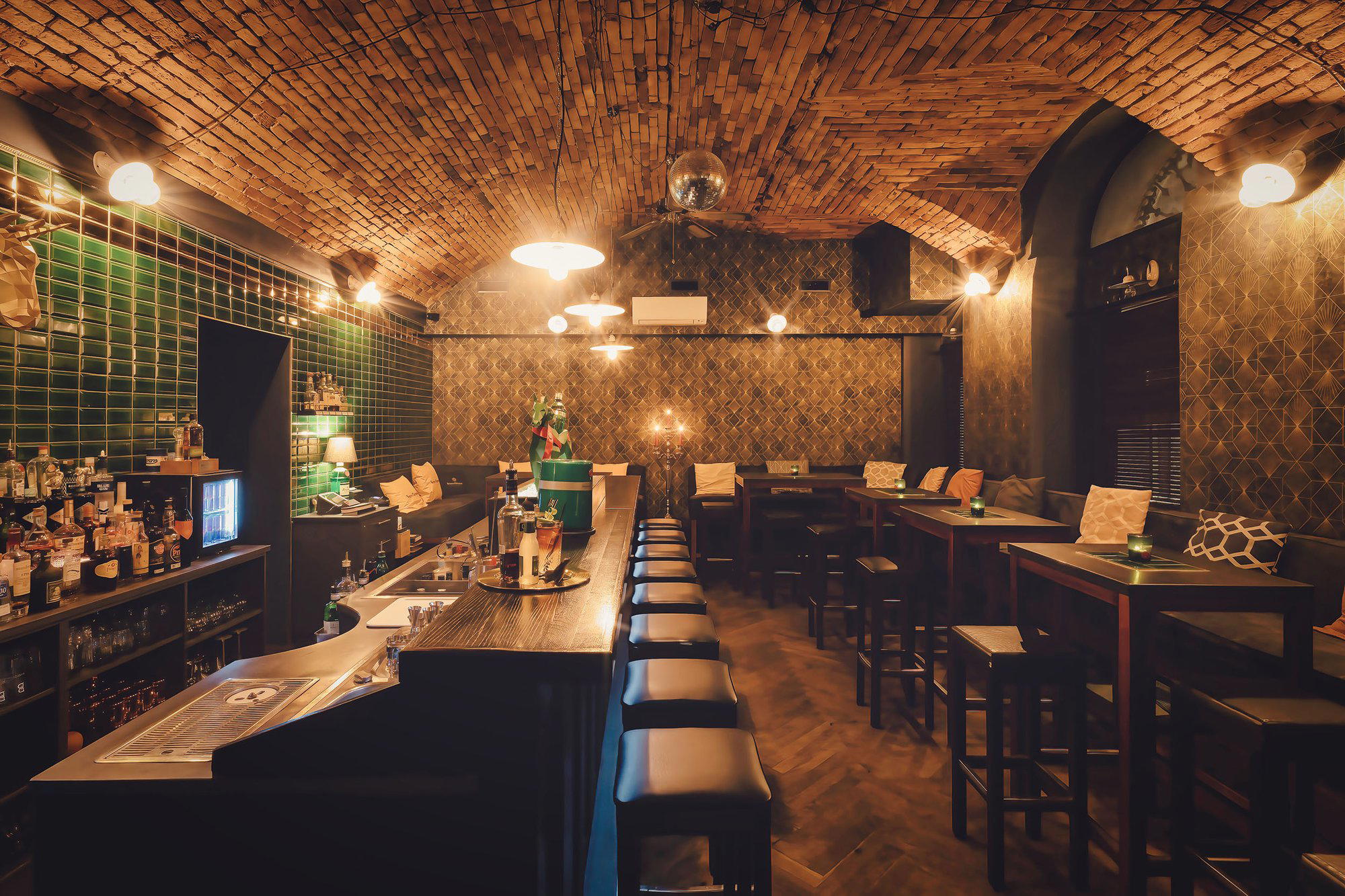
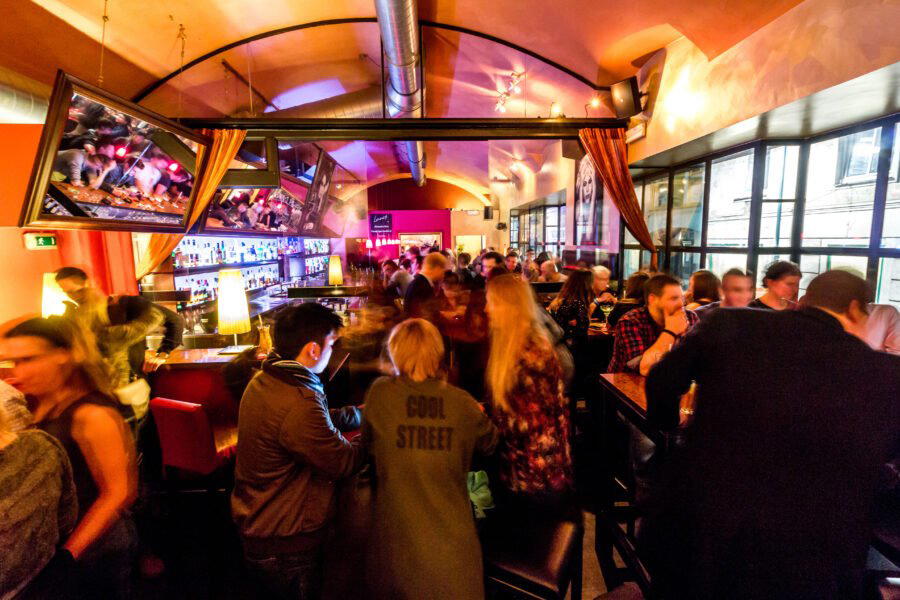
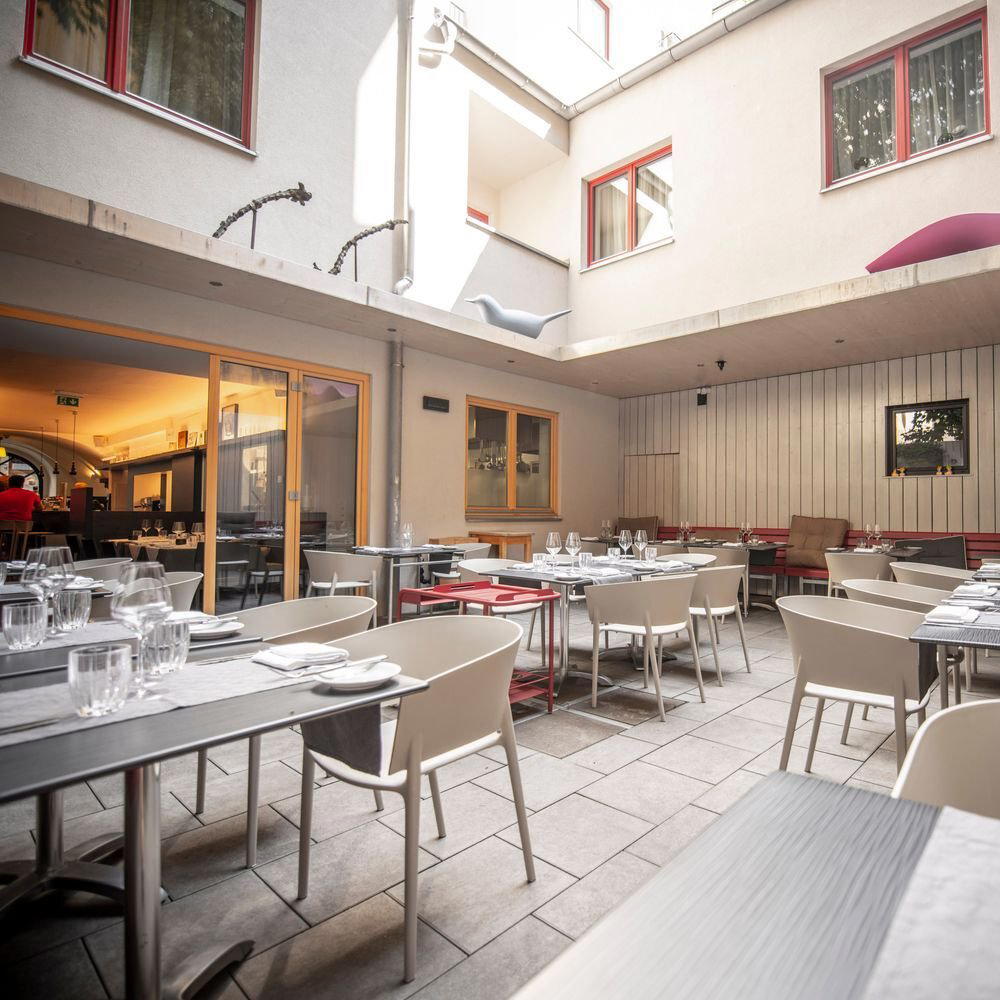
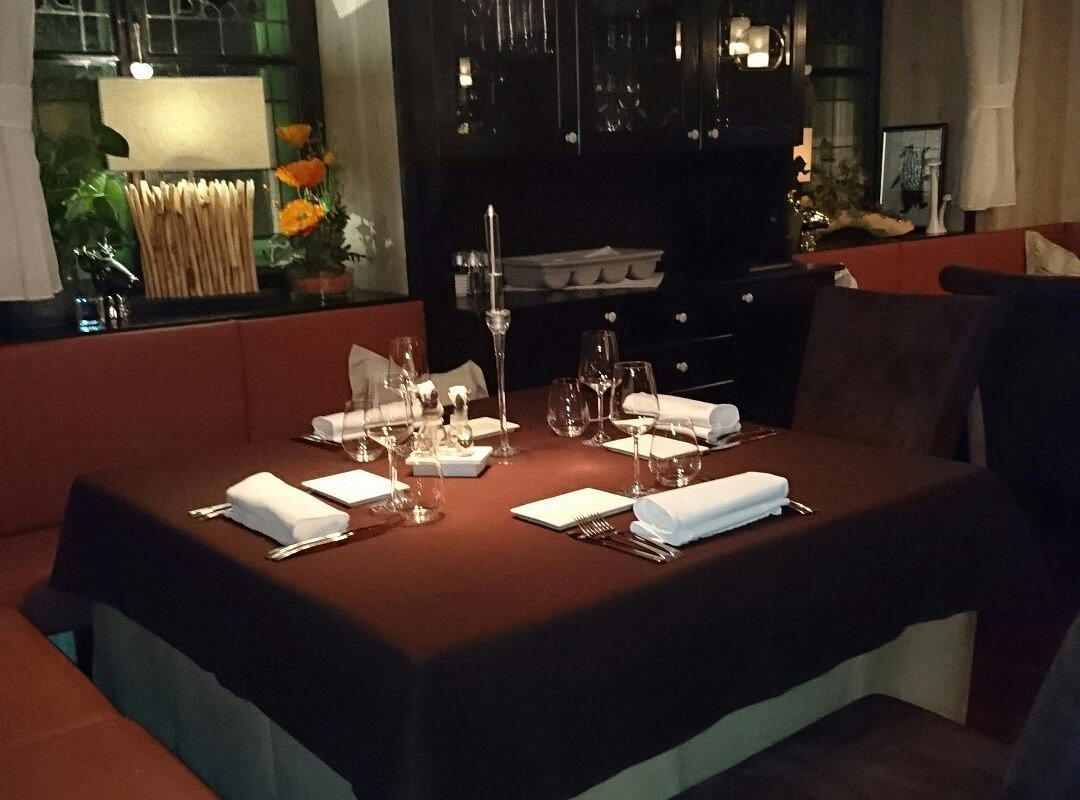
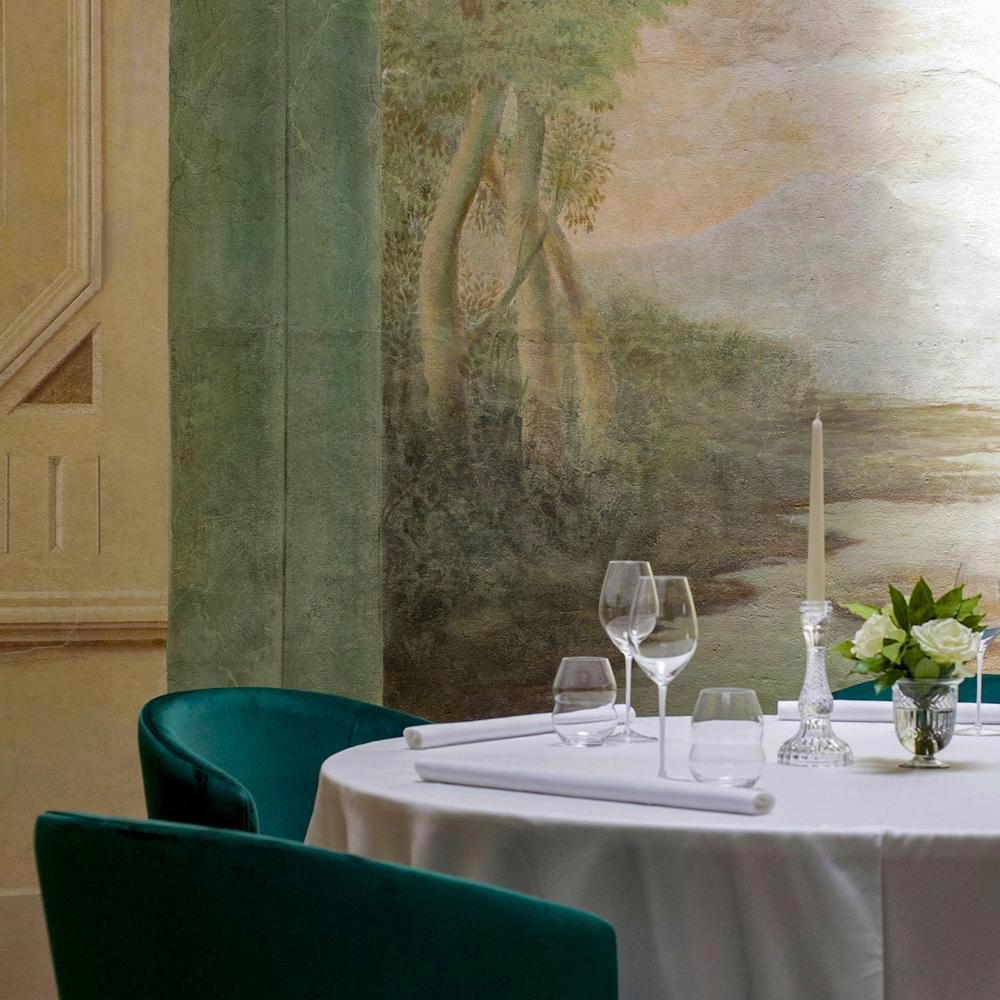
Industrial-chic with exposed concrete, metal accents and dark tones balanced by warm lighting, soft fabrics and lofty ceilings; the overall feel is a modern, urban loft that shifts from calm and refined in the rooms and lobby to buzzy, nightlife-oriented energy in the Q27 rooftop restaurant, bar, lounge and terrace.