Hotel La Trêve sits in a Paris hotel market where design language matters as much as service category. With no published address, star rating, awards, pricing, or booking channel in the available record, it should be read cautiously: a name to place against the city’s better-documented palace hotels and design-led stays, rather than a fully evidenced recommendation.
Pearl is the En Primeur Club membership app — saves, bookings, and concierge access live there. Same editors, same standards.
- Address
- Paris, France
- Directions
- Get directions
 Saves & bookings on Pearl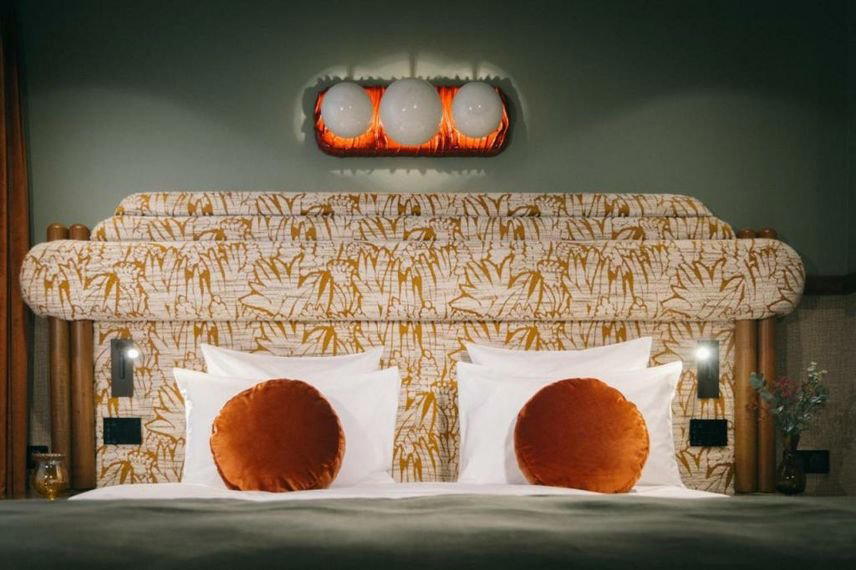
Paris hotel design is a language of thresholds
Paris hotels announce themselves before the first room key changes hands. A carriage entrance on a grand avenue, a discreet door on a side street, a marble lobby with rehearsed choreography, a townhouse stairwell left deliberately quiet: each version tells a different story about how the city sells privacy. Hotel La Trêve enters that conversation with a name rather than a dossier. Hotel La Trêve is a 4-star hotel in Paris, France, with a price tier of 4 and rooms from $650 per night. There is no listed address, architect, room count, awards history, website, phone number, or booking method. That absence matters. In a city where luxury hotels usually publish their heritage, design credits, restaurant credentials, and spa programs with precision, missing data changes the way a serious traveller should read the property.
The useful frame is not to pretend certainty. Paris has several hotel traditions operating at once: the palace hotel as civic theatre, the Left Bank literary address, the fashion-district townhouse, the contemporary riverside conversion, and the small hotel that trades on silence rather than spectacle. Without verified design or service details, Hotel La Trêve can only be placed as an unverified entry within that broader field. The editorial question becomes practical: what should a traveller require from a Paris hotel before trusting it with a high-value stay?
The city's hotel hierarchy is unusually transparent
Paris is not a market where luxury claims exist in a vacuum. The city has an official Palace distinction in France, a dense Michelin-starred dining ecosystem, and a hotel scene covered by international inspection bodies and long-running travel publications. That creates a high bar for evidence. A traveller comparing the upper tier can quickly cross-reference addresses, design lineage, restaurant awards, suite categories, spa partnerships, and neighbourhood logic.
The central comparable set is well documented. Cheval Blanc Paris represents the new Right Bank model: department-store conversion, Seine-facing positioning, and contemporary luxury tied to fashion capital. Hotel Plaza Athénée anchors avenue Montaigne, where couture adjacency is part of the room rate. La Réserve Paris works on a smaller mansion scale, closer to private residence than grand hotel. Le Bristol Paris belongs to the Faubourg Saint-Honoré tradition of large-service classicism. Hôtel de Crillon carries the Place de la Concorde weight of history. Each of these properties gives the traveller verifiable reasons to believe the rate: location, design authorship, restaurant program, service depth, and public recognition.
Against that context, an undocumented hotel name in Paris is not automatically weak, but it demands verification. The city rewards discretion, yet genuine discretion is not the same as opacity. Small hotels may publish fewer claims than palace properties, but serious ones still provide address data, booking channels, room information, and some form of service description.
Architecture is the first filter
For Paris, design is rarely decorative background. It decides how a stay functions. Haussmannian buildings bring formal volume, street symmetry, wrought-iron balconies, and rooms that often privilege ceiling height over footprint. Private mansions offer a different grammar: courtyard arrival, quieter circulation, layered salons, and fewer keys. Post-industrial or commercial conversions solve a harder problem, translating older civic or retail structures into hospitality without flattening the building’s former life.
Because Hotel La Trêve has no verified style, architect, address, or room inventory in the available record, there is no responsible way to describe its interiors, façade, materials, or atmosphere beyond the general Paris context. That restraint is not coy. It protects the reader from the common hotel-writing failure of turning a name into imagined velvet, limestone, brass, and candlelight. In Paris, those details need proof. A design-led claim should be supported by architecture credits, published photography, renovation history, or third-party editorial coverage.
The comparison set clarifies the point. Four Seasons George V operates in the grand avenue tradition, where floral scale and public-room ceremony are part of the proposition. Le Meurice draws power from a historic palace-hotel vocabulary facing the Tuileries. Airelles Château de Versailles - Le Grand Contrôle, outside the central Paris hotel grid, sells an even more explicit relationship between architecture and state history. These are not interchangeable hotel products. The building dictates the rhythm of arrival, dining, privacy, and late-night return.
Neighbourhood usually tells half the story
Paris hotel choice is rarely just about room category. The arrondissement controls the day. A guest based near the Louvre and the Seine experiences the city through museum hours, river crossings, and Right Bank retail. A base near Saint-Germain pushes the trip toward galleries, cafés, publishing history, and a slower evening pace. The 8th arrondissement privileges fashion, embassies, and chauffeur logistics. The Marais gives narrower streets, smaller boutiques, and a denser after-dark pattern. Without an address for Hotel La Trêve, that essential layer is unavailable.
This is more than mapping. A hotel near a major boulevard has different sound exposure, taxi convenience, and late-arrival logic from one on a residential street behind a courtyard. A property close to a major train station can be efficient for regional travel but less aligned with a quiet anniversary weekend. A Left Bank address may suit restaurant-led itineraries differently from a Right Bank palace corridor. In Paris, five minutes can separate two entirely different trip textures.
For planning beyond the room, EP Club’s city guides help establish that context. Restaurant-focused travellers should compare the hotel’s eventual location with Our full Paris restaurants guide. Drinking itineraries benefit from Our full Paris bars guide, since late-night taxi patterns and river crossings affect the evening. Broader cultural planning sits better beside Our full Paris experiences guide. Wine-led travellers can use Our full Paris wineries guide for city-based tasting references, though Paris is a wine capital through cellars, importers, and restaurants rather than vineyard proximity.
What the missing hotel data changes
Luxury travel decisions often become emotional too quickly. A graceful name, a Paris dateline, and a quiet promise can push a hotel onto a shortlist before basic evidence has been checked. It does not include awards, room categories, restaurant information, spa details, or opening history. That does not prove a weak property; it proves an incomplete record.
For a traveller used to the documented Paris upper tier, this creates a clear planning rule. Treat the hotel as a research lead, not as a confirmed booking candidate, until direct verification is possible. The first checks should be address, official booking channel, current rates, cancellation terms, room photographs, accessibility, air-conditioning, lift access, and reception hours. Paris has historic buildings with real constraints, and those constraints can shape comfort as much as aesthetics. A beautiful stairwell is less charming with heavy luggage and no lift. A small street can be atmospheric in the afternoon and complicated for vehicle access during rain or demonstrations.
How it compares with the established Paris hotel set
The Paris luxury field is not only expensive; it is stratified. Palace hotels sell scale, formal service, and international recognition. Smaller high-end properties sell intimacy, residential codes, and a lower public profile. Design hotels sell a sharper aesthetic position, often with fewer legacy rituals. Budget-friendly independent hotels sell location and efficiency, sometimes with better neighbourhood immersion than a grand address.
Hotel La Trêve cannot be assigned cleanly to any of those tiers from the available record. That is precisely why comparison is useful. If the eventual price approaches palace-hotel territory, the evidence should approach palace-hotel clarity: room size, service depth, restaurant access, concierge capability, and third-party recognition. If the rate sits closer to a design-led townhouse or small independent, then privacy, location, and architectural character may matter more than formal awards. If the property is limited-service, it should be judged by a different standard altogether.
Travellers extending a France itinerary can see the same pattern outside Paris. Hotel Du Cap-Eden-Roc in Cap d'Antibes is understood through Riviera resort history. The Maybourne Riviera in Roquebrune-Cap-Martin uses cliffside contemporary architecture as its defining argument. La Bastide de Gordes in Gordes is tied to village fabric and Provence sightlines. Royal Champagne Hotel & Spa in Champillon belongs to a wine-country logic. Domaine Les Crayères in Reims operates within Champagne’s grand-house culture. In each case, the building and setting explain the stay before amenities do.
The design traveller's Paris shortlist
A design-led Paris hotel should answer three questions quickly. What is the building? What has been done to it? How does the design affect the guest’s daily movement? These are better questions than asking whether a lobby photographs well. Good hotel architecture reduces friction: arrival is legible, public spaces have a reason to exist, rooms solve storage and light, and the route from breakfast to street feels natural rather than staged.
For travellers comparing beyond the capital, France offers strong design contrasts. La Réserve Ramatuelle - Hôtel, Spa and Villas in Ramatuelle is coastal and villa-driven. Villa La Coste in Le Puy-Sainte-Réparade connects hotel architecture with art, wine, and open Provençal space. Hôtel & Spa du Castellet in Le Castellet sits in a destination-resort frame. Four Seasons Megeve in Megève belongs to an alpine design code where winter circulation, materials, and ski logistics change the brief. Those comparisons sharpen the Paris question: a capital-city hotel has less land and more urban pressure, so the design has to work harder indoors.
Planning intelligence for Hotel La Trêve
Plan conservatively. With no verified website, phone number, booking method, address, or awards in the available record, travellers should not treat the hotel as confirmed until an official channel is identified and current terms are checked directly. Paris demand rises around fashion weeks, major art fairs, spring travel, early summer, and the December holiday period; in those windows, documented luxury hotels can tighten availability well ahead of arrival. The safer approach is to compare refundable options across the city while verifying the hotel’s identity, location, and rate conditions.
Room choice also requires evidence. There is no verified inventory, view category, suite name, floor plan, or style description in the record, so no specific room can be recommended. In Paris generally, the better experience often depends less on headline category than on orientation, noise exposure, lift proximity, bathroom renovation, and whether the room faces street, courtyard, garden, or landmark. Those details should be requested before committing to a high-rate stay.
For broader benchmarking, Our full Paris hotels guide gives the citywide hotel context. International comparisons can help too: The Fifth Avenue Hotel in New York City shows how a dense city hotel can turn design into personality, while Hôtel de Paris Monte-Carlo in Monte Carlo and Badrutt's Palace Hotel in St. Moritz demonstrate older European grand-hotel models where public reputation, address, and history carry much of the trust burden.
Comparable venues nearby, for context on price, style, and recognition.
| Venue | Cuisine | Price | Awards | Notes |
|---|---|---|---|---|
| Hotel La TrêveThis venue — the venue you are viewing | Chic apartment-style boutique hotel blending Parisian residential charm with full-service 4-star amenities. | $$$$ | 4-Star | Not listed |
| La Comtesse | Boutique hotel in Haussmannian building with Eiffel Tower views | $$$$ | 4-Star | 7th arrondissement |
| Hôtel National Des Arts et Métiers | Contemporary Haussmannian with industrial innovation | $$$$ | 4-Star | Marais |
| Le Pavillon des Lettres | Literary-themed boutique hotel blending Haussmannian architecture with contemporary design | $$$$ | 4-Star | 8th arr. |
| Les Dames Du Panthéon | 18th-century mansion renovated with feminine themes honoring notable women | $$$$ | 4-Star | Latin Quarter |
| Hôtel Fabric Paris | Industrial heritage blended with contemporary design in a former textile factory. | $$$$ | 4-Star | Oberkampf |
Continue exploring
More in Paris
Hotels in Paris
Browse all →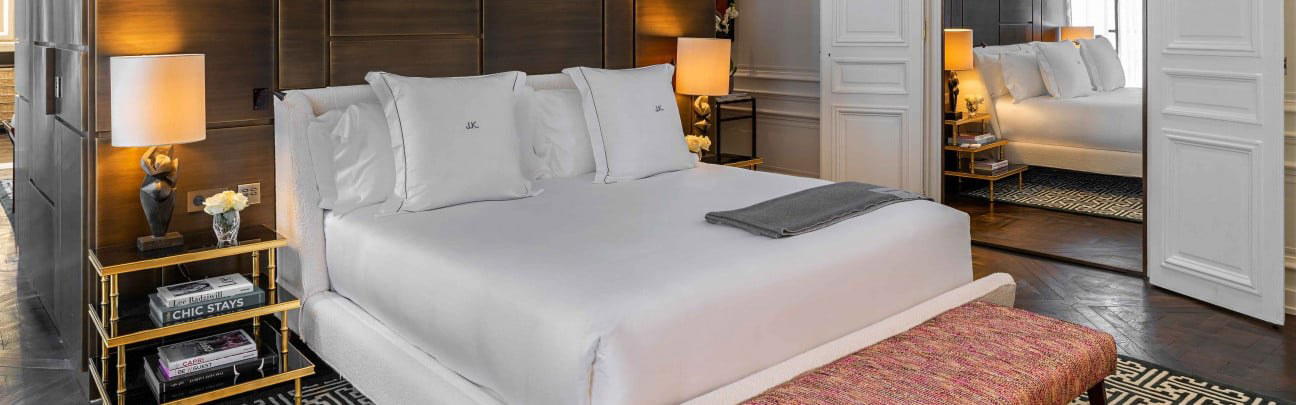
Bars in Paris
Browse all →
Restaurants in Paris
Browse all →



At a Glance
- Elegant
- Modern
- Cozy
- Romantic
- Intimate
- Romantic Getaway
- Weekend Escape
- Business Trip
- Anniversary
- Terrace
- Design Destination
- Historic Building
- Private Dining
- Wi Fi
- Fitness Center
- Spa
- Room Service
- Concierge
- Business Center
- Street Scene
- Wi Fi
- Fitness Center
- Spa
- Room Service
- Concierge
- Business Center
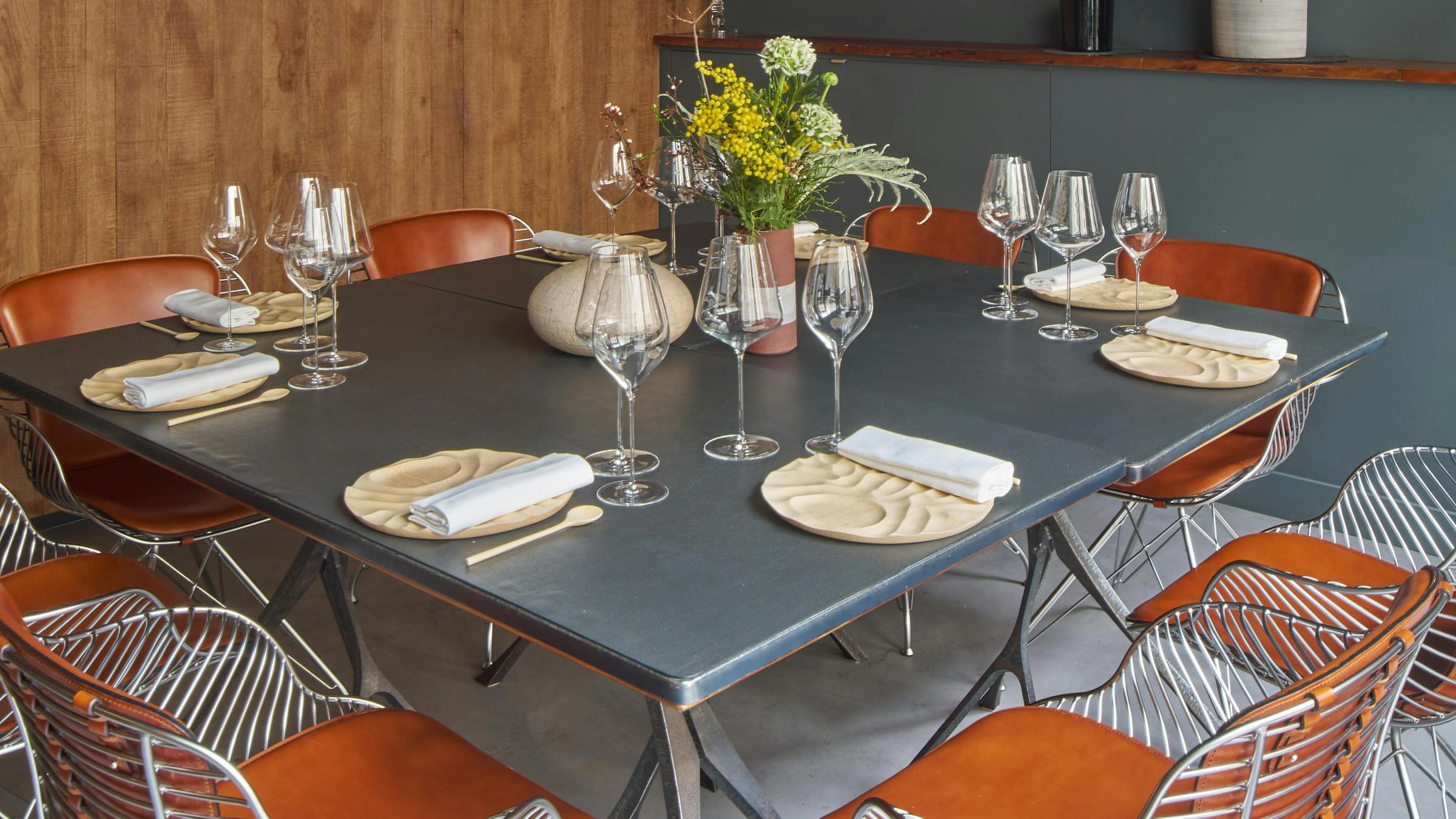
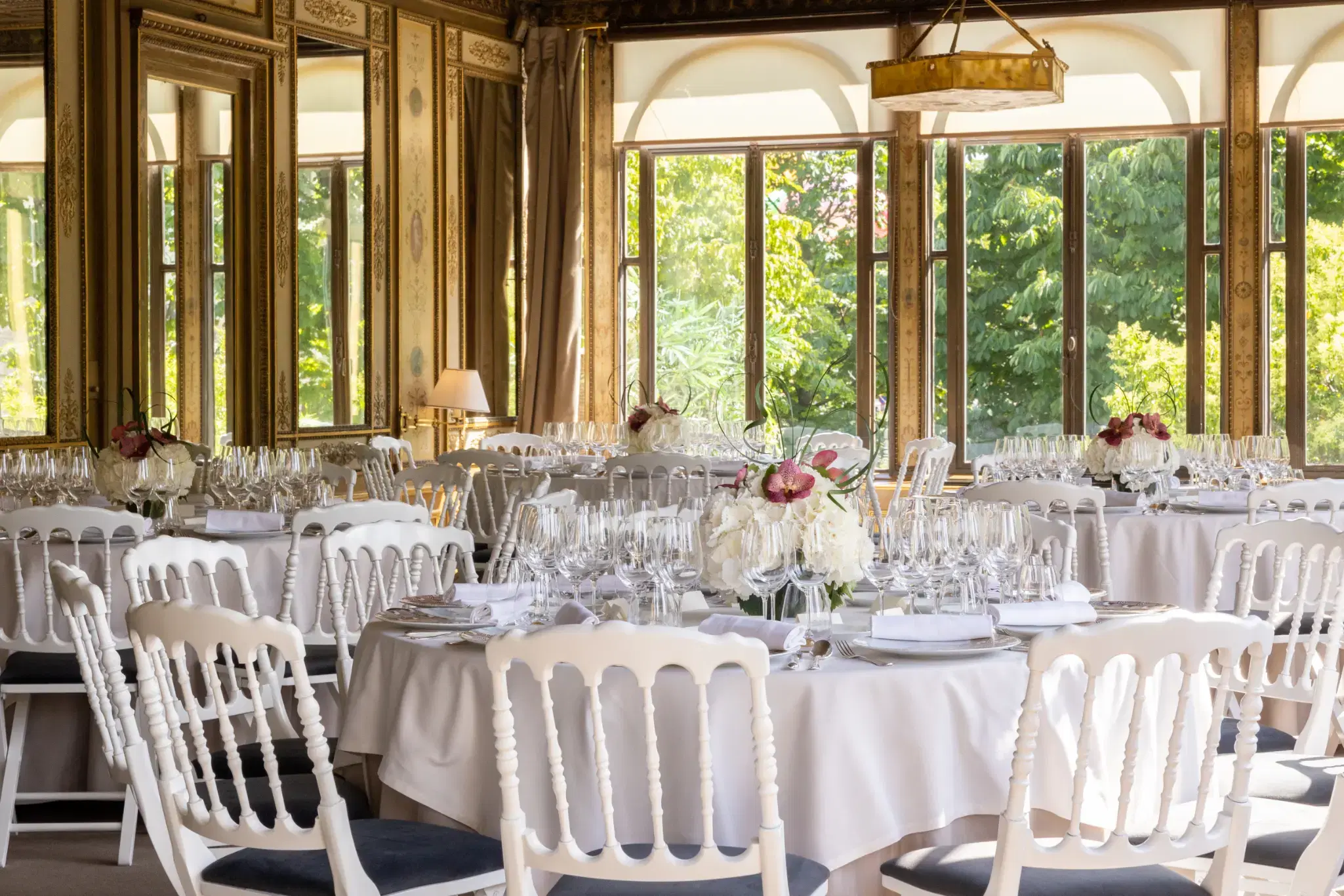
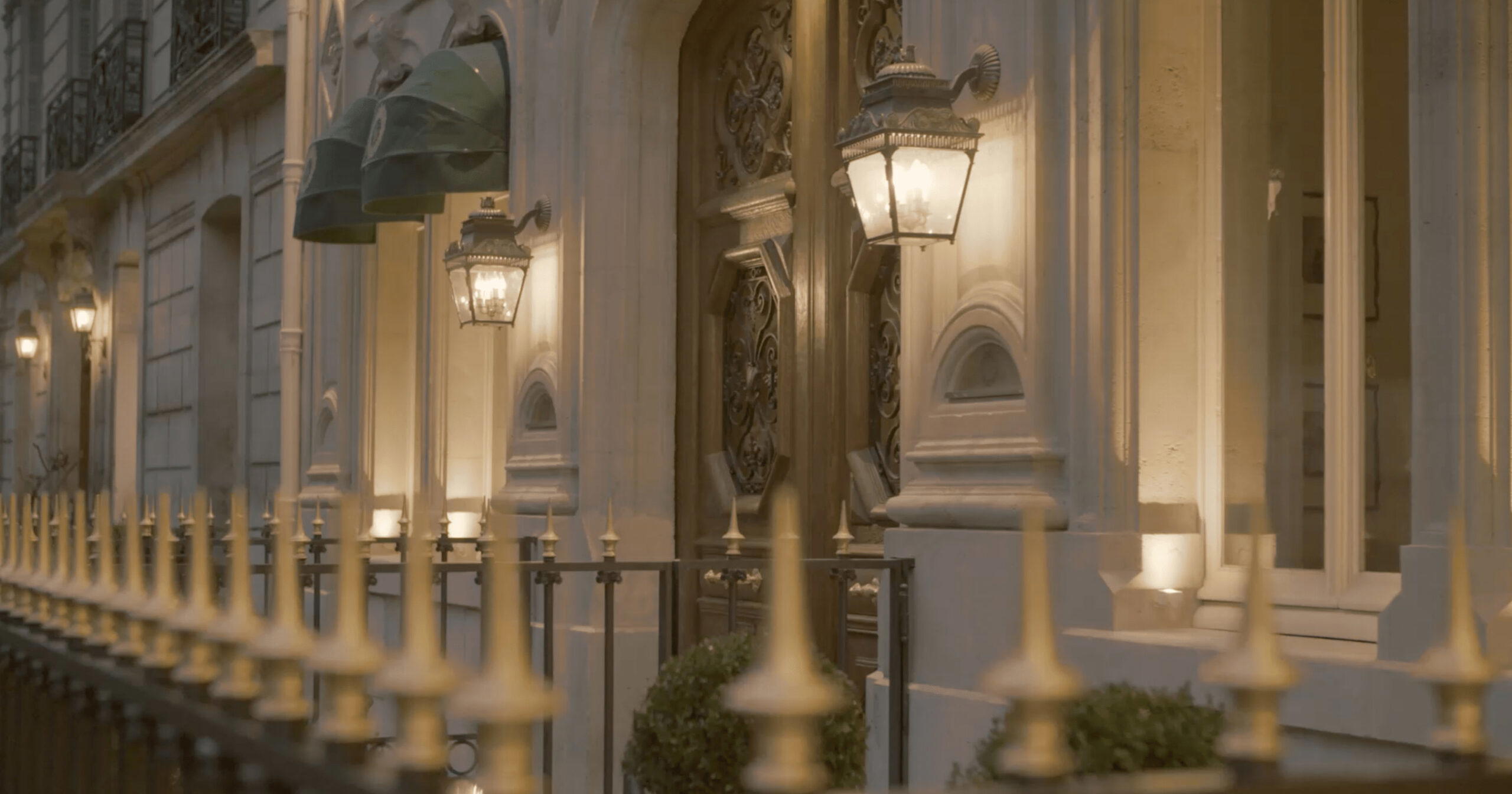
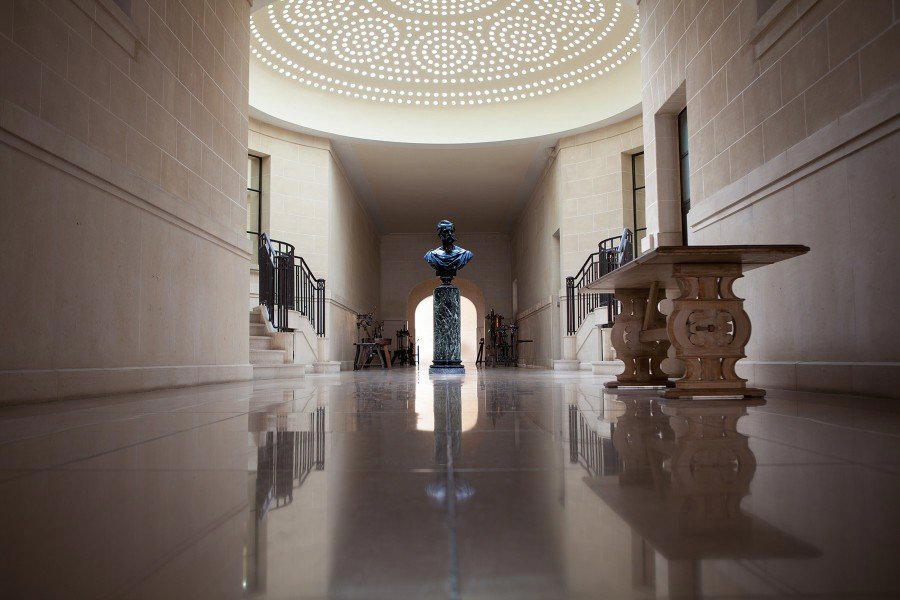
Boutique and design-forward with soft contemporary lighting, elegant neutral tones, and a calm, residential feel that feels like staying in a chic Parisian apartment rather than a conventional hotel.