
Hôtel Fabric occupies a converted nineteenth-century textile workshop on Rue de la Folie Méricourt, placing it squarely in the 11th arrondissement's design-conscious accommodation tier. Where the Right Bank palace hotels project grandeur, Fabric projects considered intimacy, industrial bones softened by warm materials and a service register pitched at engaged, unhurried attention. It draws travellers who want proximity to Oberkampf and Bastille without the anonymity of a large-format property.
Pearl is the En Primeur Club membership app — saves, bookings, and concierge access live there. Same editors, same standards.
- Address
- 31 Rue de la Folie Méricourt, 75011 Paris, France
- Phone
- +33 1 43 57 27 00
- Website
- hotelfabric.com
- Directions
- Get directions
 Saves & bookings on Pearl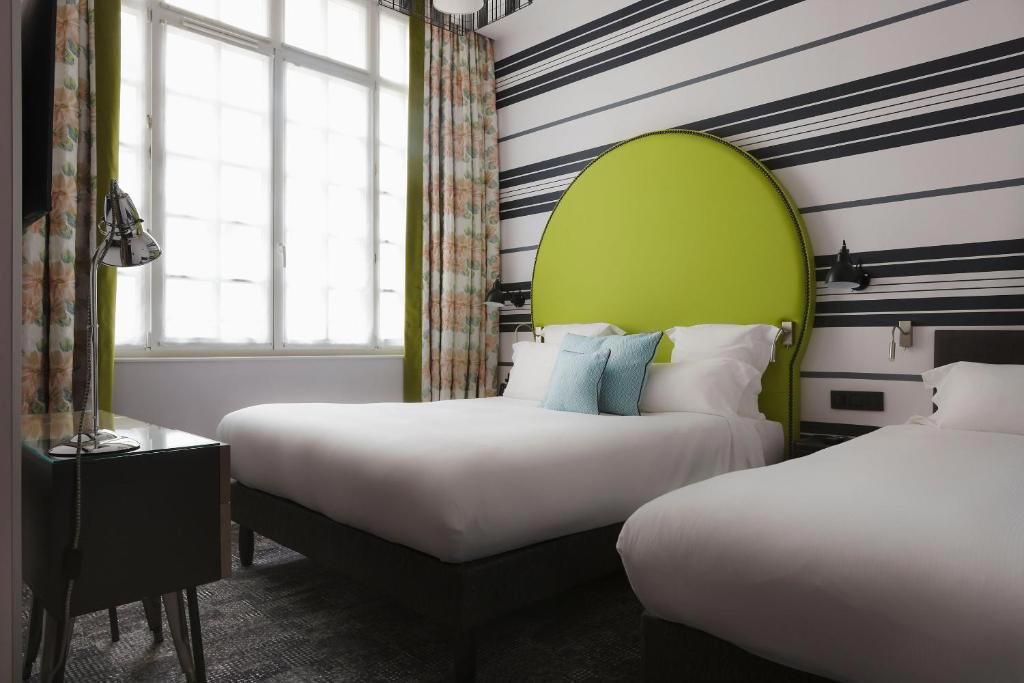
The 11th Arrondissement and the Case for Staying East
Paris hotel geography has long been read along a single axis: the grander the address, the further west you go. The 8th arrondissement palace tier, Cheval Blanc Paris, Hotel Plaza Athénée, Le Bristol Paris, Hôtel de Crillon, sets its prices against the Seine view and Haussmann symmetry outside the window. But a separate accommodation logic has developed east of the République, where converted industrial buildings and a denser, more local street culture have produced a different kind of stay. Hôtel Fabric sits on Rue de la Folie Méricourt in the 11th, a street whose name alone signals its distance from palace-hotel Paris. The building was a working textile factory through much of the twentieth century; the conversion preserved structural elements rather than erasing them, which gives the property a material authenticity that newer-build boutique hotels in the same category struggle to replicate.
What the Industrial Conversion Achieves
The textile-workshop origins are not decorative backstory, they shape the physical experience of the building. Exposed brick, original ironwork, and ceiling heights that belong to production space rather than domestic architecture create a register that larger Parisian hotels cannot manufacture. The approach places Hôtel Fabric in a cohort of European boutique properties that treat conversion as an editorial decision: the building's history becomes a continuous design argument rather than a period reference applied to otherwise generic rooms. Properties in this tier tend toward lower key counts, which reduces corridor traffic and concentrates staff attention. The result is a service density, staff-to-guest ratio, response time, the quality of a check-in conversation, that large-format hotels in Four Seasons George V territory achieve through systemisation, while smaller converted properties achieve through proximity.
Service Register: Engagement Without Performance
The service culture at design-led boutique hotels in Paris has split into two legible modes. One mimics palace-hotel formality at reduced scale, staff trained to distance and ceremony, guest interaction kept transactional. The other operates at a warmer, more conversational register without losing professionalism, where recommendations come from personal knowledge of the neighbourhood rather than a printed concierge sheet. Hôtel Fabric reads as the latter. The 11th's bar and restaurant density gives a well-briefed front desk genuine material to work with: the streets immediately around Rue de la Folie Méricourt connect directly to Oberkampf's wine bar circuit, the Bastille market rhythm, and a restaurant tier that runs from serious bistro to destination natural wine dining. A team that knows this neighbourhood, not as a list of tourist references but as a place with its own evening logic, delivers a meaningfully different service than one managing guests from behind a formal desk in a lobby scaled for spectacle.
Positioning Against the Paris Boutique Field
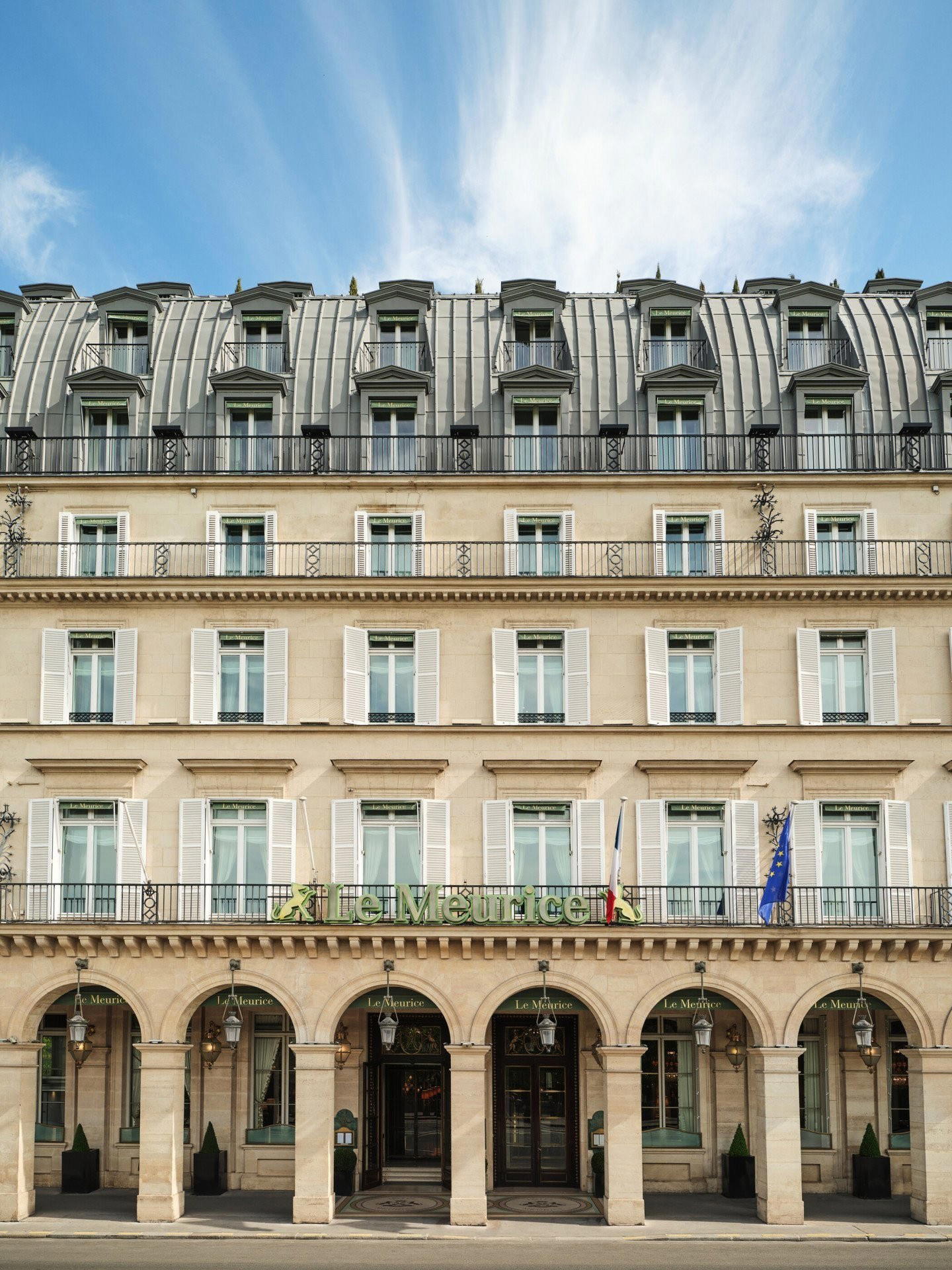
Boutique accommodation category in Paris is crowded and unevenly defined. Soho House Paris operates at the membership-club end of the same general tier, with a social programme and brand identity that frames the stay differently. La Réserve Paris operates in a separate bracket entirely, it is technically small in key count but positioned and priced against palace-hotel peers. Hôtel Fabric competes in a cleaner mid-boutique tier: not trying to be a palace at smaller scale, not leaning on membership culture, simply offering a considered physical environment and competent, warm service at a price point that makes extended stays viable. Travellers who have worked through the palace tier, Le Meurice, Airelles Château de Versailles for a Versailles extension, often find the 11th-arrondissement boutique format answers a different question about what a Paris stay should feel like. France's wider premium hotel field, from Les Sources de Caudalie in Bordeaux to Domaine Les Crayères in Reims and Royal Champagne Hotel & Spa in Champillon, tends to organise around landscape and cuisine. Hôtel Fabric organises around neighbourhood and atmosphere, which is a different value proposition.
The Neighbourhood as Part of the Stay
Staying in the 11th is a position on how you want to spend a Paris trip. The arrondissement runs on a different schedule than the museum-and-palace circuit: markets in the morning, long lunches that bleed into afternoon, an evening culture that starts late and concentrates in a few streets. Rue de la Folie Méricourt sits within walking distance of Canal Saint-Martin to the north and the Bastille to the south, which means the neighbourhood geography covers a wide band of the city's lived texture without requiring the metro. For travellers returning to Paris who have already mapped the traditional circuit, this positioning is the strongest argument for the 11th over a more central address. The conversion hotel format amplifies this: staying in a building with a local material history anchors you to the area more firmly than a purpose-built property would.
Planning a Stay: What to Know
Hôtel Fabric's address, 31 Rue de la Folie Méricourt, 75011 Paris, places it in the inner 11th, reachable from Gare du Nord in under twenty minutes by metro (Oberkampf or Saint-Ambroise are the closest stations on lines 5 and 9). For travellers arriving via Charles de Gaulle, a taxi or private transfer to the 11th runs approximately forty-five to sixty minutes depending on traffic, comparable to arrival times at Right Bank palace hotels in the 8th. Travellers comparing France's broader boutique field might also consider design-led properties like Villa La Coste in Provence or La Bastide de Gordes in the Luberon for a different kind of conversion property outside the capital. On the coast, The Maybourne Riviera and La Réserve Ramatuelle represent the premium end of the same design-conscious tier in different geographical registers.
Just the Basics
Comparable venues nearby, for context on price, style, and recognition.
| Venue | Price | Notes |
|---|---|---|
| Hôtel Fabric ParisThis venue — the venue you are viewing | $$$$ | Not listed |
| HOY Paris - Yoga Hotel | $$$$ | 9th Arr., Holistic urban wellness sanctuary with yoga and vegan dining. |
| Les Dames Du Panthéon | $$$$ | Latin Quarter, 18th-century mansion renovated with feminine themes honoring notable women |
| Maison Armance | $$$$ | 1er arrondissement, Low-profile address pied-à-terre in a historic Parisian building |
| Les Etangs de Corot | $$$$ | Ville-d'Avray, Polished luxury retreat with refined French aesthetic, blending contemporary comfort with classic elegance in a natural woodland setting. |
| Monge | $$$ | Latin Quarter, Historic 19th-century bourgeois house modernized with contemporary interiors |
Recognition history
Dated appearances from independent guides and award organizations, with the underlying list record or original source where available.
Michelin Selected
Michelin
Continue exploring
More in Paris
Hotels in Paris
Browse all →
Bars in Paris
Browse all →
Restaurants in Paris
Browse all →
Wineries in Paris
Browse all →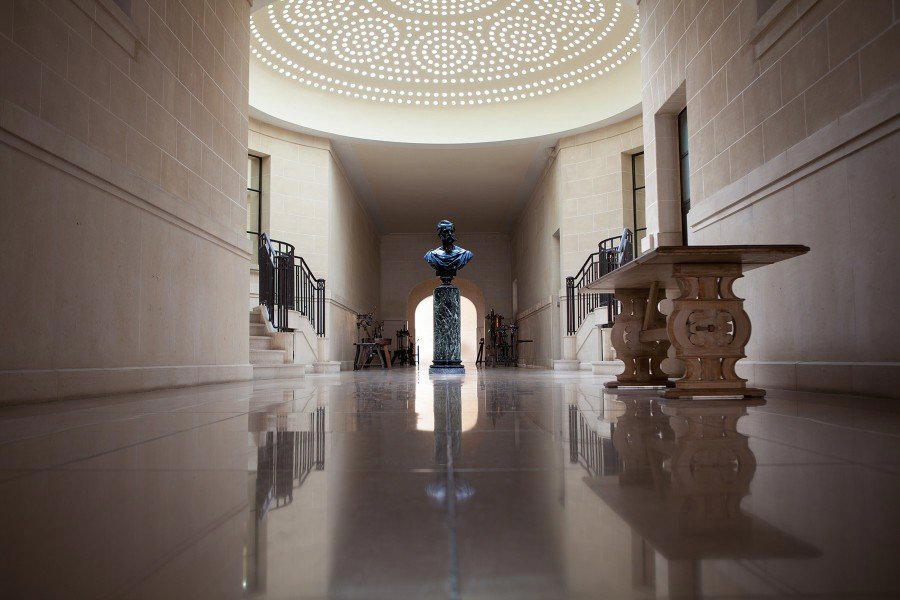
At a Glance
- Modern
- Industrial
- Trendy
- Elegant
- Intimate
- Romantic Getaway
- Weekend Escape
- Historic Building
- Design Destination
- Terrace
- Wi Fi
- Spa
- Fitness Center
- Room Service
- Concierge
- Street Scene
- Wi Fi
- Spa
- Fitness Center
- Room Service
- Concierge
Spacious, well-lit rooms with exposed brick, industrial fixtures, mid-century modern furnishings, and vivid prints creating a playful yet sophisticated atmosphere.