
Michelin Selected
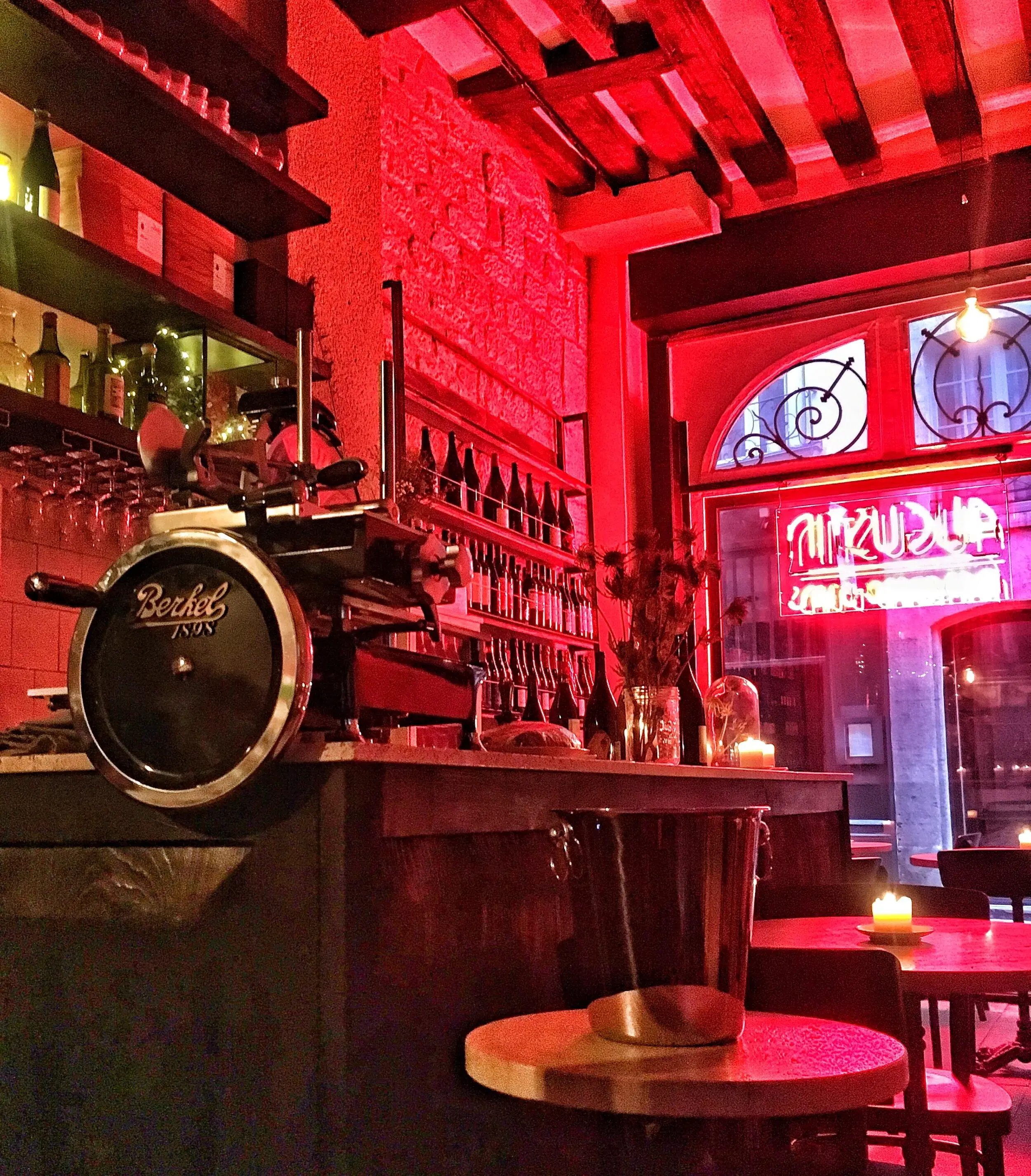
On a quiet street in the 10th arrondissement, Hôtel Grand Amour occupies a different register from Paris's palace-category hotels. The design leans toward lived-in romanticism rather than institutional grandeur, placing it in a growing cohort of smaller, personality-led properties that define the city's current creative hospitality moment. It draws a crowd that finds the Right Bank palaces too formal and the hostels too anonymous.

Pearl is the En Primeur Club membership app, where members save venues, book tables and use the concierge.
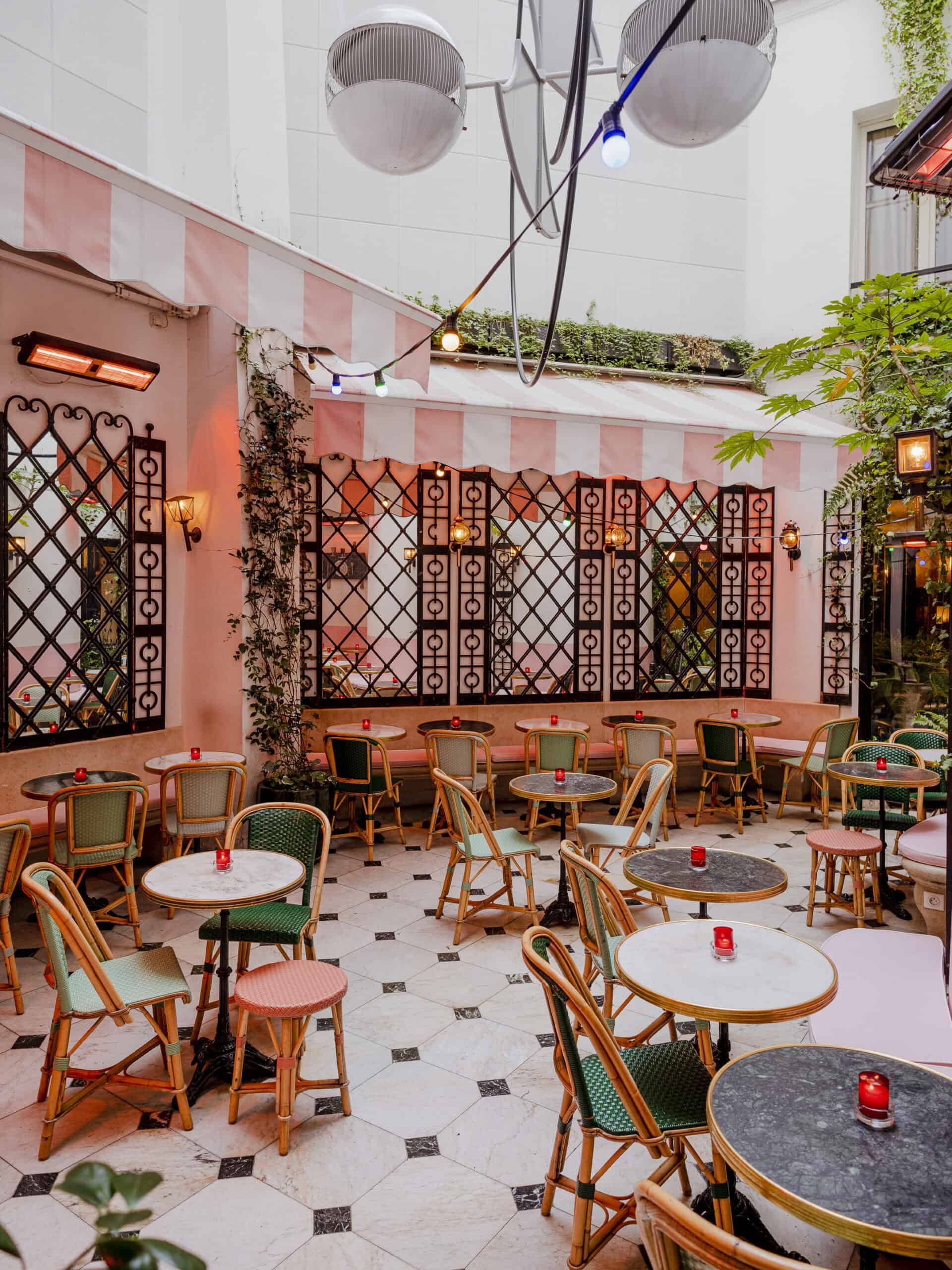
The 10th Arrondissement's Approach to Hospitality
Paris hotel culture has long been defined by its palace tier: the grand facades of the 8th arrondissement, the immaculate lobbies of properties like Le Meurice, Hôtel de Crillon, and Hotel Plaza Athénée, all operating within a well-established grammar of Parisian luxury. But a parallel hospitality current has been building in the city's northern arrondissements for more than a decade, concentrated in the 9th and 10th, where smaller properties have traded institutional polish for neighbourhood credibility and design that feels inhabited rather than preserved.
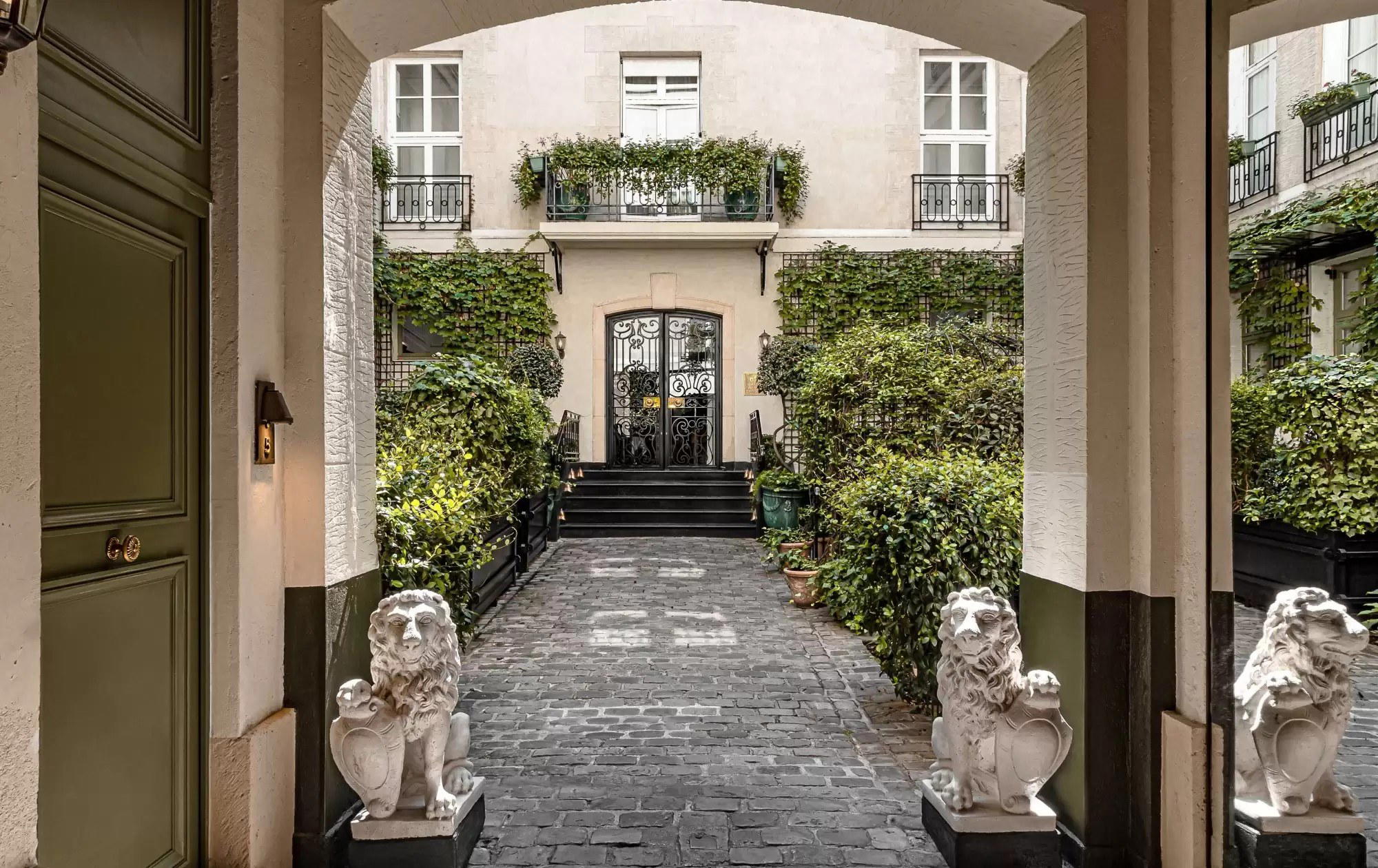
Hôtel Grand Amour sits on Rue de la Fidélité in the 10th, a street that functions as a kind of shorthand for this shift. The area around the Canal Saint-Martin and the Grands Boulevards has matured from a restaurant-and-bar destination into something with genuine overnight infrastructure. The hotel occupies that moment, positioned neither as a boutique-lite budget option nor as a scaled-down palace, but as something with its own editorial identity.
Atmosphere Before Amenities
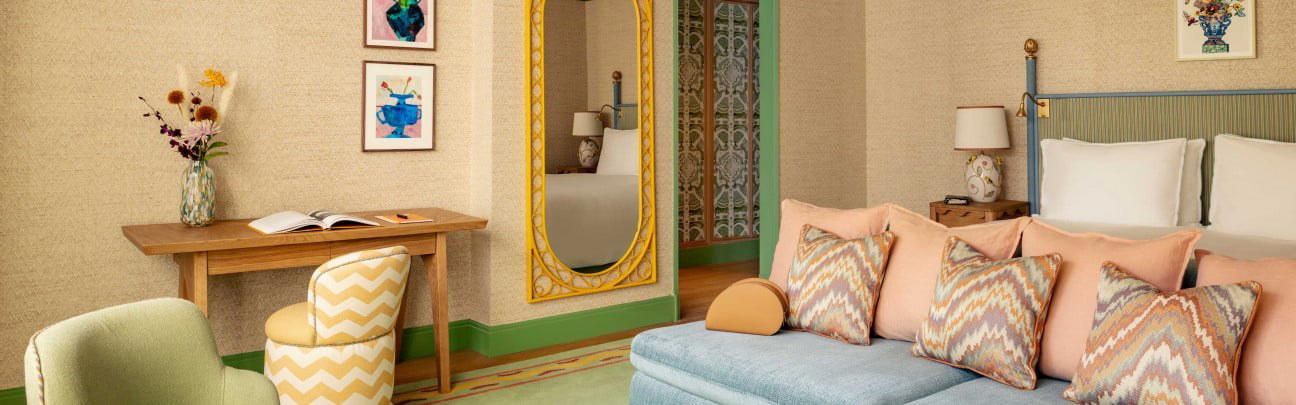
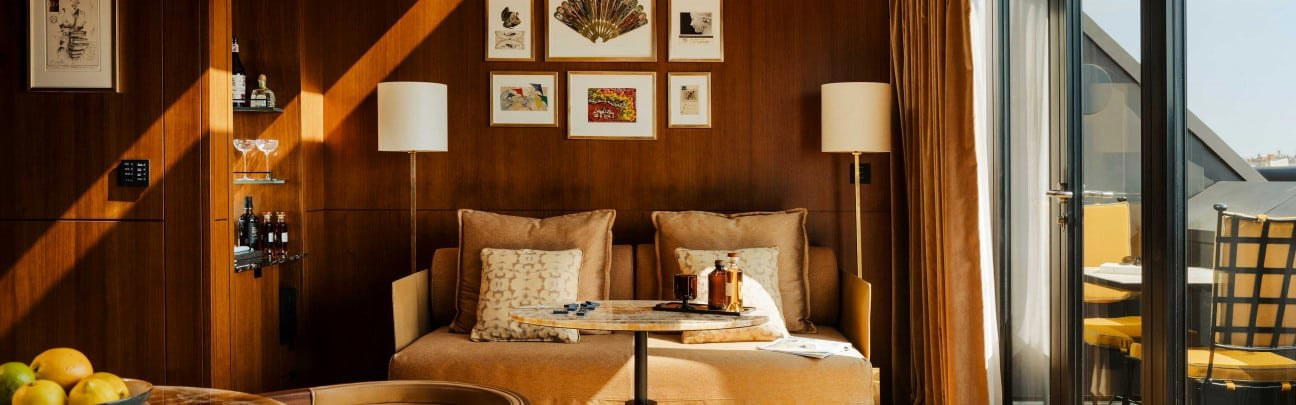
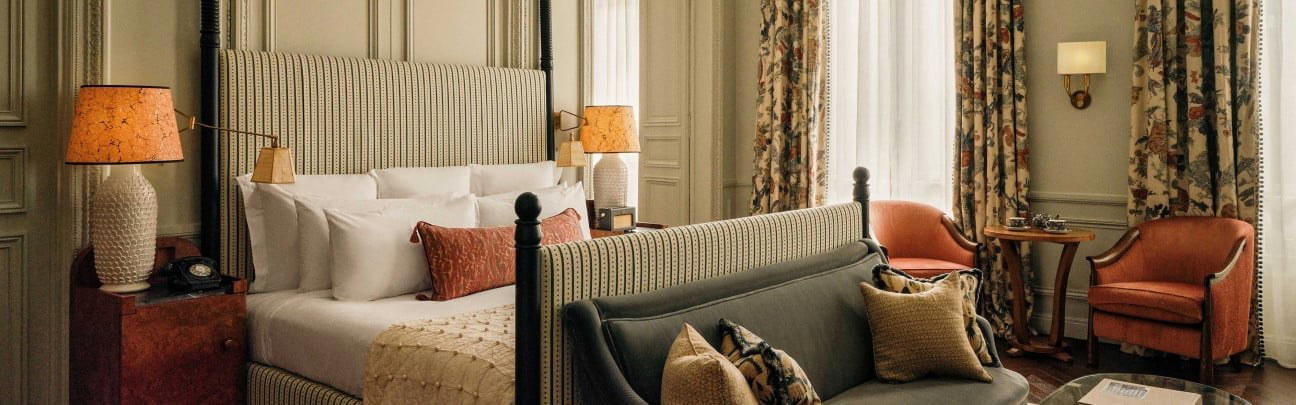
The design language of properties in this category, and Grand Amour is a reliable reference point for it, prioritises texture over gloss. Where the palace hotels of the 8th deploy acres of marble and uniformed staff ratios calibrated to the room count, the 10th-arrondissement approach layers vintage furniture, considered artwork, and a dimmer-switch aesthetic that reads as romantic without being theatrical. Approaching from Rue du Faubourg Saint-Denis, the shift in register is immediate: the streets are narrower, the storefronts more miscellaneous, and the hotel's presence is understated rather than announced.
This matters for a specific type of traveller. Paris's premium hospitality market has split between properties that perform grandeur, such as Cheval Blanc Paris, Four Seasons George V, and La Réserve Paris, and those that perform belonging. Grand Amour belongs clearly to the second category. The bar and restaurant downstairs operate as neighbourhood anchors, drawing locals as much as guests, which is the clearest signal of how these properties position themselves against the palace tier.
The Food and Sourcing Question
In Paris's design-led hotel category, the in-house food program tends to be the differentiator that separates genuine hospitality thinking from decoration. The city's right-bank palaces have always treated their restaurants as flagship operations: Le Bristol Paris built its reputation around Eric Frechon's three Michelin-starred dining room, and Hôtel de Crillon made its restaurant a point of genuine critical attention. The smaller, neighbourhood-coded properties in the 10th take a different approach: sourcing signals over tasting-menu formality, ingredient provenance over classic brigade service.
France's small-producer agricultural network provides the backbone for this approach. The proximity of Paris to the Loire Valley, Île-de-France market gardens, and Normandy dairy suppliers means that a well-sourced hotel kitchen in the 10th has genuine access to material that the palace kitchens also draw on, just filtered through a less formal, more café-inflected lens. The cooking that tends to emerge from properties in this category prioritises recognisable bistro forms, assembled from traceable ingredients, rather than the constructed refinement of grand hotel cuisine. It is a deliberate positioning, and it aligns with the broader neighbourhood, where the leading tables in the 10th and 11th tend to cook with visible seasonal logic rather than architectural ambition.
Where It Sits in the Paris Hotel Market
Comparing Hôtel Grand Amour to the palace tier is, to some extent, a category error. The more instructive comparison is with properties that occupy a similar design-led, personality-forward position: Soho House Paris in the 9th, the growing constellation of independently operated boutique hotels along the Grands Boulevards corridor, and the wider European network of properties that prioritise creative direction over service volume.
What distinguishes the 10th-arrondissement cluster from, say, the Airelles Château de Versailles or the château-hotel model found at properties like Domaine Les Crayères in Reims is the deliberate rejection of heritage grandeur as the primary value proposition. The rooms are smaller, the lobbies less ceremonial, and the price points reflect that. But the trade is access to a neighbourhood that genuinely functions, with markets, wine bars, and restaurants that operate independently of the hotel's draw.
For context within France's broader premium hotel offer, compare this positioning to destination properties like La Bastide de Gordes in Provence or Les Sources de Caudalie in Bordeaux, both of which tie their identity to landscape and regional ingredient culture. Grand Amour's version of that logic is urban: the 10th arrondissement is the terroir, and the hotel is positioned as its lodging expression.
Practical Planning
The hotel's address on Rue de la Fidélité puts it within walking distance of the Gare du Nord and Gare de l'Est, which is useful for arrivals from London via Eurostar or from the French provinces by TGV. The Canal Saint-Martin is a ten-minute walk north, and the concentrated restaurant density of the Faubourg Saint-Denis corridor is immediately adjacent. For context on the wider Paris dining scene, the EP Club Paris guide maps both the palace-tier options and the neighbourhood tables that define current creative cooking in the city.
Booking is handled directly through the property. Given the hotel's profile and the growth of design-led travel to Paris, occupancy during peak season (April through June, September through October) runs high. Planning two to three months ahead for weekend stays during those windows is practical rather than excessive. International travellers considering Paris as part of a wider France itinerary might weigh it against coastal alternatives like La Réserve Ramatuelle or Hotel du Cap-Eden-Roc in Cap d'Antibes for shoulder-season travel, but as a Paris base, the 10th-arrondissement location has genuine advantages in neighbourhood access that the palace hotels, further west, cannot replicate.
The Quick Read
Comparable options at a glance, pulled from our tracked venues.
| Venue | Price | Awards |
|---|---|---|
| Hôtel Grand AmourThis venue (the venue you are viewing) | Not listed | Michelin Selected |
| Cheval Blanc Paris | $2,500+ | 3 Michelin Keys · World's 50 Best #20 |
| Le Meurice | $1,000–1,500 | 3 Michelin Keys · La Liste Top Hotels |
| Shangri-La Paris | $1,000–1,500 | 1 Michelin Key · La Liste Top Hotels |
| The Peninsula Paris | $1,000–1,500 | 2 Michelin Keys · La Liste Top Hotels |
| Soho House Paris | $300–500 | 1 Michelin Key · Vogue 2026 Vogue Best Hotels in Paris |
Recognition history
Dated appearances from independent guides and award organizations, with the underlying list record or original source where available.
Michelin Selected
Michelin
Continue exploring
More in Paris
Hotels in Paris
All hotels in Paris →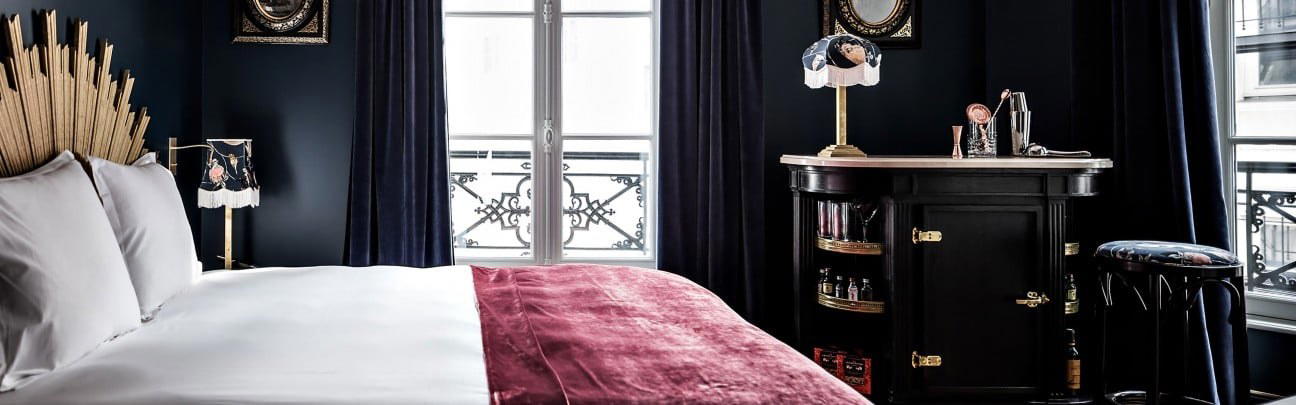
Bars in Paris
All bars in Paris →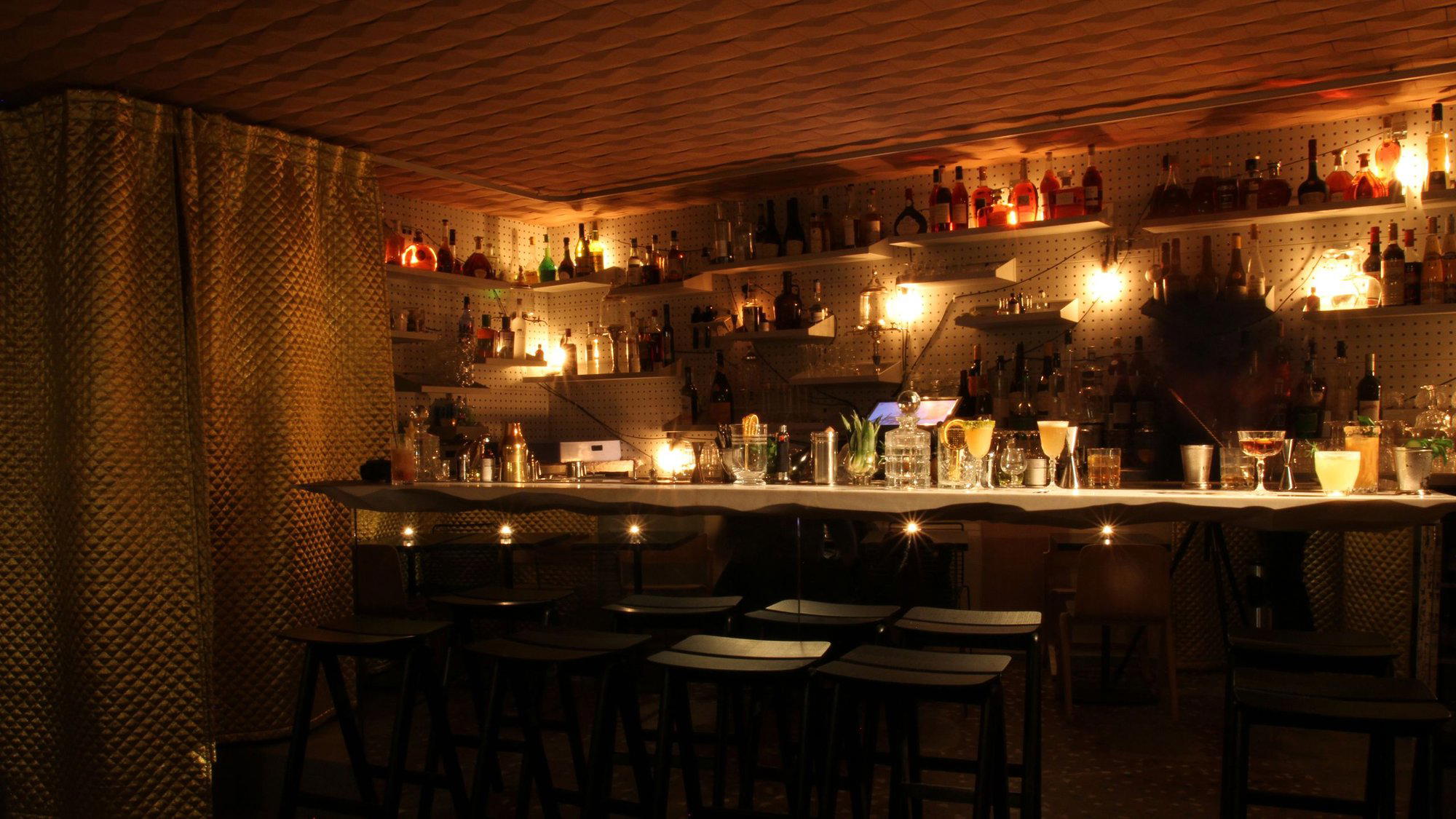
Restaurants in Paris
All restaurants in Paris →



Details
- Romantic
- Trendy
- Bohemian
- Whimsical
- Intimate
- Sophisticated
- Romantic Getaway
- Anniversary
- Weekend Escape
- Design Destination
- Terrace
- Historic Building
- Wi Fi
- Restaurant
- Room Service
- Sauna
- Street Scene
- Wheelchair Accessible
- Step Free Entrance
Erotic and artistic atmosphere with sensual photography, lively colors, oak paneling, mirror-covered lounges, and a heated terrace evoking Parisian café intimacy.