
Hotel Cristoforo Colombo occupies a direct position on Corso Buenos Aires, Milan's densely commercial artery that threads from Porta Venezia toward the eastern residential quarters. With 120 rooms, it operates at a scale that sits between boutique and full-service, making it a functional base for visitors who want proximity to the city rather than seclusion from it. For travellers who read the neighbourhood before booking, it rewards that attention.
Pearl is the En Primeur Club membership app — saves, bookings, and concierge access live there. Same editors, same standards.
- Address
- Corso Buenos Aires, 3, 20124 Milano MI
- Directions
- Get directions
 Saves & bookings on Pearl
Corso Buenos Aires and the Logic of Location
Milan's accommodation map divides along a clear axis: properties that orbit the historic triangle of fashion, finance, and opera in the centro storico, and those that plant themselves in the commercial belt east of Porta Venezia. Hotel Cristoforo Colombo is a 4-star hotel in Milan, at Corso Buenos Aires 3 in Porta Venezia. Hotel Cristoforo Colombo belongs to the second category. Its address at Corso Buenos Aires 3 places it at the opening stretch of one of the city's longest and most trafficked shopping streets, a corridor where the consumer reality of everyday Milan is considerably more visible than in the boutique-lined quadrilatero della moda. That is not a concession; it is a positioning choice that shapes everything about who books here and why.
Corso Buenos Aires connects directly to the Metro at Porta Venezia (Line 1, red line), which makes the Duomo, Brera, and the fashion district accessible without surface traffic. For travellers arriving into Milan Centrale, the station is a short metro ride away. The neighbourhood around the hotel fills with a mix of Milanese professionals, students from the nearby universities, and the kind of mid-journey transit traffic that a well-placed city hotel absorbs without friction. Compared to the insular calm of properties like Mandarin Oriental Milan or Bvlgari Hotel Milan, which operate in quieter, more curated streets, Cristoforo Colombo trades stillness for connectivity.
Scale and What 120 Rooms Signals
In Milan's hotel market, room count is a reasonable proxy for character. The city's most design-intensive properties tend to operate at lower keys: Portrait Milano runs at intimate scale, and Vico Milano occupies a similarly contained footprint. At 120 rooms, Hotel Cristoforo Colombo sits in a middle register where operational efficiency becomes more important than the architecture of restraint. Properties of this size typically carry full reception staffing across hours, maintain breakfast service at capacity, and can absorb the group bookings and business travel that sustains year-round occupancy. That middle tier is genuinely useful: it means the hotel functions reliably at the cost of a certain editorial distinctiveness.
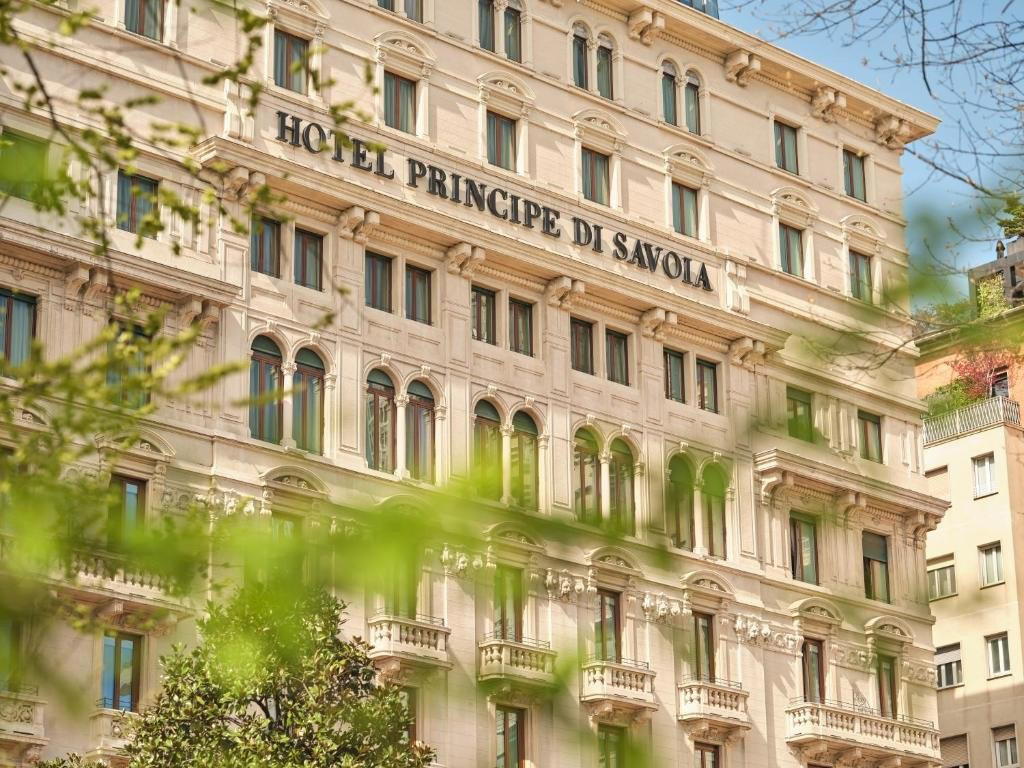
The 120-room count also places Cristoforo Colombo in different competitive air from the palazzo-scale addresses that define Milan's prestige tier. Grand Hotel et de Milan, for instance, carries historical weight that prices against its rarity; Hotel Principe di Savoia operates under the Dorchester Collection flag with the service infrastructure that implies. Cristoforo Colombo's competitive set is elsewhere: city-centre business hotels and transit-oriented four-star properties where location efficiency and room count matter more than brand lineage.
What the Address Tells You About How to Use the Hotel
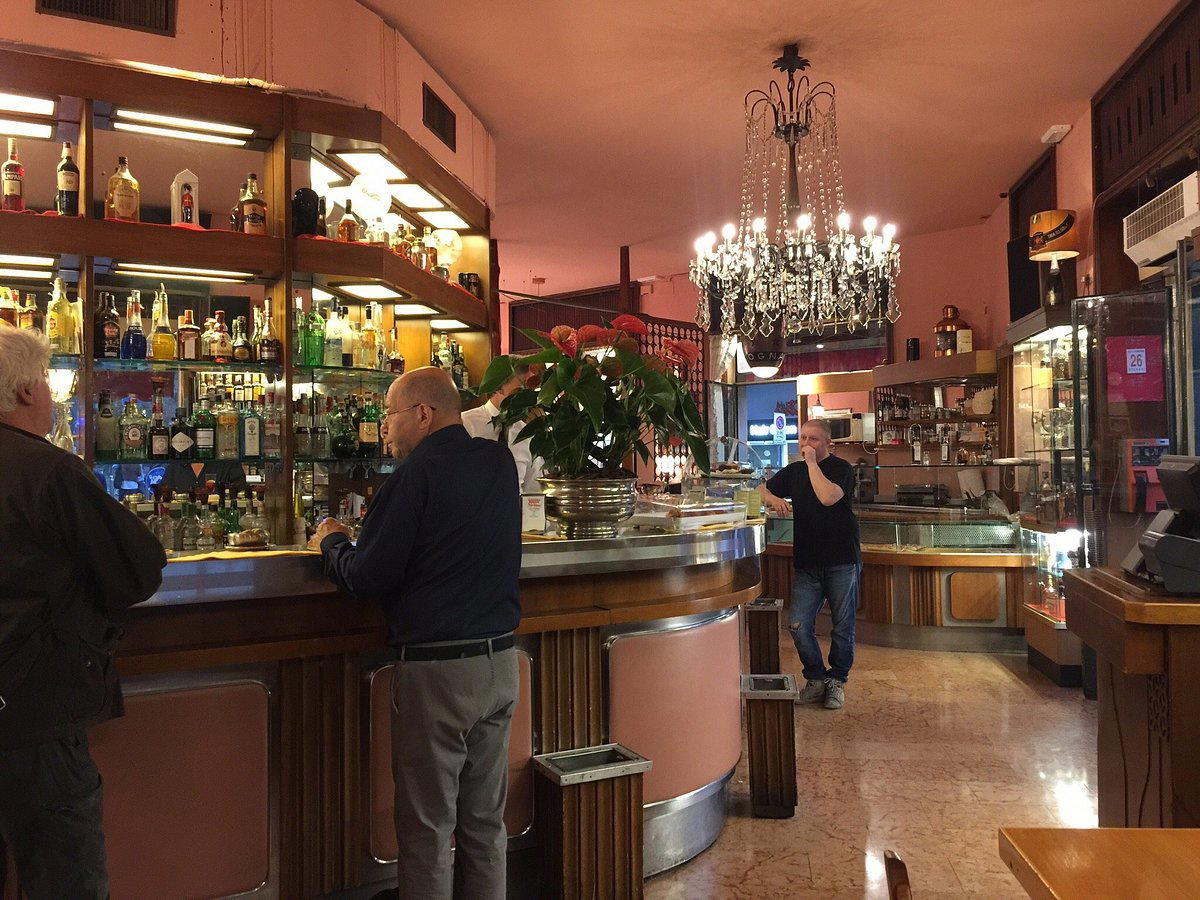
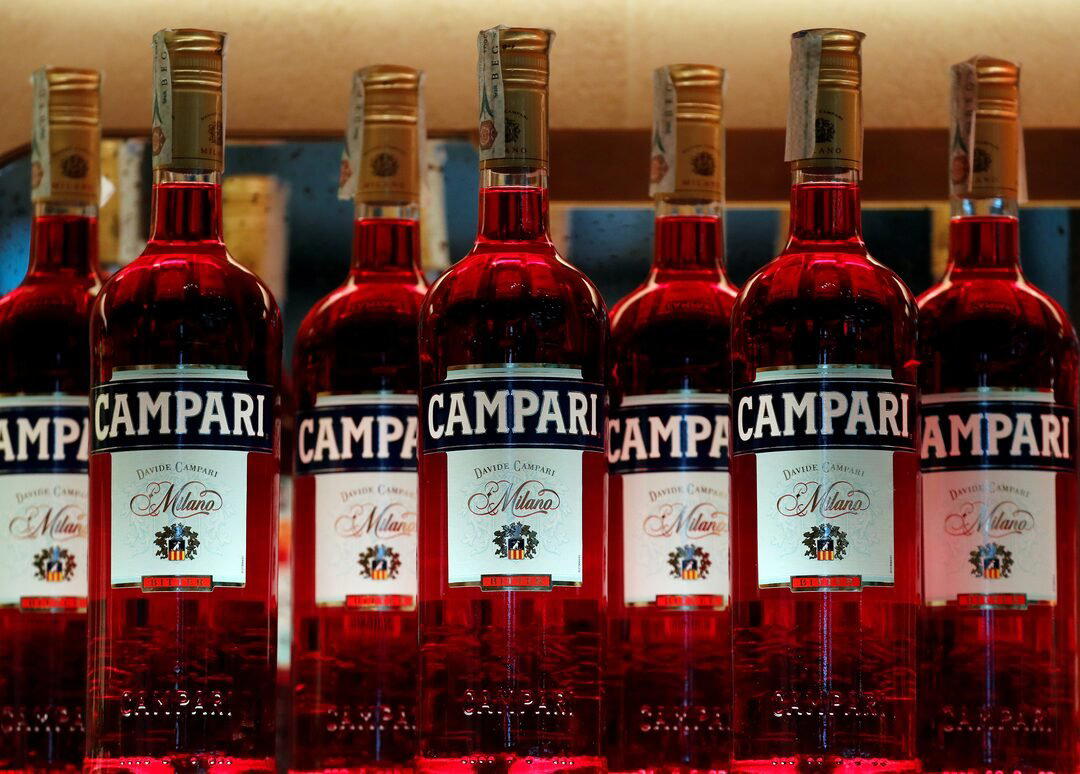
A hotel's address is also a guide to its leading use case. Corso Buenos Aires runs parallel to and just north of the Giardini Pubblici, which gives the area a slightly more residential, lived-in quality than the streets immediately around the Duomo. The aperitivo culture in this part of the city is authentic rather than performed: the bars along and adjacent to Corso Buenos Aires serve Negronis and Campari spritzes to locals on their way home, not primarily to tourists with cameras. That ground-level texture is something properties further into the centro storico cannot replicate.
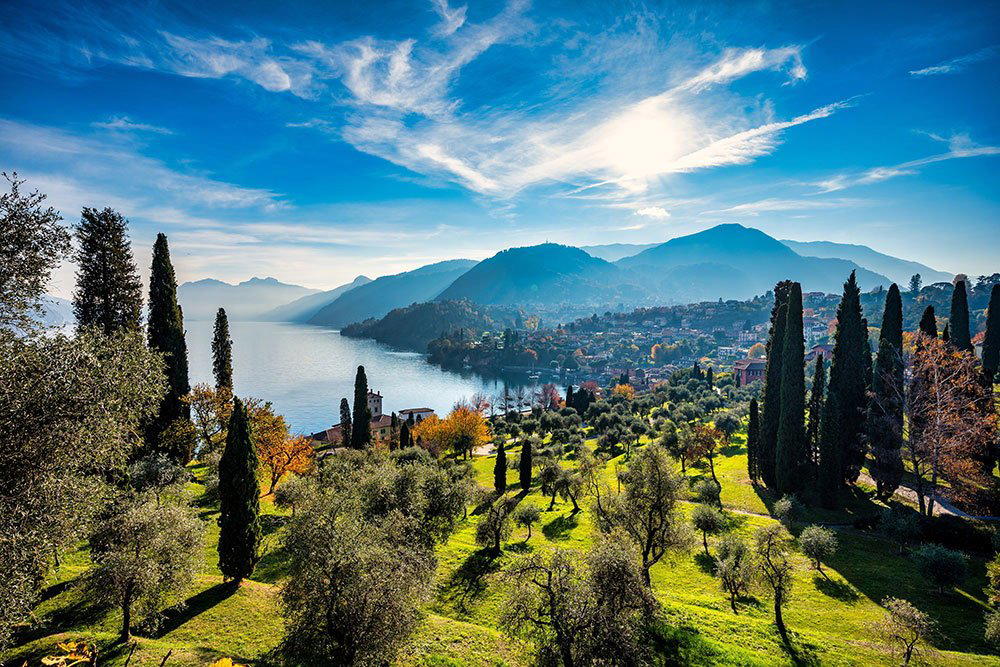
For anyone approaching Milan as a jumping-off point for wider Italian travel, the metro access from this address is material. Day trips to Como, Bergamo by train from Centrale, or connections south toward Bologna and Florence are all logistically direct from this part of the city. Italy's hotel geography at the higher end offers considerable contrast: the intimacy of Passalacqua in Moltrasio on Lake Como, the architectural weight of Four Seasons Hotel Firenze, or the coastal positioning of Il San Pietro di Positano all represent different bets on what a stay in Italy should deliver. Cristoforo Colombo makes the urban-efficiency bet, without the premium that a famous address or a design pedigree would add to the rate.
Travellers building a longer Italian itinerary might also consider how Milan fits against other destinations in the country. Aman Venice operates at the extreme end of both price and grandeur; Casa Maria Luigia in Modena offers a different, food-centred logic; Castello di Reschio in Lisciano Niccone and Borgo Egnazia in Savelletri di Fasano are estate-scale propositions that require dedicated travel rather than city transit. For the Milan leg of a multi-city trip, a well-located 120-room property on a metro line answers a specific and legitimate question about how to spend two or three nights without over-engineering the logistics.
What Sparse Data Means for the Traveller
The hotel's public profile carries limited detail: no published star rating, no noted restaurant or bar, no prominent awards, and no affiliated hotel group visible in current records. In Milan's mid-tier, that absence is itself informative. The properties that invest in editorial visibility tend to be those competing on brand, design, or food credentials. A 120-room property on Corso Buenos Aires with no group affiliation is most likely competing on rate and location, which means the booking decision should rest on those two variables rather than on expectations of a curated hotel experience.
For context on what a curated experience looks like in the same city: 3Rooms 10 Corso Como and 10 Corso Como Café sit in a completely different register, where the cultural programming and design identity are the product. Cristoforo Colombo is not making that argument. What it offers is the city itself, delivered efficiently, at an address that keeps the metro a short walk away.
For Milan's broader restaurant and neighbourhood scene, maps the dining geography across districts, from the Navigli canal aperitivo circuit to the Isola neighbourhood's contemporary osterie and the high-end counter dining in Brera and the fashion quarter.
Planning Your Stay
The hotel sits at Corso Buenos Aires 3, 20124 Milan, accessible directly from the Porta Venezia metro stop on Line 1. Advance reservations are recommended. Outside those periods, Corso Buenos Aires operates at a steadier rhythm, and mid-week rates in the slower months tend to reflect the hotel's mid-tier positioning accurately.
At-a-Glance Comparison
Comparable venues nearby, for context on price, style, and recognition.
| Venue | Cuisine | Price | Awards | Notes |
|---|---|---|---|---|
| Hotel Cristoforo ColomboThis venue — the venue you are viewing | Classic urban hotel in historic 19th-century building with modern comforts. | $$$ | 4-Star | Not listed |
| 10 Corso Como Café | Contemporary luxury concept hotel merging retail, art, and hospitality within a restored early 20th-century Milanese palazzo. | $$$ | 4-Star | Porta Garibaldi - Porta Nuova |
| Hyatt Centric Milano Centrale | Contemporary design hotel in renovated high-rise with stylish rooms and lively public spaces. | $$$ | 4-Star | Stazione Centrale - Ponte Seveso |
| Senato Hotel Milano | Neoclassical building with contemporary boutique interiors | $$$$ | 4-Star | Guastalla |
| STRAF | Boutique design hotel in Art Deco building with contemporary interiors. | $$$$ | 4-Star | Duomo |
| The Street Milano Duomo | Renovated Milanese palazzo a ringhiera with contemporary luxury. | $$$$ | 4-Star | Duomo |
Recognition history
Dated appearances from independent guides and award organizations, with the underlying list record or original source where available.
Preferred Hotels Member
Preferred Hotels
Continue exploring
More in Milan
Hotels in Milan
Browse all →
Bars in Milan
Browse all →
Restaurants in Milan
Browse all →
At a Glance
- Elegant
- Quiet
- Sophisticated
- Business Trip
- Romantic Getaway
- Weekend Escape
- Historic Building
- Wi Fi
- Spa
- Sauna
- Fitness Center
- Room Service
- Concierge
- Restaurant
- Bar
- Street Scene
- Wi Fi
- Spa
- Sauna
- Fitness Center
- Room Service
- Concierge
- Restaurant
- Bar
Elegant and tranquil oasis with clean, modern rooms featuring premium bedding, blackout drapes, and neutral tones; praised for its relaxing atmosphere amid city vibrancy.