
La Liste Top Restaurants
Our verdict
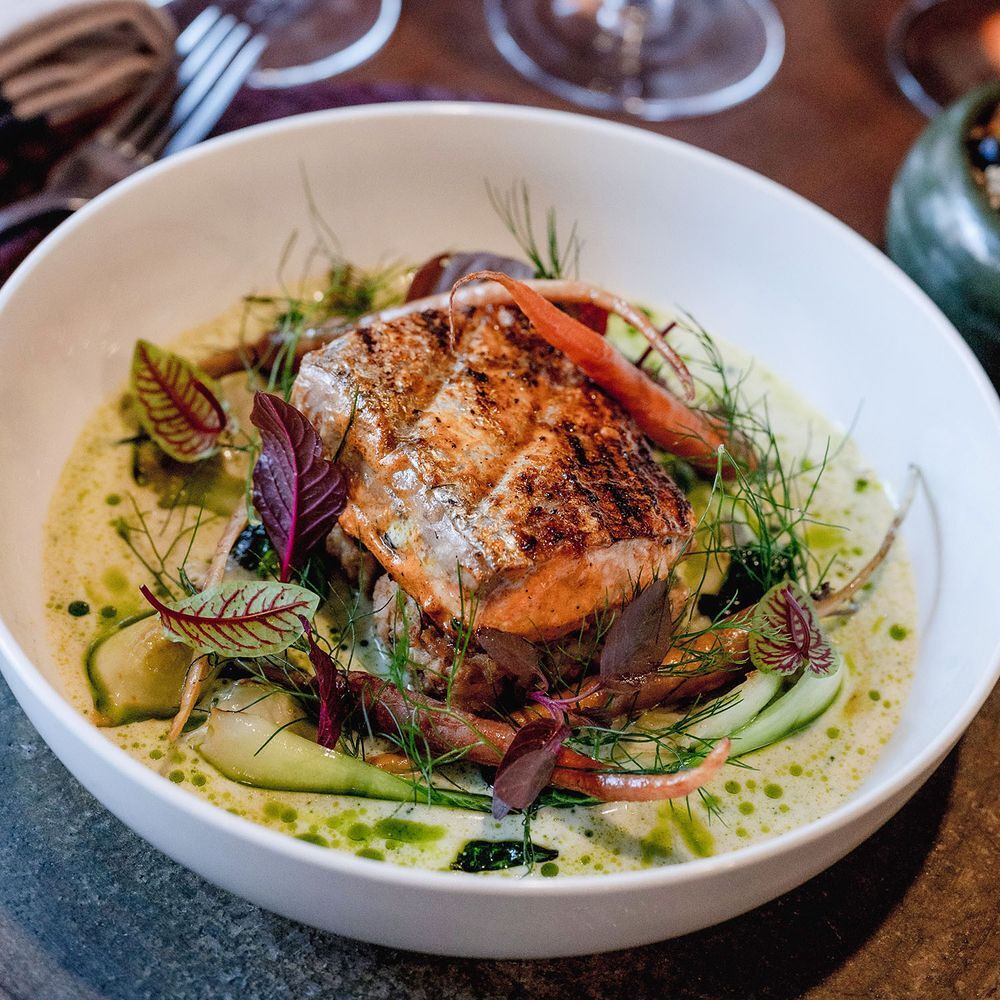
Evoka holds consecutive La Liste recognitions (78.5pts in 2025, 77pts in 2026) and brings serious Mexican cooking to Apizaco, a small Tlaxcalan city better known for industry than gastronomy. It occupies a clear tier above the local average and sits in the same national conversation as Mexico's most-watched regional restaurants.

Pearl is the En Primeur Club membership app, where members save venues, book tables and use the concierge.
The menu
What to order
- Corn_soup
- Chicken_tocatlan
- Mole_del_pueblo
Where Tlaxcala's Corn Culture Meets the Restaurant Table
Apizaco is not the city most food-focused travelers picture when they think of Mexico's culinary map. Set in Tlaxcala, one of Mexico's smallest and most frequently overlooked states, it sits roughly two hours east of Mexico City by road, a corridor more associated with industrial zones and transit than with dining destinations. That context makes Evoka's consecutive appearances on the La Liste global ranking (78.5 points in 2025, 77 points in 2026) something worth examining carefully, because recognition at that level, sustained across two cycles, does not arrive by accident in a city this size.
Tlaxcala is, however, deeply consequential to the story of Mexican corn. The state's highland milpas have cultivated heirloom maize varieties for millennia, and the craft of nixtamalization, the alkaline process that unlocks corn's nutritional potential and transforms dried grain into masa, runs as a continuous thread through regional cooking here in ways that urban restaurant culture sometimes reduces to a talking point. At Evoka, that thread is the editorial subject, not the garnish. The kitchen's framing around Mexican cuisine signals an intent to take the foundational grammar of the tradition seriously: masa made with care, ingredients sourced close, a menu that reflects where it actually is.
The Space and the Setting
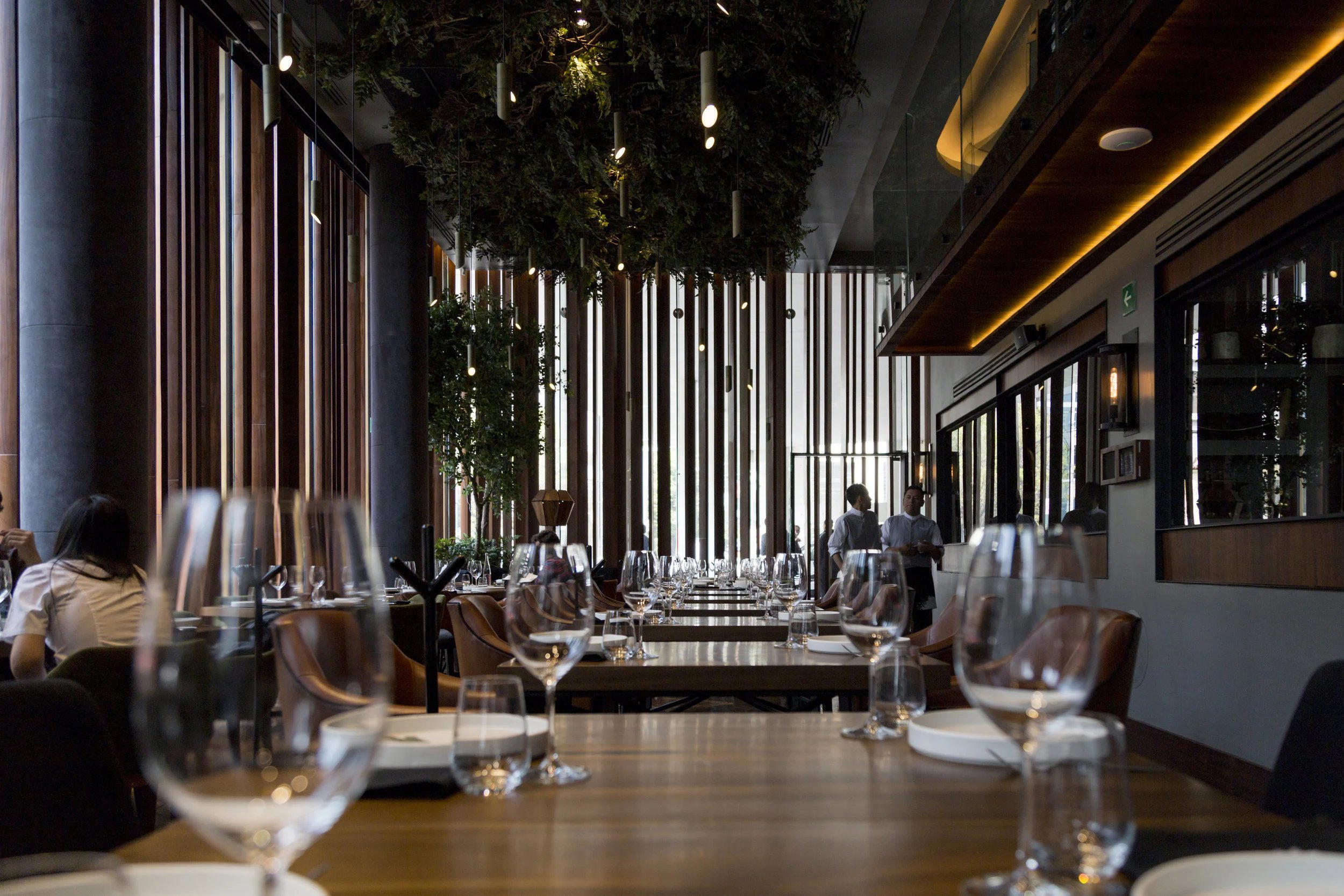
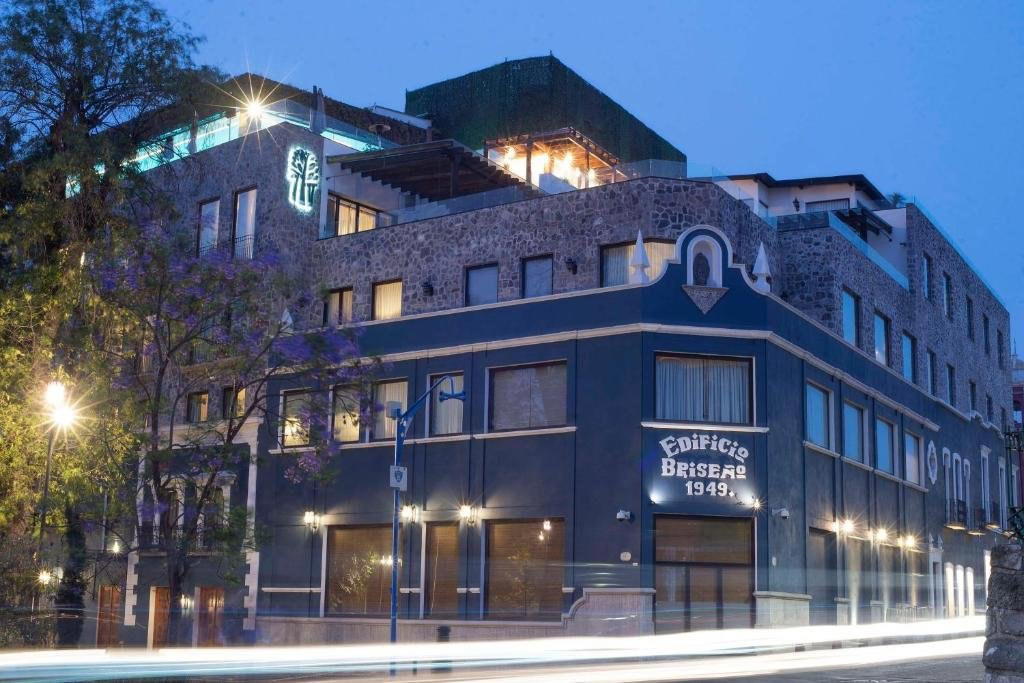
The address on Calle 2 de Abril in the Centro district places Evoka within Apizaco's older urban core, a part of the city where commercial streets give way to neighborhood rhythms. Walking toward it, the scale is residential rather than monumental, this is not a destination built around spectacle or dramatic design gestures. That register tends to produce a particular kind of dining room: one where the food is expected to do the work, and where the absence of theatrical distraction puts every plate under closer scrutiny.
Visitors traveling from Mexico City should plan around the drive or bus connection to Apizaco, which typically runs between 90 minutes and two hours depending on route and traffic. The Centro location means the restaurant is walkable from the city's central points of reference. For those combining the visit with broader Tlaxcalan exploration, our full Apizaco hotels guide covers where to stay nearby, and our full Apizaco experiences guide maps what else the state offers.
Mexican Cuisine at the Regional Tier: Where Evoka Sits
Mexico's fine-dining conversation has been dominated for years by a cluster of Mexico City addresses. Pujol operates at the top of that pyramid with two Michelin stars and a tasting menu priced in the four-dollar-sign bracket. Quintonil runs a parallel track at the same price and star level. Below them, Le Chique in Puerto Morelos and KOLI Cocina de Origen in Monterrey demonstrate that Michelin-caliber ambition now extends well beyond the capital. Evoka's La Liste scores position it in an analogous conversation, regionally significant, nationally visible, but from a city without the infrastructure of a tourism industry to amplify its profile.
That positioning matters because it shapes the kind of restaurant Evoka has to be. Restaurants in Oaxaca or Tulum carry a built-in narrative engine: the region's food heritage, the influx of travelers already primed for discovery. Levadura de Olla in Oaxaca and Arca in Tulum operate inside ecosystems where food-focused visitors are already present. Evoka does not have that advantage. Its audience is partly local, partly drawn by the cooking itself, which tends to produce a more grounded, less performative room.
For Mexican cuisine operating outside Mexico's major dining hubs, the comparison set also extends internationally. Animalón in Valle de Guadalupe and Lunario in El Porvenir represent the model of serious cooking anchored to specific regional terroir, away from capital-city attention. Evoka belongs in that conversation. So do institutions further along the recognition curve: Alcalde in Guadalajara and Pangea in San Pedro Garza García both demonstrate what regional Mexican fine dining looks like when it matures into sustained critical standing. Evoka's trajectory, holding La Liste points across two consecutive years, points in a similar direction.
The Corn Question
Mexico's heirloom corn revival is one of the more substantive culinary movements of the past two decades. Driven partly by chefs, partly by agronomists, and partly by indigenous farming communities resisting the encroachment of hybrid seed, the effort to preserve and cook with varieties like negro de Oaxaca, bolita, olotillo, and cacahuazintle has changed how the leading Mexican restaurants approach their base ingredient. Nixtamalization, simmering dried corn in an alkaline solution of water and cal (calcium hydroxide) before grinding, is the non-negotiable foundation. Done well, it produces masa with depth and structural integrity. Done lazily or skipped in favor of commercial masa harina, the difference is immediate and irreversible on the plate.
Tlaxcala's corn-growing traditions make it a natural home for a kitchen that takes this seriously. The state's altitude (most of it sits above 2,000 meters) and its agricultural legacy mean heirloom varieties are not a novelty import but a local constant. A restaurant in Apizaco working within Mexican cuisine has access, in principle, to ingredients that Mexico City kitchens often source from a greater distance.
For Mexican food in a diaspora context, where the traditions translate across distance, Burritos La Palma in Los Angeles and Carnitas Uruapan in Chicago represent how the same masa-centered logic operates in completely different urban environments. The contrast sharpens why source-proximity matters: cooking this cuisine close to where the corn is grown is a different proposition than cooking it 2,000 miles away.
Planning a Visit
Given the restaurant's scale and recognition, reservations are advisable rather than optional. Travelers arriving from Mexico City have bus and road options; the journey is manageable as a day trip, though combining it with an overnight stay opens up more of Tlaxcala's broader character. Our full Apizaco restaurants guide provides additional context for building a fuller itinerary around the visit, and our full Apizaco bars guide and our full Apizaco wineries guide round out the picture of what the city currently offers.
That distinction, in Mexico's increasingly competitive regional dining scene, is the harder one to earn.
Frequently asked questions
Where is Evoka in Apizaco?
Evoka is located at C. 2 de Abril 1022, Centro, 90300 Cdad. de Apizaco, Tlax. Mexico, Apizaco.
At-a-Glance Comparison
| Venue | Cuisine | Price | Awards | Notes |
|---|---|---|---|---|
| EvokaThis venue (the venue you are viewing) | Contemporary Tlaxcalan Mexican | $30–50 | La Liste Top Restaurants | Not listed |
| Pujol | Modern Mexican Fine Dining | $200–300 | 2 Michelin Stars · World's 50 Best #60 | Mexican |
| Quintonil | Modern Mexican Fine Dining | $300–500 | 2 Michelin Stars · World's 50 Best #7 | Modern Mexican, Contemporary |
| Rosetta | Mexican-Italian Fusion Fine Dining | $30–50 | 1 Michelin Star · World's 50 Best #39 | Italian, Creative |
| Em | Modern Japanese-Mexican Fusion | $200–300 | 1 Michelin Star · World's 50 Best #71 | Mexican |
| Le Chique | Avant-Garde Mexican Tasting Menu | $200–300 | 1 Michelin Star · World's 50 Best #58 | Mexican, Contemporary |
Recognition history
Dated appearances from independent guides and award organizations, with the underlying list record or original source where available.
La Liste Top Restaurants
La Liste
Full recognition history (2 entries)
La Liste Top Restaurants
La Liste
Continue exploring
More in Apizaco
Restaurants in Apizaco
All restaurants in Apizaco →
Bars in Apizaco
Browse all →

Details
- Modern
- Elegant
- Cozy
- Special Occasion
- Date Night
- Open Kitchen
- Craft Cocktails
- Local Sourcing
- A La Carte
- Tasting Menu
- Mezcal
- Vegetarian Friendly
- Vegan Options
- Gluten Free Options
Current opening hours
- Monday
- Closed
- Tuesday
- 1:30–8 PM
- Wednesday
- 1:30–8 PM
- Thursday
- 1:30–8 PM
- Friday
- 1:30–8 PM
- Saturday
- 1:30–8 PM
- Sunday
- Closed
Hours can change for holidays and private events. Hours as of .
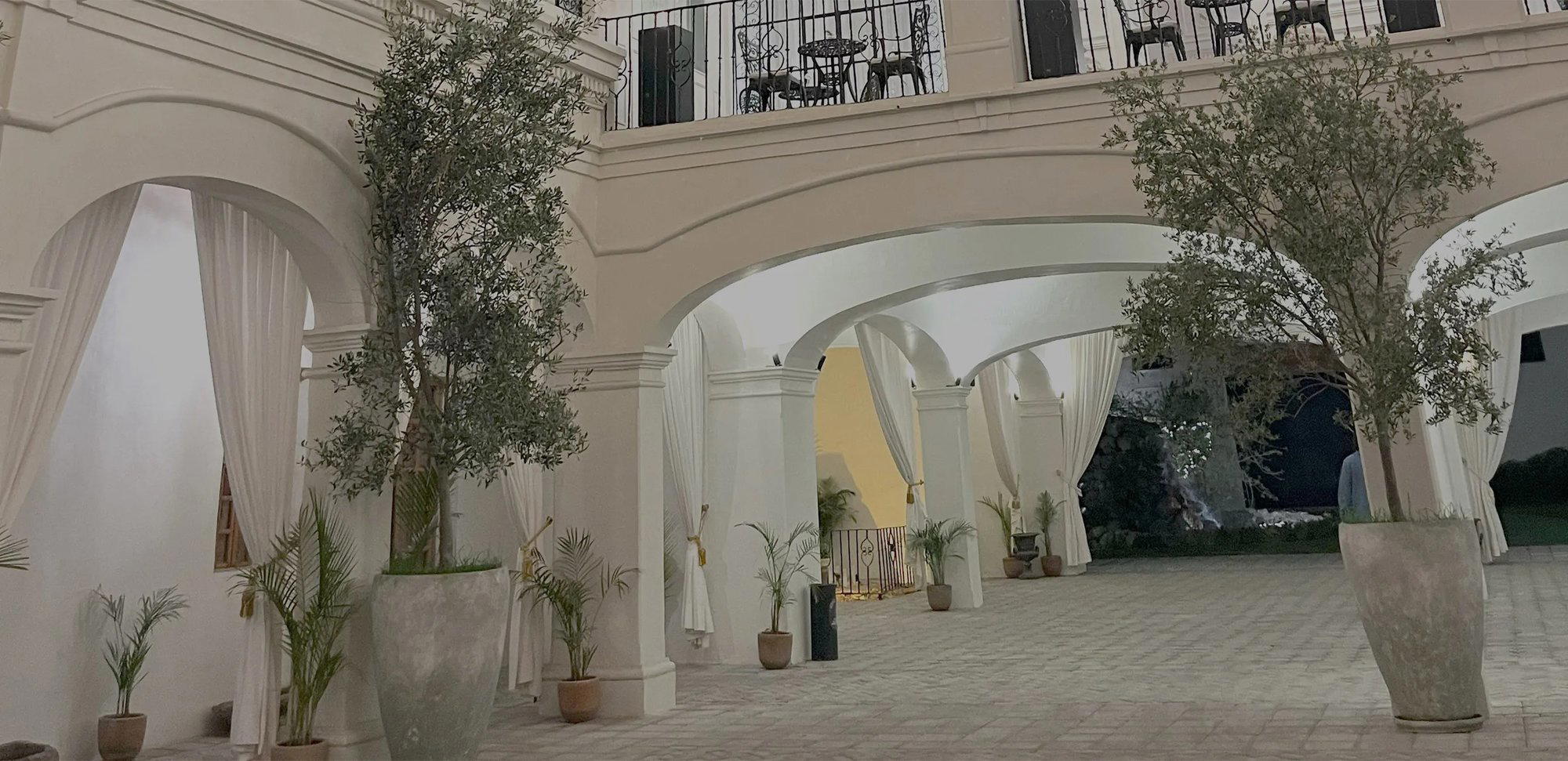
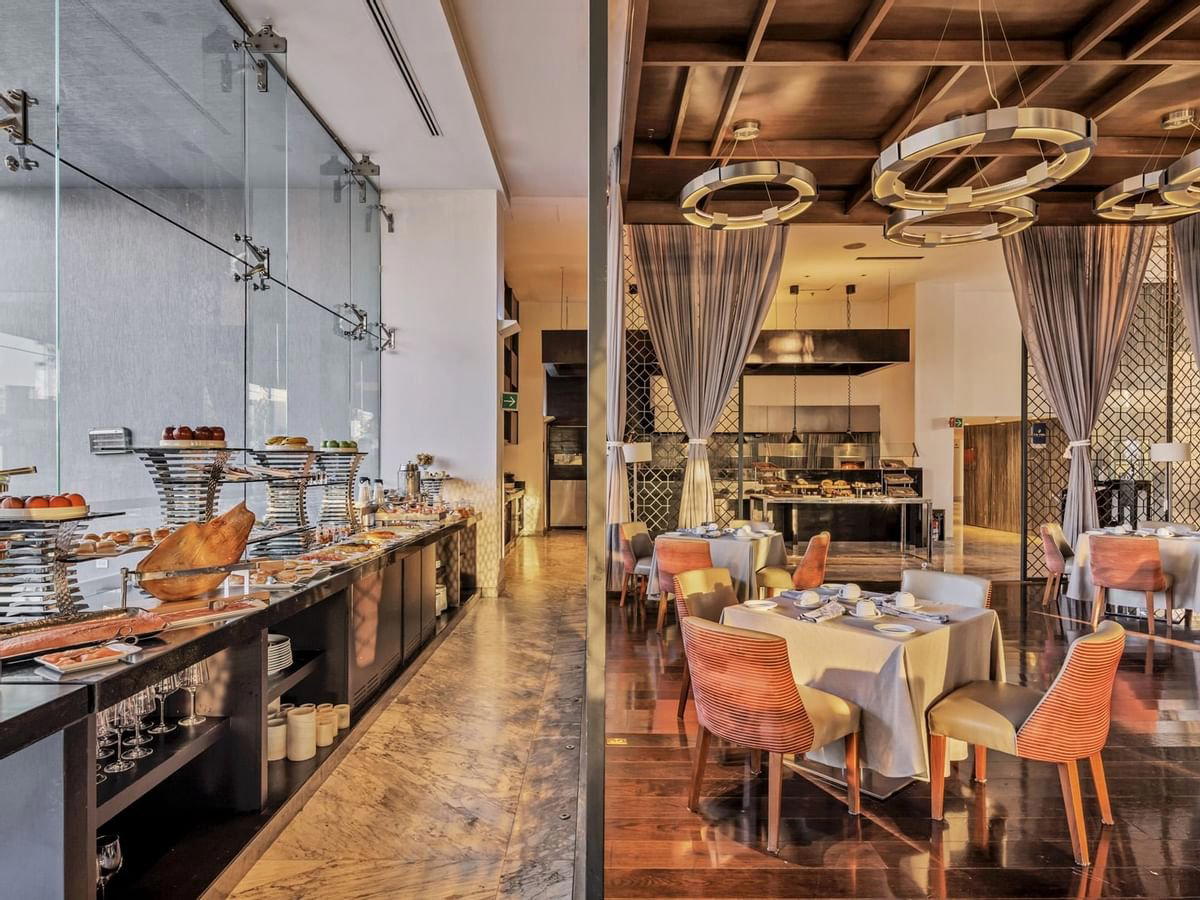
Understated interior with comfortable lighting and table spacing for relaxed conversation, simple yet elegant atmosphere.