Fowey Hall


Michelin Selected · Mr & Mrs Smith Seal of Approval
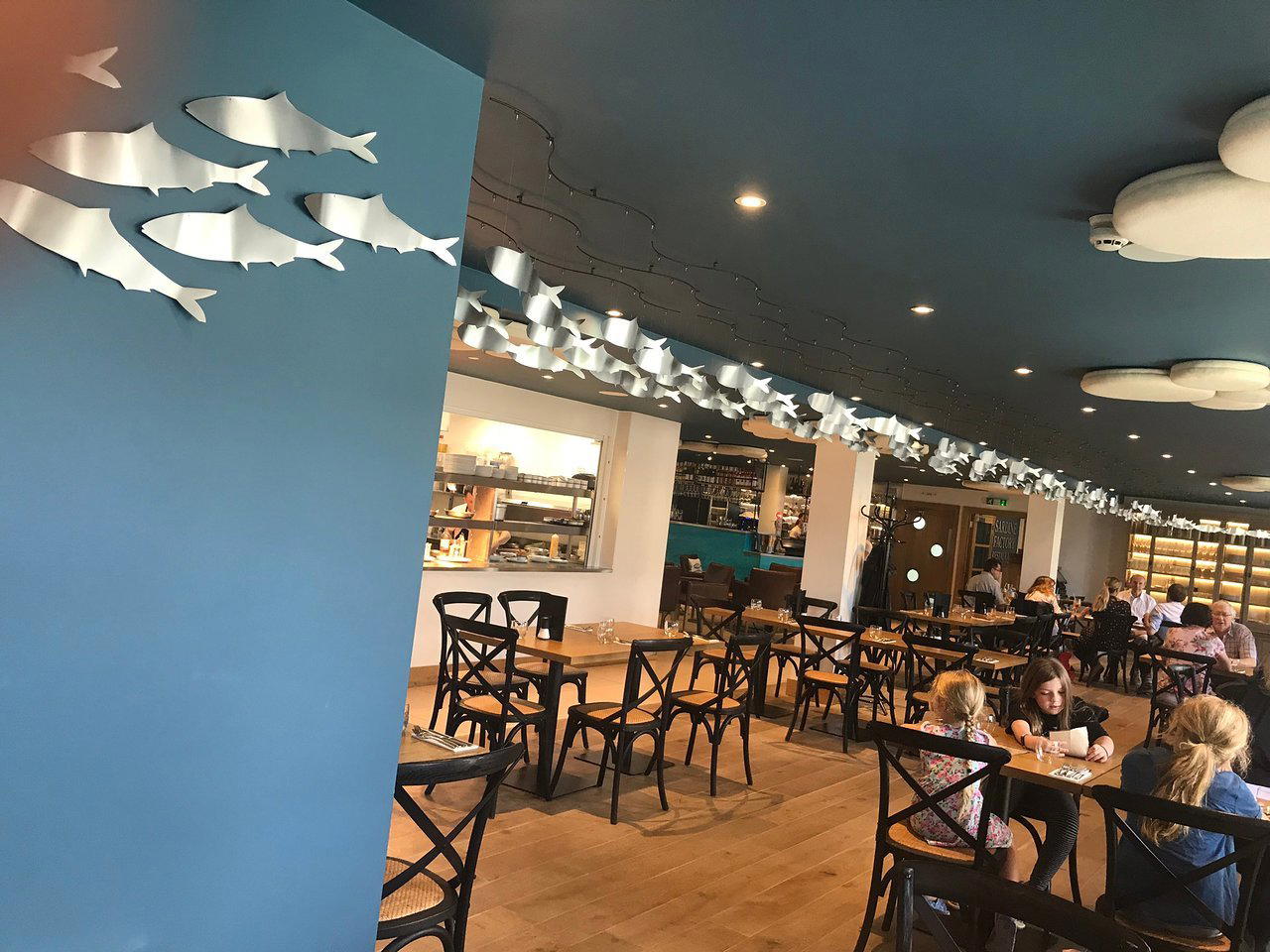
Fowey Hall is a Michelin Selected country house hotel in Fowey, Cornwall, occupying a Victorian manor above the Fowey estuary. The dining programme sits at the centre of the stay, drawing on Cornwall's seafood and produce traditions. For a Cornish coastal stay with genuine culinary ambition, it belongs in the same conversation as the region's most credible hotel restaurants.

Pearl is the En Primeur Club membership app — saves, bookings, and concierge access live there. Same editors, same standards.
- Address
- Hall Hotel, Hanson Dr, Fowey PL23 1ET, United Kingdom
- Phone
- +44 1726 833866
- Website
- luxuryfamilyhotels.co.uk
- Directions
- Get directions
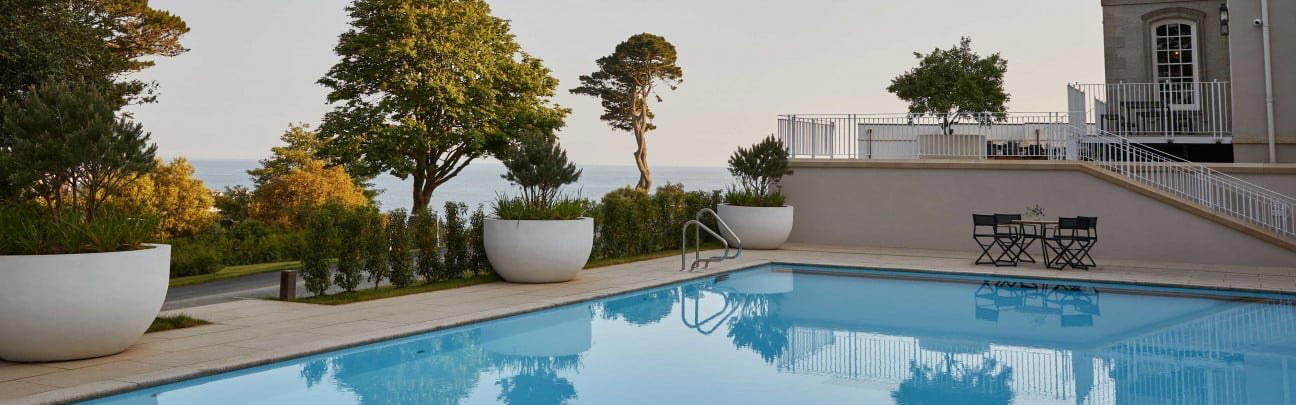
A Victorian Manor Above the Estuary
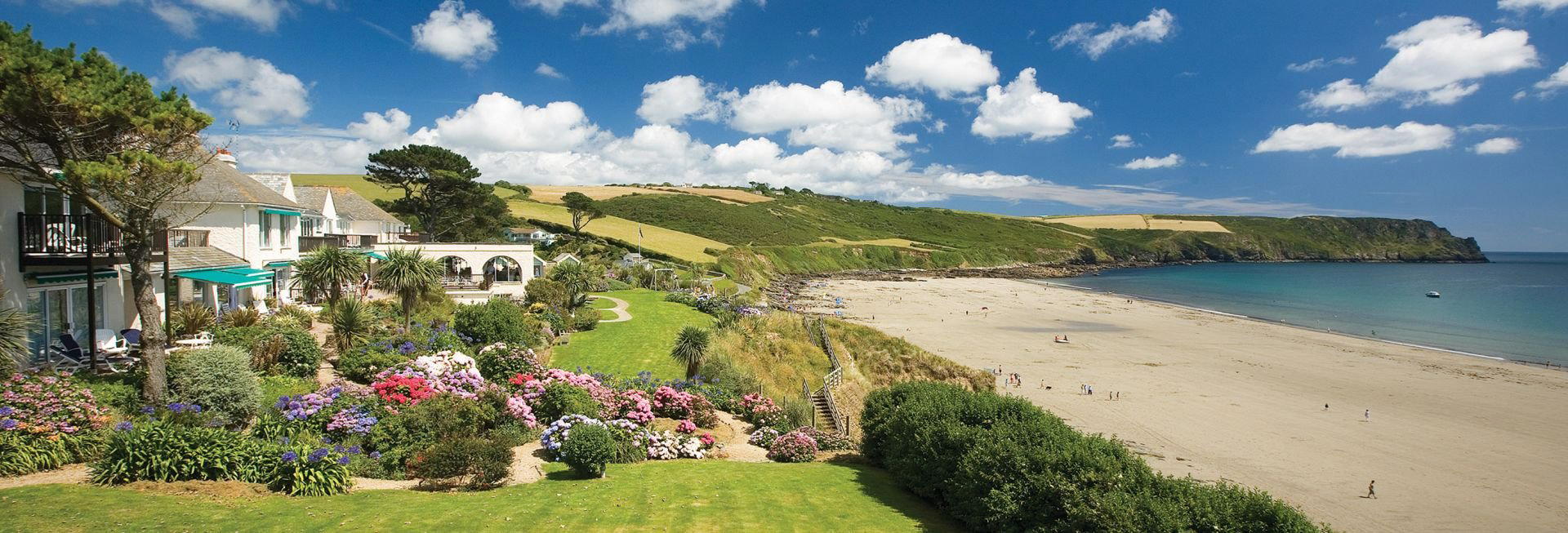
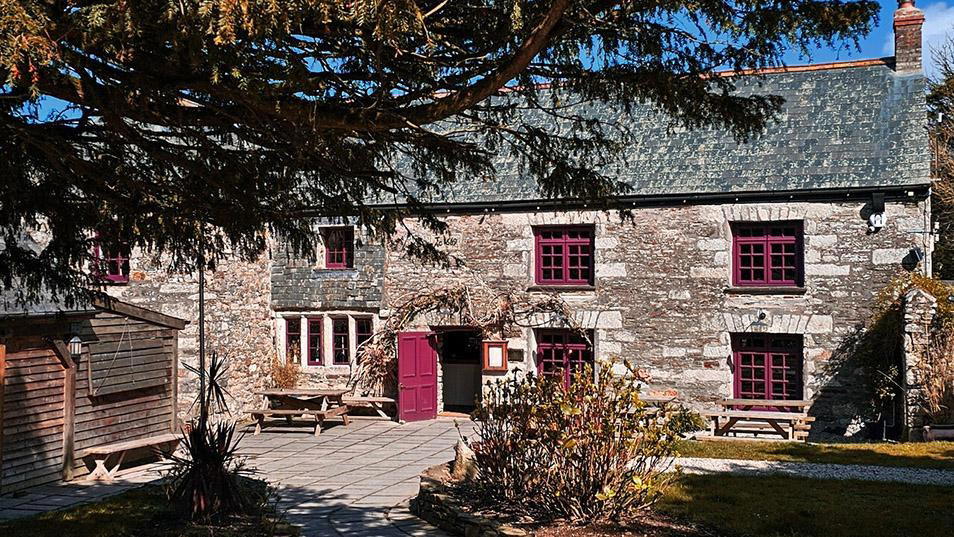
The approach to Fowey Hall sets expectations correctly from the start. The Victorian manor rises above Hanson Drive with views across the Fowey estuary, a body of water that has shaped the town's identity as much as its fishing quays and literary connections. Cornwall's country house hotel tier has grown considerably in recent years, with properties competing on dining programme quality as much as room design or setting. Fowey Hall, carrying a Michelin Selected distinction for 2025, positions itself within that tier rather than above it, which is where the more interesting editorial questions begin.
Michelin's hotel selection process differs meaningfully from its restaurant star system. Inclusion in the 2025 Michelin Selected Hotels list signals a standard of comfort, service consistency, and overall hospitality character that the guide's inspectors found worth flagging for travellers. It is not a culinary award in the restaurant sense, but for a property where the dining programme is central to the guest experience, the recognition carries weight. Properties like Lime Wood in Lyndhurst and The Newt in Somerset have demonstrated how a clear food and drink identity can define an entire country house stay; Fowey Hall operates within that same logic, applied to a Cornish coastal setting.
The Dining Programme in Context
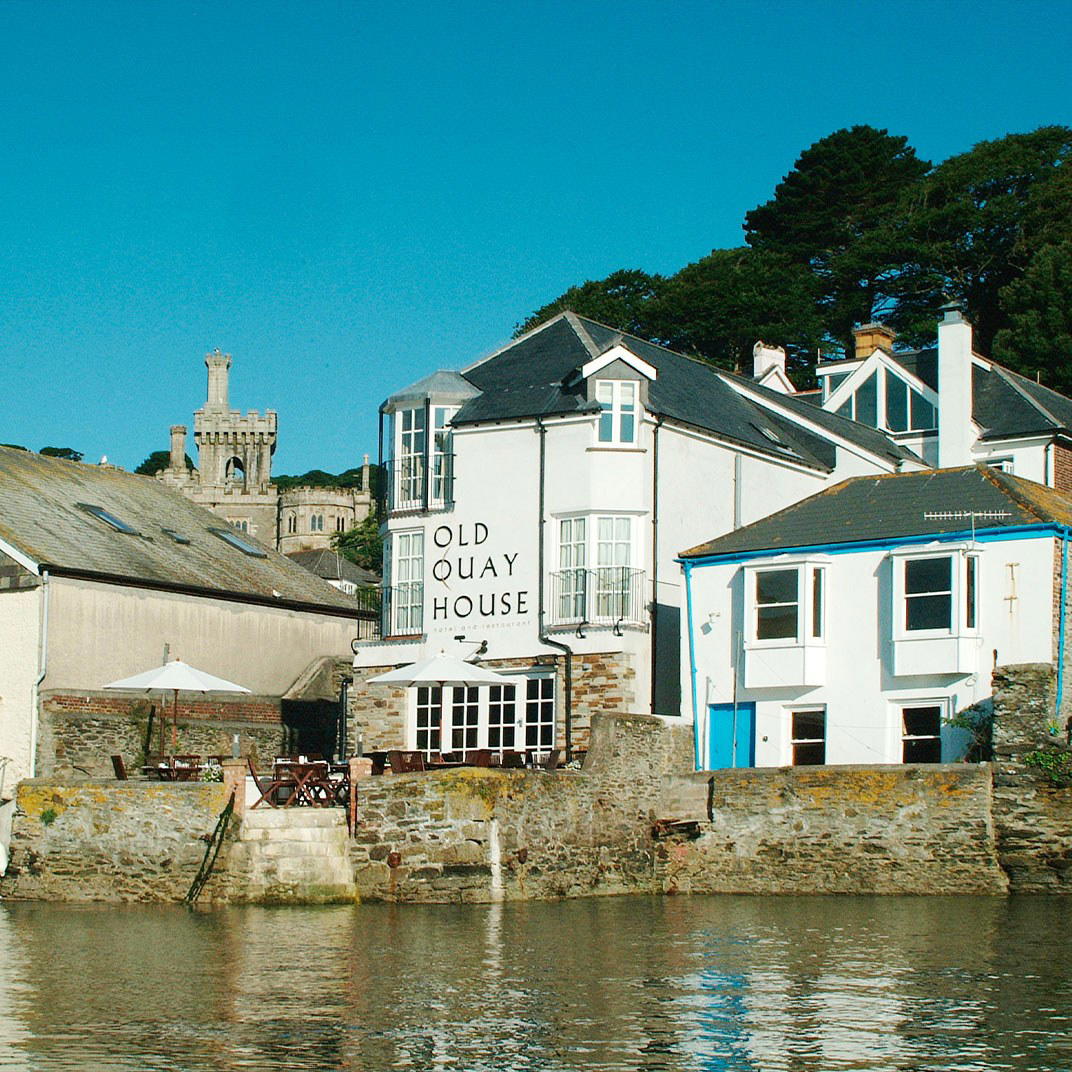
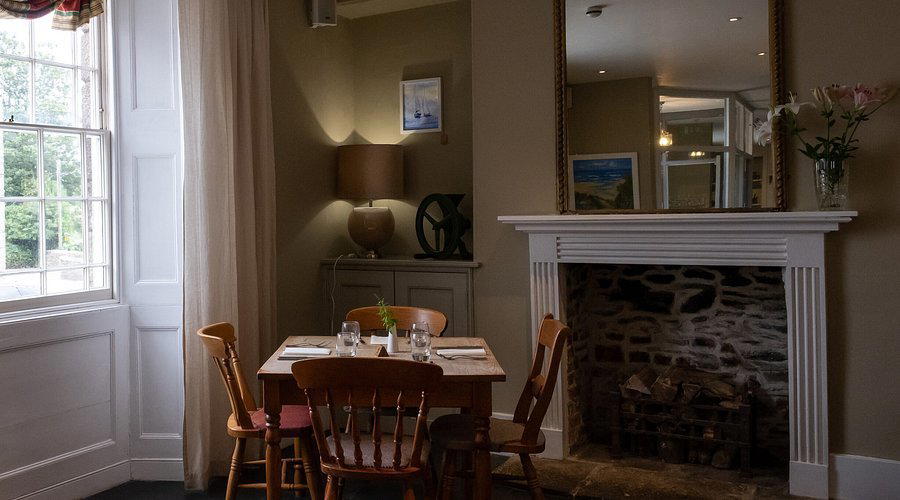
Cornwall has developed a serious culinary reputation over the past two decades, built on proximity to some of England's most productive fishing grounds and a farming culture that has attracted chefs committed to short supply chains. The county's hotel restaurants have benefited from this environment, with several properties translating exceptional local sourcing into dining programmes that justify a stay in their own right. Fowey itself is a small town, and its restaurant options beyond the hotel walls are limited enough that [The Old Quay House] and Fowey Hall effectively share the upper tier of the local dining offer between them.
The Cornish seafood tradition is not difficult to understand in outline: day-boat catches landed at Looe, Mevagissey, and Fowey itself, crab and lobster from inshore pots, and a broader culture of treating fish with restraint rather than elaborate preparation. Hotel kitchens that engage honestly with this tradition tend to produce dining rooms worth planning around. Those that import generic country house menus to a Cornish postcode are easier to read and easier to dismiss. Fowey Hall's Michelin inclusion suggests the former category, though the specific menu format, chef details, and current pricing are details leading confirmed directly with the property before booking.
For a broader sense of how Cornwall's dining scene sits within the UK's wider hotel restaurant conversation, our full Fowey restaurants guide maps the options across price points and formats.
British country house hotels have split into recognisable tiers. At one end, large portfolio operators manage dozens of properties under a single brand, delivering consistent comfort and formulaic programming. At the other, independent houses with strong culinary or design identities attract guests who treat the hotel stay as the destination rather than the accommodation. Fowey Hall's Michelin Selected status places it in the latter camp, alongside properties such as Estelle Manor in North Leigh, Longueville Manor in Jersey, and Farlam Hall Hotel in the Lake District, all of which use the dining room as a primary signal of quality rather than an amenity bolted onto accommodation.
That positioning matters for booking decisions. Guests arriving at Fowey Hall are not primarily hotel guests who happen to eat dinner on site; the dining experience is part of the proposition. This is a pattern increasingly common across British independent hotel properties, where the kitchen defines the hotel's market position more decisively than room count or spa square footage. Compare that model with larger-scale luxury operations such as Gleneagles in Auchterarder, where multiple restaurants serve different guest types simultaneously, and the difference in dining character becomes clear: smaller independent houses tend to operate a single, coherent food identity rather than a portfolio of outlets.
The Setting and the Season
Fowey is a seasonal destination in a way that many British coastal towns are not. The estuary fills with sailing traffic from late spring through summer, and the town's narrow streets reach capacity in July and August. Booking a stay at a hotel like Fowey Hall during peak season requires advance planning, and the dining room benefits from the same logic: arriving without a reservation during summer months is a strategy better applied to the town's informal lunch spots than to a property with Michelin recognition behind it.
The shoulder seasons, particularly late spring and early autumn, offer a different version of the same place. The estuary light in September is different from August's more direct sun, and the local catch changes with the season. Cornwall's crab season runs through summer into early autumn; its fish markets operate year-round but the range narrows in winter. Guests whose itineraries flex around season rather than convenience tend to get more from this kind of property.
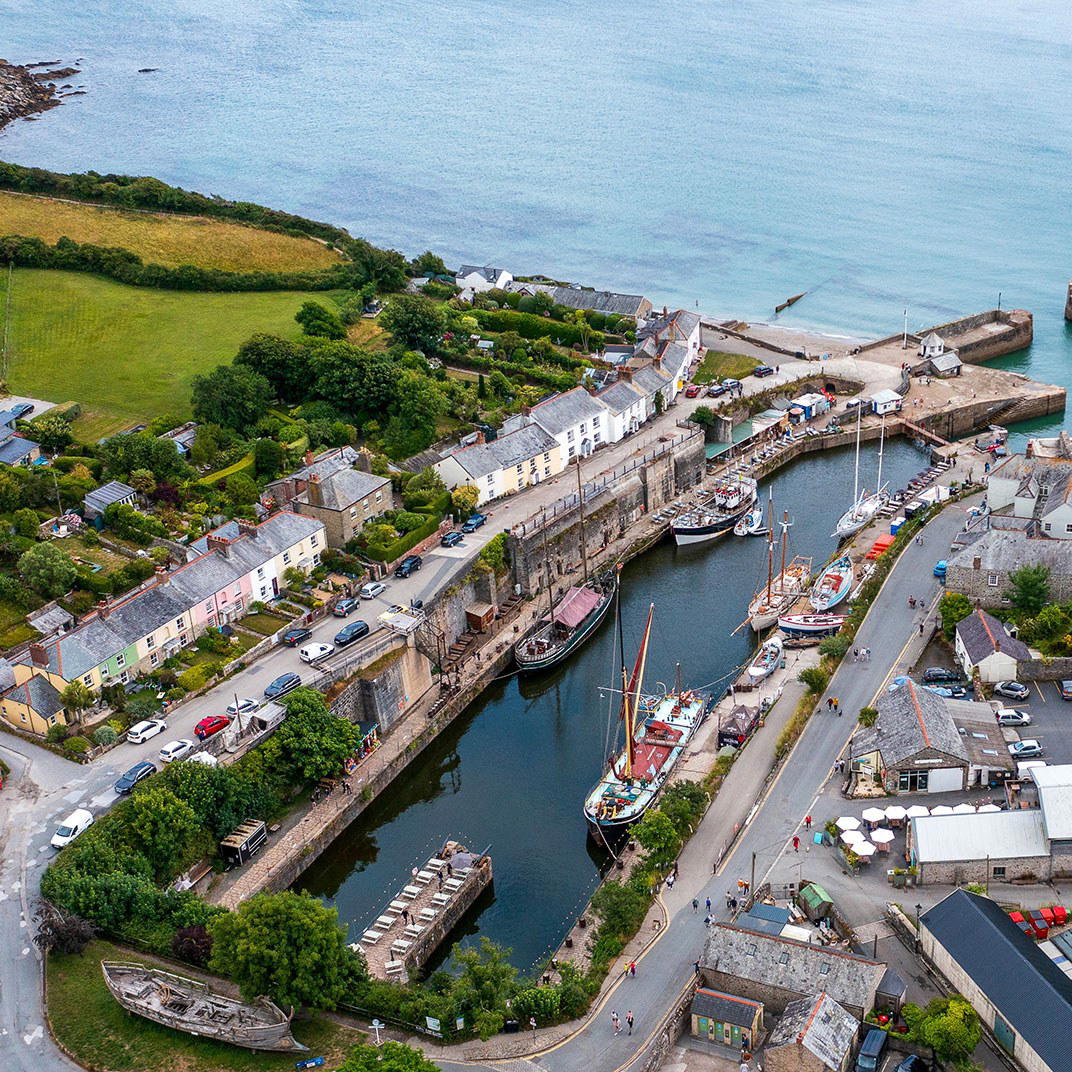
Other properties along the UK's coastline and across its more remote stretches take a similar approach to seasonal programming. Antonia's Pearls in Charlestown Harbour, a short drive along the Cornish coast, and Langass Lodge in the Outer Hebrides both operate within the constraints and advantages of remote seasonal destinations, using local produce as both a practical necessity and an editorial statement.
Planning a Stay
Fowey Hall sits at Hanson Drive in Fowey, Cornwall, reachable by car via the A390 and connecting roads into the town. Fowey has no train station; the nearest rail connection is at Par, approximately four miles away, with services running from London Paddington via Plymouth. The town's geography, built on steep ground above the estuary, means most guests arrive by car. Parking in Fowey itself is constrained, so the hotel's own grounds parking is a practical advantage worth noting when planning.
What the Michelin Selected 2025 distinction does confirm is that the property met an inspector standard worth communicating to travellers making genuine planning decisions.
For reference across a wider range of UK and international hotel tiers, EP Club's coverage extends from The Savoy in London and Badrutt's Palace in St. Moritz through to smaller independent properties such as Kilchoan Estate in Inverie and Dunluce Lodge in Portrush.
Budget Reality Check
Comparable venues nearby, for context on price, style, and recognition.
| Venue | Price | Awards | Notes |
|---|---|---|---|
| Fowey HallThis venue — the venue you are viewing | $200–300 | Michelin Selected · Mr & Mrs Smith Seal of Approval | Not listed |
| The Old Quay House | $100–200 | Michelin Selected | Fowey town centre, Contemporary classic boutique hotel in a historic Victorian building with family ownership and refined service standards. |
| The Green House | $200–300 | Michelin Selected | East Cliff, Grade II listed Victorian villa with sustainable modern luxury |
| Hotel du Vin & Bistro Cambridge | $100–200 | Michelin Selected | Cambridge City Centre, Boutique hotel in historic Grade II listed building |
| Dorsett Alpha Square, Canary Wharf | $200–300 | Not listed | Canary Wharf, Contemporary high-rise hotel integrated into the Consort Place mixed-use development, positioned as a modern, sustainability-focused hub for Canary Wharf’s financial and media clientele. |
| Hotel du Vin Henley | $100–200 | Michelin Selected | Henley-on-Thames, Georgian brewery conversion with Arts and Crafts style |
Recognition history
Dated appearances from independent guides and award organizations, with the underlying list record or original source where available.
Michelin Selected
Michelin
Mr & Mrs Smith Seal of Approval
Mr & Mrs Smith
Details
- Elegant
- Classic
- Whimsical
- Scenic
- Romantic
- Family Vacation
- Romantic Getaway
- Weekend Escape
- Celebration
- Beachfront
- Historic Building
- Destination Spa
- Garden
- Waterfront
- Panoramic View
- Terrace
- Wi Fi
- Pool
- Spa
- Kids Club
- Restaurant
- Garden
- Hot Tub
- Sauna
- Waterfront
- Garden
- Wheelchair Accessible
- Accessible Restroom
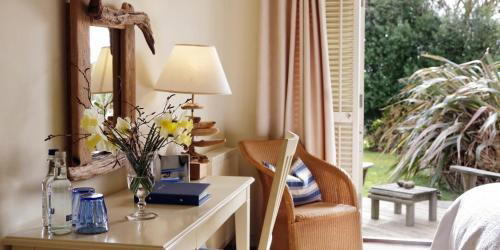
Elegant and refined with original 19th-century high-ceilinged charm blended with contemporary design; warm and welcoming atmosphere that balances adult relaxation with playful family spaces.