Paul Ainsworth at No.6




Paul Ainsworth at No.6 holds a Michelin star and sits at the top of Padstow's dining hierarchy, with a Georgian townhouse setting on Middle Street, an eight-course tasting menu at £195 per person, and a La Liste score of 86 points in 2026. Celebrating twenty years in operation, the kitchen pairs classical technique with Cornwall's seasonal produce and a signature flair for playful, course-by-course theatre.
Pearl is the En Primeur Club membership app — saves, bookings, and concierge access live there. Same editors, same standards.
- Address
- 6 Middle St, Padstow PL28 8AP, United Kingdom
- Phone
- +44 1841 532093
- Website
- paul-ainsworth-no6.co.uk
 Saves & bookings on Pearl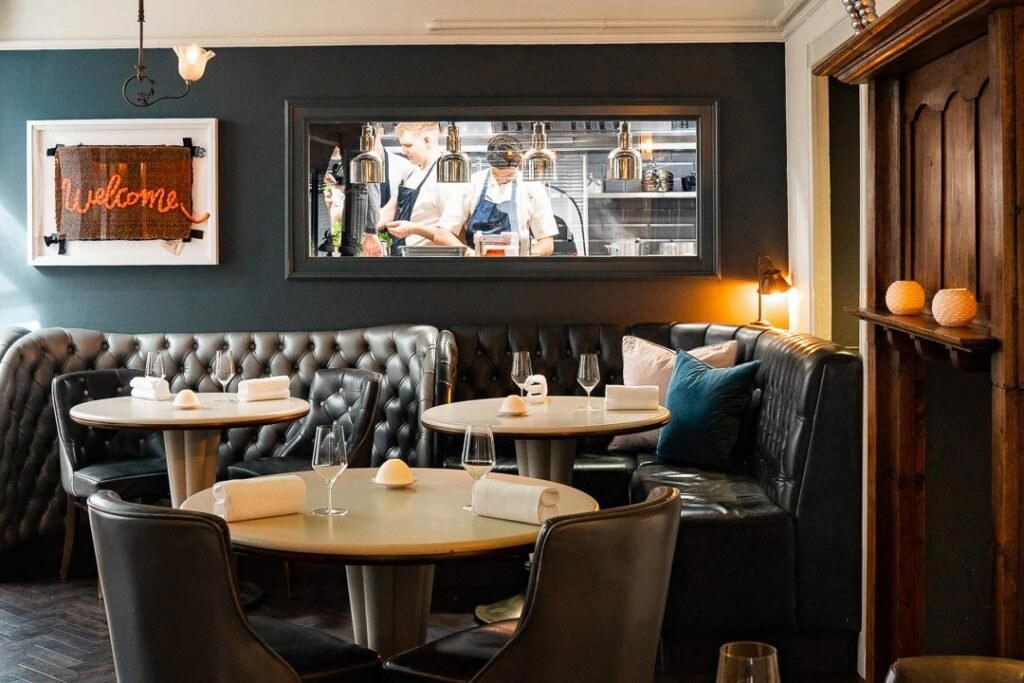
Padstow's Fine-Dining Tier, and Where No.6 Sits Within It
Padstow occupies an unusual position on the British dining map. A small harbour town on the north Cornwall coast, it draws visitors who travel considerable distances specifically to eat, a concentration of intent you rarely find outside major cities. That dynamic has produced a layered dining scene: at the accessible end, Rick Stein's Café and Prawn on the Lawn serve quality seafood at the ££ price point, while Caffè Rojano offers a Mediterranean alternative at similar pricing. At the higher end, The Seafood Restaurant holds its position at £££ with a strong fish-forward identity. Paul Ainsworth at No.6 operates above all of them, a Michelin-starred kitchen at ££££, drawing the kind of reviewer who drives six hours from Kent and considers it a reasonable trade.
The gap between that mid-market tier and No.6 is not simply price. It is format, ambition, and the particular style of cooking that Michelin recognition tends to reward: technically precise, rooted in seasonal and regional produce, and shaped by a distinctive authorial point of view. In Cornwall's context, where the dominant culinary identity is built around the sea and the straightforwardness of good fish cooked well, a kitchen that pairs truffle-cured cod with roast chicken and manzanilla, or wraps confit pigeon leg in kataifi pastry alongside an umeboshi condiment made from Japanese salted plums, is making a considered argument about what Cornish fine dining can be.
A Georgian Townhouse as a Dining Room
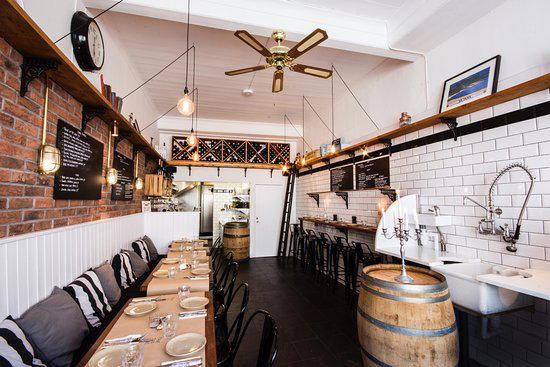
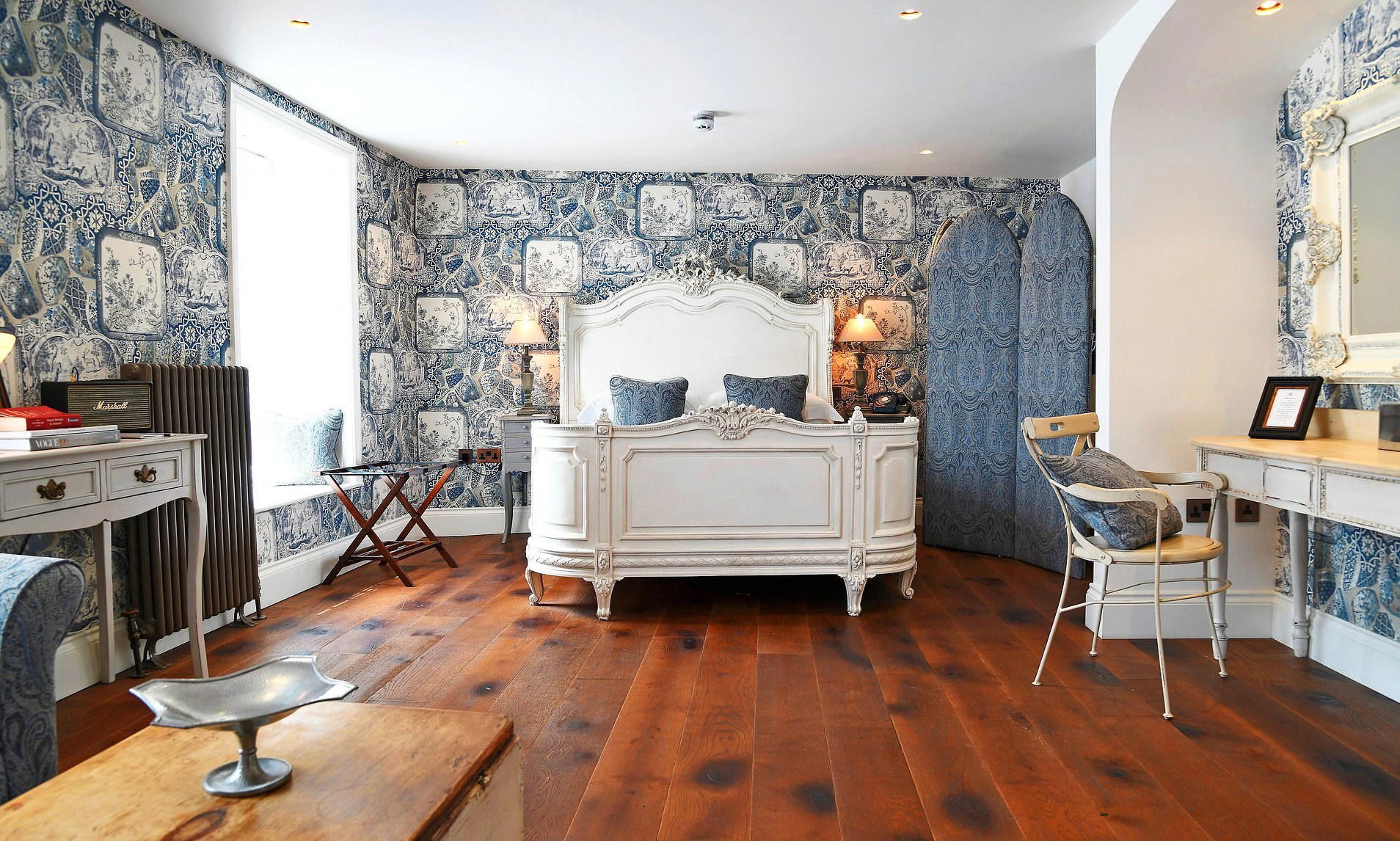
The physical setting on Middle Street, a short walk from the harbour, does a particular kind of work that larger, purpose-built fine-dining rooms often cannot. Georgian proportions keep the dining rooms modest in scale, two rooms, not a cavernous floor, which concentrates the atmosphere rather than diffusing it. Cool artwork and a deliberate soundtrack choice give the space a sensibility that reads as contemporary without being cold. Reviewers consistently single out the service as calibrated to that same register: professional enough to command confidence, personable enough that the formality never calculates into stiffness.
That balance between seriousness and warmth is harder to maintain than it sounds. At this price point, the risk is tipping toward ceremony, and the counter-risk is tipping toward casualness that undersells the cooking. No.6 sits closer to peer restaurants in format than in geography, its competitive frame of reference includes Michelin-starred destination restaurants elsewhere in England rather than the harbour-town seafood spots nearby. Think Gidleigh Park in Chagford or Hand and Flowers in Marlow, destination restaurants that draw visitors to places most people wouldn't otherwise put on a travel itinerary.
The Cooking: Cornwall as Starting Point, Not Destination
British fine dining's relationship with regional produce has evolved considerably over the past two decades. What began as a marketing instinct, sourcing local because it signals provenance, has matured, in the better kitchens, into a genuine creative constraint: work with what Cornwall yields, at the moment it yields it, and build dishes around that pressure rather than around a fixed idea of what the menu should contain. No.6 operates in that more considered mode.
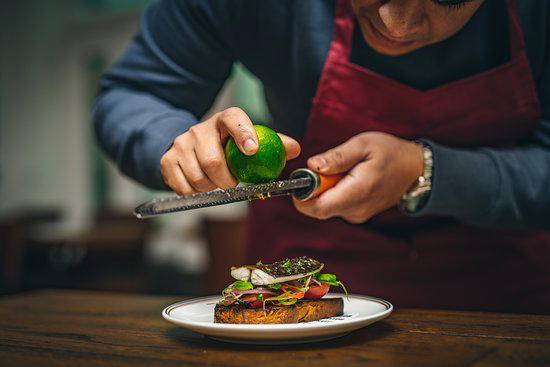
The eight-course tasting menu (with additional treats) at £195 per person draws from the finest Cornish produce as its material base, but the cooking applies a wider technical register to it. The menu divides into sections that reflect the kitchen's range: technical precision, seasonal loyalty, and what reviewers describe as bold culinary imagination. The juxtaposition of ingredients, bird's liver with carrot ketchup and smoked eel, for instance, operates in the same territory as kitchens at L'Enclume in Cartmel or Moor Hall in Aughton, where the point is not surprise for its own sake but the discovery of a coherence that isn't obvious until you taste it.
One course has developed particular renown: the 'Fairground Tale' dessert, a three-part edible fairground that arrives as a bitter chocolate and coconut soufflé, a hand-painted wooden carousel bearing a chocolate bar and a brown-butter choc ice, and a muscovado-glazed doughnut with raspberry curd and butter-roasted peanuts. The construction is theatrical but the flavours are serious, and the course has achieved a kind of cultural shorthand, it appears on television, generates advance word-of-mouth, and functions as one of those rare desserts that people describe in full sentences months later rather than as a vague memory of sweetness. A course called 'Yesterday's Scone' provides a crossover moment before dessert proper, grounding the sequence in something recognisably Cornish before the Fairground sequence departs from it.
The à la carte option at £85 for two courses means No.6 is not exclusively an all-in tasting-menu proposition. That pricing structure allows access to the kitchen without full commitment to the longer format, which positions the restaurant slightly differently from peers like The Fat Duck in Bray or Le Manoir aux Quat' Saisons in Great Milton, where the format is fixed and the full experience is the only experience on offer.
Wine, Service, and the Full Picture
The wine list operates on a similar principle to the food: France takes pole position but the range is global, built around what the owners drink rather than what signals prestige. By-the-glass selections are noted by reviewers as particularly well-chosen, and the sommelier's approach, giving considered advice without steering toward the higher-priced options, draws repeated specific mention in guest accounts. That last detail matters more than it might seem. At this price point, the moment service feels mercenary, the experience curdles. Reviewers here describe the opposite: a sense of being looked after rather than managed.
Service team's combination of technical proficiency and evident sense of humour appears across multiple independent accounts, which suggests it is the product of deliberate culture rather than individual personality. In the broader context of British fine dining, where the shift away from formal white-tablecloth ceremony has sometimes landed in places that feel under-rehearsed, No.6 seems to have found a register that fits both the cooking and the setting.
Padstow in Context, and Why No.6 Draws Long-Distance Visitors
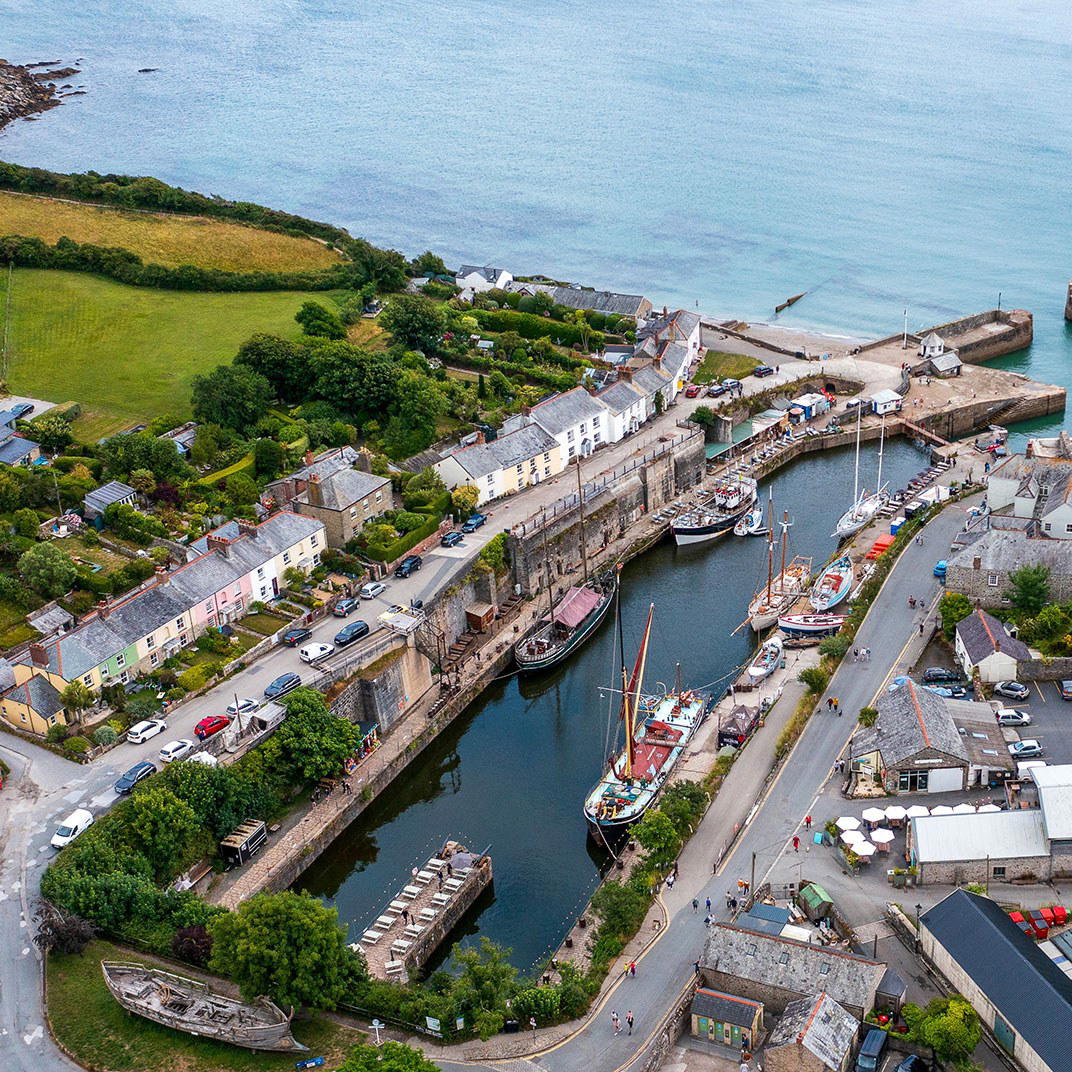
North Cornwall coast does not make access easy. Padstow sits at the end of a long, often congested approach from major cities, and the surrounding area offers limited accommodation at the premium end. Yet reviewers document six-hour return drives and annual repeat visits as a matter of course. That pattern reflects something specific about destination dining: when a kitchen is operating at this level in a place that requires genuine effort to reach, the effort itself becomes part of the calculus. It also places pressure on the kitchen to sustain consistency, because visitors who have driven from Kent or London are not arriving in a forgiving mood if the execution falters.
No.6 enters its twentieth year of operation in 2026 with a Michelin star maintained through 2024, La Liste scores of 87.5 points in 2025 and 86 points in 2026, and a Google rating of 4.8 across 793 reviews, a consistency of independent endorsement that is harder to manufacture than a single good season. That kind of track record over two decades in a remote location suggests operational solidity rather than momentary form.
For planning: the restaurant opens Tuesday through Saturday, with lunch available Friday and Saturday from noon. Monday and Sunday are closed. The tasting menu runs at £195 per person; the two-course à la carte at £85. Given the distance most visitors travel and the demand the restaurant generates, advance booking is advisable well ahead of any planned trip to the area. For a broader picture of where No.6 fits within Padstow's full dining range, see our full Padstow restaurants guide. Planning a longer stay in the area? Our Padstow hotels guide covers the accommodation options, and our bars guide, wineries guide, and experiences guide cover the rest of the visit. For those comparing No.6 against other ambitious modern cooking rooms further afield, Frantzén in Stockholm and FZN by Björn Frantzén in Dubai operate in a comparable register at a different scale and price tier, offering a useful calibration of where the ambition at No.6 sits internationally.
Price and Recognition
Comparable venues nearby, for context on price, style, and recognition.
| Venue | Cuisine | Price | Awards | Notes |
|---|---|---|---|---|
| Paul Ainsworth at No.6This venue — the venue you are viewing | Padstow, Modern British Fine Dining | $$$$ | Michelin 1 Star | |
| Rick Stein's Café | Padstow, Seafood with Asian Influences | $$ | Bib Gourmand | |
| Prawn on the Lawn | $$$ | Michelin Plate | Padstow, Modern Cornish Seafood Small Plates | |
| The Pig at Harlyn Bay | Harlyn, Rustic British Gastropub | $$$ | ||
| The Seafood Restaurant | Padstow, Fresh Seafood & Fish | $$$ | Michelin Plate | |
| Caffè Rojano | $$ | Michelin Plate | Padstow, Modern Italian Mediterranean with Pizza and Small Plates |
At a Glance
- Elegant
- Sophisticated
- Intimate
- Cozy
- Special Occasion
- Date Night
- Celebration
- Private Dining
- Historic Building
- Extensive Wine List
- Local Sourcing
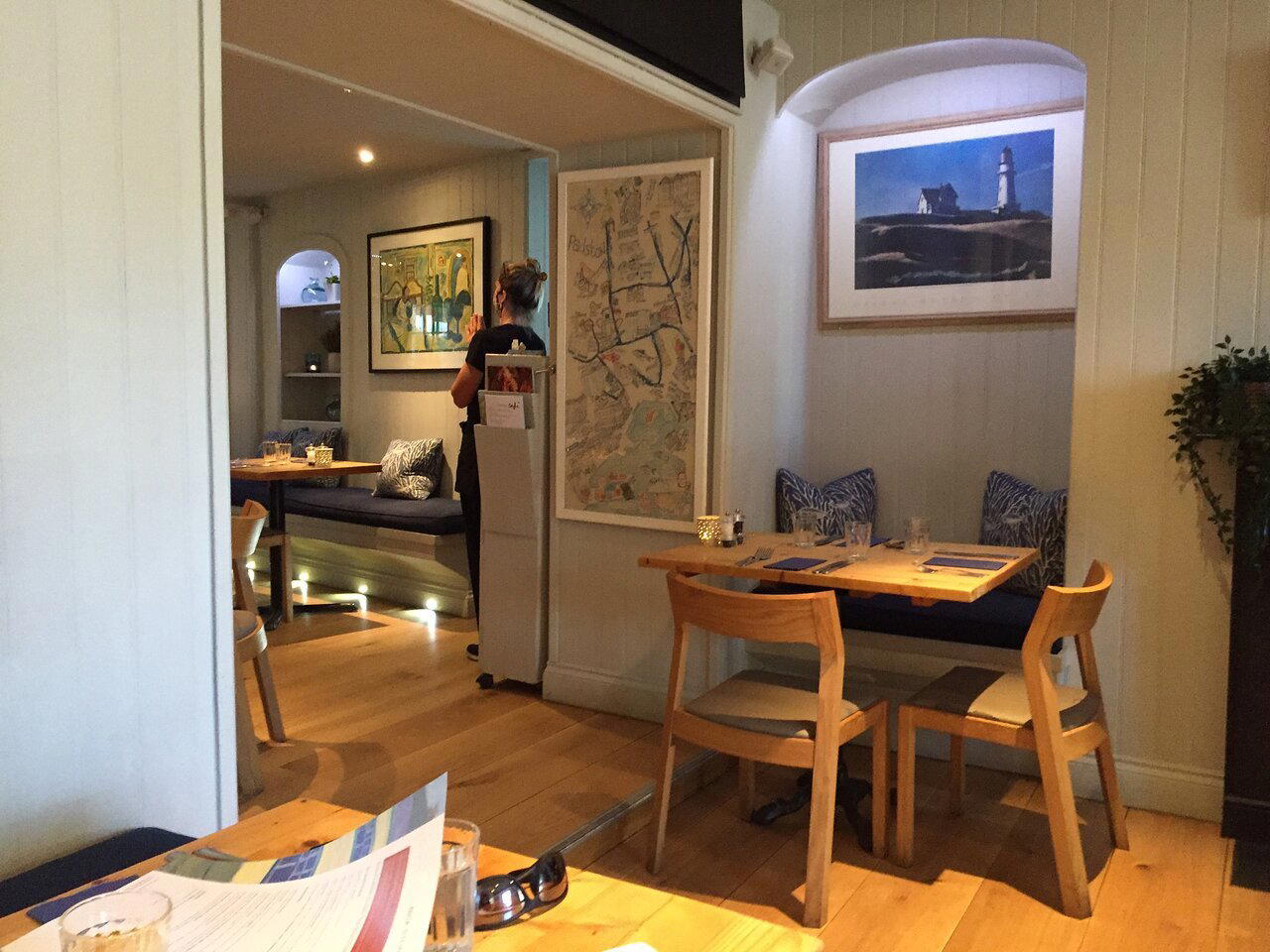
Elegant yet inviting atmosphere in modest dining rooms of a Georgian townhouse with cool artwork, great soundtrack, and warm, attentive service.