Four Seasons Resort and Residences Puerto Rico




Set on 483 acres of northeastern Puerto Rico coastline within the exclusive Bahía Beach community, Four Seasons Resort and Residences Puerto Rico occupies a former coconut farm flanked by two nature sanctuaries and two miles of beach. The property earned Star Wine List recognition in 2026 and positions itself in the upper tier of Caribbean resort stays, where scale, natural setting, and service depth define the competitive conversation.
Pearl is the En Primeur Club membership app — saves, bookings, and concierge access live there. Same editors, same standards.
- Address
- 187 Kilometer 4.2, Río Grande
- Phone
- 787-809-8000
- Website
- fourseasons.com
- Directions
- Get directions
 Saves & bookings on Pearl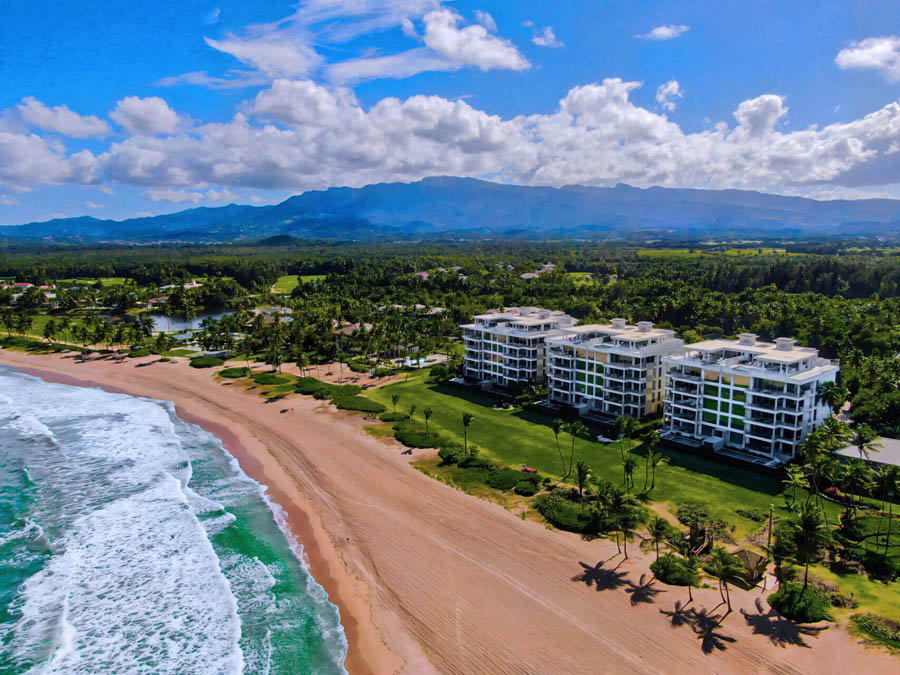
Where Plantation Architecture Meets Caribbean Nature Reserve
The northeastern corridor of Puerto Rico has developed a distinct resort identity over the past two decades, separating itself from the hotel density of San Juan's Condado strip and the boutique quietness of Vieques. What Bahía Beach offers instead is scale married to ecological restraint: a community planned around wetland conservation, mangrove buffers, and direct beach access. Four Seasons Resort and Residences Puerto Rico sits at the center of that proposition, occupying a former coconut farm that has been converted into a 483-acre (195-hectare) nature reserve curving along two miles (3.2 kilometres) of shoreline. That spatial relationship between built environment and protected land is the first thing the property's design communicates, and it communicates it deliberately.
The arrival sequence anchors the architectural identity before a room is seen. Casa Grande, the plantation-style house that functions as the lobby, draws on the colonial agricultural vernacular of Puerto Rico's northeastern interior. High ceilings, open-sided galleries, and a structural vocabulary borrowed from the island's hacienda tradition create an immediate sense of volume and shade, the two things a Caribbean traveler wants most upon arrival. This is not tropical resort pastiche. The plantation reference is grounded in the site's actual agricultural history, which gives the design a contextual credibility that purpose-built resort lobbies rarely achieve. The transition from vehicle to building to view is staged with enough architectural intention that it reads as a sequence rather than a corridor.
Bahía Beach and the Northeast Coast comparable set
Puerto Rico's premium resort tier has consolidated around a small number of large-footprint properties, each making a different argument for why its location matters. Dorado Beach, a Ritz-Carlton Reserve, occupies the northwestern coast and trades on a mid-century history tied to Laurance Rockefeller. The St. Regis Bahia Beach sits within the same Bahía Beach community as the Four Seasons, creating a direct postcode comparison. The Condado Vanderbilt, a San Juan property with a century of operation behind it, offers an urban-adjacent argument. The Condado Vanderbilt Hotel in Puerto Rico and the Fairmont El San Juan Hotel in Carolina represent the capital-city alternative, where nightlife access and historic architecture substitute for nature scale.
The Four Seasons positions against this field primarily through its conservation footprint. Two flanking nature sanctuaries are not an amenity in the conventional resort sense; they are a land-use commitment that limits development density and shapes what the property can and cannot do. The result is a quietness that the San Juan alternatives cannot replicate and a wildlife proximity that the Dorado Beach comparison cannot quite match in ecological range. For travelers whose decision criteria weight natural setting above urban access, the geography here is the argument.
Internationally, the Four Seasons group places this property in a cohort that includes nature-integrated resorts at a scale similar to Amangiri in Canyon Point, where the land itself is the primary architectural element, though the Caribbean context and the plantation-house reference produce a different tonal register.
The Wine Program and a 2026 Credential
Star Wine List awarded the property recognition in 2026, placing its beverage program within a comparable set that earns that credential through list depth, by-the-glass range, or specialist focus rather than through sheer bottle volume alone. For a resort of this footprint, a Star Wine List recognition signals that the food and beverage operation is being managed with the same seriousness as the rooms side of the business. Caribbean resort wine programs have historically been constrained by import logistics and the gravitational pull of rum-based cocktail culture; a Star Wine List entry suggests the Four Seasons Río Grande has chosen to operate outside that constraint. Travelers who use wine program depth as a proxy for overall F&B; quality should read that credential accordingly.
Activity and Natural Access
The 483-acre nature reserve status shapes the activity offer in ways that distinguish this property from Caribbean competitors whose amenity lists are built around constructed facilities. Water activities including swimming and kayaking draw on direct beach access along the two-mile shoreline. Nature treks use the reserve's ecological range. Golf is available on site. The spa operates within the broader resort campus. What ties these offerings together is that most of them are organized around existing natural infrastructure rather than built recreational infrastructure, which keeps the property's density lower than its scale might suggest.
The cultural programming angle, described as experiences rooted in local Puerto Rican culture, sits within a broader shift in Caribbean resort hospitality toward destination-specific content. Properties from the Finca Victoria in Vieques to the Royal Isabela in Isabela have each developed their own version of this locally anchored programming model. At the Four Seasons scale, that programming sits alongside a global service infrastructure that smaller properties cannot offer, including the group's training systems and operational consistency across markets. Whether that trade-off between cultural specificity and operational standardization suits a given traveler depends on what they are optimizing for.
Planning a Stay
Property is addressed at 187 Kilometer 4.2, Río Grande, on Puerto Rico's northeastern coast within the Bahía Beach community. Luis Muñoz Marín International Airport in San Juan is the practical entry point for most international arrivals, with Río Grande accessible by road from the capital. Given the resort's scale and the nature reserve setting, the property functions as a destination stay rather than a base for day-tripping across the island, though San Juan's Old City is within reasonable driving distance for a half-day excursion. the Residences component of the property introduces a longer-stay option for travelers considering week-plus itineraries.
Those evaluating the broader Puerto Rico premium tier should also consult our coverage of Hotel Palacio Provincial in San Juan and the Villa Cofresí Hotel and Restaurant in Stella for the range of accommodation registers the island currently supports.
For those benchmarking this property against international luxury resort peers, Hotel Esencia in Tulum in the same Caribbean-adjacent latitude band to landmark properties including Cheval Blanc Paris, Hotel Du Cap-Eden-Roc in Cap d'Antibes, Badrutt's Palace Hotel in St. Moritz, Bvlgari Hotel Tokyo, Castello di Reschio in Lisciano Niccone, Hotel Bel-Air in Los Angeles, Hôtel de Paris Monte-Carlo, Hotel Plaza Athénée in Paris, Hotel Sacher Wien in Vienna, HOTEL THE MITSUI KYOTO, La Réserve Paris, Le Bristol Paris, Mandarin Oriental Bangkok, Aman New York, Aman Venice, The Fifth Avenue Hotel in New York City, and La Réserve Paris.
Fast Comparison
Comparable venues nearby, for context on price, style, and recognition.
| Venue | Cuisine | Price | Awards | Notes |
|---|---|---|---|---|
| Four Seasons Resort and Residences Puerto RicoThis venue — the venue you are viewing | Contemporary luxury resort blending Caribbean elegance with modern design, featuring tropical architecture with exposed dark cherry wood beams and sand-colored interiors. | $$$$ | 5-Star | Not listed |
| The Ritz-Carlton, San Juan | Luxury beachfront resort with modern renovations and extensive facilities including casino and spa | $$$$ | 5-Star | Isla Verde |
| Condado Vanderbilt Hotel | Historic Spanish Revival with modern towers | $$$$ | 5-Star | Condado |
| Dreamcatcher by DW | Award-winning full-service boutique hotel with bespoke artist-designed rooms and wellness amenities | $$$$ | 3-Star | Ocean Park |
| Hotel El Convento | Restored 17th-century convent blending history with luxury | $$$$ | 4-Star | Catedral |
| Dorado Beach, a Ritz-Carlton Reserve | luxury oceanfront resort with private residences | $$$$ | 5-Star | Dorado |
Recognition history
Dated appearances from independent guides and award organizations, with the underlying list record or original source where available.
Esquire Best New Hotels
Esquire
Star Wine List
Star Wine List
Virtuoso Luxury Hotel Partner
Virtuoso
Michelin Selected
Michelin

At a Glance
- Elegant
- Scenic
- Sophisticated
- Romantic
- Honeymoon
- Romantic Getaway
- Family Vacation
- Wellness Retreat
- Destination Wedding
- Celebration
- Beachfront
- Infinity Pool
- Destination Spa
- Golf Course
- Waterfront
- Garden
- Terrace
- Panoramic View
- Private Dining
- Wi Fi
- Pool
- Spa
- Fitness Center
- Room Service
- Concierge
- Valet Parking
- Kids Club
- Beach Access
- Golf Course
- Restaurant
- Bar
- Waterfront
- Garden
- Wi Fi
- Pool
- Spa
- Fitness Center
- Room Service
- Concierge
- Valet Parking
- Kids Club
- Beach Access
- Golf Course
- Restaurant
- Bar
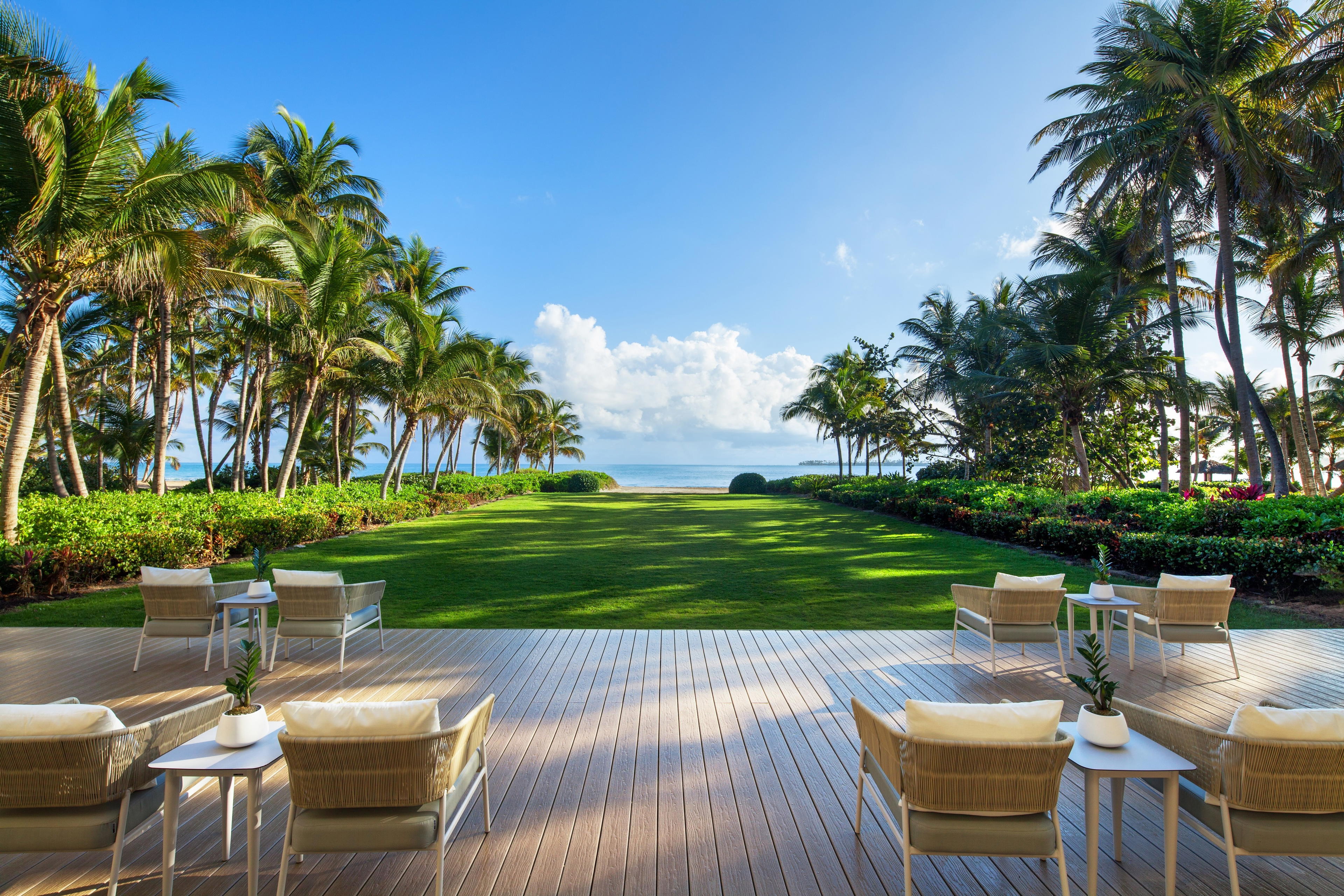
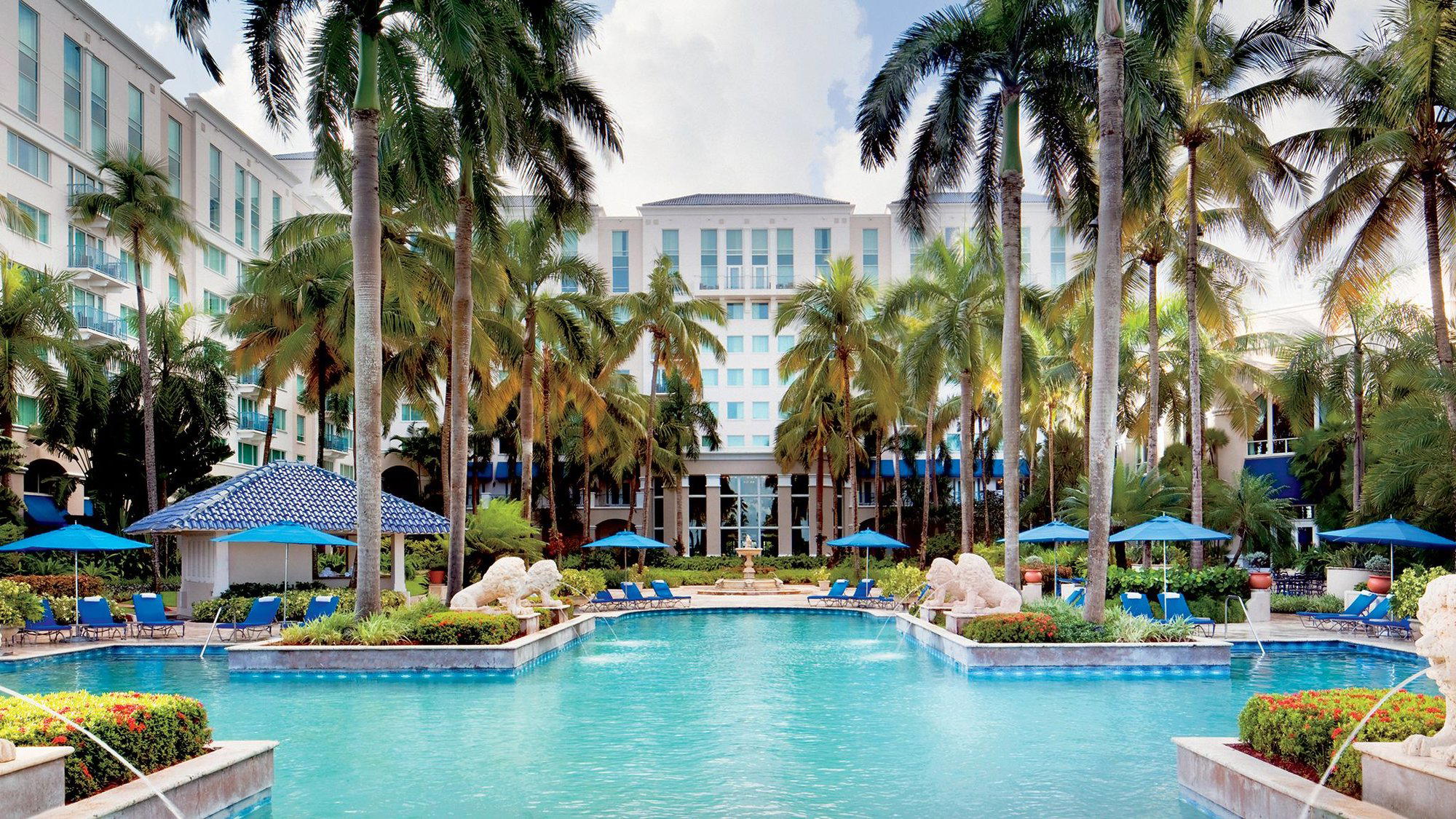
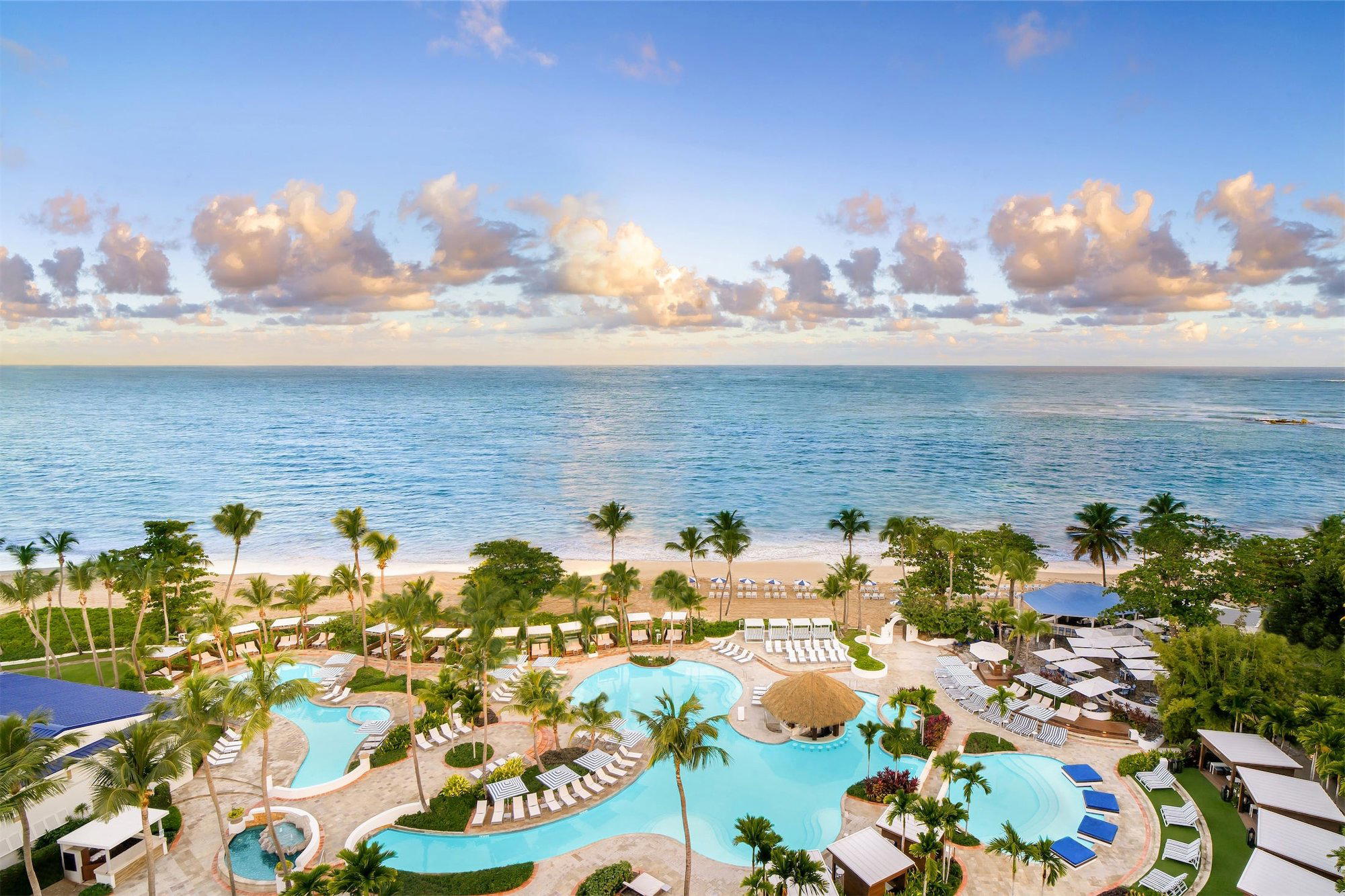
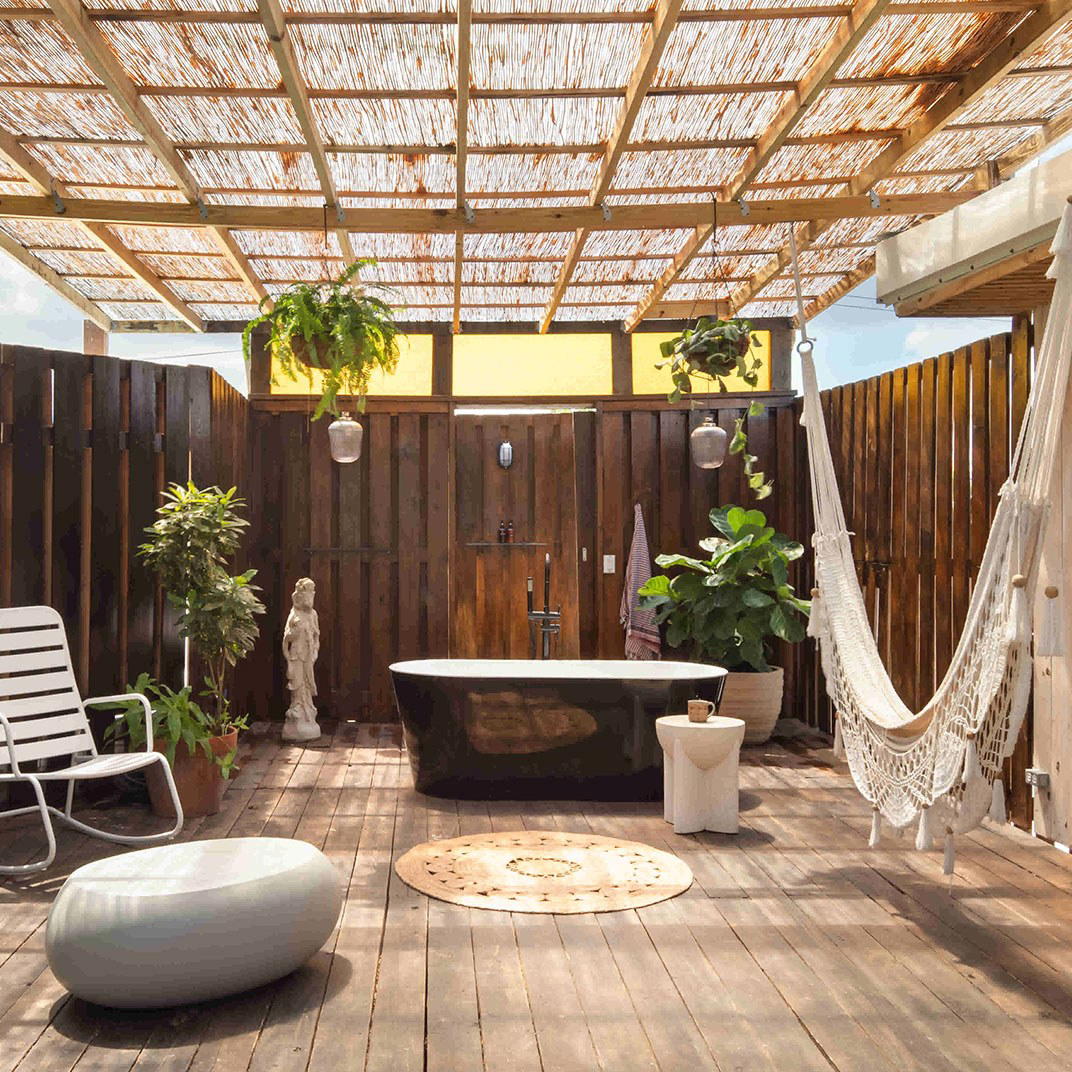
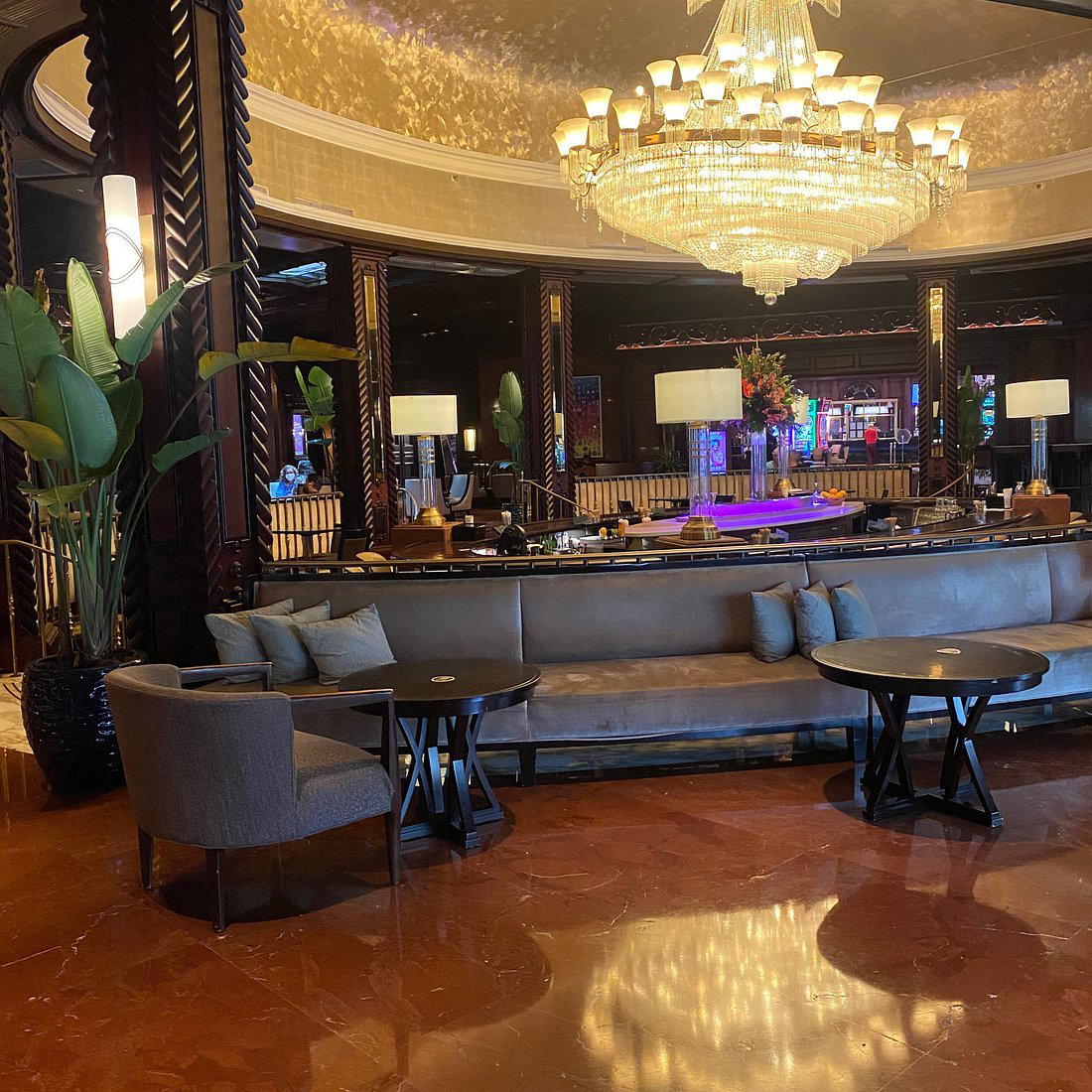
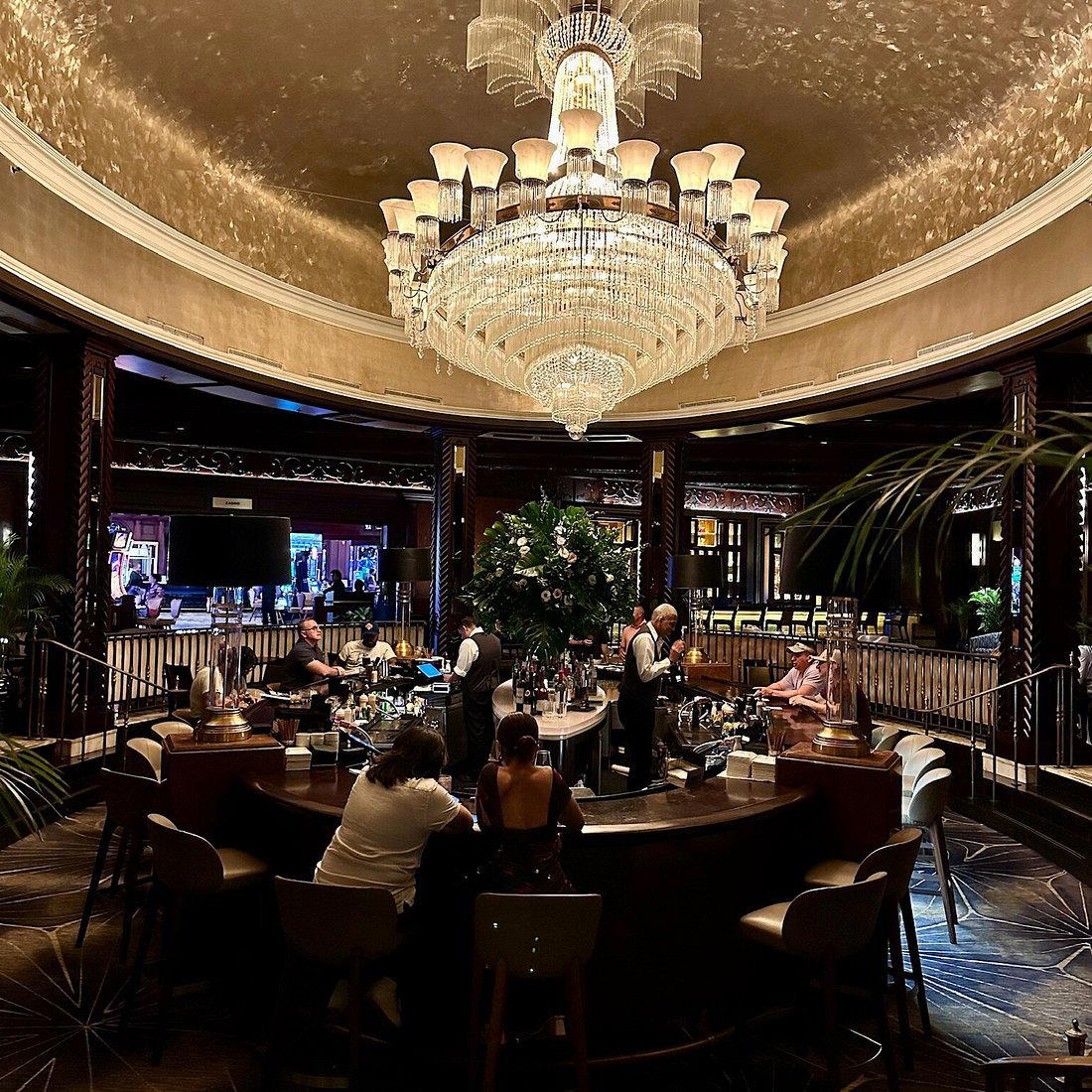
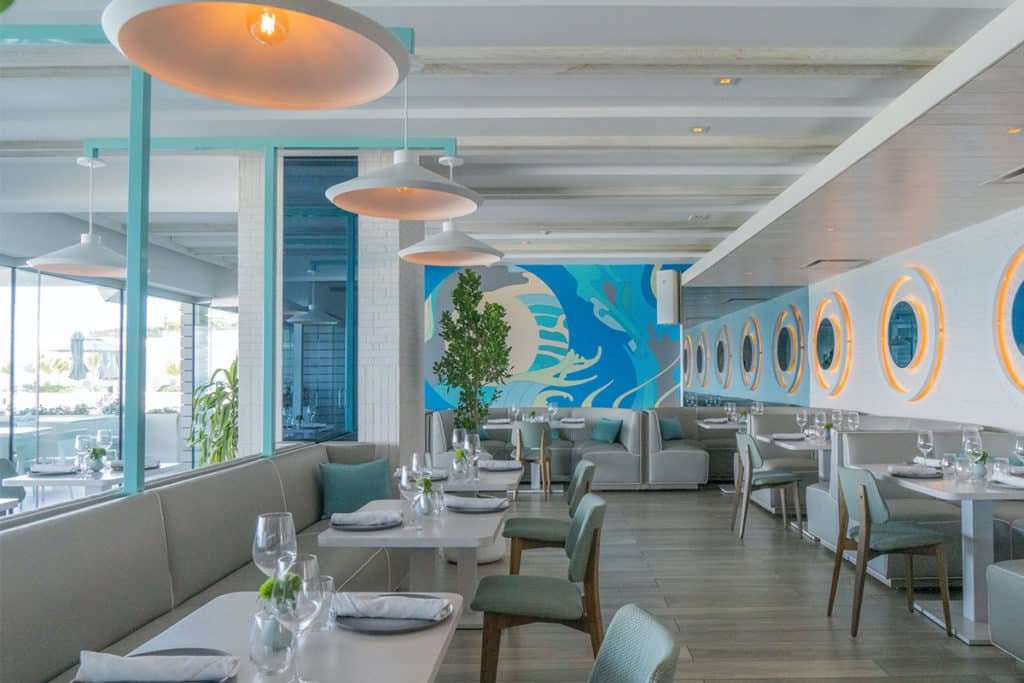
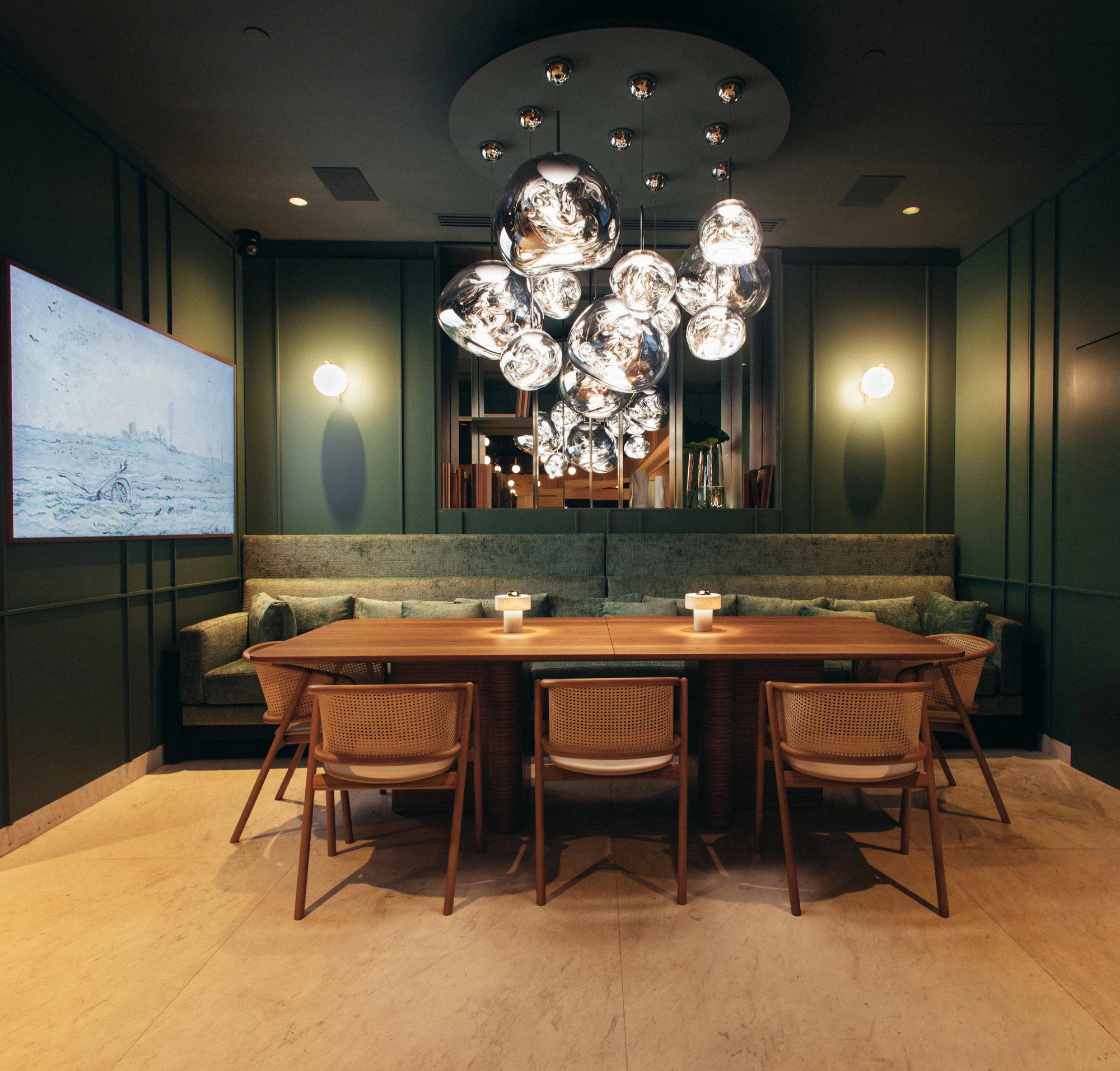
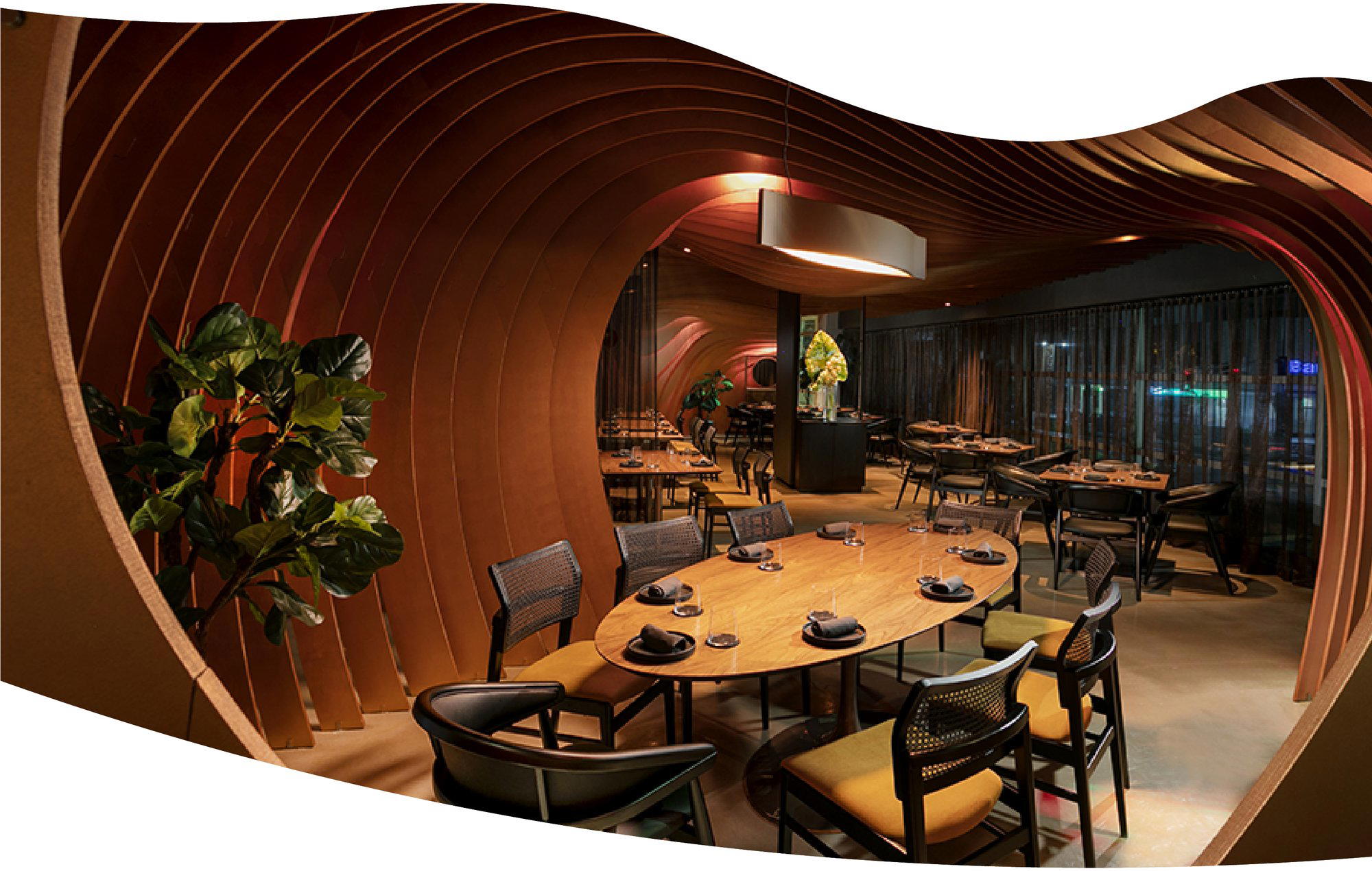
Light, airy, and tropical with warm textures connecting guests to surrounding landscapes; oceanfront terraces and natural light throughout create a serene yet sophisticated atmosphere.