Fasano Fifth Avenue

Michelin Selected
Fasano Fifth Avenue brings the Brazilian luxury group's European-inflected sensibility to one of Midtown Manhattan's most storied addresses. Selected by the Michelin Guide Hotels 2025, the property sits within a competitive tier of design-conscious, independently spirited hotels along the Upper Fifth Avenue corridor. For travellers who want proximity to Central Park without the corporate scale of a major chain, it occupies a specific and deliberate position.

Pearl is the En Primeur Club membership app — saves, bookings, and concierge access live there. Same editors, same standards.
- Address
- 815 5th Ave, New York, NY 10065
- Phone
- (646) 512-0089
- Website
- fasano.com.br
- Directions
- Get directions
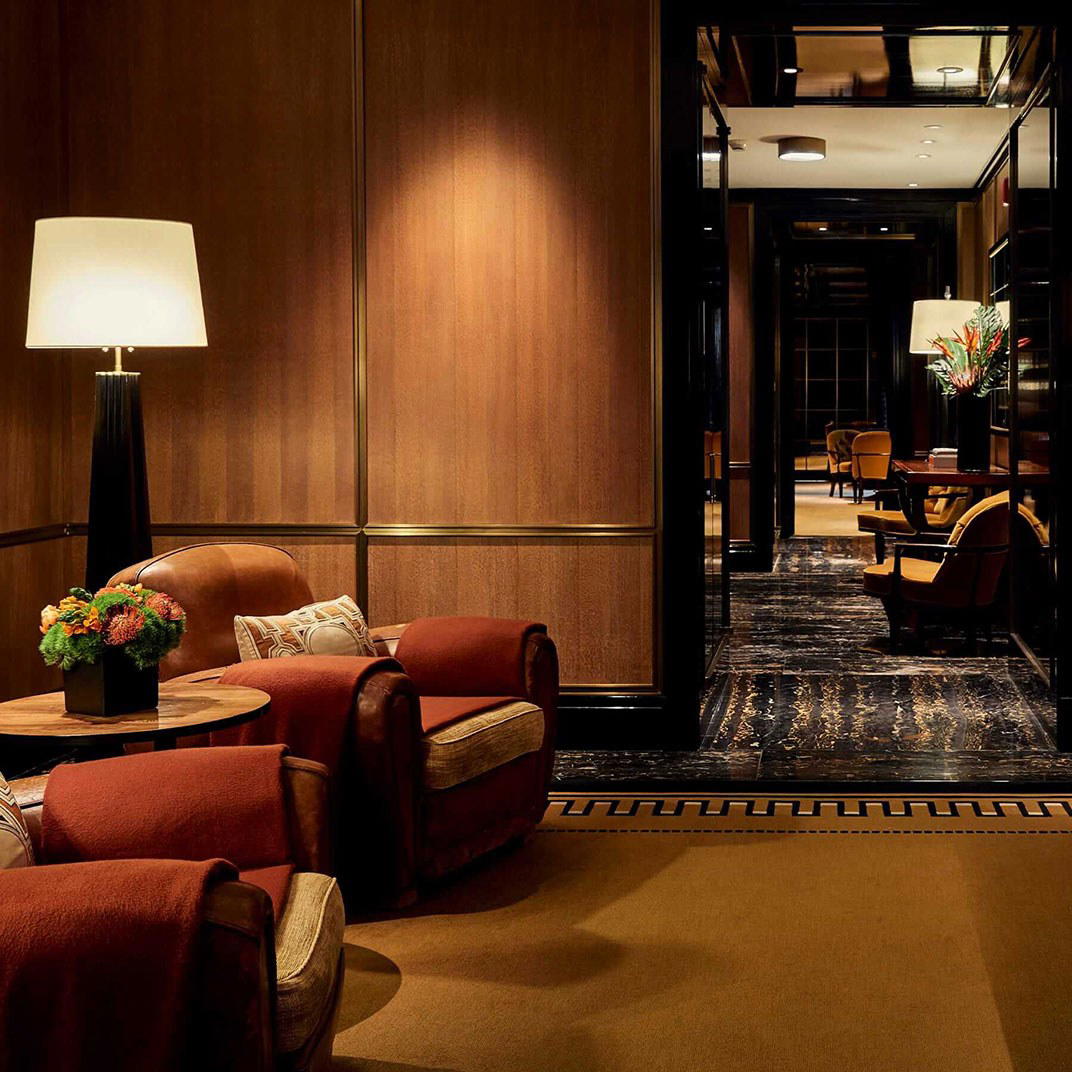
A Fifth Avenue Address in Context
Fifth Avenue between 59th and 86th Street has long carried a particular kind of pressure. Properties here are measured against a corridor that includes some of the most scrutinised hotel real estate in North America, where the competition is not merely for rooms but for the meaning attached to an address. Into this context arrives Fasano Fifth Avenue, at 815 Fifth Avenue, carrying the Fasano group's distinctly Brazilian-by-way-of-Europe sensibility into a market that rewards both heritage and restraint.
What distinguishes this tier of Upper Fifth Avenue hotel from the broader Manhattan market is its relationship to scale. These are not properties that compete on room count or conference capacity. They compete on the quality of material choices, the coherence of atmosphere, and the reliability of service at an individual level. Aman New York, which operates nearby with a similarly limited-key philosophy, represents the outer edge of that approach in terms of price and austerity. Fasano occupies a register that is warmer in tone, drawing on the group's São Paulo roots and its established European properties to produce something that reads as continental without mimicking any single European capital.
The Fasano Approach to Sourcing and Table
The Fasano group's reputation was built, in significant part, on food. Its São Paulo flagship became a reference point for Italian cooking in Brazil not by approximating the original but by applying genuine sourcing rigour to a different geography. That history matters when reading any Fasano property, because the brand has consistently treated its restaurants as integral to the hotel experience rather than amenity add-ons. Italian culinary tradition, when it travels well, does so because it is grounded in ingredient logic: the quality of olive oil, the provenance of cured products, the handling of pasta. These are disciplines that do not simplify across borders, and properties that carry them seriously must build supply relationships accordingly.
In New York, that sourcing conversation is both easier and harder than in most cities. The Northeast's artisan food infrastructure, the Hudson Valley farming corridor, and the depth of Italian import networks in the city mean that the raw materials for serious Italian cooking are accessible. The discipline lies in choosing them over cheaper alternatives and maintaining that standard across service. For guests evaluating Fasano against the broader midtown hotel dining field, the group's track record in São Paulo and its other locations provides a credential that local-born competitors cannot replicate. Properties like Casa Cipriani New York occupy an adjacent territory, with Italian-branded hospitality at the premium end, but the Fasano lineage runs deeper into actual kitchen culture rather than lifestyle branding.
Where It Sits Among New York's Design-Led Hotels
New York's hotel market has split, over the past decade, into several fairly distinct operating philosophies. Large-footprint luxury brands compete on amenity breadth and loyalty programme reach. Boutique independents and small groups compete on design coherence and local integration. A third category, to which Fasano belongs, operates as a kind of international design-led brand with a strong home-market identity that it exports selectively. This is a model more common in European hospitality, where family-controlled groups like Fasano build slowly and maintain strict quality control over each new address.
Within New York's competitive set, this places Fasano alongside properties such as The Fifth Avenue Hotel, which draws on a different historical register, and the Firmdale group's New York outposts including The Whitby Hotel and Crosby Street Hotel. The Firmdale comparison is instructive: both groups bring a strong owner-defined aesthetic to each property, both resist the anonymous quality of chain hospitality, and both attract a guest profile that prefers a defined point of view over comprehensive amenity lists. The key difference is geographic register: Firmdale reads as confidently British; Fasano reads as South American Italian, which in New York is a genuinely distinctive position.
For travellers coming from or comparing properties in other markets, the Fasano sensibility has parallels at properties where the owner's cultural identity shapes every material decision. Places like Aman Venice or Badrutt's Palace Hotel in St. Moritz operate in this register internationally, where the building and the family behind it are inseparable from the experience. Hôtel de Paris Monte-Carlo represents a further point on that spectrum, where institutional European luxury is the explicit proposition. Fasano Fifth Avenue is a younger address in a louder city, but it draws on the same logic: that hospitality with a clear identity outlasts hospitality designed to offend no one.
Planning Your Stay
Fasano Fifth Avenue is positioned at 815 Fifth Avenue, with Central Park within immediate walking distance and the Museum Mile beginning a short distance north. The address gives direct access to the Upper East Side and to Midtown without sitting in the densest commercial blocks further south. For guests comparing the neighbourhood against downtown alternatives such as The Greenwich Hotel, the calculus is simple: Upper Fifth trades neighbourhood texture for proximity to the park and to the corridor of institutions that defines this part of Manhattan. Booking should be made directly or through the Fasano group's channels given the property's scale. The Michelin Selected designation reflects the guide's assessment of consistent quality rather than a starred distinction, which is the appropriate framework for evaluating this tier of hotel.
Style and Standing
Comparable venues nearby, for context on price, style, and recognition.
| Venue | Cuisine | Price | Awards | Notes |
|---|---|---|---|---|
| Fasano Fifth AvenueThis venue — the venue you are viewing | Exclusive private members club and boutique hotel embodying old money elegance with Brazilian heritage and contemporary comfort. | Not listed | Michelin Selected | Not listed |
| Soho House New York | Members-only creative club with luxury hotel accommodations in a historic industrial warehouse | $750–1,000 | Michelin Selected · Mr & Mrs Smith Seal of Approval | Meatpacking District |
| WestHouse Hotel New York | Contemporary luxury boutique hotel blending 1920s Art Deco glamour with modern residential design, positioned as an exclusive retreat in Midtown Manhattan. | $300–500 | Small Luxury Hotels of the World Member | Midtown-Times Square |
| The Chatwal, New York | Historic Art Deco boutique hotel with contemporary luxury amenities and theatrical heritage positioning. | $500–750 | Star Wine List · Virtuoso Luxury Hotel Partner | Midtown-Times Square |
| Gramercy Park Hotel | Luxury boutique with Renaissance-revival architecture and custom artist-designed interiors | Not listed | Not listed | Gramercy |
| Thompson Central Park | Sophisticated yet unpretentious lifestyle hotel reimagining a New York classic. | Not listed | Michelin Selected | Midtown-Times Square |
Recognition history
Dated appearances from independent guides and award organizations, with the underlying list record or original source where available.
Michelin Selected
Michelin
Continue exploring
More in New York City
Hotels in New York City
Browse all →
Bars in New York City
Browse all →
Restaurants in New York City
Browse all →




Details
- Elegant
- Sophisticated
- Quiet
- Intimate
- Classic
- Romantic Getaway
- Business Trip
- Celebration
- Historic Building
- Design Destination
- Panoramic View
- Private Dining
- Terrace
- Wi Fi
- Fitness Center
- Spa
- Sauna
- Concierge
- Room Service
- Restaurant
- Bar
- Skyline
- Garden
- Wheelchair Accessible
- Elevator
- Accessible Restroom
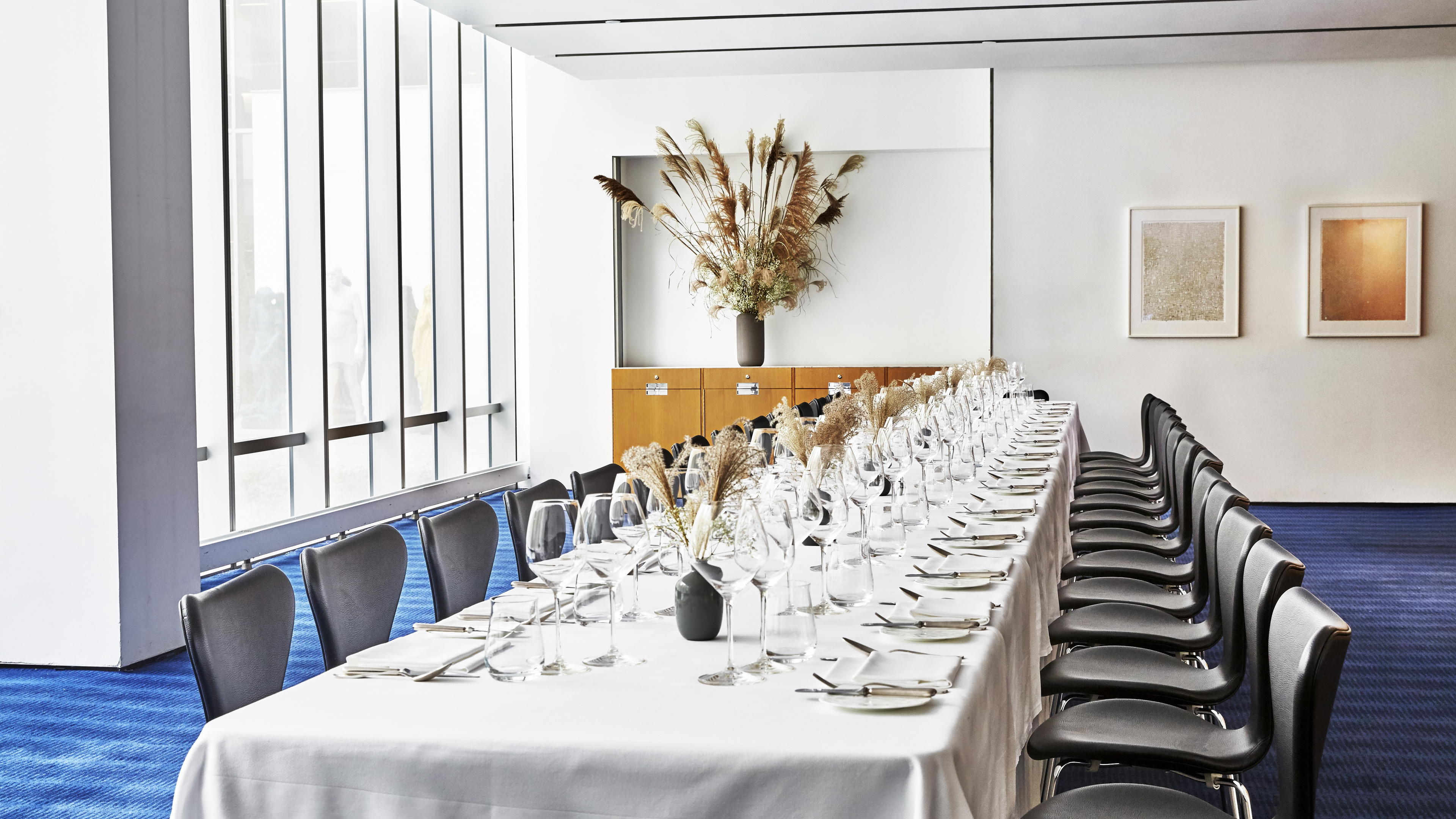
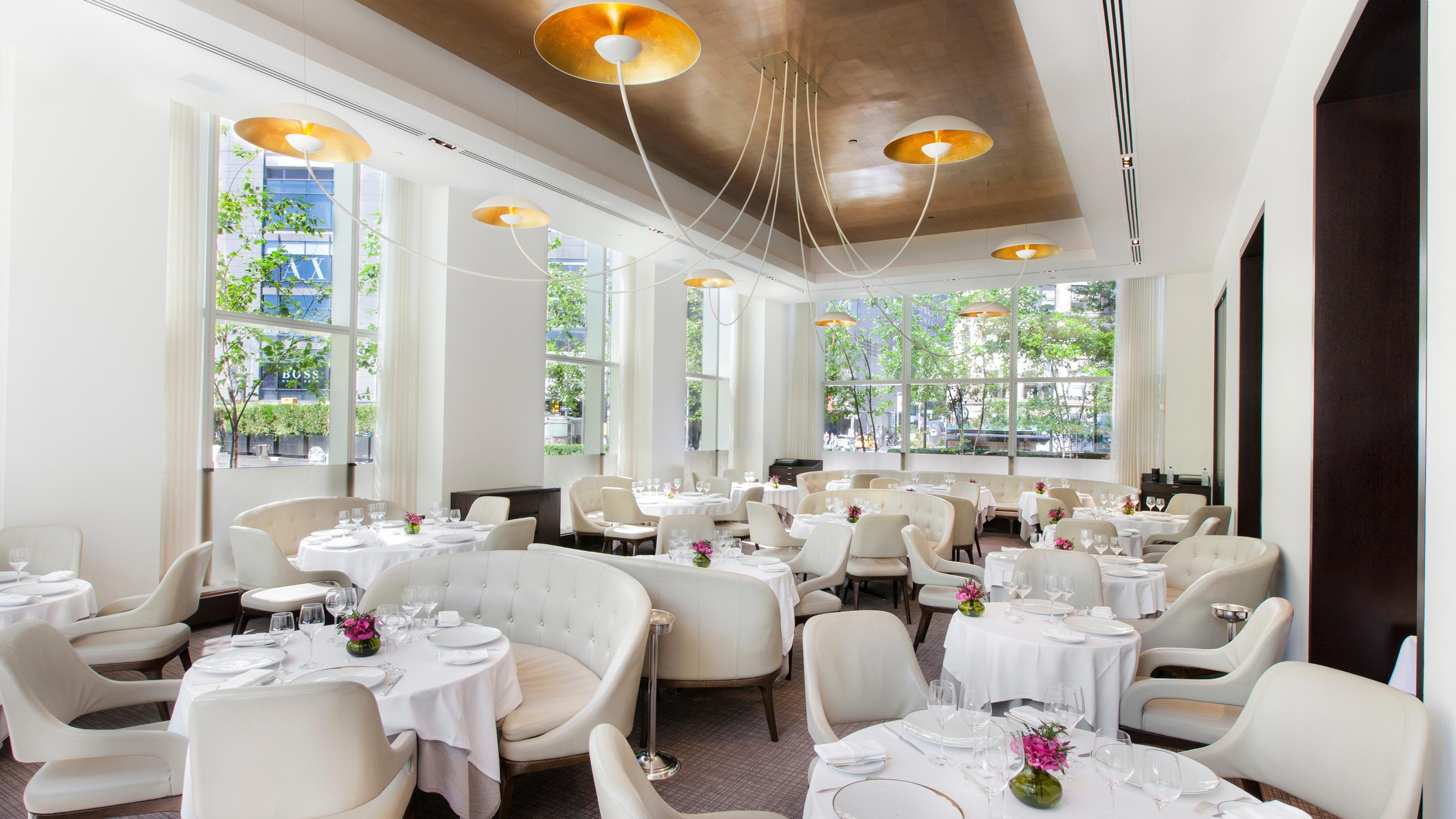
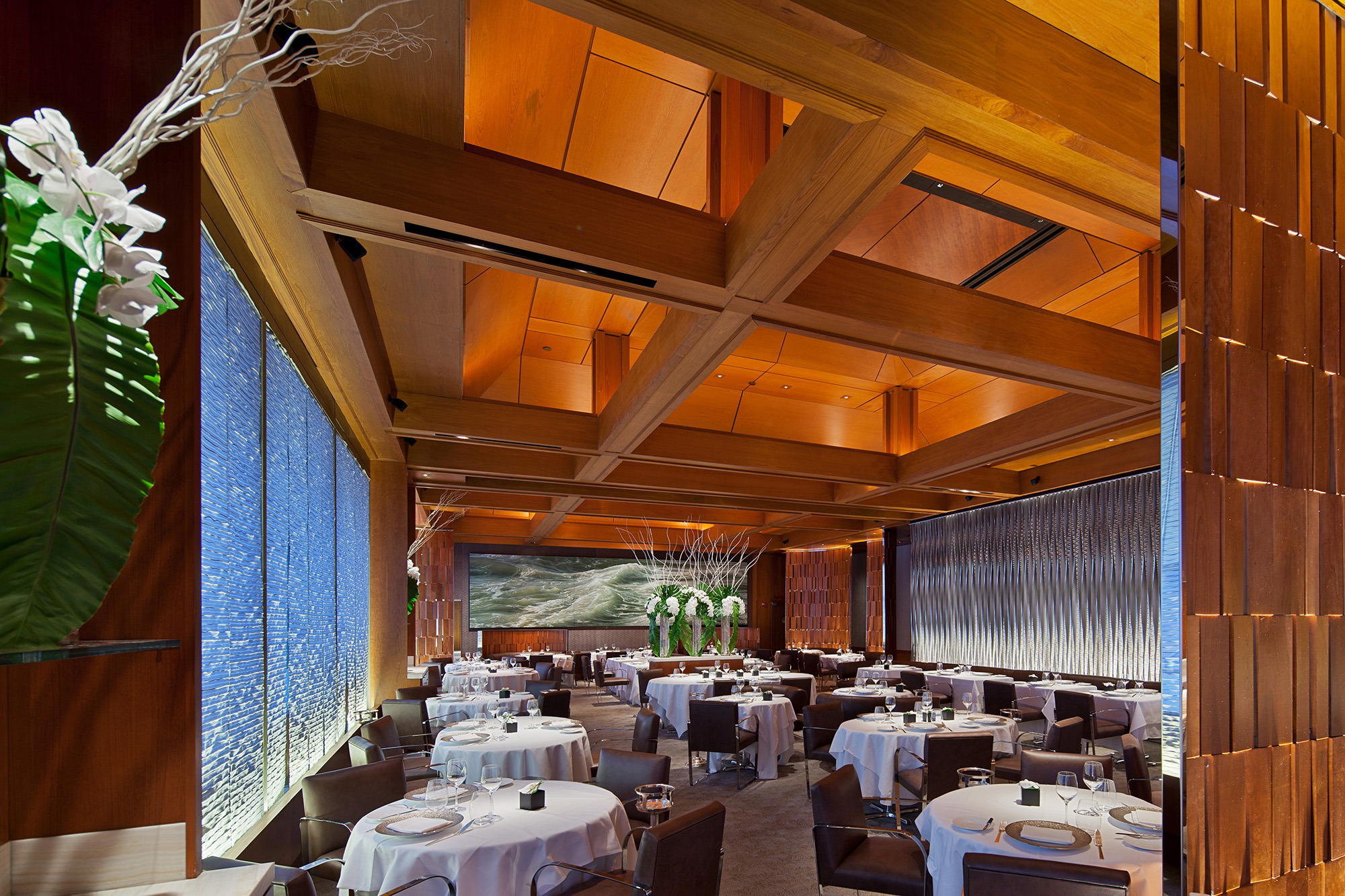
Old money elegance with understated sophistication; warm ambient lighting, custom furnishings, and a residential atmosphere that whispers rather than shouts luxury.