Fairmont Heritage Place Acapulco Diamante belongs to Acapulco’s residential-luxury side rather than its classic hotel circuit.

Pearl is the En Primeur Club membership app — saves, bookings, and concierge access live there. Same editors, same standards.
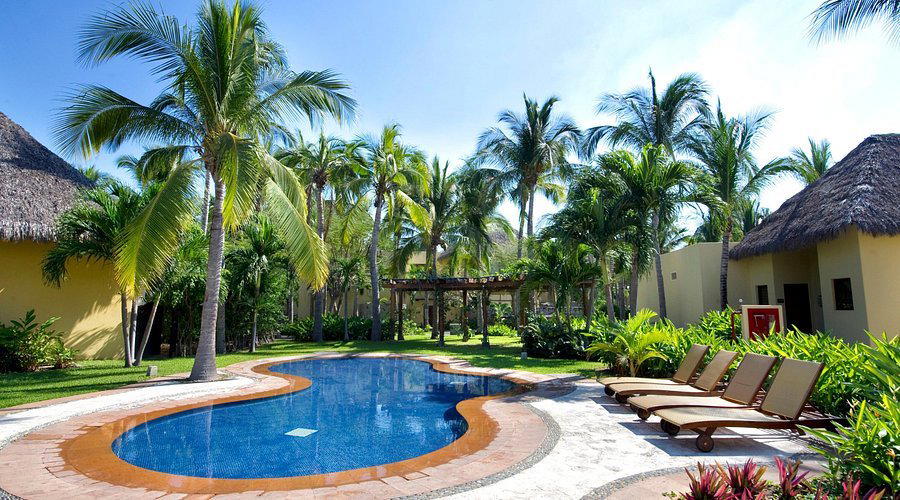
Acapulco Diamante and the architecture of privacy
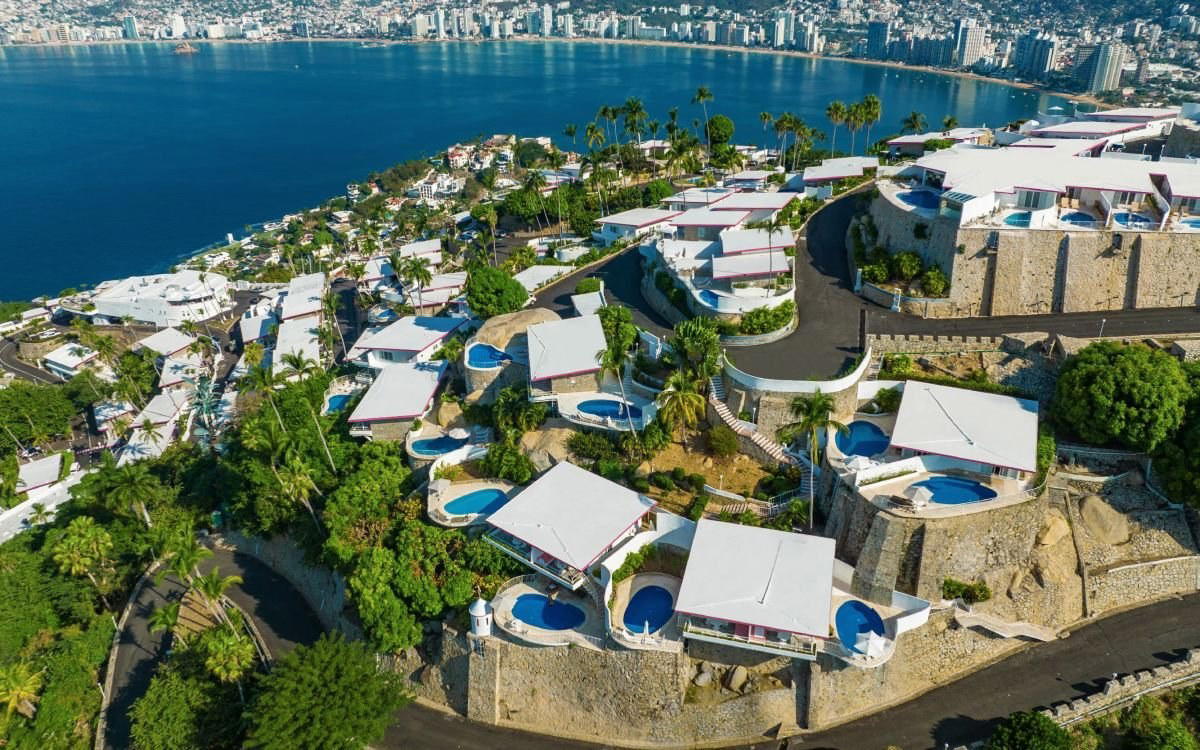
Approaching the Diamante side of Acapulco changes the tempo of the city. The older bay has its vertical drama, bright hotels, beach clubs, traffic, and long social memory; Diamante is lower, more residential in feeling, and built around controlled arrivals, gated compounds, golf-adjacent enclaves, and larger resort footprints. That distinction matters when reading Fairmont Heritage Place Acapulco Diamante. It is the kind of Acapulco stay this name implies: a private-residence model in a district where space, separation, and design discipline carry more weight than lobby theatre.
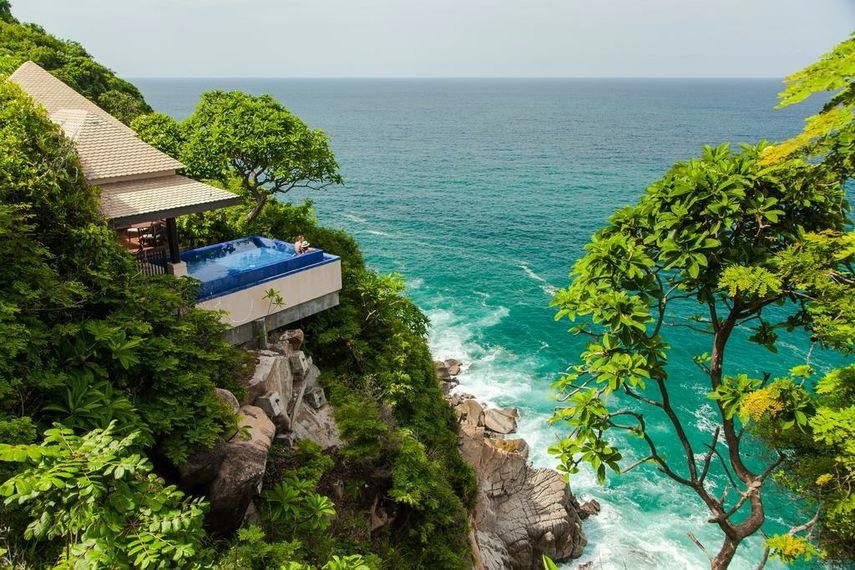
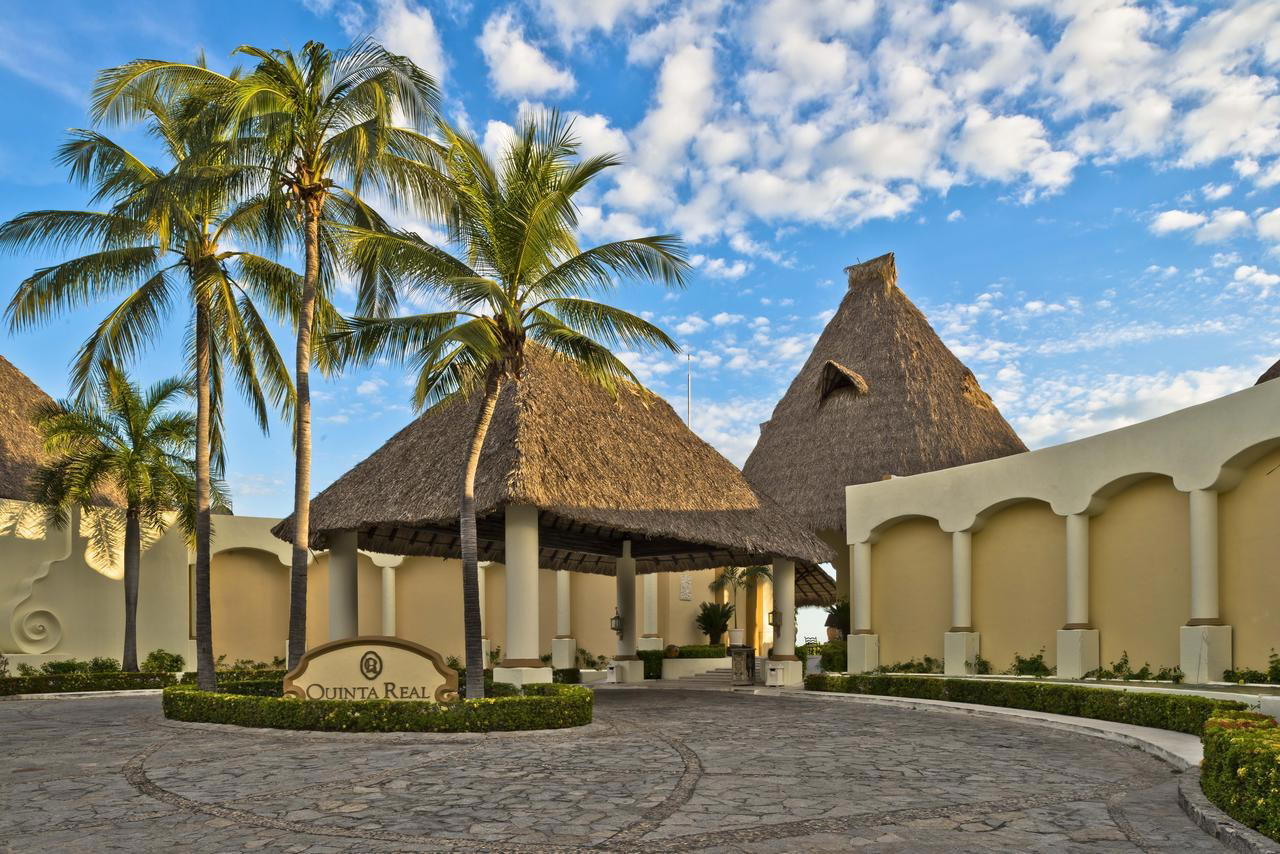
Acapulco luxury has never been one category. The city’s better-known hospitality identity splits between the cliff-and-view tradition, the bay resort tradition, and the newer Diamante model, where the guest experience is shaped as much by approach, perimeter, and scale as by the room itself. Las Brisas Acapulco represents the hillside fantasy that defined a generation of Acapulco travel, while Banyan Tree Cabo Marqués speaks to the cliffside villa-resort language of the Pacific coast. Quinta Real Acapulco sits closer to the classic resort conversation. Diamante asks a different question: not how dramatic the arrival can be, but how contained the stay feels once the city falls away.
Why the residential format matters
The Fairmont Heritage Place label is associated with residence-style hospitality rather than a standard transient hotel rhythm. Without verified local details on unit count, service structure, or suite categories for this property, that distinction should be handled carefully. The editorial point is broader: residence-led luxury changes the guest’s relationship with a destination. It favors longer stays, family or multi-room travel, private routines, and living-space architecture over the performative public areas of a grand hotel. In a beach city, that can be decisive. Guests who want daily restaurant changes, bar hopping, and constant social energy often read the city through a hotel’s public rooms. Guests choosing a residence-style property usually read it through terrace time, arrival control, storage, privacy, and the ability to avoid daily friction.
That is why the design lens is more useful than a generic luxury label. In Acapulco, architecture has always been part of the hotel proposition: cliff-hung casitas, bay-facing towers, walled compounds, and ocean terraces have each defined a different period of the city’s leisure culture. Diamante belongs to the more contemporary chapter, where master-planned resort districts and private developments compete with older glamour through scale and quiet rather than nostalgia. Fairmont Heritage Place Acapulco Diamante fits that conversation as a property to assess for residential calm, spatial generosity, and the practical advantages of a less central base, not as a replacement for the city’s social hotels.
Design identity in a city built on views
Acapulco’s hotel design is unusually tied to topography. On the bay, the view is wide and social: boats, beach activity, and the crescent of development become part of the stay. On the cliffs, architecture often becomes theatrical, using elevation, plunge pools, and terraces to heighten the Pacific horizon. In Diamante, the design language tends to be more horizontal and resort-residential, with privacy and controlled movement shaping the experience. The safer, more useful conclusion is that the area itself pushes properties toward a quieter architectural contract: less spectacle, more enclosure.
That contract will appeal to travelers who prefer spatial order over constant stimulation. It may frustrate those who want to step out directly into Acapulco’s older nightlife and dining circuits. For the latter, the better planning move is to compare across the city before fixing the base. In Diamante, transport planning is part of the design experience; the district rewards travelers who treat the resort as the center of gravity rather than a place to sleep between city runs.
How it compares with Mexico's newer luxury-resort language
Mexico’s high-end hotel market has widened sharply over the past decade. The old split between beach resort and city hotel now includes low-density jungle retreats, design-led hacienda conversions, wellness-oriented coastal compounds, and residence-style branded properties. That makes Acapulco’s Diamante proposition easier to understand. It is not trying to compete with every Mexican luxury hotel on the same terms. A traveler comparing this stay with Hotel Esencia in Tulum, One&Only Mandarina in Riviera Nayarit, or Montage Los Cabos in Cabo San Lucas is comparing different ideas of seclusion, not just different beaches.
On the Caribbean side, Maroma in Riviera Maya and Etéreo, Auberge Resorts Collection in Punta Maroma sit in a softer visual register, where sand, vegetation, and a calmer sea shape the architectural mood. In Los Cabos, Zadun, A Ritz-Carlton Reserve in Los Cabos and Las Ventanas al Paraíso, A Rosewood Resort in San José del Cabo operate in a desert-and-sea idiom, with strong service cultures and high-spend resort ecosystems. Acapulco, by contrast, carries a layered reputation: mid-century glamour, domestic holiday traffic, bay culture, cliff drama, and the newer Diamante enclave. The decision is therefore not only about room quality. It is about which version of Mexican resort life suits the trip.
Interior Mexico offers another contrast. Chablé Yucatán in Mérida, Casa Polanco in Mexico City, Casa Silencio in San Pablo Villa de Mitla, and Casa de Sierra Nevada, A Belmond Hotel, San Miguel de Allende in San Miguel de Allende trade on heritage fabric, urban texture, or rural craft. Pacific alternatives such as Xinalani in Quimixto, Playa Viva in Juluchuca, and Las Alamandas in Costalegre shift the conversation toward remoteness and nature. Fairmont Heritage Place Acapulco Diamante is better read through ease, privacy, and resort-residential infrastructure than through cultural immersion or wilderness escape.
Dining, service, and the limits of the public record
That absence should affect expectations. For an EP Club reader, missing public data is not a defect in itself, but it changes how to verify the stay. A restaurant-led hotel can be assessed through chef credentials and dining awards; a design hotel can be assessed through architect, room count, and published images; a classic resort can be assessed through star rating, room categories, and public facilities. Here, the available record supports a narrower statement: this is a 5-star Acapulco hotel listing with a residence-oriented Fairmont Heritage Place name, located in the Diamante district.
That makes comparison especially important. If dining is central to the trip, Acapulco’s broader restaurant map should be planned separately rather than assumed from the property record. If bar culture matters, the older bay and city circuits may shape the evenings more than Diamante itself. If architecture is the priority, compare the physical logic of the stay against cliffside properties, not just other branded residences. Internationally, the same principle applies: The Fifth Avenue Hotel in New York City, Hôtel de Paris Monte-Carlo in Monte Carlo, and Badrutt's Palace Hotel in St. Moritz are hospitality references built on dense public identities. A private-residence format in Diamante asks for a different evaluation, with less emphasis on spectacle and more on fit.
Planning notes for Acapulco Diamante
Plan this stay as a base-led trip. That is especially relevant in Acapulco, where neighborhood choice materially changes the trip. Diamante is not the same proposition as staying above the bay or on a cliffside road; it is typically a more contained resort district, and that can be an advantage for travelers who value quiet routines, private space, and fewer daily decisions. For guests who expect spontaneous access to restaurants and bars across the older city, transport and timing deserve attention before arrival.
The rate question should be answered through configuration rather than headline price. A couple staying briefly may find a conventional hotel more efficient. A family, multi-generational group, or longer-stay traveler may find the residence model more rational if the confirmed unit offers the space and privacy implied by the format. Awards are not listed in the record, so the trust signal here is contextual rather than trophy-led: the property belongs to Acapulco’s premium hotel set by positioning and district, but the final decision should be made against verified booking terms.
In Context
Comparable venues nearby, for context on price, style, and recognition.
| Venue | Price | Awards | Notes |
|---|---|---|---|
| Fairmont Heritage Place Acapulco DiamanteThis venue — the venue you are viewing | $$$$ | 5-Star | Not listed |
| Quinta Real Acapulco | $$$$ | 5-Star | Punta Diamante, Cliffside boutique hotel blending contemporary luxury with traditional Mexican charm |
| Las Brisas Acapulco | $$$$ | 5-Star | Condesa Beach, Cliffside casitas with private and shared pools |
| Banyan Tree Cabo Marqués | $$$$ | Michelin 1 Key | Punta Diamante, Clifftop luxury villa resort |
| Casa Velas | $$$$ | 4-Star | residential, colonial hacienda-style boutique resort |
| SHA Mexico | $$$$ | 5-Star | 2300500014138, Contemporary wellness resort with oceanfront suites and residences |

At a Glance
- Scenic
- Elegant
- Quiet
- Sophisticated
- Family Vacation
- Group Retreat
- Weekend Escape
- Romantic Getaway
- Celebration
- Beachfront
- Private Villa
- Infinity Pool
- Waterfront
- Golf Course
- Panoramic View
- Terrace
- Pool
- Fitness Center
- Spa
- Concierge
- Room Service
- Business Center
- Beach Access
- Golf Course
- Wi Fi
- Kids Club
- Waterfront
- Garden
- Pool
- Fitness Center
- Spa
- Concierge
- Room Service
- Business Center
- Beach Access
- Golf Course
- Wi Fi
- Kids Club
Secluded and upscale beach residence club with spacious layouts, ocean views, and private gardens, creating a calm, residential resort feel rather than a busy hotel atmosphere.