On Acapulco's Costera Miguel Alemán, Carmenère sits within a dining scene shaped by Pacific proximity and Guerrero's agricultural interior. The restaurant draws on the coastal city's dual identity as a historic resort and a market town with deep indigenous food traditions. For visitors tracing Mexico's regional cuisines, it belongs on the same itinerary as the city's seafood-forward competition.
Pearl is the En Primeur Club membership app — saves, bookings, and concierge access live there. Same editors, same standards.
- Address
- Av Costera Miguel Alemán 3007, Fracc Costa Azul, Costa Azul, 39680 Acapulco de Juárez, Gro., Mexico
- Phone
- +527442013031
- Website
- facebook.com
- Directions
- Get directions
 Saves & bookings on Pearl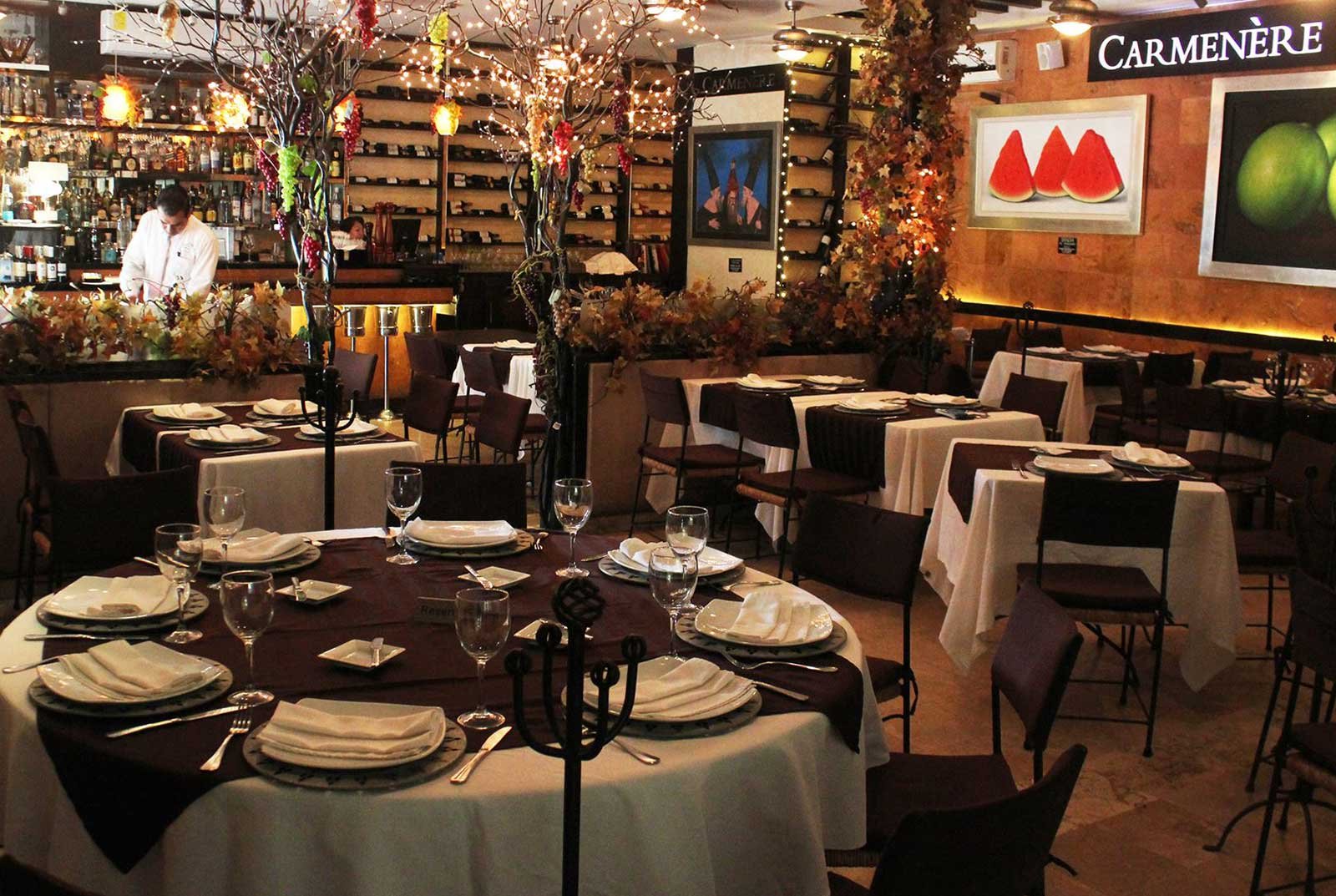
Where Guerrero's Coastline Meets the Table
Carmenère Acapulco Restaurante is a restaurant in Acapulco de Juárez, Guerrero, serving international cuisine with Mediterranean influences. Positioned on the Pacific coast of Guerrero state, the city has two distinct food identities running in parallel: the resort strip along Avenida Costera Miguel Alemán, where international formats and casual seafood dominate, and a deeper, market-rooted tradition drawing on Guerrero's indigenous ingredients, chiles from the tierra caliente, fresh catches from Bahía de Acapulco, and native herbs that rarely appear on menus north of the state border. Carmenère Acapulco Restaurante, located at Av Costera Miguel Alemán 3007 in the Costa Azul district, occupies that main coastal artery but sits at the point where those two identities have the clearest potential to intersect.
The Costera is Acapulco's organizing spine, a long boulevard that traces the bay's edge, shifting character from tourist-facing hotel zones to quieter residential and commercial pockets. Costa Azul, toward the eastern end of the strip, has historically attracted a more local clientele than the zones closer to the Zócalo or the Las Brisas headland. That positioning matters for how a restaurant sources and who it serves. Restaurants along this stretch tend to have closer working relationships with the city's fish market networks and with the informal produce supply chains that run inland from the sierra.
Ingredient Geography in a Pacific Port City
The sourcing logic available to any serious restaurant in Acapulco is, on paper, compelling. The bay produces red snapper, sea bass, shrimp, and octopus with a short chain from boat to kitchen that few inland cities can match. Guerrero's agricultural zones supply chiles anchos and pasillas, sesame seeds central to the state's mole negro tradition, and tropical fruits including tamarind and mamey. That raw material profile gives a kitchen genuine range, from the brine-forward simplicity of ceviche prepared with Pacific lime to the slow-cooked complexity of pozole rojo, Guerrero's most recognized export dish and one that varies at the household level across the state's municipalities.
This kind of ingredient proximity shapes what Mexico's most discussed regional kitchens do well. Operations like Animalón in Valle de Guadalupe and Olivea Farm to Table in Ensenada have built their identity around the specificity of their regional supply, while in southern Mexico, Levadura de Olla Restaurante in Oaxaca grounds its menu in the state's pre-Hispanic pantry. The question for any Acapulco kitchen working this angle is whether Guerrero's ingredients are treated as generic Mexican staples or as regionally specific materials with traceable provenance and preparation traditions attached to them.
Acapulco's Dining Scene in Context
Acapulco's restaurant culture has spent decades in the shadow of its resort identity. The city's peak international profile in the mid-twentieth century generated a hospitality infrastructure built around imported tastes and international formats, and parts of that legacy remain visible in hotel dining rooms along the Costera. The more interesting shift in recent years has been the emergence of restaurants working closer to the city's own culinary logic, drawing on the seafood markets, the state's chile and mole traditions, and the coastal Mexican cooking that predates the resort era.
That shift mirrors what has happened at a national scale. Mexico City's top tier, represented by places like Pujol, established the template for treating regional Mexican ingredients as the basis of serious contemporary cooking rather than as something to be apologized for or simplified. That influence has moved outward to coastal cities, where the raw material advantage is often greater but the restaurant infrastructure has been slower to catch up. For reference on what that approach produces at the upper end of Mexican coastal dining, Le Chique in Puerto Morelos and HA' in Playa del Carmen demonstrate how Caribbean-coast kitchens have operationalized that same sourcing discipline. On the Pacific side, Zibu represents Acapulco's most visible entry in the seafood-forward category.
Carmenère sits within this evolving context. The Costa Azul address places it outside the densest hotel corridor, which typically correlates with a more neighborhood-oriented clientele and, in practice, a different set of pressures on the kitchen, less dependence on walk-in tourist traffic, more need to hold a regular local audience.
How Carmenère Fits the Regional Picture
The name Carmenère references a grape variety with a specific history, originally a Bordeaux component, later thought extinct, rediscovered in Chile where it had been misidentified as Merlot for decades. The restaurant's name suggests a wine-conscious frame. What is clear is that Acapulco's better restaurants increasingly position themselves against a national comparable set rather than just a local one. Operations like KOLI Cocina de Origen in Monterrey, Alcalde in Guadalajara, and Pangea in San Pedro Garza García have demonstrated that serious ingredient-led cooking is no longer confined to Mexico City or Oaxaca. Acapulco's Pacific position and Guerrero's biodiversity give any kitchen here a credible sourcing argument to make, if the kitchen is prepared to make it.
Planning a Visit
Carmenère Acapulco Restaurante is located at Av Costera Miguel Alemán 3007 in the Costa Azul district of Acapulco de Juárez, Guerrero. Acapulco's coastal dining scene has historically been more accessible to walk-ins than reservation-heavy restaurant cultures in Mexico City or Guadalajara, though demand can shift during high season (December through Easter) when resort traffic increases significantly. Costa Azul is accessible by the city's coastal bus routes along the Costera and by taxi from the hotel zones, making it a direct addition to any itinerary centered on the bay area.
Comparison Snapshot
Comparable venues nearby, for context on price, style, and recognition.
| Venue | Cuisine | Price | Notes |
|---|---|---|---|
| Carmenère Acapulco RestauranteThis venue — the venue you are viewing | International with Mediterranean influences | $$$ | Not listed |
| Zibu | Mex-Thai Fusion | $$$ | Fracc. Glomar |
| Call Me Lalo Taquería | Beachfront Mexican taquería | $$$ | Puerto Vallarta |
| El Gran Cazador | Mexican Exotic Meats & Insects | $$ | Cuauhtémoc |
| Karne Garibaldi | Traditional Guadalajara Carne en su Jugo | $$ | Plaza del Sol |
| Taba Sports Bar | Mexican Airport Sports Bar | $$$ | Venustiano Carranza |
At a Glance
- Elegant
- Romantic
- Sophisticated
- Date Night
- Special Occasion
- Open Kitchen
- Extensive Wine List
Current opening hours
- Monday
- 2–11 PM
- Tuesday
- 2–11 PM
- Wednesday
- 2–11 PM
- Thursday
- 2–11 PM
- Friday
- 2–11 PM
- Saturday
- 2–11 PM
- Sunday
- 2–11 PM
Hours can change for holidays and private events. Last verified .
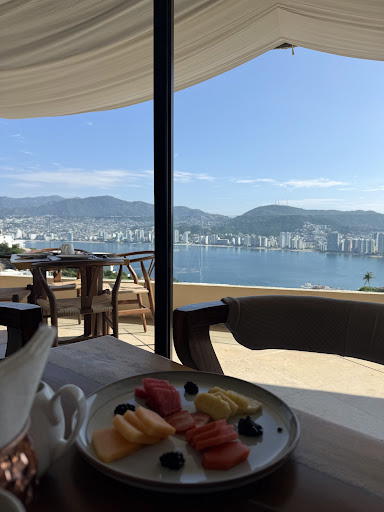
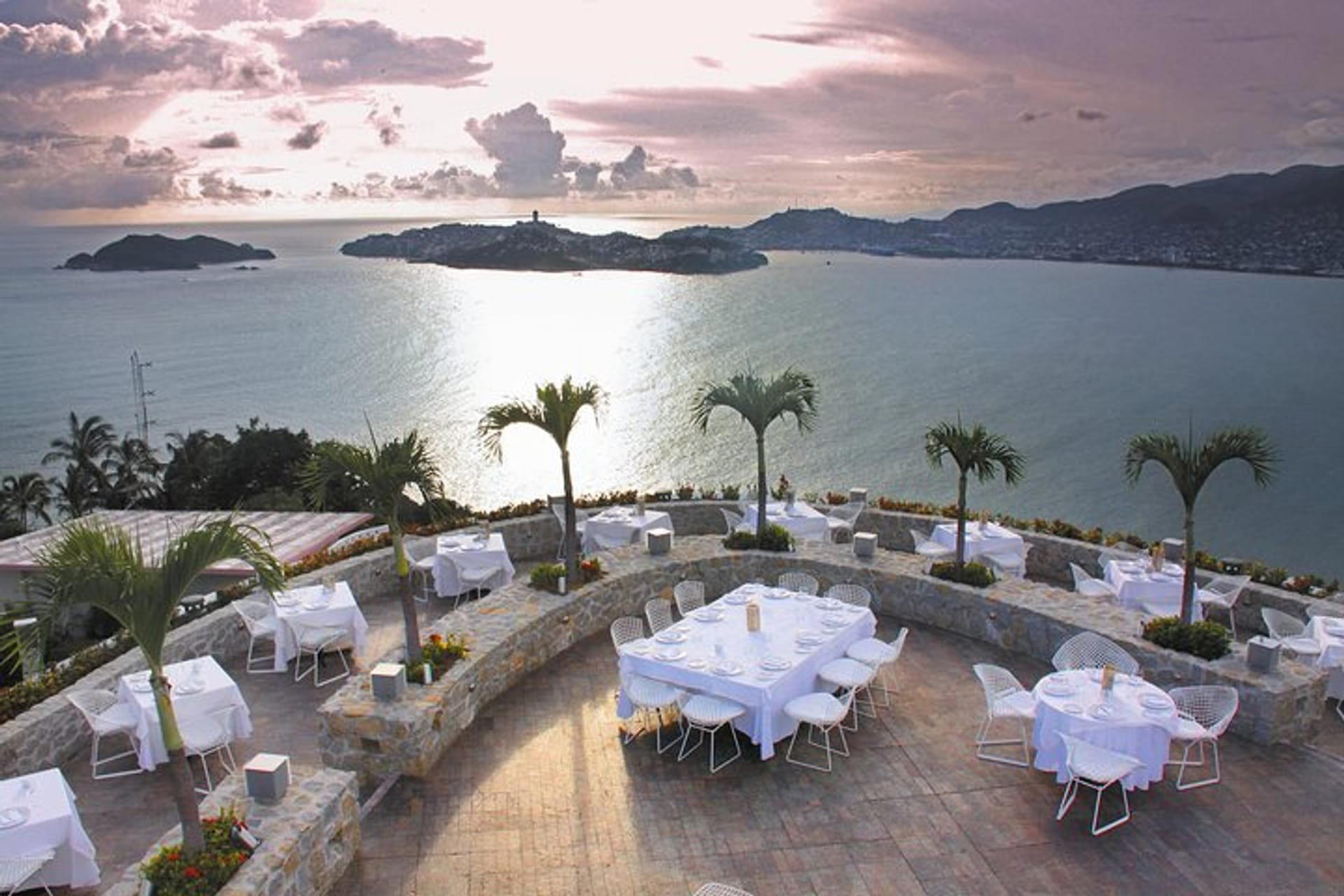
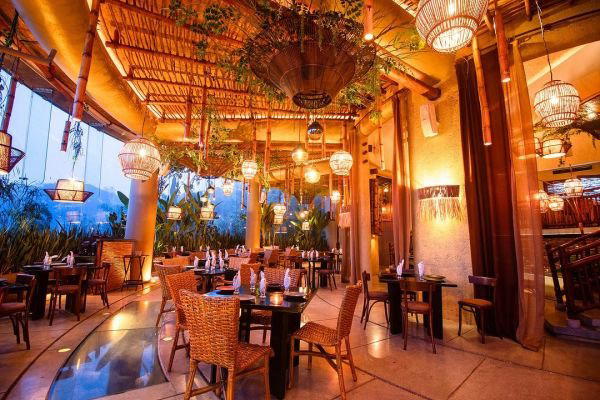
Air-conditioned dining room with classical music, romantic atmosphere, and option for outdoor sunset views over the bay.