
City Park Hotel & Residence sits on Stanisława Wyspiańskiego street in Poznań and carries a 2025 Michelin Selected distinction, placing it in a compact tier of Polish city hotels where design and spatial quality are the primary differentiators. The property offers both hotel rooms and residence-format accommodation, making it a practical choice for stays of varying length. For a full picture of where it sits among Poznań's options, the comparison with design-led peers is instructive.
Pearl is the En Primeur Club membership app — saves, bookings, and concierge access live there. Same editors, same standards.
- Address
- Stanisława Wyspiańskiego 26, 60-751 Poznań, Poland
- Phone
- +48 600 019 700
- Website
- cityparkhotel.pl
- Directions
- Get directions
 Saves & bookings on Pearl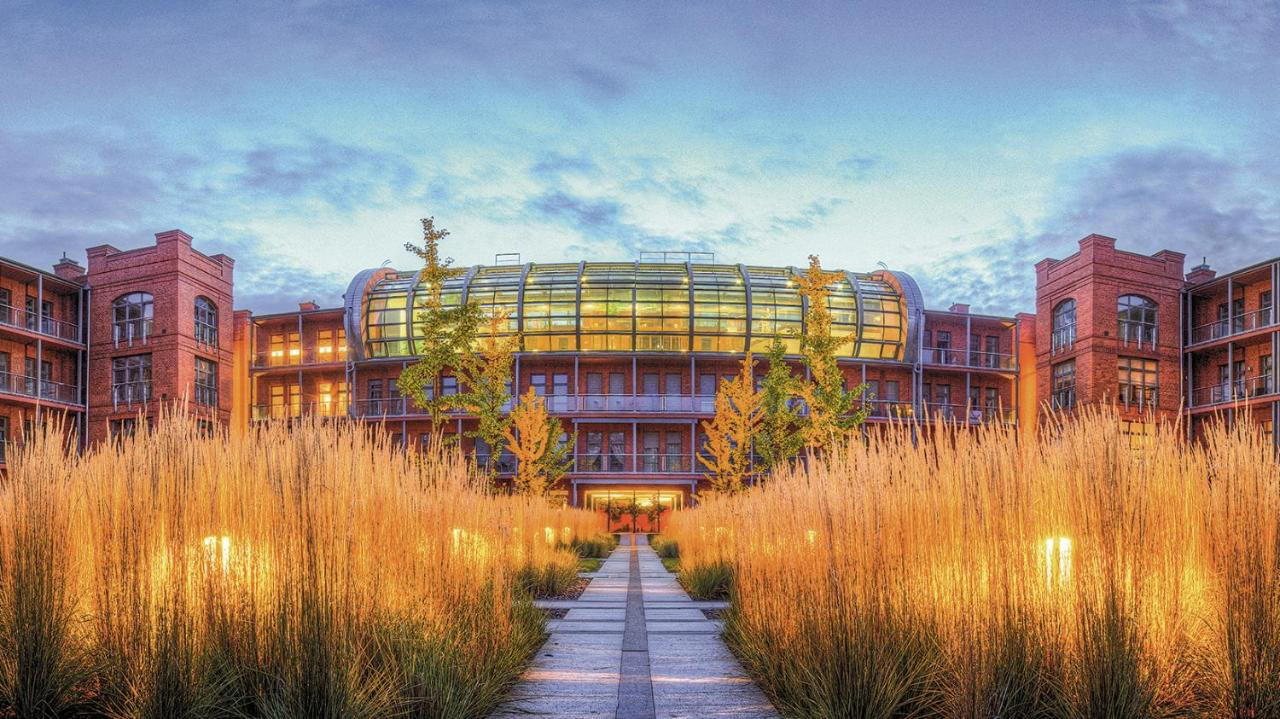
A Green Address in a City That Rewards Walking
Poznań's accommodation market has gradually split between properties that prioritise central-square proximity and those that trade a short walk for more space, quieter surroundings, and a different kind of physical environment. City Park Hotel & Residence sits on Stanisława Wyspiańskiego, a street that gestures toward the city's park infrastructure rather than its market-square density. That positioning is not a compromise: for guests whose interest lies in the city's broader geography, its modernist civic buildings, its Śródka district across the Cybina, its Maltańskie lake, a base near green space has its own logic.
The address also reflects a broader pattern visible in several Polish cities. Where once the premium accommodation tier clustered almost exclusively around Old Town squares, a secondary tier has emerged in districts that offer architectural character without the foot-traffic noise of central tourism zones. Hotel Altus Palace in Wrocław makes a comparable argument from a heritage building; Copernicus Toruń Hotel in Torun does so from a city centre that is itself more contained. City Park's version of this argument is quieter and more residential in character.
Michelin Selected and What That Signals
The 2025 Michelin Selected distinction, the Michelin Guide's hotel-tier recognition, places City Park Hotel & Residence inside a curated set of Polish properties that meet a threshold of quality across physical standards, service consistency, and guest experience. In Poznań, Michelin Selected hotels occupy a specific bracket: they are not the flashiest design statements in the city, but they have been assessed as reliable at a level that matters to a particular kind of traveller. That traveller is less interested in lobby spectacle and more interested in whether the room is well-considered and the stay is free of friction.
Within Poznań's recognised hotel set, the Michelin Selected distinction separates City Park from a larger number of three- and four-star properties that have no comparable external validation. Peers in the city with similarly curated positioning include Blow Up Hall, which occupies the art-and-design end of the spectrum, and PURO Poznań, which operates a design-led format at scale. City Park's approach, combining hotel and residence formats under one address, targets a slightly different guest: one who may stay longer and values the spatial flexibility of residence-style accommodation.
The Architecture of a Park-Facing Property
Polish hotel design in the post-2010 period has increasingly moved toward two poles: adaptive reuse of heritage buildings, and purpose-built contemporary structures. Properties that reuse older buildings tend to win the narrative competition for distinctiveness; Hotel Liberte 33 and Ilonn Boutique Limanowskiego both play in that space in Poznań. City Park's address on Wyspiańskiego, a street named for the Młoda Polska painter and playwright, places it in a district with its own architectural history, one shaped by late-nineteenth and early-twentieth century building patterns that give the neighbourhood a denser, more residential texture than the Old Town's tourist-facing stone.
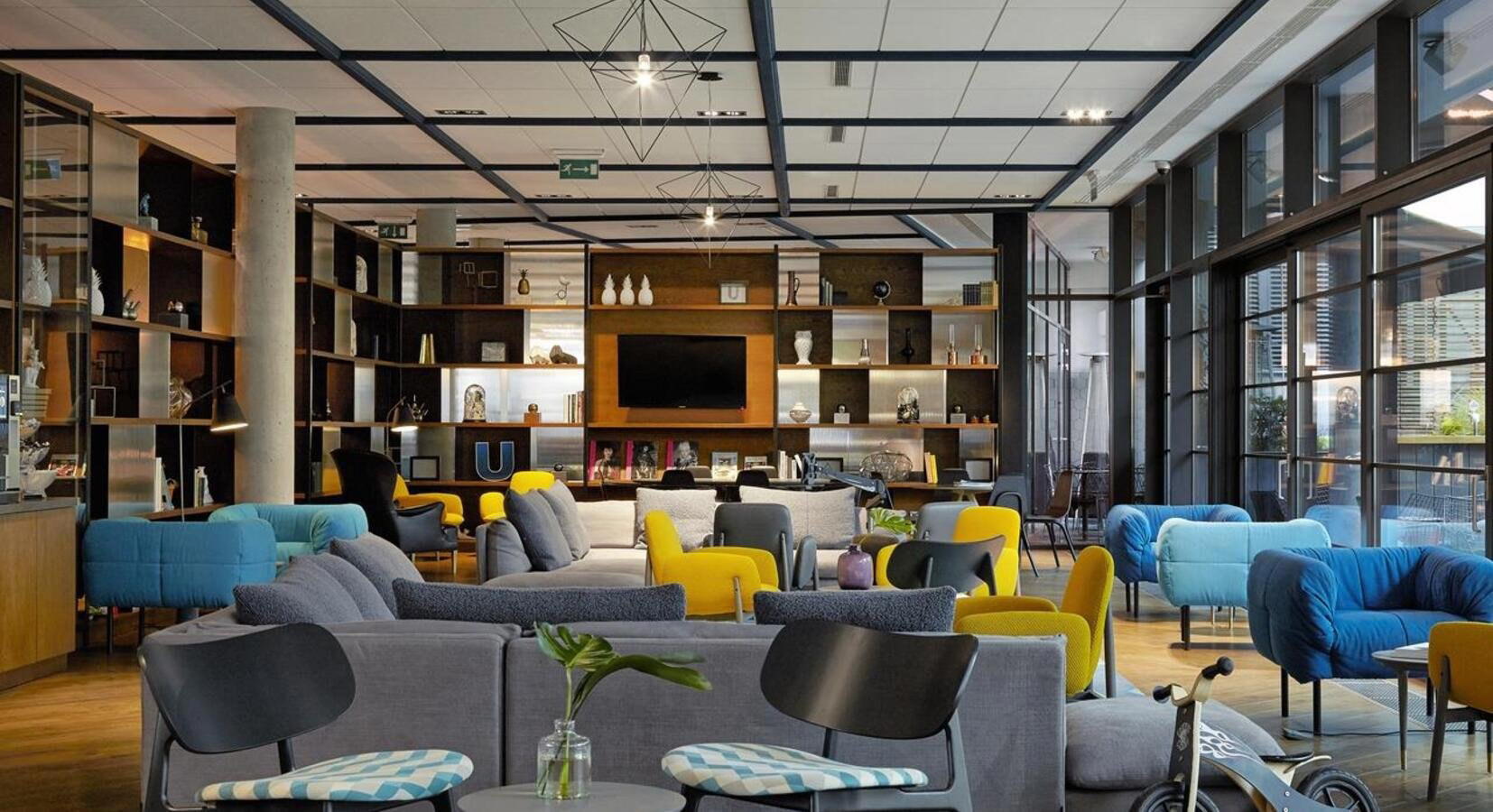
The dual hotel-and-residence format reflects a practical design decision that has become more common in European city hotels: rather than committing entirely to short-stay rooms, properties of this kind build in apartment-format units that allow for kitchen access and longer occupancy. This changes the spatial calculus of the building, typically producing larger average floor plates and a quieter communal atmosphere. For business travellers on extended Poznań postings, the city's trade-fair calendar is one of the busiest in Central Europe, anchored by the Międzynarodowe Targi Poznańskie fairgrounds, that format has clear functional advantages over a standard hotel room.
Poznań as a Base: What the City Offers
Poznań is routinely underestimated by travellers routing through Poland who prioritise Kraków or Warsaw. That underestimation is, in practical terms, the city's advantage. The Old Town's Stary Rynek is one of the largest market squares in Poland, and the mechanical goats that emerge from the town hall clock at noon have been doing so since the sixteenth century, which gives the city a specific kind of civic self-confidence. The Cathedral Island (Ostrów Tumski), where Polish Christianity began in the tenth century, sits within easy walking distance of the centre. The Poznań trade fair grounds, the Malta lake district, and the city's surprisingly strong restaurant scene complete a picture of a place that functions well for both leisure and business guests.
City Solei is another Poznań property worth comparing if design-led boutique formats are the priority.
Planning Your Stay
City Park Hotel & Residence is located at Stanisława Wyspiańskiego 26. Poznań Główny, the city's main rail station, connects to Warsaw in under three hours on express services and to Berlin in roughly two and a half hours, making the city accessible from both directions without requiring a flight. The Poznań trade fair calendar concentrates heavily in the spring and autumn months; booking during those periods, particularly around major fair dates, can require advance planning as the city's hotel capacity tightens across all tiers. Outside the fair calendar, Poznań operates with considerably more accommodation availability, and rates across the market soften accordingly.
Hotel H15 Francuski Old Town in Kraków and H15 Boutique Hotel in Warsaw represent the boutique end of the Polish city hotel market in their respective cities. Hôtel de Paris Monte-Carlo in Monte Carlo and Badrutt's Palace Hotel in St. Moritz, which illustrate the breadth of the designation across price points and formats. Pałac Ciekocinko Hotel Resort & Wellness in Ciekocinko and Grano Hotel Solmarina & Apartments in Wiślinka operate in a different register. Hilton Gdansk in Gdańsk and Zamek Łeba in Łeba. Villa Nova in Zakopane or Jaskolka Dom i SPA in Szklarska Poręba. PURO Łódź Centrum in Łódź, Hotel Monopol Katowice, and the nature-adjacent Heron Live Hotel in Sienna. For lakeside Masuria, Galery69 in Warmian Masurian and Hotel Galery69 in Stawiguda Masuria are worth consideration, as is Cisowy Zakątek in Sasino on the Baltic coast. The Fifth Avenue Hotel in New York City offers a reference point for what design-led city hotels achieve at the summit of the market.
How It Stacks Up
Comparable venues nearby, for context on price, style, and recognition.
| Venue | Cuisine | Price | Awards | Notes |
|---|---|---|---|---|
| City Park Hotel & ResidenceThis venue — the venue you are viewing | Boutique luxury apartment hotel in a repurposed historic military base complex. | $$$$ | 5-Star | Not listed |
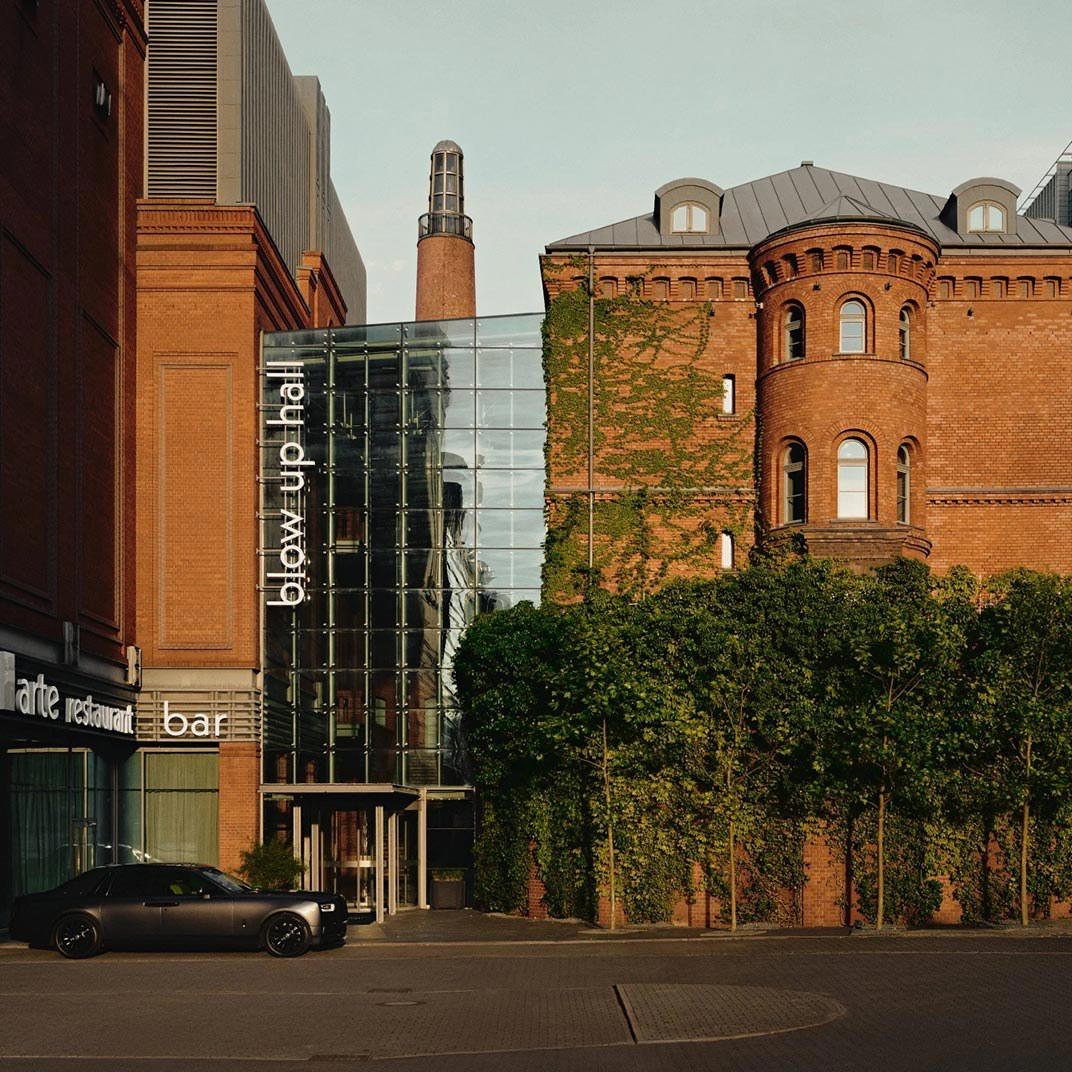
| Blow Up Hall | Boutique design hotel in historic brewery with contemporary artistic spin. | $$$$ | 5-Star | Poznań City Center |
| City Solei | Art Deco boutique hotel connected to a shopping center in the historic district. | $$$ | 4-Star | Chwaliszewo |
| PURO Poznań | Contemporary urban hotel with elegant design reflecting the city. | $$$ | 4-Star | Stare Miasto |
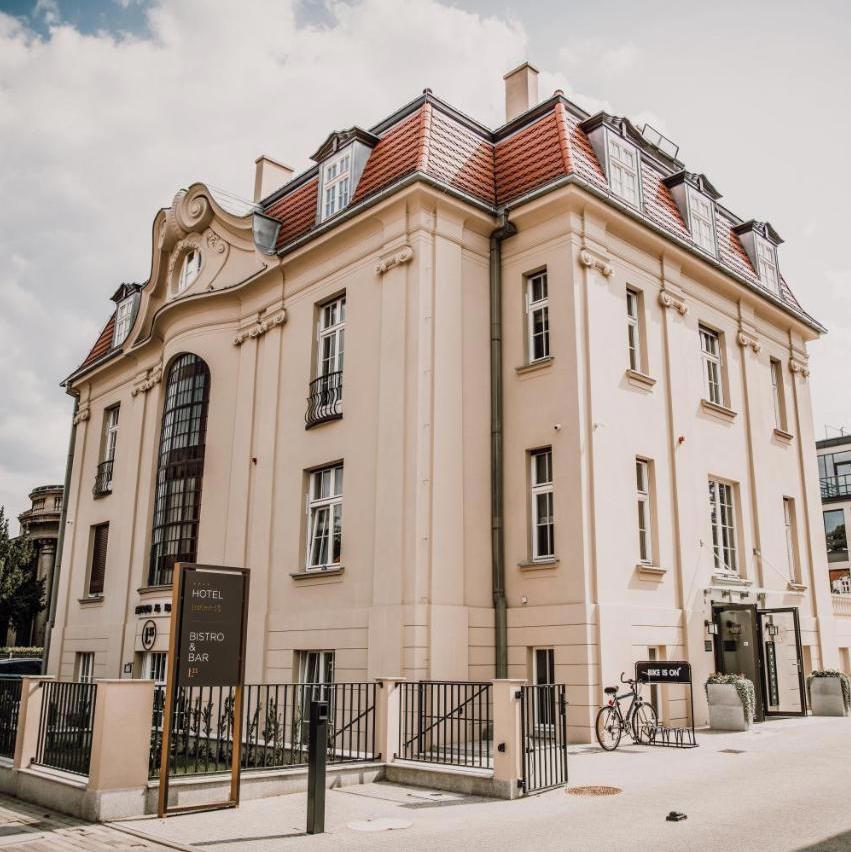
| Hotel Liberte 33 | Boutique hotel blending historic 19th-century villa architecture with contemporary design, positioned as an upscale urban retreat for informed travelers. | $$$ | 4-Star | Stare Miasto District |
| Ilonn Boutique Limanowskiego | Boutique aparthotel in historic building | $$$ | 4-Star | Łazarz |
Recognition history
Dated appearances from independent guides and award organizations, with the underlying list record or original source where available.
Michelin Guide New Hotels New Hotel
Michelin Guide New Hotels
Michelin Selected
Michelin
Continue exploring
More in Poznań
Hotels in Poznań
Browse all →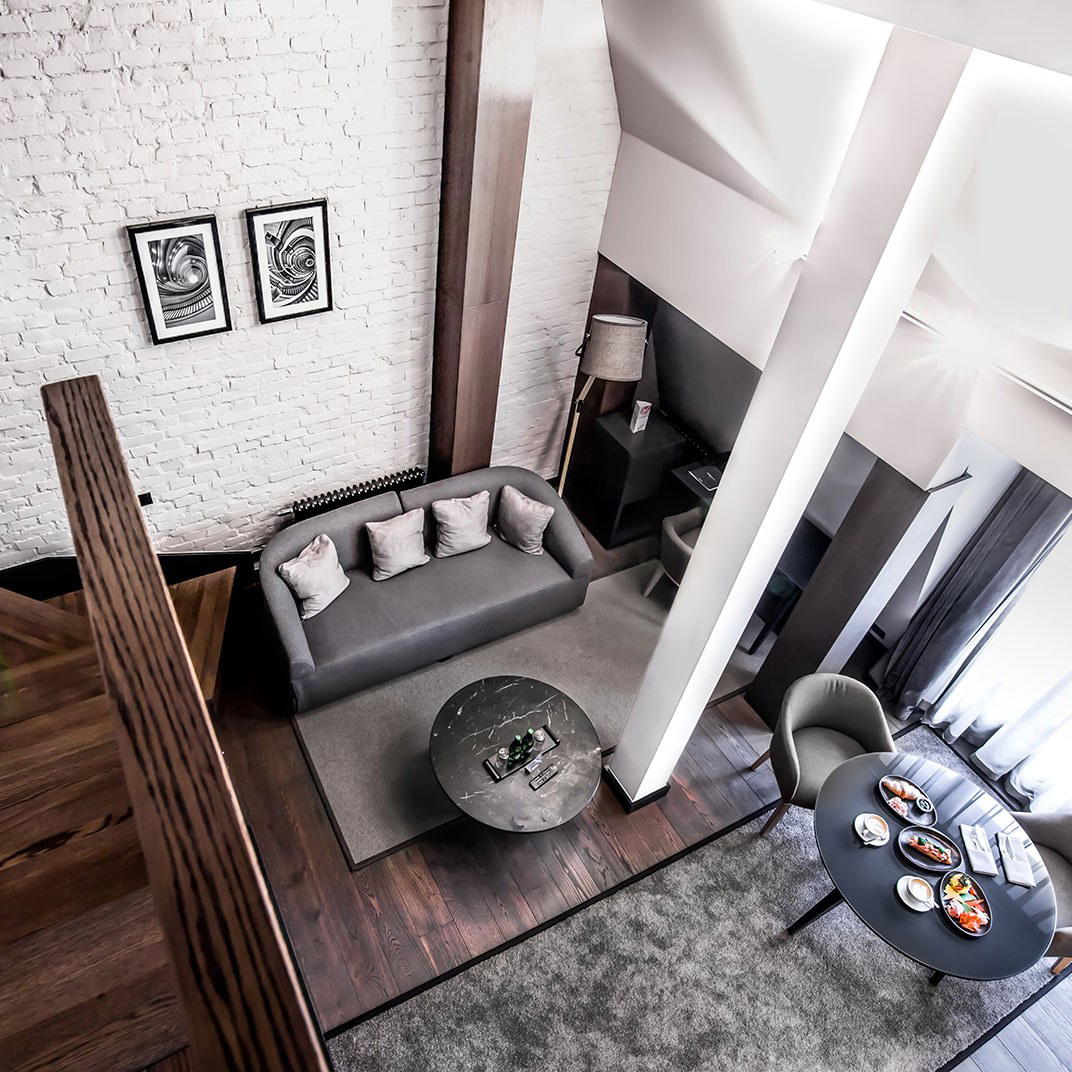
At a Glance
- Modern
- Elegant
- Sophisticated
- Business Trip
- Romantic Getaway
- Weekend Escape
- Historic Building
- Wi Fi
- Pool
- Spa
- Fitness Center
- Room Service
- Concierge
- Sauna
- Restaurant
- Bar
- Skyline
- Garden
- Wi Fi
- Pool
- Spa
- Fitness Center
- Room Service
- Concierge
- Sauna
- Restaurant
- Bar
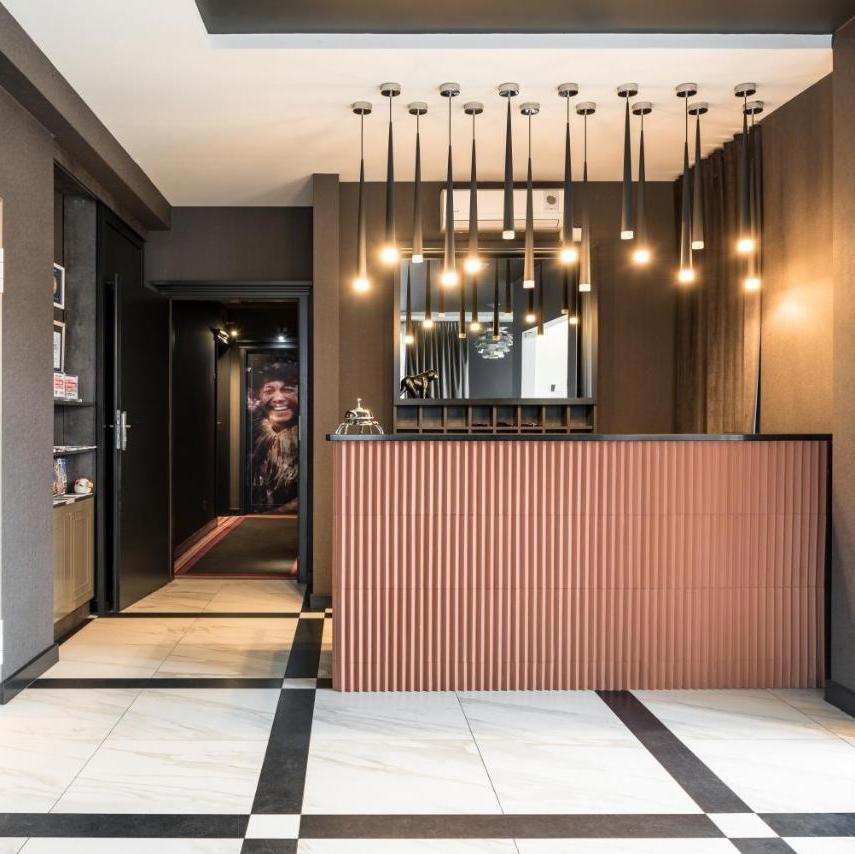
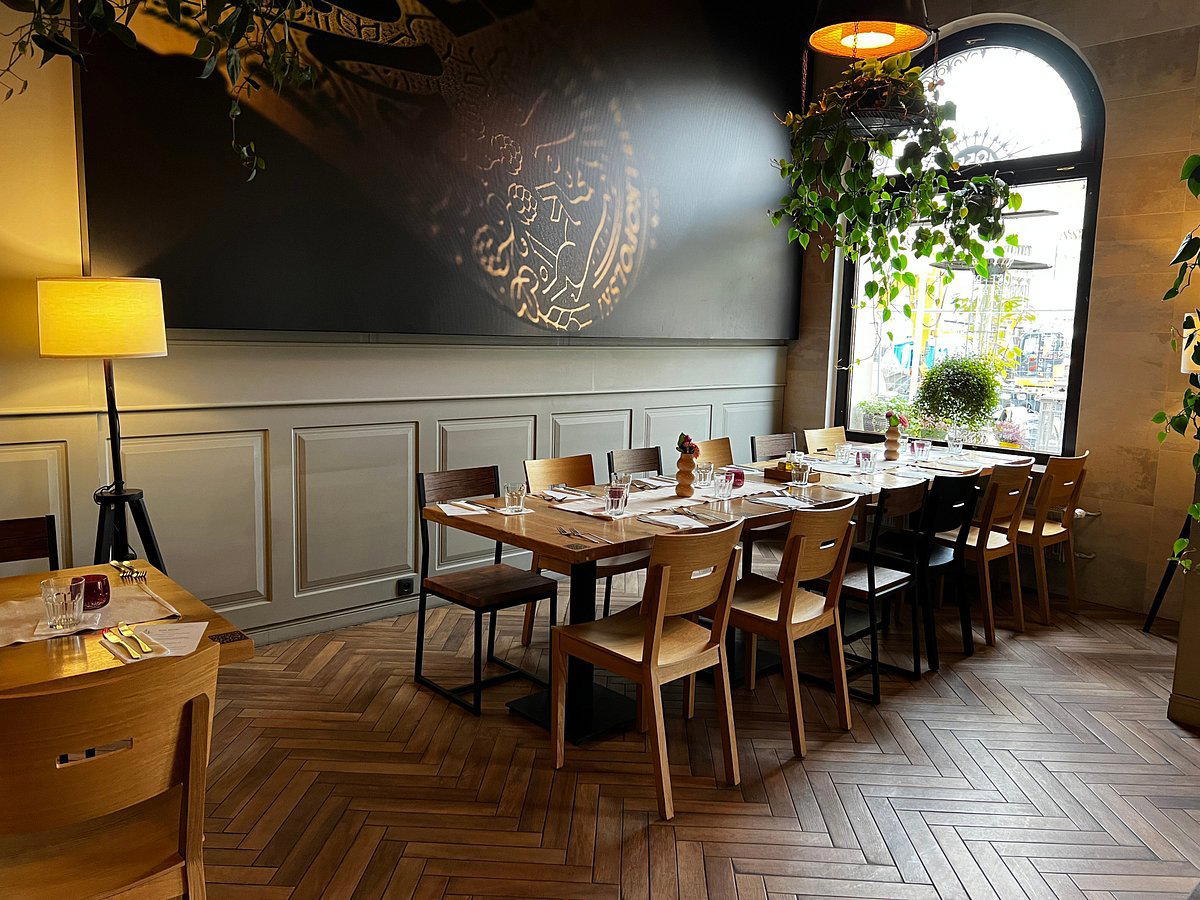
Modern and elegant with soundproofed rooms, premium bedding, and relaxing spa atmosphere featuring saunas, steam rooms, and poolside fitness.