
TU.REStAURANT holds back-to-back Michelin Bib Gourmand recognition (2024 and 2025), placing it among a small tier of Poznań addresses where modern cooking lands at mid-range prices. Located on Grunwaldzka, the kitchen is led by Chef Borja Susilla and earns a 4.6 Google rating across 356 reviews. For a city building a credible fine-casual dining scene, it is one of the more closely watched tables.
Pearl is the En Primeur Club membership app — saves, bookings, and concierge access live there. Same editors, same standards.
- Address
- Grunwaldzka 34A, 60-768 Poznań, Poland
- Phone
- +48 887 222 121
- Website
- turestaurant.pl
 Saves & bookings on Pearl
Where Grunwaldzka Meets the Modern Polish Table
Grunwaldzka is one of Poznań's longer arterial streets, running through residential and commercial districts that sit outside the tourist circuits of the Old Market Square. Dining rooms along this stretch tend to serve the city rather than visitors passing through, which sets a particular kind of expectation: the cooking has to justify the detour on its own terms, without the bonus of atmosphere delivered by a medieval backdrop. TU.REStAURANT, at number 34A, is a restaurant in Poznań working in exactly that context. The Michelin Bib Gourmand, awarded in both 2024 and 2025, confirms that what it offers is substantial enough to bring people out of the centre.
Bib Gourmand recognition in Poland is not routine. The Bib category specifically identifies kitchens where quality cooking arrives at prices the inspectors consider genuinely reasonable. TU.REStAURANT holding that designation in consecutive years places it in a comparable set that includes some of the more disciplined mid-range operations in the country, alongside addresses like Bottiglieria 1881 Restaurant in Kraków and Arco by Paco Pérez in Gdańsk operating in their own tiers further up the price register.
The Architecture of a Meal Here
Modern Cuisine as a classification covers a wide spectrum, and in Poland specifically it tends to describe kitchens that draw on local produce and seasonal patterns while applying techniques and plating logic that diverge from traditional recipes. The meal at TU.REStAURANT, under chef Borja Susilla, operates within that framework. What distinguishes the kitchen's positioning is the price bracket: the €€ rating means the multi-course progression here runs at a fraction of what comparable technical ambition costs at addresses like Muga, Poznań's €€€€ reference point for modern cooking.
That price gap is significant. In cities where fine-casual dining has matured, the interesting tension often sits in the middle tier: kitchens cooking with real intent at prices that allow a full table to eat rather than a single tasting menu at a counter. TU.REStAURANT operates in that space, and the Bib Gourmand is essentially Michelin's endorsement of the value proposition as much as the cooking standard.
The progression of a meal in this style typically moves through a sequence designed around contrast and accumulation. Earlier courses in modern Polish-inflected kitchens tend toward lighter preparations, often built on fermented or cured elements, before the kitchen moves into more substantial protein courses and closes with desserts that lean on dairy and seasonal fruit.
Chef Borja Susilla and What His Background Implies
Borja Susilla at the helm of a modern kitchen in Poznań reflects how the Polish dining scene has shifted. A decade ago, the headline names in Polish restaurants were almost uniformly Polish; today, international chefs working in Polish cities are increasingly common, particularly at the ambitious mid-range and above. This pattern is visible across the country: Acquario in Wrocław brings Italian lineage to its kitchen, and Spanish-trained sensibilities have filtered into kitchens from Warsaw to Gdańsk.
Susilla's background in Spanish culinary tradition, brought to bear on a Poznań context, is the kind of cross-pollination that tends to produce menus with structural discipline applied to northern European and Polish ingredients. The logic of Spanish cooking, particularly from the Basque and Catalan traditions, emphasises technique precision and a clear narrative across courses. That framework, applied to Polish seasonal produce, is a coherent approach to what modern cuisine means in this geography. For reference points at the top of that tradition, Frantzén in Stockholm and FZN by Björn Frantzén in Dubai represent how that kind of cross-cultural modern cuisine plays at the highest price register globally.
TU.REStAURANT Inside the Poznań Dining Scene
Poznań's restaurant scene is smaller and less internationally discussed than Warsaw or Kraków, but it has developed a genuine mid-range tier over the past several years. The city's student population and professional class sustain a dining culture that values consistency and value more than occasion-driven splurge. That environment has historically been better served by reliable bistros and traditional Polish tables than by ambitious modern kitchens, which makes the sustained Bib recognition at TU.REStAURANT noteworthy: it suggests a kitchen that has held its standard across multiple service years.
Within Poznań specifically, the modern cuisine tier is not crowded. Muga operates at the premium end. Other addresses like A nóż widelec, Port Sołacz, SPOT., and The Time each occupy different positions across the city's dining range. TU.REStAURANT at €€ with Bib recognition sits in a specific gap: technically minded cooking at a price that makes repeat visits plausible rather than exceptional. For comparison, 1911 Restaurant in Sopot and Giewont in Kościelisko demonstrate how modern kitchens in smaller Polish cities can build strong regional followings outside the main urban centres.
A 4.6 Google rating across 393 reviews is worth contextualising. At that volume, the score reflects consistent delivery over many services rather than a lucky run. It is the kind of rating that comes from a kitchen that performs reliably across a range of covers, not one that peaks on Saturdays and lapses midweek.
Planning Your Visit
TU.REStAURANT is located at Grunwaldzka 34A in Poznań, in the €€ price range, and holds Michelin Bib Gourmand recognition for both 2024 and 2025. Given that award visibility, booking ahead is advisable, particularly for weekend evenings. The restaurant is recommended for reservations and follows smart casual dress. Hours are Mon to Thu 4 to 10 p.m., Fri 4 to 11 p.m., Sat 1 to 11 p.m., and Sun 1 to 8 p.m.
Price Lens
Comparable venues nearby, for context on price, style, and recognition.
| Venue | Cuisine | Price | Awards | Notes |
|---|---|---|---|---|
| TU.REStAURANT | $$$ | Bib Gourmand | Grunwald, Modern European with Southern European accents | |
| Port Sołacz | $$ | Michelin Plate | Jeżyce, Modern European with Italian and Polish influences | |
| SPOT. | $$ | Bib Gourmand | Wilda, Modern European with Polish influences | |
| The Time | $$$ | Michelin Plate | Stare Miasto, Modern Polish & European Fine Dining | |
| Posto | Jeżyce, Pan-European Farm-to-Table | $$$ | Bib Gourmand | |
| Papavero | $$ | Michelin Plate | Stare Miasto, Polish-European with Italian influences |
Continue exploring
More in Poznań
Restaurants in Poznań
Browse all →

At a Glance
- Modern
- Elegant
- Cozy
- Intimate
- Sophisticated
- Date Night
- Business Dinner
- Group Dining
- Special Occasion
- Open Kitchen
- Garden
- Private Dining
- Historic Building
- Extensive Wine List
- Craft Cocktails
- Garden
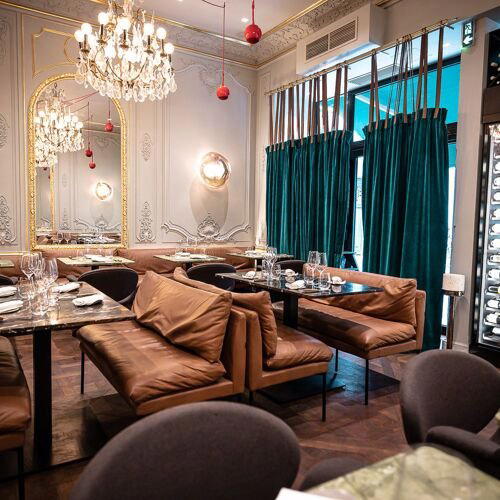
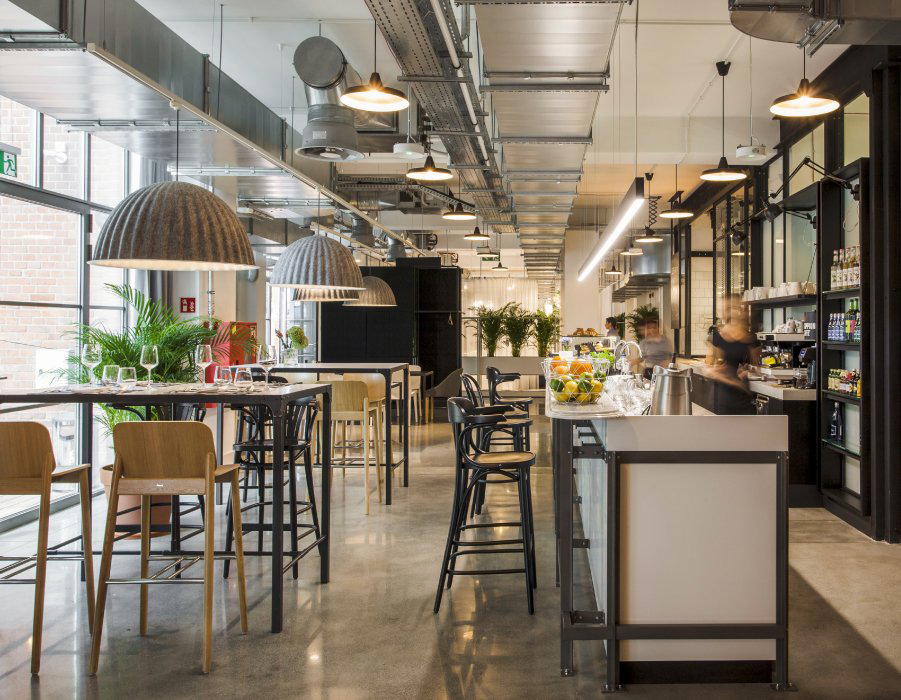
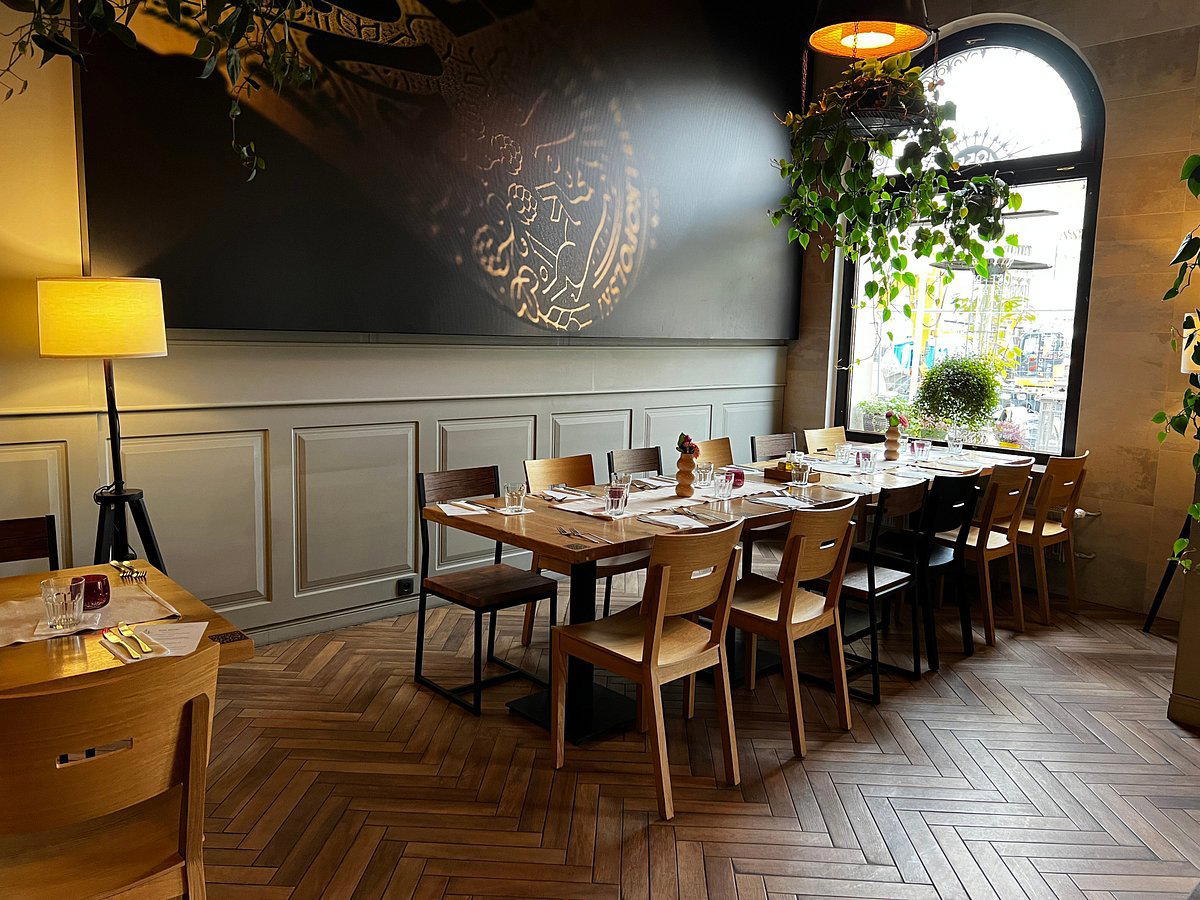
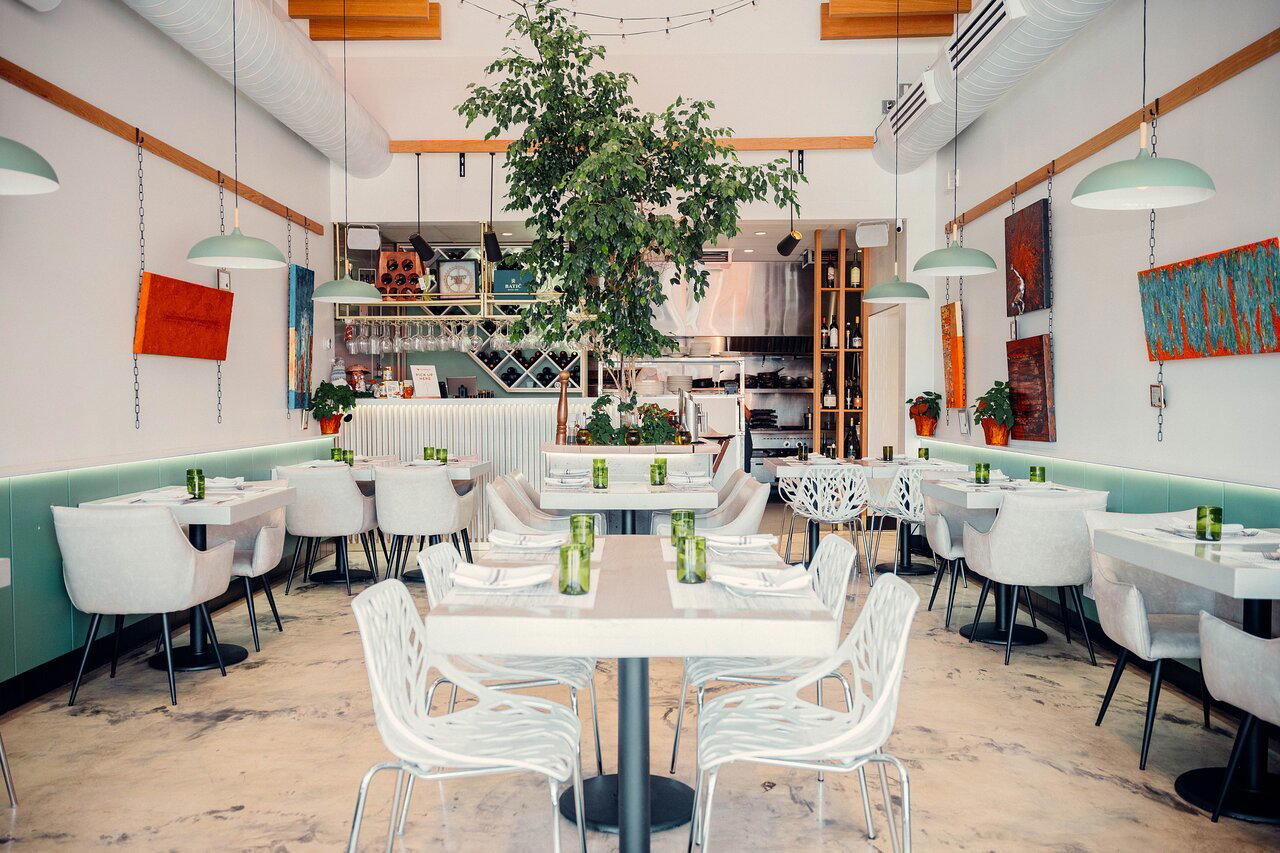
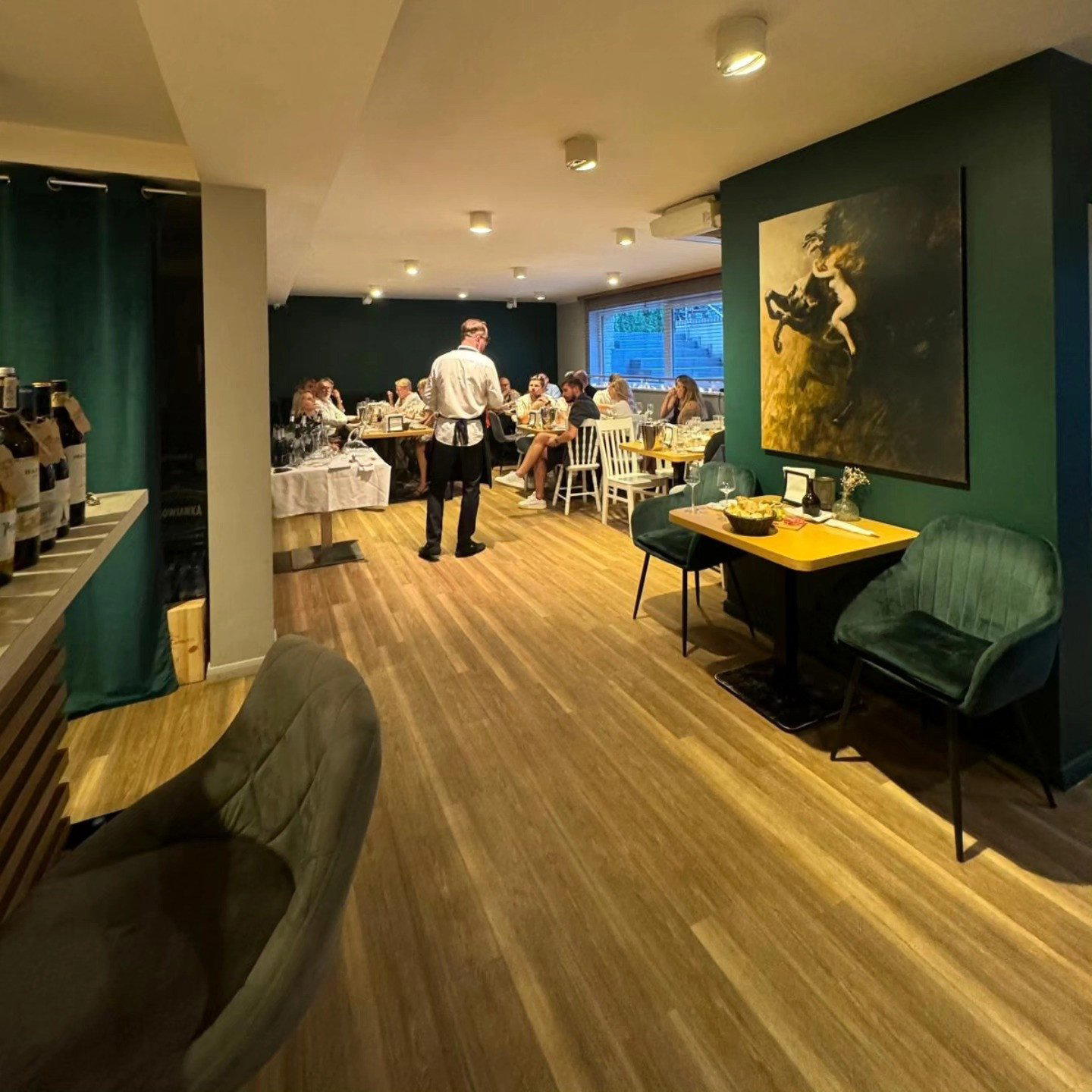
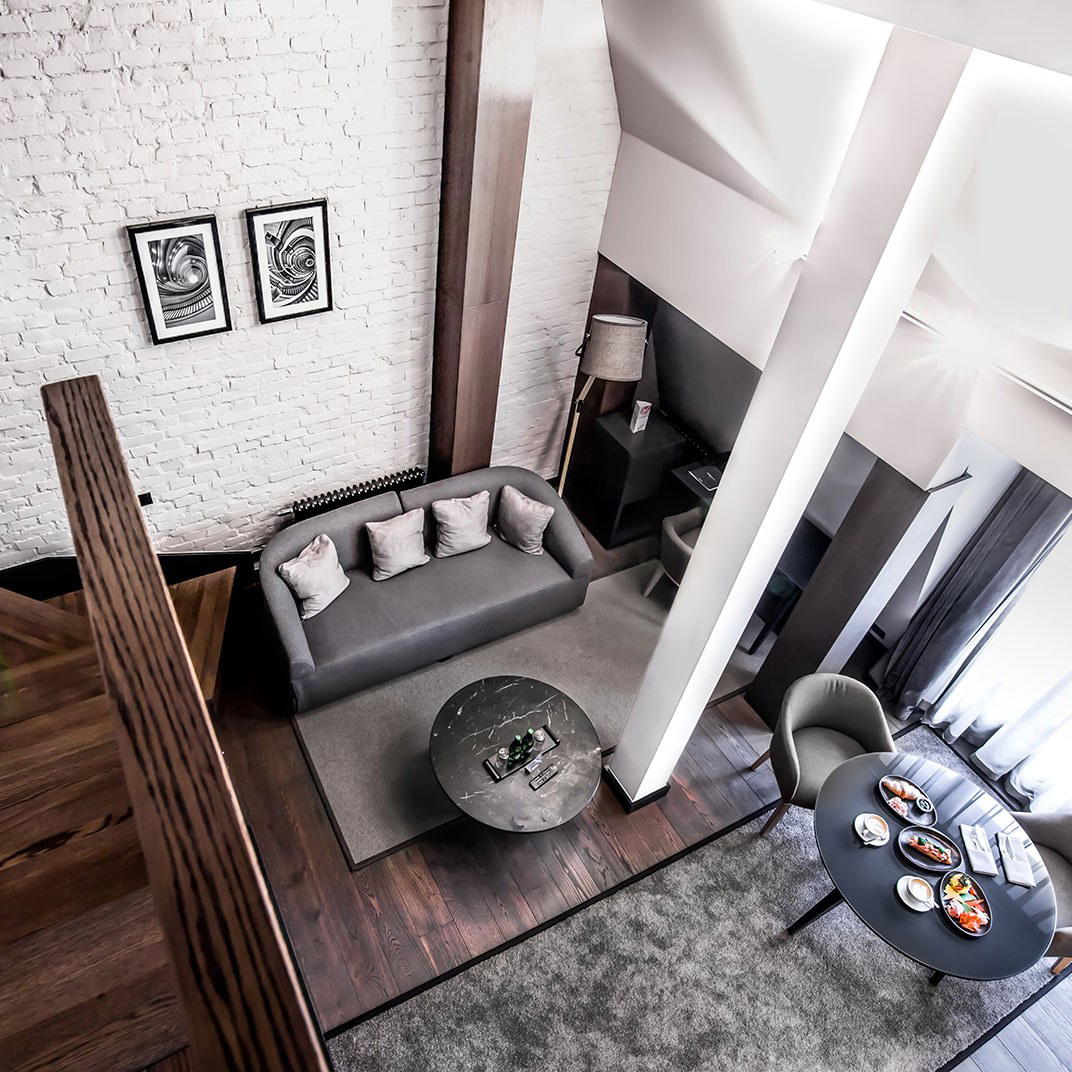
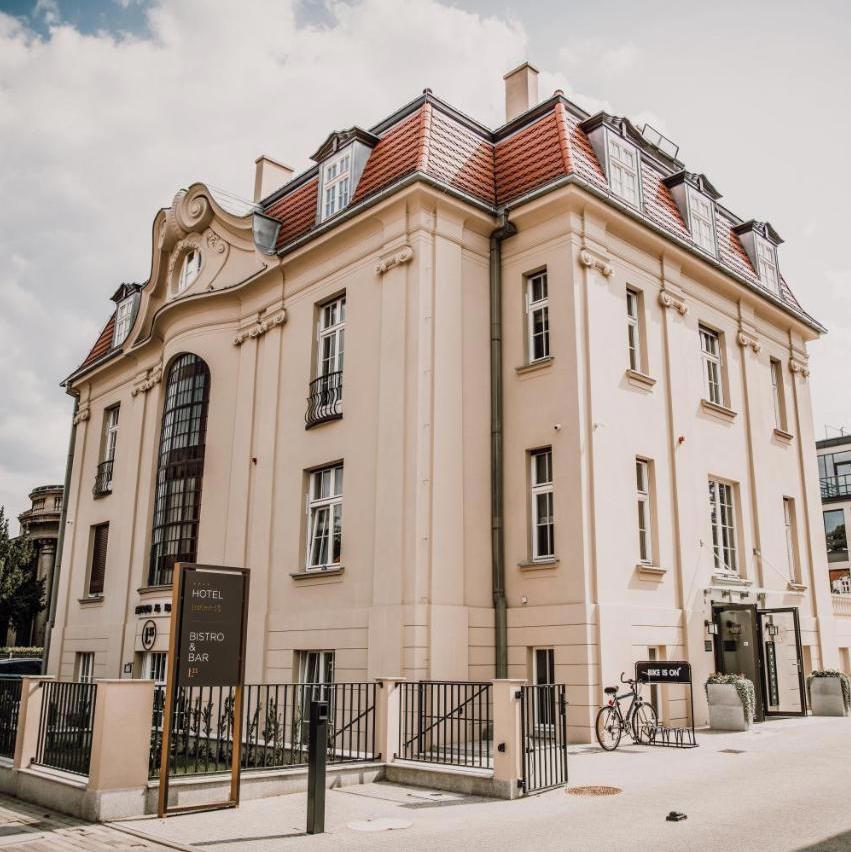
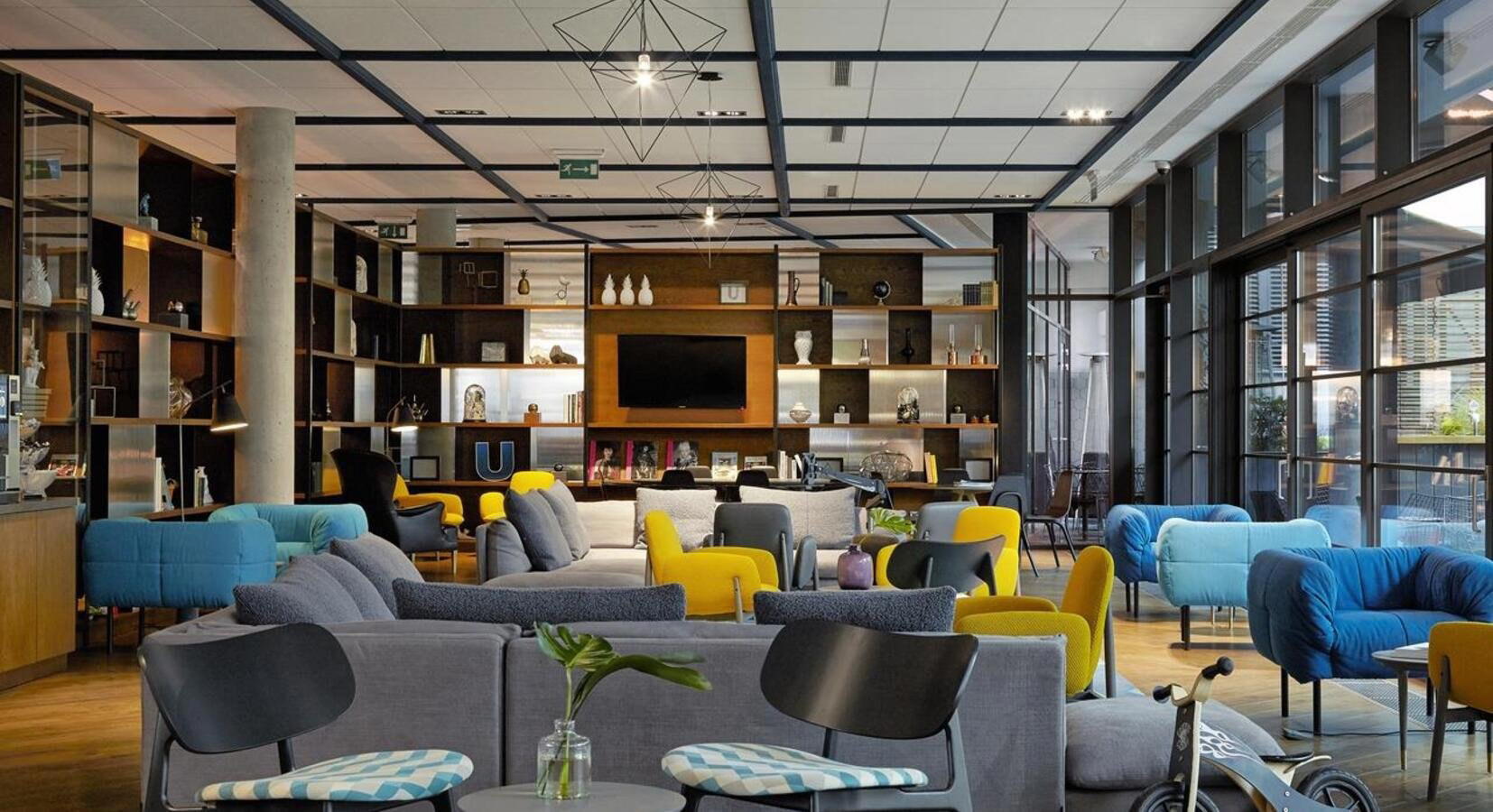
Stylish and characterful with modern-rustic interiors, cozy yet modern atmosphere, mezzanine, cocktail bar, and lovely garden space.