JW Marriott Cannes

On the precise site where Cannes first hosted its film festival, the JW Marriott occupies among the more historically weighted addresses on the Croisette. A five-storey Carrara marble atrium, a working cinema, and a private beach set the coordinates for a stay calibrated around presence on the boulevard rather than retreat from it.
Pearl is the En Primeur Club membership app — saves, bookings, and concierge access live there. Same editors, same standards.
- Address
- 50 Bd de la Croisette, 06400 Cannes
- Phone
- +33 4 92 99 70 00
- Website
- marriott.com
- Directions
- Get directions
 Saves & bookings on Pearl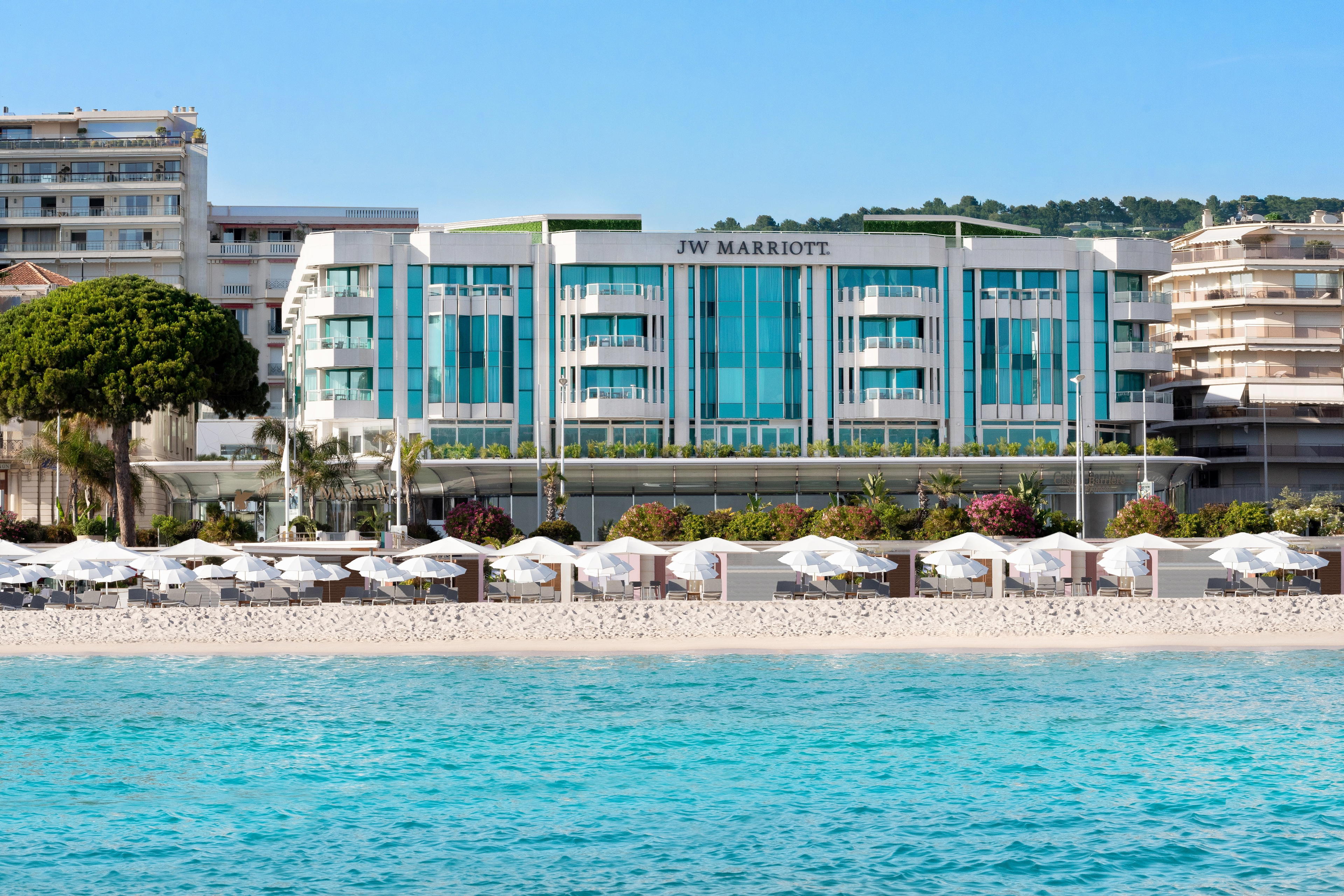
A Croisette Address with Unusual Depth
Boulevard de la Croisette is one of those addresses where the hotel you choose functions less as accommodation and more as a position statement. The strip runs barely two kilometres, yet it concentrates several of the French Riviera's most scrutinised properties within a short walk of one another. Among them, Hôtel Barrière Le Majestic occupies the heritage end of the spectrum, while the JW Marriott Cannes, part of Marriott International's upper tier, brings a different register: contemporary in room design, historically grounded in location, and oriented around guests who want the full spectacle of the Croisette without sacrificing function.
The site itself carries weight that predates the building. This is the spot where the original Palais des Festivals stood before the current congress centre was constructed further along the waterfront. The JW Marriott's retained cinema theatre, still used for screenings during May's film festival, gives the property a credential no renovation can manufacture elsewhere on the boulevard. That piece of continuity matters when so much of Cannes's luxury market is being rebuilt or repositioned.
The Atrium, the Rooftop, and the Logic of the Design
Walking into the lobby establishes the tone immediately. A five-storey atrium clad in white Carrara marble, with black and gold accents that echo the film festival's palette, centres on a golden crystal leaf chandelier that drops through the full height of the space. It is not subtle, and it is not meant to be. The rooftop pool sits directly above, which means the atrium and the pool operate as a vertical stack rather than competing amenities spread across a floor plan.
That rooftop is where the property's wellness proposition is most legibly expressed. The absence of an onsite spa, noted clearly in the hotel's own guidance, shifts the recovery and reset function toward the pool deck, the fitness centre, and the Sunset Terrace, a sheltered outdoor space oriented toward the western horizon. On the Croisette, where most guests are in motion between beach, restaurant, and the Palais during major events, the terrace functions as a decompression zone rather than a primary wellness facility. Properties with dedicated spa infrastructure, such as Château Saint-Martin & Spa in Vence or La Réserve Ramatuelle further west, serve a different stay pattern, one built around extended stillness rather than urban anchoring. The JW Marriott is for guests who want access to the Riviera's public life, with enough recovery infrastructure to sustain a full schedule.
The Private Beach and the Question of Access
One structural reality of Croisette hotels is that proximity to the water does not automatically mean access. The JW Marriott sits more than 160 feet from the waterline, and the boulevard itself runs between the hotel and the sea. The private beach at Palais Stéphanie resolves that gap, giving guests sand access without competing for public stretches that fill quickly from June onward. The beach also hosts a dining operation serving Mediterranean and Asian fare, which extends the stay's footprint down to the water without requiring guests to negotiate independent restaurant bookings during the festival season.
The private beach model differs from cliff-edge alternatives. Hotel du Cap-Eden-Roc in Cap d'Antibes and The Maybourne Riviera in Roquebrune-Cap-Martin work with dramatic coastal topography rather than managed beach plots, a fundamentally different proposition for guests whose priority is swimming over sunbathing on flat sand.
Rooms: A Deliberate Break from the Public Spectacle
The guest rooms operate in a different register from the marble-heavy lobby. The design palette is contemporary and restrained: brown leather-trimmed walls, dark furnishings, and dim lighting create an interior that functions as a counterweight to the brightness outside. Terraces face either the sea or the garden courtyard, giving guests a meaningful choice between Croisette engagement and quieter garden-side recovery. The large-scale black-and-white portraits above each bed, Ava Gardner, Elizabeth Taylor, Brigitte Bardot, make the film lineage visible inside the room without overstating it. That kind of specific thematic anchoring is harder to achieve in properties without a verifiable connection to the event itself.
This places the JW Marriott in a different bracket from design-led smaller properties elsewhere on the Riviera. Hotel Byblos Saint-Tropez and Airelles Gordes, La Bastide represent the kind of independent-feeling properties where aesthetic coherence drives the whole experience. The JW Marriott operates on a larger footprint and within an international group framework, which brings different strengths: operational consistency, Marriott Bonvoy integration, and amenities like the onsite casino and shopping gallery that smaller properties cannot accommodate.
Dining and the Broader Riviera Context
Beyond the beach club's Mediterranean and Asian menu, the property's Italian restaurant, Scalini, anchors the onsite dining program. Cannes's restaurant ecosystem during and around the festival period compresses availability dramatically, and having two distinct dining formats within the hotel removes a genuine logistical friction point. The casino adds a further option for evenings when the appetite for Monte Carlo's more elaborate gaming infrastructure, a forty-minute drive east, does not match the energy available after a full day on the Croisette.
For guests extending the trip into Provence or further along the coast, the Riviera's broader accommodation spectrum offers clear contrasts. Properties such as Airelles Saint-Tropez Château de la Messardière to the west and Château de la Chèvre d'Or in Èze to the east represent the kind of cliff-village and coastal-estate alternatives that frame Cannes differently, as a city base within a wider touring circuit rather than a destination in itself.
Planning Your Stay
The hotel is pet-friendly. The fitness centre and rooftop pool are the primary wellness amenities, and guests requiring spa treatment facilities should factor this into their selection or plan excursions to independent spa operators in the region. The Sunset Terrace is most used in the later afternoon when the western light is unobstructed, and the hotel's position on 50 Boulevard de la Croisette puts it within walking distance of the Palais des Festivals, the main shopping streets, and the old port.
Recognition, Side-by-Side
Comparable venues nearby, for context on price, style, and recognition.
| Venue | Cuisine | Price | Awards | Notes |
|---|---|---|---|---|
| JW Marriott CannesThis venue — the venue you are viewing | Contemporary luxury beachfront palace with cutting-edge design and Mediterranean elegance positioned as a premier destination on the French Riviera. | $$$$ | 5-Star | Not listed |
| Hotel Byblos Saint-Tropez | Well-known Provençal luxury palace hotel blending Mediterranean elegance with contemporary sophistication in a historic Saint-Tropez setting. | $$$$ | 5-Star | Saint-Tropez City Centre |
| Hôtel Barrière Le Majestic | Well-known Belle Époque palace hotel with contemporary West Wing expansion, blending classical French architecture with modern luxury amenities. | $$$$ | 5-Star | Croisette, Cannes |
| Château Saint-Martin & Spa | Historic chateau estate blending Provençal heritage with modern luxury on 34 acres of gardens. | $$$$ | Michelin 1 Key | Vence |
| Grand-Hôtel du Cap-Ferrat, A Four Seasons Hotel | Historic Art Deco palace reimagined as a contemporary luxury resort, blending Belle Époque architecture with modern amenities and design-forward interiors by Pierre-Yves Rochon. | $$$$ | Michelin 3 Key | Saint-Jean-Cap-Ferrat |
| Airelles Gordes, La Bastide | 18th-century Provençal chateau carved into Gordes cliffside with valley panoramas | $$$$ | Michelin 3 Key | Gordes |
Recognition history
Dated appearances from independent guides and award organizations, with the underlying list record or original source where available.
Forbes Recommended
Forbes
Forbes Recommended
Forbes
Continue exploring
More in French Riviera
Hotels in French Riviera
Browse all →
Bars in French Riviera
Browse all →
Restaurants in French Riviera
Browse all →

At a Glance
- Elegant
- Sophisticated
- Romantic
- Modern
- Romantic Getaway
- Honeymoon
- Anniversary
- Celebration
- Family Vacation
- Beachfront
- Rooftop Pool
- Panoramic View
- Waterfront
- Terrace
- Wi Fi
- Pool
- Fitness Center
- Room Service
- Concierge
- Business Center
- Valet Parking
- EV Charging
- Kids Club
- Beach Access
- Restaurant
- Bar
- Waterfront
- Skyline
- Wi Fi
- Pool
- Fitness Center
- Room Service
- Concierge
- Business Center
- Valet Parking
- EV Charging
- Kids Club
- Beach Access
- Restaurant
- Bar
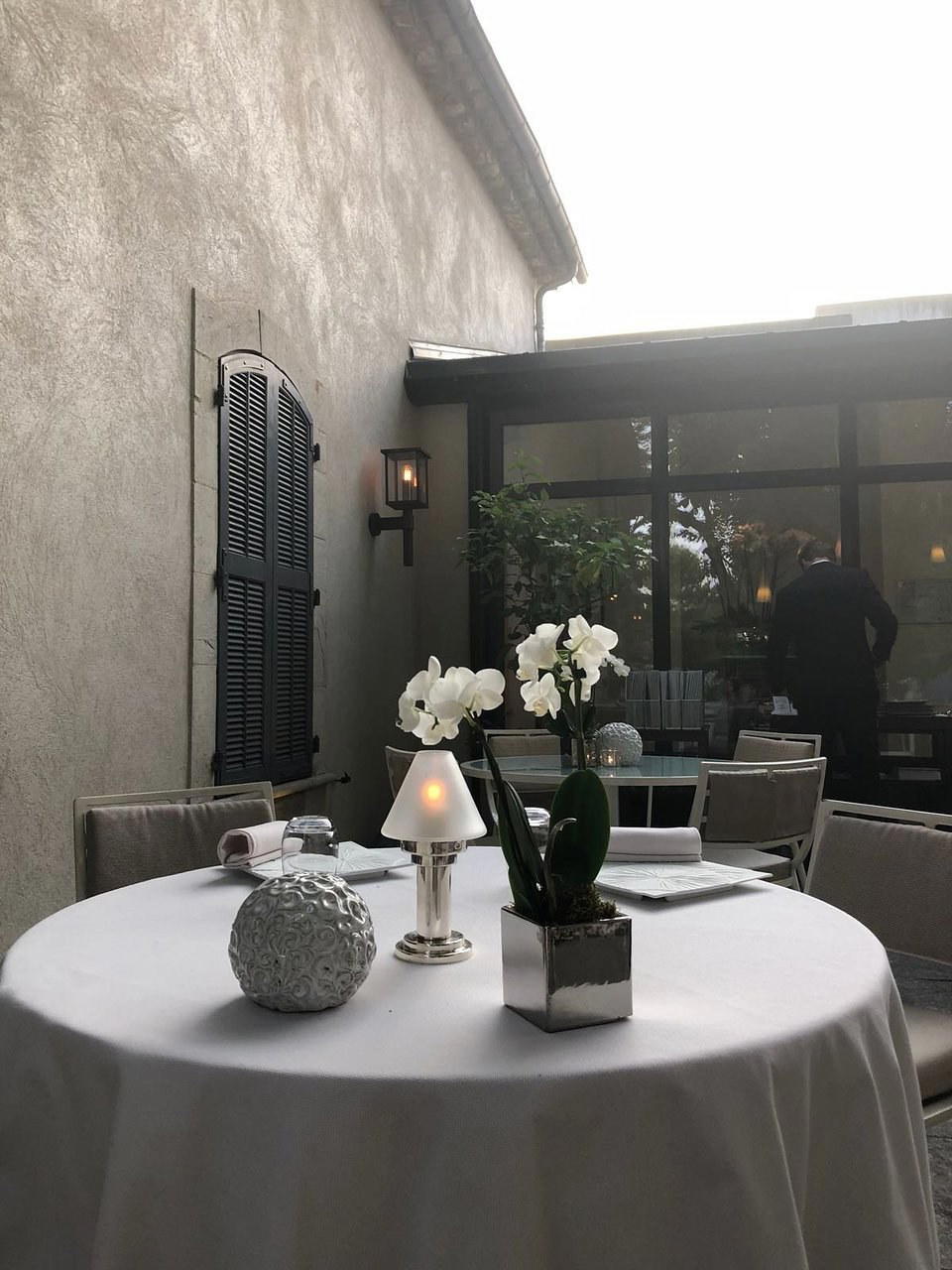
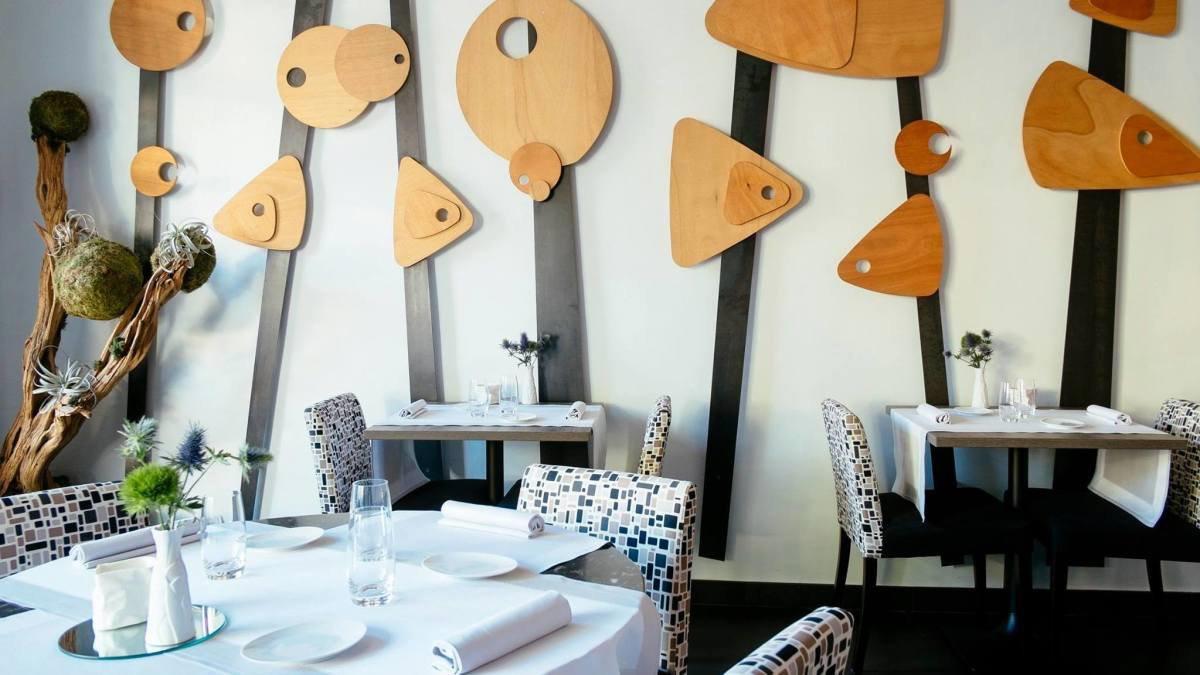
Contemporary and refined with sleek modern design, abundant natural light from expansive windows, and sophisticated evening ambiance enhanced by the Sunset Terrace overlooking the sea.