Château Malherbe
Château Malherbe sits at the end of the Route du Bout du Monde in Bormes-les-Mimosas, a coastal address that places it among the Var's most quietly positioned estate properties. The château occupies a Provençal wine and hospitality tradition that runs from the Maures massif down to the Mediterranean shore, making it a reference point for the area's distinctive blend of agricultural heritage and coastal access.

Pearl is the En Primeur Club membership app, where members save venues, book tables and use the concierge.
Where the Road Ends, the Var Begins
The Route du Bout du Monde, literally, the Road to the End of the World, does not suggest compromise. The name, which the address of Château Malherbe carries verbatim, signals something about what has historically drawn estates to this particular corner of the Var: deliberate distance from the Côte d'Azur's more trafficked circuits, and an orientation toward the land and sea on their own terms. Bormes-les-Mimosas, clinging to the slopes above the Cap Bénat peninsula, sits within a stretch of coastline that remains among the least overdeveloped in the French Riviera's western arc, and the estates that have put down roots here tend to reflect that restraint.
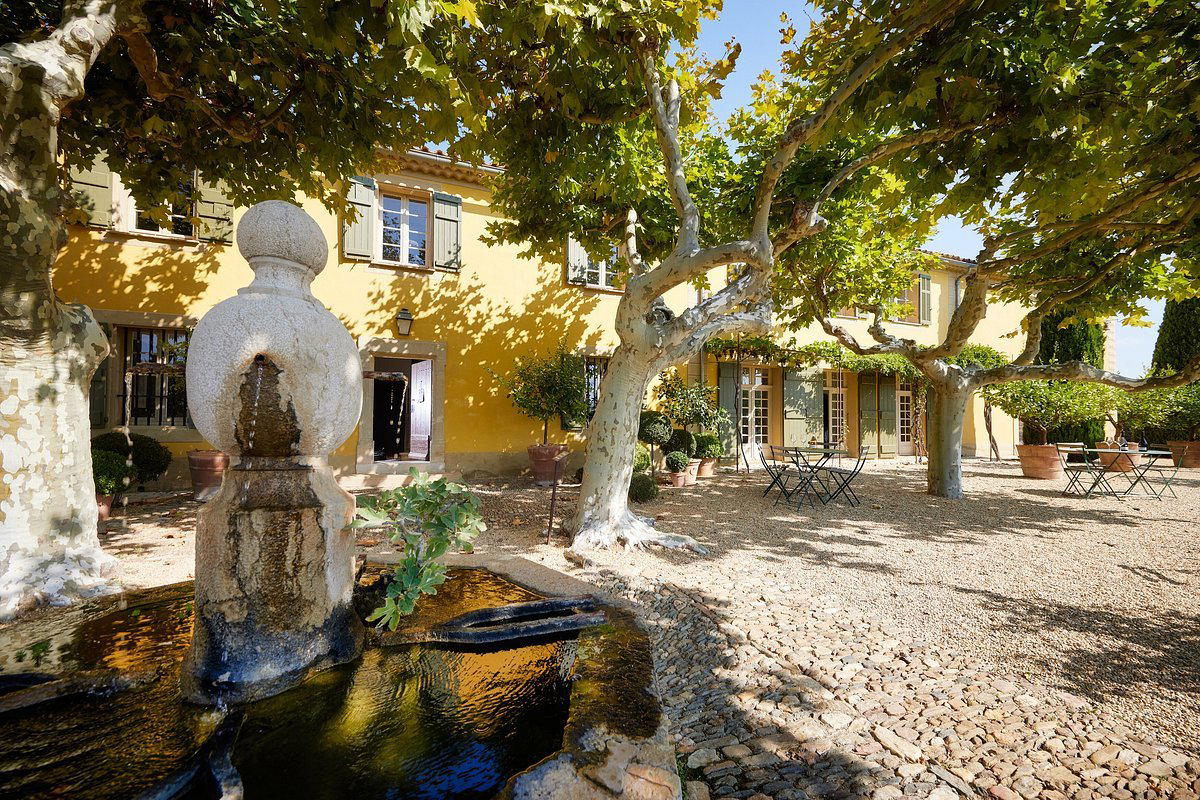
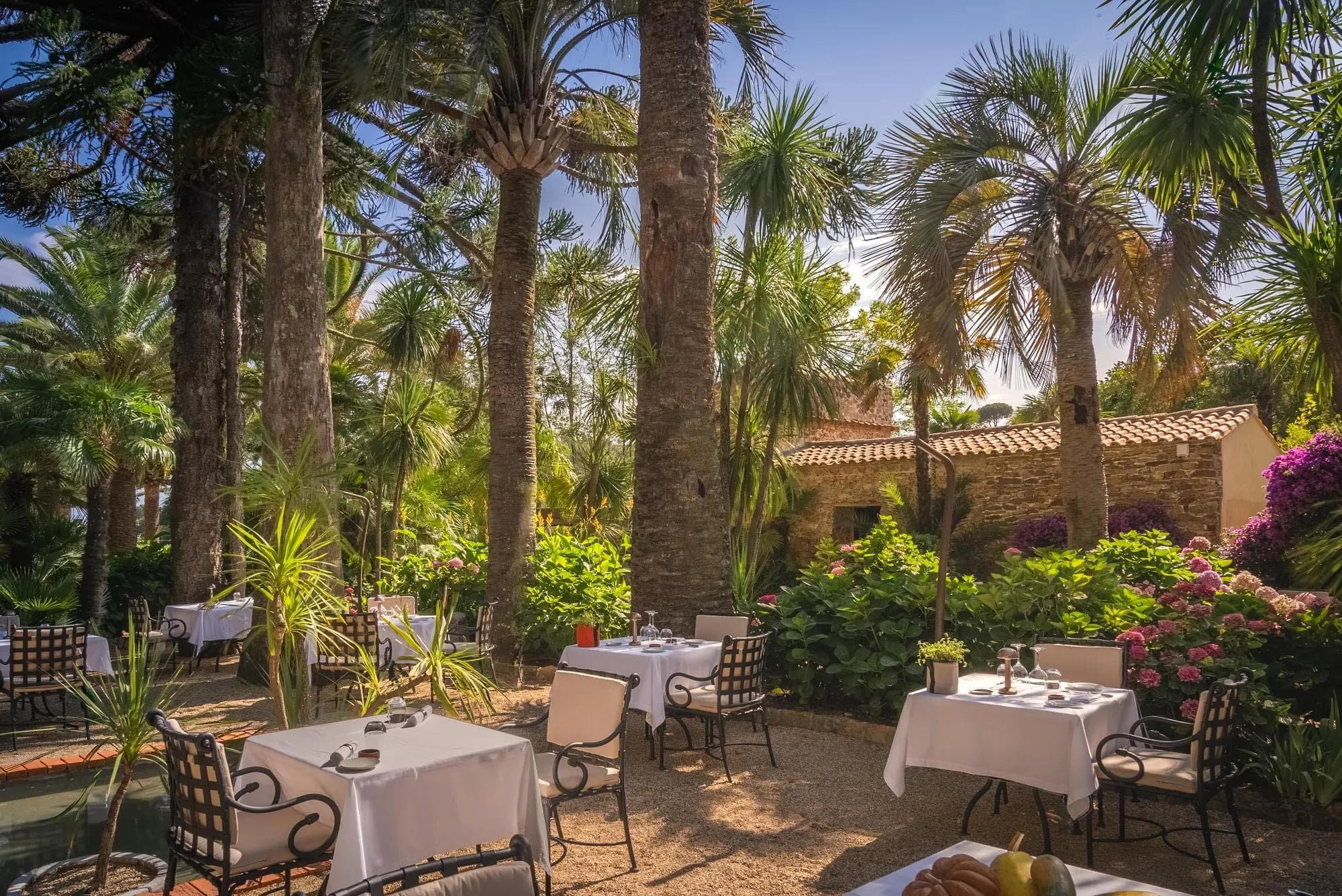
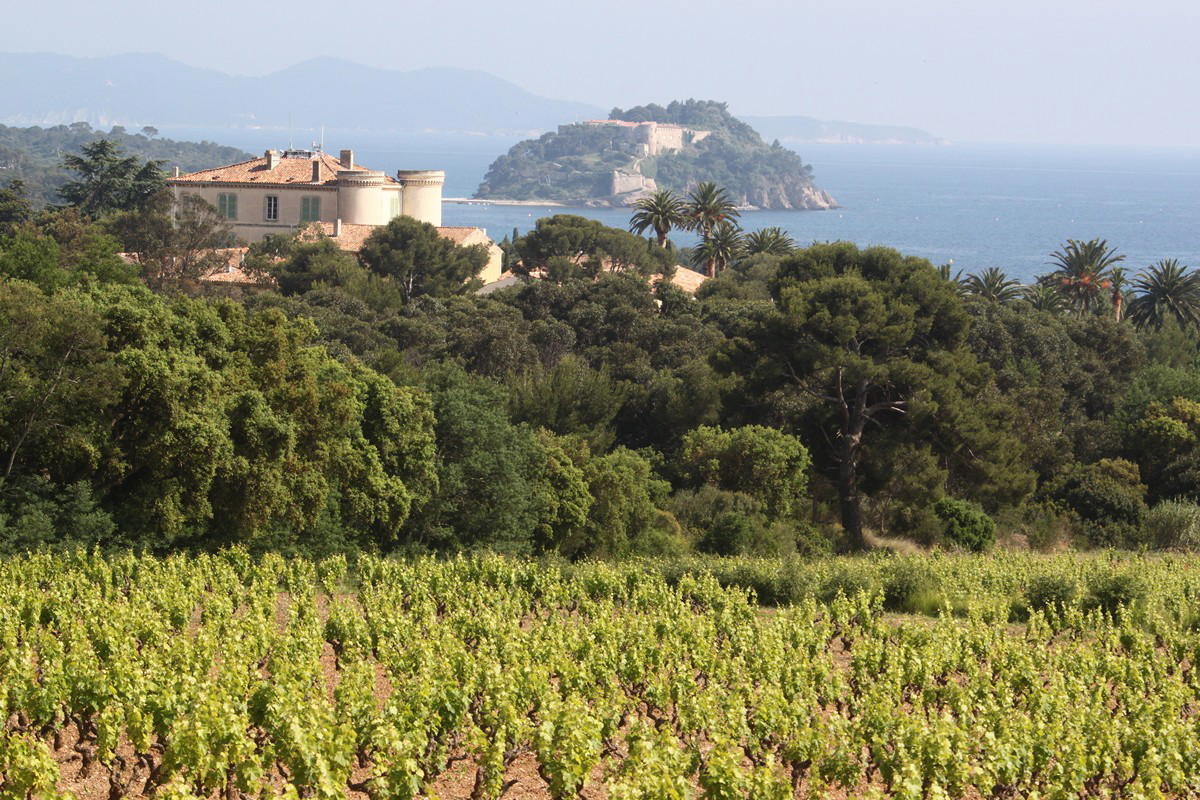
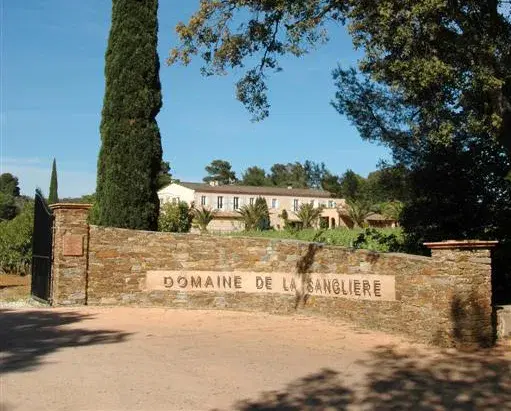
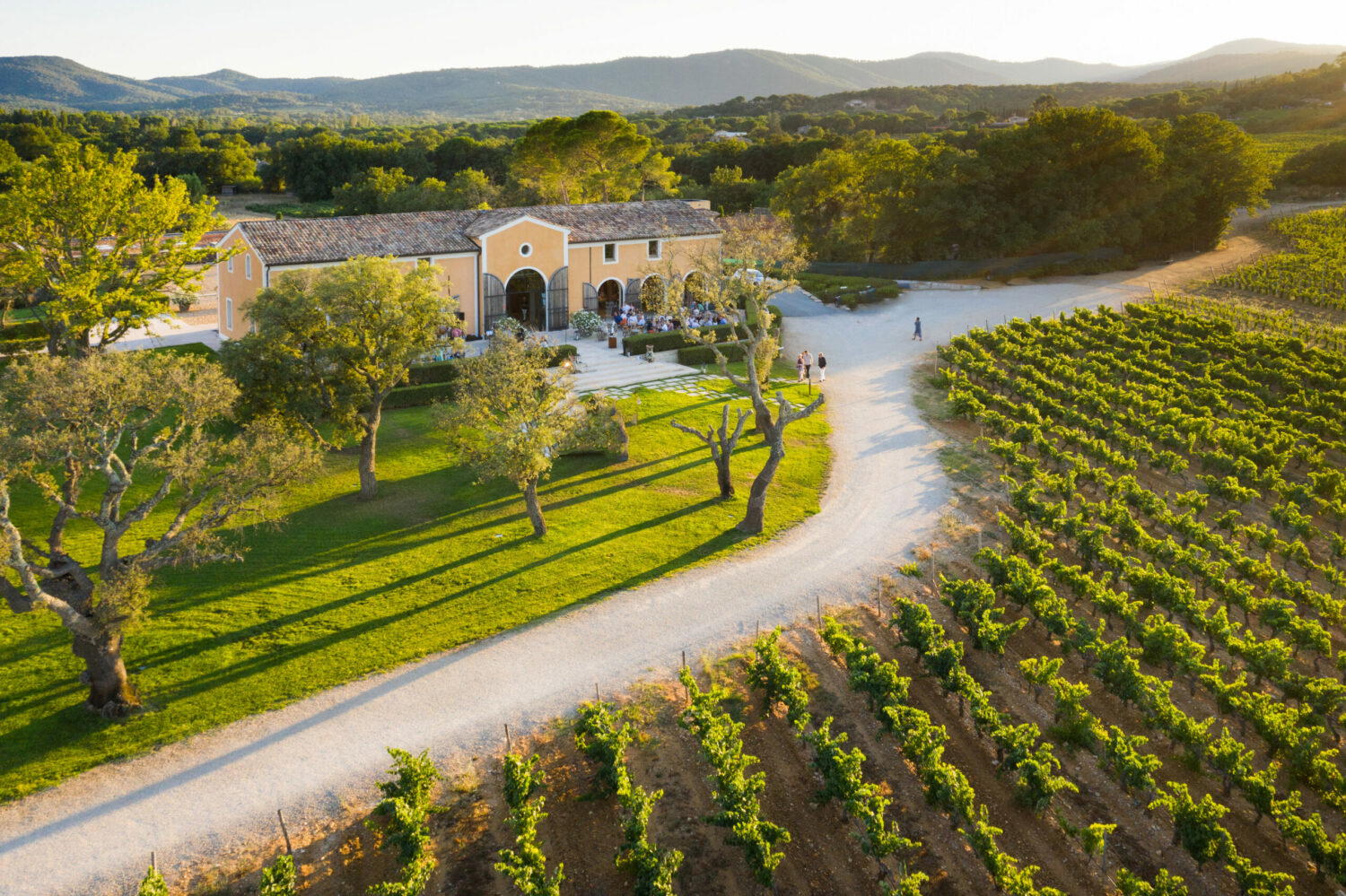
Architecturally and spatially, the Château Malherbe address occupies the logic of the classic Provençal domaine: a property that reads as an agricultural and residential whole, where the built environment is inseparable from the surrounding terrain. This typology, common across the Var and the Luberon, positions the château form not as decorative heritage but as functional structure, the winery or domaine building as organizational anchor for the land around it. For visitors arriving from the coast, the approach through the Maures massif and the gradual narrowing of the road toward the estate boundary is itself part of the spatial argument the property makes. [Explore our full Bormes Les Mimosas restaurants guide for broader context on what the town offers.]
The Architecture of the Provençal Estate
The Provençal château typology that Château Malherbe belongs to differs substantially from its Loire Valley or Bordeaux counterparts. Where Bordeaux's classified estates, such as Château Lafaurie-Peyraguey, often present formal French architectural ambition and later additions of cultural programming, the Var tradition is quieter and more agricultural in its visual grammar. Stone walls built for heat management, not grandeur. Terraced plots that follow the slope rather than flatten it. Shade structures and courtyard orientations that acknowledge the Mediterranean sun as the dominant architectural force.
The domaine estate operates on agricultural time rather than hospitality time, and its physical character reflects that: more land, less polish, a relationship with the surrounding terrain that is productive rather than purely scenic.
Within the broader South of France estate category, this kind of property has grown more legible to international visitors over the past decade, partly because estate wine tourism has matured as a format across Provence. Properties such as Villa La Coste in Le Puy-Sainte-Réparade and Les Sources de Caudalie near Bordeaux established a template for estate experiences that combine wine production with considered hospitality infrastructure, raising visitor expectations of what an estate property can offer while also clarifying the spectrum of approaches.
The Var's Wine and Coastal Position
Bormes-les-Mimosas sits within the Côtes de Provence appellation, which covers the largest volume of rosé production of any French appellation. The estates closest to the coast and the Maures massif, operating at lower yields on schist and granite soils, occupy a different register from the higher-volume producers further inland. Cap Bénat, the peninsula below Bormes, has historically carried a reputation for some of the Var's more site-specific viticulture.
For visitors comparing estate experiences across the South of France, the Var's wine character differs from the more internationally familiar Provençal benchmarks of the Luberon or the Alpilles. It is warmer, more directly Mediterranean, shaped by proximity to the sea in ways that show in the mineral quality of the wines rather than in any single aromatic signature. Compared with the formal wine tourism infrastructure of Champagne, where properties like Royal Champagne Hotel and Spa in Champillon or Domaine Les Crayères in Reims operate within a heavily codified prestige hierarchy, Provence's estate scene is less institutionally structured, which gives individual properties more room to define their own register.
Positioning Within the Var's Accommodation Tier
The broader Var and Riviera accommodation spectrum runs from the managed precision of The Maybourne Riviera in Roquebrune-Cap-Martin to the architectural formalism of Château de la Chèvre d'Or in Èze, and the concentrated Saint-Tropez luxury cluster anchored by properties like Airelles Saint-Tropez Château de la Messardière. Estate properties in Bormes-les-Mimosas sit outside that cluster, positioned closer to the quieter, more land-oriented end of the regional spectrum.
For visitors who have exhausted the standard Riviera hotel format, the pool-and-terrace template, the marina-adjacent dining, the Saint-Tropez weekend, a property anchored to agricultural production and coastal Var terrain offers a different kind of stay. The comparison is less with other hotels than with other estate formats: the Provençal domaine logic of La Bastide de Gordes or the wine-estate integration of Château de la Gaude in Aix-en-Provence.
Planning Your Visit
The Var coast operates on a compressed high season: July and August bring the bulk of domestic French and European visitors, and coastal access points in the Bormes-les-Mimosas area, particularly the beaches of the Domaine du Lavandou and the Cap Bénat peninsula, become measurably more crowded during those weeks. The shoulder months of May, June, and September offer the same coastal access and the active growing and harvest season on estate vineyards, which for wine-interested visitors is typically the more rewarding time. The nearest major access point is Toulon-Hyères Airport, roughly 30 kilometres west, with onward access to Bormes-les-Mimosas by road. The Route du Bout du Monde address at the property's end means a car is effectively necessary; the road does not lend itself to alternatives. For visitors arriving from Paris or Lyon, the TGV serves Toulon, and rental cars are available at the station. Direct booking with the property is the standard approach for estate visits and accommodation of this type.
Comparison Snapshot
| Venue | Price | Awards |
|---|---|---|
| Château MalherbeThis venue (the venue you are viewing) | Not listed | Not listed |
| Cheval Blanc Paris | $2,500+ | 3 Michelin Keys · World's 50 Best #20 |
| Cheval Blanc Courchevel | $1,500–2,500 | 3 Michelin Keys · La Liste Top Hotels |
| Le Meurice | $1,000–1,500 | 3 Michelin Keys · La Liste Top Hotels |
| Aman Le Mélézin | $2,500+ | 2 Michelin Keys · La Liste Top Hotels |
| Hôtel Cheval Blanc St-Tropez | $200–300 | 2 Michelin Keys · La Liste Top Hotels |
Continue exploring
More in Bormes-les-Mimosas
Hotels in Bormes-les-Mimosas
All hotels in Bormes-les-Mimosas →
Bars in Bormes-les-Mimosas
Browse all →
Restaurants in Bormes-les-Mimosas
All restaurants in Bormes-les-Mimosas →

Details
- Quiet
- Scenic
- Rustic
- Romantic Getaway
- Weekend Escape
- Historic Building
- Panoramic View
- Vineyard
- Garden
Current opening hours
- Monday
- Closed
- Tuesday
- 10 AM–5 PM
- Wednesday
- 10 AM–5 PM
- Thursday
- 10 AM–5 PM
- Friday
- 10 AM–5 PM
- Saturday
- 10 AM–5 PM
- Sunday
- Closed
Hours can change for holidays and private events. Hours as of .
beautiful and quiet Provençal countryside atmosphere.