Castel Badia





A recently restored thousand-year-old castle in Val Pusteria, Castel Badia operates as a 29-room alpine retreat and Leading Hotels of the World member within the Dolomites. Breakfast, wellness access across five pools and saunas, shuttle service to Kronplatz ski slopes, and a Kronplatz Guest Pass are all included in the room rate, making the proposition unusually complete for the South Tyrol market.
Pearl is the En Primeur Club membership app — saves, bookings, and concierge access live there. Same editors, same standards.
- Address
- Frazione Castelbadia, 38, 39030 San Lorenzo di Sebato BZ
- Phone
- +39 0474 479999
- Website
- castelbadia.com
- Directions
- Get directions
 Saves & bookings on Pearl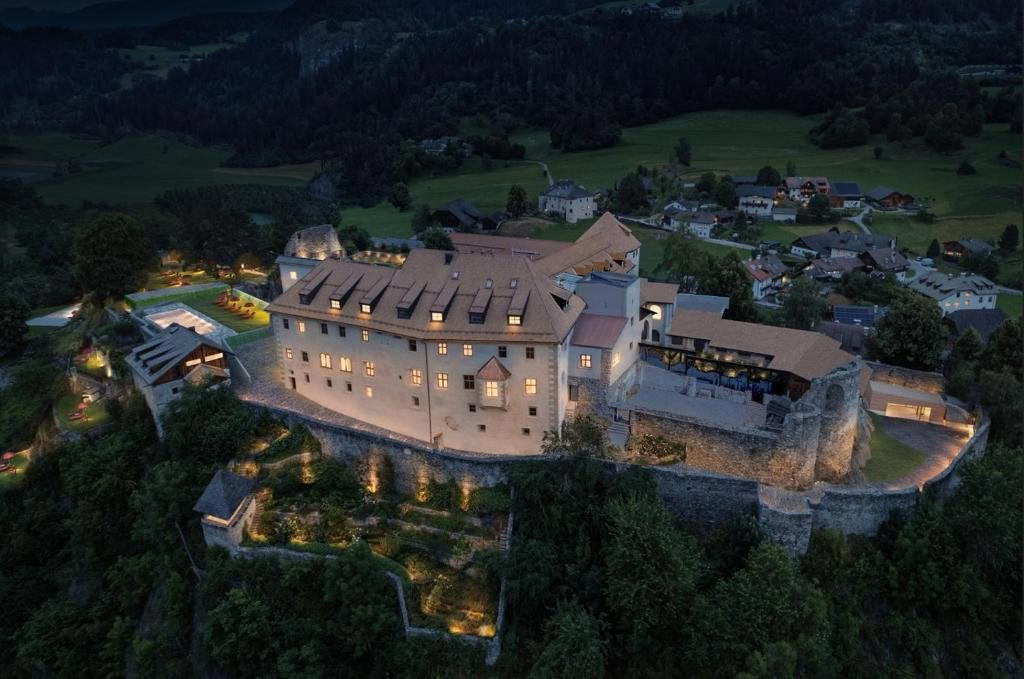
Stone, Silence, and a Thousand Years of Alpine Architecture
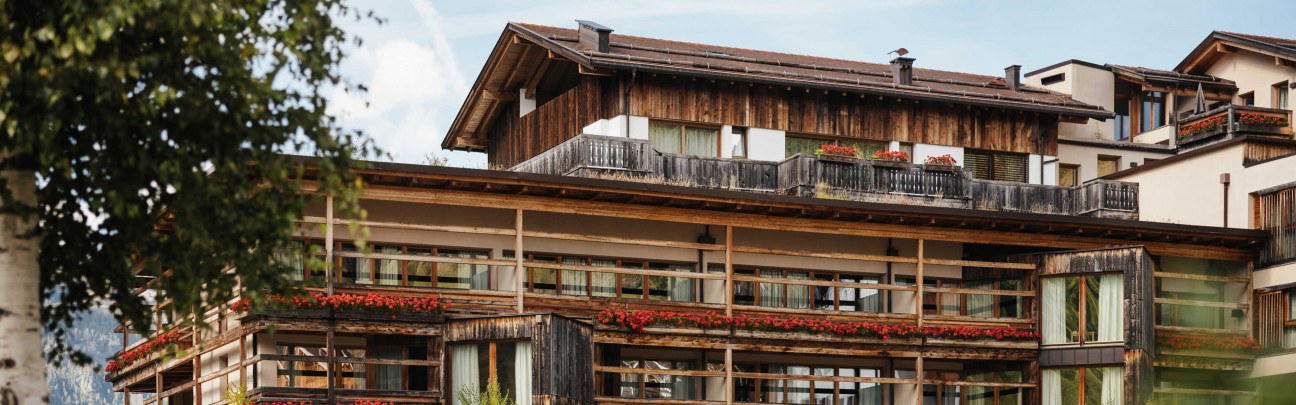
The approach to Castel Badia sets expectations clearly. Val Pusteria's broad valley floor gives way to the castle's silhouette against the Dolomites, a profile shaped over a millennium of construction, modification, and layered occupation. This is not a hotel that was designed to look old; it is old, and the restoration work has had to earn its place alongside that history rather than impose a new aesthetic over it. In the South Tyrol, where the intersection of Austrian and Italian Alpine building traditions produces a distinctive regional vocabulary, Castel Badia occupies a specific architectural position: a genuine fortified structure converted into accommodation, rather than a purpose-built property borrowing castle language as branding.
That distinction matters when placing the property within the wider Italian small-castle hotel category. Properties like Castello di Reschio in Lisciano Niccone and Castel Fragsburg in Merano occupy broadly similar territory: historic structures, alpine or rural positioning, and a design philosophy that privileges local material and craft over imported luxury language. Castel Badia's post-restoration reopening places it in that conversation, with 29 rooms at a scale that keeps the property intimate enough that its historic bones remain legible throughout.
What the Restoration Chose to Keep
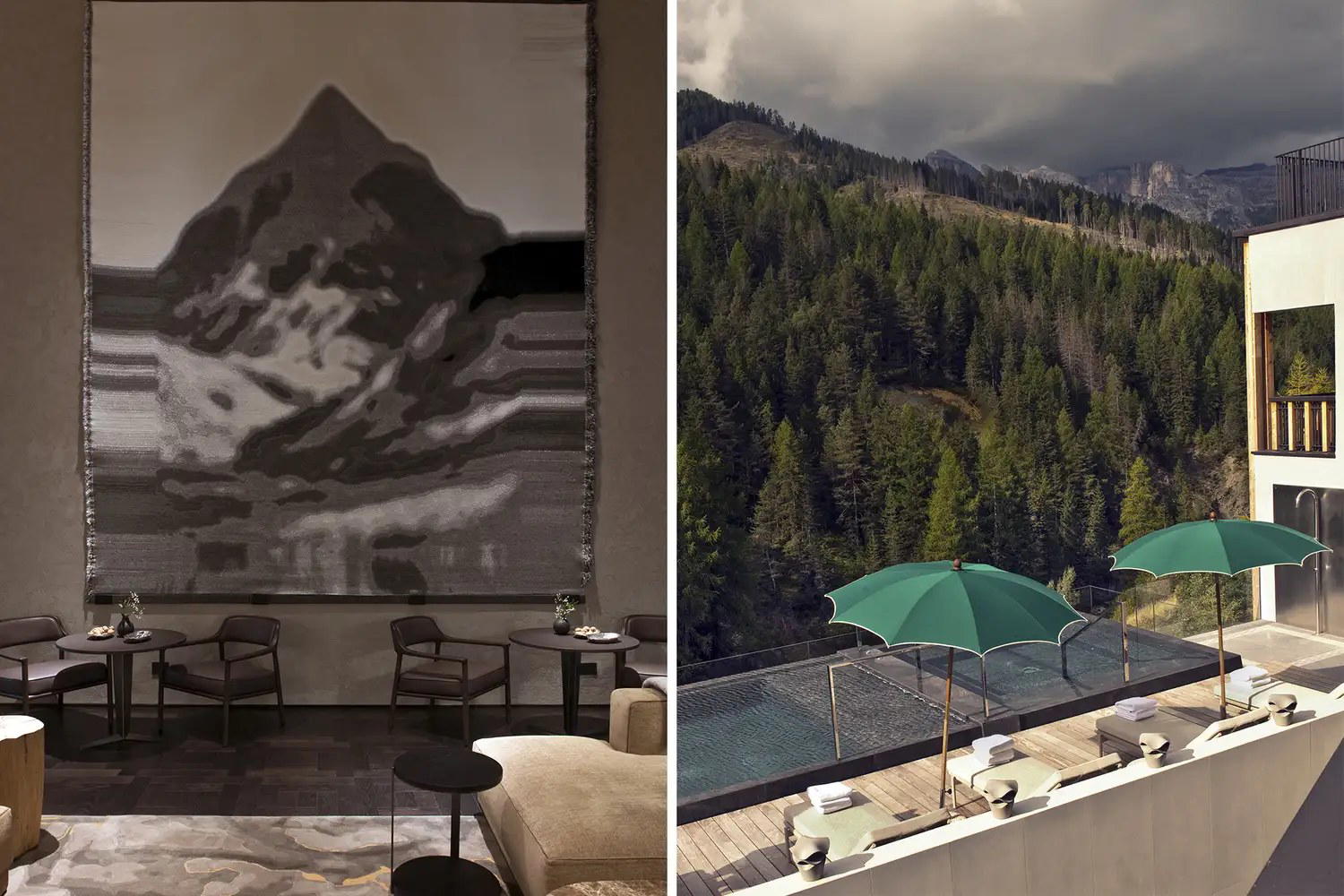
The design approach inside Castel Badia follows a logic common to particularly considered alpine restorations: local materials as the primary palette, soft tones derived from the mountain environment rather than imposed from outside, and an avoidance of the kind of maximalist luxury signalling that would sit awkwardly inside a medieval structure. The interiors draw on Ladin cultural references, the Ladin people being the valley's indigenous community whose language and traditions remain distinct within South Tyrol's already complex cultural layering. This gives the property a specificity that separates it from generic alpine-chic hotels: the design references a particular community's relationship to this particular landscape, not a generalised idea of mountain living.
Warm, authentic finishes are reported throughout, with contemporary mountain living as the organising idea. This is the design strand that has proven most durable in alpine hospitality: a willingness to work with the tactile qualities of stone, timber, and local textile rather than against them, while allowing modern comfort systems to function invisibly. The 29-room count supports this approach practically, since at larger scales the same philosophy often becomes diluted into a coherent spatial experience. For comparison, Forestis Dolomites in Plose operates a similarly small-count, high-material-integrity model within the same Dolomites region, and the two properties represent a particular strand of South Tyrolean hospitality that prioritises authenticity of place over brand recognition.
The Val Pusteria Setting and What It Unlocks
San Lorenzo di Sebato sits in Val Pusteria, one of the main east-west valleys connecting the South Tyrol to Austria. The valley's geography gives the hotel immediate access to two of the region's major draws. Kronplatz, the ski area above Brunico, is one of the more commercially significant resorts in the Italian Alps, and the hotel runs a scheduled shuttle service directly to its slopes. The Kronplatz Guest Pass included in the room rate extends the offering into local transport and retail discounts across the valley, which is a practical benefit that compresses trip logistics considerably for guests arriving without a car or wanting to avoid daily driving on mountain roads.
The property's summer positioning draws on the same geography: access to Dolomites hiking routes, and a complimentary green fee at Golf Club Pustertal that positions the hotel for the summer season as deliberately as the ski infrastructure positions it for winter. Across both seasons, the property's membership in Leading Hotels of the World (confirmed for 2025) places it within a reference set that includes Aman Venice and Borgo Egnazia in Savelletri di Fasano, a signal to international travel buyers about positioning and service standard expectations.
Wellness Infrastructure at Altitude
The wellness offer at the hotel is substantial relative to a 29-room property. Five pools in total (two outdoor infinity-edge, one indoor, plus the count of sauna types), a steam bath, hammam, ice shower, treatment rooms, relaxation area, and a fully equipped gym are included in room rates without surcharge. This is a meaningful differentiator in the alpine hotel market, where wellness facilities frequently operate as a separate revenue stream layered over accommodation costs. Here, the inclusion signals that wellness is structural to the concept rather than supplementary.
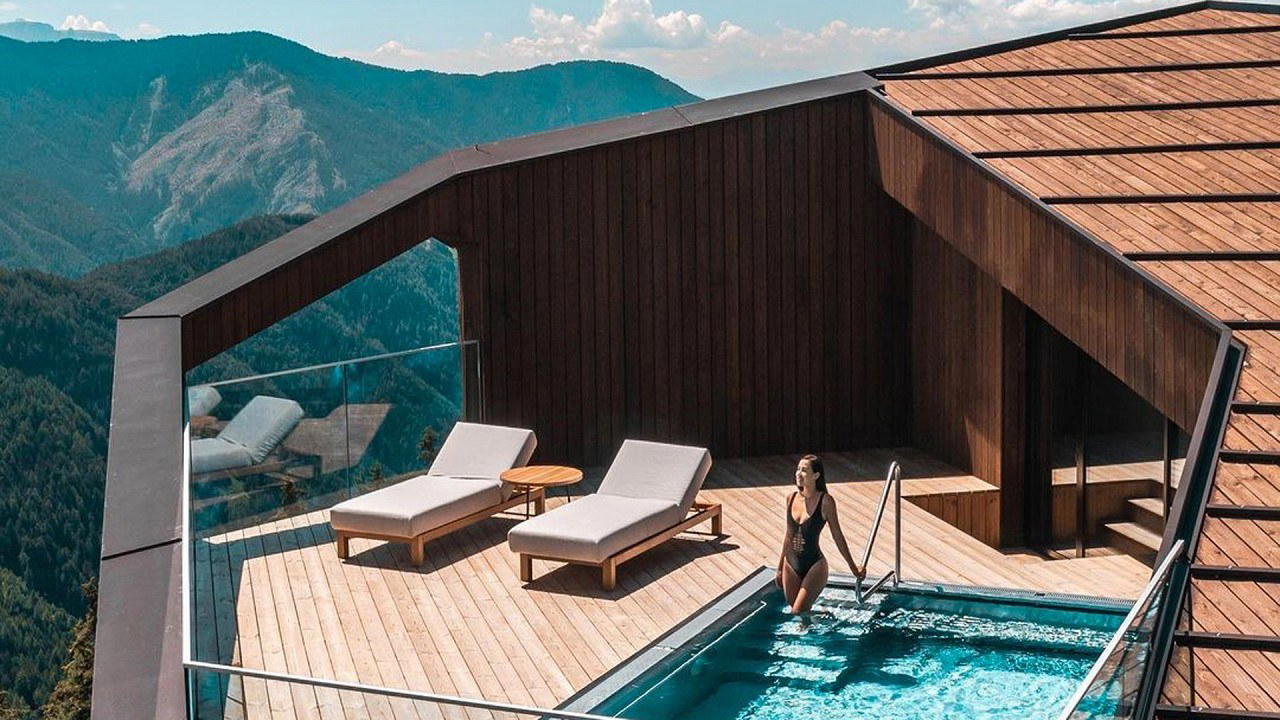
Outdoor infinity pools, positioned within the Dolomites panorama, are one photographically obvious expression of the property's relationship to its landscape, but the sauna typology is more telling. Two indoor saunas and one outdoor sauna, alongside the hammam and ice shower, describe a thermal progression circuit typical of serious Central European wellness programmes. South Tyrol, with its Austrian spa heritage and strong local wellness culture, supports this approach in a way that Italian beach resorts generally do not, and the hotel's offering reflects that regional context.
The Dining Register
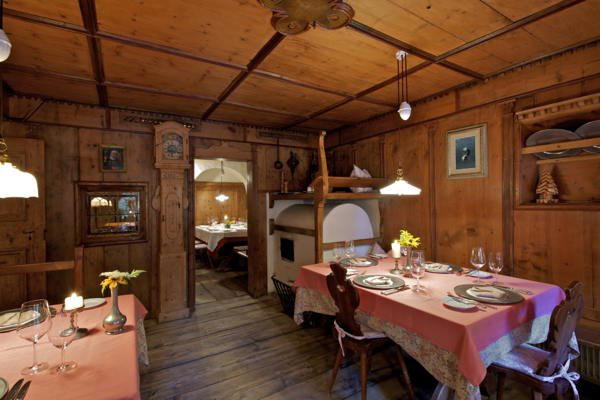
Stube restaurant serves as the setting for daily full breakfast, included in every room rate. The Stube format is itself architecturally significant in South Tyrolean hospitality: a panelled, low-ceilinged dining room drawing on the traditional farmhouse parlour, a spatial form that has survived in alpine interiors across centuries precisely because it functions well in cold climates. The culinary programme is reported to draw on regional ingredients reinterpreted with care for the valley's traditions, a pattern consistent with the broader South Tyrol dining scene, where Ladin and Tyrolean ingredient cultures provide a distinct regional base.
Planning a Stay
The hotel has recently reopened following restoration, which means the property is in an early phase of its post-renovation operation. The 29-room count, combined with the all-inclusive rate structure and Leading Hotels of the World membership, points toward a positioning that will attract international guests alongside the Italian and German-speaking regional market that dominates Val Pusteria in both ski season and summer. The shuttle service to Kronplatz removes the practical friction of ski-access logistics, and the supervised kids' area and indoor parking suggest the property is set up for family groups as well as couples. Comparable Italian castle-hotel properties in smaller formats, including Castelfalfi in Montaione and Borgo San Felice Resort in Castelnuovo Berardenga, tend to book several months ahead during peak season. Guests seeking the wider Italian luxury hotel context may also consider Four Seasons Hotel Firenze, Portrait Milano, Passalacqua in Moltrasio, Il Pellicano in Porto Ercole, or Casa Maria Luigia in Modena for different regional expressions of the same design-led, smaller-scale Italian hospitality model.
Quick Comparison
Comparable venues nearby, for context on price, style, and recognition.
| Venue | Cuisine | Price | Awards | Notes |
|---|---|---|---|---|
| Castel BadiaThis venue — the venue you are viewing | Restored 11th-century Benedictine monastery commanding a hilltop perch above the Enneberg Valley | $$$$ | 5-Star | Not listed |
| Mezzatorre Hotel & Thermal Spa | Historic watchtower resort set in Mediterranean forest on a private promontory | $$$$ | 5-Star | Forio d'Ischia |
| Hilton Turin Centre | Urban 5-star flagship Hilton in a restored historic building with full-service spa and extensive meetings and events facilities in central Turin. | $$$$ | 5-Star | Centro |
| Hotel La Perla | Charming Tyrolean inn-style with modern updates | $$$$ | 5-Star | Corvara in Badia |
| Ansitz Heufler by Norbert Niederkofler | Historic Renaissance manor reimagined as a luxury retreat, preserving original 16th-century architecture while integrating contemporary design elements. | $$$$ | 5-Star | Anterselva Valley |
| Porta Rossa Hotel Firenze, Colbert Collection | Historic luxury hotel in a restored landmark building | $$$$ | 5-Star | Centro Storico |
Recognition history
Dated appearances from independent guides and award organizations, with the underlying list record or original source where available.
Conde Nast Hot List Hotels
Conde Nast
Town & Country Hotel Awards
Town & Country
Virtuoso Luxury Hotel Partner
Virtuoso
Leading Hotels of World Member
Leading Hotels of World
Michelin Selected
Michelin
Continue exploring
More in San Lorenzo di Sebato
Hotels in San Lorenzo di Sebato
Browse all →
Bars in San Lorenzo di Sebato
Browse all →
Restaurants in San Lorenzo di Sebato
Browse all →
Wineries in San Lorenzo di Sebato
Browse all →
At a Glance
- Quiet
- Elegant
- Scenic
- Cozy
- Sophisticated
- Rustic
- Minimalist
- Romantic Getaway
- Wellness Retreat
- Anniversary
- Weekend Escape
- Panoramic View
- Historic Building
- Infinity Pool
- Terrace
- Spa
- Pool
- Indoor Pool
- Outdoor Pool
- Sauna
- Restaurant
- Bar
- Wi Fi
- Garden
- Room Service
- Mountain
- Garden
- Spa
- Pool
- Indoor Pool
- Outdoor Pool
- Sauna
- Restaurant
- Bar
- Wi Fi
- Garden
- Room Service
Atmospheric alpine stillness with vaulted halls, soft lighting in wood-panelled historic rooms, and contemplative spa spaces fostering tranquility and relaxation.