

A MICHELIN Selected property on Sebastián de Benalcázar, Carlota Sustainable Design Hotel occupies a considered position within Quito's emerging tier of design-conscious boutique accommodation. The hotel's sustainability framework and architectural identity set it apart from both the colonial heritage houses and the international chain properties that have historically dominated the city's premium lodging market.
Pearl is the En Primeur Club membership app — saves, bookings, and concierge access live there. Same editors, same standards.
- Address
- Sebastián de Benalcázar 6-26, 170401 Quito, Ecuador
- Phone
- +593 2-380-1410
- Website
- carlota.ec
- Directions
- Get directions
 Saves & bookings on Pearl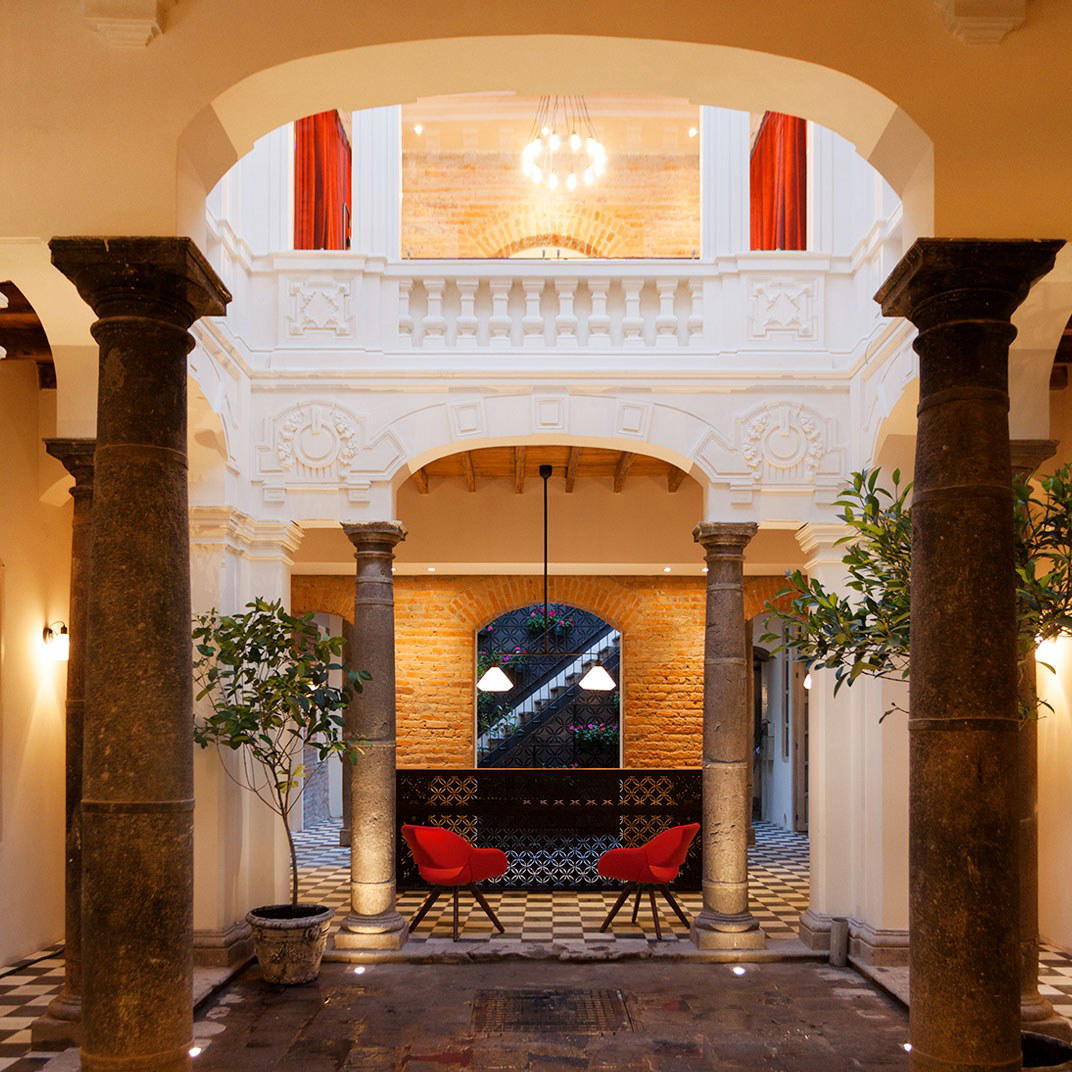
Design as Infrastructure: How Carlota Fits Quito's Boutique Hotel Shift
Quito's lodging market has, for decades, sorted itself along two fairly predictable lines: converted colonial mansions trading on historical atmosphere, and international-brand hotels trading on standardised service. What has emerged more recently is a third category, smaller in number but growing in critical attention, where design language and sustainability credentials do the primary work of differentiation. Carlota Sustainable Design Hotel, on Sebastián de Benalcázar 6-26 in the capital's historic centre, sits squarely in that third tier. Its 2025 MICHELIN Selected recognition confirms what boutique hotel observers in the city have noted for some time: that this property competes on a different axis than its larger neighbours.
That MICHELIN Selected designation matters as a trust signal not because it implies restaurant-level scrutiny, but because it signals that independent inspectors found the property worth directing travellers toward, within a country and city where relatively few hotels clear that threshold. It places Carlota in a comparable set that includes Casa Gangotena, Illa Experience Hotel, and Casa El Edén, all of which have earned similar recognition and occupy the upper band of Quito's boutique accommodation sector.
Architecture and Physical Character in a High-Altitude Context
Quito sits at roughly 2,850 metres above sea level, and altitude shapes more than just physiology when it comes to architectural logic. The light quality here is sharp and high-contrast in a way that is unlike coastal cities, and properties that understand how to work with that light rather than against it tend to read as more resolved spaces. The sustainable design framing at Carlota connects directly to this: buildings that respect local climate, thermal mass, and material sourcing perform better at altitude, and they tend to age more gracefully in a UNESCO World Heritage-listed urban context that imposes real constraints on intervention.
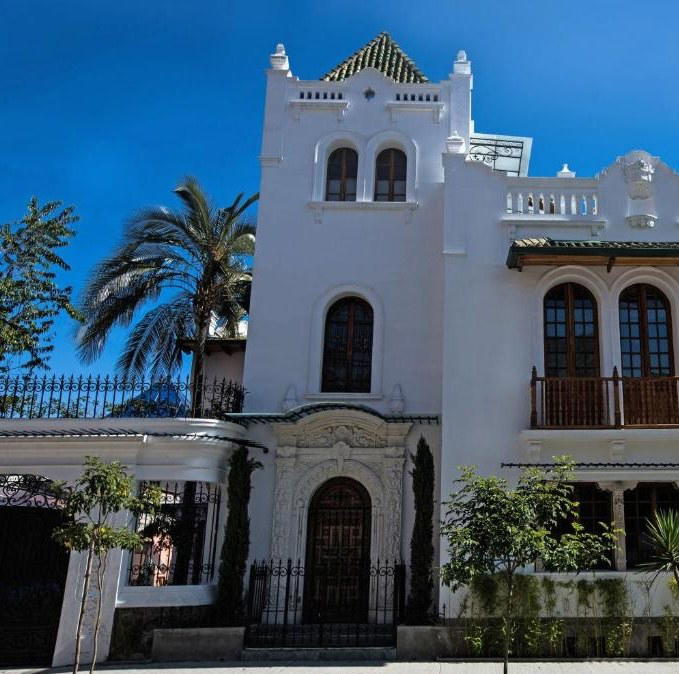
The address itself, Sebastián de Benalcázar, places the hotel within the layered architectural fabric of Quito's historic centre. This is not a peripheral neighbourhood or a newly developed corridor; it is one of the city's most historically dense zones, where the built environment carries centuries of stratification. A hotel that frames itself around design and sustainability in this context is making an implicit argument about how contemporary hospitality can sit inside a historic city without erasure or pastiche. That argument is visible in the physical approach to the building, where the tension between the existing structure and any contemporary intervention becomes part of the experience.
Where Carlota Sits in Quito's Competitive Set
The boutique and design-led segment of Quito's hotel market has become notably more competitive over the past decade. Hotel Boutique Cultura Manor by Café Cultura and Hotel Casa Gardenia occupy positions that overlap partially with Carlota's, smaller key counts, architectural character, an emphasis on hospitality texture over amenity volume. At the other end of the size spectrum, JW Marriott Quito offers the full-service international hotel experience, and GO Quito Hotel represents a more contemporary mid-market position. The differentiation that Carlota holds is the explicit sustainability design identity, which operates as both an aesthetic and an operational commitment, and which has become increasingly legible to the traveller segment that prioritises that kind of intentionality.
Across Ecuador more broadly, this design-led sustainability approach mirrors what properties like Mashpi Lodge in Pichincha have demonstrated in the cloud forest context, or what Pikaia Lodge in Galapagos Islands achieves in the marine reserve setting. The through-line is that design decisions and ecological responsibility are not treated as separate concerns but as the same set of choices. Carlota brings that logic into an urban, historic-centre context, which is a different and more constrained design challenge.
Planning a Stay: Practical Orientation
The hotel's address at Sebastián de Benalcázar 6-26 places guests within walking distance of Quito's colonial-era landmarks, which makes the property a practical base for exploring the historic centre on foot.
For travellers building a wider Ecuador itinerary, Carlota makes a natural anchor point for a country that rewards multi-destination planning. Options radiate outward from Quito across a notable range: the Galapagos circuit via Finch Bay Galapagos Hotel in Santa Cruz Island, La Laguna Galapagos Hotel in Isabela, or Galapagos Safari Camp in Santa Cruz; the Amazon basin via La Selva Eco-Lodge and Retreat in Puerto Francisco de Orellana; the Andean north via Hotel Otavalo in Otavalo; and the southern highlands via Hotel Cruz del Vado in Cuenca. The Pacific coast and Guayaquil are served by properties including Hotel del Parque in Guayaquil.
For those comparing at the international level, Carlota occupies a niche that is harder to locate in cities with a crowded boutique design-sustainability category. Properties like Aman Venice in Venice or Badrutt's Palace Hotel in St. Moritz represent entirely different tiers and operating models, but the comparison is useful for calibrating what MICHELIN Selected recognition means across contexts: it is a signal of quality and intent, not a uniform category with fixed standards applied identically across price points and geographies.
At-a-Glance Comparison
Comparable venues nearby, for context on price, style, and recognition.
| Venue | Cuisine | Price | Awards | Notes |
|---|---|---|---|---|
| Carlota Sustainable Design HotelThis venue — the venue you are viewing | Sustainable boutique hotel in restored historic French-style mansion | $$$ | 4-Star | Not listed |
| Hotel Boutique Cultura Manor by Café Cultura | Restored Republican-era manor blending cultural heritage with modern sophistication in Quito's historic center. | $$$ | 4-Star | La Mariscal |
| Carlota | Sustainable design hotel in a historic 19th-century French-style home | $$$ | 4-Star | Centro Historico |
| Le Parc Hotel, Beyond Stars | Exclusive urban boutique in financial center | $$$$ | 5-Star | La Carolina |
| Hotel Casa Gardenia | Colonial boutique B&B with modern updates | $$$ | 3-Star | Centro Histórico |
| Illa Experience Hotel | Restored historic colonial mansion offering intimate luxury stays | $$$$ | 5-Star | San Marcos |
Recognition history
Dated appearances from independent guides and award organizations, with the underlying list record or original source where available.
Design Hotels Member
Design Hotels
Michelin Selected
Michelin
Continue exploring
More in Quito
Hotels in Quito
Browse all →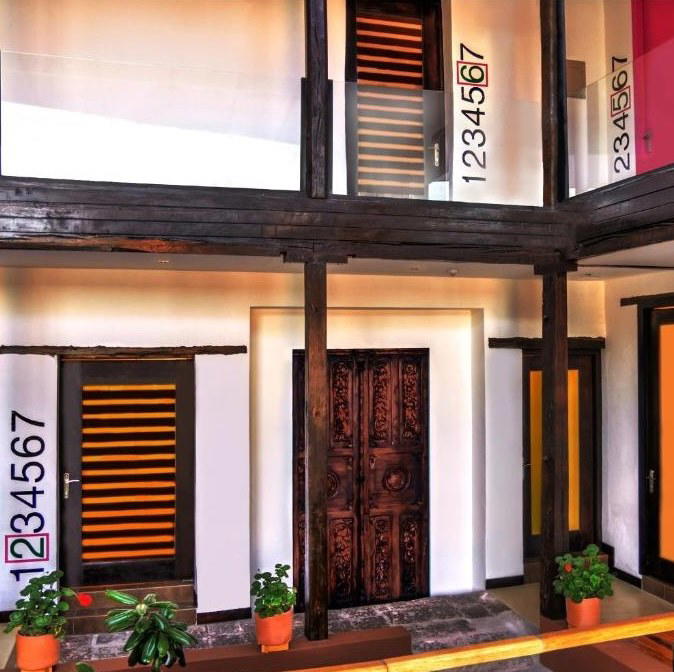
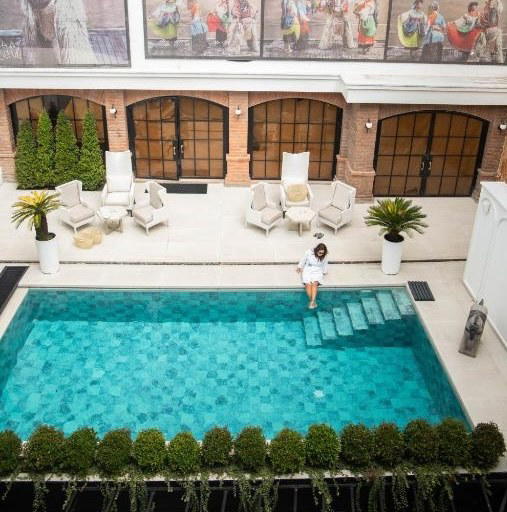
Bars in Quito
Browse all →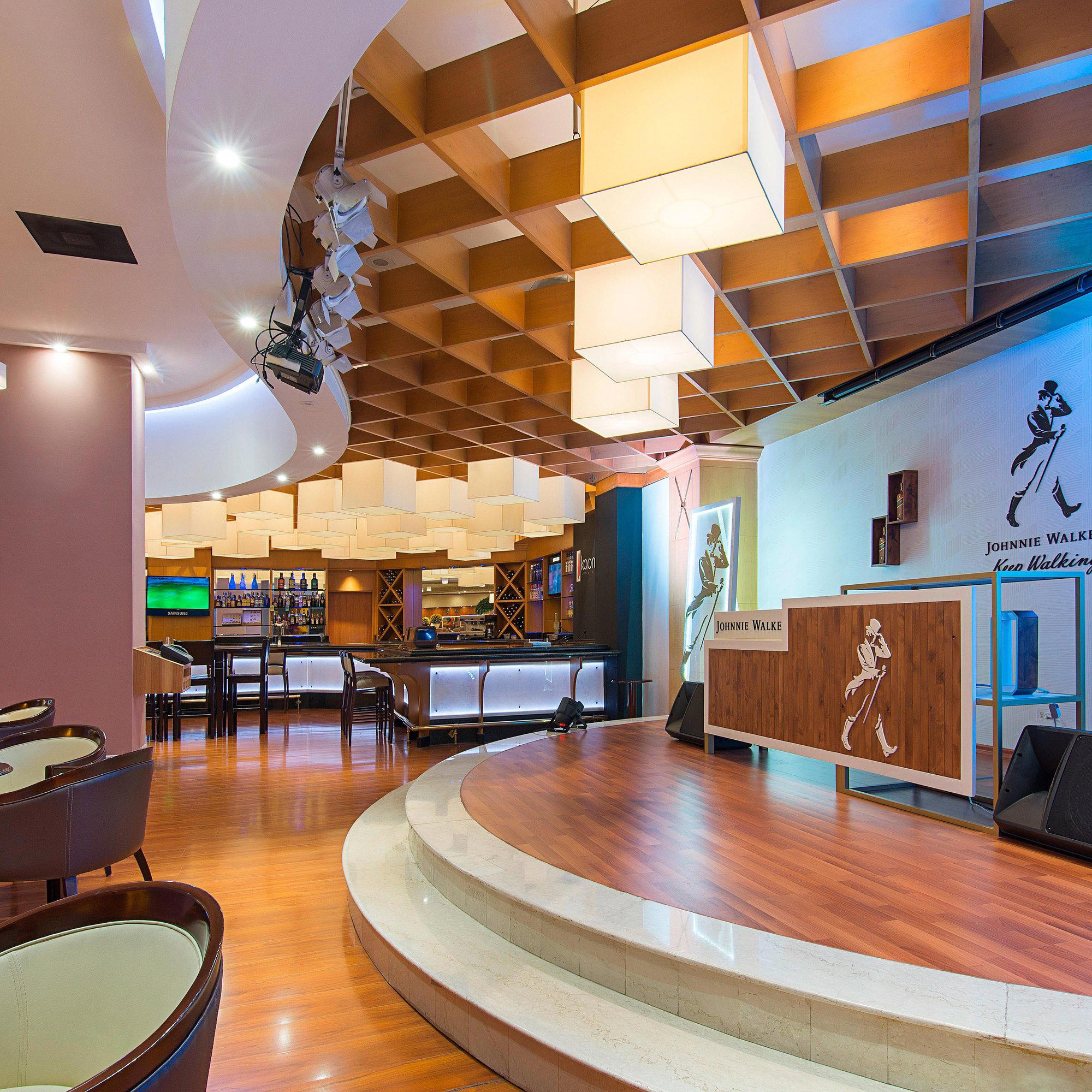
Restaurants in Quito
Browse all →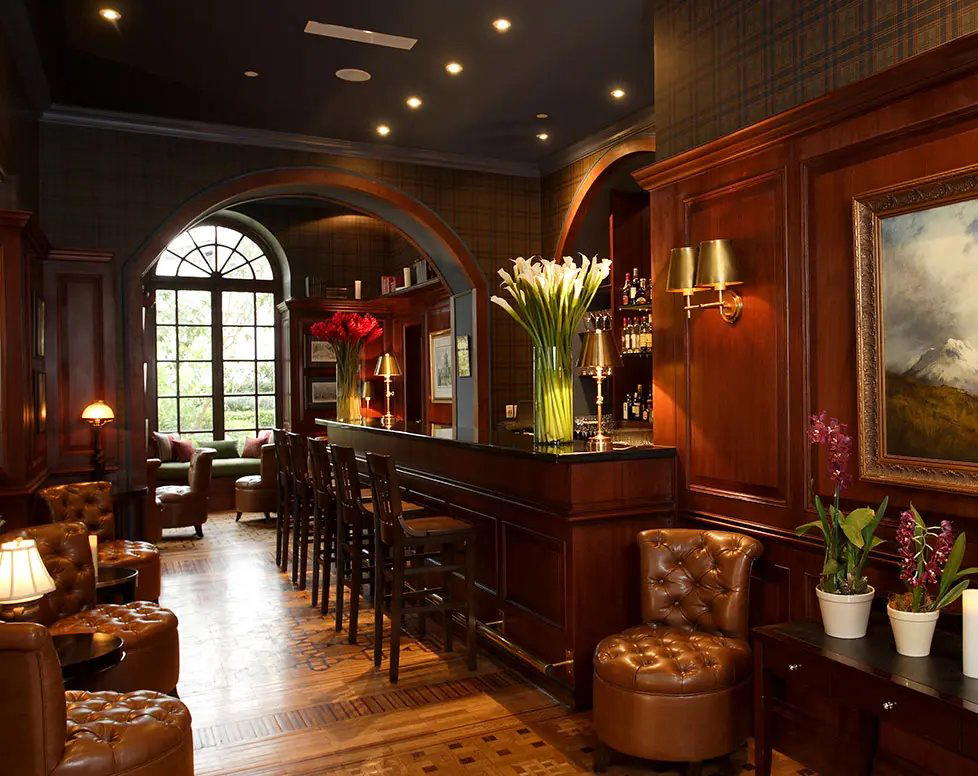
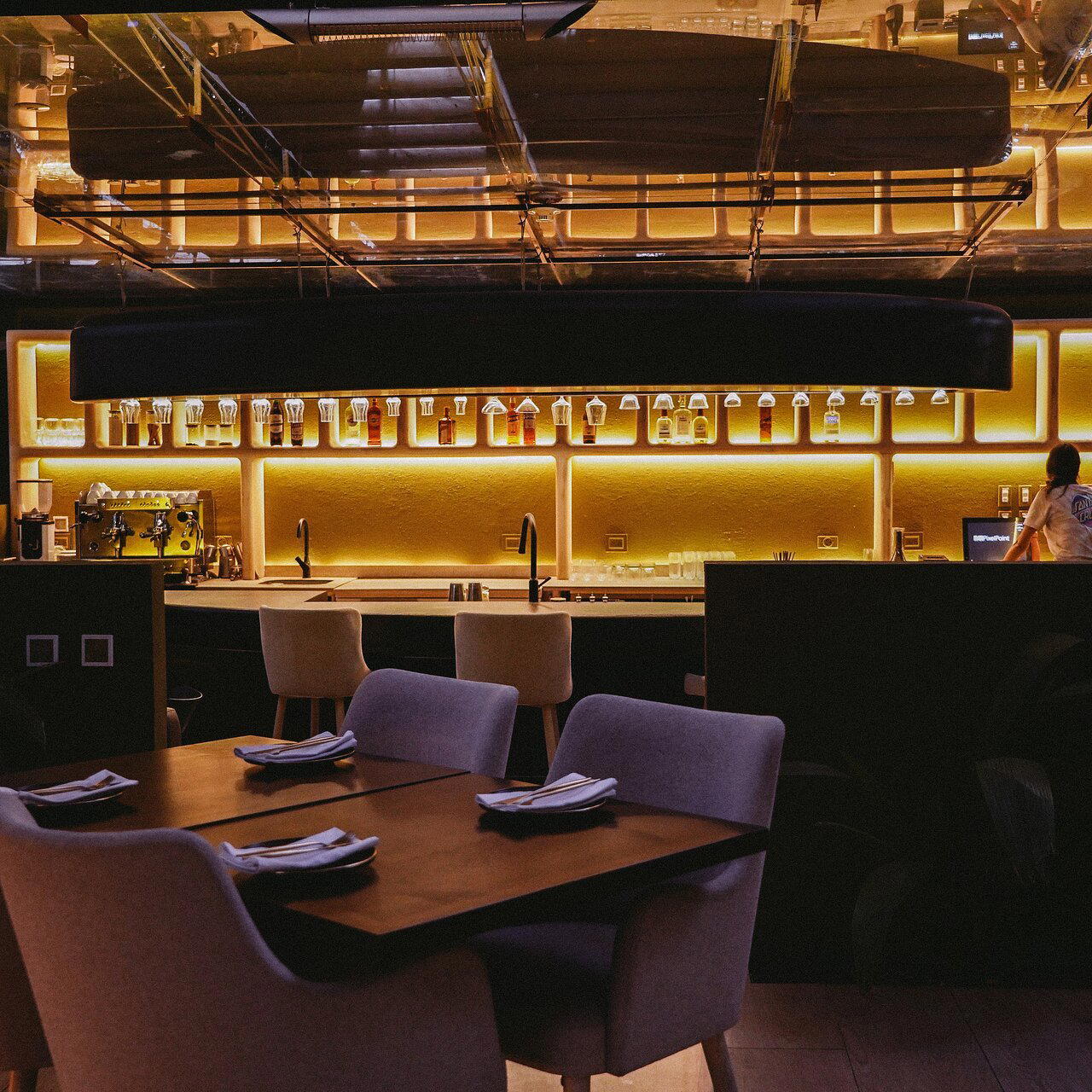
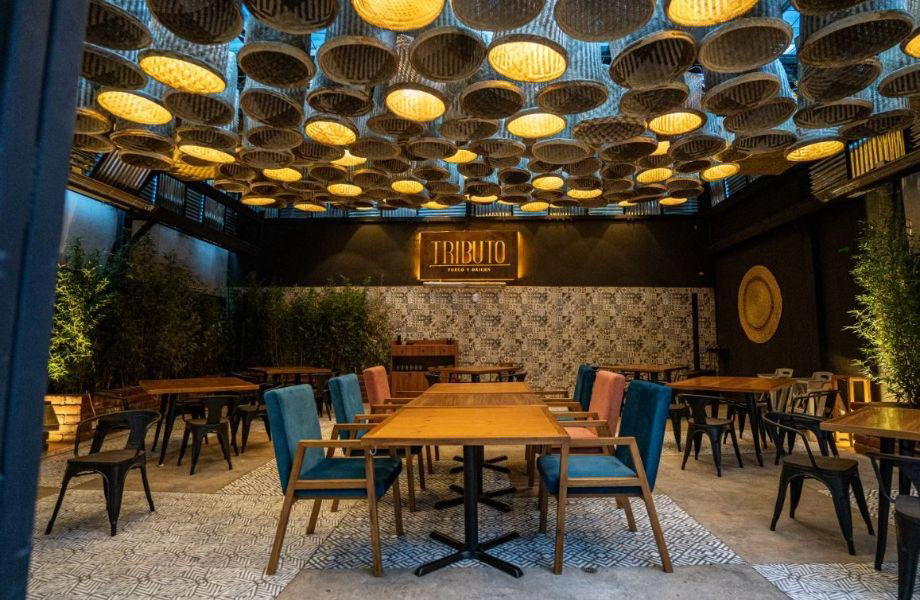
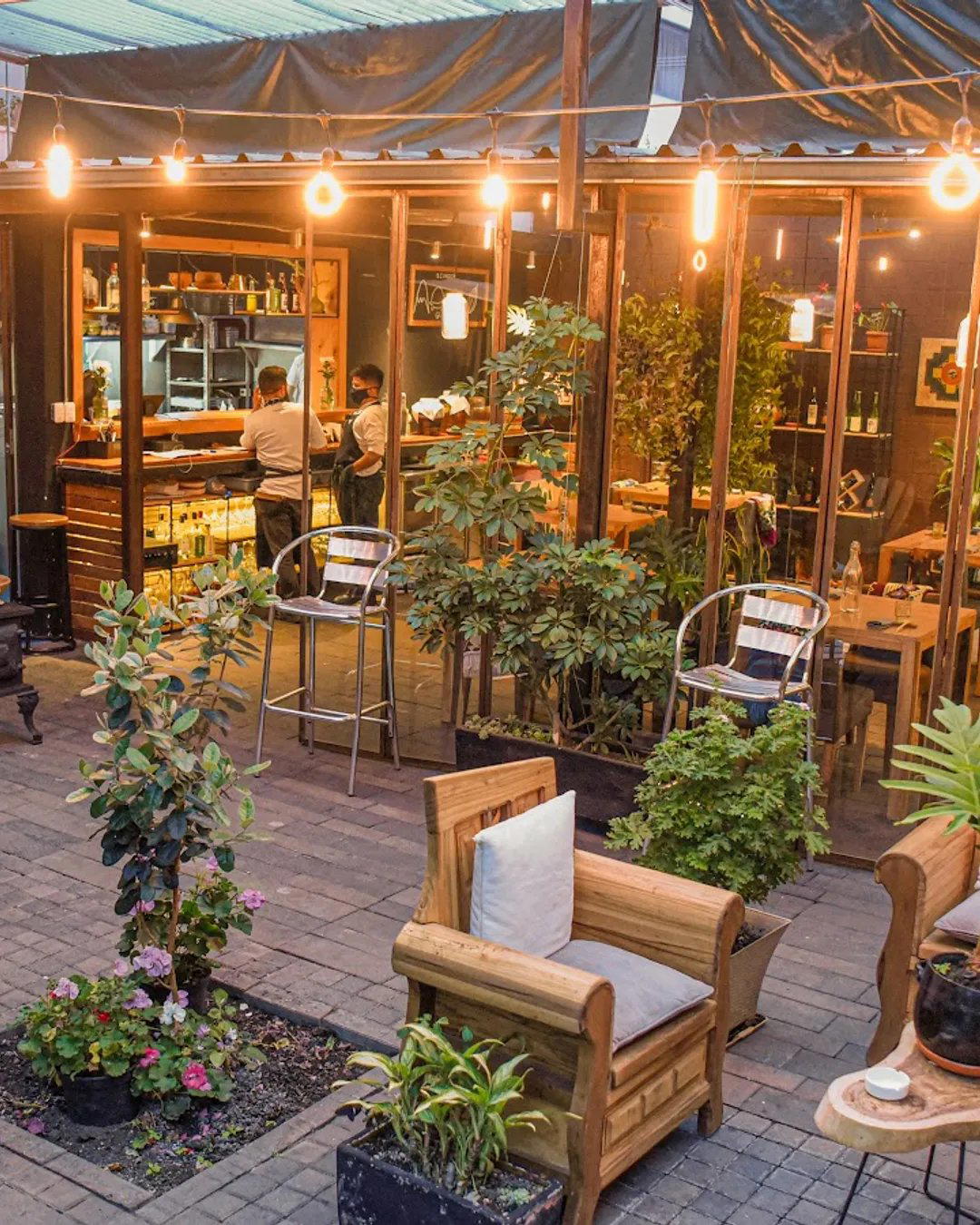
At a Glance
- Elegant
- Modern
- Intimate
- Sophisticated
- Cozy
- Romantic Getaway
- Anniversary
- Weekend Escape
- Rooftop Pool
- Historic Building
- Design Destination
- Panoramic View
- Terrace
- Wi Fi
- Spa
- Room Service
- Concierge
- Business Center
- Skyline
- Wi Fi
- Spa
- Room Service
- Concierge
- Business Center
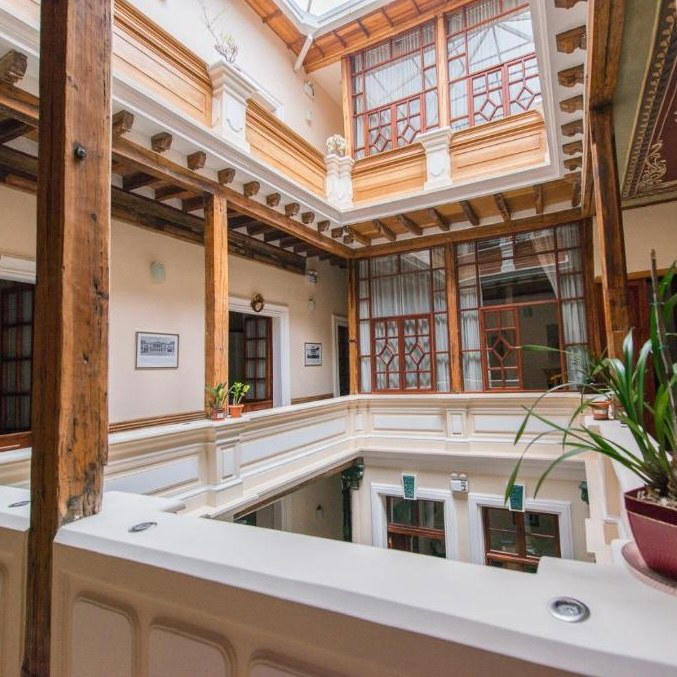
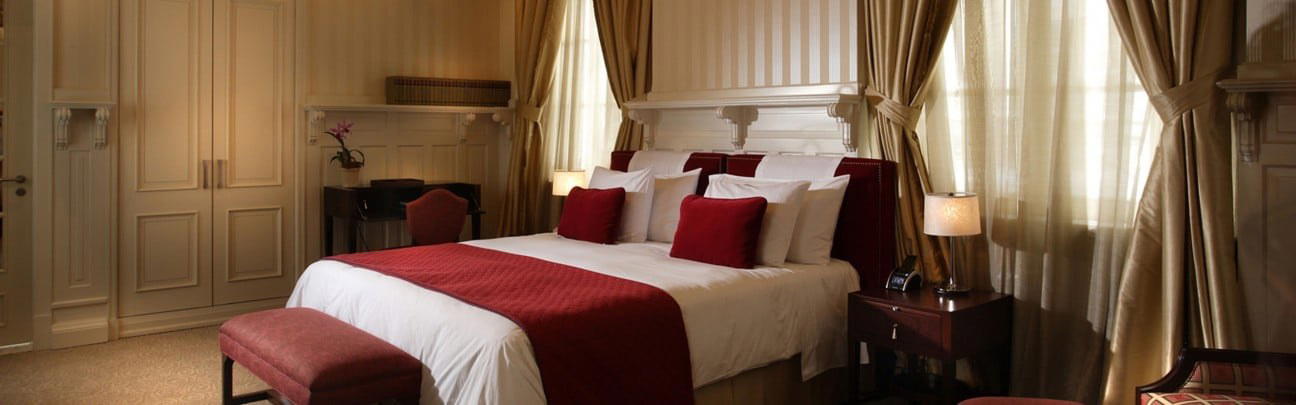
Intimate and elegant atmosphere blending original grandeur with bright colors, rich patterns, exposed brick, and wooden panels; tranquil oasis with personalized service.