
Michelin Selected
Hotel Cruz del Vado holds a Michelin Selected distinction in the 2025 Michelin Hotels guide, placing it among a curated tier of properties in Cuenca, Ecuador's colonial highland capital. Located at the junction of La Condamine and Tarqui streets in the city's historic centre, the hotel offers a grounded base for exploring one of South America's most architecturally preserved UNESCO-listed cities.

Pearl is the En Primeur Club membership app — saves, bookings, and concierge access live there. Same editors, same standards.
- Address
- La Condamine, Cuenca, Ecuador
- Phone
- +593 7-284-0100
- Website
- hotelcruzdelvado.com
- Directions
- Get directions
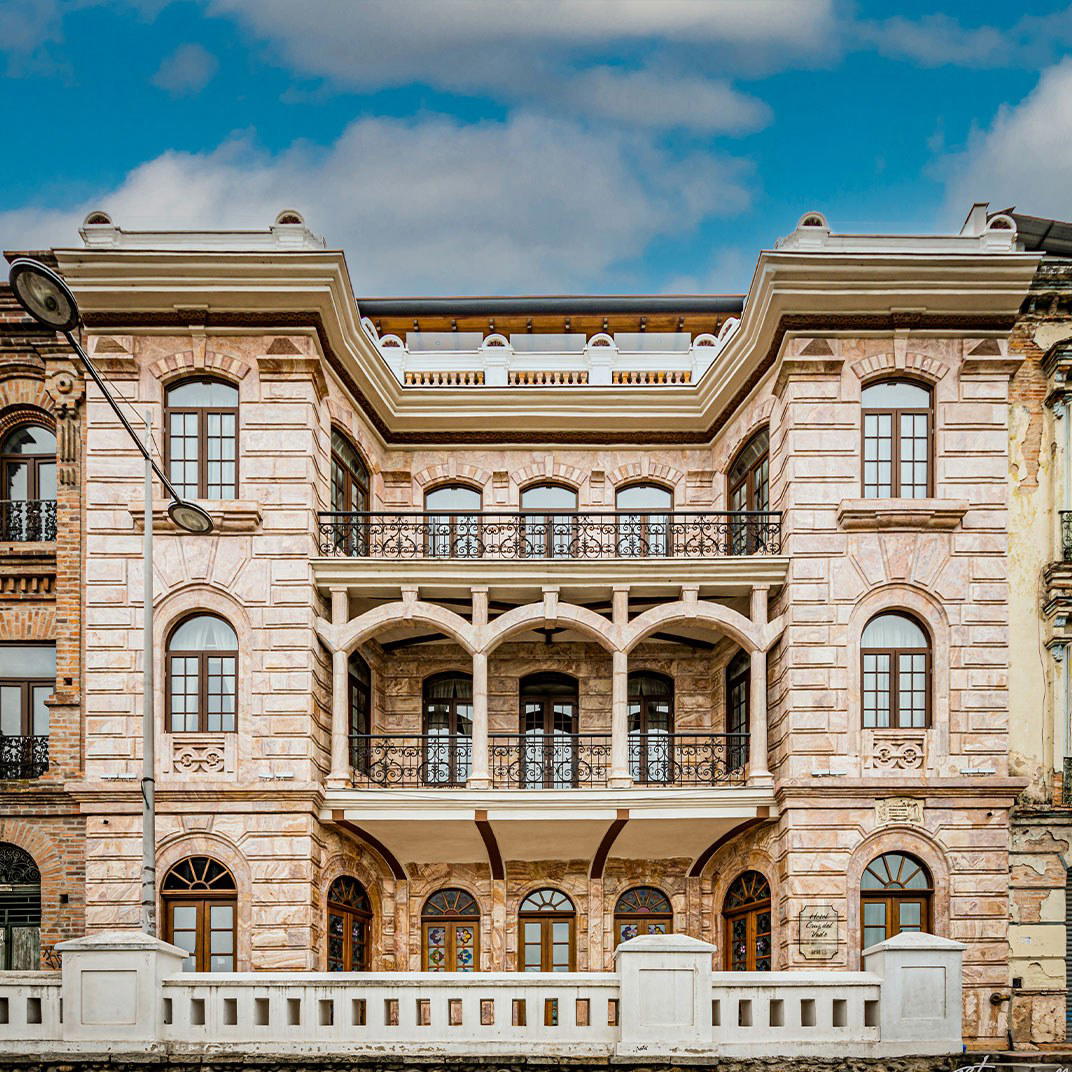
Where Cuenca's Colonial Architecture Meets Considered Hospitality
Cuenca sits at roughly 2,500 metres above sea level in Ecuador's southern highlands, and the city's historic centre operates on a different register from the country's coastal or Amazonian offerings. The streets around El Barranco and the Cathedral of the Immaculate Conception follow a grid logic laid down in the sixteenth century, and the area's preservation is substantial enough that UNESCO granted it World Heritage status in 1999. Hotels that position themselves inside this fabric are working with architectural material that most Latin American cities can no longer access. Hotel Cruz del Vado occupies that position, addressed at La Condamine 12-56 at the intersection with Tarqui Street, placing it within walking distance of the city's primary plazas and the riverbank promenade that defines the El Barranco neighbourhood's character.
The Michelin Selected distinction, awarded in the 2025 Michelin Hotels guide, is the relevant trust signal here. Michelin's hotel selection programme applies the same editorial rigour as its restaurant guide: inclusion means the property has passed a structured assessment rather than simply applied for listing. For context, comparable Michelin-acknowledged accommodation in the country skews toward ecological lodges in the Galápagos, including properties like Pikaia Lodge in Galapagos Islands and Finch Bay Galapagos Hotel in Santa Cruz Island, or urban addresses in Quito such as the JW Marriott Quito. A colonial city hotel in Cuenca holding the same distinction is a different proposition entirely.
Cuenca's Dining Scene and What It Means for Hotel Programming
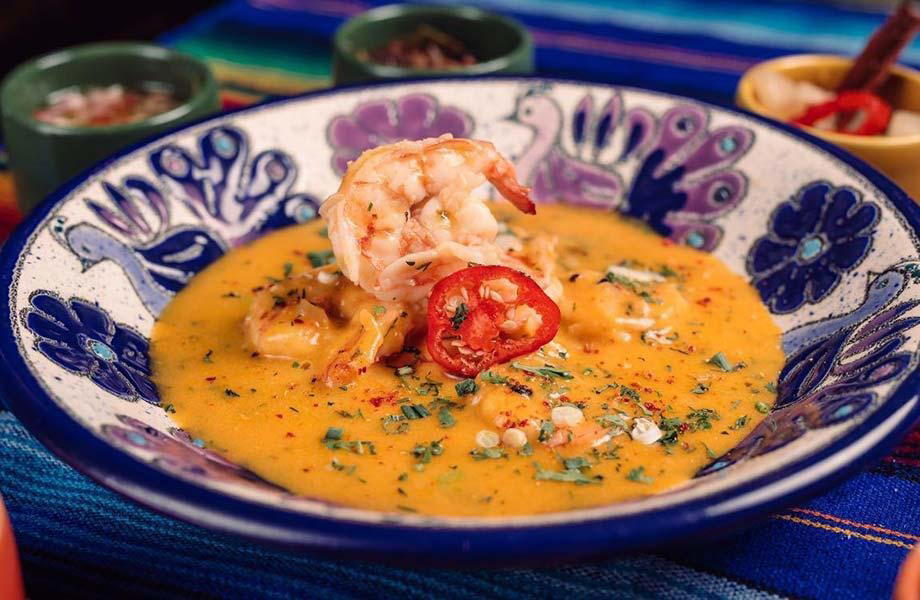
Ecuador's highland culinary tradition is distinct from its coastal equivalent. In the Sierra, cooking is built around corn, potato, and slow-braised meat preparations — cuy, seco de pollo, mote pillo — rooted in pre-Columbian agricultural practice and colonial-era adaptation. Cuenca's restaurants have been gradually formalising this tradition without abandoning its foundations, a pattern visible across the city's better dining addresses where local sourcing from Azuay province markets sits alongside more internationally inflected menus. Hotels operating in this environment face a clear choice: serve generic international fare that insulates guests from place, or build a food and beverage programme that actually connects to the surrounding city.
The more considered approach in Cuenca's hospitality sector tends toward the latter. Properties in UNESCO-listed historic centres generally find that guests who seek them out have already opted into place-specificity; they are not here for a branded buffet. The dining programme at a property like Hotel Cruz del Vado, positioned inside the colonial fabric rather than on the city's periphery, is leading understood in that context. Breakfast service in a colonial courtyard with páramo-altitude light coming through, and the proximity to Cuenca's central market for locally sourced ingredients, are structural advantages that architecture and geography provide regardless of kitchen ambition. For the broader restaurant picture across the city, our full Cuenca restaurants guide maps the dining options in more detail.
Cuenca's food scene positions itself somewhat differently from Quito's more internationally competitive restaurant market. Where Quito has drawn chefs and investment at a scale that puts some of its addresses in conversation with Lima or Bogotá, Cuenca operates on a more self-contained register, which means its leading dining is more directly tied to Azuay province's agricultural output and the city's own culinary heritage. For hotel guests, that specificity is the point.
The Hotel in Its Competitive Set
Within Cuenca, the relevant comparison for Hotel Cruz del Vado is the Parador de Cuenca, which similarly occupies a heritage building in the city's historic centre. Both properties compete in the territory where architectural setting is the primary differentiator: neither is a branded international chain, and both are working with the city's colonial building stock as their core asset. The market for this type of accommodation in Cuenca is visitors who have made the deliberate choice to be in the city rather than passing through it, typically combining it with travel to the Cajas National Park, the Panama hat ateliers of Montecristi and Sigsig, or the Ingapirca archaeological site roughly 80 kilometres north.
At a national scale, Ecuador's premium hospitality tends to cluster in three zones: Quito's historic and financial districts, the Galápagos Islands, and a smaller selection of Amazon basin eco-lodges. Cuenca sits outside all three of those clusters, which means properties here are not competing against Mashpi Lodge in Pichincha or La Selva Eco-Lodge in Puerto Francisco de Orellana for the same guest, they are serving a traveller whose itinerary is structured around the highland interior rather than Ecuador's ecological set pieces. That is a smaller but distinct market, and Hotel Cruz del Vado's Michelin recognition signals that it is operating at the appropriate level within it.
Internationally, guests who have stayed at heritage urban hotels, properties like Hotel del Parque in Guayaquil or, further afield, properties in the tradition of Aman Venice or Cipriani, A Belmond Hotel, Venice, will recognise the logic: the building's history is inseparable from the guest experience, and the hotel's job is to facilitate rather than override that relationship.
Planning a Stay
Hotel Cruz del Vado's address at La Condamine 12-56 puts it within the city's walkable colonial core, reducing the need for transport to reach the primary cathedral, the flower markets on Calle Larga, and the craft workshops in the surrounding streets. Cuenca's Mariscal Lamar International Airport receives domestic flights from Quito and Guayaquil, with journey times of around 45 minutes by air or approximately four hours overland from Guayaquil. The city's altitude means temperatures are moderate year-round, typically between 7°C and 20°C, with the dry season from June through September offering the most reliable conditions for exploring the surrounding region. As with any Michelin Selected property, booking in advance is advisable during Cuenca's peak cultural calendar, which includes the November independence festivities and the Easter week processions that draw visitors from across Ecuador.
A Pricing-First Comparison
Comparable venues nearby, for context on price, style, and recognition.
| Venue | Price | Awards | Notes |
|---|---|---|---|
| Hotel Cruz del VadoThis venue — the venue you are viewing | $100–200 | Michelin Selected | Not listed |
| Hotel Otavalo | Not listed | 1 Michelin Key | city center, Restored Spanish colonial landmark |
| La Selva Eco-Lodge & Retreat | $1,500–2,500 | World Travel Awards | Yasuni National Park, Sustainable eco-retreat blending native architecture with luxury comforts |
| Casa El Edén | $100–200 | Michelin Selected | Centro Histórico, Restored colonial mansion with central atrium and rooftop garden |
| Hotel Casa Gardenia | $1–100 | Michelin Selected | Centro Histórico, Colonial boutique B&B with modern updates |
| Mashpi Lodge | $1,000–1,500 | 2 Michelin Keys · La Liste Top Hotels | Pacto, Sustainable luxury eco-lodge blending modern architecture with pristine cloud forest. |
Recognition history
Dated appearances from independent guides and award organizations, with the underlying list record or original source where available.
Michelin Selected
Michelin
Continue exploring
More in Cuenca
Details
- Elegant
- Sophisticated
- Classic
- Intimate
- Ornate
- Romantic Getaway
- Anniversary
- Weekend Escape
- Historic Building
- Panoramic View
- Terrace
- Wi Fi
- Room Service
- Concierge
- Restaurant
- Bar
- Airport Transfer
- Skyline
- Mountain
- Waterfront
- Wheelchair Accessible
- Elevator
- Accessible Restroom
Ornate interiors blending French-Italian classic styles with modern luxury, soundproof rooms, and romantic rooftop bar atmosphere.