Galapagos Safari Camp
A tented safari camp set within a private farm on Santa Cruz Island, Galapagos Safari Camp places guests inside the highlands rather than at the waterfront. The accommodation format draws from East African safari conventions and applies them to equatorial Ecuador, where the wildlife is endemic and the terrain shifts from lava fields to cloud-touched agriculture within a few kilometres.
Pearl is the En Primeur Club membership app — saves, bookings, and concierge access live there. Same editors, same standards.
- Address
- Finca Palo Santo, Barrio Salasaca, Parroquia Santa Rosa Santa Cruz Island, 200350, Ecuador
- Phone
- +593 8059954093
- Website
- galapagossafaricamp.com
- Directions
- Get directions
 Saves & bookings on Pearl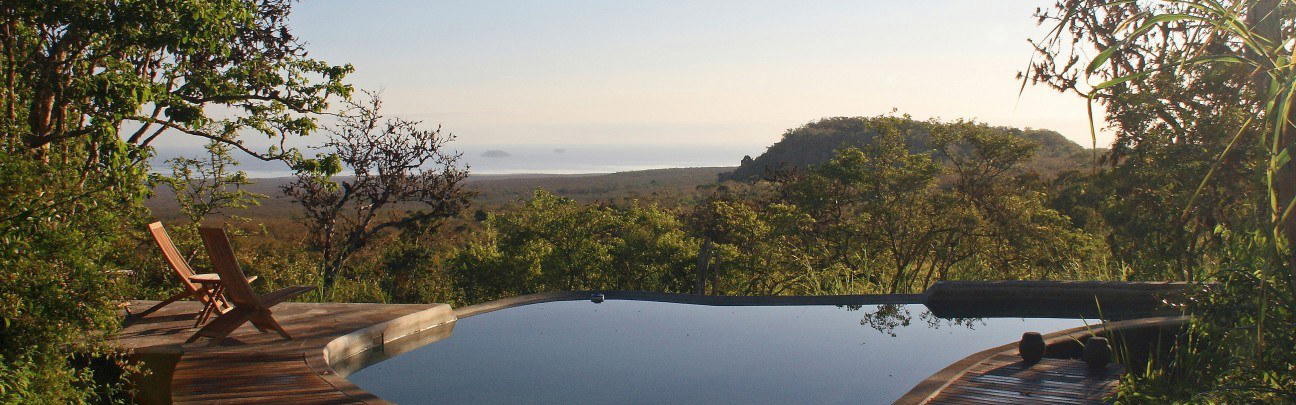
Highlands First: What the Safari Camp Format Means in the Galapagos
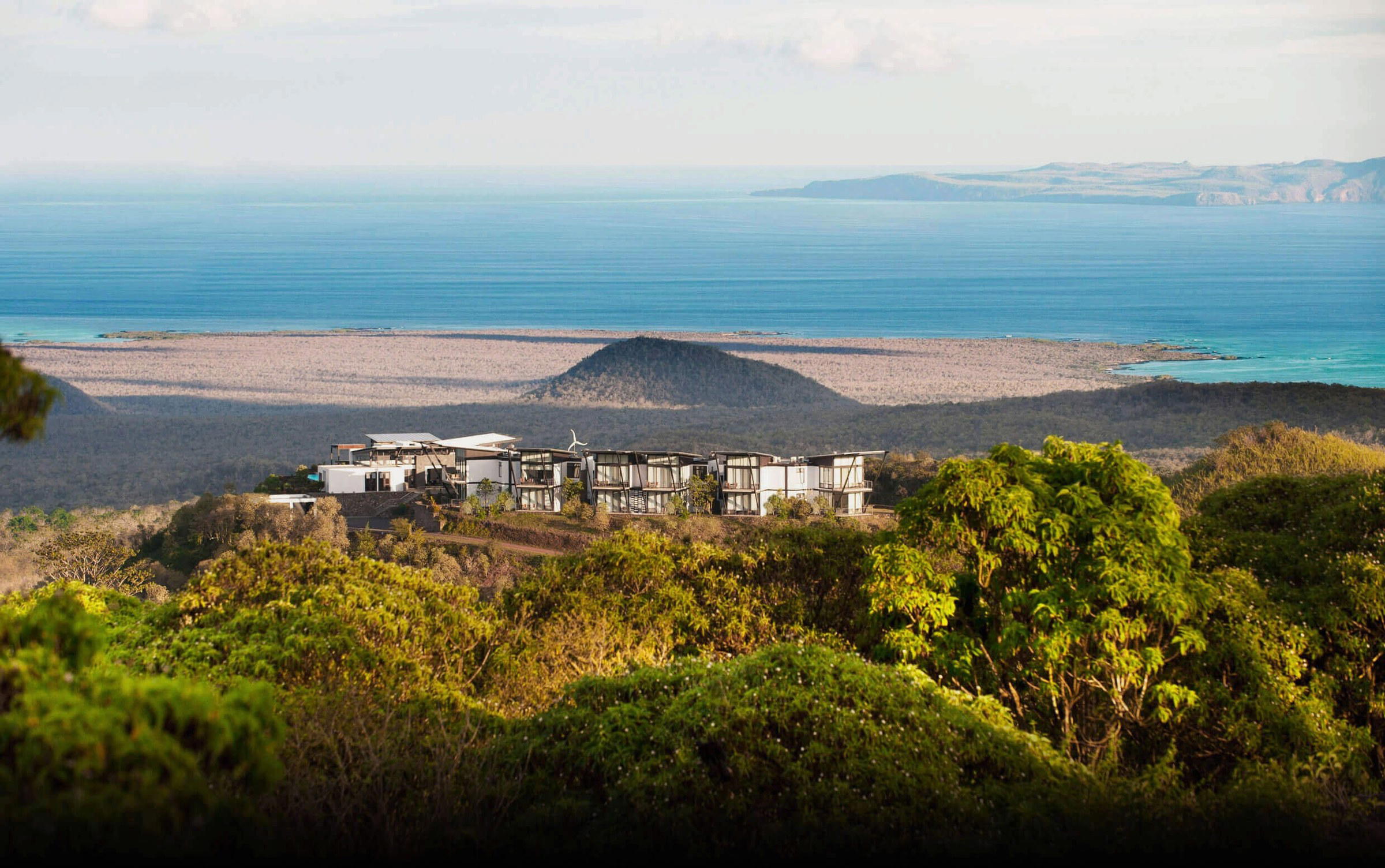
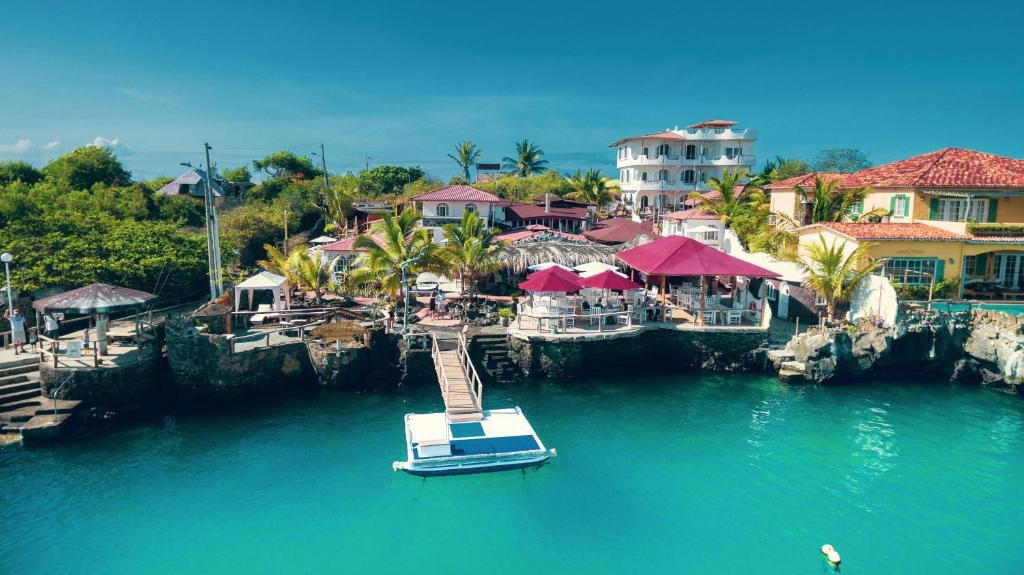
Most Galapagos accommodation clusters around Puerto Ayora on Santa Cruz's southern coast, positioning guests close to the ferry docks, dive operators, and Charles Darwin Research Station. Galapagos Safari Camp takes the opposite approach, sitting on Finca Palo Santo in the Barrio Salasaca highlands of the island's interior, at an elevation where the vegetation shifts from the coastal scrub familiar from wildlife documentaries into something greener, damper, and considerably quieter. The highland location is not a compromise, it reflects a deliberate decision to occupy the part of Santa Cruz that most visitors pass through on a day trip to see giant tortoises and then leave.
The tented camp format has a specific lineage in premium travel. East Africa refined it over decades: permanent structures disguised as temporary ones, guests close to the natural environment without sacrificing mattress quality or hot water. The Galapagos context is different in almost every ecological way, but the logic translates. When you are staying in the highlands rather than in a hotel room overlooking a marina, the rhythm of the island changes. Giant tortoises roam freely through the farm's land. Vermilion flycatchers are visible from the camp itself. The pace calibrates to the landscape rather than to a boat departure schedule.
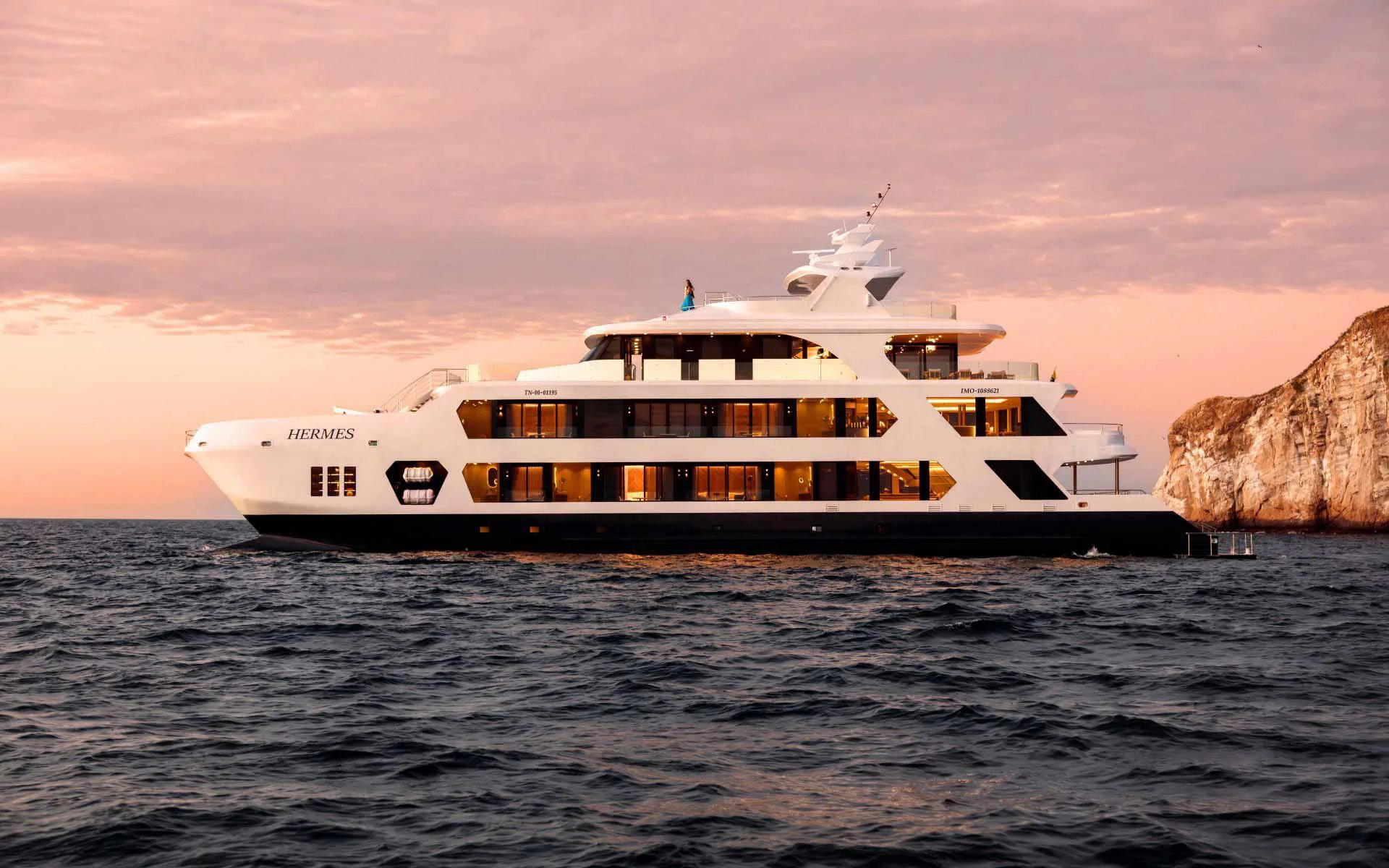
For comparison, Pikaia Lodge in the Galapagos Islands anchors its offer around a superyacht and liveaboard access, while Ecoventura - Galapagos in Puerto Baquerizo Moreno operates expedition vessels as its primary product. Galapagos Safari Camp sits in a different category entirely: land-based, farm-situated, and oriented toward a slower, more residential experience of the archipelago.
The Dining Programme: Farm Context and Ecuadorian Provisions
In a camp positioned on a working farm in one of the world's most ecologically controlled island groups, the dining programme carries weight that goes beyond menu composition. The Galapagos Islands operate under strict import regulations enforced by the Galapagos National Park Authority, which means ingredients arriving from mainland Ecuador are subject to biosecurity inspection. What is grown or raised on the islands carries a different significance here than the farm-to-table framing that has become routine shorthand at properties from Tuscany to Tulum.
The highland farms of Santa Cruz, the area around Finca Palo Santo included, produce fruits, vegetables, and herbs in conditions shaped by the garúa, the seasonal mist that rolls through the upper elevations between June and November. This fog season, which coincides with cooler temperatures and reduced visibility in the highlands, is the period when the island's interior feels most dramatically different from its coastal belt. A property whose kitchen is connected to this agricultural context has material to work with that most island hotels, dependent on supply chains from the continent, do not.
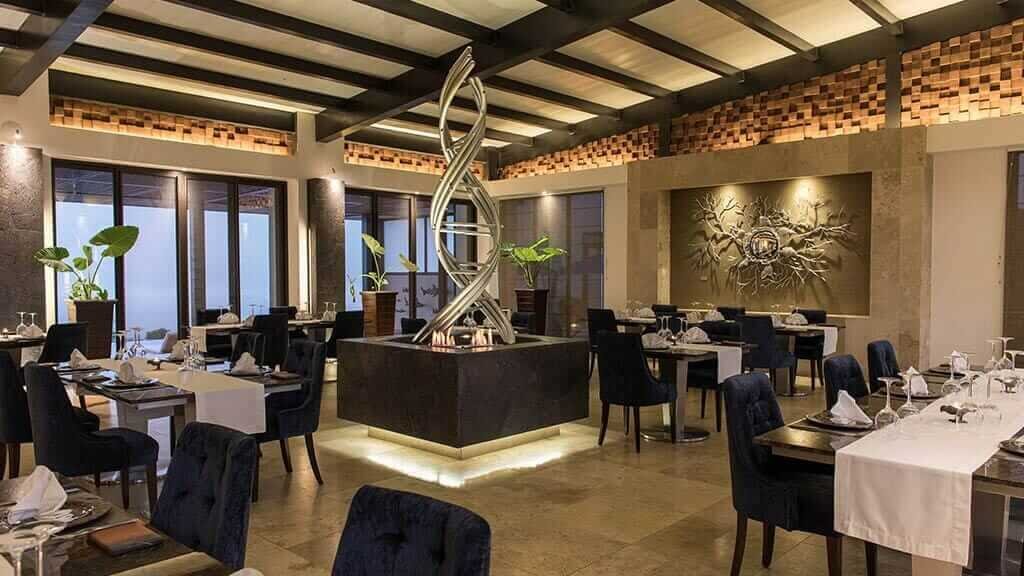
The format of dining at a tented camp in this context tends toward communal meals, set menus aligned with what is available rather than broad à la carte choice, and service that reinforces the sense of a shared expedition rather than a hotel restaurant transaction. Properties like Mashpi Lodge in Pichincha, Ecuador's eco-lodge in the cloud forest, have demonstrated that this kind of environment-led hospitality can produce food programmes of genuine editorial interest. The principle applies in the Galapagos highlands with equal force, even if the specific execution differs.
Santa Cruz Island in Context
Santa Cruz is especially populated island in the archipelago and the administrative centre for the national park's visitor infrastructure. Puerto Ayora, the island's main town, functions as the departure point for day trips to other islands and as the location of the Darwin Station, which manages the tortoise breeding programme. The highlands above Puerto Ayora, accessed by a road that climbs through agricultural land and lava tunnels, are where the island's farming communities have historically operated, and where the ecological character of the interior becomes apparent.
Visitors who spend their entire Galapagos trip on a liveaboard vessel or in a waterfront hotel see a version of the archipelago oriented around snorkelling sites, marine iguanas, and inter-island transfers. Those who stay in the highlands access a different set of encounters: tortoise sightings on open land, bird species that do not concentrate at the coast, and the quieter rhythms of a farming community operating within one of the planet's most regulated natural environments. The camp's address in Barrio Salasaca places it within this interior geography rather than in the coastal tourist corridor.
Elsewhere in Ecuador, properties like Hotel del Parque in Guayaquil and Carlota in Quito represent the urban end of the country's premium accommodation spectrum. The Amazon lodge category, represented by La Selva Eco-Lodge and Retreat in Puerto Francisco de Orellana, offers a different model of immersive nature-based hospitality on the continent. Galapagos Safari Camp connects to that eco-lodge tradition while operating in a setting with regulatory and ecological constraints that no mainland property faces.
Planning Your Stay
The Galapagos Islands require visitors to hold a transit control card and pay a national park entrance fee upon arrival. Flights to Santa Cruz typically route through Quito or Guayaquil to either Seymour Airport on Baltra Island or San Cristóbal Airport. A short ferry crossing and road transfer connect Baltra to Puerto Ayora and the highland area.
For the highland experience, the dry season from June to November brings cooler temperatures in the interior, while the warm season from December to May offers a greener landscape in the highlands. Neither season is a poor choice; they offer different versions of the island. Guests considering the Galapagos as part of a wider Ecuador itinerary might pair the camp with a property like Angermeyer Waterfront Inn in Puerto Ayora for waterfront contrast, or extend to the main continent before or after the island stay.
For those comparing against other remote-setting, design-led properties internationally, points of reference include Amangiri in Canyon Point for the desert-landscape immersion model and Castello di Reschio in Lisciano Niccone for the working-estate accommodation format. The Galapagos Safari Camp sits within that broader category of properties where the land itself is the primary amenity, and where the accommodation exists to place guests inside a specific environment rather than to insulate them from it.
Price and Positioning
Comparable venues nearby, for context on price, style, and recognition.
| Venue | Price | Awards | Notes |
|---|---|---|---|
| Galapagos Safari CampThis venue — the venue you are viewing | $$$$ | 5-Star | Not listed |
| Finch Bay Galapagos Hotel | $$$$ | 4-Star | Puerto Ayora, Santa Cruz Island, Sustainable eco-lodge designed to blend seamlessly into the natural island environment with low-rise modern architecture. |
| Hotel Boutique La Casa de Marita Galápagos | $$$ | 4-Star | Puerto Villamil, Italian villa charm meets Ecuadorian coastal elegance with art-deco design elements and personalized, individually decorated rooms reflecting the island's natural beauty. |
| Ecoventura - Galapagos | $$$$ | 5-Star | San Cristobal, Luxury expedition yacht designed as a floating five-star boutique hotel with island-inspired contemporary interiors and sustainable eco-conscious operations. |
| Mashpi Lodge | $$$$ | 5-Star | Pacto, Sustainable luxury eco-lodge blending modern architecture with pristine cloud forest. |
| La Laguna Galapagos Hotel | $$$ | 3-Star | Puerto Villamil, Small boutique hotel focused on comfort and scenic relaxation |
Recognition history
Dated appearances from independent guides and award organizations, with the underlying list record or original source where available.
Mr & Mrs Smith Smith Seal of Approval
Mr & Mrs Smith
At a Glance
- Romantic
- Scenic
- Quiet
- Elegant
- Intimate
- Honeymoon
- Romantic Getaway
- Family Vacation
- Wellness Retreat
- Anniversary
- Infinity Pool
- Panoramic View
- Private Villa
- Garden
- Terrace
- Destination Spa
- Pool
- Kids Club
- Wi Fi
- Concierge
- Room Service
- Waterfront
- Mountain
- Pool
- Kids Club
- Wi Fi
- Concierge
- Room Service
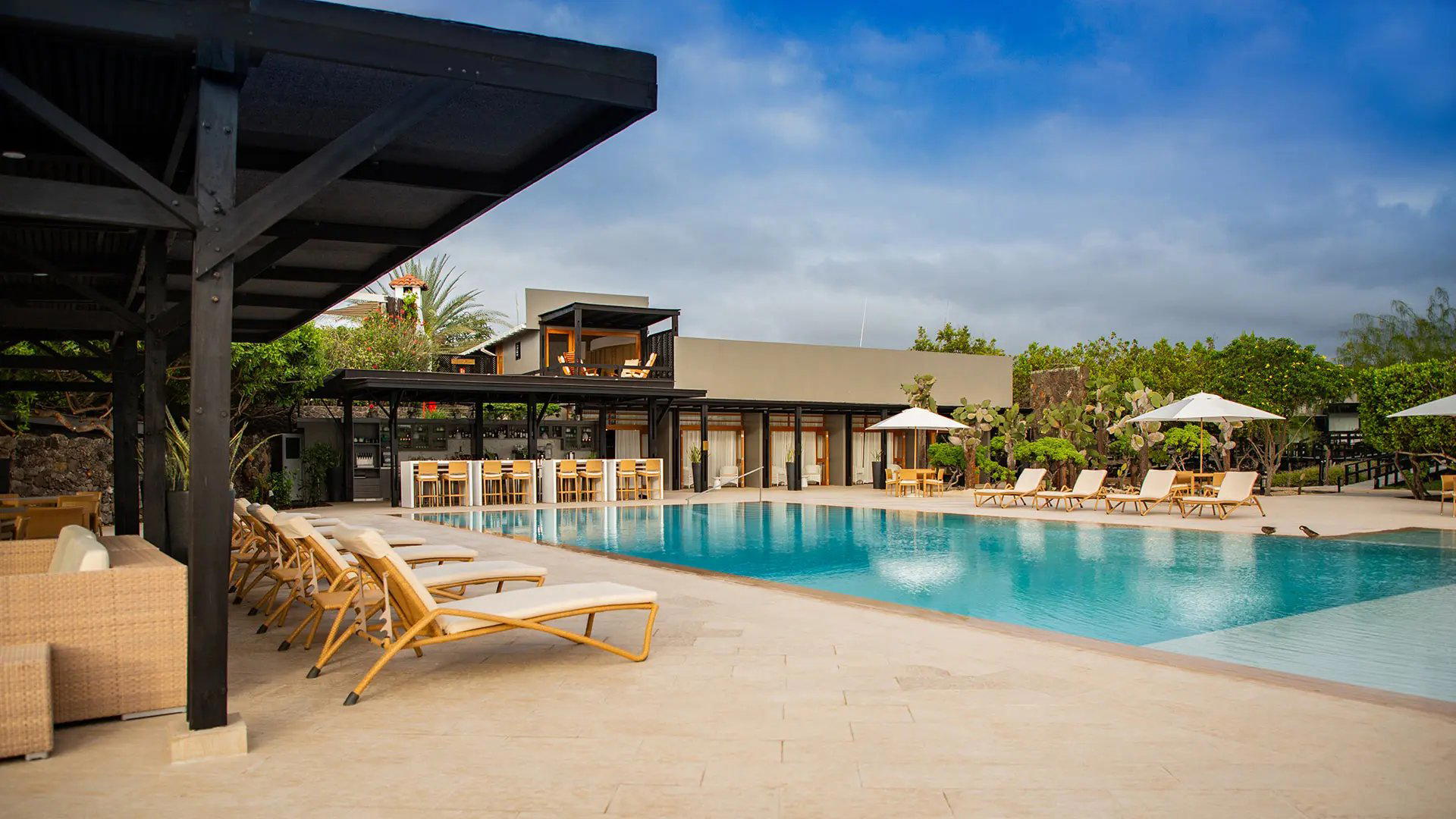
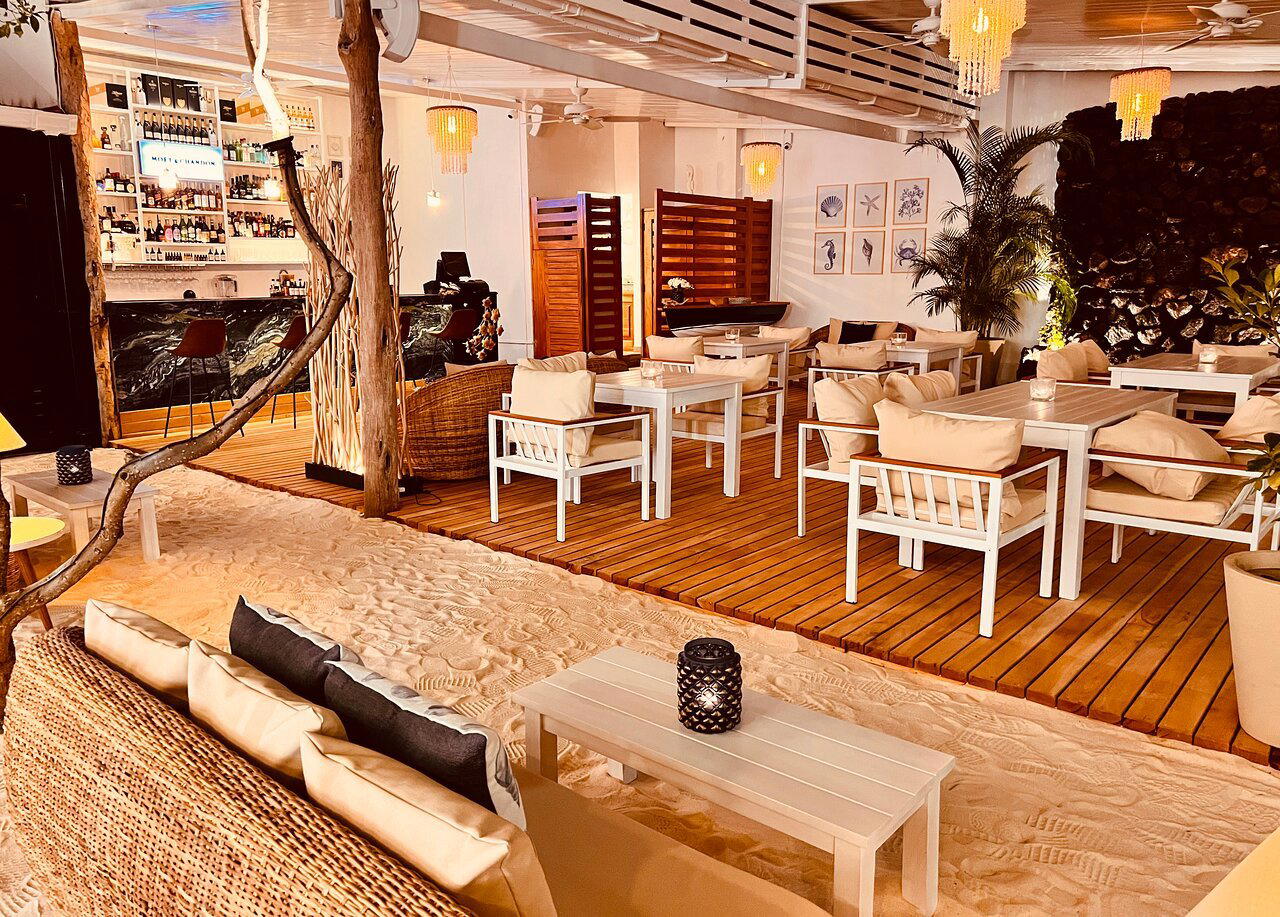
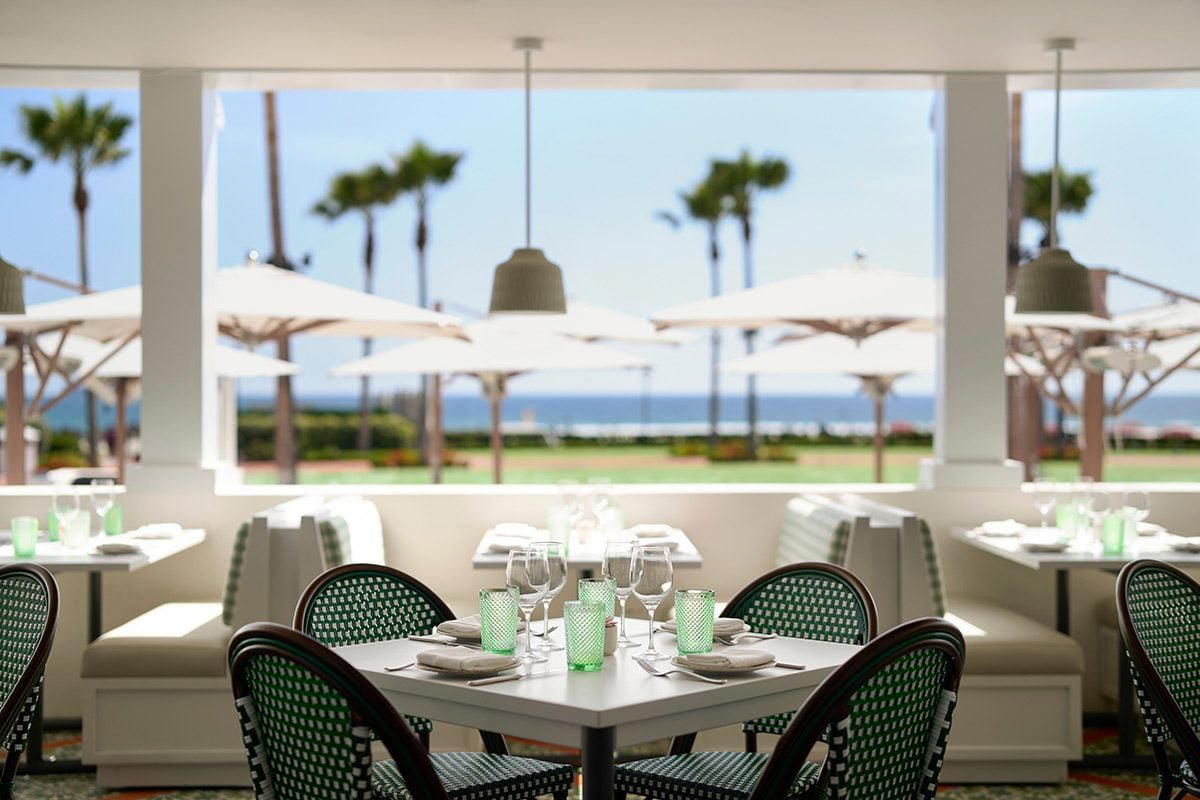
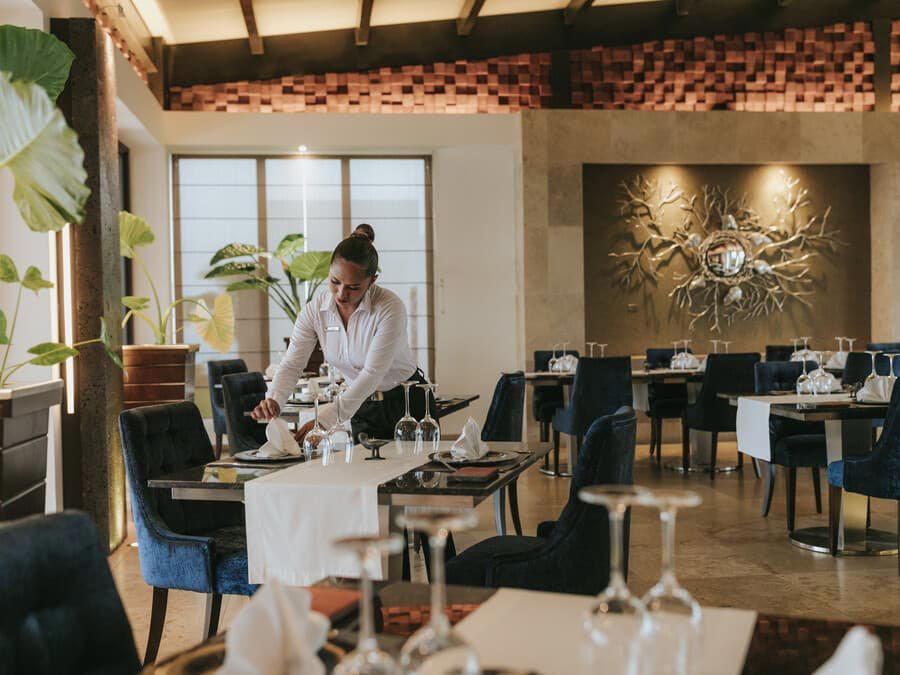
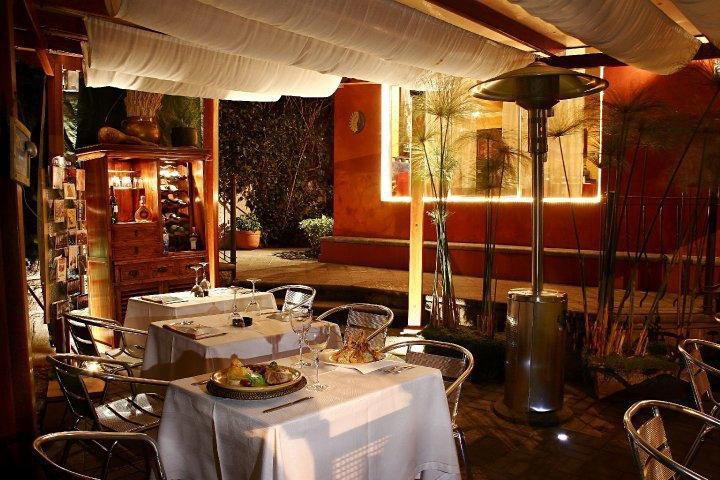
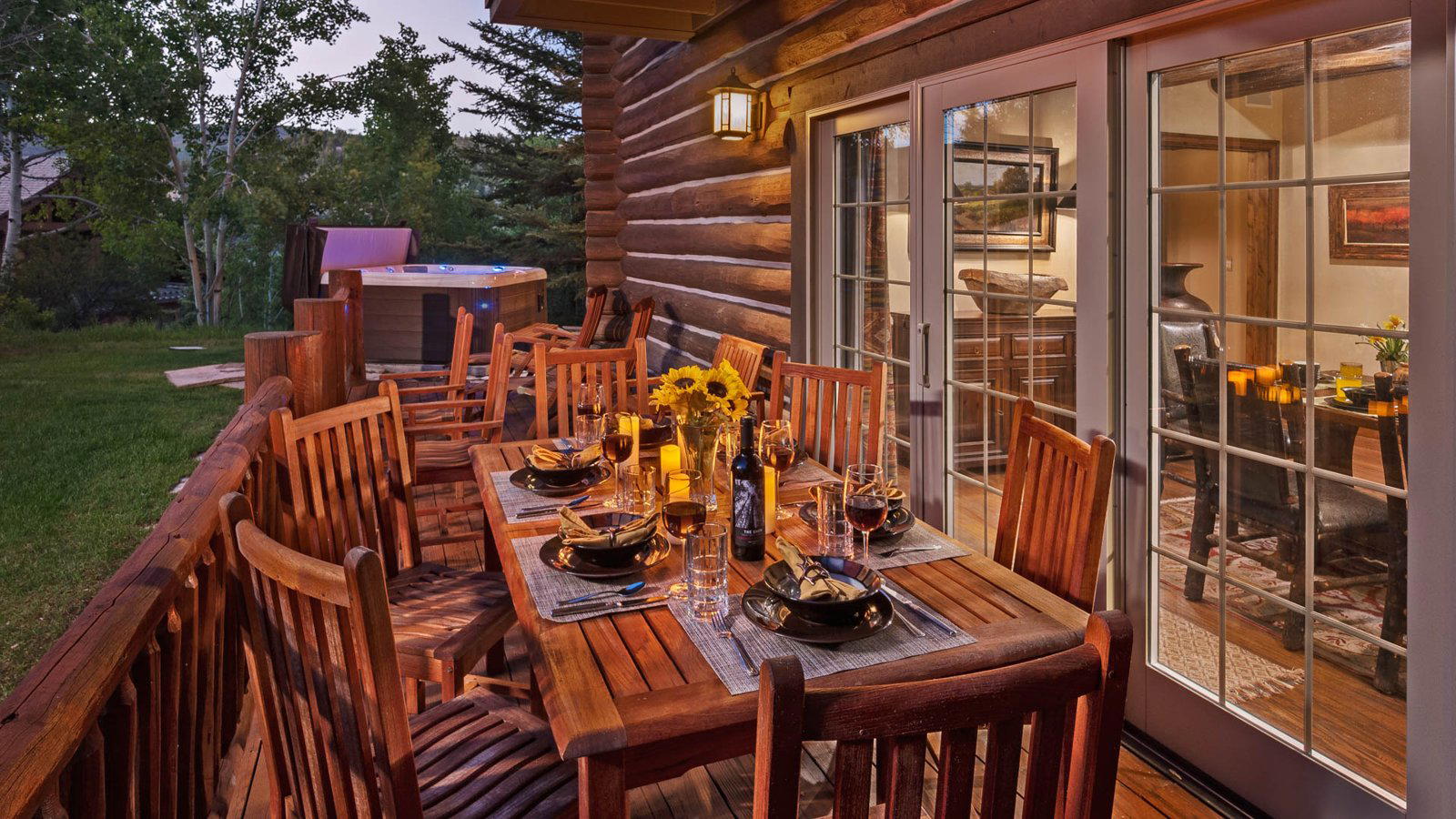
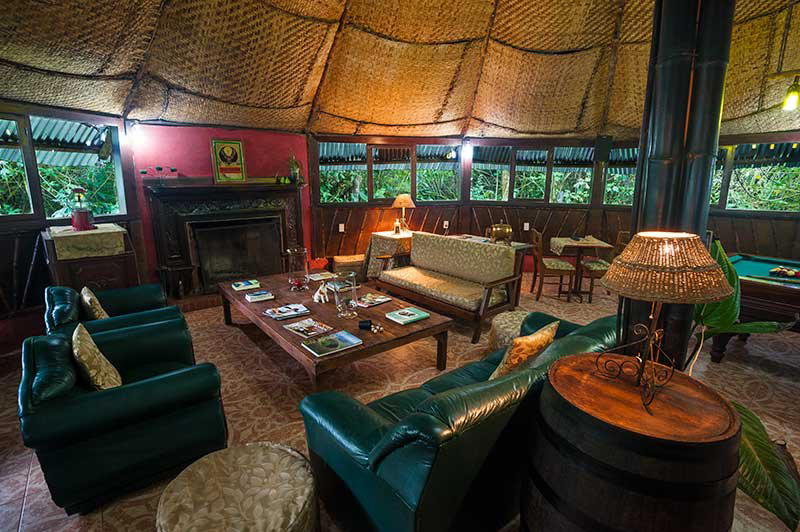
Warm and immersive with cozy fireplaces in the main lodge, open-air dining with panoramic highland and ocean views, and evening gatherings at sunset viewpoints with natural lighting and stargazing opportunities.