

Relais Chateaux Award
Selinda Camp occupies a ten-suite footprint along a tree-lined waterway inside Botswana's 320,000-acre Selinda Reserve, rated 4.9/5 by EP Club members. Access is by private airstrip, 45 minutes from Maun, and the all-inclusive program spans twice-daily game drives, mokoro excursions, and a culinary program grounded in contemporary African cooking with locally sourced ingredients.

Pearl is the En Primeur Club membership app, where members save venues, book tables and use the concierge.
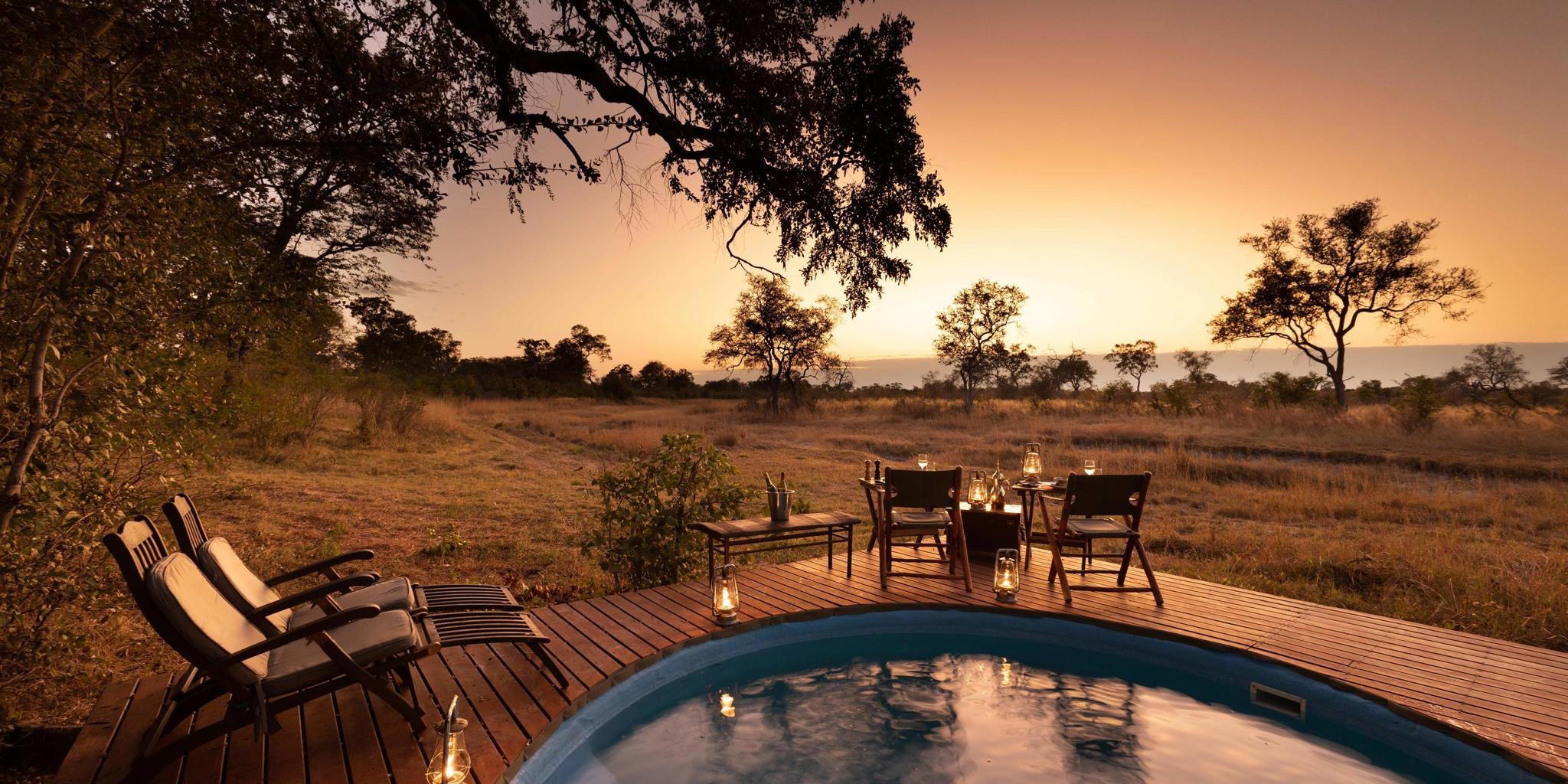
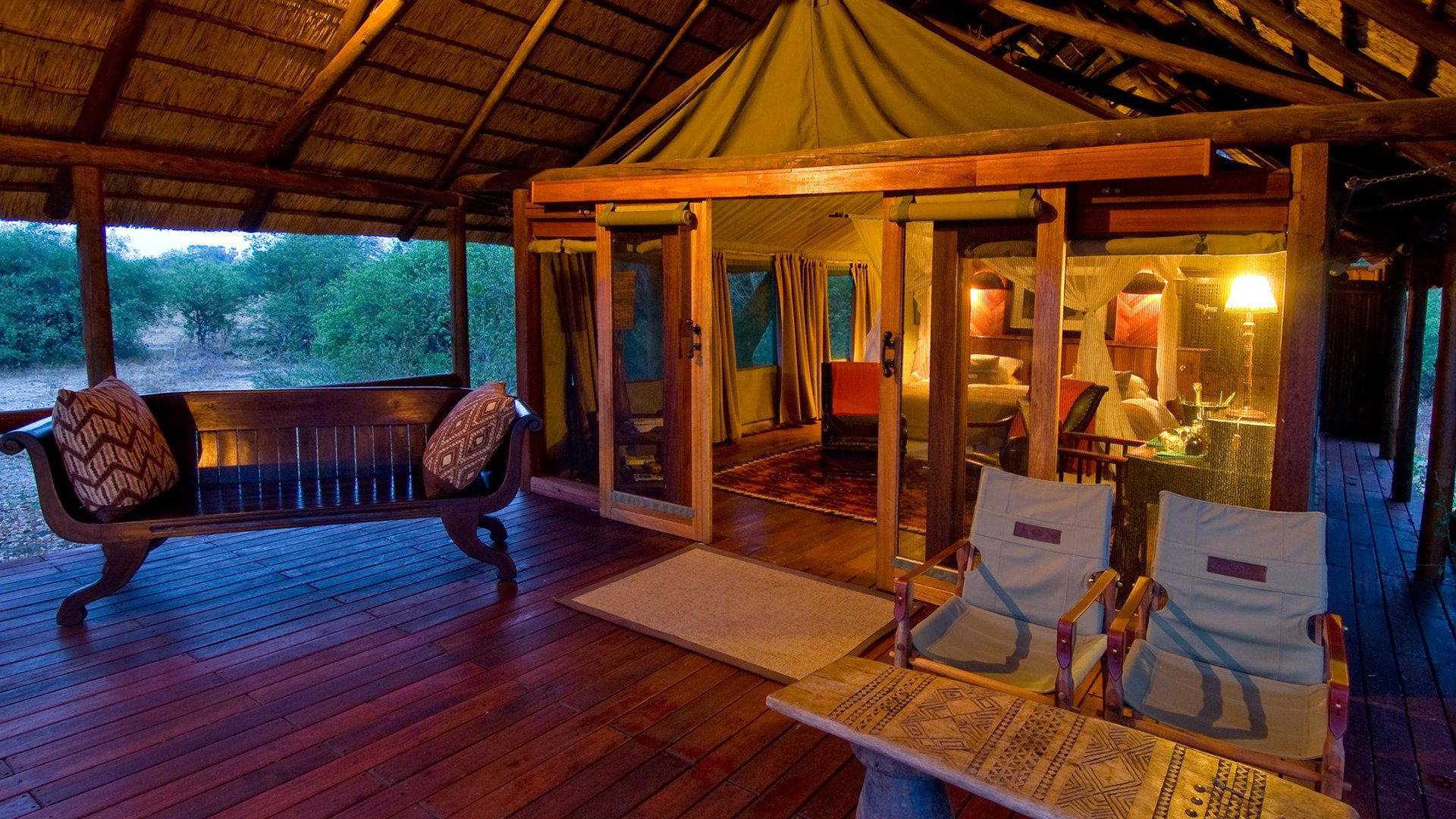
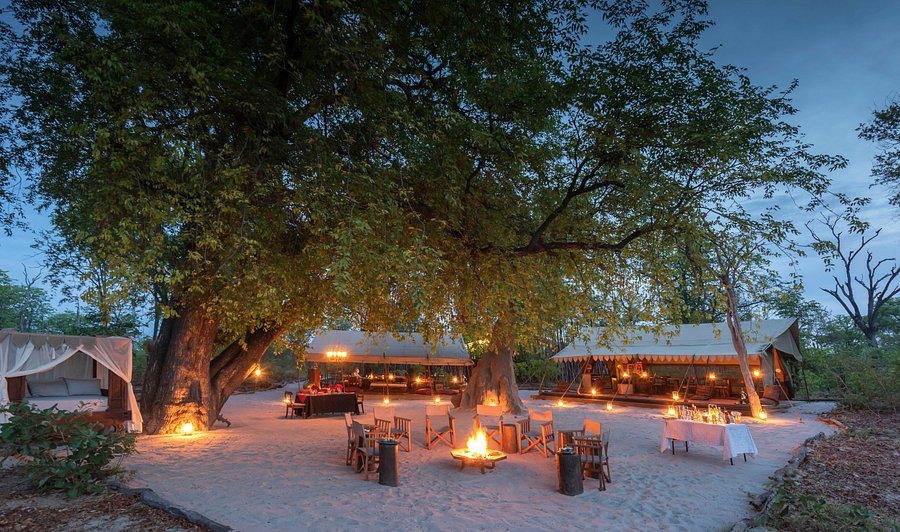
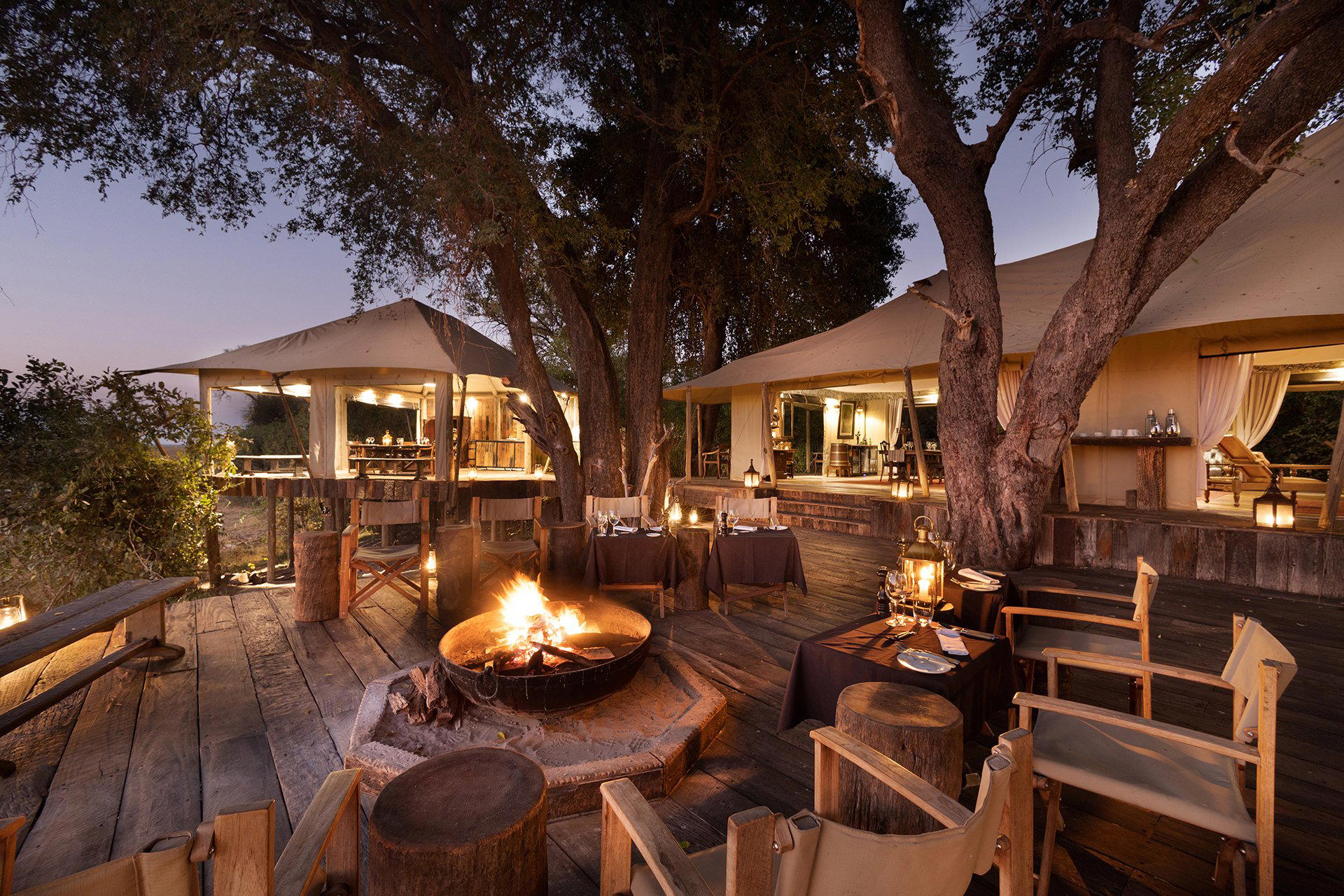
At first light on the Selinda Reserve, the sounds arrive before the shapes do: the low resonance of water moving through reed beds, the bark of a distant baboon troop, the hush of a floodplain that stretches beyond any practical horizon. The tented suites here are positioned along a tree-lined waterway precisely to hold that relationship between guest and wilderness, refined wooden decks extend over the channel, floor-to-ceiling windows frame the floodplain without interrupting it, and private plunge pools sit at an angle that makes the distinction between camp infrastructure and natural landscape genuinely ambiguous. It is a design logic that defines the upper tier of Botswana's low-density safari circuit, and Selinda executes it with ten suites across 320,000 acres.
The Selinda Reserve and What It Means for Game Viewing
Northern Botswana's private reserve system operates on a direct principle: fewer beds per concession acre translates to exclusivity on the ground. The Selinda Reserve covers a territory large enough that the twice-daily game drives rarely feel like a coordinated fleet operation. The reserve sits within the broader Okavango-Linyanti ecosystem, a geography that shifts between seasonal floodplains, dry woodland corridors, and permanent waterways depending on rainfall patterns, which creates conditions where elephant, lion, wild dog, and the leopard populations the reserve is particularly noted for move through varied terrain across a single year. For comparison, Wilderness DumaTau in Linyanti works a similarly extensive concession to the northeast, while andBeyond Sandibe Okavango Safari Lodge draws on the delta's permanently flooded western channels. Selinda's position gives it access to the Zibadianja Lagoon, a feature that shapes both the mokoro program and the fishing opportunities the camp includes within its all-inclusive structure.
The Culinary Program: Contemporary African Cooking in a Wilderness Context
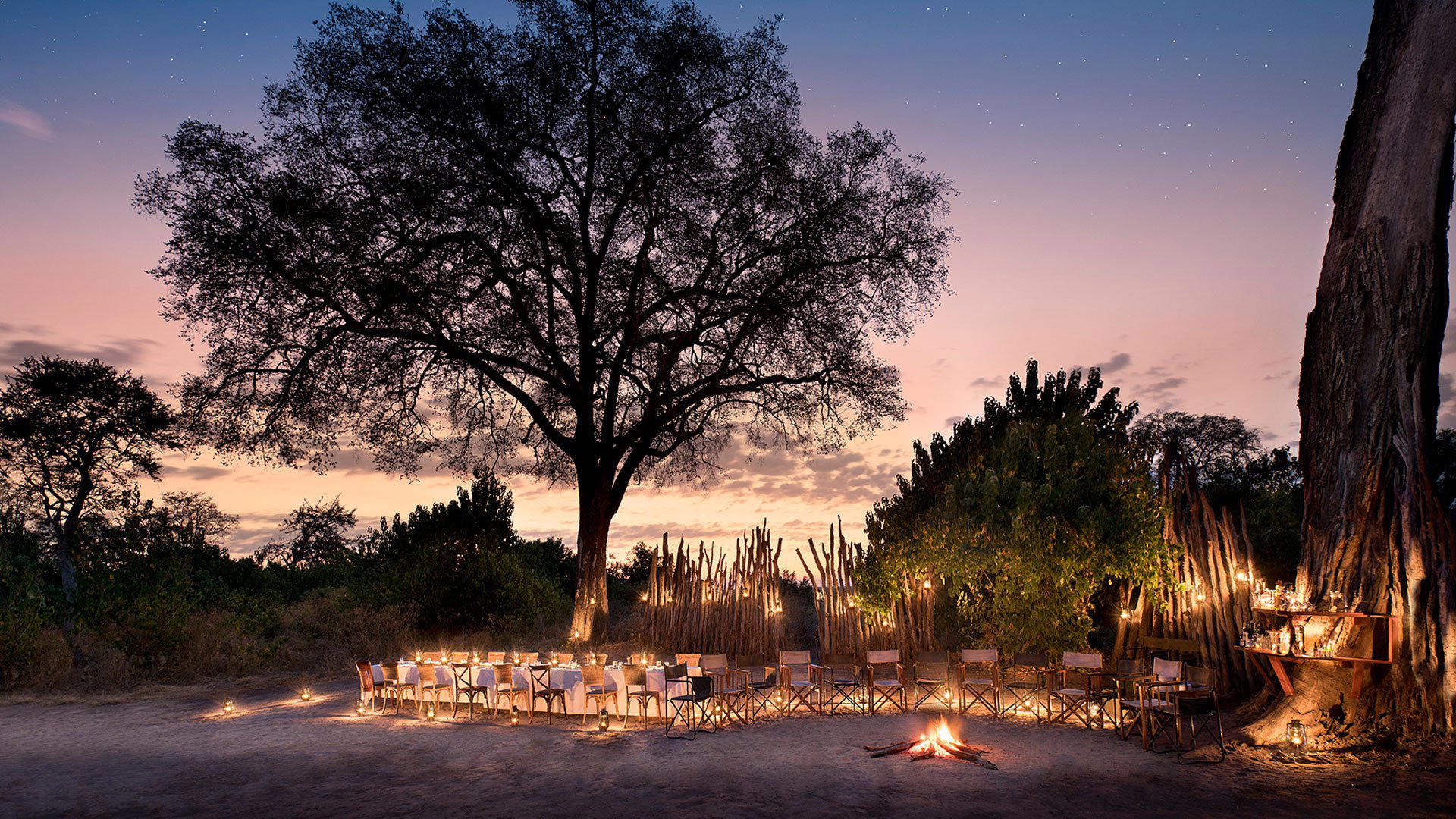
Remote luxury camps have increasingly split between two culinary positions: a generic international hotel model that reassures guests who are anxious about bush cooking, and a more considered approach that reads the local food culture seriously and builds menus from it. Selinda's kitchen sits in the second camp, operating a contemporary African culinary program that sources ingredients from local communities and organic gardens. In a region where supply chains are complicated by distance and access, that sourcing commitment carries operational weight, it is not a marketing line but a constraint that shapes what appears on the menu each evening.
The main lodge anchors the social structure of the stay. A library, wine cellar, and viewing decks overlooking the floodplains create a progression through the day, from the pre-dawn coffee ritual before a game drive to late-afternoon drinks as light drops across the waterway. The camp's spa draws on indigenous Botswanan ingredients, which places it within a broader hospitality trend toward treatments that reference the specific ecology of the region rather than importing generic product lines. Guests comparing this kind of immersive all-inclusive format with urban luxury properties, say, Cheval Blanc Paris or Aman New York, will find that the wilderness camp model replaces the city's network of external restaurants with a single, tightly controlled culinary experience that succeeds or fails on its own terms.
Conservation Architecture: How the Camp Operates Within the Reserve
Botswana's high-value, low-volume tourism model, established at the national policy level, requires camps at the premium end of the market to demonstrate tangible conservation contribution to justify their concession access. Selinda's program includes elephant research partnerships, anti-poaching operations, and community development work that supports local employment and cultural preservation. This is not unusual for northern Botswana's top-tier camps, Jack's Camp in Makgadikgadi Salt Pans operates a similar model across its very different salt-pan ecosystem, but the scale of the Selinda Reserve's wildlife population, particularly its elephant herds, gives the research component here a specificity that goes beyond community contribution boilerplate.
For guests arriving via andBeyond Chobe Under Canvas or Xigera Safari Lodge in Moremi Game Reserve as part of a multi-camp northern Botswana circuit, Selinda's leopard watching reputation and the Zibadianja Lagoon's water-based activities offer a distinct chapter in the itinerary rather than a repetition of the same game-drive format.
Access and Planning
Reaching Selinda requires a private charter flight to the camp's own airstrip, 45 minutes from Maun International Airport or 50 minutes from Kasane. There is no road access that makes practical sense at this distance and terrain, which means the logistics begin in Maun. The GPS coordinates place the camp at -18.6678, 23.2394, within the reserve's interior. For those building a broader Botswana circuit, Belmond Safaris in Maun functions as a useful staging property before the bush transfer, and Zambezi Queen on the Chobe River adds a houseboat format to an itinerary that can otherwise feel uniformly tented-camp in character.
The all-inclusive rate structure at camps of this tier typically covers accommodation, all meals and drinks, twice-daily activities, and in Selinda's case, the mokoro excursions and fishing program. What it does not cover is the charter flight transfer, which adds meaningful cost to any comparison with international urban luxury. Guests planning a first visit to northern Botswana should account for four to five days minimum at this location, the ecosystem rewards time, and the activity program justifies the full stay. EP Club members have rated Selinda at 4.9/5, placing it at the upper end of the northern Botswana camp tier. Our full Maun travel guide covers the regional logistics in detail, including charter operators and seasonal timing by wildlife interest.
The dry season (May through October) concentrates game around permanent water and is the standard recommendation for first-time visitors. The green season (November through April) thins the crowds and produces exceptional birdlife around the lagoon, though floodplain access varies by rainfall year.
Pricing, Compared
Comparable venues nearby, for context on price, style, and recognition.
| Venue | Price | Awards | Notes |
|---|---|---|---|
| Selinda CampThis venue (the venue you are viewing) | $2,500+ | Relais Chateaux Award | Not listed |
| Belmond Safaris | $2,500+ | Virtuoso Luxury Hotel Partner | Ngamiland, Luxury eco-friendly safari tents polished on wooden platforms. |
| Sitatunga Private Island | $2,500+ | Relais Chateaux Award | Duba Concession, Eco-friendly luxury safari camp with understated elegance |
| Duba Plains Camp | Not listed | Relais Chateaux Award · World Travel Awards | Okavango Delta, Classic 1920s African safari tents on raised decks blending seamlessly with the wilderness. |
| Moremi Game Reserve | $1,500–2,500 | La Liste Top Hotels | Moremi Game Reserve, Classic safari tents in a lush green oasis amid abundant wildlife. |
| Duba Concession | Not listed | Relais Chateaux Award · World Travel Awards | Duba Concession, Classic 1920s expedition-style luxury tented camp on raised decks |
Recognition history
Dated appearances from independent guides and award organizations, with the underlying list record or original source where available.
Relais Chateaux Award
Relais Chateaux
Robb Report The 50 Greatest Luxury Hotels on Earth #46
Robb Report
Continue exploring
More in Maun
Hotels in Maun
All hotels in Maun →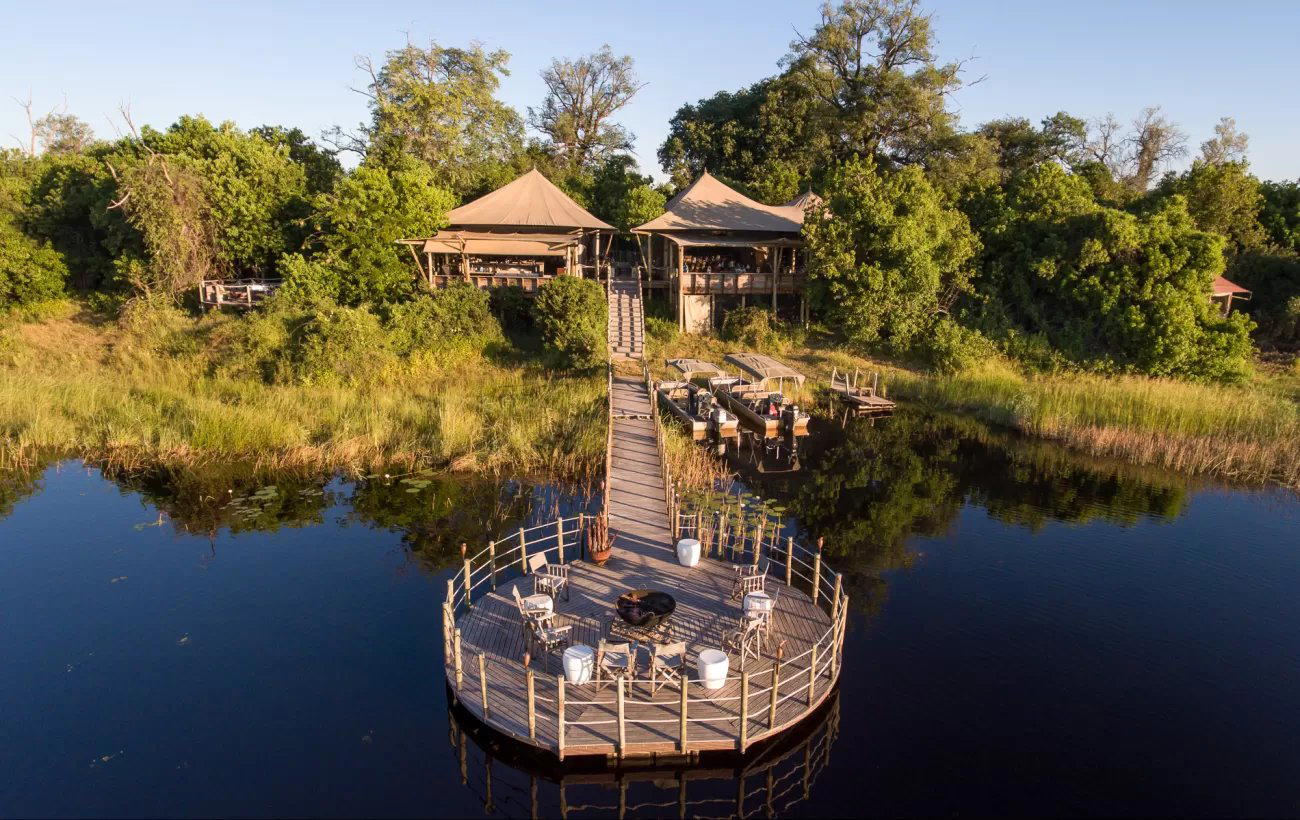
Details
- Romantic
- Scenic
- Elegant
- Intimate
- Sophisticated
- Ornate
- Honeymoon
- Romantic Getaway
- Family Vacation
- Anniversary
- Celebration
- Waterfront
- Private Villa
- Butler Service
- Destination Spa
- Panoramic View
- Private Dining
- Garden
- Wi Fi
- Spa
- Pool
- Room Service
- Laundry Service
- Waterfront
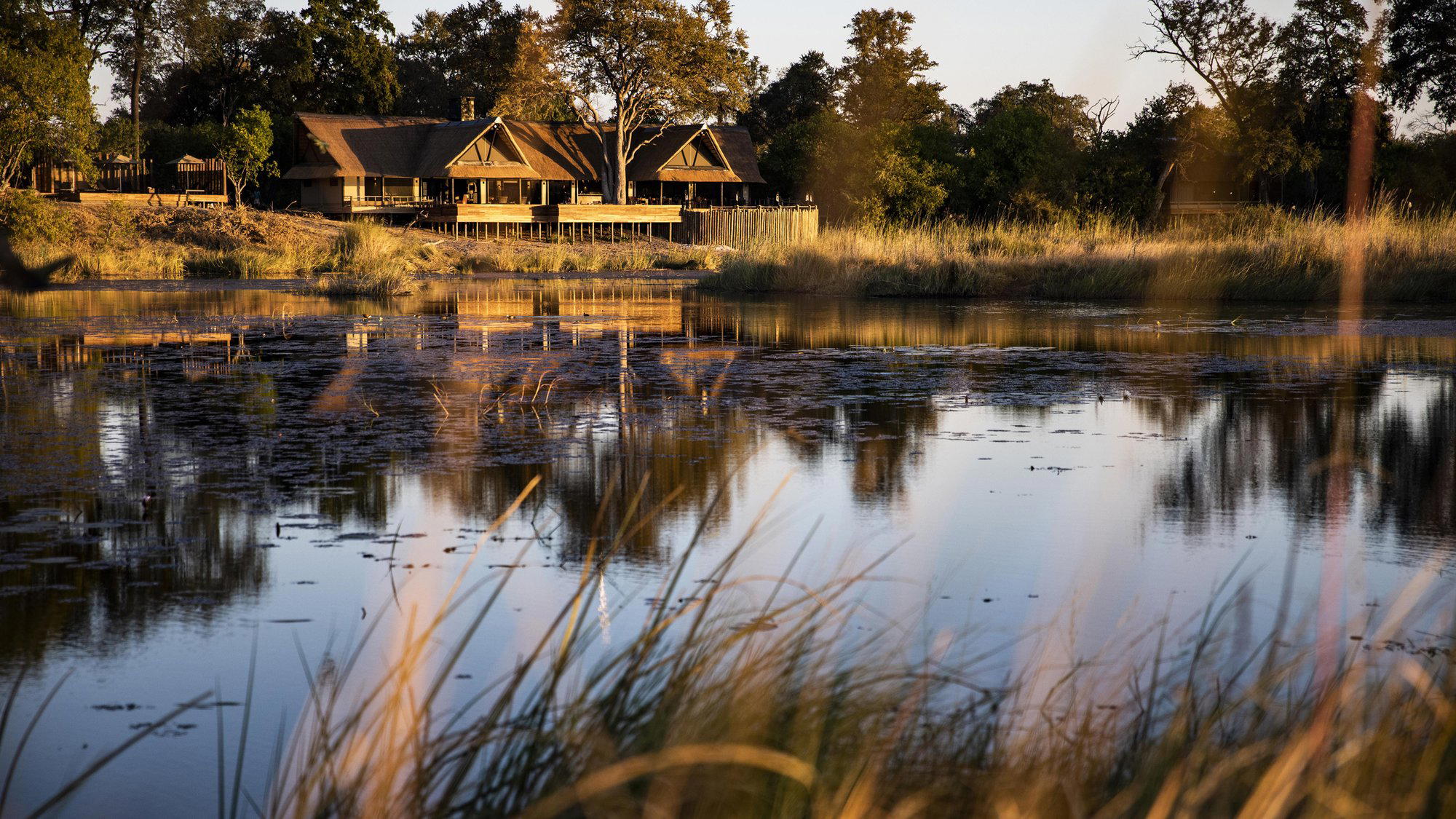
Open-plan main lodge with high-beamed ceilings and traditional thatch roofing creates an airy, sophisticated atmosphere; warm lighting from bronze fixtures and natural light through netted windows; intimate communal spaces with comfortable furnishings overlooking floodplains and channels.