Ames Boston Hotel, Curio Collection by Hilton
The Ames Boston Hotel occupies one of Downtown Crossing's most architecturally significant addresses, a 1893 Richardsonian Romanesque landmark that places guests within walking distance of the Financial District, Government Center, and Boston Common. As part of Hilton's Curio Collection, it sits in a distinct tier between boutique independents and the city's flagship luxury chains, offering a historically grounded alternative for travelers who prioritize location and building character.
- Address
- 1 Court St dorm, Boston, MA 02108
- Phone
- (617) 979-8100
- Directions
- Get directions
A Building That Earns Its Address
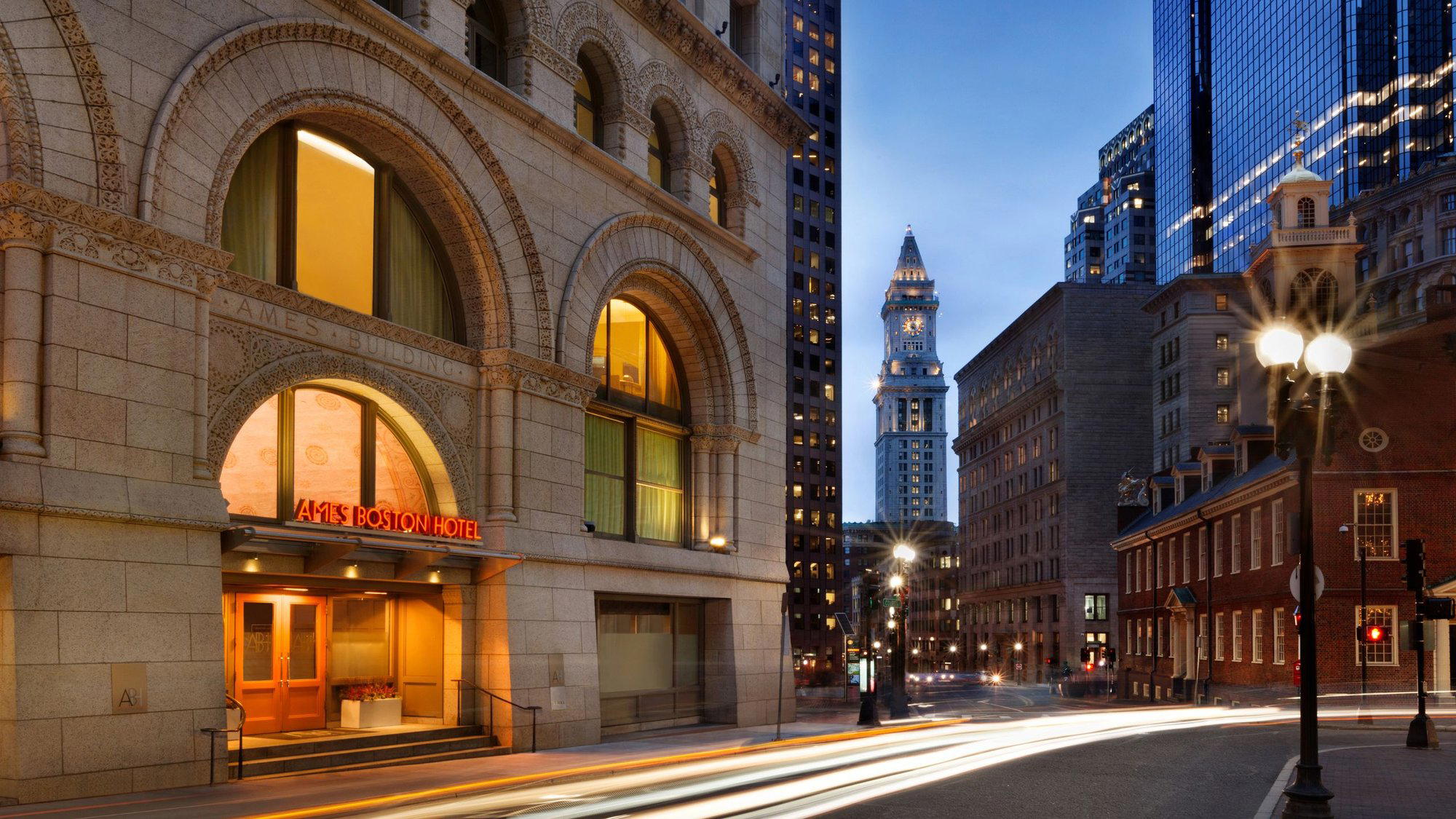
Court Street, at the edge of Boston's Financial District, is not where you'd expect to find a hotel that makes an architectural argument. Most of the city's premium accommodation clusters along the Back Bay corridor, where Raffles Boston and Four Seasons Hotel One Dalton Street occupy purpose-built towers with predictable skyline ambitions. The Ames Boston Hotel operates from a different premise entirely: the 1893 Ames Building, a Richardsonian Romanesque structure that held the title of tallest building in Boston for years after its completion. Walking toward the entrance, the façade reads as a lesson in late-Victorian commercial confidence, with its heavy granite base, arched windows, and the kind of massing that was engineered to project permanence rather than transience.
That physical weight shapes everything about the guest experience before anyone checks in. The building's bones belong to the era when Boston was asserting itself as a financial capital, and the hotel format has to negotiate with that history rather than override it. What results is a property whose architectural identity is more fixed, and arguably more interesting, than most of its downtown peers.
Where Downtown Crossing Fits in Boston's Hotel Hierarchy
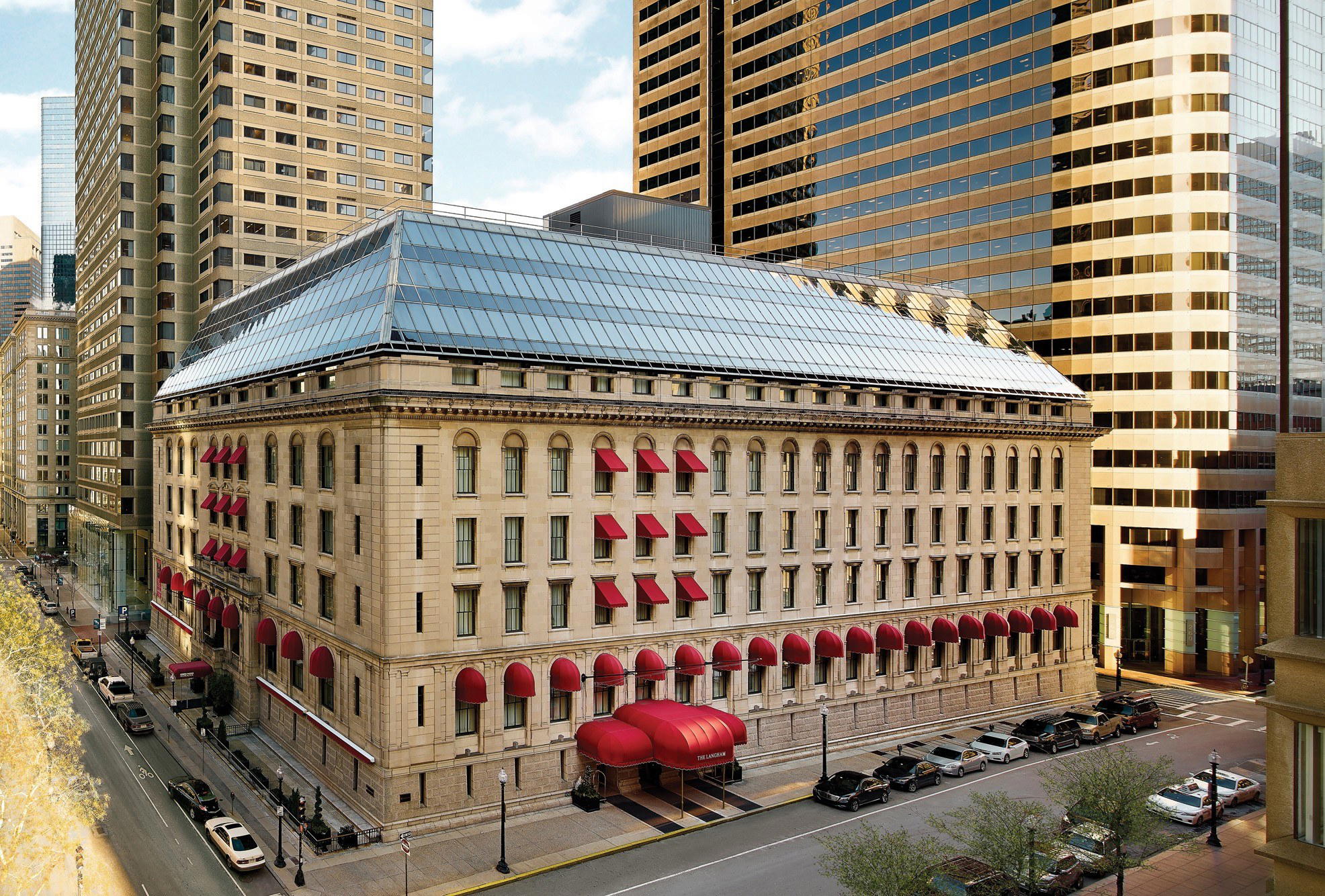
Boston's premium hotel market divides fairly cleanly by neighborhood. The Back Bay captures the largest share of luxury keys, with The Langham Boston and The Newbury Boston anchoring different price tiers along that corridor. Beacon Hill adds a boutique layer with properties like The Whitney Hotel Boston. Downtown Crossing, by contrast, has historically been a retail and transit hub rather than a hospitality destination, which means the Ames operates with less competitive density immediately around it but also without the ambient amenity infrastructure that Back Bay neighborhoods provide.
For guests whose primary business lies in the Financial District or Government Center, that trade-off resolves quickly. The adjacency to State Street, the MBTA's Blue and Orange lines, and the pedestrian axis toward Faneuil Hall represents a logistical case that the Back Bay properties cannot match for that particular traveler. Four Seasons Hotel Boston and Mandarin Oriental Boston sit further from the core business corridor, which matters when early meetings dictate the schedule.
Within the Curio Collection framework, the Ames occupies the position that the brand is designed to hold: a property with a verifiable historical identity that a standard Hilton flag couldn't accommodate. The Curio Collection model relies on existing architectural or cultural credentials rather than constructing them, and the 1893 Ames Building delivers those credentials without any need for retrospective narrative.
The Richardsonian Romanesque Interior Argument
Richardsonian Romanesque, the architectural language Henry Hobson Richardson developed in the late 19th century and which shaped Boston's built character more than almost any other single influence, favors weight, texture, and the deliberate slowing of visual rhythm. Round arches, rough-cut stone, and horizontally banded masonry were Richardson's vocabulary, and the Ames Building applies those principles across its Court Street presence. The style was never about elegance in the Georgian or Federal sense; it was about authority, a quality that translates differently in a hotel context than it does in a courthouse or a library.
Hotels that occupy historic commercial buildings of this period face a consistent tension: how much of the original material character to preserve against the thermal, acoustic, and spatial expectations of contemporary guests. Properties that resolve this well, as the Chicago Athletic Association does in a comparable adaptive reuse context, tend to treat the historic fabric as the primary design asset rather than a constraint to overcome. The Ames operates within that broader category of converted commercial landmarks that carry their century-old structure into the boutique-adjacent tier.
Placing the Ames Against Comparable Historic Conversions
The category of adaptive reuse hotels in American cities is well established but internally varied. At one end sit properties where the historic shell is preserved almost forensically while contemporary hospitality infrastructure is threaded through without compromising the original character. At the other end, the historic building becomes little more than a marketing backdrop. The more considered examples, including Troutbeck in Amenia or, at a different scale, SingleThread Farm Inn in Healdsburg, demonstrate that historic authenticity and operational quality can reinforce each other when the conversion is handled with discipline.
For Boston specifically, the Ames sits in a niche that the city's newer luxury properties cannot occupy by definition. Raffles Boston opened in a newly constructed tower; its design identity is contemporary. The Ames' identity is fixed in 1893, which is either a limitation or a distinguishing asset depending on what a given traveler is looking for.
Planning a Stay: What to Know Before Booking
Downtown Crossing's position at the intersection of the Red, Orange, and Silver lines at Downtown Crossing station, and within a short walk of the Blue and Green lines at Government Center, makes the Ames one of Boston's more transit-connected hotel addresses. For guests arriving via South Station from Logan Airport on the Silver Line, the hotel is reachable without a taxi, which is a practical detail worth noting given Boston's airport transfer costs. Battery Wharf Hotel Boston Waterfront offers a different arrival geography for those prioritizing the harbor, but the Ames' central position covers more of the city's core itinerary with less ground transportation.
Boston's hotel market tightens significantly around major university events, the Boston Marathon in April, and the fall foliage period from late September through October. For those travel windows, advance booking across the city's hotel tier is advisable regardless of property. The Ames' Financial District location means it also tracks corporate demand cycles, with midweek occupancy in September through November running at higher pressure than summer leisure periods.
For a broader read on where the Ames sits within Boston's dining and hospitality scene, our full Boston restaurants guide maps the city's key neighborhoods and what each delivers. Travelers comparing the Ames against other American historic conversions might also reference Aman New York or The Fifth Avenue Hotel in New York City for a sense of how the category performs at different investment levels.
How It Stacks Up
| Venue | Price | Awards |
|---|---|---|
| Ames Boston Hotel, Curio Collection by HiltonThis venue — the venue you are viewing | Not listed | Not listed |
| Raffles Boston | Not listed | 2 Michelin Keys · La Liste Top Hotels |
| Four Seasons Hotel One Dalton Street, Boston | $750–1,000 | 1 Michelin Key · Michelin Guide New Hotels New Hotel |
| Four Seasons Hotel Boston | Not listed | 1 Michelin Key · La Liste Top Hotels |
| Fairmont Copley Plaza | Not listed | Forbes Recommended |
| InterContinental Boston | Not listed | Michelin Selected · Forbes Recommended |
Continue exploring
More in Boston
Hotels in Boston
Browse all →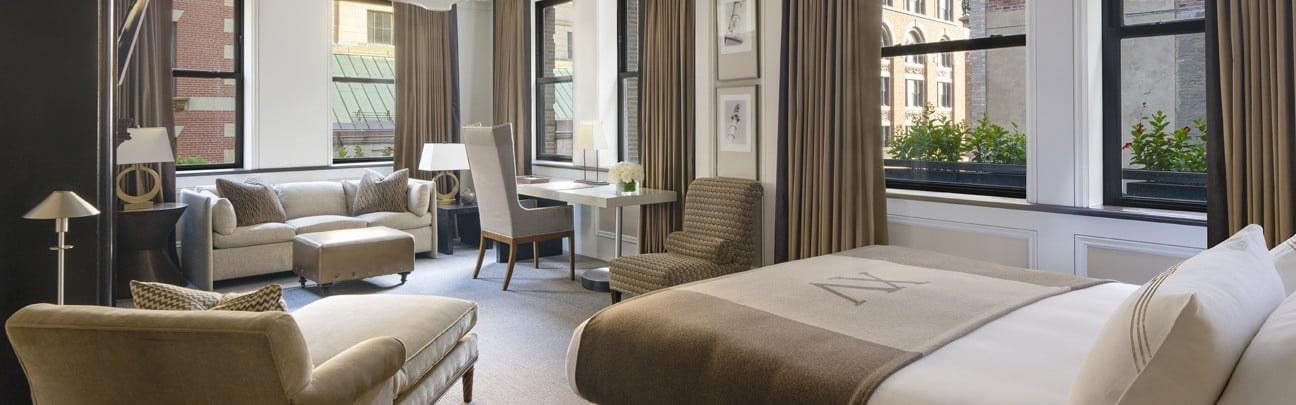
Bars in Boston
Browse all →
Restaurants in Boston
Browse all →
Wineries in Boston
Browse all →

Details
- Modern
- Sophisticated
- Elegant
- Business Trip
- Romantic Getaway
- Weekend Escape
- Historic Building
- Design Destination
- Wi Fi
- Fitness Center
- Concierge
- Room Service
- Business Center
- Valet Parking
- Street Scene
- Elevator
Sophisticated atmosphere with natural light from grand windows, high ceilings, light oak floors, and a mix of old-world elegance and contemporary sleekness in the lobby and rooms.