Ballymaloe House Hotel is a member of Small Luxury Hotels of the World, set on a working farm in Shanagarry, East Cork. The property has defined Irish country house hospitality for decades, with a food programme rooted in the surrounding farmland and the broader Ballymaloe culinary tradition that extends to the nearby Cookery School. It occupies a distinct tier among Cork's country properties.

Pearl is the En Primeur Club membership app, where members save venues, book tables and use the concierge.
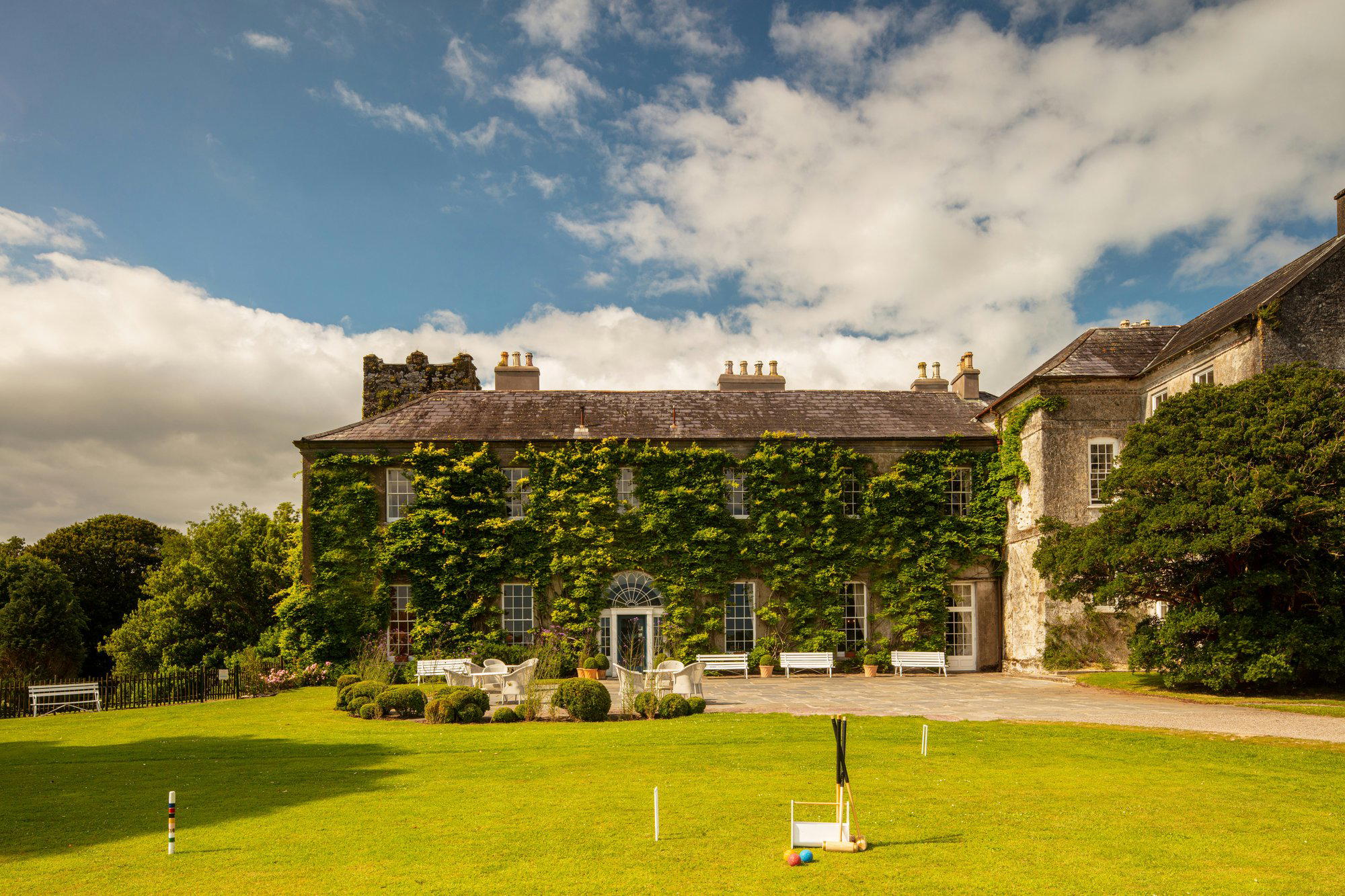
East Cork's Farm-Rooted Country House
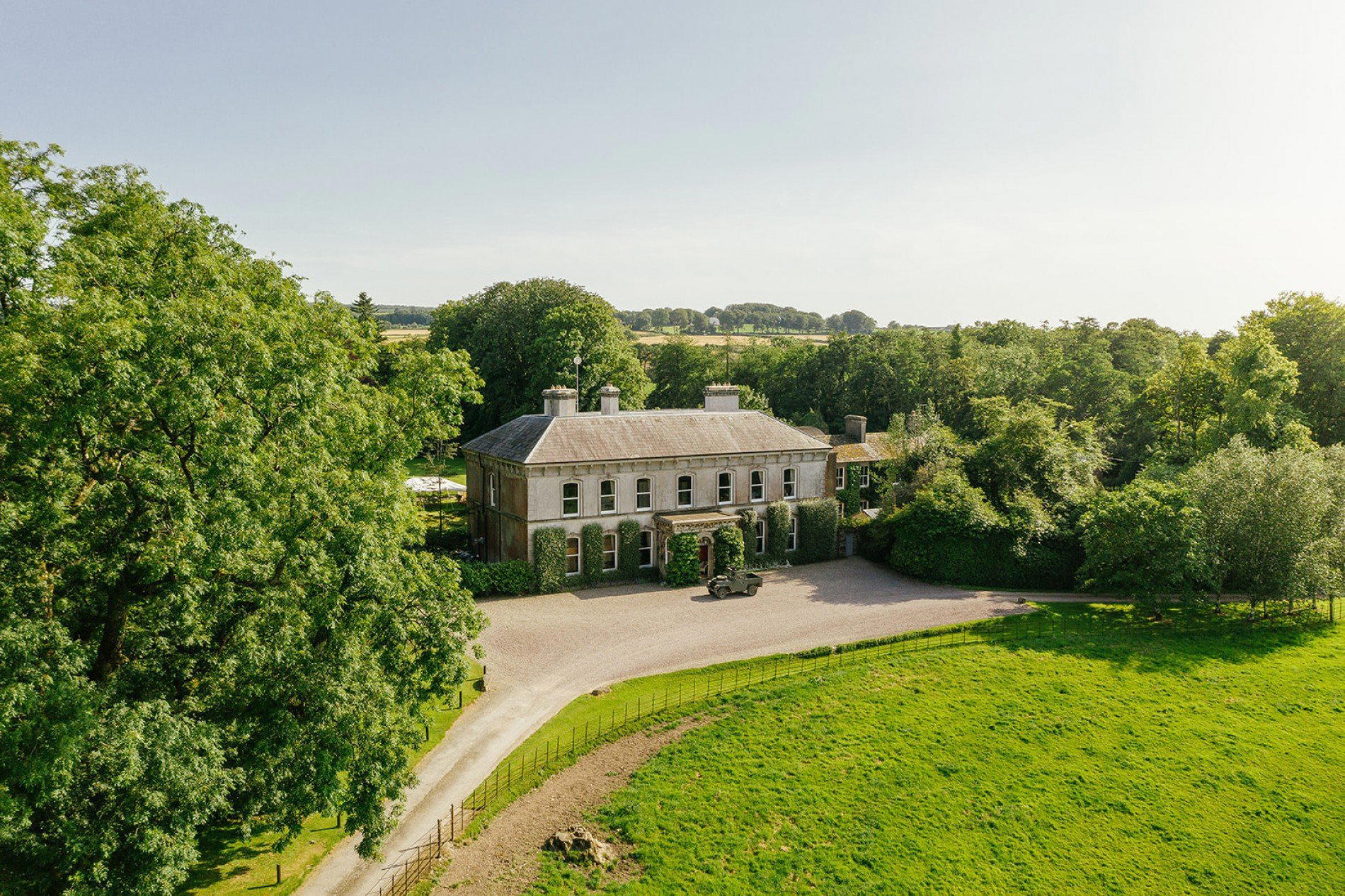
East Cork has a particular kind of countryside: low-lighted, hedge-lined, and oriented toward the sea at Ballycotton. The farms here have fed some of the most discussed kitchens in Ireland for the better part of half a century. Arriving at Ballymaloe House means passing through working agricultural land before the Georgian farmhouse comes into view, and that sequence is not incidental. The setting signals what the property is about before you step through the door.
Ballymaloe House is a member of Small Luxury Hotels of the World, a collection that places it alongside properties selected on criteria of size, independence, and service standard rather than chain affiliation. Within Ireland's country house tier, that positioning matters: it separates Ballymaloe from the large-estate resort model represented by properties such as Castlemartyr Resort or Fota Island Resort, and places it closer to independently operated houses where the character of the family ownership defines the guest experience.
A Dining Programme Built on Provenance
The food programme at Ballymaloe is inseparable from its agricultural context. The house sits within a broader Ballymaloe enterprise that includes a farm supplying produce directly to the kitchen and, separately, the Ballymaloe Cookery School in nearby Shanagarry, which has trained professional and amateur cooks from around the world since the 1980s. That school-to-table lineage gives the dining here a credibility that marketing language cannot manufacture: the sourcing structures are real, traceable, and predating the fashionable localism of contemporary restaurant culture by several decades.
In the wider Irish context, Ballymaloe occupies a foundational position in the country's food story. The late Myrtle Allen, who established the restaurant at Ballymaloe in the 1960s, is credited by food historians as a central figure in defining what Irish cooking could be when it drew on its own larder rather than imported European templates. That historical weight shapes how the property is discussed in food media and why it appears in reference conversations about Irish dining that have nothing to do with hotel classification.
The dining format, consistent with the country house model, centres on set menus that reflect what the farm and local suppliers are producing at a given time. Guests eating here are not selecting from a static a la carte menu; the programme moves with seasonal availability. Among Cork's hotel dining options, this approach is less common than the broader hotel restaurant model seen at city properties like Hayfield Manor or The Kingsley Hotel, where menus operate on more conventional restaurant logic.
The Country House Format in the Irish Context
Ireland's country house hotel category has split over the past two decades into large-scale resort properties and smaller, family-run houses. Ballymaloe belongs firmly to the latter grouping. The guest count is limited by the house's size, the atmosphere is informal relative to the formal drawing rooms of grander estate hotels, and the tempo of a stay here is defined by the land, the meal times, and the gardens rather than by spa facilities or golf courses.
That model has a direct comparison set in Ireland. Ballyfin in Laois operates at the ultra-luxury end of the intimate Irish country house format, with high price points and a focus on interior splendour. Ballyvolane House in Castlelyons, also in Cork, sits closer to Ballymaloe in spirit: small, family-run, and oriented toward food and landscape. Parknasilla Resort and Spa in Kerry represents the larger-format coastal property that attracts a different type of stay. Knowing which model fits your expectations is the more useful question than any ranking of the properties against each other.
These are formal estate properties operating at a different scale and price tier. Ballymaloe does not compete with them on grandeur; it competes on food provenance, intimacy, and the specificity of its East Cork setting.
Cork's Hotel Market in Context
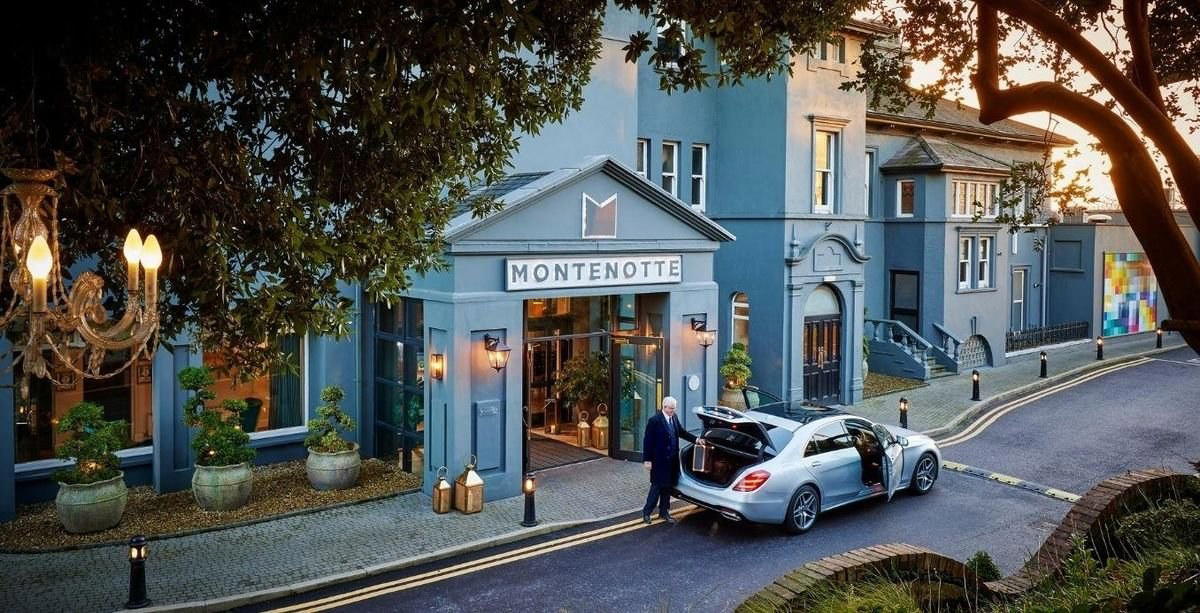
Within Cork city, the hotel options run from the design-forward Montenotte with its hillside views to the central-location efficiency of Clayton Hotel Cork City and the heritage presence of The Imperial Hotel and Spa. Ballymaloe is not a city hotel and does not function as one. The drive from Cork city to Shanagarry takes approximately forty-five minutes, which means a stay here involves a deliberate commitment to the East Cork countryside rather than proximity to the city's restaurants, the English Market, or the cultural venues of Leeside.
For guests whose primary interest is the city, properties like Hotel Isaacs Cork or the Montenotte provide better access to Cork's food and arts scene. Ballymaloe is the choice when the farmhouse, the kitchen garden, and the food programme are themselves the destination. See our full Cork restaurants guide for the broader dining context across the county.
Among Ireland's independently operated smaller properties, a useful parallel outside Munster is Number 31 in Dublin, which similarly operates as a characterful, family-scaled alternative to the city's larger hotel offerings, though without Ballymaloe's agricultural and culinary identity. At the upper end of independent Irish hospitality globally, comparisons sometimes extend to properties like Aman Venice or The Fifth Avenue Hotel in New York City in terms of the SLH affiliation grouping, though the positioning and price architecture are entirely different.
Planning a Stay
Ballymaloe House operates on a house-party model that rewards guests who stay for more than one night. A single night makes it harder to absorb the rhythm of the place: the kitchen garden walk before breakfast, the meal pacing, the particular quiet of the East Cork farmland in the evening. Two or three nights is the more considered booking. The property is well-positioned for day trips to Midleton, Cobh, and the Ballymaloe Cookery School itself, which runs public tours and courses that can be booked alongside accommodation. Other estate properties in the region, including Castle Leslie Estate in Glaslough and Ballynahinch Castle in Recess, offer comparison points for the Irish country estate format in other provinces, but the East Cork agricultural setting is specific to Ballymaloe in a way that does not translate directly to other regions.
Booking directly through the property or via the SLH platform is the standard approach; given the limited room count, peak summer dates and weekends around the Cork food calendar fill early. Guests should confirm dining arrangements at time of booking, as the restaurant operates for house guests and the format is integral to the stay rather than optional.
Budget Reality Check
| Venue | Price | Awards |
|---|---|---|
| Ballymaloe House Hotel, an SLH HotelThis venue (the venue you are viewing) | Not listed | Not listed |
| Hayfield Manor | Not listed | Michelin Selected · La Liste Top Hotels |
| Castlemartyr Resort | Not listed | 1 Michelin Key · Virtuoso Luxury Hotel Partner |
| The Montenotte | $200–300 | Michelin Selected · Small Luxury Hotels of the World Member |
| The River Lee | Not listed | Michelin Selected · Star Wine List |
Continue exploring
More in Cork
Hotels in Cork
All hotels in Cork →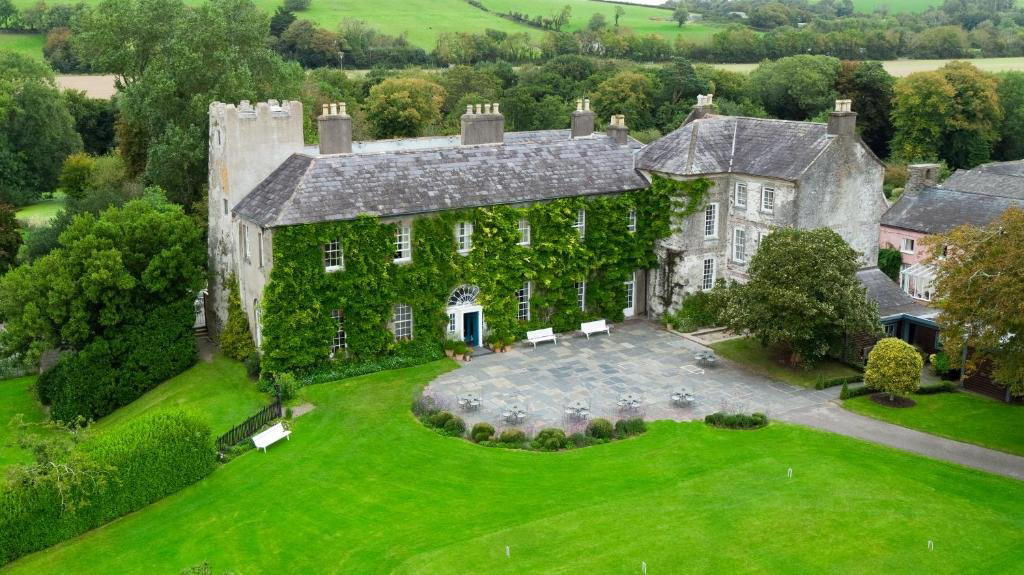
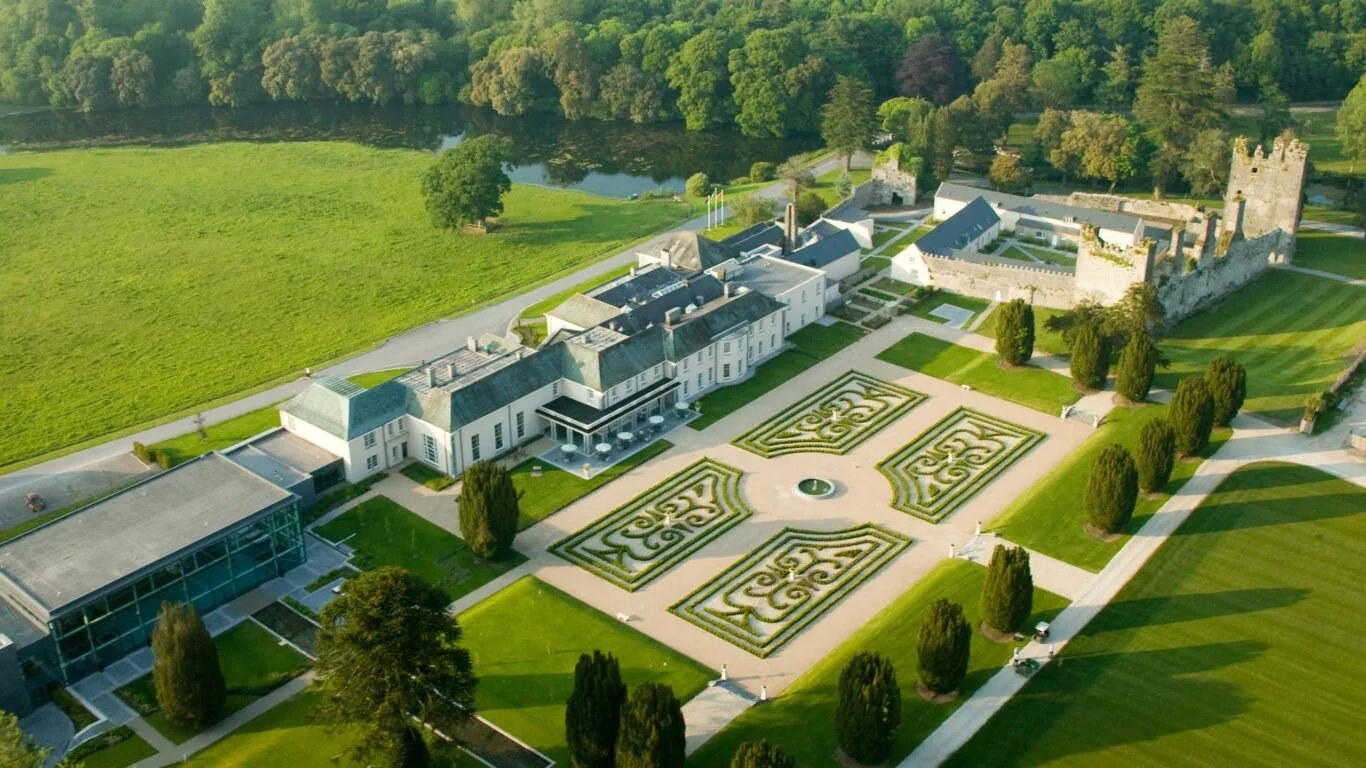
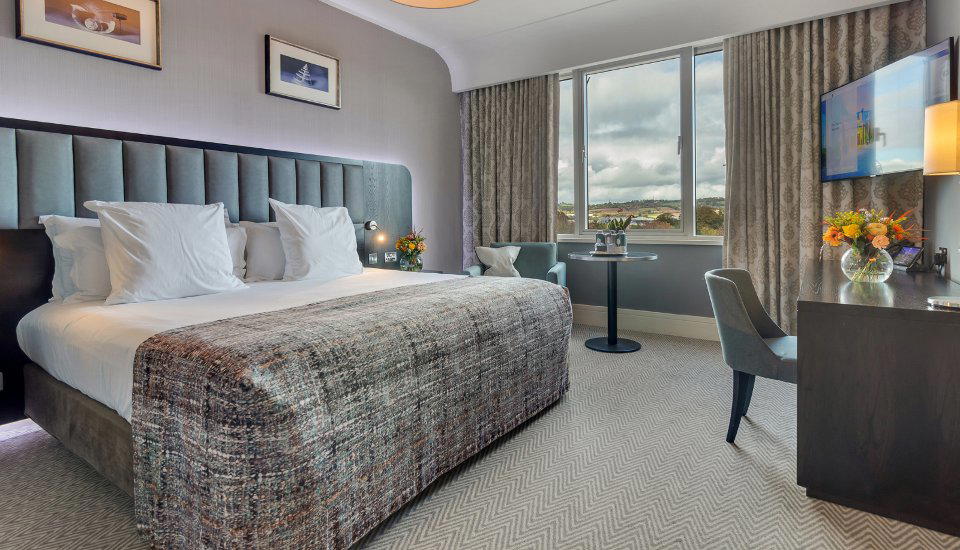
Bars in Cork
All bars in Cork →
Restaurants in Cork
All restaurants in Cork →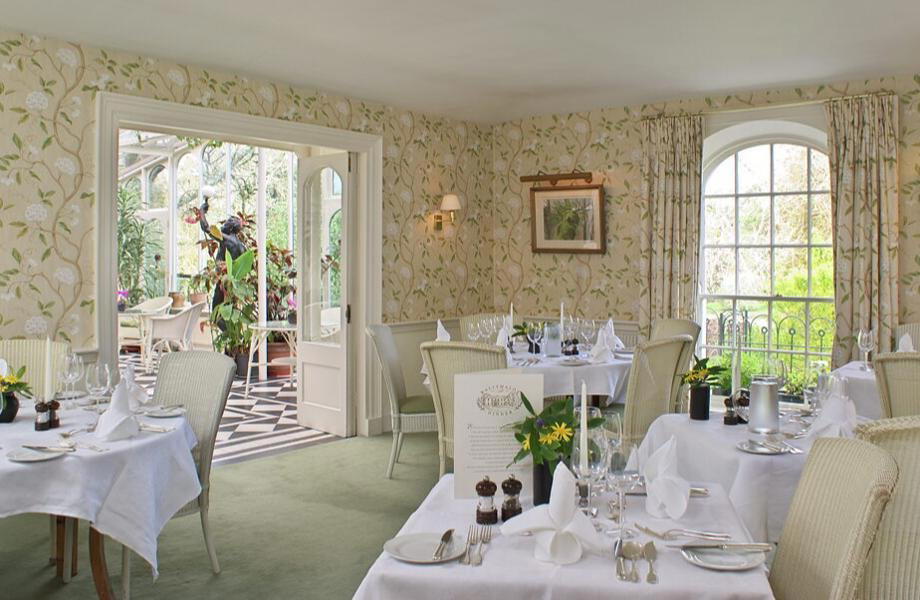

Details
- Romantic
- Cozy
- Elegant
- Classic
- Scenic
- Romantic Getaway
- Weekend Escape
- Anniversary
- Garden
- Historic Building
- Pool
- Tennis Court
- Wi Fi
- Restaurant
- Room Service
- Garden
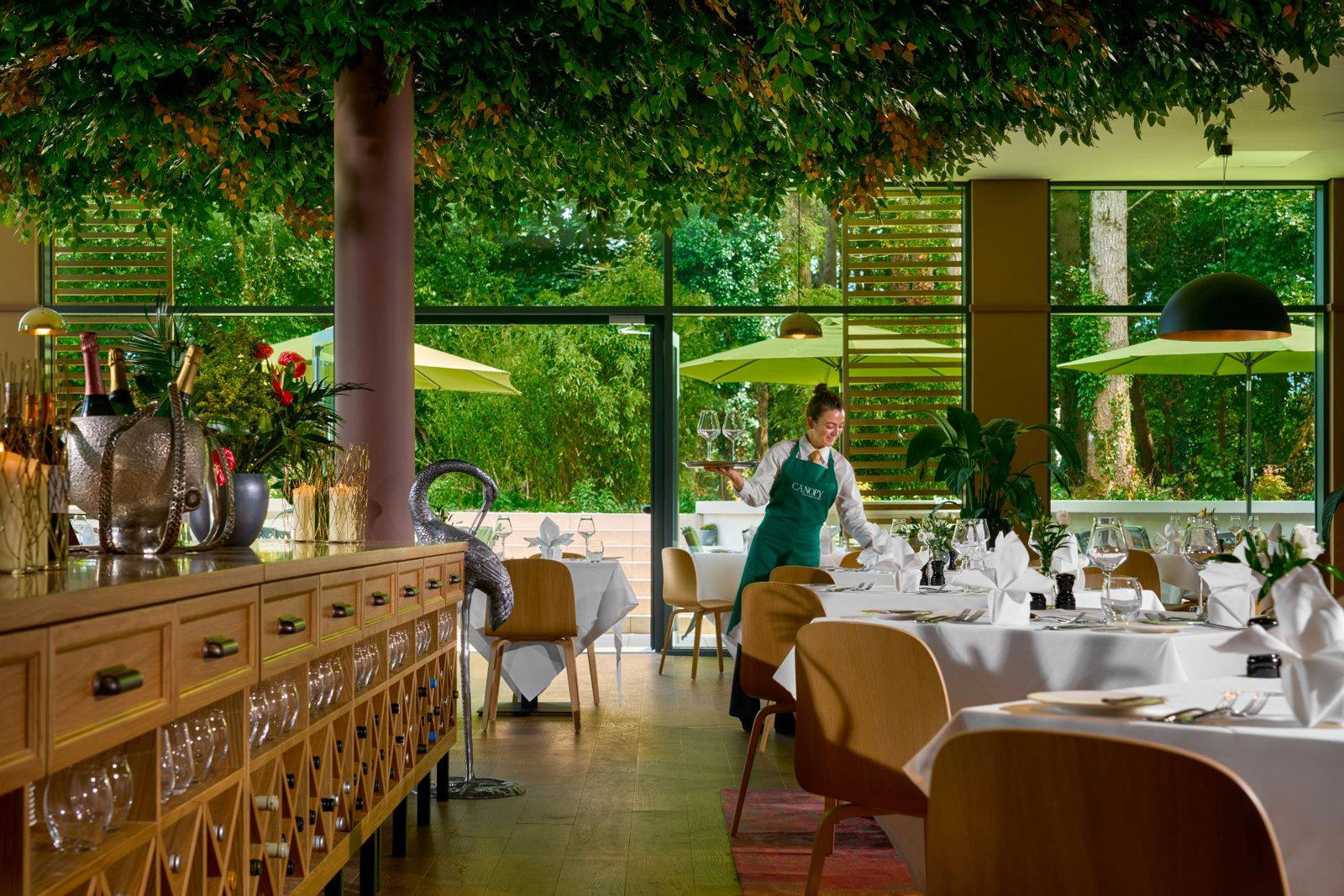
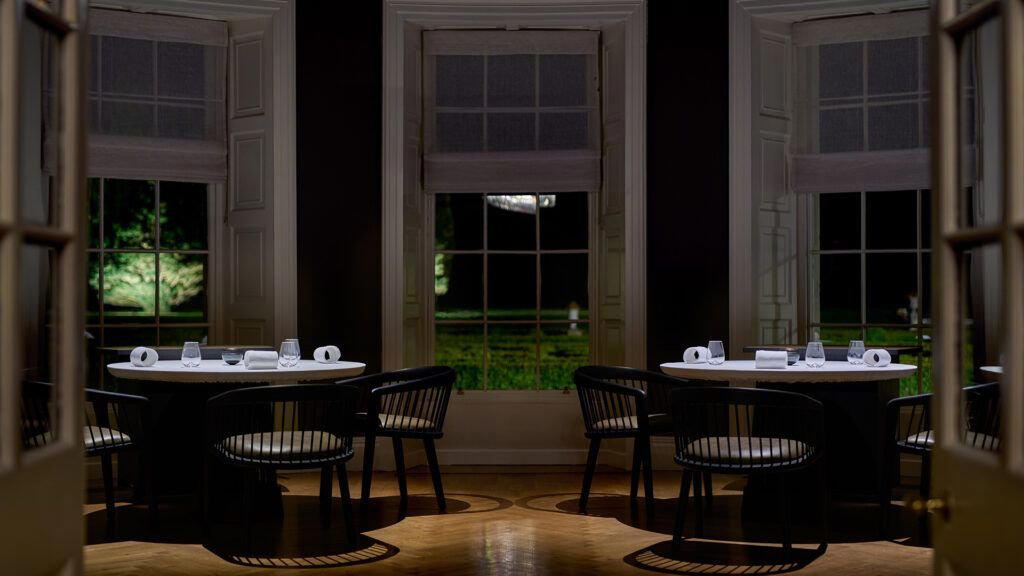
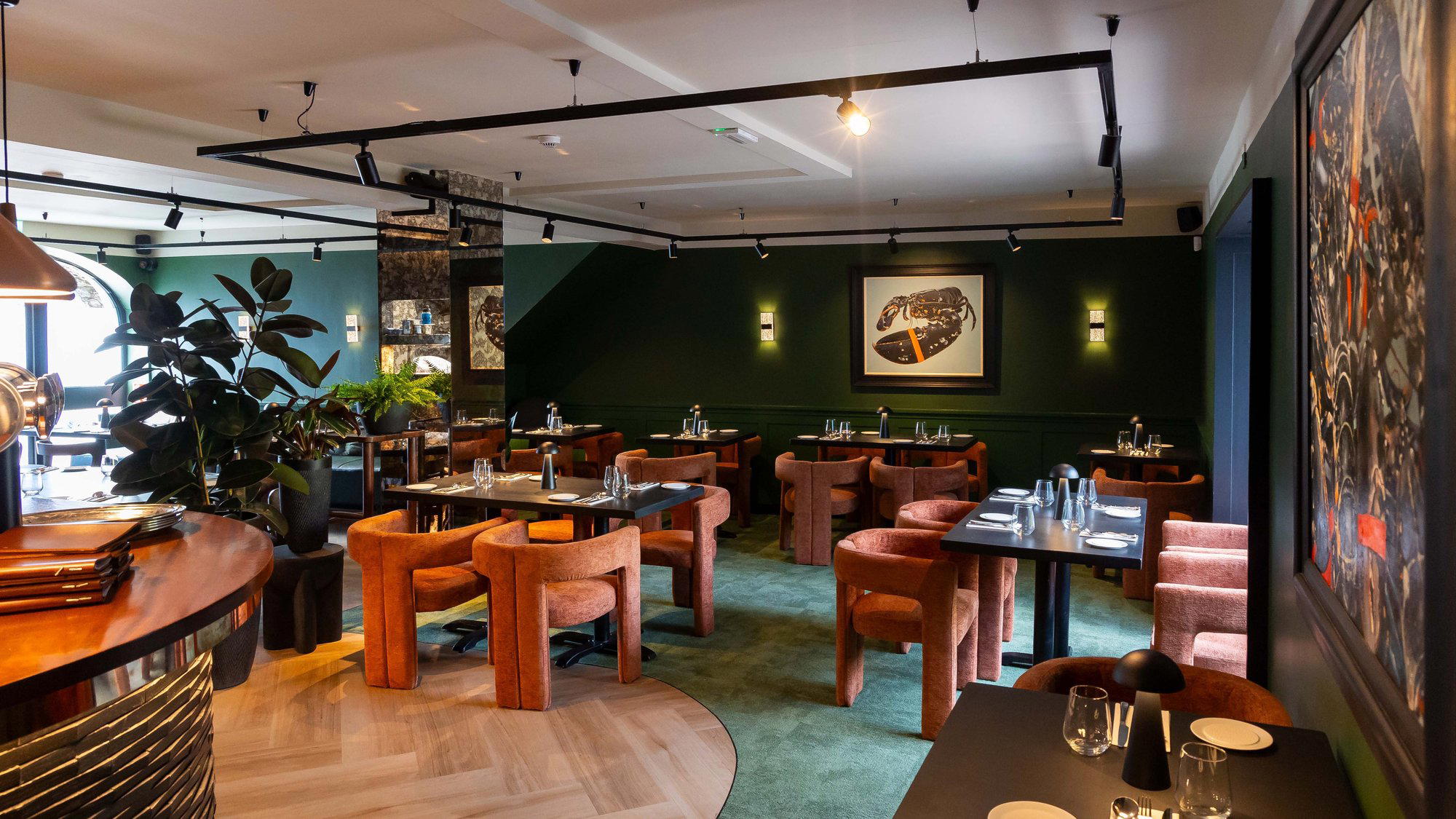
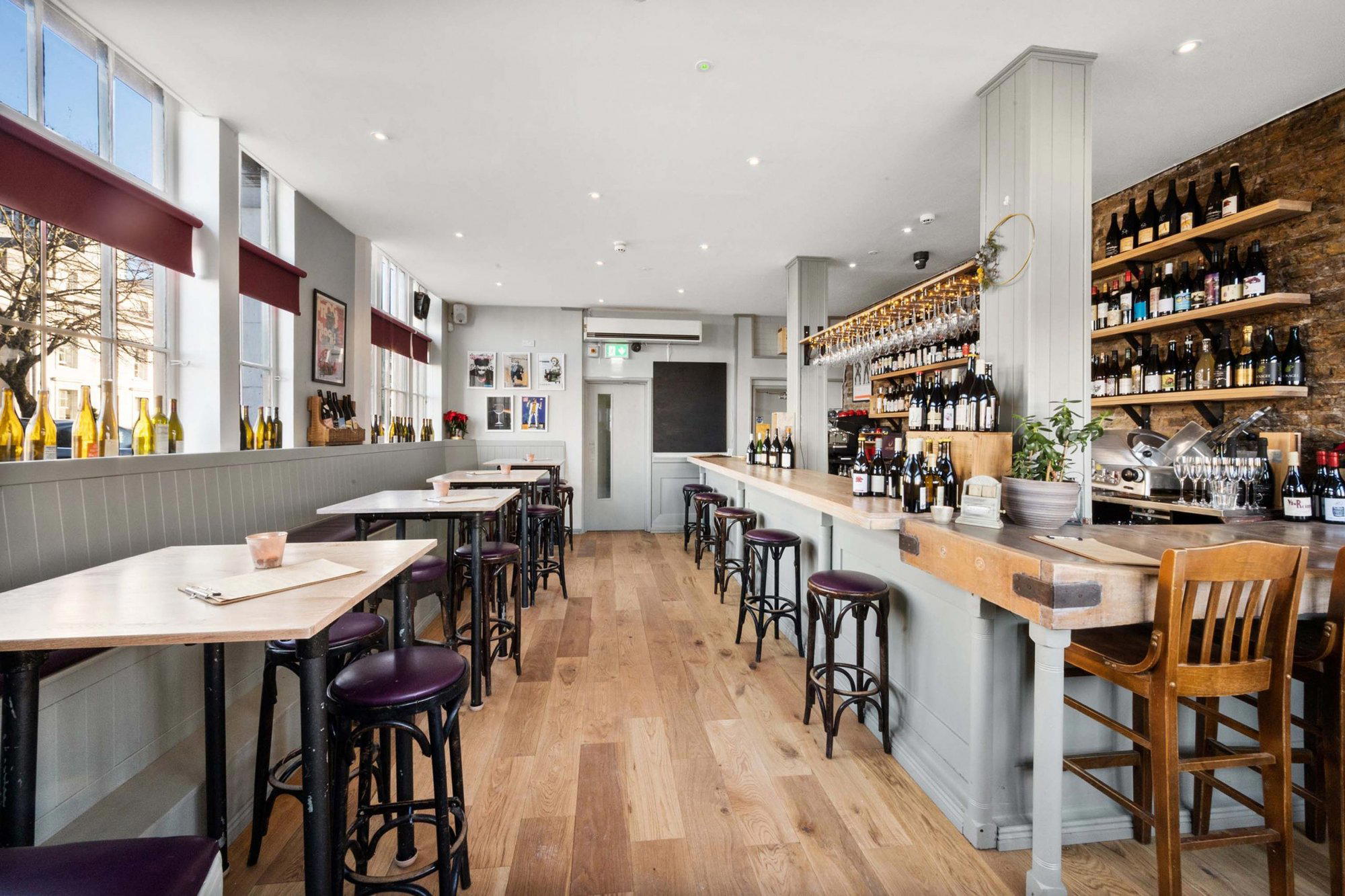
Warm and cozy like staying in a friend's charming country home, with vintage furniture, historical portraits, bright hand-painted wallpapers, and natural light.