Ballymaloe House

The Sunday Times Ireland’s 100 Best Restaurants
Our verdict
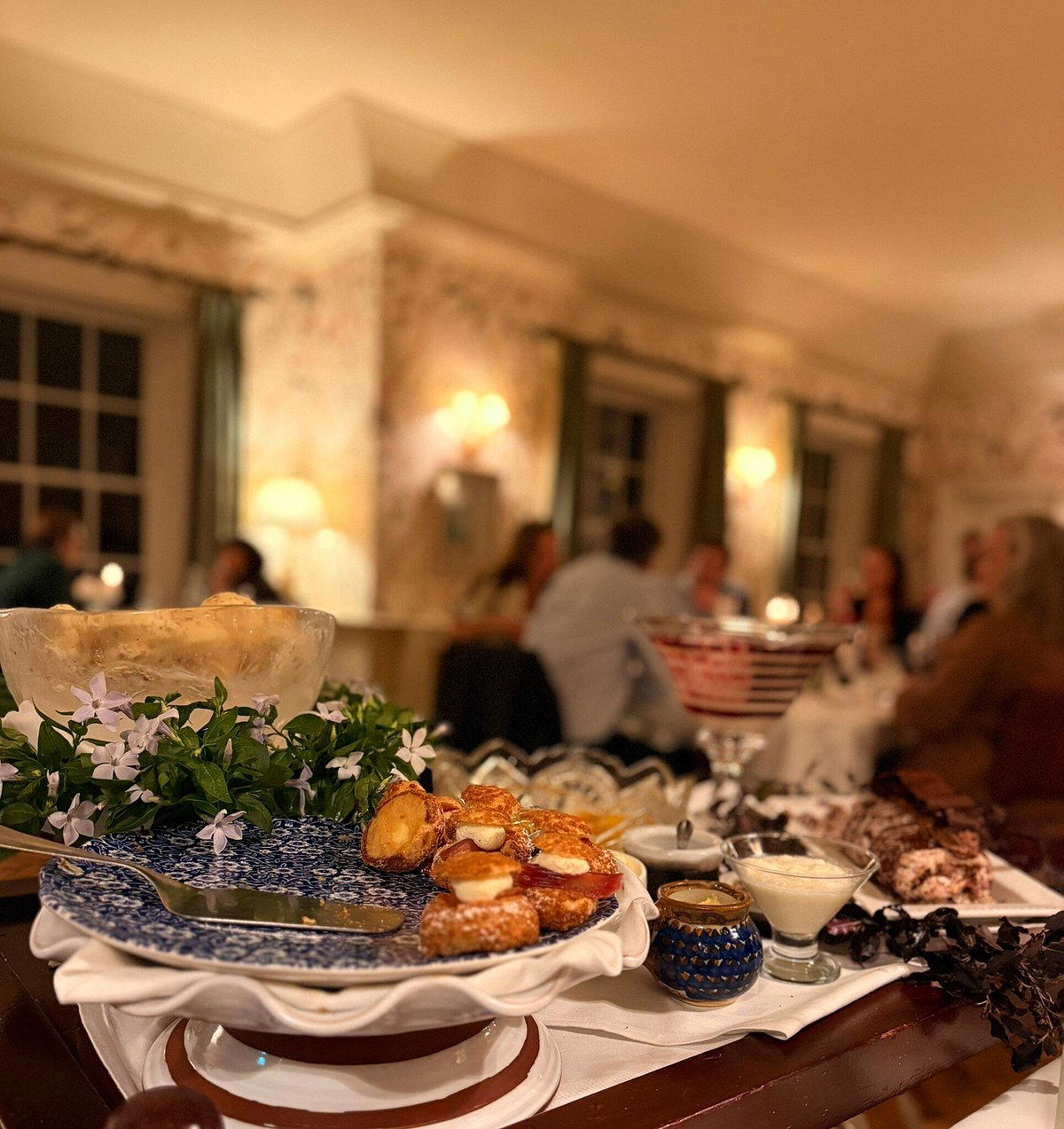
Ballymaloe House in Shanagarry, County Cork, has shaped Irish food culture since Myrtle Allen opened her dining room in 1964. More than six decades on, the kitchen holds to the same framework: local sourcing, seasonal produce, and cooking that follows the logic of the land. JR Ryall's celebrated dessert trolley remains one of the most talked-about rituals in Irish dining.

Pearl is the En Primeur Club membership app, where members save venues, book tables and use the concierge.
The menu
What to order
- Dessert Trolley
- Day Boat Lobster Salad
- Frank Murphy Sirloin & Fillet
Where Irish Food Culture Has Its Roots
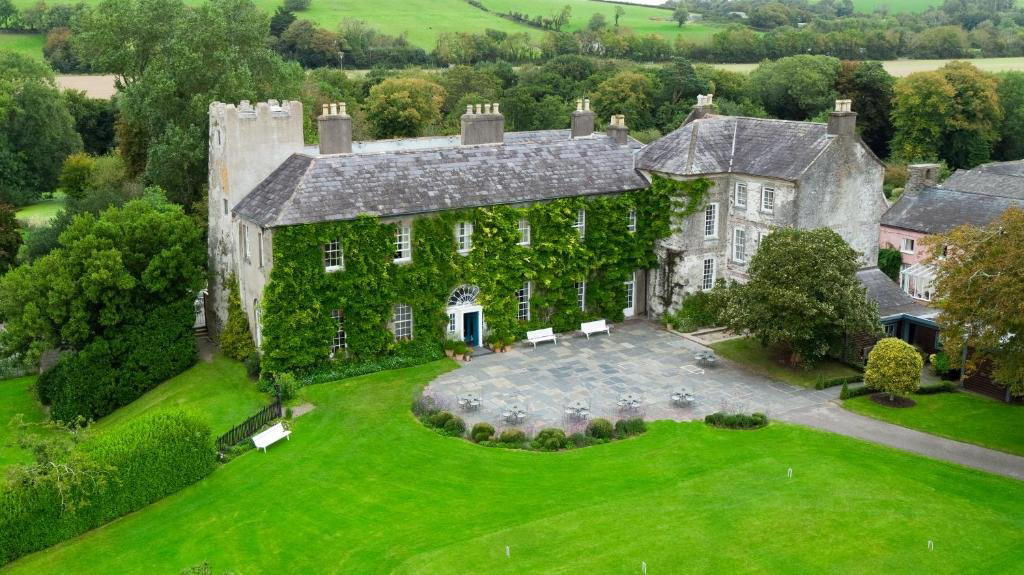
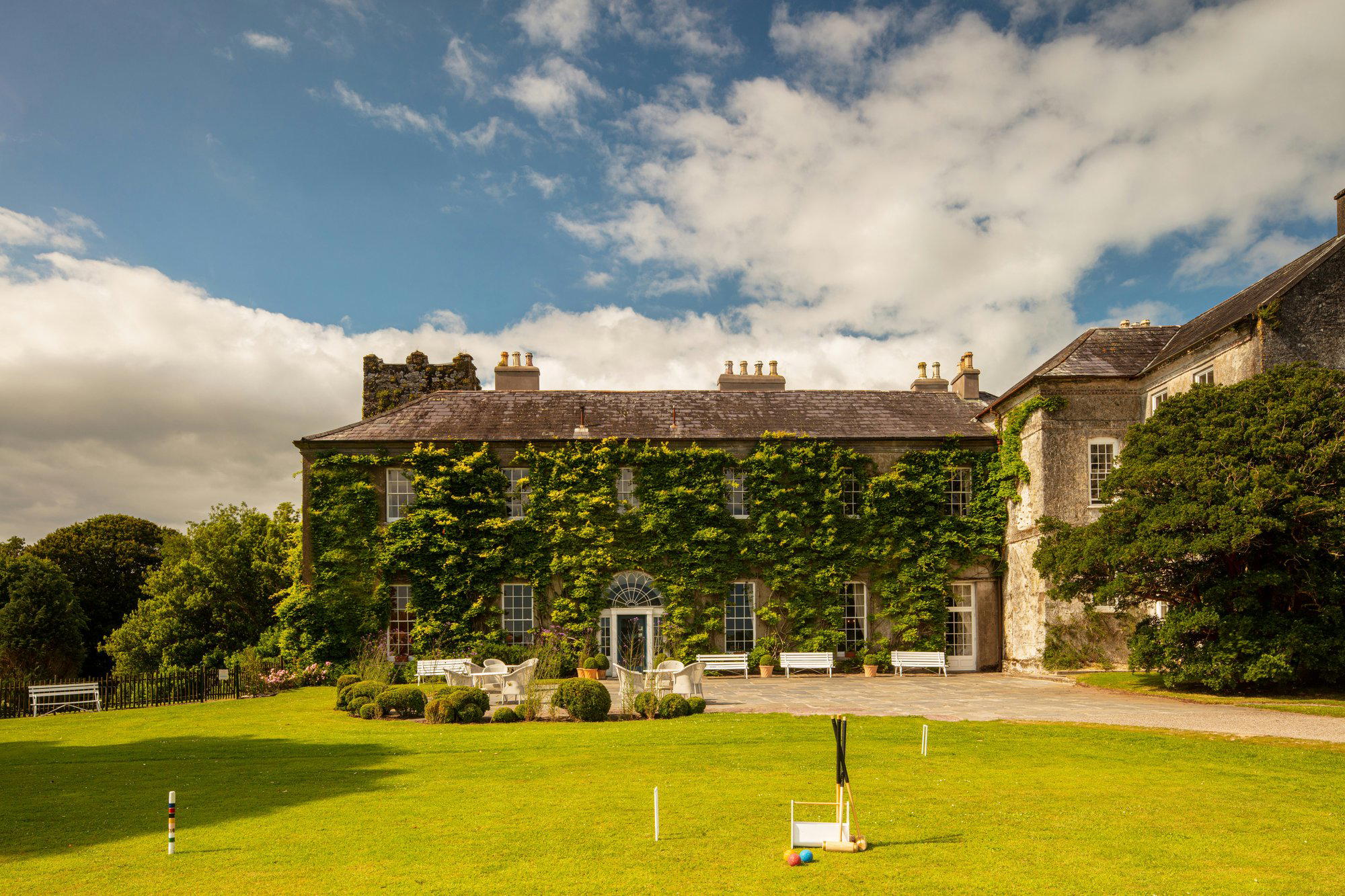
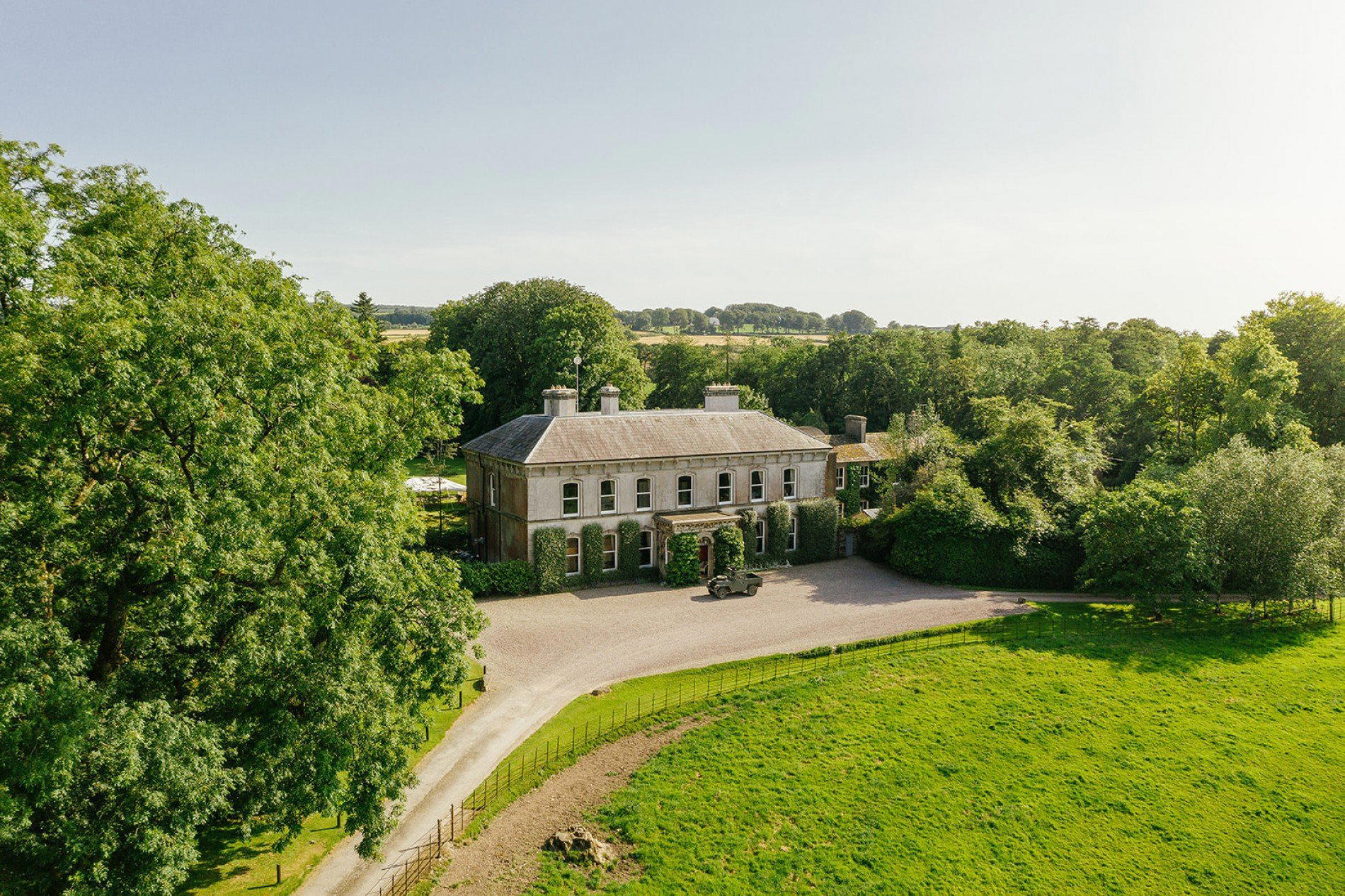
Drive east from Cork city into the flat farmland of East Cork and the approach to Shanagarry feels deliberately unhurried. The land here is soft, green, and productive in ways that reward attention. Ballymaloe House sits within this agricultural belt not as a retreat from it but as a direct expression of it. The Georgian farmhouse, surrounded by working land, sets its terms before you've crossed the threshold: this is a place where what happens outside the kitchen determines what happens inside it.
That relationship between land and table is not a recent rebranding. When Myrtle Allen opened her dining room to guests in 1964, she was operating from a direct premise: cook what the farm and the surrounding area produce, cook it well, and let the ingredients carry the weight. That premise has since become the philosophical backbone of an entire generation of Irish cooking. The restaurants now shaping modern Irish cuisine, from Aniar in Galway to Chestnut in Ballydehob to dede in Baltimore, trace some portion of their intellectual lineage back to what Myrtle Allen was doing in East Cork decades before those kitchens existed.
The Sourcing Framework That Predates the Trend
Farm-to-table dining has become a standard marketing position across the industry, which makes it easy to miss how different the Ballymaloe model is from most of what claims that label. The produce arriving in the Ballymaloe kitchen comes from the surrounding estate and from a network of local suppliers built over decades, not assembled to meet a contemporary talking point. East Cork's agricultural output is genuinely strong: the soil and climate support quality dairy, vegetables, and livestock that restaurants in the Michelin tier, from Terre in Castlemartyr to Liath in Blackrock, now actively source from the region.
The distinction at Ballymaloe is temporal. The supply relationships here predate the current interest in provenance by decades. Where many kitchens have recently built sourcing programs to align with diner expectations, Ballymaloe's sourcing is structural rather than performative. The cooking follows the season not as a marketing calendar but because the kitchen has always been oriented around what is available rather than what the menu dictates.
This has practical implications for what arrives at the table. Menus shift with the season in the way that a farm-dependent kitchen must, which means there is no permanent menu to study in advance. What you eat reflects the week, the weather, and what the surrounding land is producing at the time of your visit. That variability, which would be a weakness in a different context, is precisely the point here.
The Dessert Trolley as Cultural Artefact
In a dining culture that has broadly moved toward minimalist plating and individual dessert courses delivered by a single kitchen pass, Ballymaloe's dessert trolley operates on different logic entirely. JR Ryall's trolley is one of the few ritual elements in Irish dining that generates genuine word of mouth across the industry. Pastry professionals who visit Ballymaloe discuss it in terms that are less about technique and more about the accumulated weight of the tradition it represents.
The trolley format is an inherently generous and somewhat theatrical act: a procession of desserts presented tableside, inviting selection rather than prescription. It is old-fashioned in the leading possible sense, meaning it prioritises the diner's pleasure over the kitchen's control of the narrative. In the current context, where tasting menus at Chapter One in Dublin or Bastion in Kinsale move diners through a fixed sequence, the trolley is something close to a counterstatement.
Sixty Years of Continuity in an Industry That Rarely Manages Ten
The longevity of Ballymaloe House deserves analysis beyond sentiment. Most restaurants that survive a decade do so by adapting to the market. Ballymaloe's more than sixty years of continuous operation are built on something different: a founding philosophy sufficiently coherent that it has not required reinvention. The core edict, as the kitchen's own record describes it, is local, seasonal, and logical. Each of those terms is doing real work.
Local specifies geography and supply chain. Seasonal specifies the timing logic of the kitchen. Logical is the most interesting word: it implies that the cooking decisions follow from the ingredients rather than being imposed on them. This is a harder discipline than it sounds. Many kitchens that claim seasonal sourcing still apply fixed techniques and plating styles to whatever arrives. A cooking logic that follows the ingredient means the approach itself remains variable.
That philosophy has also made Ballymaloe an educational institution in the literal sense. The Ballymaloe Cookery School, run by the Allen family, has trained a significant portion of the cooks and food professionals now working across Ireland and beyond. The influence of that teaching on Irish food culture, from the farm-forward ethos of Homestead Cottage in Doolin to the sourcing transparency at Campagne in Kilkenny and Lady Helen in Thomastown, is considerable. For context on how different the Ballymaloe approach looks against global fine dining, the precision-driven kitchen logic of Le Bernardin in New York or the fermentation and research intensity of Atomix represents the other pole of contemporary restaurant culture. Ballymaloe sits at a different position on that axis, and has for longer than most of those kitchens have existed.
Planning a Visit to Ballymaloe
Ballymaloe House functions as a country house hotel as well as a restaurant, which means overnight stays are the most practical way to engage with the full experience. Shanagarry sits roughly 25 kilometres east of Cork city, and the East Cork area rewards time beyond a single meal. The wider area around Shanagarry and Midleton is well documented in our full Shanagarry restaurants guide, while our Shanagarry hotels guide covers accommodation options in the area. For those building a broader itinerary, bars, wineries, and experiences across Shanagarry are covered in dedicated guides.
Visiting in the summer months, when East Cork's growing season is at its peak, produces the widest seasonal range in the kitchen. That said, the autumn produce in this part of Ireland, root vegetables, game, late-season dairy, means October and November are not second-tier months for a visit. The logical cooking approach means the autumn kitchen can be as compelling as the June one.
Frequently asked questions
Would Ballymaloe House be comfortable with kids?
A working farm in a rural East Cork setting is a different proposition from an urban restaurant, and families tend to find Ballymaloe House genuinely accommodating. The country house hotel format means there is outdoor space and a pace that is not centred on table turnover. The kitchen's approach, local, seasonal, cooked without pretension, as established by Myrtle Allen in 1964, produces food that reads as familiar rather than challenging for younger guests.
Is Ballymaloe House better for a quiet night or a lively one?
Ballymaloe House is firmly in the quiet column. The draw here is 60 years of cooking tradition, a sourcing model that predates modern farm-to-table marketing, and JR Ryall's dessert trolley, none of which benefit from a loud room. Guests who arrive looking for atmosphere in the conventional sense will find the setting contemplative rather than energised, which is the point.
What kind of recognition has Ballymaloe House received?
Ballymaloe House has received recognition including: Myrtle Allen first opened her doors to dining guests in 1964, creating the culinary big bang in Ireland’s food culture. More than 60 years later, and Ballymaloe cooking remains true to her edict of local, seasonal and logical. JR Ryall’s fa….
What should I eat at Ballymaloe House?
The kitchen does not operate from a fixed menu, so no dish can be guaranteed on any given visit. What the record is clear on: JR Ryall's dessert trolley is worth building the evening around, and the sourcing philosophy, local, seasonal, and shaped by Myrtle Allen's founding principles from 1964, means whatever is served reflects what East Cork is producing at that moment. Staying overnight at the country house hotel gives the fullest engagement with the kitchen's output across breakfast and dinner.
Where is Ballymaloe House in Shanagarry?
Ballymaloe House is located at Ballymaloe More, Shanagarry, Co. Cork, P25 Y070, Ireland, Shanagarry.
A Quick Peer Check
| Venue | Cuisine | Price | Awards | Notes |
|---|---|---|---|---|
| Ballymaloe HouseThis venue (the venue you are viewing) | Modern Irish Farm-to-Table | $50–100 | The Sunday Times Ireland’s 100 Best Restaurants | Not listed |
| Patrick Guilbaud | Modern French Fine Dining | $150–200 | 2 Michelin Stars · La Liste Top Restaurants | Irish - French, Modern French |
| Aniar | Modern Irish Terroir Tasting Menu | $150–200 | 1 Michelin Star · La Liste Top Restaurants | Modern Irish, Modern Cuisine |
| Bastion | Progressive American, Modern Cuisine | Not listed | Michelin 1 Star | Not listed |
| LIGИUM | Modern Wood-Fired Fine Dining | $100–150 | 1 Michelin Star · The Best Chef One Knife | Creative |
| Host | Nordic, Modern Cuisine | Not listed | Not listed | Not listed |
Recognition history
Dated appearances from independent guides and award organizations, with the underlying list record or original source where available.
The Sunday Times Ireland’s 100 Best Restaurants
The Sunday Times
Ballymaloe House
Featured Guides
Continue exploring
More in Shanagarry
Restaurants in Shanagarry
All restaurants in Shanagarry →
Bars in Shanagarry
Browse all →

Details
- Elegant
- Classic
- Rustic
- Cozy
- Sophisticated
- Special Occasion
- Celebration
- Historic Building
- Garden
- Hotel Restaurant
- Private Dining
- Extensive Wine List
- Farm To Table
- Local Sourcing
- Garden
- Tasting Menu
- Prix Fixe
- Vegetarian Friendly
- Vegan Options
- Gluten Free Options
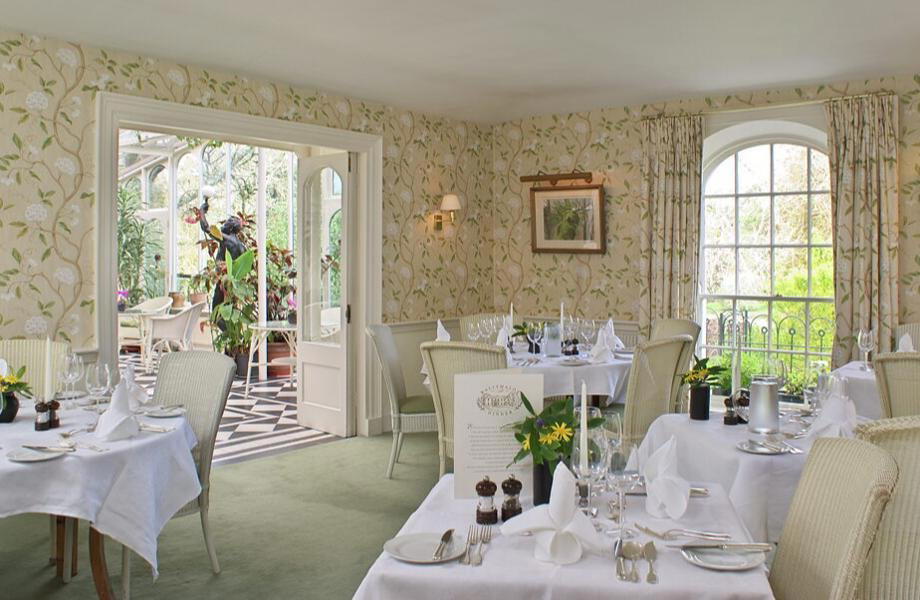
Intimate and elegant country house atmosphere with historic charm, floral decor, and garden views in a tranquil countryside setting.