

Michelin Selected · Small Luxury Hotels of the World Member
Perched above Cork city in the historic Montenotte quarter, this independently owned hotel pairs Victorian architecture with a design sensibility that runs from velvet-furnished lounges to one of Cork's most-talked-about rooftop bars. A spa, swimming pool, and hill-top position make it a strong base for exploring the city without retreating to the anonymity of a chain property.

Pearl is the En Primeur Club membership app, where members save venues, book tables and use the concierge.
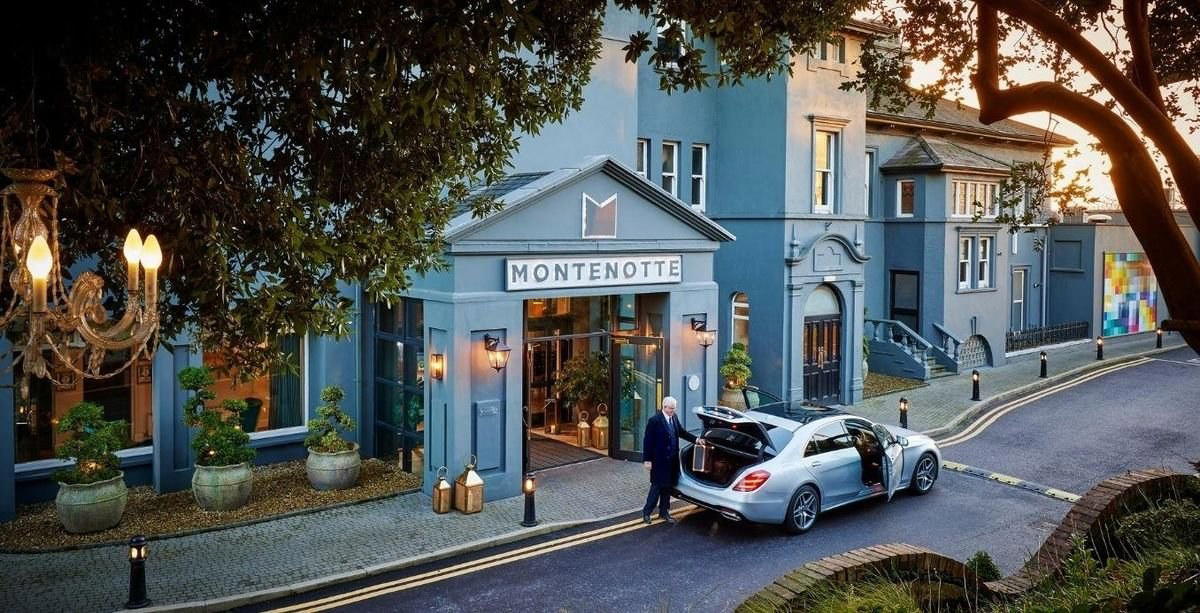
High Ground: What Cork's Montenotte Quarter Tells You About the City
Cork's relationship with its hills is different from most Irish cities. Montenotte, the refined residential district stretching north of the River Lee, was built in the nineteenth century by merchants who wanted distance from the commercial bustle of the quays without sacrificing proximity to it. The neighbourhood's Georgian and Victorian villas still carry that dual character: removed enough for quiet, close enough for convenience. Hotels that set up in this part of Cork inherit both the altitude and the attitude. The Montenotte, on Middle Glanmire Road, sits directly in that tradition, occupying a position that gives it a physical vantage over the city that few competitors can replicate from within Cork's urban core.
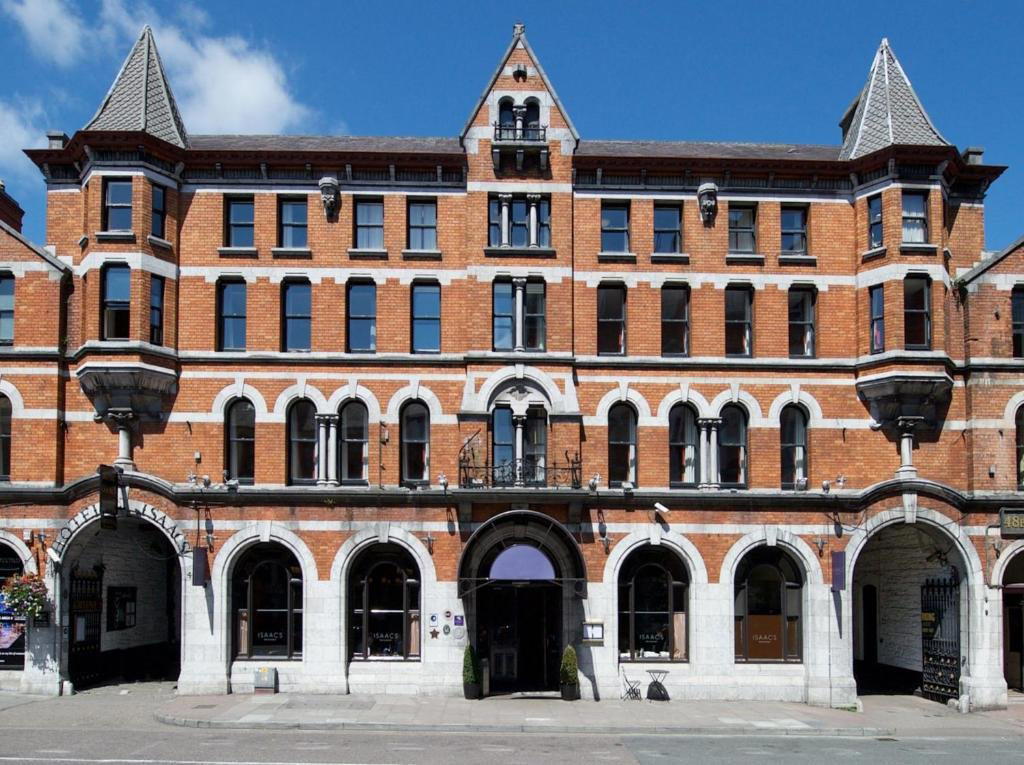
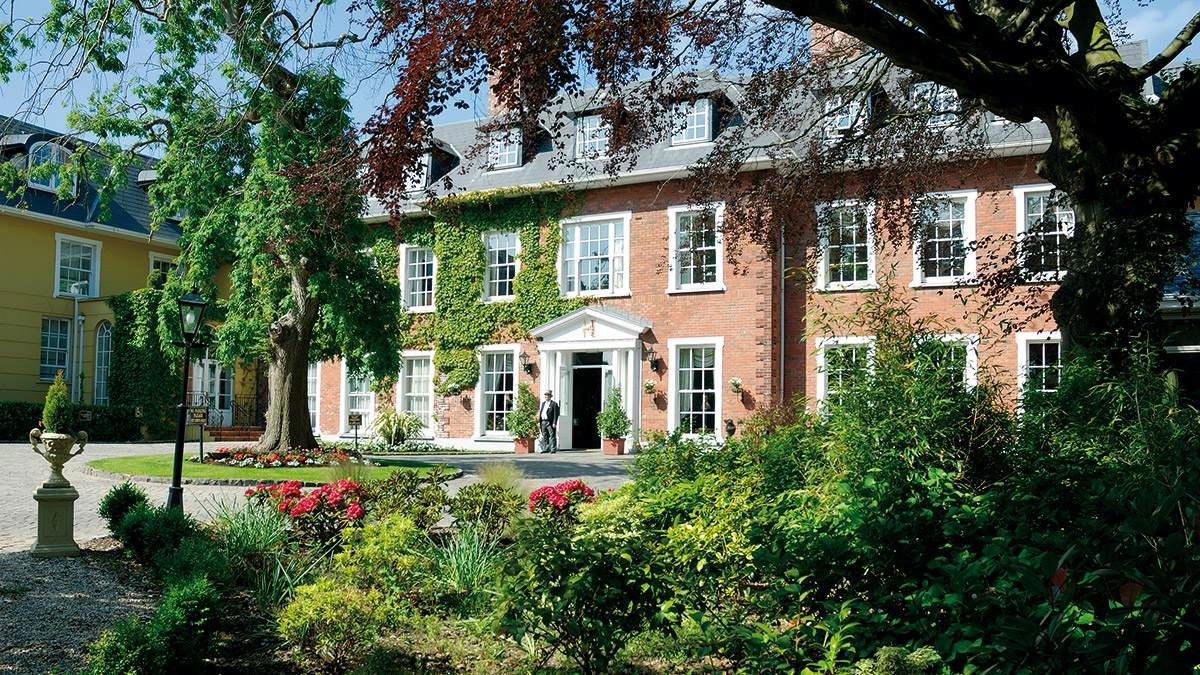
That hill-leading position is not incidental to the property's identity. It shapes what guests see from the rooftop bar, how the building reads against the Cork skyline, and why the approach on foot or by taxi carries a sense of arrival rather than simply check-in. Among Cork city-centre hotels, the divide is roughly between flat-ground properties along the Lee corridor, including The Kingsley Hotel and Hotel Isaacs Cork, and those that claim a more residential, neighbourhood character. The Montenotte falls into the latter group, alongside Hayfield Manor on the Western Road, which similarly trades on proximity-without-immersion as part of its appeal.
The Architecture of Atmosphere
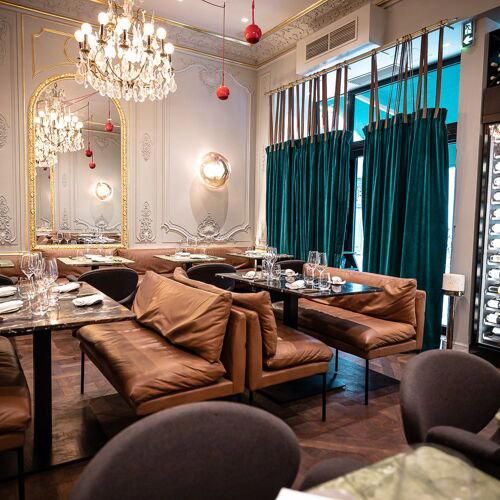
The building's exterior announces itself in blue, a deliberate departure from the stone-grey and cream that dominates Cork's hotel stock. Inside, the design layers old-world reference material against contemporary furniture choices. Velvet seating in sit-deep cuts, warm lighting, and proportioned rooms that recall the building's Victorian bones sit alongside finishes that read as current rather than period. This is not restoration-as-costume: the interiors use heritage as structure, not theme.
This approach places The Montenotte within a wider shift in Irish independent hotel design. Properties like Cashel Palace in Cashel and Castle Leslie Estate in Glaslough have similarly worked through how to carry significant architectural inheritance without letting it calcify into a heritage museum experience. The difference at The Montenotte is that it operates in an urban rather than country-house register, which compresses the brief: there is no parkland to absorb the guest's attention, so the interior has to do more work.
The Rooftop and What It Represents
Cork's bar scene has expanded in ambition over the past decade, and refined drinking venues have become one of the city's more competitive categories. The Montenotte's rooftop bar has gathered sustained recognition within that category, drawing both hotel guests and city visitors who make the journey specifically for the view. In a city where skyline vantage points are limited, a rooftop that actually delivers on its elevation becomes a draw independent of the hotel itself.
That dual-audience function, serving hotel guests and standalone visitors, is a characteristic of the stronger rooftop operations globally. The format works when the view is genuinely differentiated and the bar program holds up without the view as a crutch. The Montenotte's position in Montenotte's refined north side provides the former; the bar's sustained reputation suggests the latter. For context on what rooftop culture looks like at serious scale, Aman New York in New York City operates a comparable dual-draw model, though in a considerably different price bracket.
Spa, Pool, and the Urban Retreat Category
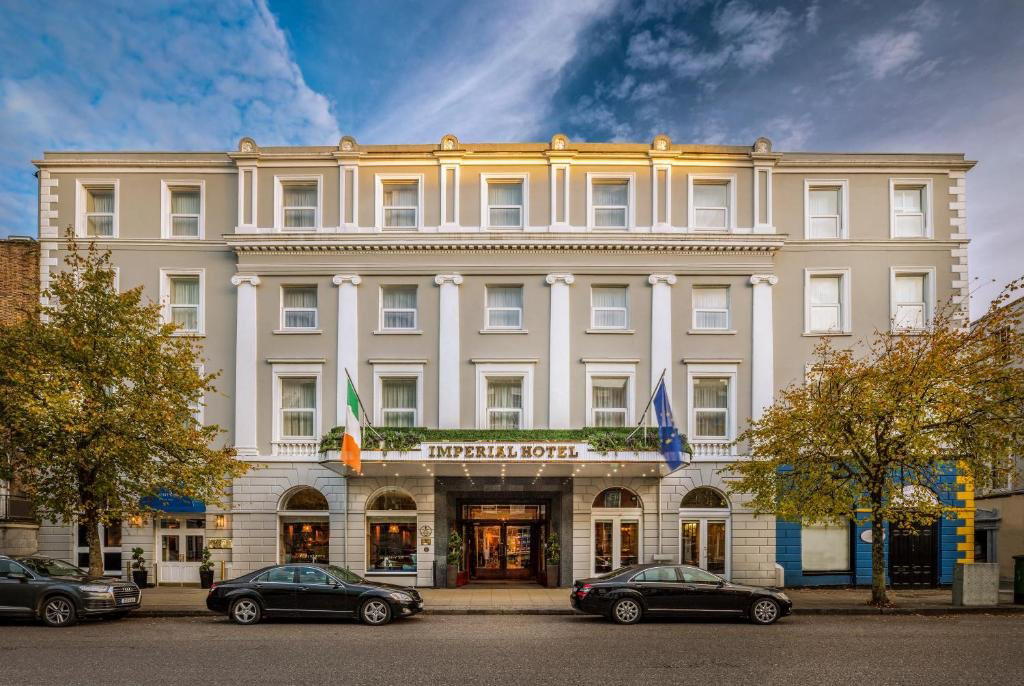
Cork's full-service urban hotels occupy a defined tier. At the upper end sit properties like The Imperial Hotel and SPA on South Mall, which carries significant historical weight, and Clayton Hotel Cork City in the conference-and-leisure segment. The Montenotte competes in neither of those categories directly. Its spa and swimming pool place it in the urban-retreat bracket, where the proposition is less about scale and more about the quality of the pause. Guests are not coming for convention facilities or a heritage address on Cork's most prestigious street; they are coming for a property that offers enough amenity to justify staying put between excursions into the city.
That positioning aligns it more closely with how design-led independents operate across Ireland. Number 31 in Dublin works a similar logic at smaller scale; Ballyvolane House in Castlelyons does so in a rural Cork context. The common thread is that the amenity set is curated rather than comprehensive, designed to support a particular kind of stay rather than cover every possible guest requirement.
Cork as a Base: What the Region Offers
The question of where to stay in Cork often hinges on whether the guest's priority is the city itself or the county's wider offer. For those anchoring in the city, The Montenotte's Montenotte address puts the English Market, the Opera House, and the main restaurant corridor within reach without requiring a car. For guests who want to range further, Cork's country-house tier is among Ireland's strongest: Ballymaloe House Hotel, an SLH Hotel in Shanagarry remains the county's most documented address in food terms, while Castlemartyr Resort and Fota Island Resort serve different points of the leisure spectrum east of the city. Splitting a Cork itinerary between a city base and a country property, or between Cork and Kerry's offer at Aghadoe Heights Hotel and Spa in Killarney or Parknasilla Resort and Spa in Kerry, is a viable structure for a longer trip. See our full Cork restaurants guide for how the city's dining scene maps across neighbourhoods.
For those benchmarking The Montenotte against the wider tier of Irish independents, properties like Ballyfin in Laois, Ashford Castle in Cong, and Adare Manor in Adare operate at a different price point and scale, where country-house grandeur is the primary variable. The Montenotte's argument is different: it is a city hotel with more personality than its square footage demands, and a rooftop that city hotels twice its size often fail to deliver.
Planning a Stay
The Montenotte is located on Middle Glanmire Road in Montenotte, a short taxi or rideshare ride from Cork's city centre and Kent Station. The hill position means walking back from the city centre involves an upward incline, which is worth factoring into plans if late evenings on foot are anticipated. The rooftop bar draws visitors independently of the hotel, so guests seeking quieter evenings on the terrace may find earlier sittings less pressured. Given the bar's sustained local reputation, weekend evenings are the busiest period.
Cuisine-First Comparison
Comparable venues nearby, for context on price, style, and recognition.
| Venue | Cuisine | Price | Awards | Notes |
|---|---|---|---|---|
| The MontenotteThis venue (the venue you are viewing) | luxury urban resort | $200–300 | Michelin Selected · Small Luxury Hotels of the World Member | Not listed |
| Hotel Isaacs Cork | Boutique hotel in historic Georgian building with serviced apartments | Not listed | Not listed | St. PATRICK'S A |
| The Imperial Hotel & SPA | Timeless landmark blending historic grandeur with modern luxury. | $100–200 | Not listed | Centre A |
| Clayton Hotel Cork City | Contemporary city hotel combining business and leisure facilities | $100–200 | Not listed | Centre A |
| Fota Island Resort | Sophisticated modern luxury resort on private island estate | Not listed | Not listed | Fota Island |
| The River Lee | luxury boutique hotel in city centre | Not listed | Michelin Selected · Star Wine List | Gillabbey A |
Recognition history
Dated appearances from independent guides and award organizations, with the underlying list record or original source where available.
Michelin Selected
Michelin
Small Luxury Hotels of the World Member
Small Luxury Hotels of the World
Continue exploring
More in Cork
Hotels in Cork
All hotels in Cork →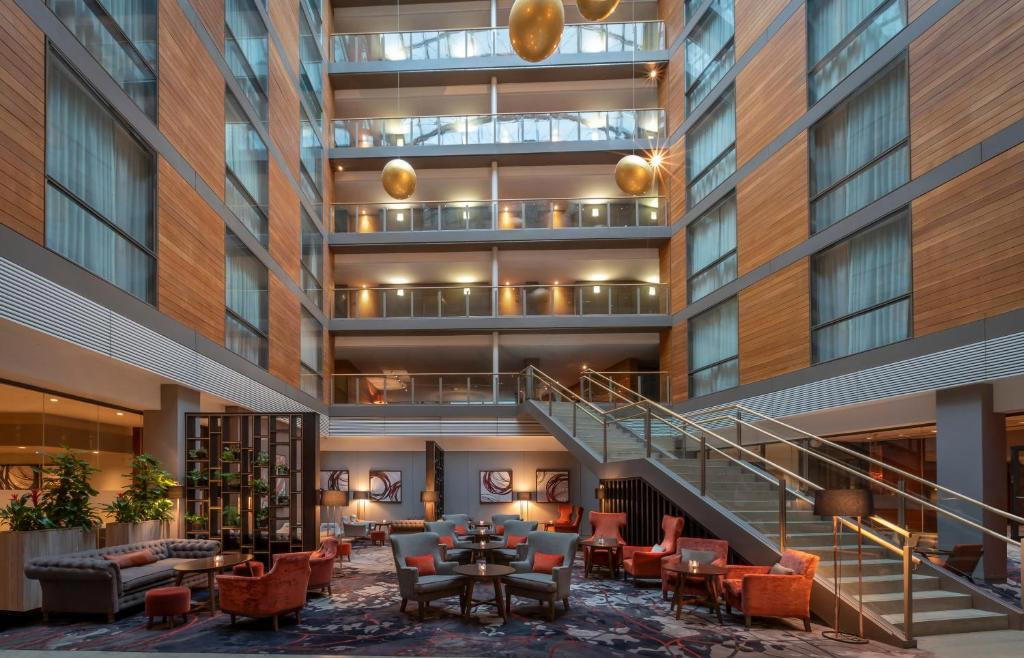
Bars in Cork
All bars in Cork →
Restaurants in Cork
All restaurants in Cork →

Details
- Modern
- Elegant
- Scenic
- Sophisticated
- Cozy
- Romantic Getaway
- Weekend Escape
- Panoramic View
- Rooftop Pool
- Terrace
- Wi Fi
- Pool
- Spa
- Fitness Center
- Room Service
- Concierge
- Business Center
- Indoor Pool
- Sauna
- Hot Tub
- Restaurant
- Bar
- Skyline
- Garden
- Elevator
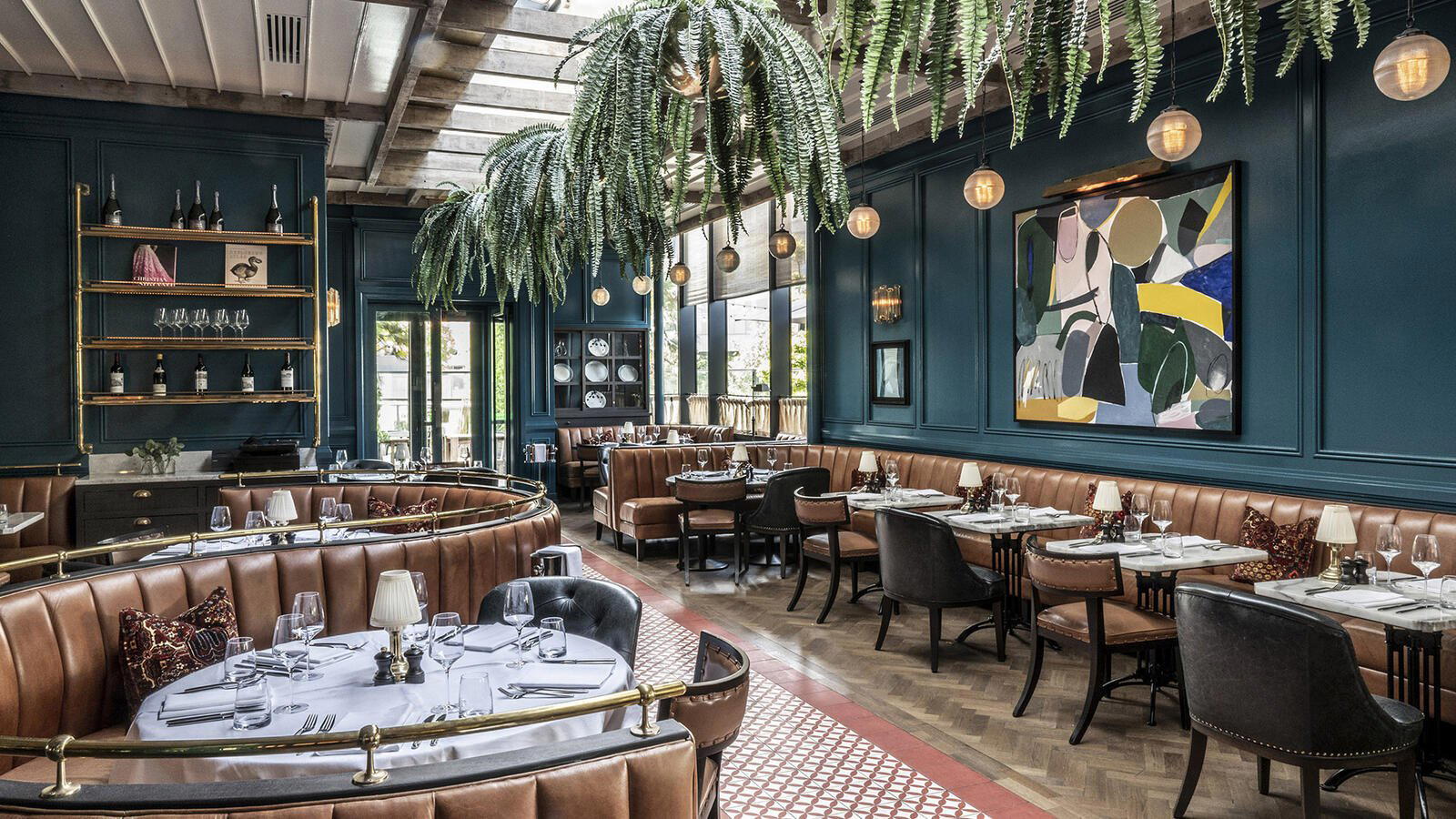
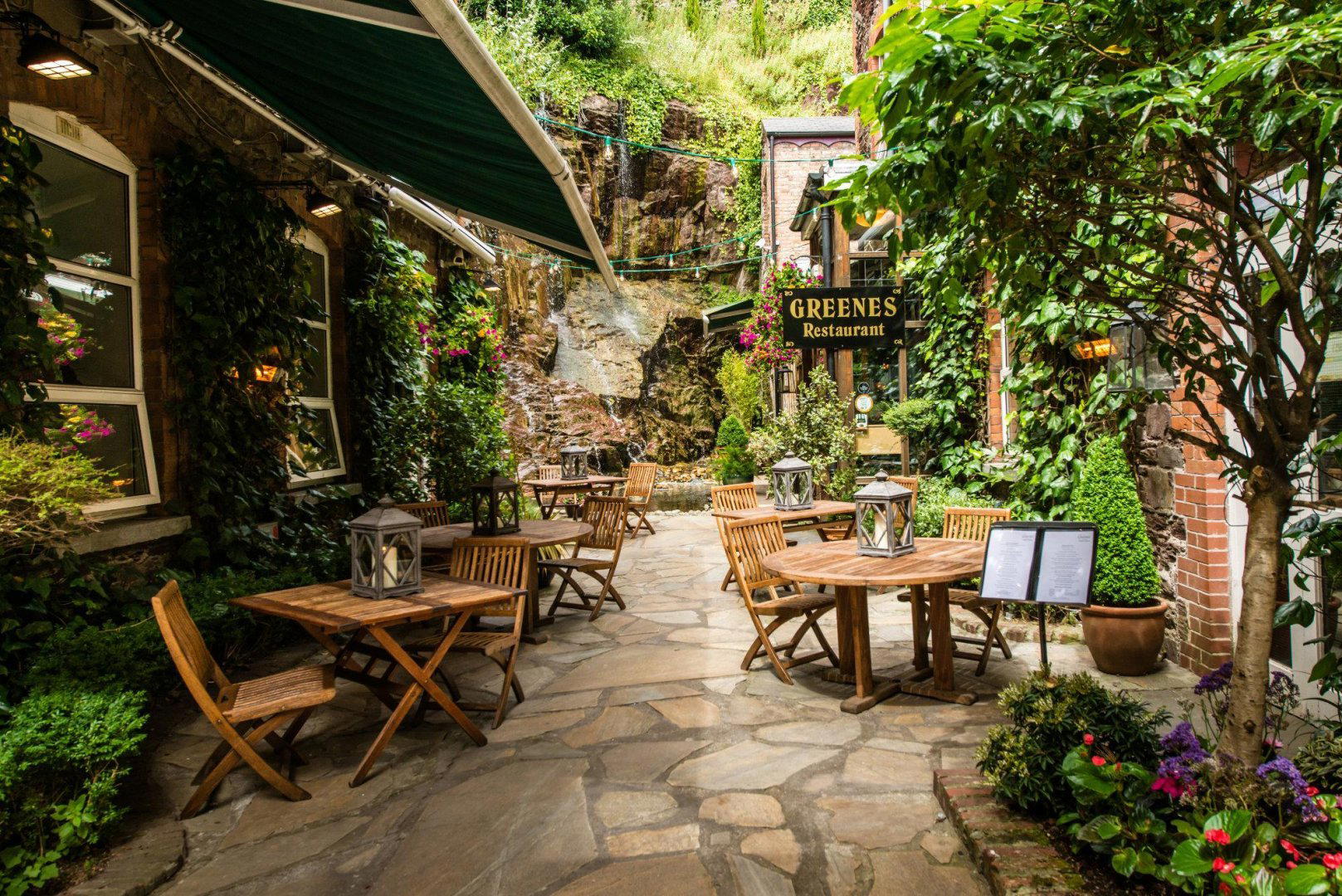
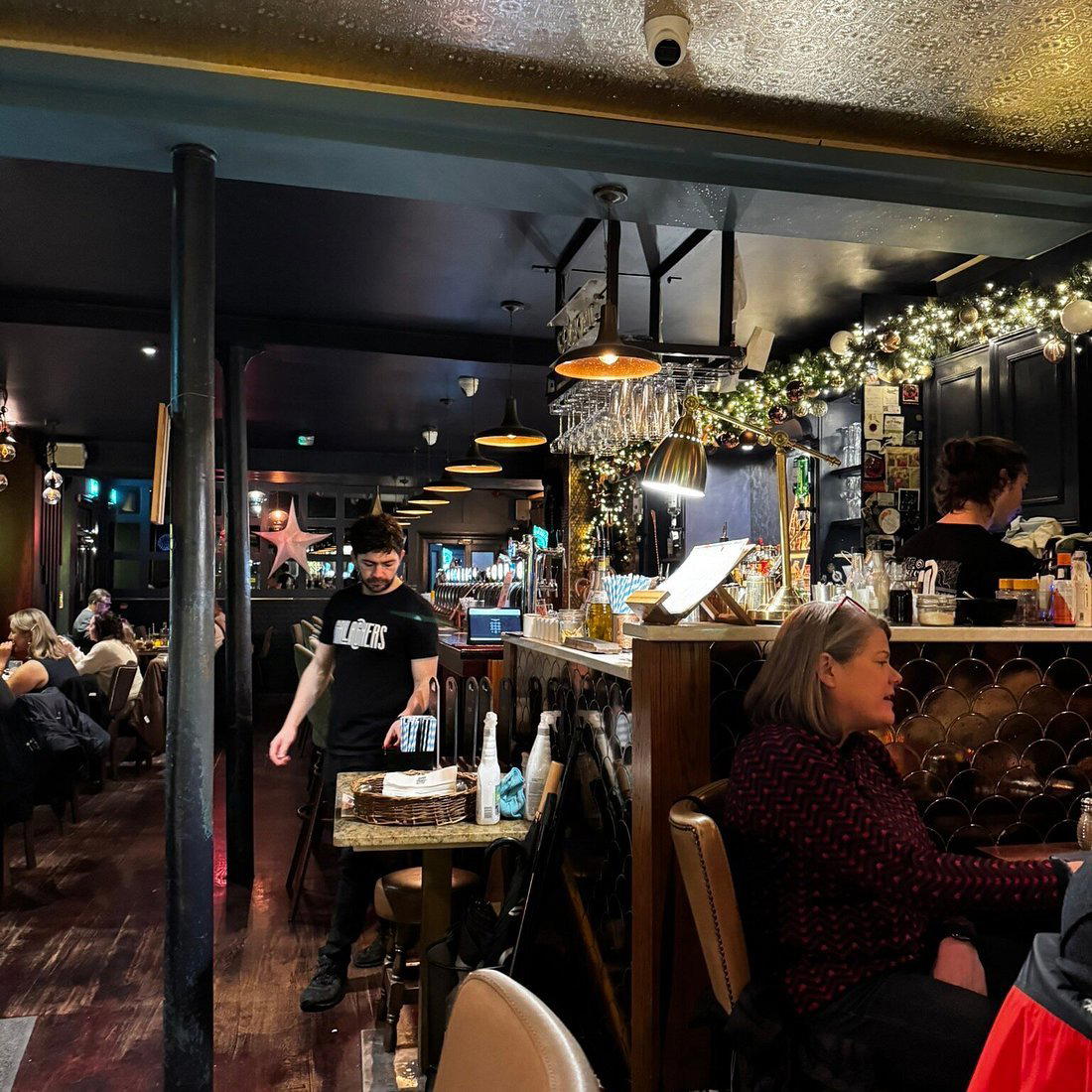
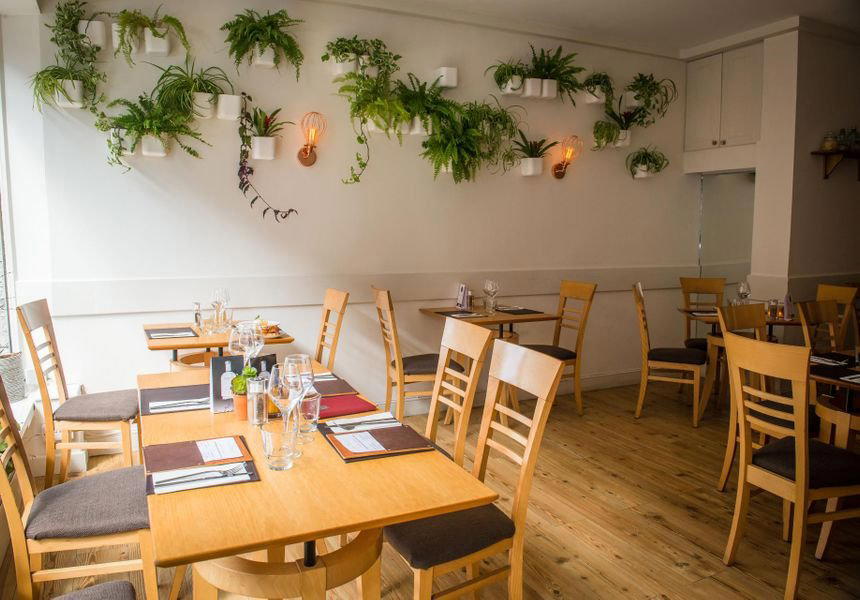
Chic and eclectic with bold art, sophisticated lighting, and a relaxing atmosphere enhanced by dramatic city views from terraces and gardens.