Set on a private island in Cork Harbour, Fota Island Resort sits within one of Ireland's most recognisable parkland settings, where championship golf, spa facilities, and multiple dining formats occupy the same estate. The resort operates at the larger, amenity-rich end of Irish country hospitality, drawing guests who want structured leisure rather than the intimate house-party feel of smaller rural properties.

Pearl is the En Primeur Club membership app, where members save venues, book tables and use the concierge.
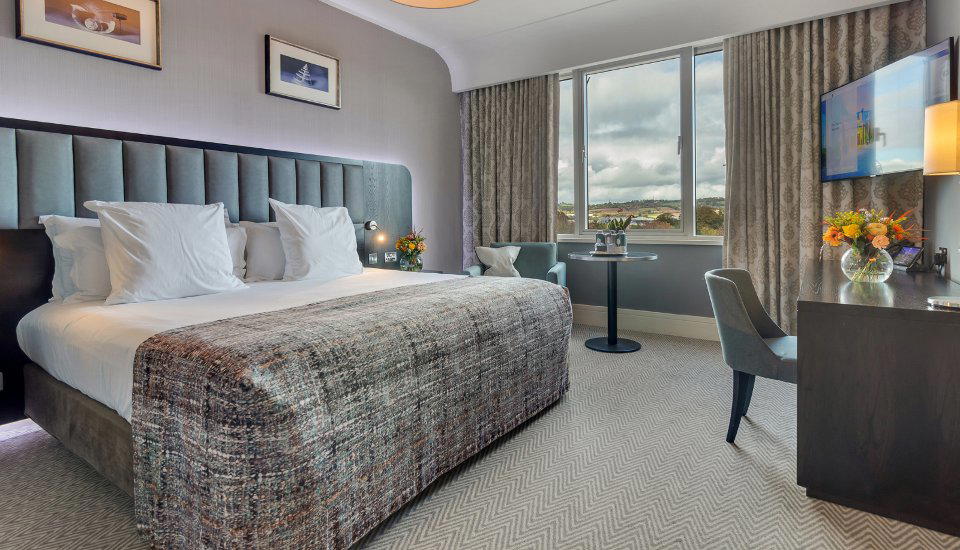
An Island Address in Cork Harbour
Cork Harbour has a way of framing things. The tidal channels, the dense oak canopy, the particular quality of light on water in the late afternoon, these are the conditions that greet guests arriving at Fota Island Resort, reached by a short causeway crossing that does something psychologically useful: it marks a clear boundary between the city and wherever you are now. The nearest urban reference point, Cork city, sits roughly 15 kilometres to the west, close enough for day trips, distant enough that the island registers as genuinely separate. That spatial logic is central to what Fota Island Resort offers, and it shapes everything from the scale of its grounds to the pace at which service operates.
Within Ireland's premium resort tier, Fota Island occupies a specific position. It is a large, amenity-led property, oriented around structured leisure, with championship golf, a spa, and multiple dining options on the same estate. That format places it in a different category from the intimate house-hotel model represented by properties like Ballymaloe House Hotel or Ballyvolane House in Castlelyons, where the guest count is low and the atmosphere is closer to staying with knowledgeable locals. Fota's scale is closer to Castlemartyr Resort, another Cork-county property built around a parkland setting and multiple activity formats. The competitive question between those two properties is essentially one of landscape character and proximity to Cork city, with Fota holding the harbour-island geography as its clearest differentiator.
The Service Register at a Parkland Resort
Larger Irish resort properties face a consistent challenge: maintaining warmth of service across a high guest volume and multiple departments, without the structural advantage smaller properties enjoy when every staff member knows every guest by name. The best of them resolve this by training for anticipatory awareness rather than scripted procedure, and by giving individual departments enough autonomy to make small, responsive decisions in the moment.
At a resort of Fota Island's format, that service philosophy tends to manifest most clearly at the points where departments intersect, the handoff from check-in to concierge, from spa reception to the pool terrace, from golf course to dining room. These transitions are where the guest experience either holds together or reveals its seams. The expectation at this price tier is that transitions feel considered rather than administrative, that the staff member in one area already knows what the guest has planned in the next, and that practical information arrives before it needs to be asked for.
For guests comparing Cork's hotel options, it is worth noting that the service cultures at properties like Hayfield Manor and The Montenotte are shaped by their city-hotel contexts, where the staff-to-guest interaction is typically more transactional by necessity. A resort island property has a different mandate: the guest is not leaving for a meeting or catching a train. They are staying, often for multiple nights, and the service model should reflect that extended relationship. Our full Cork restaurants guide covers the city's dining options in detail for guests who want to eat beyond the resort grounds.
Placing Fota Within Irish Country Hospitality
Ireland's premium country hotel market has developed a recognisable split over the past decade. On one side sit the grand castle and manor properties, Ashford Castle in Cong, Adare Manor, Ballyfin in Laois, where the architecture carries significant historic weight and room counts are deliberately constrained. On the other side sit the purpose-built or extensively developed resort properties, where the offering is horizontal: more facilities, more room types, more programming options, with the landscape as the frame rather than the main event.
Fota Island sits clearly in the second camp. The three championship golf courses on the estate position it firmly as a golf resort first, with spa and dining as supplementary draws. That golf identity connects it to a specific type of Irish leisure travel, the multi-night break organised around tee times, with meals and treatments filling the gaps. Properties like Aghadoe Heights Hotel and Spa in Killarney and Parknasilla Resort and Spa in Kerry offer comparable multi-activity formats in a Kerry setting, which gives travellers a meaningful geographic choice: Cork Harbour's more accessible, island-bounded terrain versus Kerry's more dramatic Atlantic-facing scenery.
For guests more interested in the historic house format than the resort format, Castle Leslie Estate in Glaslough, Cashel Palace, and Ballynahinch Castle in Recess each offer a different register of Irish country hospitality, where the building's own narrative becomes part of the guest experience. Fota's appeal is different and should be judged on different terms: accessibility, activity range, and an island setting that reads as genuinely removed without requiring the distances that Kerry or Galway demand.
Getting There and When to Go
Cork Airport sits approximately 20 kilometres from Fota Island, making the resort one of the more logistically convenient large resort options in the south of Ireland. The island is accessible by car via the R624 causeway road, and the proximity of Fota Wildlife Park on the same island adds a useful practical option for guests travelling with families. Rail access is also feasible, with Fota station on the Cork to Cobh line providing a direct connection that removes the need for a hire car for guests without golf equipment to transport.
The parkland setting performs leading from late spring through early autumn, when the oak canopy fills out and the harbour channels carry the particular stillness of a warm Irish evening. Winter visits trade foliage for a more open, atmospheric quality to the grounds, and the spa becomes a more central part of the programme. Advance booking is advisable for summer weekends, when golf and leisure demand converge and room availability at the larger room categories tightens. Guests considering comparable properties in the broader market might also look at Carton House in Maynooth for a Leinster-side equivalent, or Ballyfin Demesne for a higher-tier, lower-volume alternative.
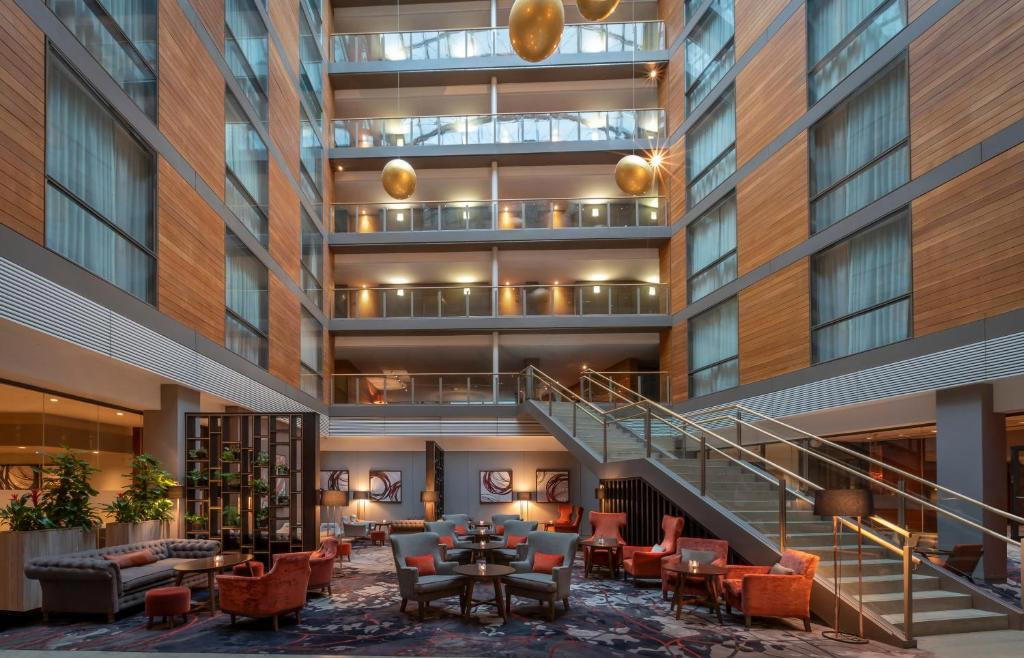
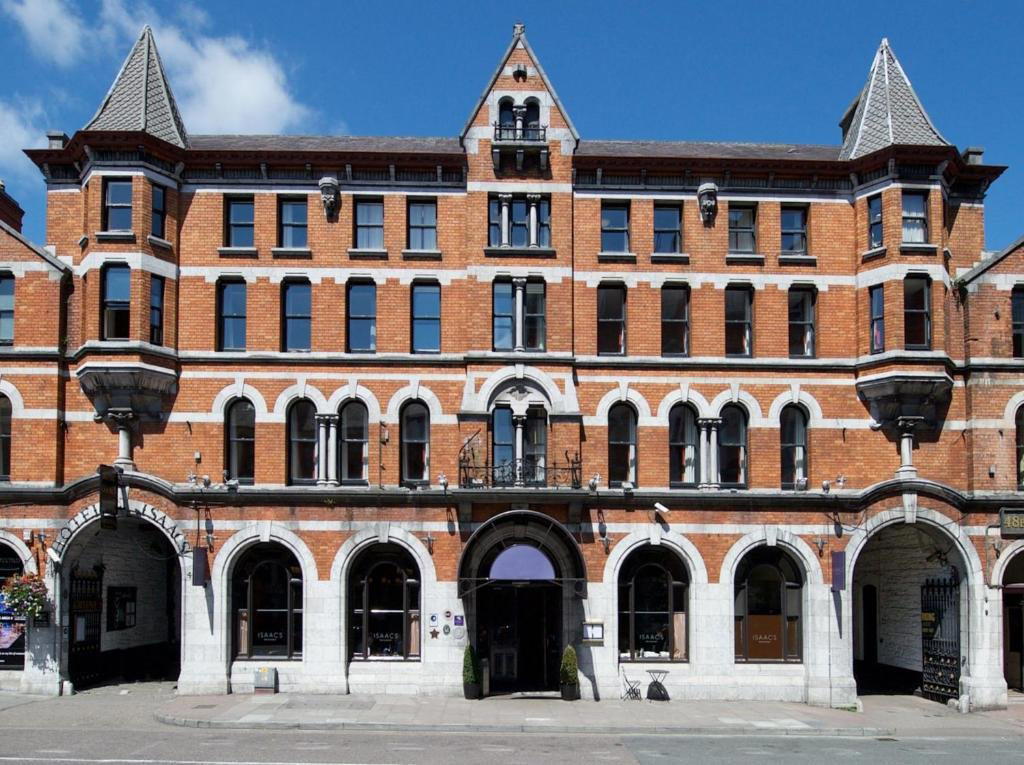
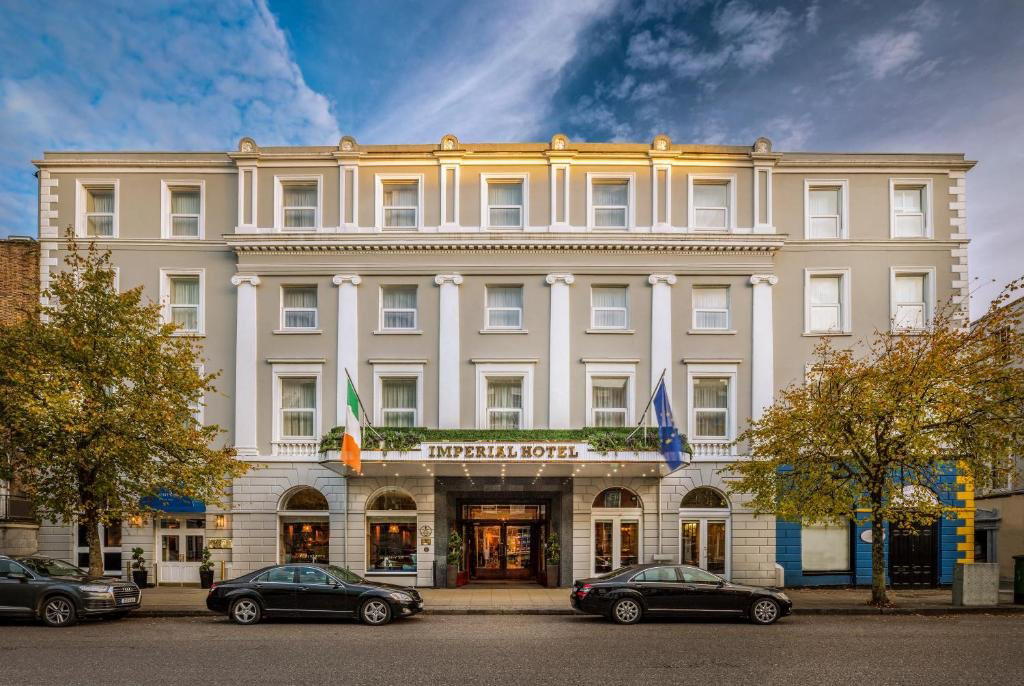
For those weighing Cork city-centre options alongside a resort stay, The Imperial Hotel and SPA, The Kingsley Hotel, Hotel Isaacs Cork, and Clayton Hotel Cork City each offer a different relationship to the city itself, with the trade-off being proximity to restaurants and culture versus the contained, self-sufficient experience that a resort island provides.
Cuisine and Recognition
| Venue | Price | Awards |
|---|---|---|
| Fota Island ResortThis venue (the venue you are viewing) | Not listed | Not listed |
| Hayfield Manor | Not listed | Michelin Selected · La Liste Top Hotels |
| Castlemartyr Resort | Not listed | 1 Michelin Key · Virtuoso Luxury Hotel Partner |
| The Montenotte | $200–300 | Michelin Selected · Small Luxury Hotels of the World Member |
| The River Lee | Not listed | Michelin Selected · Star Wine List |
Continue exploring
More in Cork
Hotels in Cork
All hotels in Cork →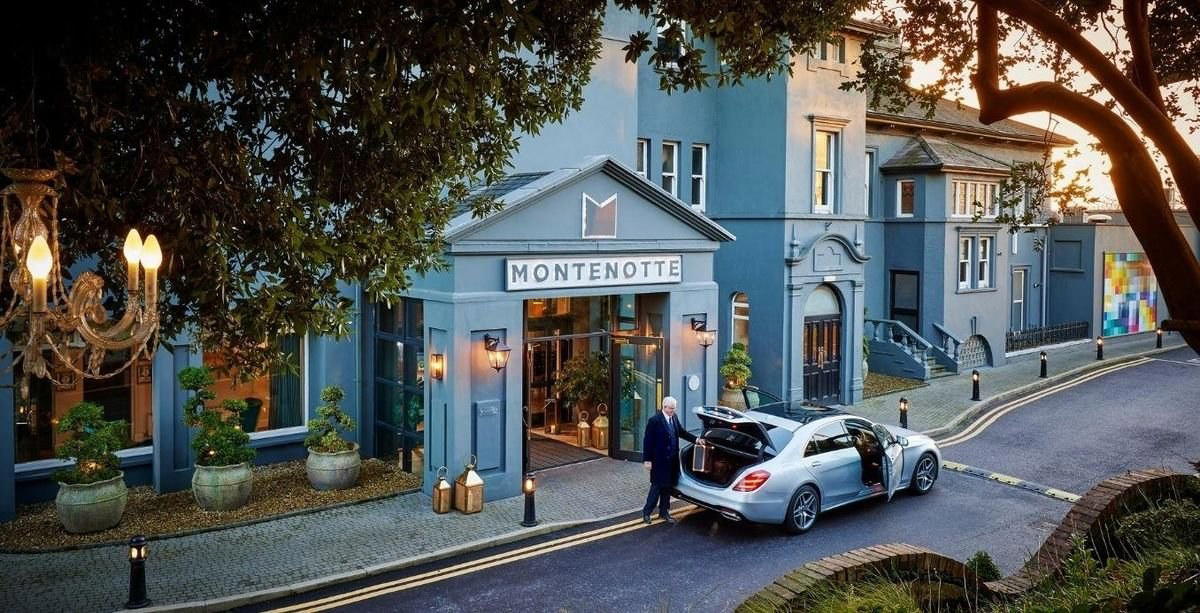
Bars in Cork
All bars in Cork →
Restaurants in Cork
All restaurants in Cork →

Details
- Elegant
- Sophisticated
- Scenic
- Cozy
- Family Vacation
- Romantic Getaway
- Weekend Escape
- Group Retreat
- Golf Course
- Infinity Pool
- Destination Spa
- Waterfront
- Panoramic View
- Pool
- Spa
- Fitness Center
- Golf Course
- Kids Club
- Concierge
- Room Service
- Waterfront
- Garden
- Wheelchair Accessible
- Step Free Entrance
- Accessible Parking
Tranquil and sophisticated atmosphere with warm cozy lounge areas featuring dark bog oak furniture and log fires, complemented by bright modern rooms and suites offering woodland and golf course views.