Ayan Zalaat Hotel & Spa

Ayan Zalaat Hotel & Spa holds membership in Leading Hotels of the World as of 2025, placing it in a select tier of Ulaanbaatar accommodation that prioritises design integrity and service standards over chain-hotel scale. Located in the BZD-11 khoroo district, it represents a quieter, more considered alternative to the capital's centrally concentrated hotel corridor.
 Discover on Pearl
Pearl is the En Primeur Club membership app — saves, bookings, and concierge access live there. Same editors, same standards.
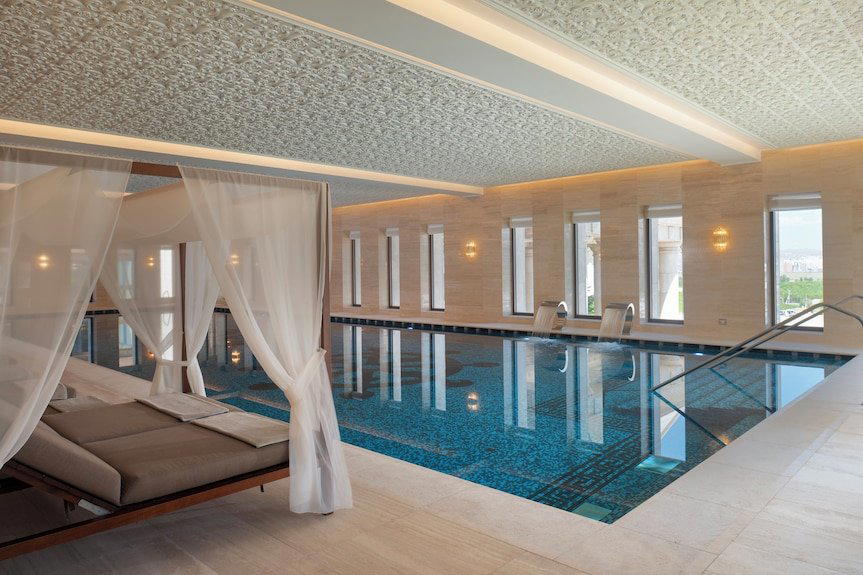
Where Ulaanbaatar's Hotel Market Is Heading
For most of its modern hospitality history, Ulaanbaatar has been a city of extremes: Soviet-era block hotels and international chain flags, with little in between. That gap has been narrowing. A cohort of properties has emerged that prioritises design specificity and curated guest experience over raw room count, and Leading Hotels of the World membership has become one of the more reliable signals of which Ulaanbaatar addresses belong to that category. Ayan Zalaat Hotel & Spa, admitted to that collection in 2025, sits in this emerging tier alongside properties that compete on character rather than footprint.
The Leading Hotels of the World standard is not awarded on sentiment. Member properties are subject to ongoing quality assessments across service, physical environment, and guest experience, which means the 2025 membership marks a verifiable threshold rather than a self-applied designation. For context, peer members globally include addresses like Hotel Sacher Wien in Vienna, Badrutt's Palace Hotel in St. Moritz, and Hotel Du Cap-Eden-Roc in Cap d'Antibes. That company sets the benchmark against which Ayan Zalaat is now measured.
The BZD-11 District: Reading the Address
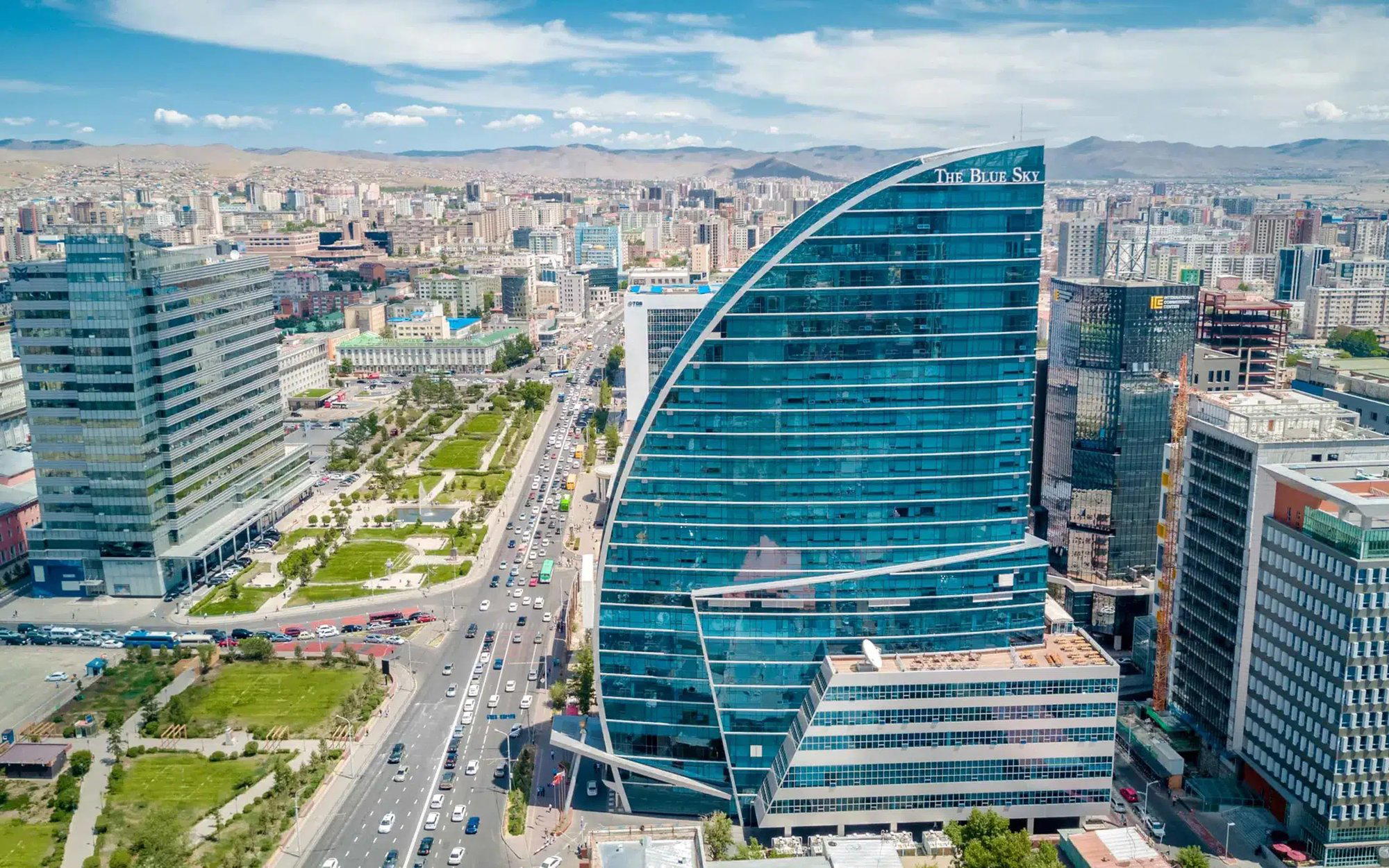
Ulaanbaatar's hotel geography tells you something about a property's intended guest. The central Sukhbaatar Square corridor, where Ulaanbaatar and The Blue Sky Hotel & Tower anchor the business and conference market, operates on volume and visibility. BZD-11 khoroo, by contrast, is a residential and mixed-use district that sits outside the city's most congested commercial spine. Properties that choose this address are typically signalling something about pace and proportion. The decision to locate away from the central grid is, in itself, an editorial statement about what kind of stay the property is designed to deliver.
That positioning also reflects a broader pattern visible in premium hospitality globally. In cities where the centre has become saturated with chain flags and corporate travel infrastructure, design-led independents and collection members have increasingly migrated to adjacent districts where land, character, and quieter operational conditions are more available. Hotel Esencia in Tulum and Castello di Reschio in Lisciano Niccone follow the same logic in their respective markets: the address is part of the product.
Design in a City Still Finding Its Aesthetic
Ulaanbaatar's built environment is contested territory. Soviet modernism, rapid post-1990 commercial construction, and scattered attempts at contemporary architecture sit in uneasy proximity across the city. Against that backdrop, properties that bring a coherent design identity carry more weight than they might in cities with established aesthetic traditions. The spa component at Ayan Zalaat is significant here: in the Mongolian capital, integrated spa facilities at this standard remain comparatively rare outside the leading chain addresses, and their presence typically signals investment in physical environment rather than just room inventory.
The parallel in the broader Leading Hotels portfolio is instructive. Properties like La Réserve Paris and Cheval Blanc Paris have made the physical environment the primary argument for their pricing and positioning. For Ayan Zalaat, the spa and hotel pairing in a city where wellness infrastructure at this level is still developing is a comparable move: it builds a case for the property that is independent of location prestige or brand recognition.
Mongolia's Two-Speed Accommodation Market
Understanding where Ayan Zalaat sits requires understanding how Mongolia's accommodation market has split. On one side: the capital's centrally located business hotels, and on the other, the country's expanding portfolio of experiential properties in the steppe, desert, and river valley regions. The latter category includes addresses like Gobi Caravanserai Lodge in Dalanzadgad, Genghis Khan Retreat in Orkhon Valley, and the more modest Secret of Ongi Tourist Ger Camp in Saikhan-Ovoo, each designed for visitors whose primary interest is landscape access rather than urban convenience.
Ayan Zalaat occupies a different position in that split. As a city hotel with Leading Hotels credentials, it is aimed at guests who need Ulaanbaatar as a base, whether for business, transit to further-flung Mongolian destinations, or the capital's own cultural and museum circuit. The Terelj Hotel operates in the hybrid space between city and nature access; Ayan Zalaat's address and format position it more squarely as an urban property with spa depth rather than a gateway lodge.
For those planning a broader Mongolia itinerary that combines city time with regional travel, understanding this distinction matters practically. Ulaanbaatar functions as the entry and exit point for most international visitors, and a quality city base significantly affects how that transition feels. Our full Ulaanbaatar restaurants and hotels guide maps these options in more detail.
Planning a Stay: Practical Bearings
Mongolia's travel season concentrates between late spring and early autumn, with July's Naadam Festival representing the country's highest demand period across all accommodation categories. Visitors planning to use Ulaanbaatar as a base during that window, or around shoulder-season itineraries in May-June and September, should book considerably ahead. Leading Hotels of the World properties can be reached through the collection's central reservations platform, which also provides verified rate comparisons across member properties globally. Given the sparsity of verified booking infrastructure for Ulaanbaatar hotels on third-party platforms, using the collection's direct channel is generally the more reliable path for confirmed availability and accurate property information.
The BZD-11 khoroo address places the hotel within the city's broader urban grid, accessible from Chinggis Khaan International Airport via the standard taxi and private transfer options that serve the capital. Transfer time from the airport varies significantly with traffic conditions; Ulaanbaatar's road congestion during business hours is a real planning consideration, and early morning or evening arrivals typically move more efficiently.
How Ayan Zalaat Reads Against the Global Collection
Positioning a property in the Leading Hotels of the World collection is one thing; what the membership communicates to a particular class of traveller is another. For guests who have stayed at collection members like Mandarin Oriental Bangkok, Hotel Plaza Athénée in Paris, Hotel Bel-Air in Los Angeles, or HOTEL THE MITSUI KYOTO, the shared membership creates a shorthand for minimum standards: physical environment quality, service discipline, and an experience designed for guests who have calibrated expectations from extended international travel.
That shared vocabulary is particularly useful in a market like Ulaanbaatar, where the absence of deep critical coverage means most travellers have limited independent means of verifying quality before arrival. The membership functions as a proxy credential in exactly the circumstances where such credentials matter most. It is not the same signal as a Michelin key or a 50 Best Hotels entry, but it operates on a similar principle: external verification in a market where the traveller cannot easily do that verification themselves.
For the small cohort of travellers for whom Ulaanbaatar is more than a transient airport city, and who want accommodation that matches the standard they maintain elsewhere, Ayan Zalaat Hotel & Spa represents a credentialed option at a tier the capital has historically underserved. Properties at comparable international standard in their respective cities, from Aman Venice to Amangiri in Canyon Point to Le Bristol Paris, each hold their position partly because they fill a specific gap in their local market. In Ulaanbaatar, that gap is real, and filling it with a verified collection property is a more meaningful statement than it might appear from the outside.
A Quick Peer Check
A fast peer set for context, pulled from similar venues in our database.
| Venue | Cuisine | Price | Awards | Notes |
|---|---|---|---|---|
| Ayan Zalaat Hotel & Spa | This venue | |||
| Shangri-La Ulaanbaatar, Mongolia | ||||
| Terelj Hotel | ||||
| The Blue Sky Hotel & Tower |
Continue exploring
More in Ulaanbaatar
Hotels in Ulaanbaatar
Browse all →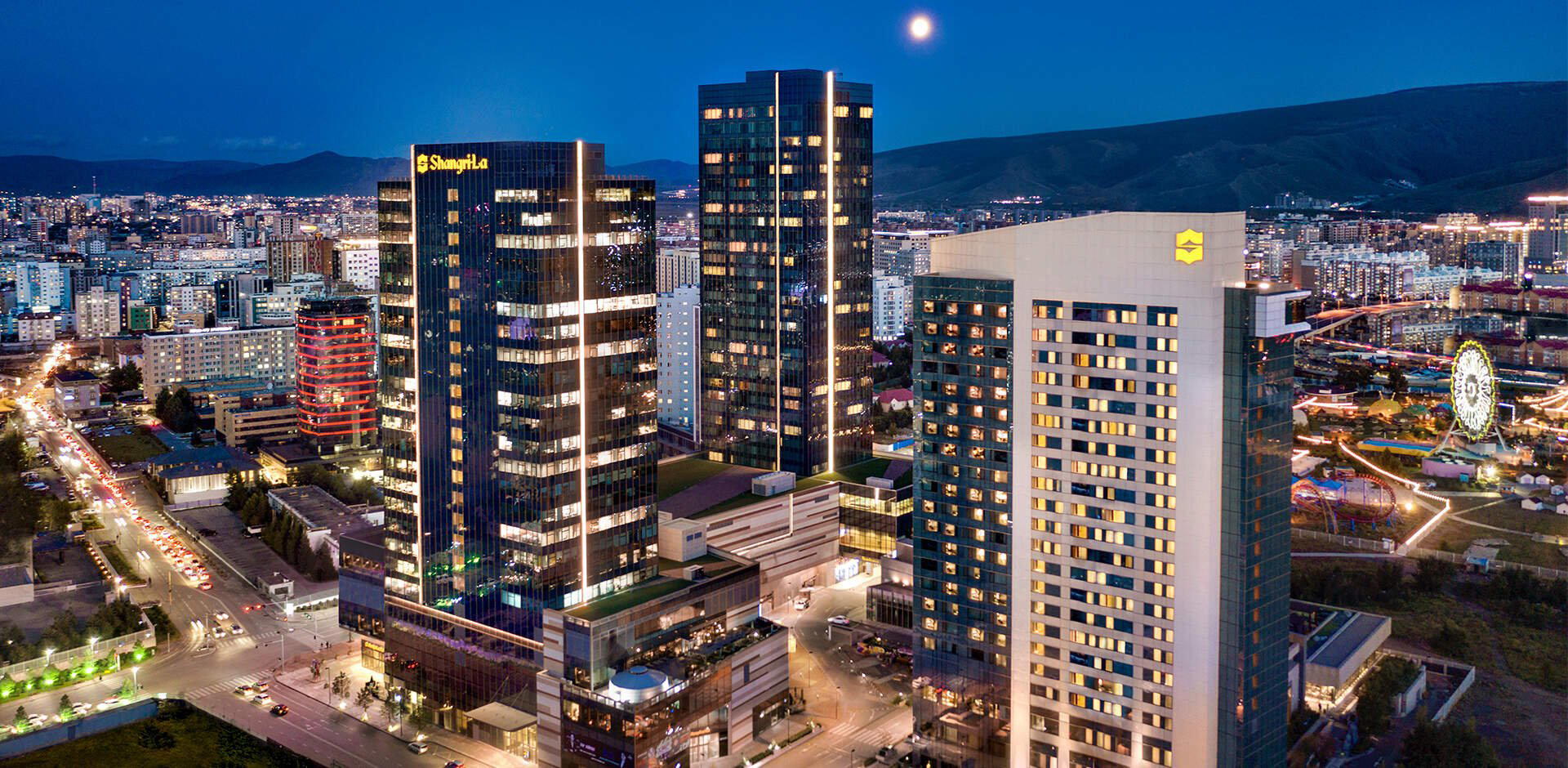
Restaurants in Ulaanbaatar
Browse all →
At a Glance
- Elegant
- Modern
- Scenic
- Sophisticated
- Cozy
- Wellness Retreat
- Romantic Getaway
- Business Trip
- Anniversary
- Destination Spa
- Panoramic View
- Garden
- Terrace
- Spa
- Pool
- Indoor Pool
- Wifi
- Room Service
- Concierge
- Fitness Center
- Restaurant
- Garden
- Terrace
- Mountain
- Garden
Tranquil oasis blending modern comfort with serene gardens, soundproofed rooms, and relaxing spa atmosphere.