Gobi Caravanserai Lodge
In the Dundgovi region fringing the Gobi Desert outside Dalanzadgad, Gobi Caravanserai Lodge draws on the architectural language of historic Central Asian caravanserais to anchor a desert lodging experience that sits apart from both conventional safari-style camps and the luxury ger resorts that dominate southern Mongolia's visitor infrastructure. The property occupies a specific niche: structured, place-rooted design in a landscape that most operators treat as backdrop rather than subject.
Pearl is the En Primeur Club membership app — saves, bookings, and concierge access live there. Same editors, same standards.
- Address
- Dundgow’
- Directions
- Get directions
 Saves & bookings on Pearl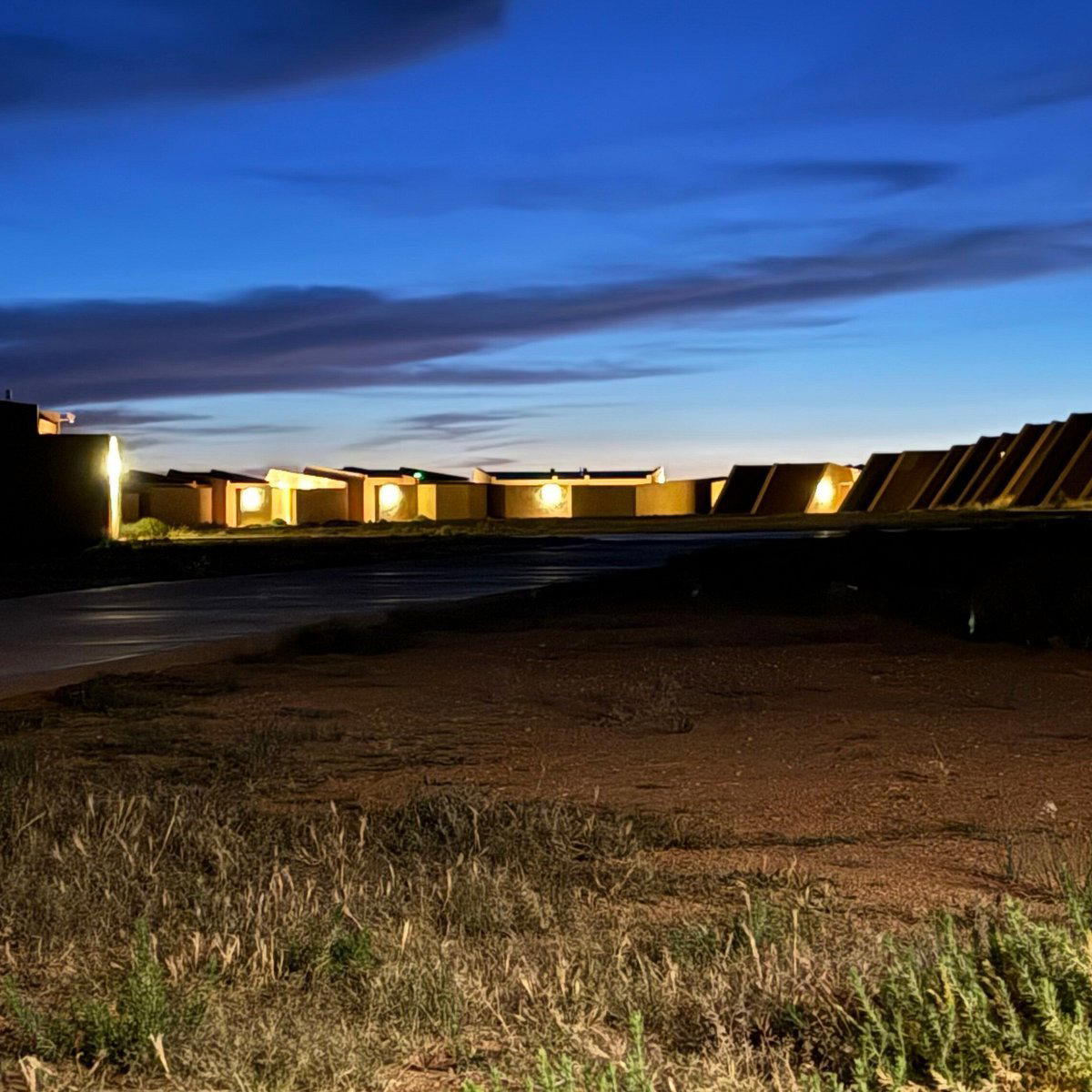
A Desert Architecture Rooted in the Steppe
Arriving at Gobi Caravanserai Lodge in Dundgow', on the southern reaches of the Gobi, the first thing that registers is the silence. Then the scale of the sky. Accommodation in this part of Mongolia's South Gobi province has long operated in two registers: the utilitarian tourist ger camp pitched for group itineraries, and the small-format, design-conscious lodge built for travellers who want the desert without forfeiting considered surroundings. Gobi Caravanserai Lodge positions itself in the latter category, drawing on the ancient caravanserai concept — the roadside shelter that served Silk Road traders across Central Asia — as its structural and philosophical reference point.
That historical framing matters because it shapes what the lodge actually is: a waystation architecture that prioritises shelter, orientation, and the relationship between enclosed space and open terrain, rather than resort-scale amenity. Where properties like Three Camel Lodge have developed a well-documented identity around conservation programming and Mongolian cultural interpretation, Gobi Caravanserai draws its identity from a more elemental spatial idea, the notion that a building in the desert should answer to the desert first.
Design Language in an Extreme Climate
The Gobi is not a forgiving environment for architecture. Summer temperatures climb well above 35°C, winter nights can fall below -30°C, and the wind moves across the plateau with nothing to interrupt it for hundreds of kilometres. Buildings that survive here, and read as intentional rather than merely functional, tend to treat those conditions as design constraints rather than problems to engineer away. The low-profile, compound-style arrangement that defines caravanserai architecture across the Silk Road corridor is not aesthetic nostalgia; it is a climate response. Thick walls, courtyard orientation, and minimal exposed fenestration on the windward side all have practical logic that happens to produce a specific spatial atmosphere.
The region is serviced by Dalanzadgad Airport (DLZ), which connects to Ulaanbaatar with regular domestic flights, putting the lodge within reach of travellers arriving from the capital, where options like Ayan Zalaat Hotel & Spa in Ulaanbaatar serve as a practical pre-departure base. Overland, the route from Dalanzadgad into the Dundgow' area is typically negotiated by four-wheel drive, which means arrival itself is part of the spatial experience: the lodge emerges from the plateau rather than announcing itself from a distance.
The Caravanserai Concept and Its Contemporary Application
The original caravanserai was a public infrastructure, built by rulers and merchants to move goods and people across difficult terrain, offering standardised shelter at intervals of roughly one day's travel. Translated into a contemporary lodge context, the concept carries particular resonance in the Gobi, where the distances between settlements are still substantial and the idea of hospitality as shelter rather than performance feels geographically honest. Across Central and South Asia, a number of properties have adopted the caravanserai reference as a design prompt, from restored structures in Iran and Uzbekistan to purpose-built lodges in Jordan's Wadi Rum. The Gobi iteration sits within that tradition while operating in one of the most climatically demanding desert environments on earth.
For context on how other lodge formats handle the tension between design ambition and remote-location logistics, it is worth looking at how desert-specialist properties elsewhere approach the same problem. Amangiri in Canyon Point, arguably the clearest benchmark for desert lodge architecture in the luxury segment, resolves the tension by embedding the structure into the canyon geology, making the building read as an extension of the terrain. The Gobi presents a different set of conditions: the landscape is horizontal rather than vertical, and scale is measured in emptiness rather than geological drama. A lodge that answers those conditions architecturally tends to sit low, open toward specific sight lines, and treat the interior threshold as a meaningful transition between exposure and enclosure.
Placing Gobi Caravanserai in the South Gobi Property Set
Dalanzadgad is the administrative centre of Ömnögovi Province and the primary gateway to the Gobi, including the Khongoryn Els sand dunes, the Yol Valley, and the Flaming Cliffs at Bayanzag. The concentration of significant geological and palaeontological sites within day-trip range of the town makes it the natural hub for South Gobi itineraries, and the lodge market here has grown accordingly. Properties range from basic shared-ger arrangements to the more structured programming of camps like Genghis Khan Retreat in Orkhon Valley further north, or the touring-focused Secret of Ongi Tourist Ger Camp in Saikhan-Ovoo. Gobi Caravanserai occupies a different position in that spectrum, with its identity anchored in spatial concept rather than activity programming.
For travellers building a Mongolia itinerary that moves between the capital and the desert, the sequencing matters. Ulaanbaatar properties calibrated to the same register of considered hospitality, Ayan Zalaat Hotel & Spa among them, provide a logical first or last night before the domestic flight south. The contrast between the capital's urban texture and the silence of the Gobi plateau is significant, and the transition benefits from accommodation choices that don't create jarring tonal shifts in either direction.
For a broader view of the Dalanzadgad accommodation and dining scene, our full Dalanzadgad restaurants guide maps the options across price points and formats. International comparison points, whether Castello di Reschio in Lisciano Niccone for the restored-estate model or Hotel Esencia in Tulum for the low-profile design lodge in a demanding natural environment, give a sense of where caravanserai-concept hospitality sits globally.
Planning a Stay
The Gobi travel season runs broadly from late May through September, with July and August representing peak demand across the region. Shoulder season, May to early June and late August into September, brings lower visitor volumes and arguably more legible desert light, though temperature variation between day and night becomes more pronounced. Logistics for reaching Dundgow' from Dalanzadgad centre on ground transfer arrangements, which most South Gobi properties coordinate directly. Travellers accustomed to the booking infrastructure of properties like Cheval Blanc Paris or Le Bristol Paris should calibrate expectations accordingly: remote Mongolian lodges operate on different lead times and communication rhythms than urban luxury hotels.
| Venue | Cuisine |
|---|---|
| Gobi Caravanserai LodgeThis venue — the venue you are viewing | This venue |
At a Glance
- Rustic
- Scenic
- Cozy
- Quiet
- Romantic Getaway
- Wellness Retreat
- Weekend Escape
- Panoramic View
- Terrace
- Wi Fi
- Pool
- Mountain
- Wi Fi
- Pool
Quiet desert nights with natural ventilation, solar lighting, and terraces ideal for stargazing and reflection.
Know Before You Go
- Getting there
- Dundgow’