Mauna Lani, Auberge Collection

1 Michelin Key
Mauna Lani, Auberge Collection holds a 2025 Michelin Key on the Island of Hawaii, placing it in the upper tier of resort properties on the Kohala Coast. The property sits on one of the most historically layered stretches of the Big Island, where ancient fishponds border the lava fields that define this coastline's character. It is the kind of address that rewards guests who understand the difference between a beach resort and a place with genuine geographical and cultural weight.

Pearl is the En Primeur Club membership app — saves, bookings, and concierge access live there. Same editors, same standards.
- Address
- 68-1400 Mauna Lani Drive, Island of Hawaii, HI, USA
- Phone
- 808 885-6622
Lava, Water, and the Architecture of Place
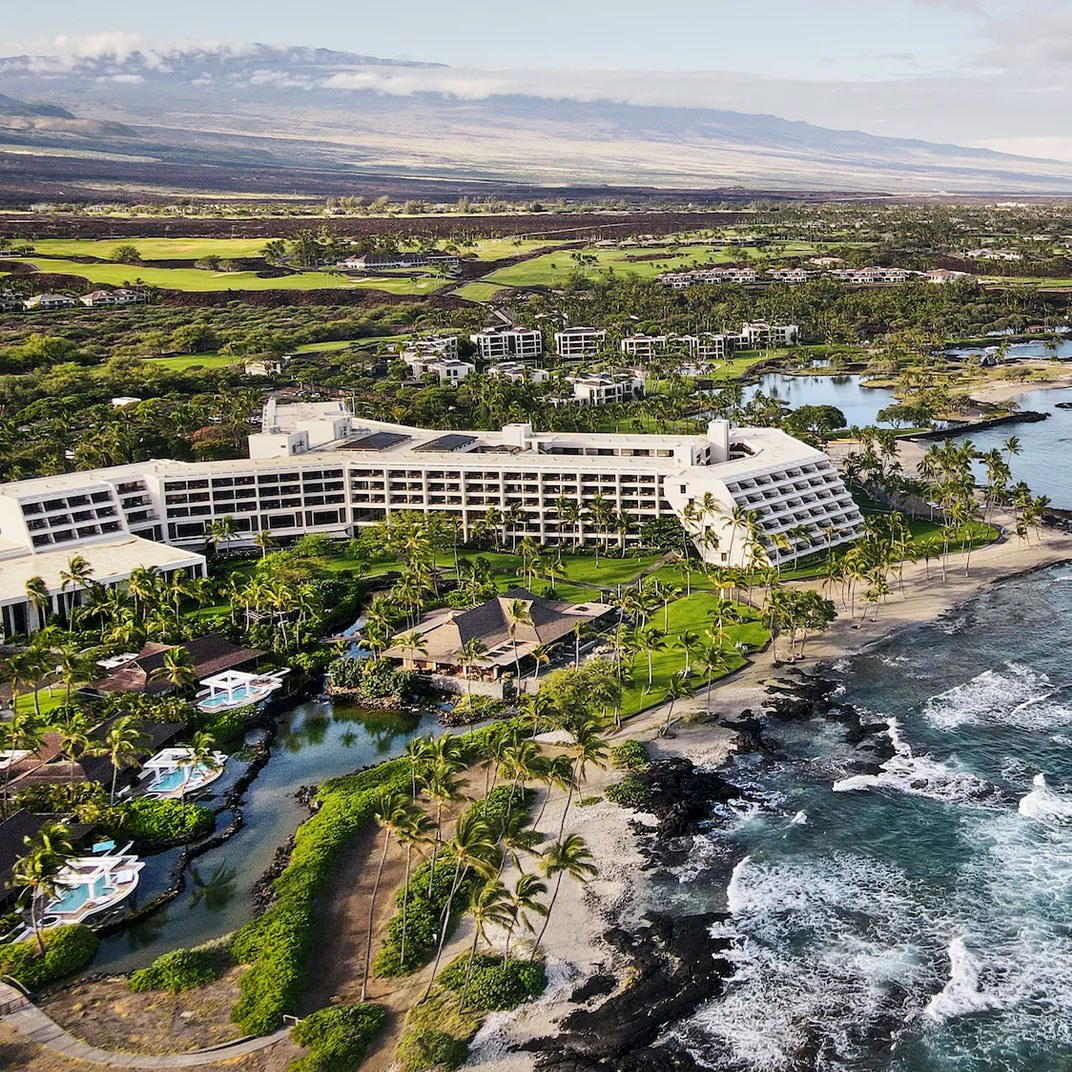
The Kohala Coast does not ease you in. Arriving on the island's northwest shore means crossing miles of hardened lava fields, dark and otherworldly, before the landscape opens onto the resort corridor that runs between Waikoloa and Kawaihae. Among the properties that line this stretch, Mauna Lani, Auberge Collection occupies a site where the built environment is in deliberate conversation with what surrounds it. The grounds incorporate the historic Kalāhuipua'a fishponds, ancient aquaculture systems that predate Western contact on Hawaii by centuries. That proximity shapes the property's spatial logic in ways that no amount of architectural styling could replicate: you are not at a resort that has borrowed a tropical aesthetic, but at one physically rooted in a specific place with a documented past.
The design vocabulary here follows the broader Auberge approach, which tends toward restrained materiality and a preference for open-air transitions over hermetic interior corridors. On a coast defined by trade winds and the visual drama of Mauna Kea rising behind the property, that choice reads less as a stylistic decision and more as a practical acknowledgment of where you are. Covered walkways, open breezeways, and rooms oriented toward the Pacific place the landscape in frame at nearly every turn. The effect is less about decoration than about calibration: how do you build on a site this charged without overwhelming it?
Where Mauna Lani Sits in the Kohala Coast Hierarchy
Kohala Coast has operated as Hawaii's luxury resort corridor for decades, with properties competing across a relatively compressed geographic strip. The competitive set includes the Kona Village, A Rosewood Resort, which positions itself around a reconstructed village aesthetic and deep historical narrative of its own. Further afield on the island, SCP Hilo Hotel represents a different tier entirely, aimed at a more value-conscious and independently minded traveler on the wetter, less resort-developed east side.
Mauna Lani's 2025 Michelin Key recognition places it among a specific cohort: properties where design integrity, service caliber, and site sensitivity collectively meet a threshold that the Michelin hotel program has defined as worthy of distinction. The Michelin Key program, extended to the United States market in recent years, applies the same demand for consistency and earned excellence that the restaurant guide made its standard. Receiving one Key in the Island of Hawaii market, where the property competes against well-funded international brands, carries real comparative weight.
For reference points elsewhere in the Auberge portfolio and its competitive adjacents: Meadowood Napa Valley and SingleThread Farm Inn in Healdsburg represent how American luxury properties can anchor themselves in place and agricultural specificity. In the Hawaiian context, Mauna Lani pursues a version of that same grounding through cultural heritage rather than food provenance, though the two are not unrelated on an island where the land's history is inseparable from how it was farmed and fished.
The Physical Environment as the Primary Amenity
On the Big Island, the environmental variables are extreme by American resort standards. Elevation changes across the island produce microclimates within short distances. The Kohala Coast operates in a rain shadow, meaning consistent sun on a coast that sits just below the island's volcanic peaks. The lava that frames the resort grounds is not incidental scenery; it is the geological record of the island's ongoing formation, and the contrast between the dark rock and the resort's structured green spaces and ocean access points creates a visual tension that is specific to this location and difficult to replicate elsewhere.
Properties that understand this tend to position their outdoor spaces as the main event, with interior amenities serving as support rather than focus. At Mauna Lani, the beach club, the fishpond trail, and the open grounds function as the actual offering, structured around the site's natural and cultural assets. This approach tracks with how a number of design-led American resorts have evolved: at Amangiri in Canyon Point, the physical range of the Utah desert is the product; at Post Ranch Inn in Big Sur, the coastal ridge defines what the property is. Mauna Lani operates on a comparable logic, anchored in volcanic coastline rather than canyon or cliff.
Planning a Stay: Timing, Access, and Practical Context
The Island of Hawaii sees peak travel during the winter months, particularly December through March, when visitors from the mainland seek consistent warmth. The Kohala Coast's reliable trade wind conditions make it less exposed to the seasonal variation that affects other Hawaiian islands, but demand across the corridor rises sharply in those months and booking lead times extend accordingly. For Michelin Key properties on the coast, early planning is the baseline expectation.
Guests fly into Kona International Airport (KOA), which handles direct flights from major West Coast cities and connecting service from the mainland hubs. The drive up the coast from Kona to the Mauna Lani grounds takes roughly twenty to thirty minutes, passing the lava field landscape that signals the shift from town to resort corridor. Rental cars remain the most practical way to move between the coast, the Waimea highlands, and the island's other distinct zones.
For travelers building a broader Hawaii itinerary, the Big Island's resort coast pairs logically with time in Waimea for ranching and agricultural context, or with the Hilo side for rainforest and botanical contrast. The island's scale, the largest in the Hawaiian chain by landmass, means the driving time between these zones is real and should factor into stay length decisions.
Comparable Michelin-recognized resort experiences on the US mainland, such as Four Seasons at The Surf Club in Surfside or Little Palm Island Resort and Spa in Little Torch Key, involve similar logistical calculus: fly-in access, limited nearby options, and properties where the stay itself is the destination rather than a base for urban exploration. Mauna Lani belongs firmly in that category.
A Quick Peer Check
Comparable venues nearby, for context on price, style, and recognition.
| Venue | Cuisine | Price | Awards | Notes |
|---|---|---|---|---|
| Mauna Lani, Auberge CollectionThis venue — the venue you are viewing | Modern Hawaiian elegance with profound cultural connection to sacred land. | Not listed | 1 Michelin Key | Not listed |
| Kona Village, A Rosewood Resort | Traditional Hawaiian hale in village-like clusters with modern sustainable upgrades | $1,000–1,500 | 3 Michelin Keys | Kaʻūpūlehu |
| SCP Hilo Hotel | Modern boutique hotel emphasizing sustainability, cultural sensitivity, and responsible travel through minimalist design and community-focused spaces. | $100–200 | Michelin Selected | Hilo |
| The Royal Hawaiian, a Luxury Collection Resort, Waikiki | Historic oceanfront resort blending Spanish-Moorish grandeur with modern Hawaiian luxury. | $500–750 | Michelin Selected · Virtuoso Luxury Hotel Partner | Waikiki |
| Ho'olei at Grand Wailea, Maui | Private luxury villas adjacent to a internationally prominent resort | Not listed | World Travel Awards | Wailea |
| Mauna Kea Beach Hotel, Autograph Collection | Understated luxury with Laurance Rockefeller's signature style; newly renovated with expanded living spaces and upgraded amenities while maintaining well-known island aesthetic. | Not listed | Virtuoso Luxury Hotel Partner · AFAR Best New Hotels | Kohala Coast |
Recognition history
Dated appearances from independent guides and award organizations, with the underlying list record or original source where available.
Michelin 1 Key
Michelin
Full recognition history (2 entries)
Michelin 1 Key
Michelin
Continue exploring
More in Island Of Hawaii
Hotels in Island Of Hawaii
Browse all →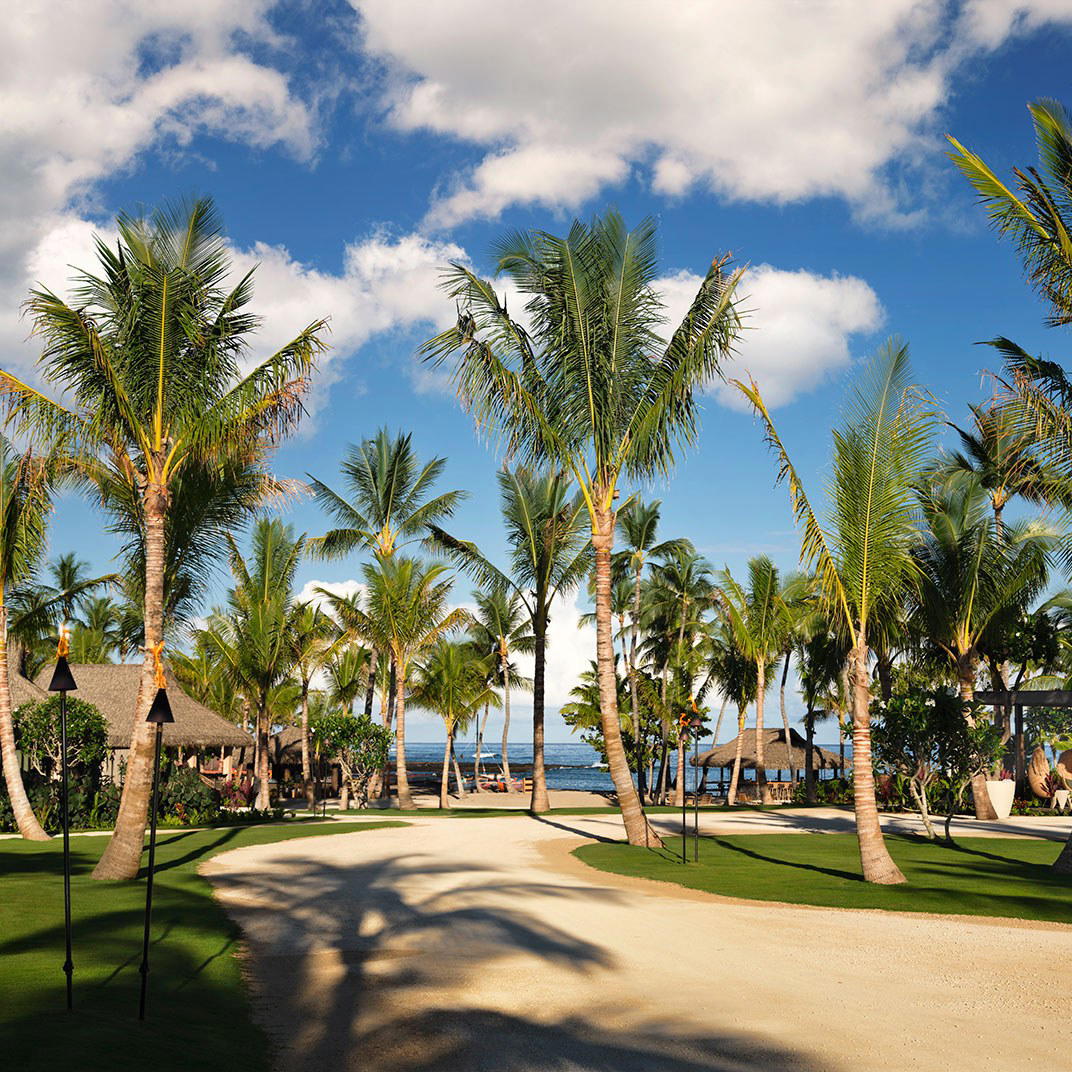
Details
- Elegant
- Scenic
- Sophisticated
- Quiet
- Family Vacation
- Romantic Getaway
- Wellness Retreat
- Honeymoon
- Beachfront
- Infinity Pool
- Private Villa
- Butler Service
- Golf Course
- Pool
- Spa
- Fitness Center
- Kids Club
- Beach Access
- Golf Course
- Concierge
- Waterfront
- Garden
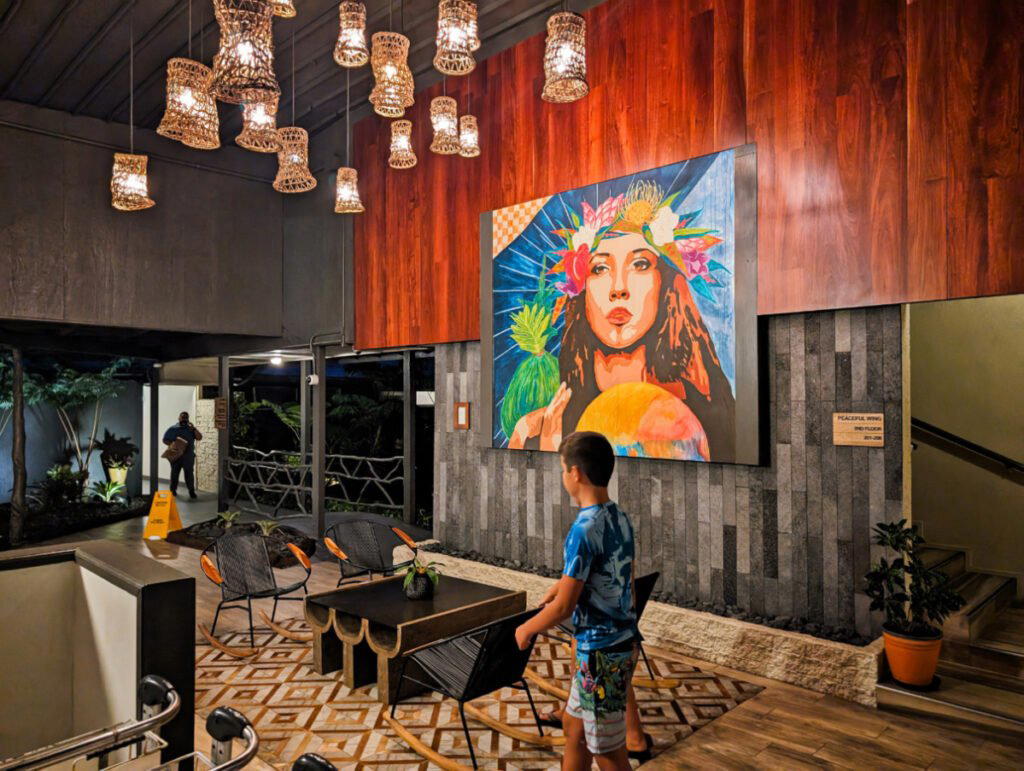
Contemporary-yet-organic design with spacious indoor-outdoor living spaces evoking tropical luxury and serene island serenity.