Atari Hotel Phoenix
Atari Hotel Phoenix is a useful test case for Phoenix hospitality: a hotel name with a strong design signal, yet with no published address, rating, room count, booking channel, or awards in the available record. Read it as a watch-list property rather than a fully assessable stay, especially in a city where desert resorts and design-led urban hotels already define clear alternatives.

Pearl is the En Primeur Club membership app — saves, bookings, and concierge access live there. Same editors, same standards.
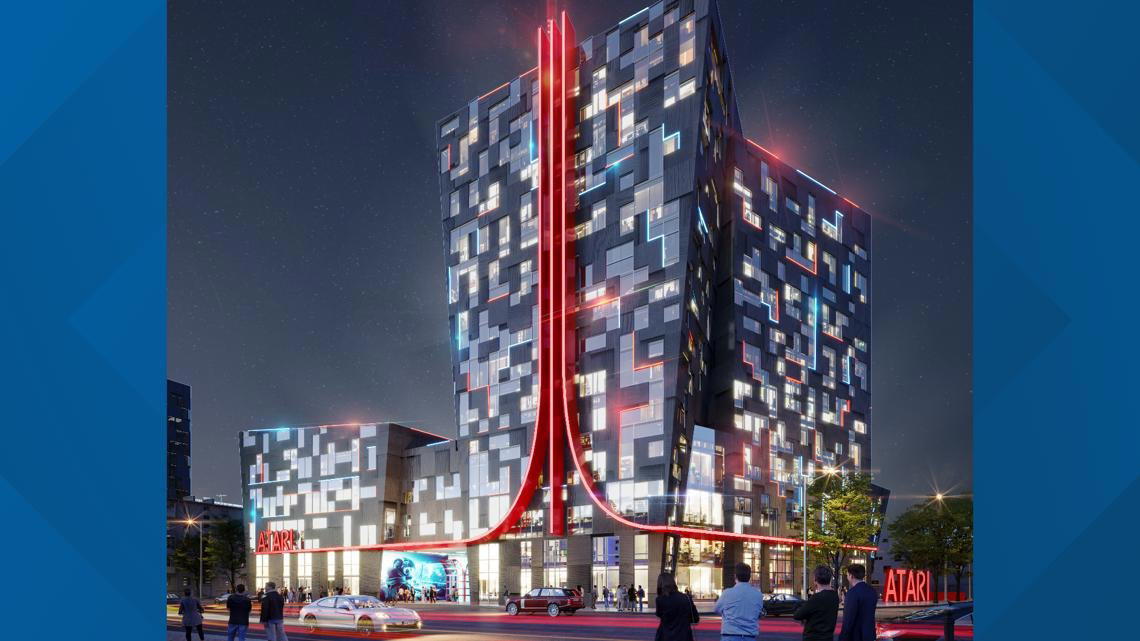
Design promise before practical certainty
Approaching a hotel is usually a matter of reading the clues: the porte cochère, the lobby volume, the way shade is handled in a hot city, the sound of wheels crossing stone or concrete. In this case, the first clue is absence. That makes the property less a bookable hotel in editorial terms than a design proposition, and Phoenix is not a forgiving city for vague hospitality claims.
Phoenix hotel design has to answer climate before it can answer mood. Shade, arrival sequence, pool placement, glazing, cooling, and the transition between car-dependent streets and interior social spaces are not cosmetic decisions in the Sonoran Desert.
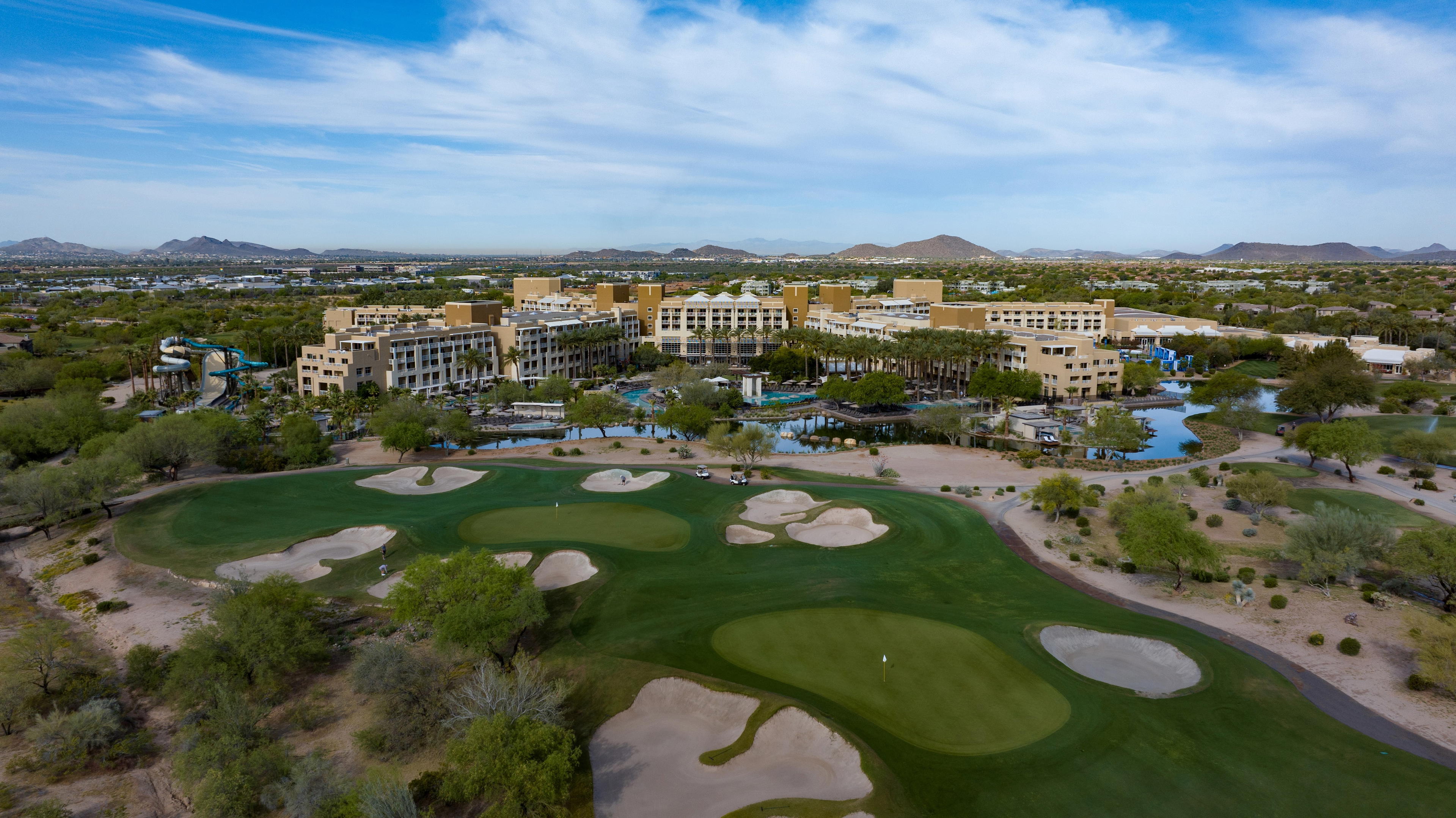
The city’s lodging field already has several legible categories. Historic resort architecture occupies one lane, led by properties such as Arizona Biltmore, LXR Hotels & Resorts and Royal Palms Resort and Spa. Large leisure resorts form another, including JW Marriott Phoenix Desert Ridge Resort & Spa and Sheraton Grand at Wild Horse Pass. Urban lifestyle hotels make a different argument, visible at Kimpton Hotel Palomar Phoenix, The Camby, Autograph Collection, and The Global Ambassador. Atari Hotel Phoenix would need to define which lane it occupies, or whether its design concept creates a separate one.
Where a themed hotel has to earn its place
Theme can be powerful in hospitality, but it is also risky. A hotel built around a recognizable cultural reference cannot survive on logo value alone, especially in a city where guests often choose according to pool programming, meeting access, golf, wellness, restaurant credibility, and proximity to Scottsdale, Downtown Phoenix, Paradise Valley, or airport corridors. The sharper question is not whether a gaming-inflected hotel sounds novel. It is whether the design system can turn play, nostalgia, and digital culture into rooms, public areas, and service rhythms that function in desert conditions.
That distinction matters because Phoenix has become a market of split identities. Resort guests often want space, privacy, and sun management; business travelers want frictionless access; leisure travelers increasingly pair hotel choice with dining, bars, and neighborhood programming. A property with an entertainment-led concept would have to decide whether it is a stay-first hotel with a strong visual identity, an events platform with rooms attached, or a social venue that competes with bars, restaurants, and experiences as much as with other hotels.
For a design-led hotel, the missing fields are not minor. No star rating means there is no formal service bracket. No price range means no comparable set can be established against city-center lifestyle hotels or resort compounds. No awards means there is no external recognition to offset the lack of operational detail. No address means the reader cannot infer neighborhood character, airport convenience, walkability, or whether the design brief responds to Downtown Phoenix, Tempe-adjacent development, Scottsdale traffic patterns, or a resort edge condition.
That lack of verification is itself useful editorial intelligence. In premium travel, an announced or thinly documented hotel can attract attention before it has earned traveler confidence. Phoenix readers should treat this as a watch-list entry until public-facing logistics appear. In the meantime, the stronger comparisons are already visible across the city’s hotel field.
Phoenix hotel architecture is a climate argument
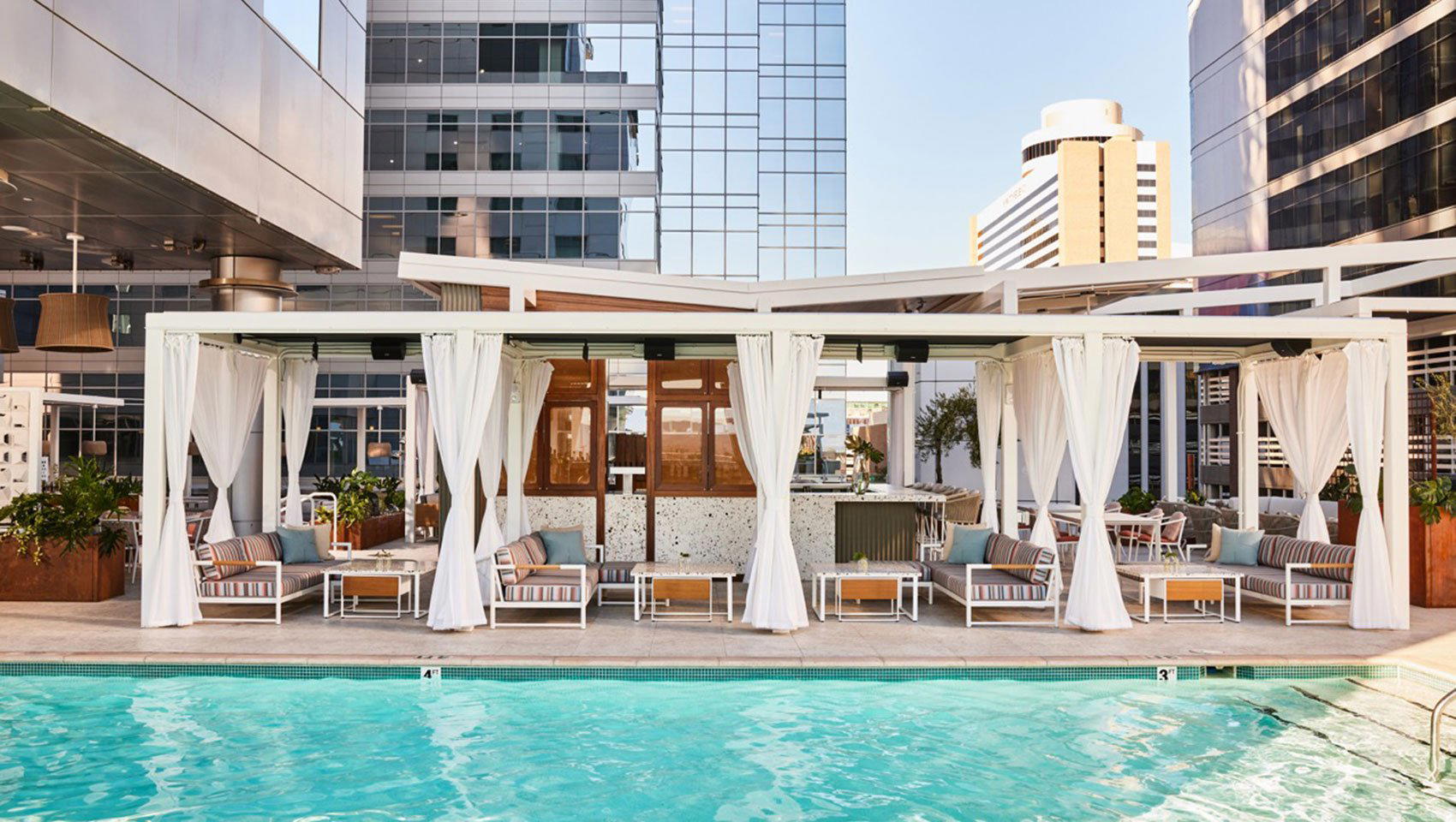
Good Phoenix hotels are rarely only about decoration. The architecture has to manage heat, scale, glare, and the long movement from parking or drop-off into cooled interiors. Historic properties often use courtyards, deep shade, textured materials, and low horizontal massing. Contemporary hotels tend to answer with controlled glass, rooftop social spaces, branded restaurants, and lobby-as-living-room programming. Resorts use water, landscaping, spa infrastructure, and room spread as part of their value case.
A technology or gaming-branded hotel would enter that discussion with a different vocabulary. The editorial point is narrower and more useful: in Phoenix, any experiential hotel concept must make the guest feel that the design is more than surface treatment. It has to solve arrival, heat, acoustics, rest, and public/private separation. A lobby can be playful; a room still has to sleep properly. A bar can be visually loud; circulation still has to be legible after a long flight.
This is where comparison with other design-heavy hotels outside Arizona helps. The Fifth Avenue Hotel in New York City works in a dense urban context where maximal interiors can meet neighborhood walking culture. Four Seasons at The Surf Club in Surfside uses heritage and beach-club memory as part of its spatial identity. Raffles Boston in Boston plays a vertical city-hotel game, where brand polish and skyline positioning matter. Phoenix asks a different question: can a concept hotel work when the outdoors is both the city’s signature and its design constraint?
The Southwest also has a separate luxury grammar, one shaped by land, silence, and low-impact spectacle. Amangiri in Canyon Point is the obvious regional reference for architecture as desert framing rather than decoration. Post Ranch Inn in Big Sur and Meadowood Napa Valley in Napa show another American version of retreat logic, where site and restraint carry the experience. Atari Hotel Phoenix, if developed around spectacle, would sit in productive tension with that quieter tradition rather than within it.
The hospitality trend behind the name
The rise of branded, experience-led hotels reflects a wider shift in travel. Guests increasingly expect a property to provide social identity as well as a bed: a lobby that photographs clearly, a bar with local relevance, event programming, wellness spaces, and food that does not feel outsourced from the rest of the concept. In major American cities, this has produced hotels that behave partly like private clubs, partly like restaurants, and partly like content stages. The danger is that the hotel becomes louder than the stay.
Gaming culture gives that trend a specific edge. It can imply interactivity, late-night energy, nostalgia, digital art, and a different relationship to public space. It can also create a narrow audience if the design reads as merchandise rather than hospitality. Phoenix’s advantage is scale: the city can absorb large-format concepts more easily than older, denser markets. Its challenge is credibility. Travelers already have established choices across resort, business, and lifestyle segments, so a new concept has to offer more than a recognizable name.
National and international comparisons underline the point. The Beverly Hills Hotel in Los Angeles trades on social history and place memory. Troutbeck in Amenia works through literary rurality and Hudson Valley weekend culture. SingleThread Farm Inn in Healdsburg links lodging to a tightly controlled culinary ecosystem. Kona Village, A Rosewood Resort in Kailua Kona depends on island setting and resort renewal. These hotels do not win attention by theme alone; they connect format, site, and operations.
European palace hotels make the same lesson in a different register. Hôtel de Paris Monte-Carlo in Monte Carlo, Badrutt's Palace Hotel in St. Moritz, and Aman Venice in Venice operate from heritage, address, and established service cultures. A future-facing hotel in Phoenix would need a different source of authority: documented architecture, a clear neighborhood role, verified amenities, and a service model that turns concept into comfort.
The available record for Atari Hotel Phoenix is limited beyond name and city. That creates three practical conclusions. Second, there is no price range, which means it cannot be compared responsibly with Phoenix luxury resorts, downtown lifestyle hotels, or select-service properties. Third, there are no awards or ratings, so the property has no listed external trust signal in the record.
For EP Club readers, that does not make the hotel irrelevant. It makes it provisional. Concept hotels often enter public conversation before operational facts catch up, and the early stage can be interesting precisely because it reveals what a city is willing to imagine. Phoenix has room for a stronger design hotel conversation, especially one that does not simply copy coastal lifestyle formulas. Yet the city’s hospitality market is mature enough that design ambition needs evidence: architect, location, food and beverage partners, public space strategy, service level, and opening details.
The planning stance should therefore be conservative. Those seeking confirmed stays have clearer data trails at the established hotels linked above. Those tracking hotel design should keep the name in view as a potential signal of where experiential hospitality in Phoenix may move next.
Planning notes for Phoenix travelers
Phoenix is spread out, and hotel choice has direct consequences for dining, nightlife, and daily movement. A downtown hotel changes the rhythm of a trip differently from a resort in the northern or eastern parts of the metro area. A property near arts, sports, or convention infrastructure serves a different guest than one built around spa, golf, or pool days. Without an address for Atari Hotel Phoenix, those basic decisions cannot be made from the current record.
The same caution applies to arrival logistics. No phone number or website is listed, and no hours or opening information is available. Walk-in assumptions are especially weak for hotels, where public areas may be accessible while rooms, events, restaurants, or amenities depend on guest status or reservation rules. In Phoenix, seasonal demand also changes the stakes: cooler months typically place more pressure on resort and leisure inventory, while summer can alter pricing and programming across the region.
A sensible Phoenix itinerary should begin with confirmed geography. Pair hotel location with the dining and bar plans that matter, then decide whether the trip wants desert-resort quiet, downtown convenience, or a design-led social base. Atari Hotel Phoenix currently belongs in the research file, not the fixed itinerary, because the evidence needed for a confident stay decision is not yet present.
Comparable Venues Nearby
Comparable venues nearby, for context on price, style, and recognition.
| Venue | Cuisine | Price | Notes |
|---|---|---|---|
| Atari Hotel PhoenixThis venue — the venue you are viewing | Large-scale experiential entertainment hotel that blends lodging with esports, concerts, and nightlife venues. | Not listed | Not listed |
| Arizona Biltmore, LXR Hotels & Resorts | Luxury heritage resort blending Frank Lloyd Wright-inspired architecture with contemporary Waldorf Astoria service standards. | $$$$ | Biltmore Gates |
| Kimpton Hotel Palomar Phoenix | Newly renovated urban boutique hotel with desert-inspired design. | $$$ | Downtown |
| Sheraton Grand at Wild Horse Pass | Native American heritage-inspired luxury resort blending Pima and Maricopa cultural traditions with contemporary desert hospitality. | $$$$ | Ahwatukee |
| JW Marriott Phoenix Desert Ridge Resort & Spa | Luxury desert resort with family-friendly waterpark and championship golf. | $$$$ | Paradise Valley |
| The Camby, Autograph Collection | Reimagined luxury retreat balancing classical elegance with contemporary desert-inspired design; formerly a Ritz Carlton transformed into a playful, sophisticated lifestyle hotel. | $$$$ | Biltmore Villas |
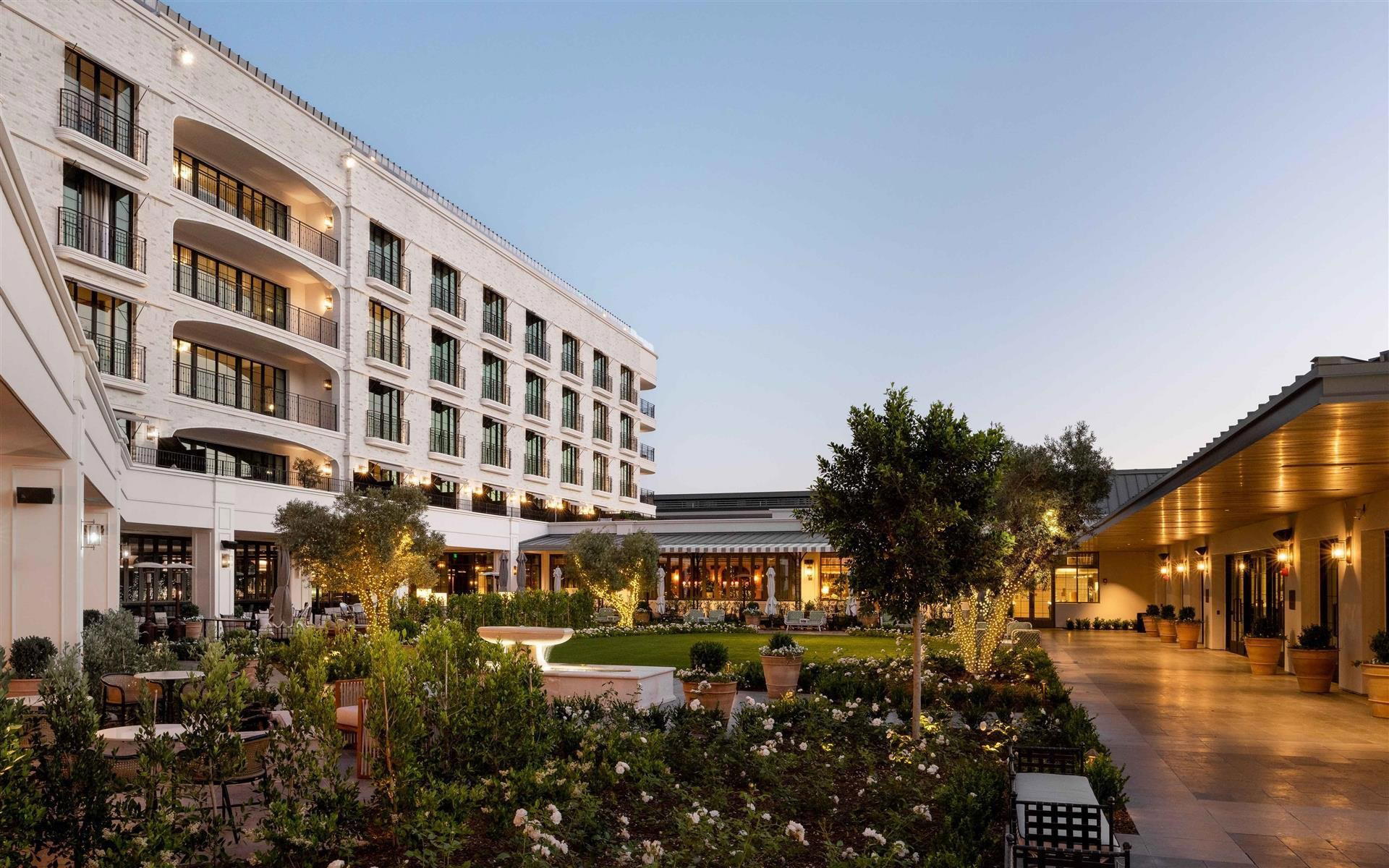
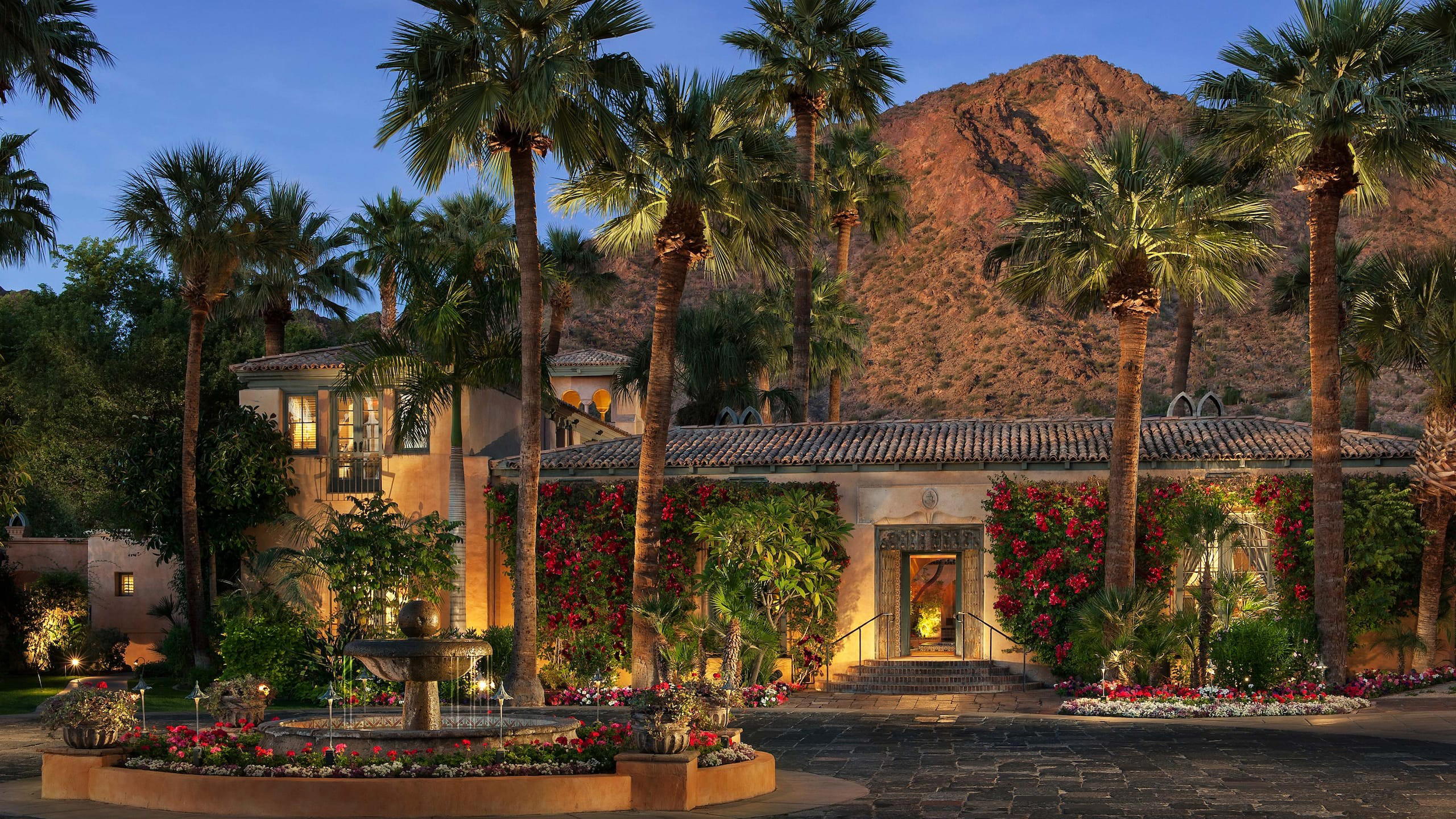
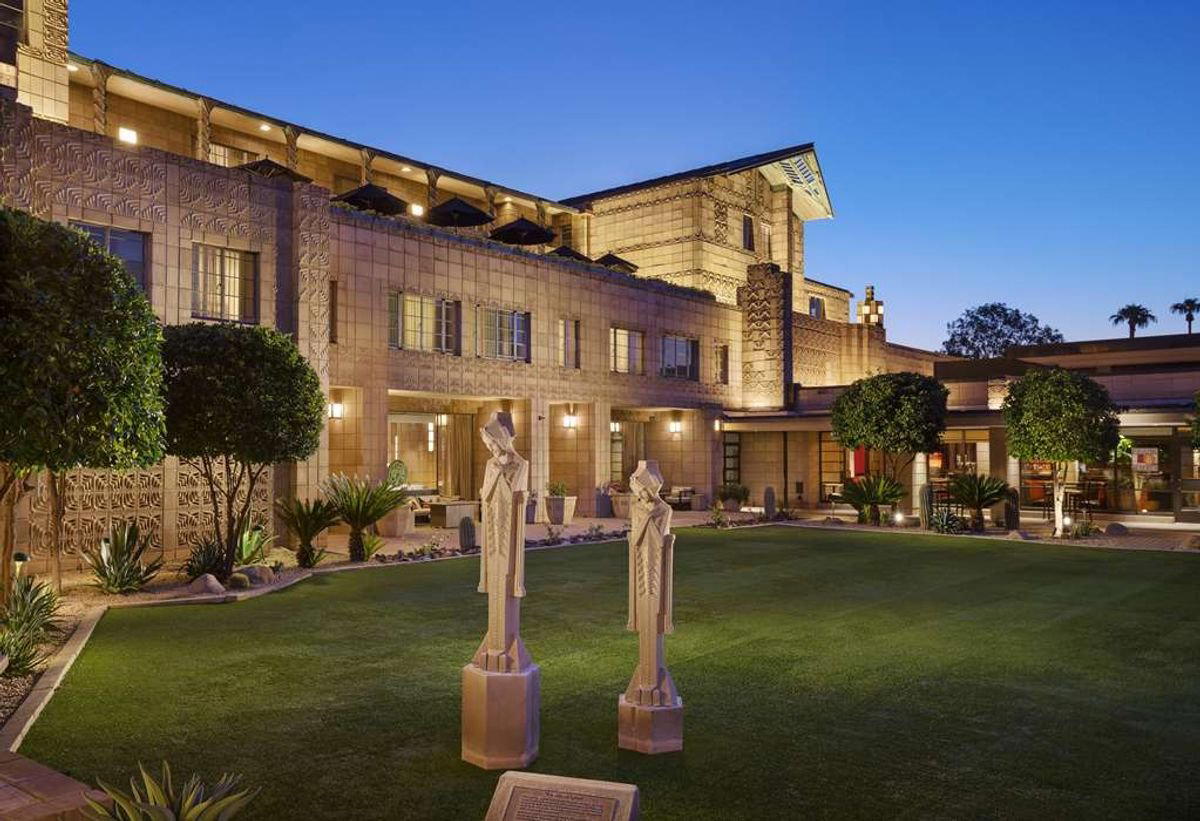

At a Glance
- Modern
- Trendy
- Energetic
- Whimsical
- Well Known
- Weekend Escape
- Celebration
- Group Retreat
- Business Trip
- Rooftop Pool
- Design Destination
- Panoramic View
- Pool
- Skyline
- Street Scene
- Pool
A futuristic, neon-lit entertainment destination inspired by Tron and Blade Runner, with a glowing monolith facade, pixel-grid patterns, and interiors that reference classic games like Pong, Tetris, and Asteroids, creating a high-energy, nightlife-oriented atmosphere rather than a quiet stay.